















Industrial development marketing works best when the campaign is treated as part of the development programme, not as a brochure exercise added at the end. The market needs to understand the product, the timing, the commercial logic and the reasons to act before the estate is physically complete. For the question “How Do You Launch a New Business Park?”, the useful answer is not a single tactic. It is a coordinated system that turns the development into something the market can understand, compare and act on.
The strongest campaigns combine commercial positioning, clear plans, accurate visualisation, current technical information, agent coordination and a deliberate pathway from first enquiry into due diligence or negotiation. The exact mix changes with the project, but the underlying job is the same: reduce uncertainty and make the property easier to evaluate before the market loses interest.
Business parks need a stronger precinct story
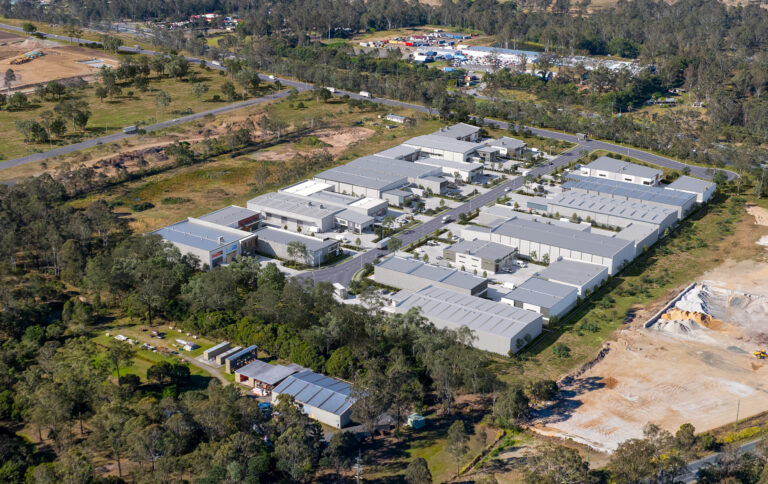
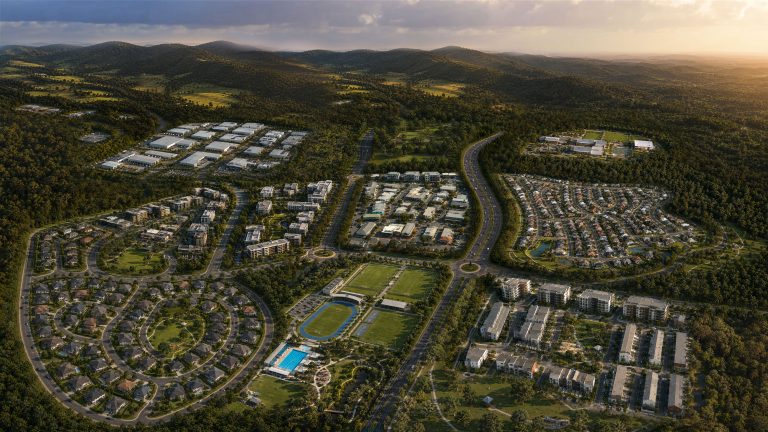
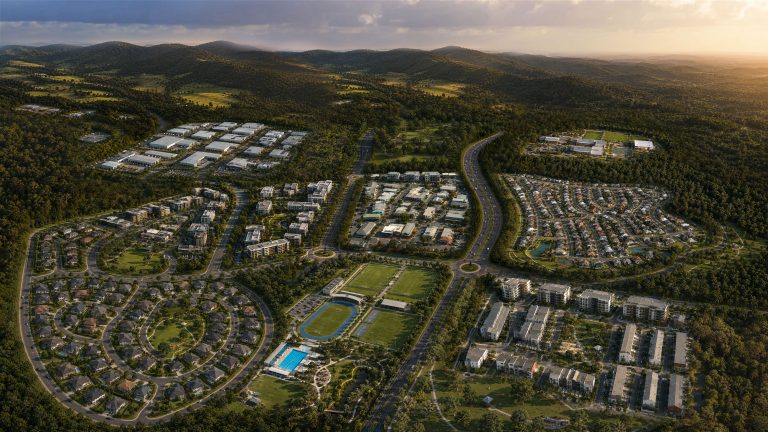
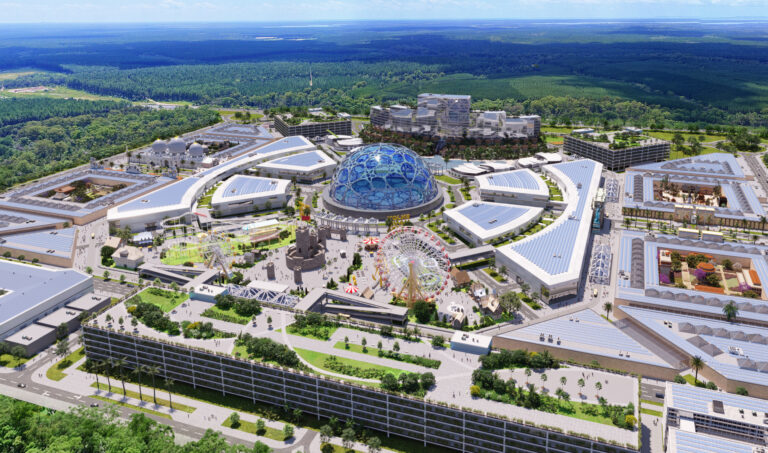
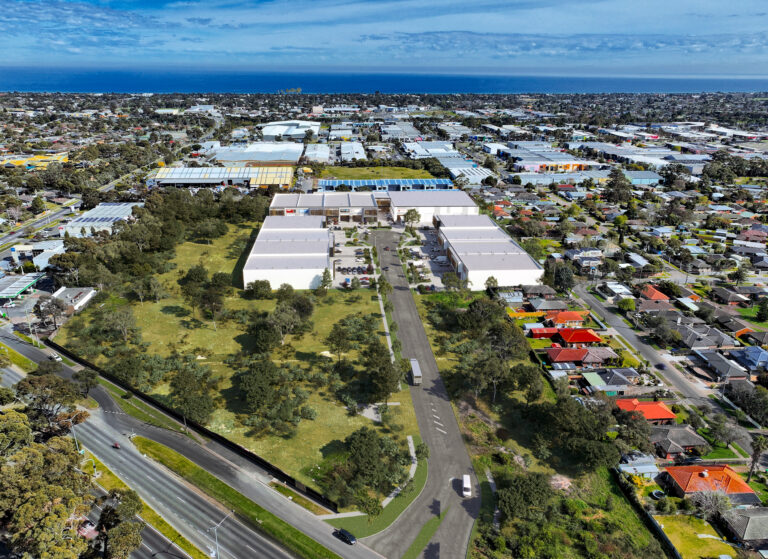
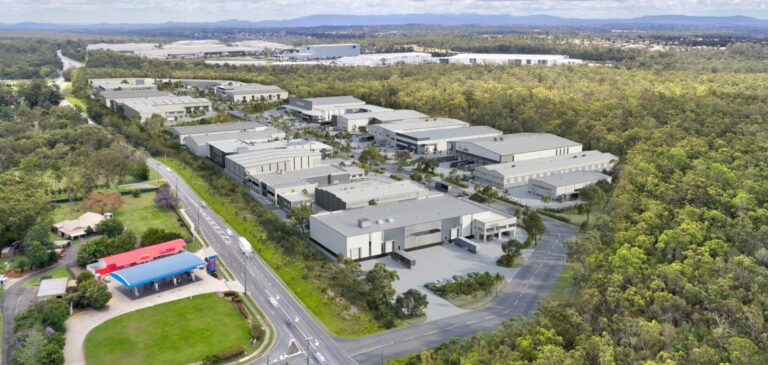
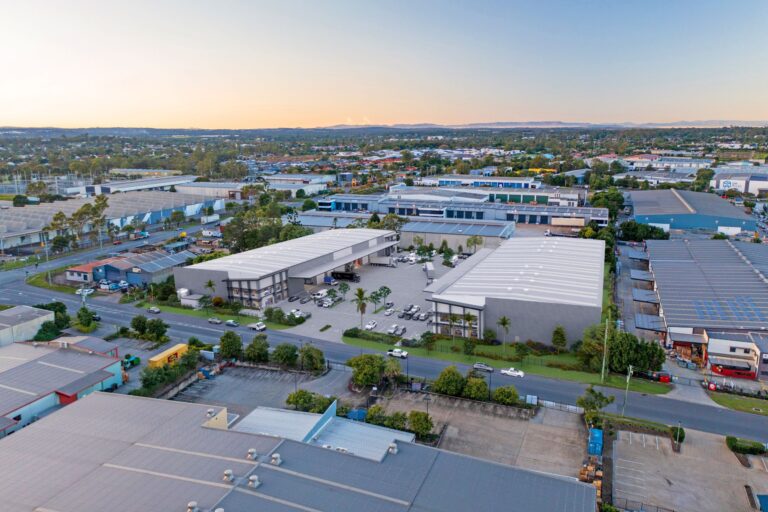
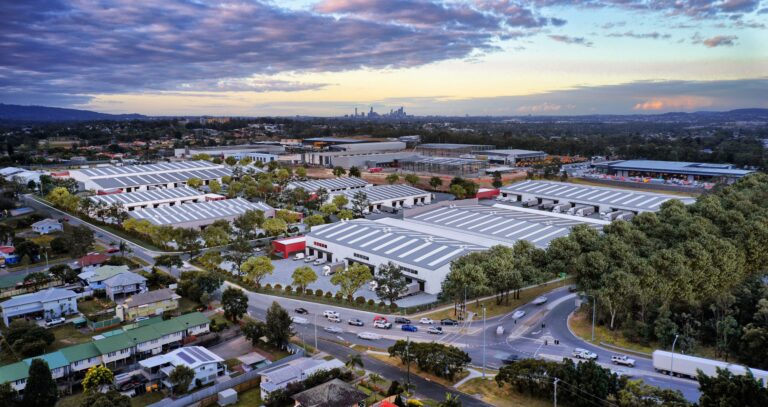
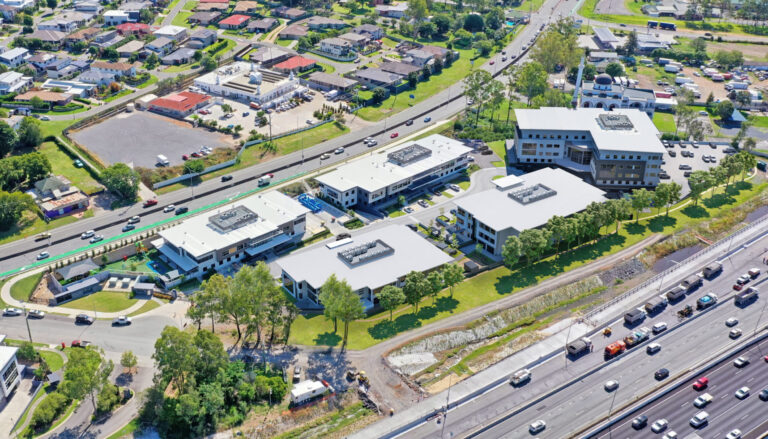
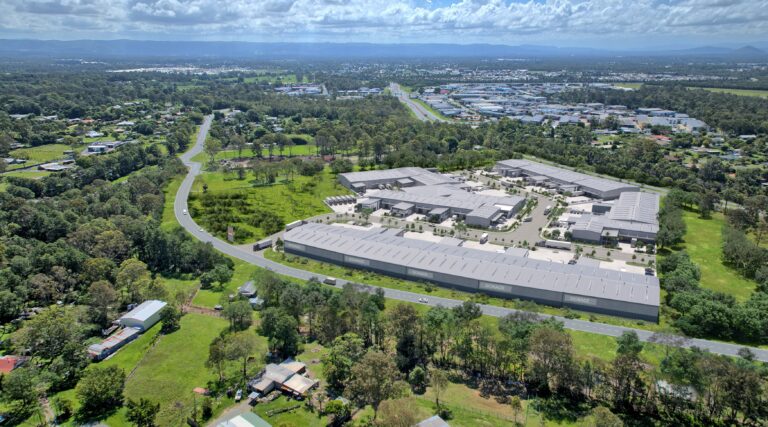
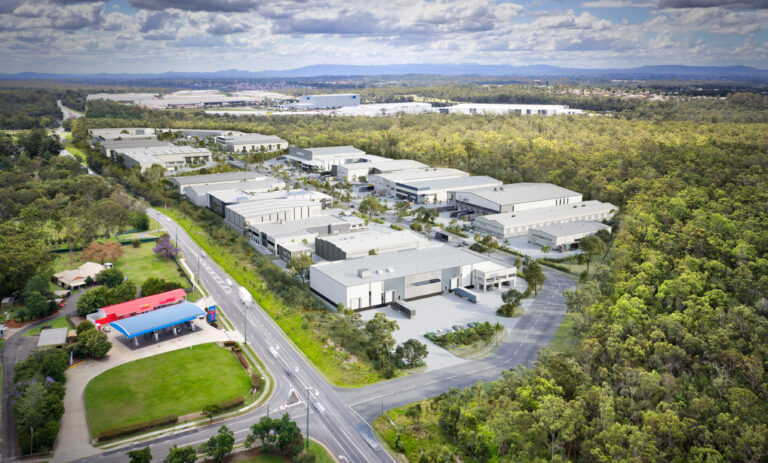
A business park is more than a collection of lots or warehouses. The campaign should explain the relationship between uses, internal circulation, landscaping, signage, workforce amenity, nearby services and future stages. A clear precinct story helps occupiers understand why the whole environment is commercially useful.
In the context of “How Do You Launch a New Business Park?”, this matters because the campaign needs to support real commercial decisions rather than simply create visibility. The developer should be able to point to a current source for plans, areas, timing and commercial information, while the agent should be able to explain the opportunity without filling gaps from memory. That level of control improves the quality of enquiry and makes it easier to see whether objections are being caused by presentation, product, pricing or programme.
Mixed occupier profiles require disciplined hierarchy
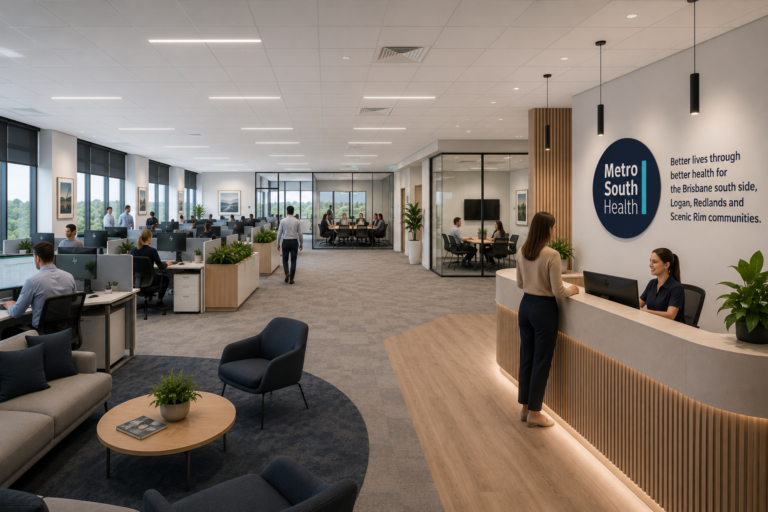
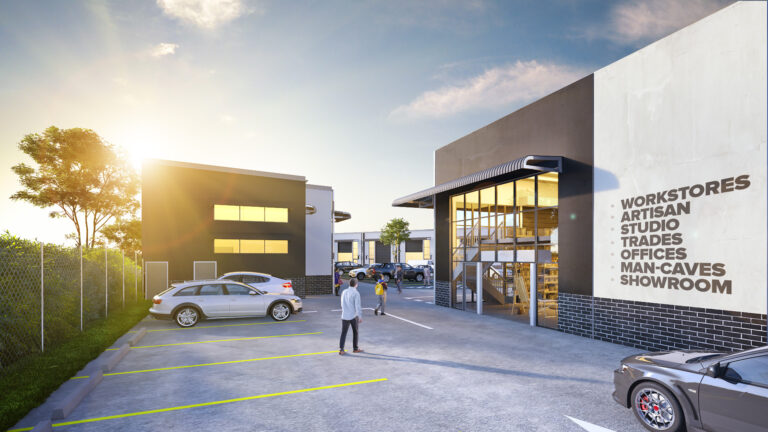
Business parks can appeal to industrial, trade, showroom, office and service users at the same time. The campaign should not become a list of every permissible use. Lead with the strongest market proposition, then show flexibility through plans, use examples and technical information.
In the context of “How Do You Launch a New Business Park?”, this matters because the campaign needs to support real commercial decisions rather than simply create visibility. The developer should be able to point to a current source for plans, areas, timing and commercial information, while the agent should be able to explain the opportunity without filling gaps from memory. That level of control improves the quality of enquiry and makes it easier to see whether objections are being caused by presentation, product, pricing or programme.
Marketing should move at the same speed as the development
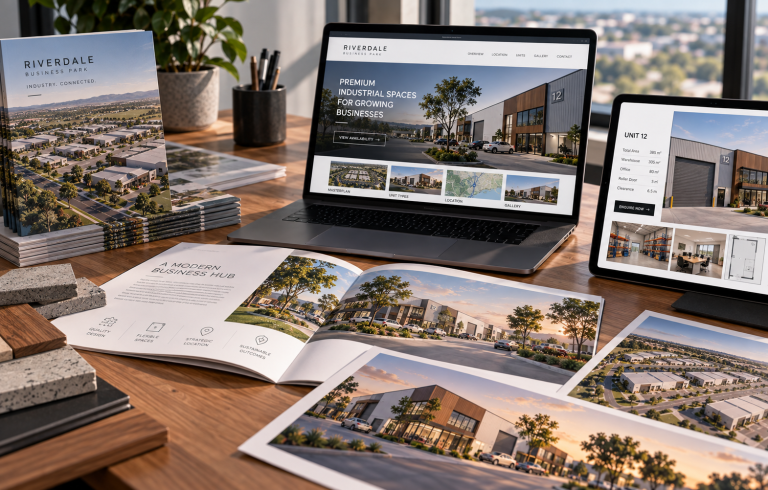
Industrial projects rarely stay static. Unit sizes move, access changes, staging changes, civil design evolves, office ratios are adjusted and delivery timing shifts. The marketing system needs version control so the website, IM, plans, CGI, signage and agent collateral all reflect the same current information. Outdated material is not just untidy; it can reduce confidence, create unnecessary agent conversations and produce enquiries against product that no longer exists.
In the context of “How Do You Launch a New Business Park?”, this matters because the campaign needs to support real commercial decisions rather than simply create visibility. The developer should be able to point to a current source for plans, areas, timing and commercial information, while the agent should be able to explain the opportunity without filling gaps from memory. That level of control improves the quality of enquiry and makes it easier to see whether objections are being caused by presentation, product, pricing or programme.
CGI should answer commercial questions, not just look polished
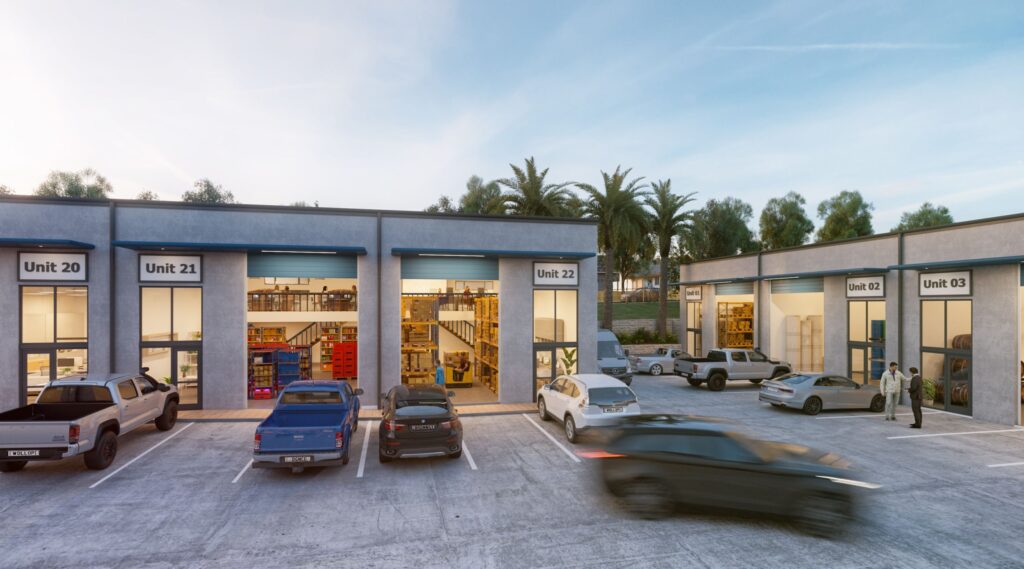
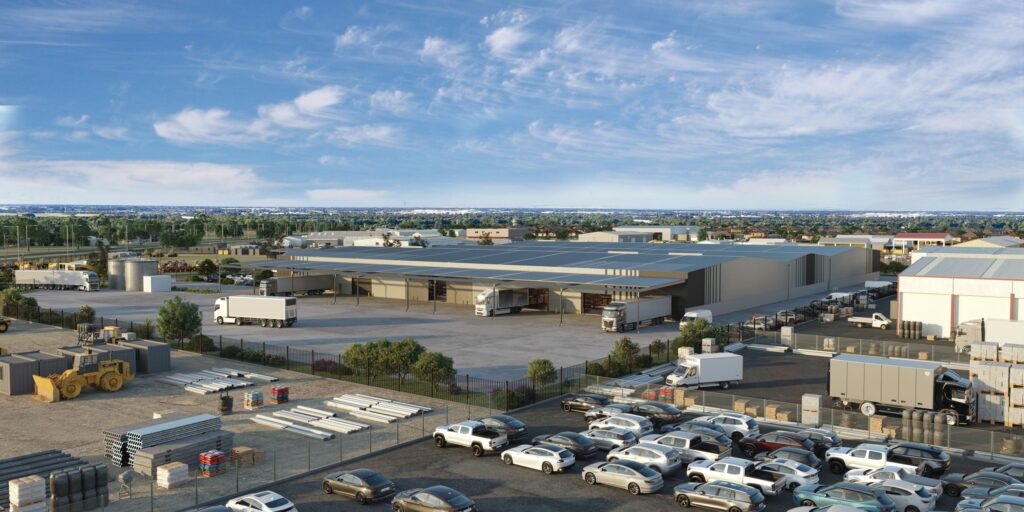
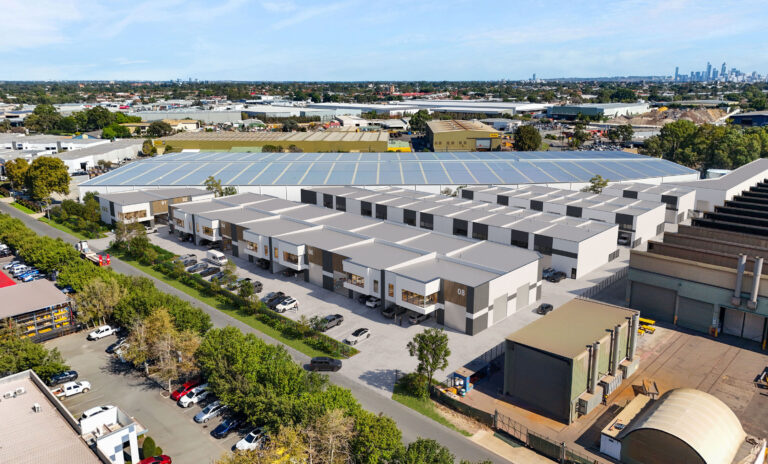
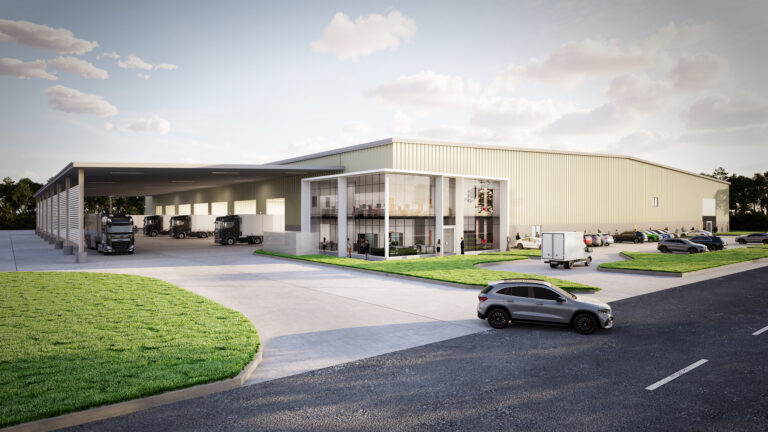
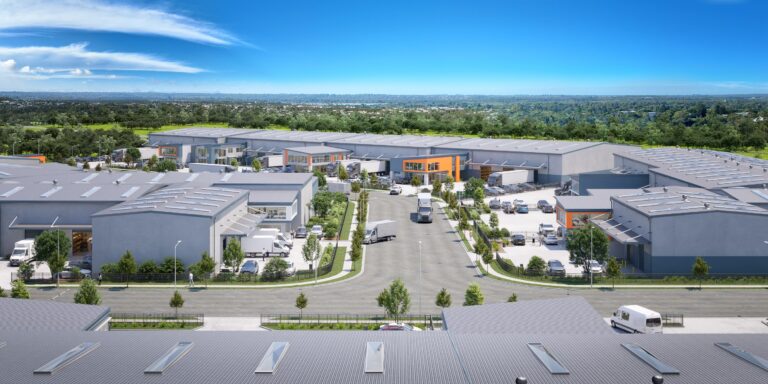
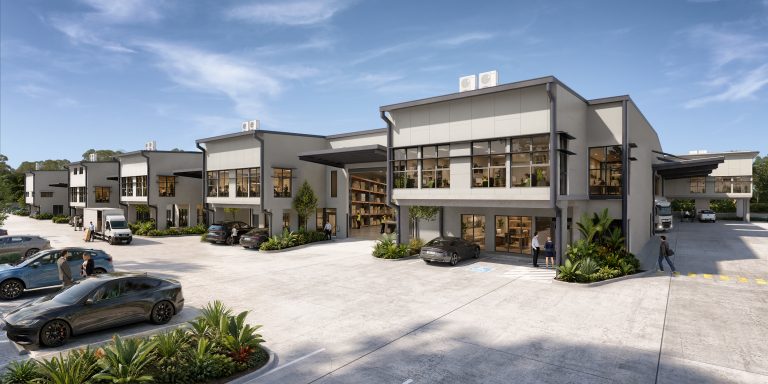
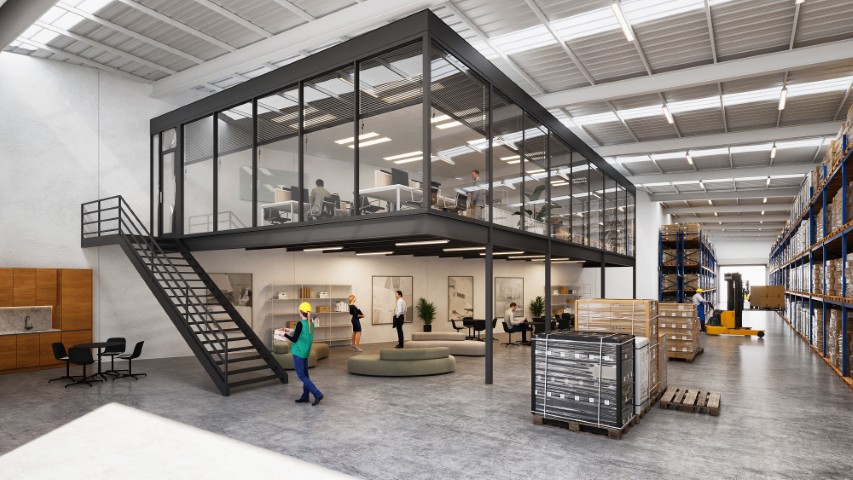
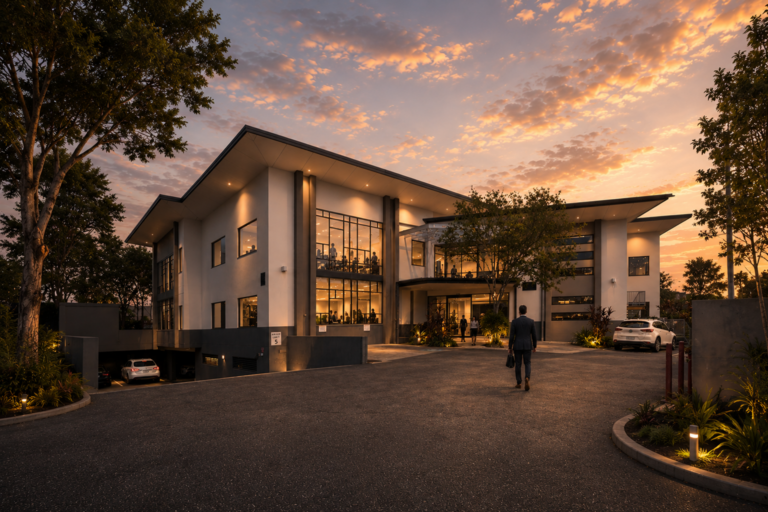
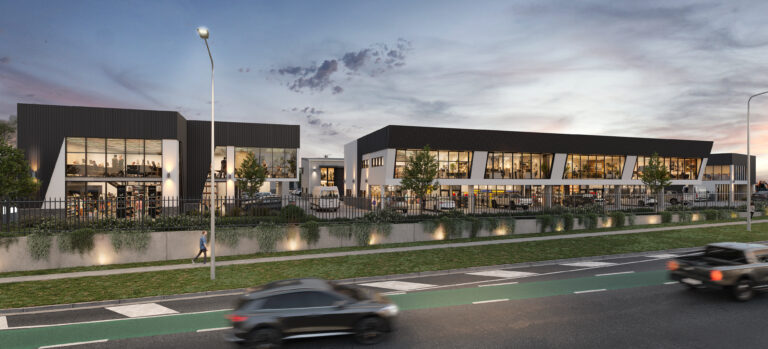
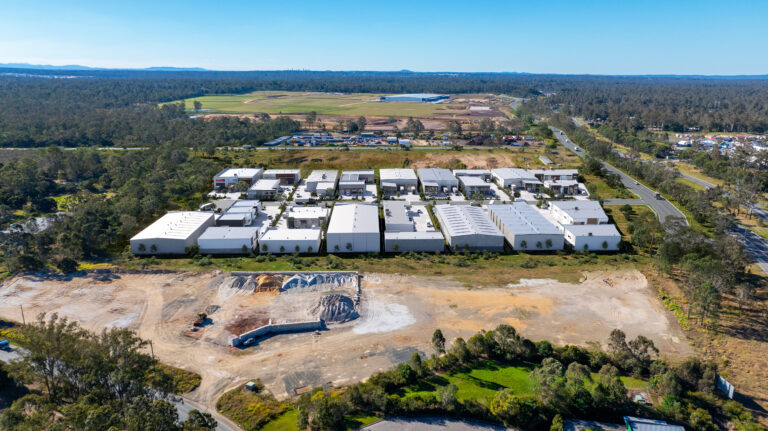
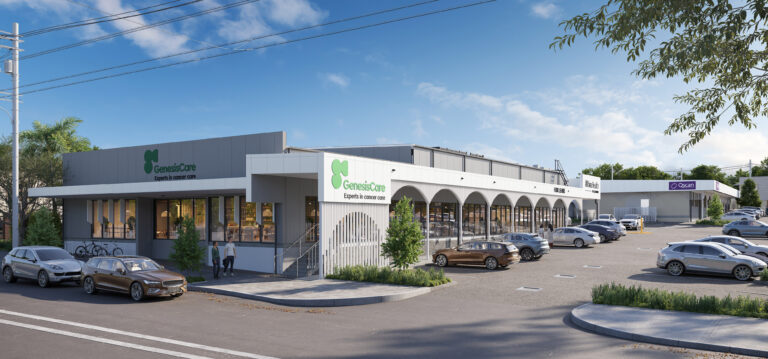
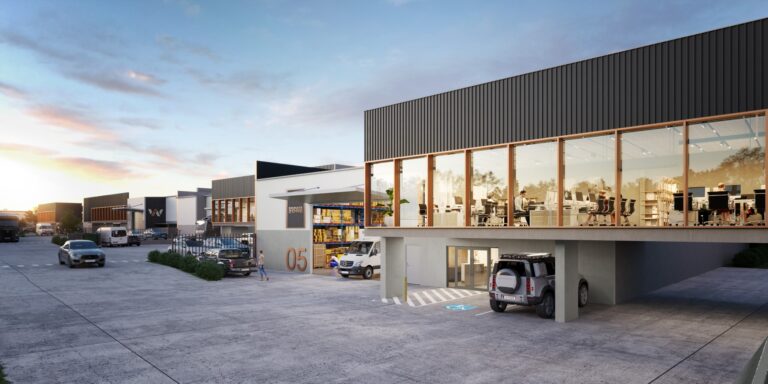
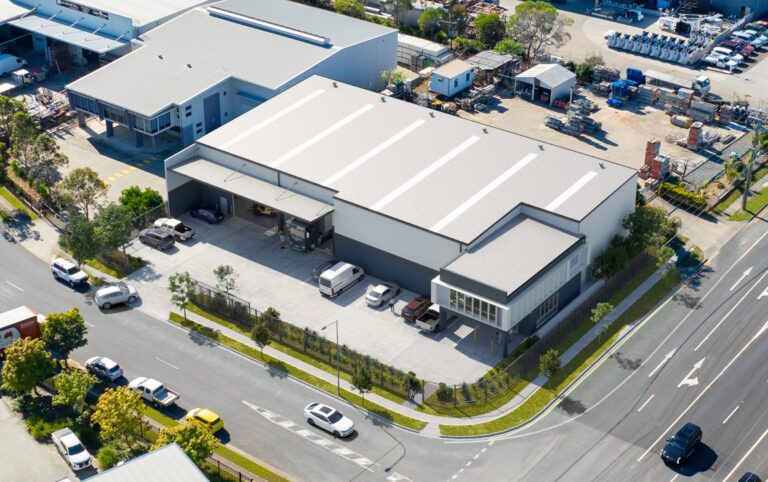
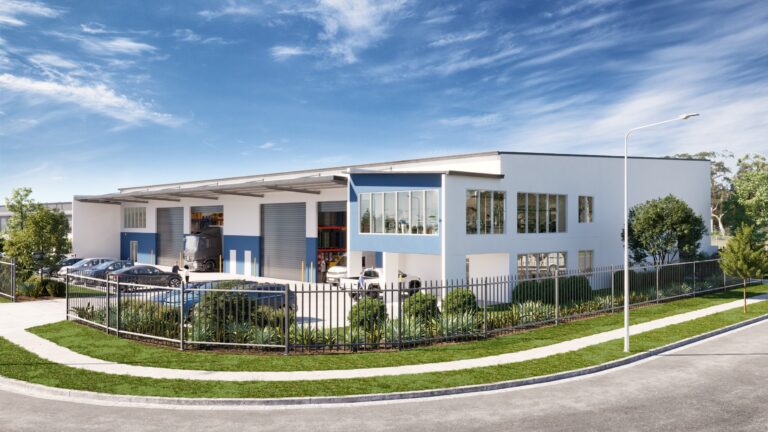
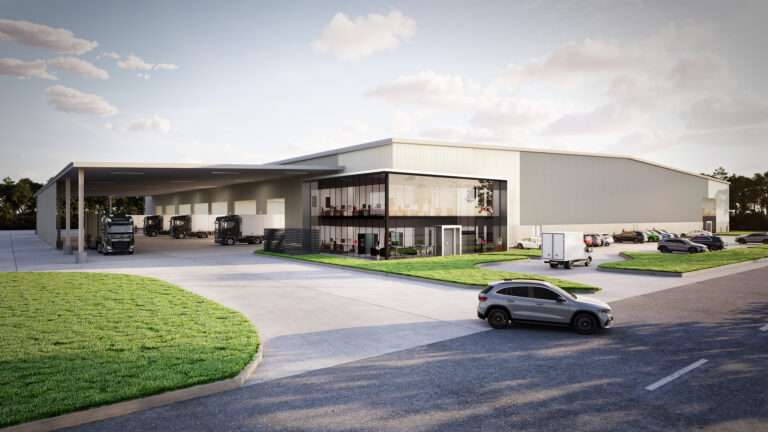
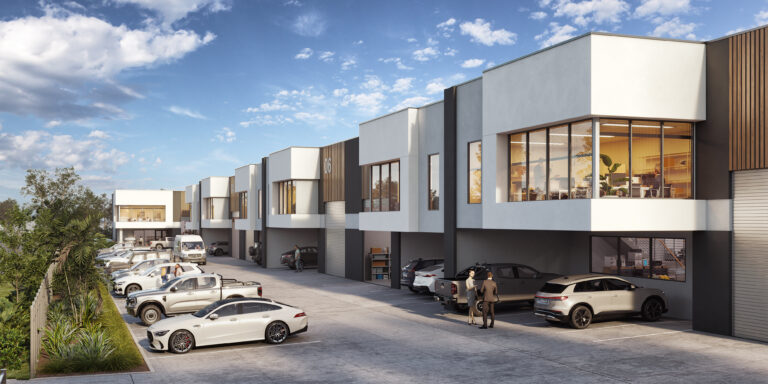
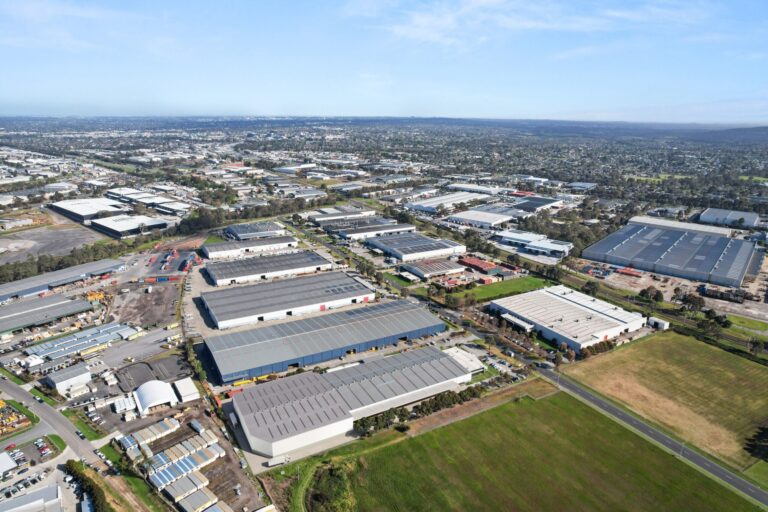
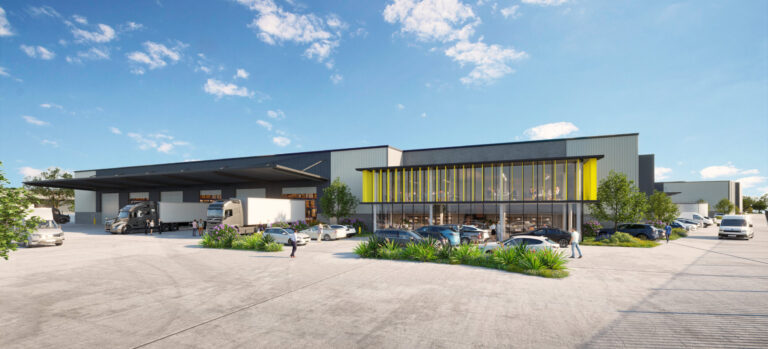
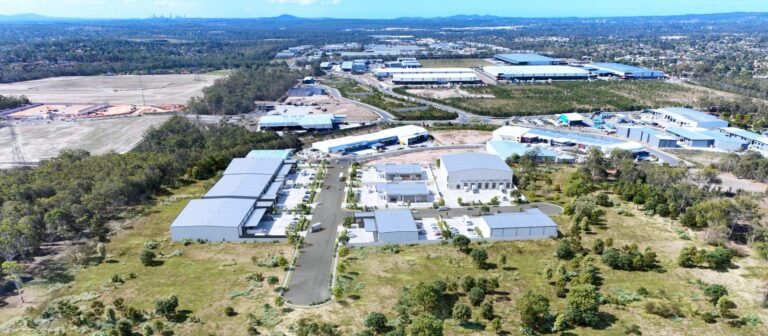
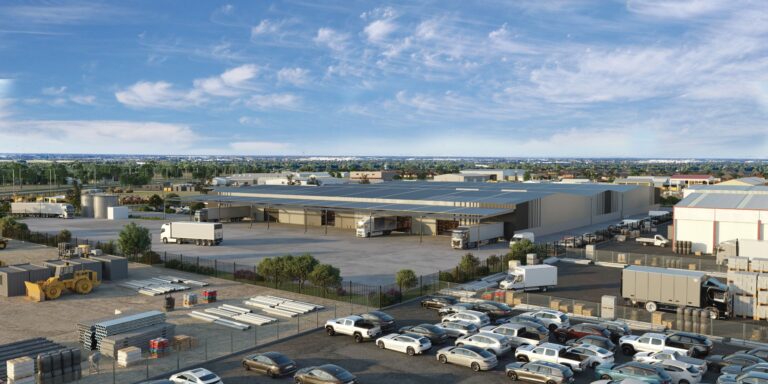
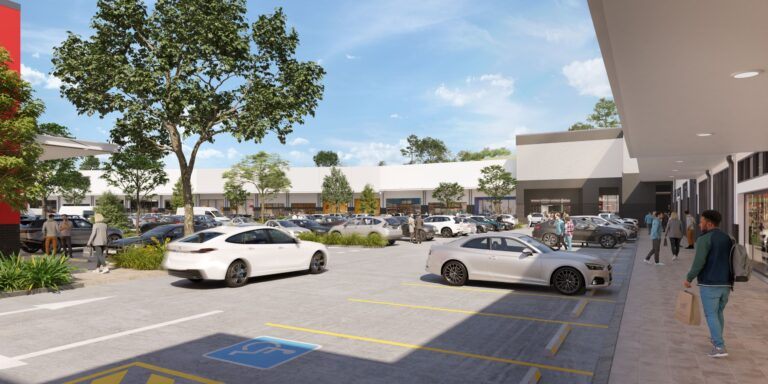
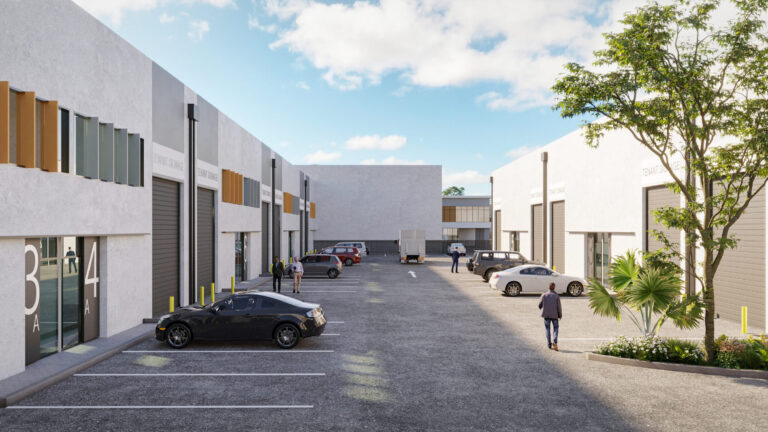
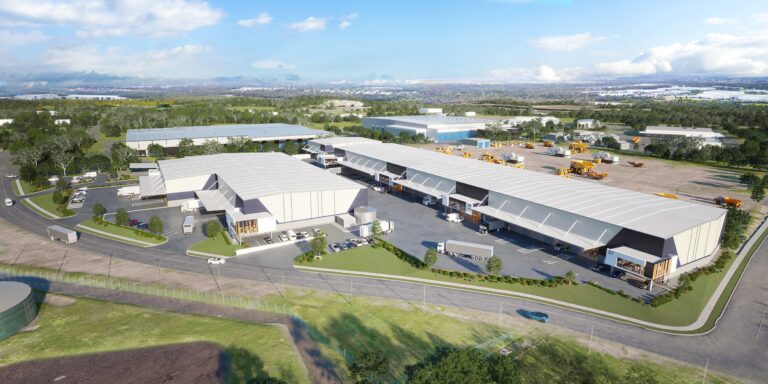
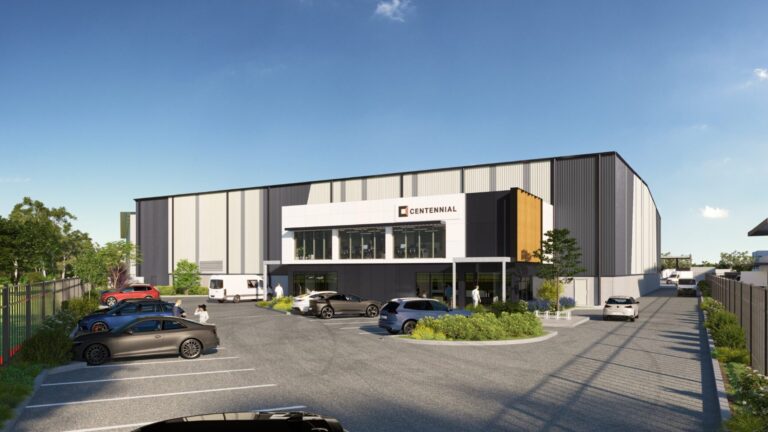
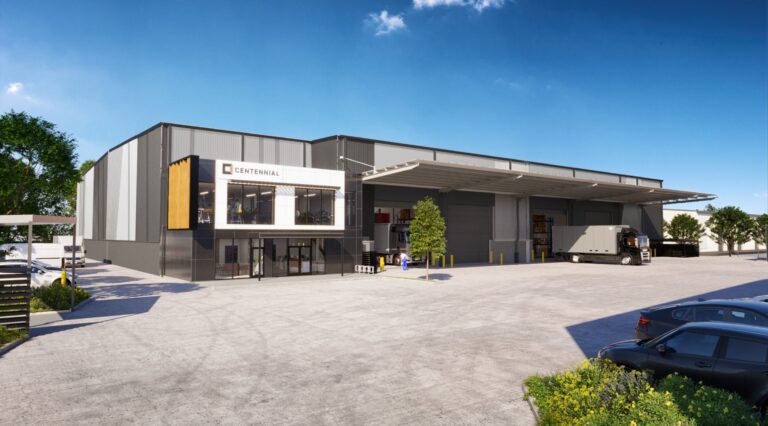
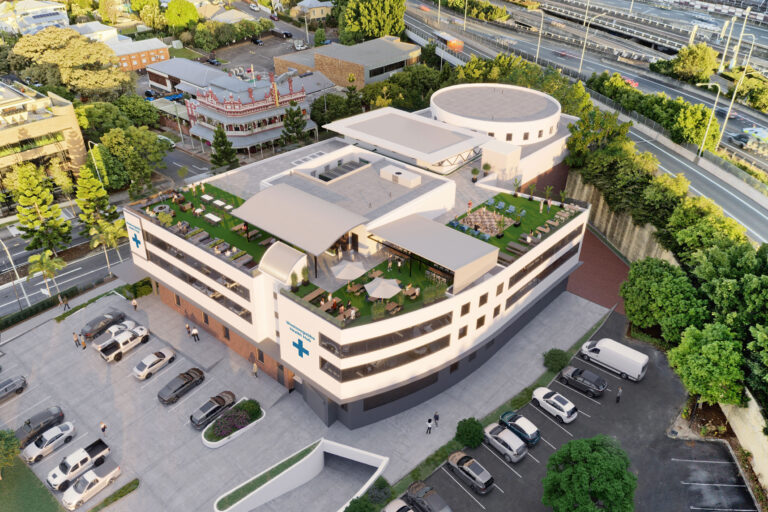
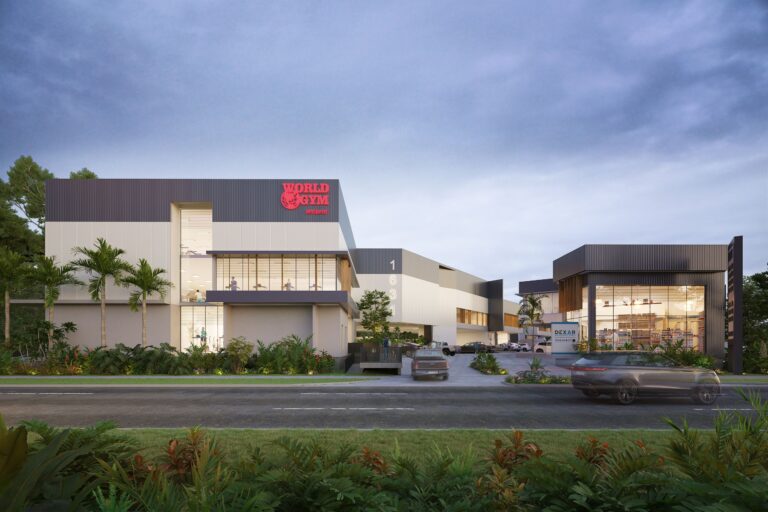
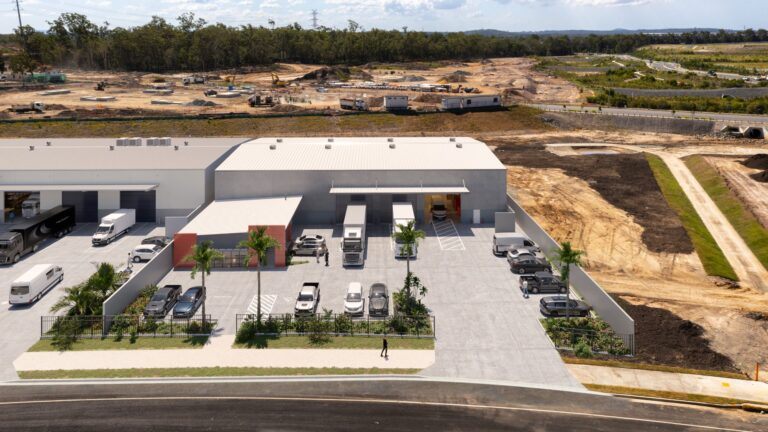
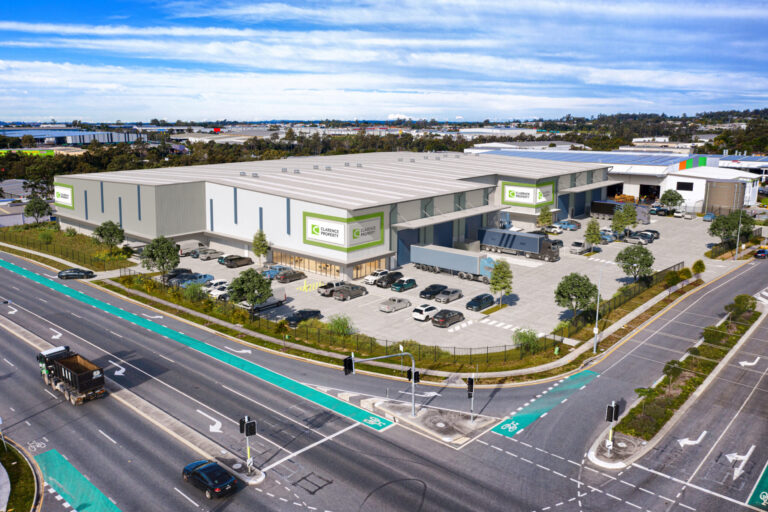
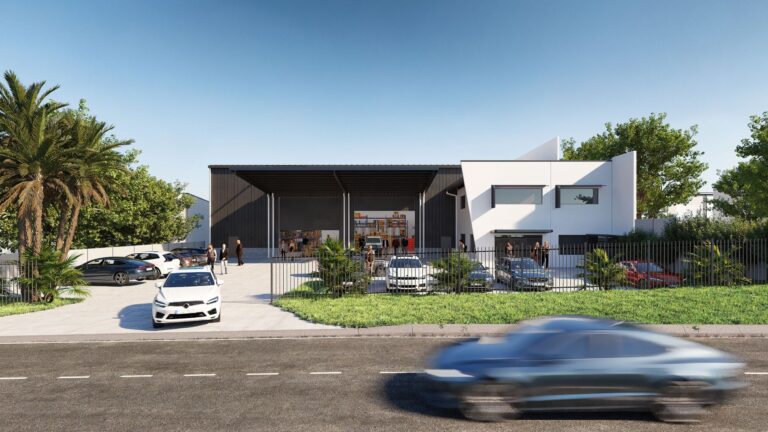
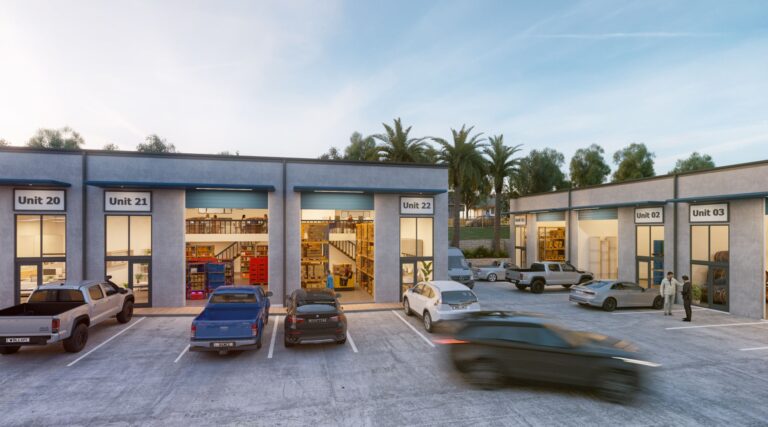
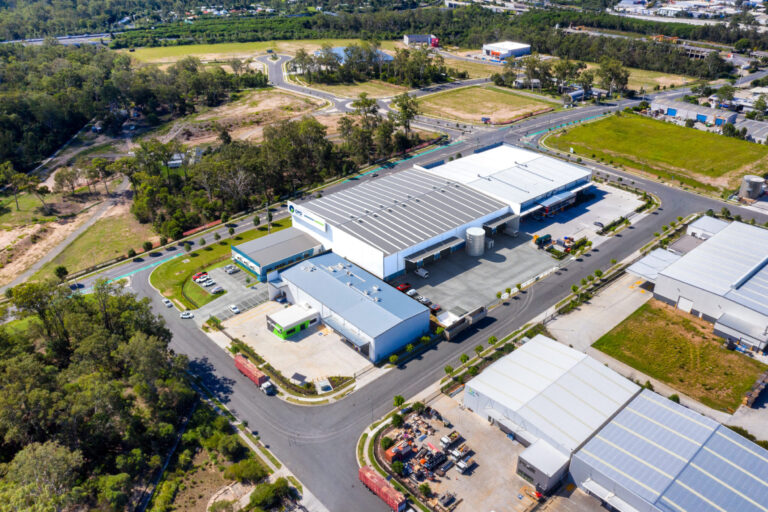
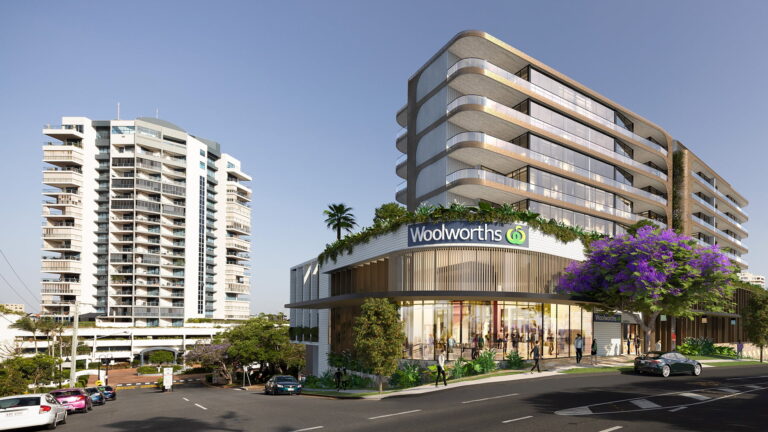
Good industrial CGI needs to explain loading, access, hardstand, parking, roller-door relationships, office entries, facade treatment, landscaping and the scale of the development. A dramatic camera angle is useless if the prospect cannot understand where a truck turns or how the warehouse presents from the road. Aerial views are usually strongest for context and estate logic; ground-level views are stronger for built form, frontage and arrival experience.
In the context of “How Do You Launch a New Business Park?”, this matters because the campaign needs to support real commercial decisions rather than simply create visibility. The developer should be able to point to a current source for plans, areas, timing and commercial information, while the agent should be able to explain the opportunity without filling gaps from memory. That level of control improves the quality of enquiry and makes it easier to see whether objections are being caused by presentation, product, pricing or programme.
Start with the commercial problem the project needs to solve
The campaign should begin with a clear commercial objective. That might be pre-sales, pre-leasing, price discovery, securing anchor occupiers, validating the unit mix, supporting funding discussions or simply creating a credible pipeline before construction. Those are different jobs and they require different messages, different levels of technical detail and different calls to action. A campaign aimed at owner-occupiers should not read like one aimed at institutional investors, and a project chasing pre-commitments should not use the same information hierarchy as a completed estate with immediate occupancy.
In the context of “How Do You Launch a New Business Park?”, this matters because the campaign needs to support real commercial decisions rather than simply create visibility. The developer should be able to point to a current source for plans, areas, timing and commercial information, while the agent should be able to explain the opportunity without filling gaps from memory. That level of control improves the quality of enquiry and makes it easier to see whether objections are being caused by presentation, product, pricing or programme.
Positioning comes before production
Before commissioning renders, a website or an IM, the development needs a market position. The useful question is not whether the project has good access or modern warehouses; nearly every campaign says that. The useful question is what is genuinely different in the product, the location, the staging, the title structure, the target occupier profile or the delivery certainty. That difference becomes the organising idea for every asset.
In the context of “How Do You Launch a New Business Park?”, this matters because the campaign needs to support real commercial decisions rather than simply create visibility. The developer should be able to point to a current source for plans, areas, timing and commercial information, while the agent should be able to explain the opportunity without filling gaps from memory. That level of control improves the quality of enquiry and makes it easier to see whether objections are being caused by presentation, product, pricing or programme.
Pricing strategy and marketing strategy are linked
If enquiry is strong but conversion is weak, the issue may be pricing, deposits, contract conditions, incentives or product mix rather than promotion. If enquiry is weak but competing projects are transacting, the problem may be positioning or reach. Marketing data should be read alongside agent feedback, enquiry quality, inspection behaviour and actual negotiations. More advertising does not solve a product-market mismatch.
In the context of “How Do You Launch a New Business Park?”, this matters because the campaign needs to support real commercial decisions rather than simply create visibility. The developer should be able to point to a current source for plans, areas, timing and commercial information, while the agent should be able to explain the opportunity without filling gaps from memory. That level of control improves the quality of enquiry and makes it easier to see whether objections are being caused by presentation, product, pricing or programme.
Different audiences read the same project differently
An owner-occupier may care about operational fit, access, future expansion and debt serviceability. An investor may care more about tenant depth, lease structure, depreciation, exit liquidity and scarcity. A tenant may focus on fitout timing, lease commencement, make-good exposure and operational continuity. Agents need a campaign structure that lets them move quickly between those conversations without reinventing the material each time.
In the context of “How Do You Launch a New Business Park?”, this matters because the campaign needs to support real commercial decisions rather than simply create visibility. The developer should be able to point to a current source for plans, areas, timing and commercial information, while the agent should be able to explain the opportunity without filling gaps from memory. That level of control improves the quality of enquiry and makes it easier to see whether objections are being caused by presentation, product, pricing or programme.
Enquiry quality is more important than raw lead volume
A campaign that generates fifty vague enquiries can be less useful than one that produces ten prospects who understand the product, price range, delivery timing and technical fit. The job of the marketing material is partly to attract and partly to pre-qualify. Clear areas, plans, access, timing, pricing guidance and specifications remove low-value back-and-forth and help agents spend time on genuine prospects.
In the context of “How Do You Launch a New Business Park?”, this matters because the campaign needs to support real commercial decisions rather than simply create visibility. The developer should be able to point to a current source for plans, areas, timing and commercial information, while the agent should be able to explain the opportunity without filling gaps from memory. That level of control improves the quality of enquiry and makes it easier to see whether objections are being caused by presentation, product, pricing or programme.
The masterplan is often the fastest way to explain the estate
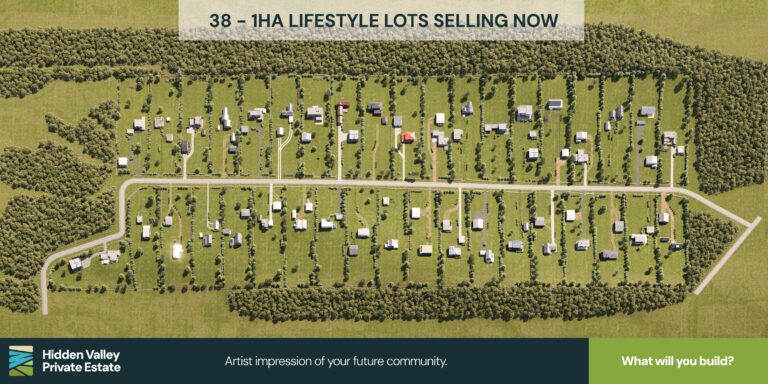
For multi-unit and multi-stage industrial developments, the masterplan often does more work than any individual render. It should show how a prospect enters the site, how the internal road network works, where each lot or unit sits, how truck circulation functions, where future stages are located and which product is actually available. A technically accurate plan that is difficult to read is not yet a marketing plan.
In the context of “How Do You Launch a New Business Park?”, this matters because the campaign needs to support real commercial decisions rather than simply create visibility. The developer should be able to point to a current source for plans, areas, timing and commercial information, while the agent should be able to explain the opportunity without filling gaps from memory. That level of control improves the quality of enquiry and makes it easier to see whether objections are being caused by presentation, product, pricing or programme.
Agent coordination matters more than most developers expect
Agents need a single current source of truth for availability, areas, prices, plans, specifications, construction timing and approved imagery. If two agents are circulating different plans or different delivery dates, the campaign loses control. A good system gives the agency team material they can use instantly while keeping the developer in control of versioning and positioning.
In the context of “How Do You Launch a New Business Park?”, this matters because the campaign needs to support real commercial decisions rather than simply create visibility. The developer should be able to point to a current source for plans, areas, timing and commercial information, while the agent should be able to explain the opportunity without filling gaps from memory. That level of control improves the quality of enquiry and makes it easier to see whether objections are being caused by presentation, product, pricing or programme.
Campaigns should evolve through construction
Early campaigns rely heavily on CGI, masterplans and explanation. Once civil works begin, real progress imagery becomes valuable. Once slabs, steel and roads are visible, construction photography can replace some conceptual material. The campaign should progressively reduce the amount of imagination required from the market. By practical completion, the material should feel like a sales system for real property, not a launch campaign for a concept.
In the context of “How Do You Launch a New Business Park?”, this matters because the campaign needs to support real commercial decisions rather than simply create visibility. The developer should be able to point to a current source for plans, areas, timing and commercial information, while the agent should be able to explain the opportunity without filling gaps from memory. That level of control improves the quality of enquiry and makes it easier to see whether objections are being caused by presentation, product, pricing or programme.
The strongest campaigns reduce uncertainty
Before completion, the market is being asked to make a decision about something that is not fully visible. Every asset should therefore reduce one form of uncertainty: what the development will look like, how the estate works, what is included, when it will be delivered, what the surrounding infrastructure is, how access functions, how stages relate to each other and what happens next in the buying or leasing process.
In the context of “How Do You Launch a New Business Park?”, this matters because the campaign needs to support real commercial decisions rather than simply create visibility. The developer should be able to point to a current source for plans, areas, timing and commercial information, while the agent should be able to explain the opportunity without filling gaps from memory. That level of control improves the quality of enquiry and makes it easier to see whether objections are being caused by presentation, product, pricing or programme.
Specifications must be translated into decision-useful information
Warehouse buyers and tenants compare clear heights, power, floor loading, loading configuration, office content, parking, hardstand, access, fire services, amenities, NBN, mezzanine potential and title structure. Marketing should not dump a consultant schedule into a PDF and expect the market to interpret it. The campaign should surface the items that materially affect suitability and make the detailed source material available when due diligence becomes serious.
In the context of “How Do You Launch a New Business Park?”, this matters because the campaign needs to support real commercial decisions rather than simply create visibility. The developer should be able to point to a current source for plans, areas, timing and commercial information, while the agent should be able to explain the opportunity without filling gaps from memory. That level of control improves the quality of enquiry and makes it easier to see whether objections are being caused by presentation, product, pricing or programme.
Version control should be treated as a commercial discipline
Every live campaign asset should have an owner and a current version. When areas, staging, pricing, timing or specifications change, the project team should know which outputs need updating and in what order. This is particularly important when agents have downloaded old PDFs or saved plan packs locally. A change register and disciplined naming convention are simple controls that prevent the market receiving contradictory information.
In the context of “How Do You Launch a New Business Park?”, this matters because the campaign needs to support real commercial decisions rather than simply create visibility. The developer should be able to point to a current source for plans, areas, timing and commercial information, while the agent should be able to explain the opportunity without filling gaps from memory. That level of control improves the quality of enquiry and makes it easier to see whether objections are being caused by presentation, product, pricing or programme.
Use technical detail selectively, not defensively
Commercial buyers and tenants do not need every engineering note on the first screen, but they do need confidence that the detail exists. The best campaigns layer information: a clear first explanation, then plans and specifications, then due-diligence documentation. That structure keeps the campaign readable without becoming superficial.
In the context of “How Do You Launch a New Business Park?”, this matters because the campaign needs to support real commercial decisions rather than simply create visibility. The developer should be able to point to a current source for plans, areas, timing and commercial information, while the agent should be able to explain the opportunity without filling gaps from memory. That level of control improves the quality of enquiry and makes it easier to see whether objections are being caused by presentation, product, pricing or programme.
Make the campaign easy for agents to use in real conversations
Agents work across calls, inspections, email, portals and face-to-face meetings. Material should therefore be easy to extract and forward. Clean individual plans, concise specification sheets, current availability schedules and clear CGI often perform better operationally than a single oversized brochure containing everything.
In the context of “How Do You Launch a New Business Park?”, this matters because the campaign needs to support real commercial decisions rather than simply create visibility. The developer should be able to point to a current source for plans, areas, timing and commercial information, while the agent should be able to explain the opportunity without filling gaps from memory. That level of control improves the quality of enquiry and makes it easier to see whether objections are being caused by presentation, product, pricing or programme.
Know when the problem is not marketing
If the project is well explained, well distributed and generating informed enquiry but transactions are not progressing, more creative production may not be the answer. The project may need a pricing change, revised product mix, different commercial terms, additional flexibility or a clearer delivery programme. A mature campaign system helps identify that distinction rather than automatically blaming lead volume.
In the context of “How Do You Launch a New Business Park?”, this matters because the campaign needs to support real commercial decisions rather than simply create visibility. The developer should be able to point to a current source for plans, areas, timing and commercial information, while the agent should be able to explain the opportunity without filling gaps from memory. That level of control improves the quality of enquiry and makes it easier to see whether objections are being caused by presentation, product, pricing or programme.
What this means for the development team
The marketing programme should be reviewed alongside design, approvals, pricing, construction and agency feedback. When those disciplines are disconnected, the campaign becomes reactive. When they are coordinated, the marketing becomes a practical part of the development process and can support better timing, clearer decisions and stronger market engagement.
For industrial development marketing, the practical standard is simple: the campaign should make the opportunity clearer as the project evolves, not more complicated. Commercial Property Marketing can coordinate the visualisation, masterplans, websites, IMs, branding and campaign assets around the same approved project information so the market, agents and development team are all working from one version of the story.
More commercial property marketing resources
Explore Commercial Property Marketing and Commercial Property Insights for related development marketing strategy, visualisation and project-launch material.