
 START HERE
01
01 / 04
SEND WHAT YOU HAVE
An address, plans, survey, DA, existing model, old campaign material or whatever is already available.

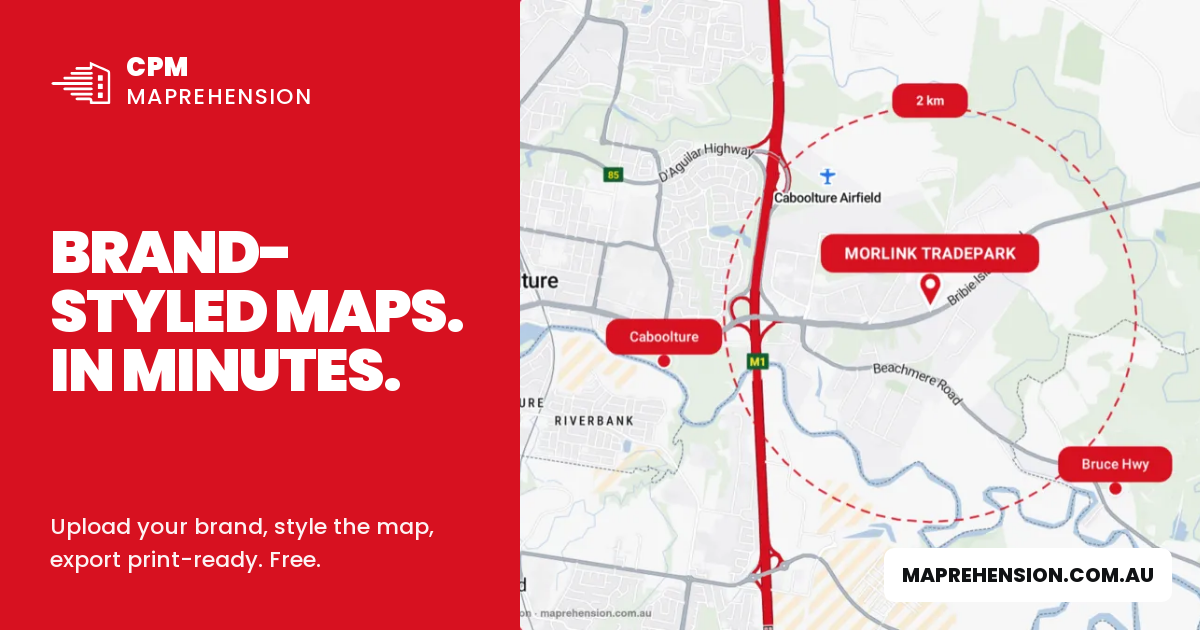 CPM Maprehension
Brand-colour location maps, styled and exported in minutes. Open tool
CPM Maprehension
Brand-colour location maps, styled and exported in minutes. Open tool
 Development Feasibility
Estimate yield, cost, value and margin for 77 development types, calibrated to your site address. Explore
Development Feasibility
Estimate yield, cost, value and margin for 77 development types, calibrated to your site address. Explore
 Horus Bend
 158 Ingleston Road
 Southern Thornlands
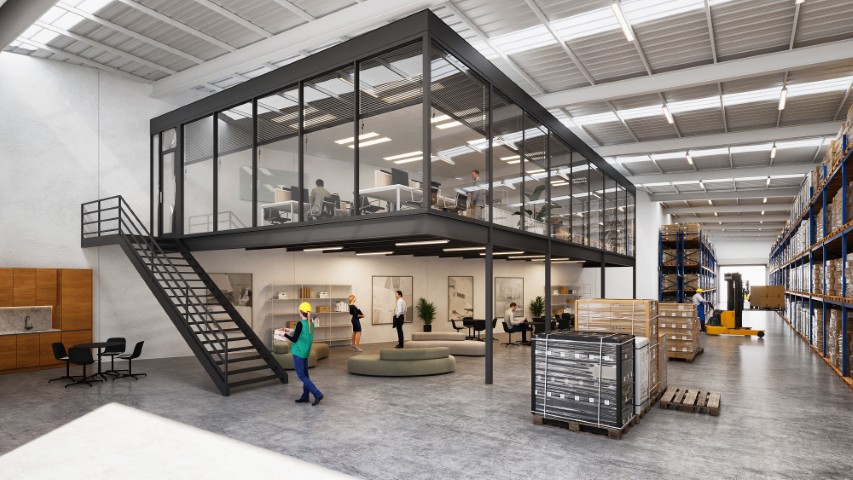 Second Space – Building F
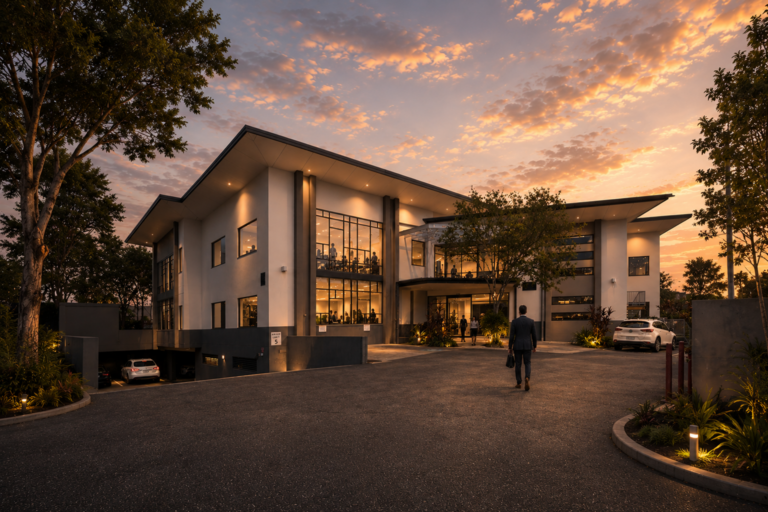 Garden City Office Park – Investor Campaign
 Meadowbrook Health Centre Investor Campaign
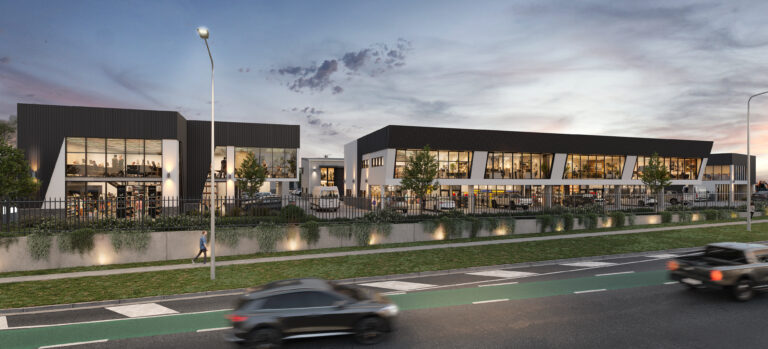 Depot Connect
 47 Queens Road, Everton Hills
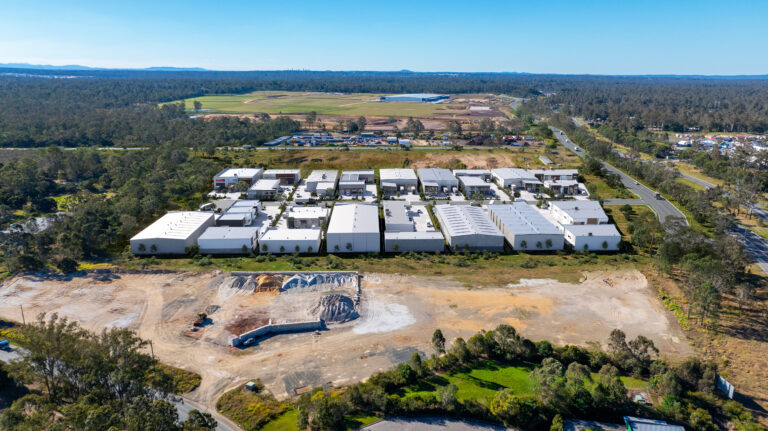 Logan Flagstone Industrial
 Silvyn St – Altiva
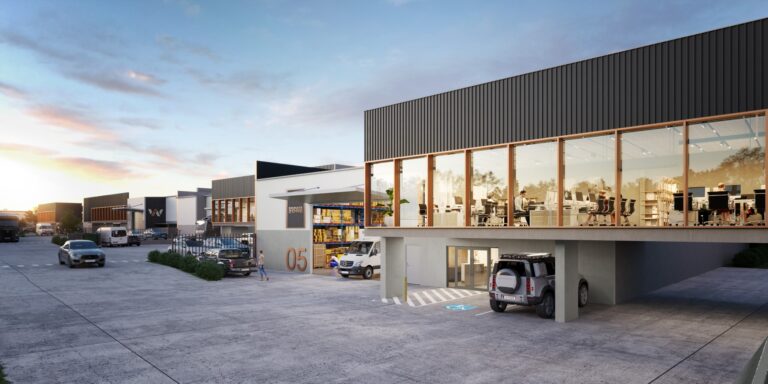 18 Production Street
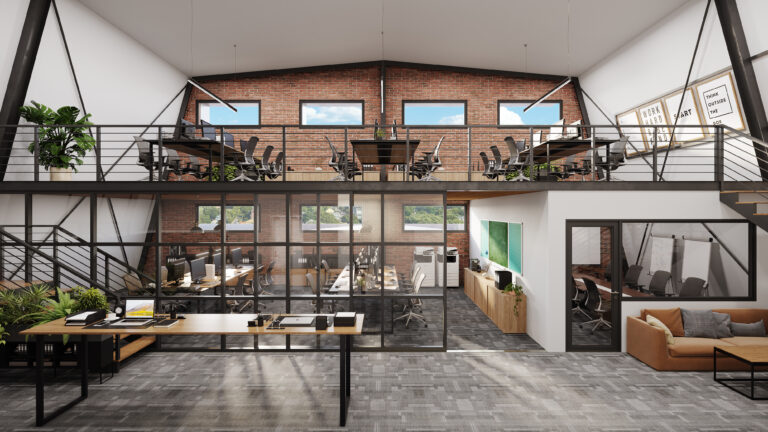 East St
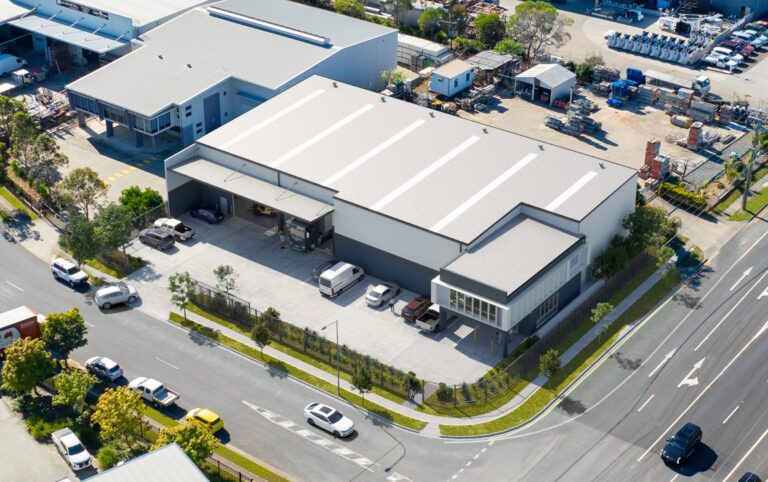 1-3 Calcium Court, Crestmead, QLD
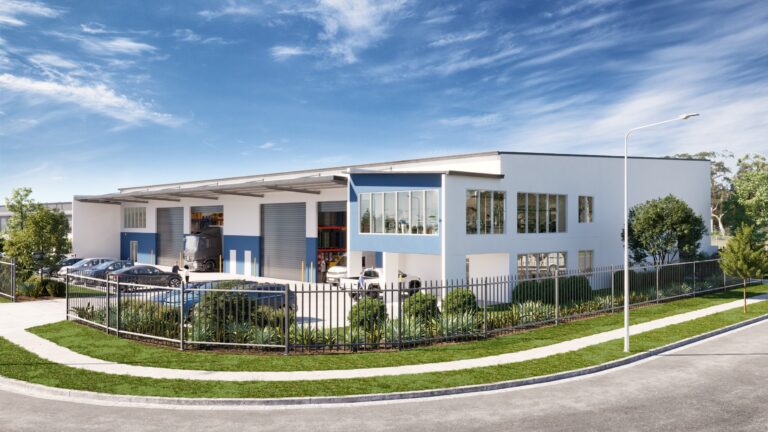 Chippendale Road
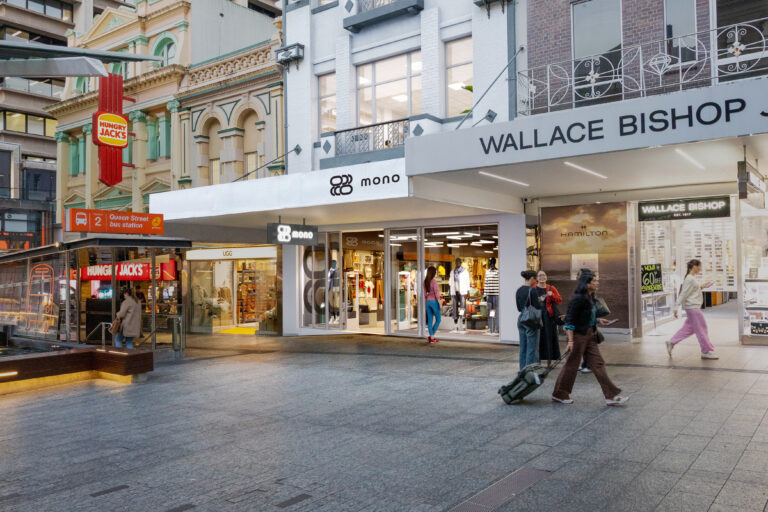 121 Queen St Brisbane
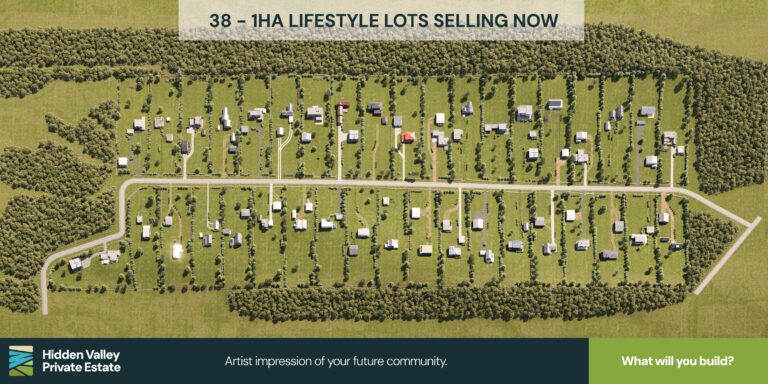 Hidden Valley Dongara
 Coming Soon – Catalpa Business Park
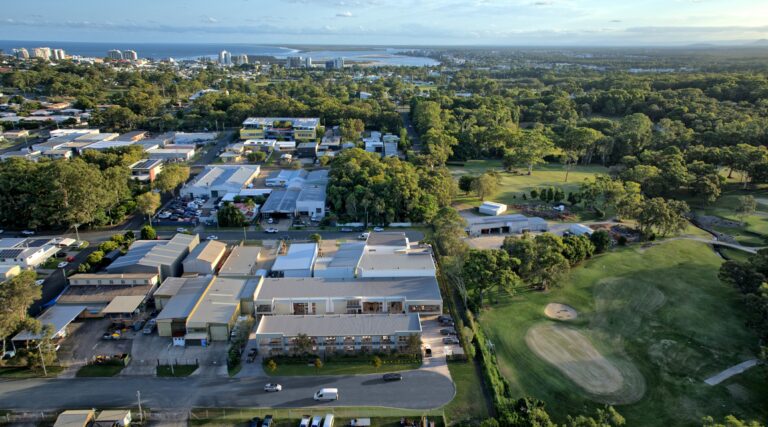 The Depot – Moffat Beach
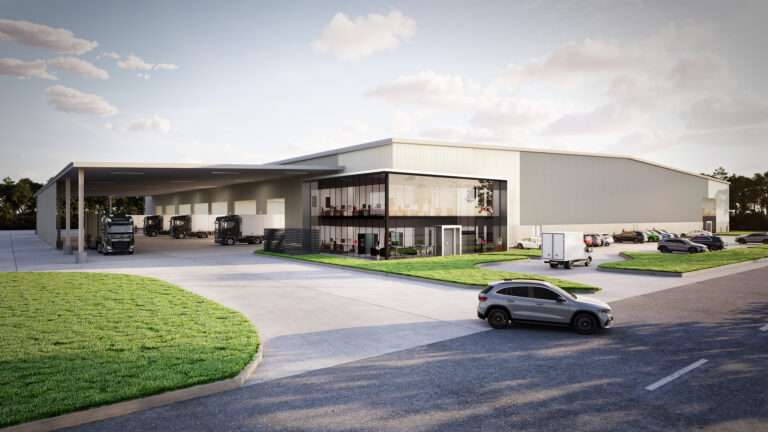 8 Agar Drive
 26-28 Tomlinson Road Welshpool
Morlink TradePark
26-28 Tomlinson Road Welshpool
Morlink TradePark
 14 Feeder St Narangba
 Infinity Planet
 189 Briggs Road Flinders View
 CityPort Cold Stores
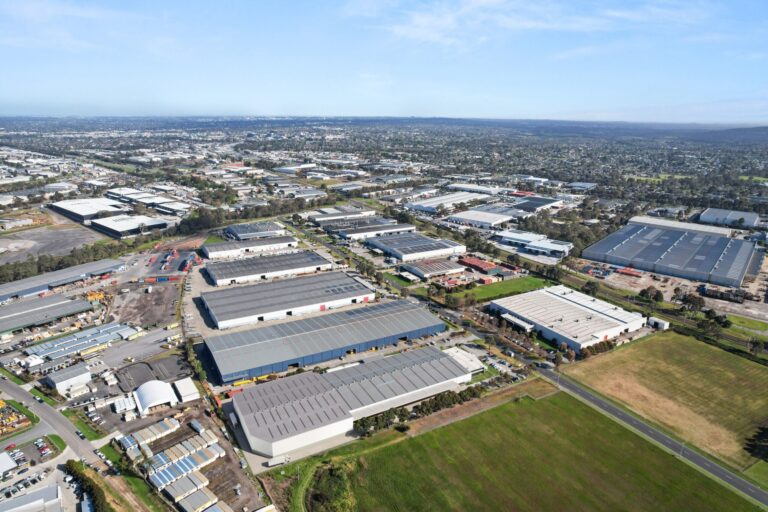 Nathan Road, Dandenong
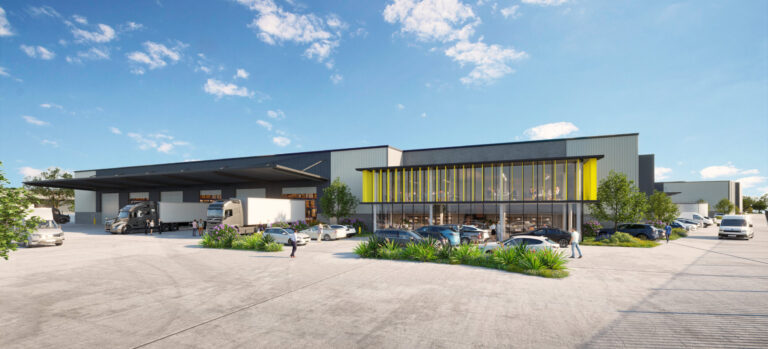 31 Johnstone Rd Brendale
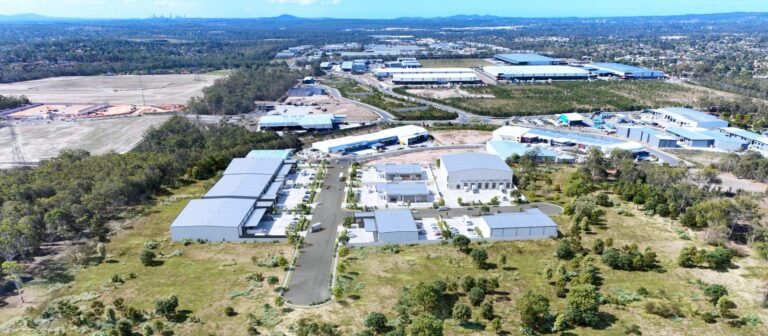 Transit Industrial Estate
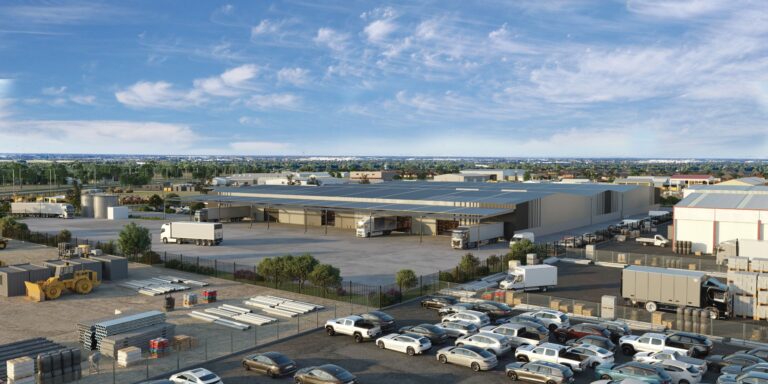 400-416 Martins Road Green Fields
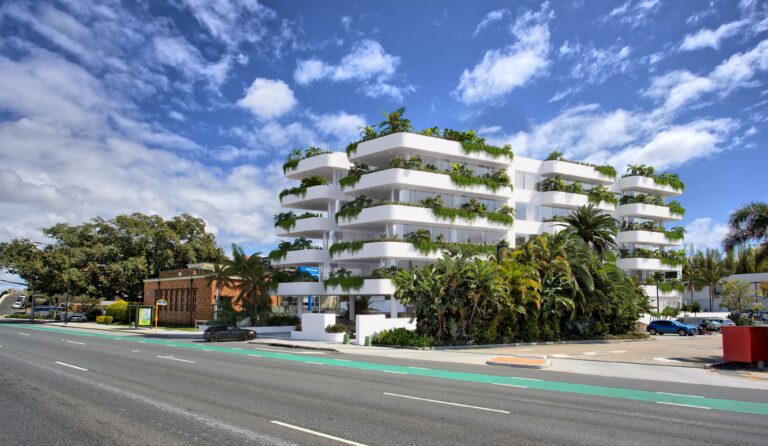 422 Kingsford Smith Drive
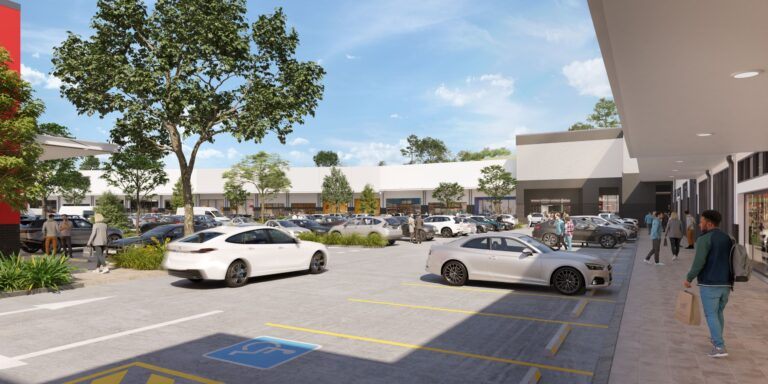 13 Glasson Drive Bethania
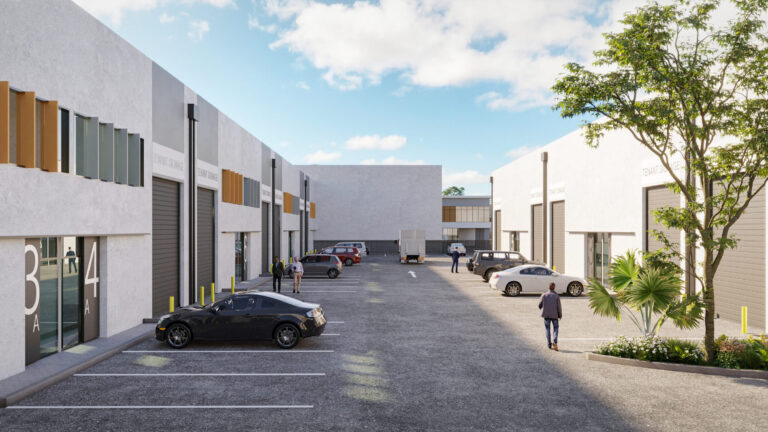 157 Jacobs Well Rd
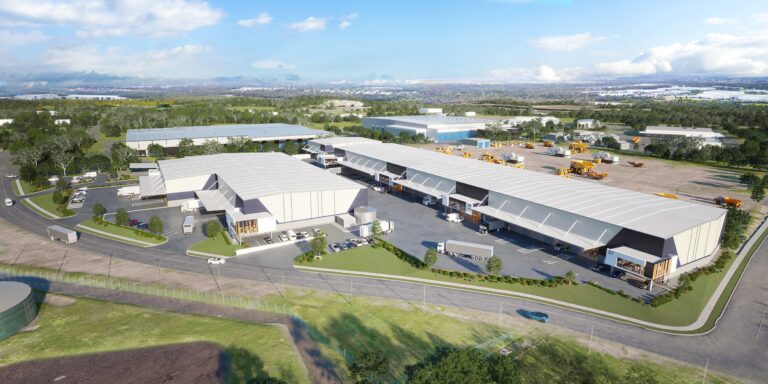 95 Quinns Hill Road East Stapylton
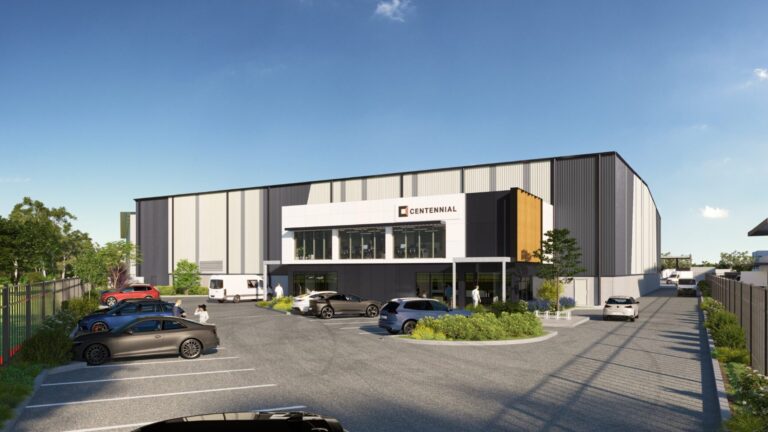 Bancroft Road Pinkenba
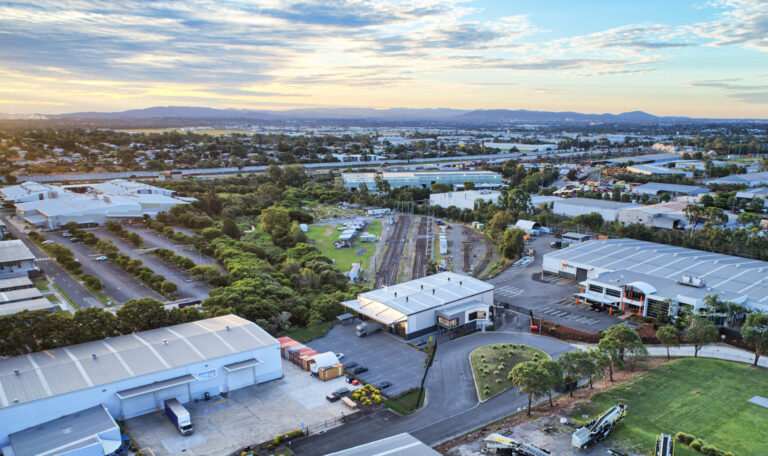 243 Bradman St Acacia Ridge
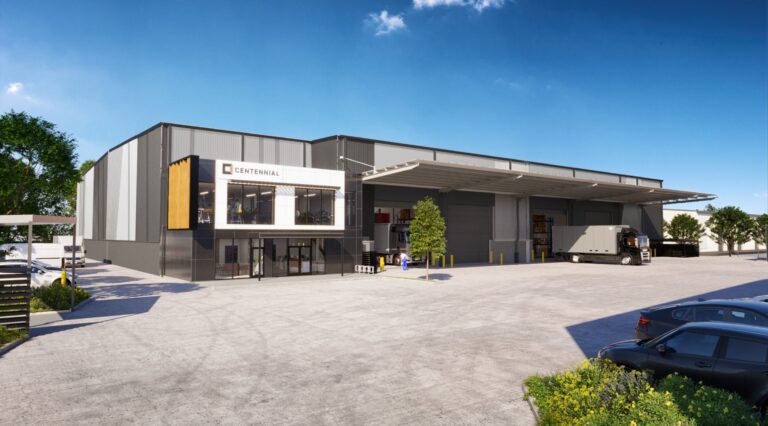 1021 Beaudesert Road Archerfield
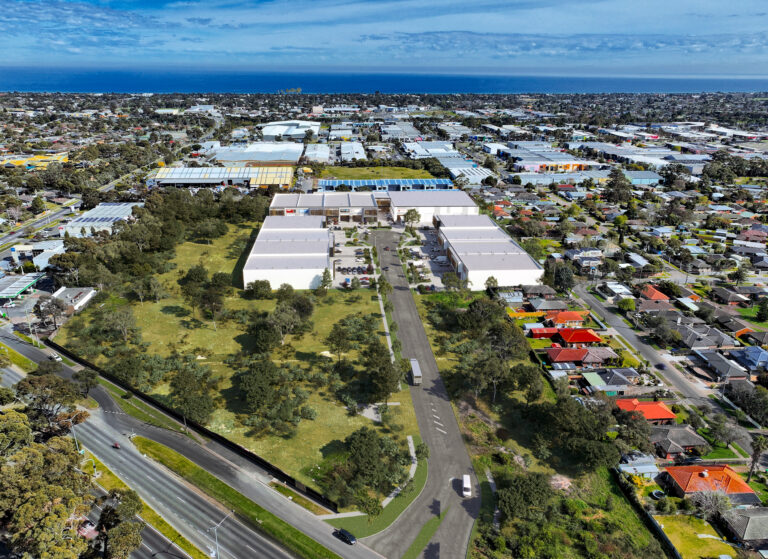 300 Frankston Dandenong Rd
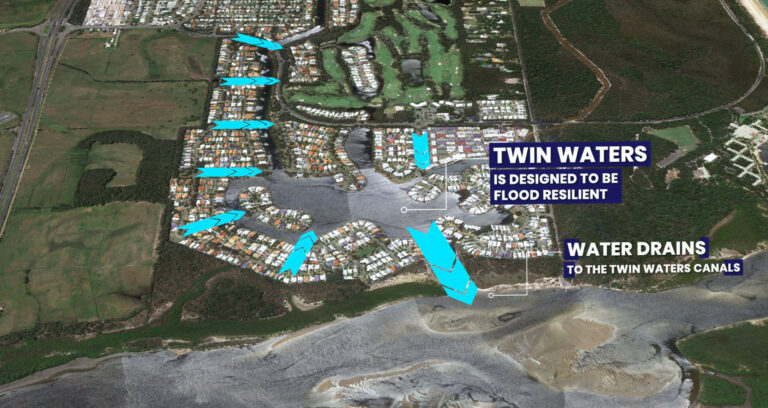 Stocklands Twin Waters
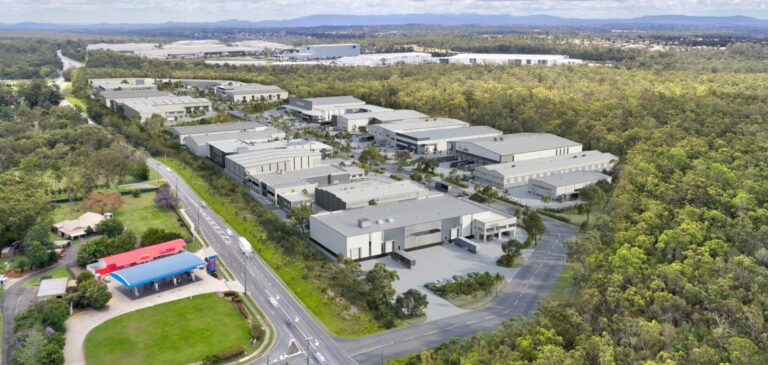 Hub Heathwood
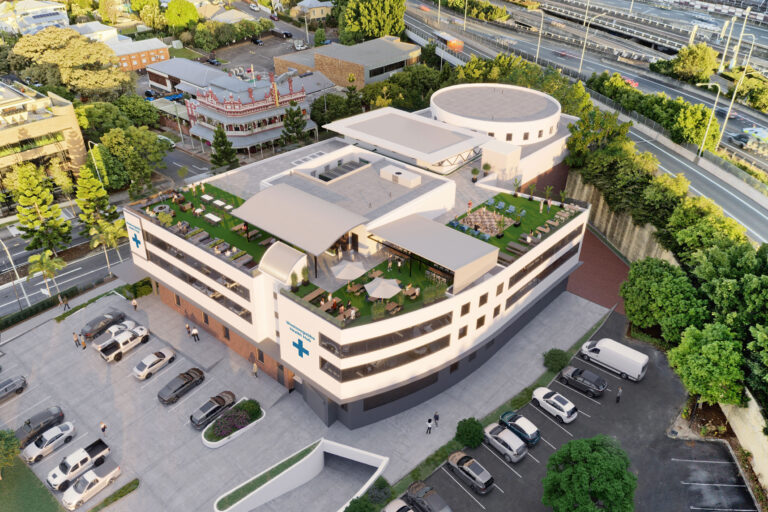 87 Ipswich Road Woolloongabba
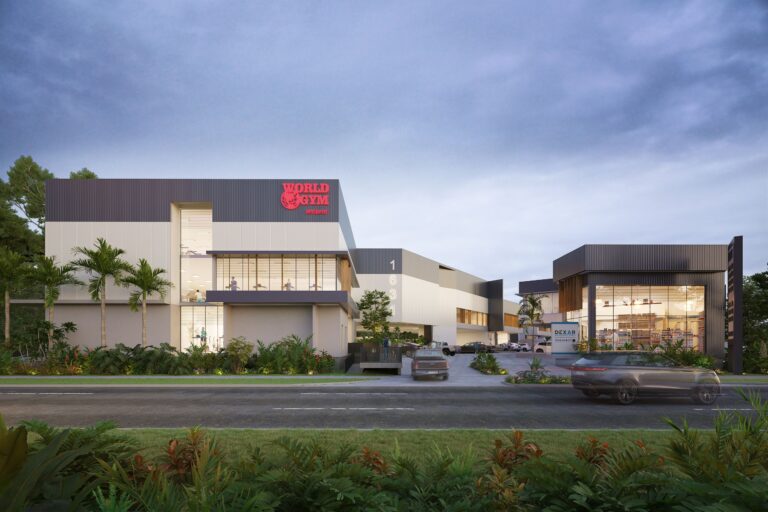 1631 Wynnum road
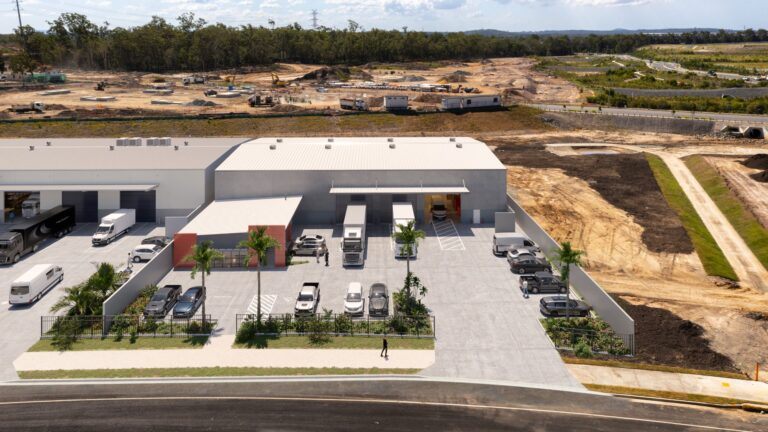 Prosperity Place Crestmead
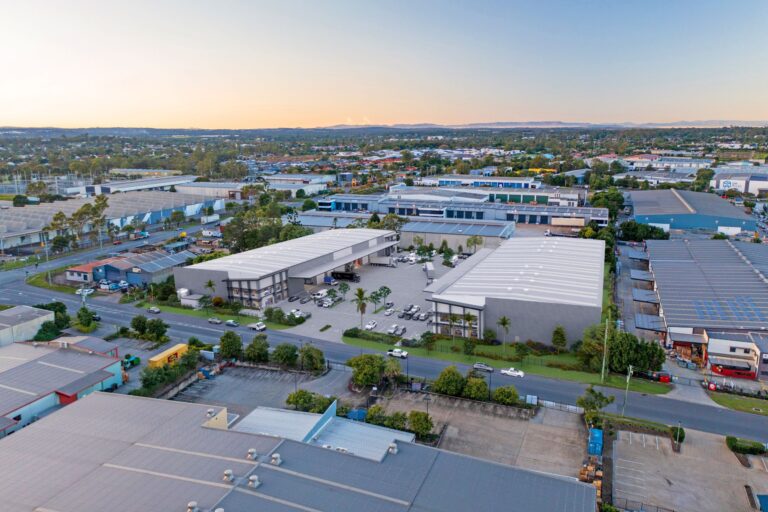 650-664 Boundary Road Richlands
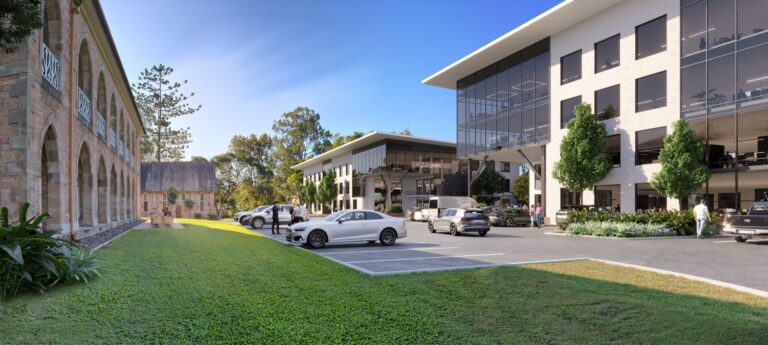 Milton Road
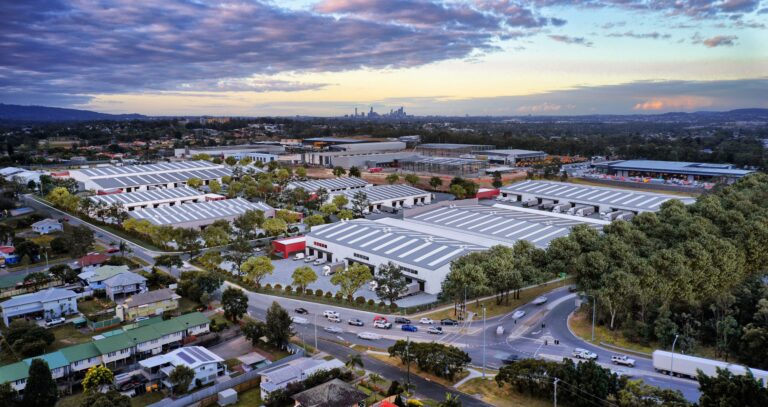 CSR Darra
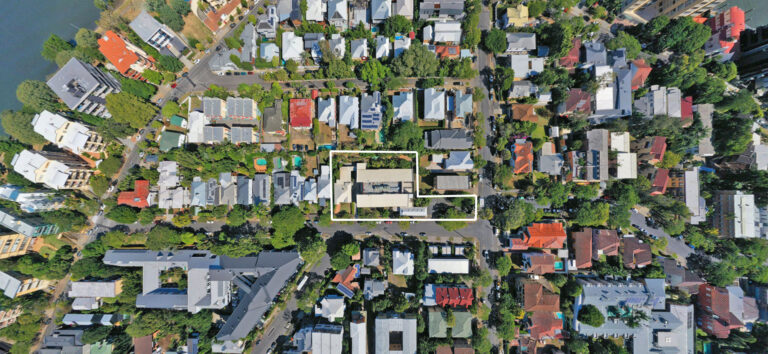 Bolton Clarke – New Farm
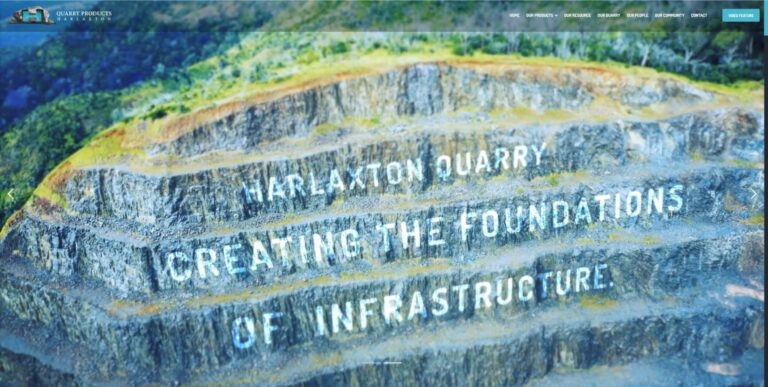 Harlaxton Quarry
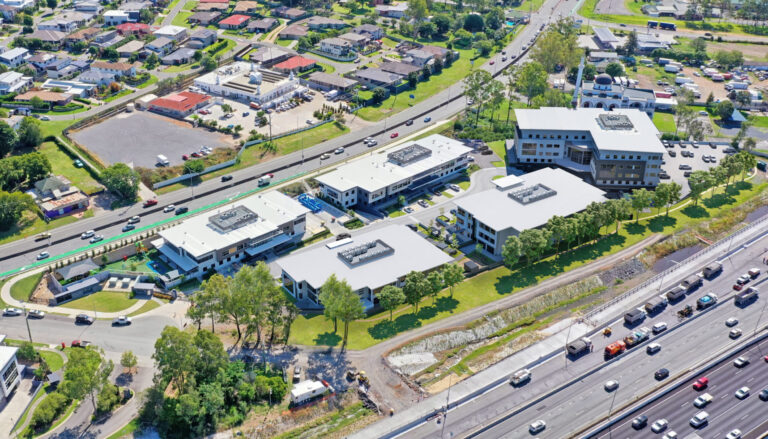 Freeway Office Park
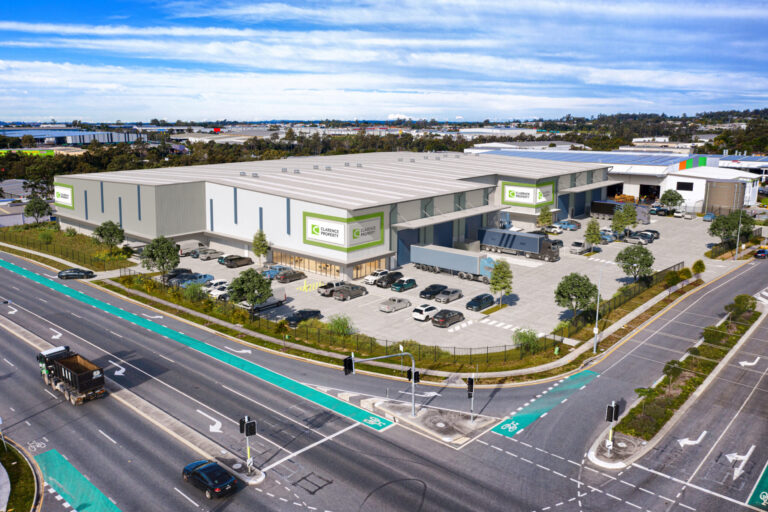 18 Macgregor Place Richlands
 25 Silvio St Richlands
 43 Bradman Street Acacia Ridge
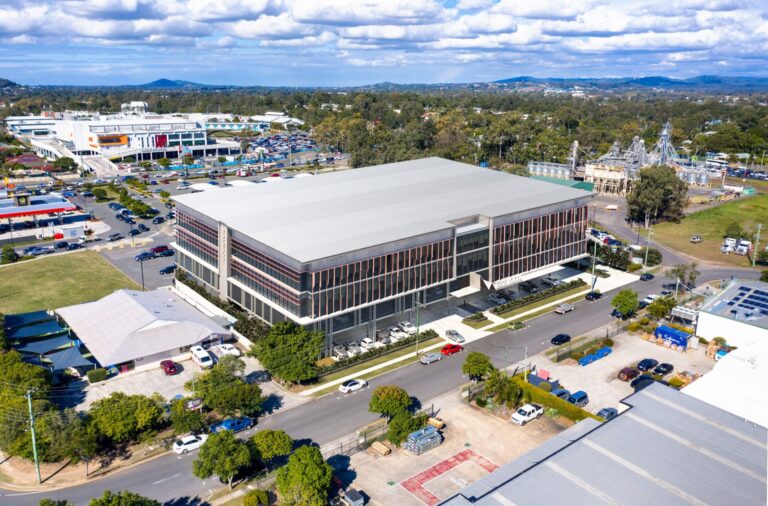 Meadowbrook Health Center
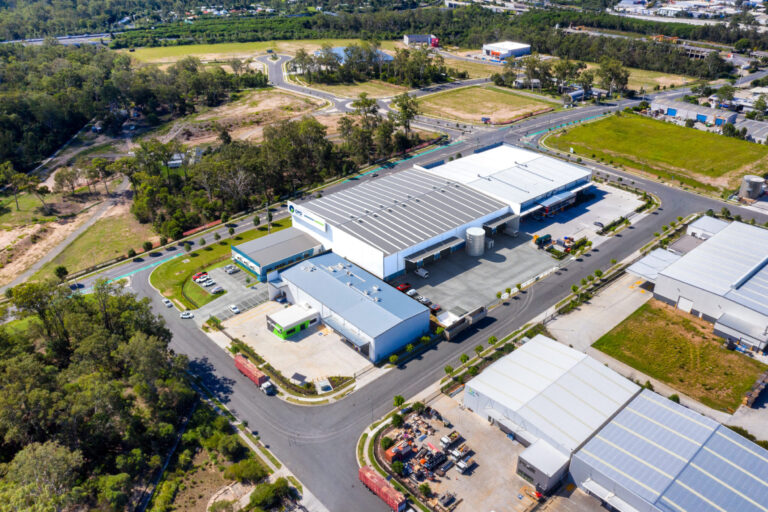 Westgate Central
 Garden City Office Park
 Woolworths Kangaroo Point
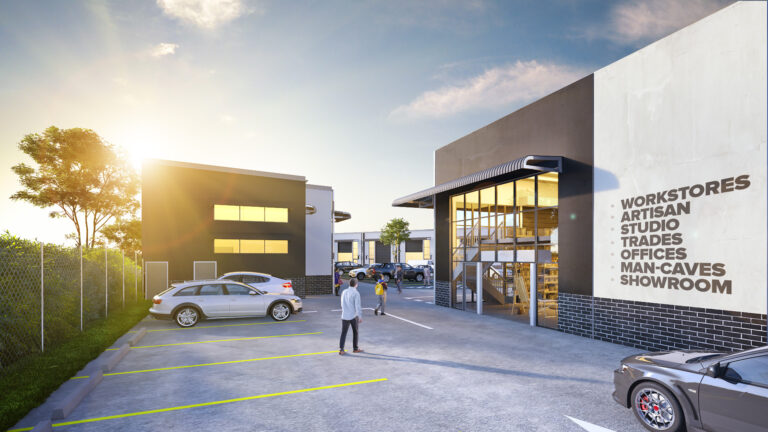 The Depot Sherwood
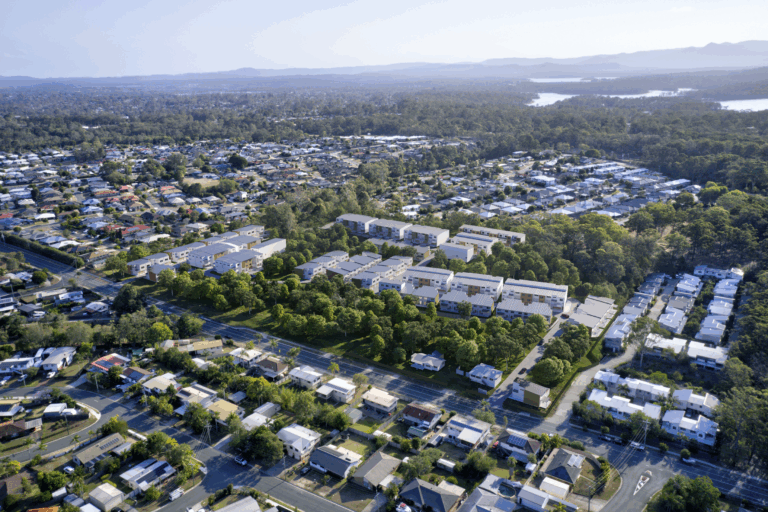 The Havyn Kallangur
No projects match that — try a suburb or project name.
 A Deep Dive On UsWhere every project starts — we look at your site, your buyers and your market, then map the path to a sale.
 ContactTalk to the team about your site, project or campaign.
We’d rather do a rapid deep dive on us than see a good project stall because the starting point isn’t clear. Send us what you have and we’ll come back with some practical direction on the best first move.
The first step does not need to be any commitment. We take a practical look at the project and help establish what should happen next.
START HEREAn address, plans, survey, DA, existing model, old campaign material or whatever is already available.
 QUICK REVIEW
We look at the project, its current stage, the information already available and where things appear to be getting stuck.
 SET THE PRIORITY
We identify what is useful, what may be missing, what can wait and the most practical place to begin.
 MOVE FORWARD
We come back with practical ideas and a clearer first move — whether you implement them with CPM or not.
Before you spend money in the wrong places, we’re happy to take a quick deep dive into the project and what you’re trying to achieve. We can look at where the opportunity sits, which markets and audiences may be worth targeting and where the project could gain traction.
Find the part of the project that is holding things up and work forward from there.
Start by getting clear on three things: what you have, what you know, and what decision is actually blocking progress. The first useful step is usually smaller than the whole project.
That is still a starting point. From an address you can begin assembling the basic site, planning and ownership information needed to understand what the project might involve.
A survey can be enough to start understanding boundaries, levels, access and physical constraints. You do not need every drawing finished before you can begin thinking through the project.
Rough plans are useful because they show the current thinking. Treat them as a working position, not something that has to be perfect before the next decision can be made.
Feasibility is exactly when the order of decisions matters. Focus first on the big questions that could change the project rather than polishing details that may disappear later.
That does not mean the project cannot move. The immediate job is to understand the concept, constraints, likely approval pathway and what information is needed before committing further.
Separate the approval milestone from the next commercial decision. Work out what the approval now enables, what has changed since it was lodged, and what needs to happen to move the project forward.
Pull together the latest plans, survey, approvals, consultant material, site information, programme and any previous project work. A single current set of information is easier to reason from than fragments spread across different versions.
First identify exactly where it stopped. A project can look generally stuck when the real blockage is one unresolved decision, missing input or unclear responsibility.
Reduce the problem to the next decision that can actually be made. Do not try to restart the entire project at once.
Recheck the assumptions before simply continuing where it stopped. Costs, timing, approvals, design and market conditions may have changed while the project was inactive.
Do not let previous spend force the next decision. Review what the existing work tells you, what remains useful and what decision now has the greatest effect on the project.
Make the next decision explicit and assign it to someone. Projects often drift when everyone is contributing but nobody is responsible for closing the immediate issue.
Check whether everyone is working toward the same current brief and using the same information. A handover problem can easily look like a design or technical problem.
Start by separating confirmed information from old assumptions. Establish what is current, what has approval or authority behind it, and what still needs to be tested.
A fresh review can be useful when the project team has become too close to individual issues. The aim is to identify the small number of decisions that actually control what happens next.
Compare the options against the project’s real constraints and objective, not against each other in isolation. Eliminate what clearly does not fit before trying to pick the perfect answer.
Start with the outcome the project needs to reach next. That tells you which information and decisions matter now and which can wait.
Ask whether the work will change an upcoming decision. If it will not, there is a good chance it can be deferred.
Anything dependent on unresolved fundamentals should usually wait. Final detail is rarely useful while the project’s scale, layout, approval position or commercial direction is still moving.
The items that remove uncertainty from the next major decision should come first. That might be confirming a constraint, resolving a layout, updating an approval position or agreeing the project objective.
Map the dependencies. If one task relies on the answer to another, do not start it first simply because it feels productive.
Before committing, ask what decision the spend will help you make or what risk it will remove. If the answer is unclear, pause and reassess the sequence.
Ignore the volume for a moment and identify the latest reliable version of each key piece of information. Then ask what unresolved question prevents the project from progressing.
Treat the original plans as history, not the current brief. Record what has changed and make sure the project team is working from the same updated position.
Find out whether the changes are resolving real constraints or simply moving the problem around. Frequent changes often mean an upstream decision has not been settled.
Revisit the project priorities before cutting isolated items. A changed budget may require a different scope, staging approach or project outcome rather than a series of small compromises.
Recheck every decision tied to the old programme. Approval timing, consultant work, procurement and market activity may need to be resequenced.
Separate what has changed in the market from what remains true about the site and project. Then test whether the original positioning and assumptions still make sense.
Use the approved position as the new baseline and identify the commercial consequences of the changes. Do not continue planning around an earlier version that no longer exists.
Bring the constraint into the core project decision rather than treating it as a late technical issue. Access, services, levels, easements or environmental constraints can materially change what is realistic.
Check it against the current facts rather than the reasons it was chosen originally. A direction can have been sensible six months ago and still need to change today.
Define what 'ready' means for the next stage. A project does not need every detail resolved; it needs enough certainty to make the next decision without creating avoidable rework.
Identify the one or two assumptions that would decide that question. Test those first rather than continuing to develop everything around them.
List what the concept is meant to achieve and where it is failing. If the fundamentals still work, refine it. If they do not, changing direction early is usually easier than protecting sunk work.
Simplify around the core outcome, not by randomly removing elements. Keep what creates the project’s value and remove complexity that does not materially support it.
Go back to the site, constraints, approval position, audience and commercial objective. Rebuilding from those facts is more useful than trying to repair a concept that no longer fits.
The opportunity may be relying on assumptions that have not been made visible or tested. Break the idea into clear, explainable parts so other people can assess the same logic.
That is normal early on. Turn the vague idea into a small number of testable questions about use, scale, access, layout, approval and commercial purpose.
Do not judge potential from one concept alone. Look at the site constraints, planning framework, access, surrounding uses and realistic development scenarios before drawing a conclusion.
Work out whether they are actually disagreeing or answering different questions. Then bring the conflicting advice back to the project objective and identify the decision that needs one agreed position.
Put the different views on the table and separate preference from fact. The project needs a shared understanding of the objective even if each party has a different role.
Create one current project position: latest information, current objective, known constraints, decisions already made and the next unresolved decision.
Stop debating the full project and define the immediate decision. Agreement on the next step is often easier than agreement on the entire journey.
Return to the project’s core objective and constraints. New ideas should be tested against those rather than automatically added to the scope.
Create one written brief that records the current agreed position. Changes can still happen, but they should change one shared brief rather than create parallel versions.
Resolve the decisions that other work depends on, then document them. Clarity before production is usually cheaper than correcting different interpretations afterwards.
Start with the big picture: what is the site, what is proposed, why it matters and what decision needs to be made. Detail can follow once the basic logic is understood.
List who needs to make a decision about the project and what each of them needs to understand. The primary audience is usually the group whose decision controls the next stage.
Check whether you are showing them information or actually explaining the project. Technical accuracy matters, but the logic still needs to be understandable.
That is common. Plans are working documents for specialists; other decision-makers may need the same information expressed more simply and in context.
Write down the project in plain language without using consultant terminology. If the opportunity cannot be explained simply, there may still be unresolved thinking underneath it.
Use a clear hierarchy: site, proposal, constraints, opportunity, current position and next decision. Do not give every detail equal importance.
Remove unnecessary complexity from the explanation, not from the facts. Lead with what matters most and let supporting detail sit underneath it.
The next move should reduce the uncertainty that is preventing progress. It should create a decision, not simply create more material.
Confirm what decision the next spend supports, whether the inputs are reliable and whether another unresolved issue could make that work obsolete.
Gather only what is needed to answer the current unknowns. More information is not automatically better if it does not change a decision.
Any decision that materially changes the scope, layout, approval pathway, budget, programme or intended outcome should be settled as early as reasonably possible.
Details that do not affect the current direction can usually wait. Keep the project moving by resolving dependencies in order.
Anything that several other tasks rely on. If uncertainty in one area is causing multiple people to make assumptions, that is a strong sign it needs attention now.
Use the best current information, make the assumptions visible and understand what would cause the decision to change. Confidence comes from knowing the basis of the decision, not from eliminating every unknown.
Ask what happens after the task is completed. If the answer is still 'we will not know what to do next', it probably is not the right next step.
Send us the address, plans, documents or whatever you have. We’ll take a rapid look and give you some practical direction on what should happen next.
SEND US YOUR PROJECT→Move through the things we make, the property sectors we work in and the projects behind them.