
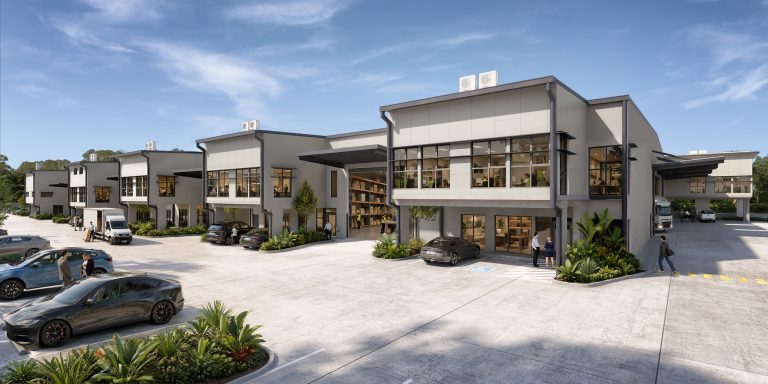
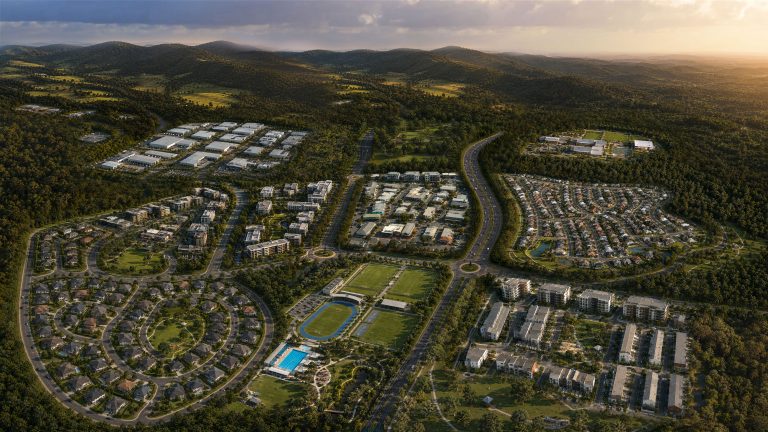

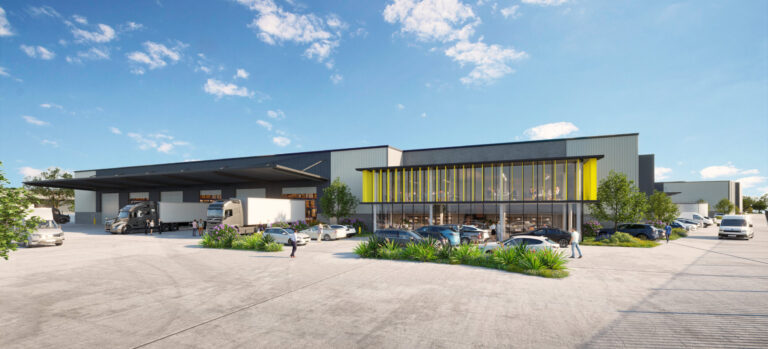
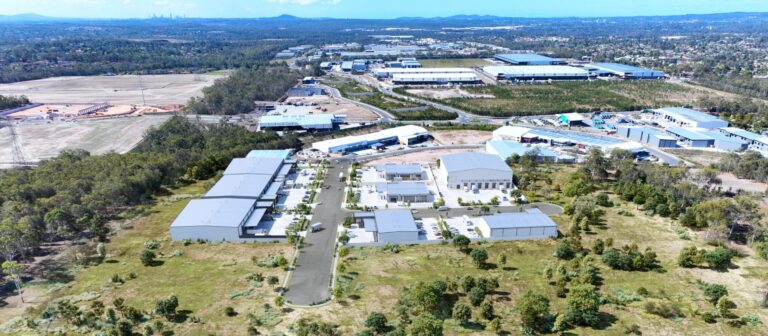
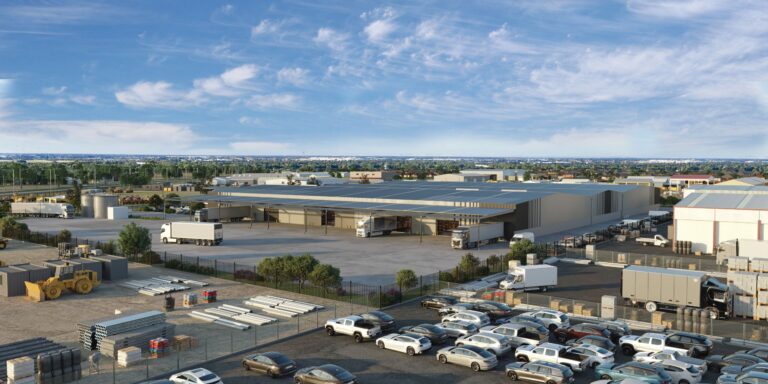



The Tungkillo data centre at 312 Collins Road has been put on ice. Quantum DC announced on Thursday 12 November that it has paused the planning approvals program for its roughly 1,200MW Tungkillo Compute and Energy Hub in the Adelaide Hills and will not lodge a development application this year, after a month of protests, petitions and pointed questions from the community.
It is not a cancellation. The Melbourne-based developer still says it wants to build at Tungkillo. But the pause lands in the same week a Sydney data centre plan was dropped and South Australian politicians moved on a parliamentary inquiry, which makes it one of the clearest signals yet that gigawatt-scale data centres now need a social licence before they need a planning approval.
The Tungkillo data centre pause at a glance
- Project: Tungkillo Compute and Energy Hub, a hyperscale data centre campus with on-site gas-fired generation
- Address: 312 Collins Road, Tungkillo SA, about 55km east of Adelaide
- Site: about 220 hectares of rural land with an existing ElectraNet 275kV line running across it
- Capacity: about 1,200MW over three stages, originally targeting first operations in 2028 and full build-out in 2031
- Proponent: Quantum DC, chief executive Alby Tomassi
- What changed: the planning approvals program is paused and no development application will be lodged in 2026
- Why: more than 350 residents fed into a consolidated list of 432 questions the company says it could not yet answer well enough
- What comes next: a longer engagement program plus an independent expert panel to review the specialist studies, with its findings to be made public
What Quantum DC actually said
Mr Tomassi was unusually frank. He said the company had misread the strength of feeling about the project and that its first weeks of early engagement had raised more questions than they answered. He apologised for the frustration that caused and said Quantum DC would now run a longer and more comprehensive engagement program before going any further.
The company listed the issues residents kept coming back to: whether the location suits a project of this scale, water use, electricity and energy infrastructure, the loss of farming land, night lighting near the River Murray International Dark Sky Reserve, noise, traffic, bushfire risk, local ecology, Aboriginal cultural heritage and whether the region would genuinely benefit.
The most practical change is the expert panel. Rather than publishing its own consultants' studies with the application, Quantum DC says independent experts will review that work first and the results will be released publicly. Reporting on the pause notes that the 2028 and 2031 targets may now move.
How 312 Collins Road got here
The Tungkillo proposal only became public in October. As we reported at the time, the pitch rested on the grid already being on site, with two new substations planned off the 275kV line, around 80 per cent of power to come from contracted wind and solar and closed-loop liquid cooling to keep operating water use to about 20 megalitres a year.
The reaction was fast and loud. An online petition launched on 26 October had passed 13,500 signatures by the time of the pause. Around 600 people turned up to the first planned community session, which was called off after a bomb threat. Opponents also seized on the construction water estimate of 150 to 250 megalitres and on the on-site gas turbines, both of which became shorthand for the wider case against the project.
The political pressure on the Tungkillo data centre
The pause did not come in a vacuum. On Wednesday 11 November, the day before Quantum DC's announcement, the Greens, One Nation and the Liberals backed a parliamentary inquiry into data centres in the SA upper house. Labor did not support it.
The same day Greens leader Robert Simms moved a motion calling on the state government to oppose the Tungkillo project and impose a statewide moratorium on new data centre approvals. One Nation's SA leader Cory Bernardi has said he wants a pause until the inquiry reports, while arguing data centres are not bad in themselves and should earn a community licence. Opposition Leader Ashton Hurn has described the site as prime agricultural land and wants data centres added to the Royal Commission into AI.
The government was no friendlier to the developer. Energy Minister Tom Koutsantonis said Quantum DC had made no serious attempt to contact the government before going public and that he was not impressed with its approach. AI Minister Chris Picton said the state is preparing legislation to regulate data centres on energy, water and land use. He has also said the Royal Commission into AI left data centres out because they are a separate issue.
Not just Adelaide: a week of data centre retreats
Tungkillo is the biggest of several projects to change course in a fortnight. In Sydney, Stockland and John Boyd Properties dropped the AI data centre from their plans for the former Kogarah Golf Club site at Arncliffe on the Cooks River, reported on 8 November. The partners are now pushing on with a logistics precinct without the data centre after a sustained campaign by the local group SCRAP.
Closer to Tungkillo, the Coorong district has two more proposals drawing crowds. Firmus has flagged a large AI factory north of Tailem Bend, which it describes as a 1.2GW campus of eight data halls, while a second proponent, Skylab Australia, has floated a data centre and renewable energy project at Cooke Plains. Local press reported this week that around 120 people turned out to a town hall meeting to oppose the two plans.
The industry body Data Centres Australia, which does not represent Quantum DC, has framed the problem as one of timing. Chief executive Belinda Dennett has said early engagement often happens before design, energy source and water use details are locked in. She has also pointed to the lack of national rules as a challenge for every state.
What it means for the commercial property market
For landholders, the Tungkillo pause is a reminder that a transmission line through the paddock is an option, not a payday. Rural sites near 275kV and 500kV lines have been re-rated in buyers' minds as potential energy and digital infrastructure land. Until a project clears community and political hurdles, that value is speculative and can evaporate quickly.
For developers and investors, the risk profile of greenfield hyperscale sites in regional SA has shifted. A dedicated state regulatory regime is coming, an upper house inquiry is under way and the main parties have all said publicly that the current process is not good enough. Expect longer lead times, more upfront studies and a higher bar on water, power pricing and community benefit.
That could favour already-zoned industrial land closer to existing infrastructure, where the planning fight is with a council rather than a whole farming district. It may also push operators toward brownfield sites, smaller modular campuses or locations where the community benefit story can be told with real numbers from day one.
None of this ends South Australia's data centre push. The state government has been openly supportive of the sector and the combination of high renewable penetration and available land is still attractive. But the Tungkillo episode shows the bottleneck is no longer only grid capacity. It is trust.
Lessons for anyone taking a big project to a small town
- Brief government first. A minister saying he was not contacted is a headline the developer cannot win back.
- Answer before you ask. 432 questions is what happens when the community writes the FAQ instead of the developer.
- Publish the uncomfortable numbers. Construction water, gas capacity and truck movements get found anyway. Better they come with context.
- Show what it looks like at night. In a dark sky reserve, honest night renders matter more than daytime hero shots.
- Size the venue for the opposition. A small drop-in session for a project with a five-figure petition sends the wrong message on its own.
- Keep one source of truth. A simple project site with maps, studies and dates stops social media from defining the project for you.
What to watch next for the Tungkillo data centre
The first marker is who sits on Quantum DC's independent expert panel and when its findings land. After that, watch for a revised engagement timetable, whether the company publishes figures it has so far held back, such as gas turbine capacity and power price modelling. Then see whether the 2028 start date survives.
At a state level, watch the terms of reference and timing of the upper house inquiry, the Greens moratorium motion and the shape of the government's promised data centre legislation. Any new rules on water, grid contribution or land use will apply to Tungkillo, Tailem Bend, Cooke Plains and every other gigawatt-scale site being scoped in the state.
For now 312 Collins Road stays a grazing block with a power line through it. Whether it becomes South Australia's biggest data centre campus depends far more on the next six months of conversations than on the next planning lodgement.