


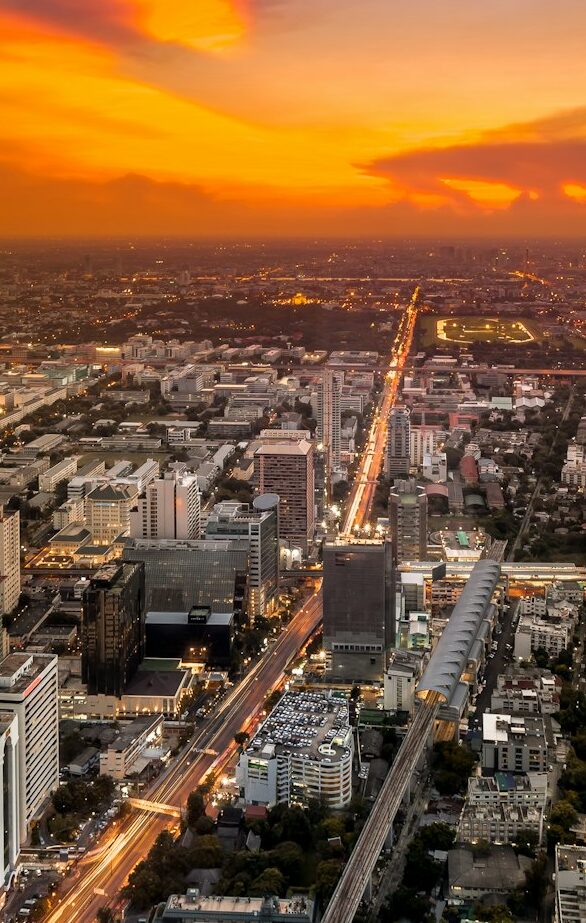
Goodman Group has told shareholders there is "no need to change anything" about its data centre pipeline, even as community opposition to its projects spilled into its 2026 annual general meeting in Sydney on Thursday 19 November. The ASX-listed developer, which now has $19.7 billion of development work in progress, also copied a first strike against its remuneration report, with close to 29 per cent of votes cast against it.
It was an unusually tense meeting for Australia's biggest listed property group. Residents, an activist resolution and protesters outside the venue all put the same question to the board: how far can the data centre boom run before local communities push back hard enough to slow it down?
Goodman Group AGM at a glance
- Company: Goodman Group (ASX: GMG), Australia's largest listed property group
- Meeting: 2026 annual general meeting, Sydney, Thursday 19 November
- Development work in progress: $19.7 billion across 51 projects at 30 September
- Data centre share of work in progress: 79 per cent
- Yield on cost: 8.3 per cent
- Power bank: 6.6 gigawatts, with 3.6 gigawatts secured
- FY27 guidance: 9 per cent operating earnings per security growth and a 30 cent distribution, unchanged
- Remuneration report: first strike, with close to 29 per cent of votes against
- Activist resolution on data centre transparency: 24.1 per cent of proxy votes in support, not put to a formal vote
Why the Goodman data centre pipeline matters so much
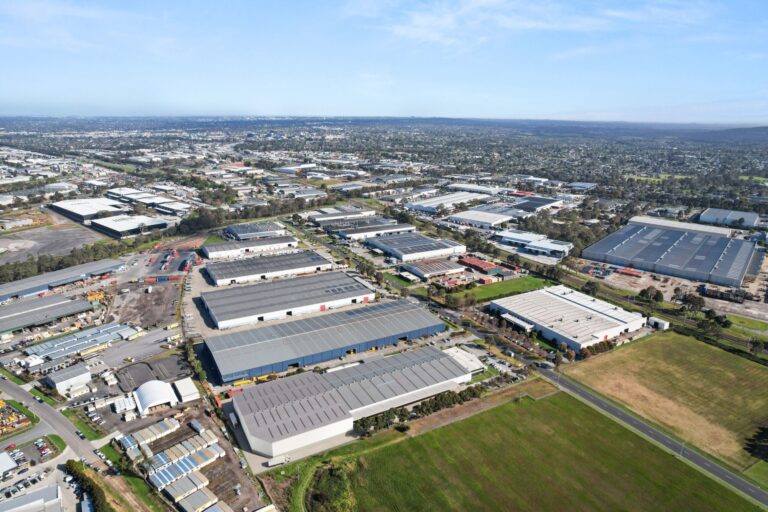
Goodman built its name in logistics. Warehouses, distribution centres and industrial estates around Sydney, Melbourne, Brisbane and a string of global cities made it one of the largest industrial owners and developers in the world. Over the past two years the business has pivoted hard toward data centres.
The numbers show how far that shift has gone. At 30 June 2026 data centres made up 78 per cent of Goodman's work in progress, up from 57 per cent a year earlier. By the end of September the figure had edged up to 79 per cent of a $19.7 billion book. Goodman's first quarter update in early November said those projects were on track. It kept its earnings guidance in place and reported that 68 per cent of projects were pre-sold or being built for third parties or partners.
In other words, the group's growth story now depends heavily on getting large, power-hungry buildings approved and built in or near major cities. That is exactly where community resistance has started to bite.
Project Mars Lane Cove West: the project that changed the mood
The backdrop to Thursday's meeting was Project Mars, a proposed 90 megawatt data centre campus at Lane Cove West on Sydney's lower north shore. Most reports valued the project at about $1.2 billion.
Goodman formally withdrew the State Significant Development application in late September. The proposal had drawn 374 public submissions, with only nine in support, along with a petition of more than 3,200 signatures. Objectors included Lane Cove Council, residents, sporting clubs, environment groups and the local school's P&C. Their concerns ranged from noise, diesel generators and water use to bushland impacts and the site's closeness to homes and a primary school.
In its withdrawal Goodman pointed to changes in the policy and regulatory environment since planning began in March 2025, along with community views. Reports linked the decision to a federal consultation paper that floated a possible minimum distance between data centres and homes or schools.
Goodman is still building its 90 megawatt SYD01 data centre in neighbouring Artarmon, which it wants in service in 2028.
Greg Goodman's case for data centres
Founder and chief executive Greg Goodman took a different tack from the chair. He conceded the industry was not selling itself well, saying data centres sit behind government services, public transport, health care and the photos people store on their phones. Without that infrastructure, he argued, cities cannot function.
He told shareholders Goodman was spending heavily to make its data centres fit into communities and add benefit. He also said energy efficiency should keep improving and pointed to plans and buildings that use low or zero water. He expects demand to outstrip supply across the 17 cities where Goodman operates.
That message is a softer version of what he said in August. Back then he admitted some proposed data centres may never be built because of tougher regulation and community opposition, saying the sector "can't be everywhere" and there would be pushback.
A sector-wide problem, not just Goodman's
Goodman is not alone. In October NextDC delayed expansion of its Footscray data centre in Melbourne after energy network Jemena paused grid works for the site following resident protests. In Victoria, the Municipal Association of Victoria has called for a moratorium on new data centres. In South Australia, Quantum DC's proposed 1.2 gigawatt Tungkillo hub has drawn large community protests. Governments are also moving to attach stricter energy, water and community benefit conditions to new projects.
The pattern is consistent. Data centres want large sites, big power connections and proximity to fibre and population. Those same sites are often close to homes, schools and bushland, which is where the friction starts.
What it means for industrial and commercial property
For the wider market, the Goodman AGM is a reminder that the data centre boom has two sides. On one side it is propping up industrial land values, attracting huge amounts of capital and turning former warehouse sites into some of the most valuable real estate in the country. On the other side, social licence is becoming a real development risk that can wipe out years of planning work.
That has practical consequences:
- Site selection is changing. Expect more focus on genuinely industrial precincts with buffers to housing, rather than infill sites on suburban edges.
- Land values near power are firming. Industrial sites with secured grid capacity are becoming a scarce commodity in their own right.
- Approval risk is now priced in. Buyers of data centre-zoned or data centre-ready land will look harder at community sentiment before they pay up.
- Regular industrial still benefits. As the big developers chase data centres, conventional logistics supply in some markets may tighten.
Lessons for developers and owners
There is a lesson here for any developer, not just the giants. Projects rarely fail on the numbers alone. They fail when the people around them do not understand what is being built or why.
- Explain early. Residents at Thursday's meeting said they had heard nothing for two years. Silence fills up with worst-case assumptions.
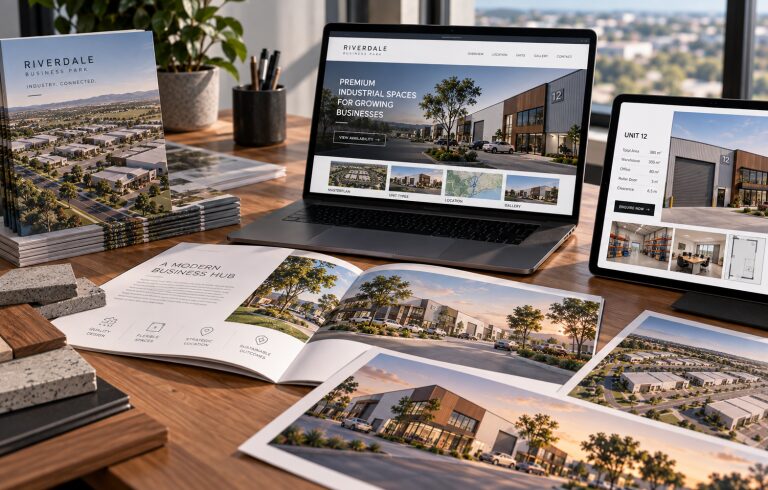
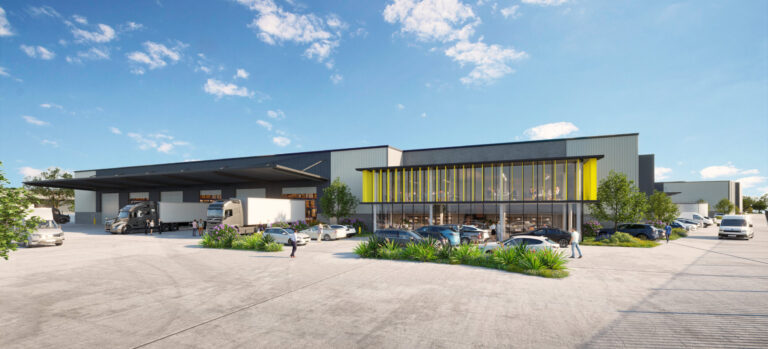
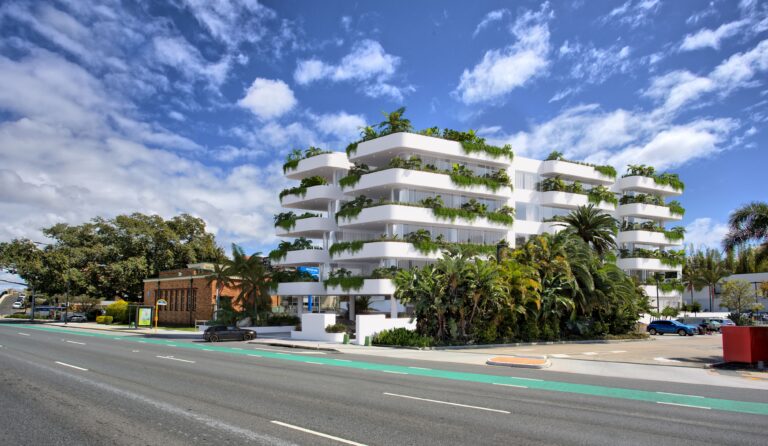
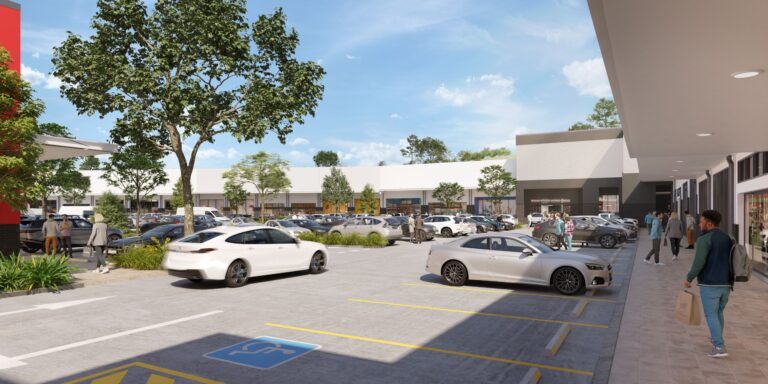
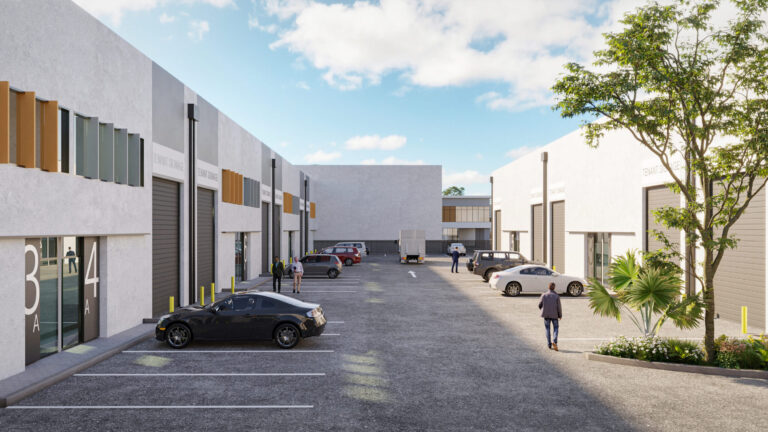
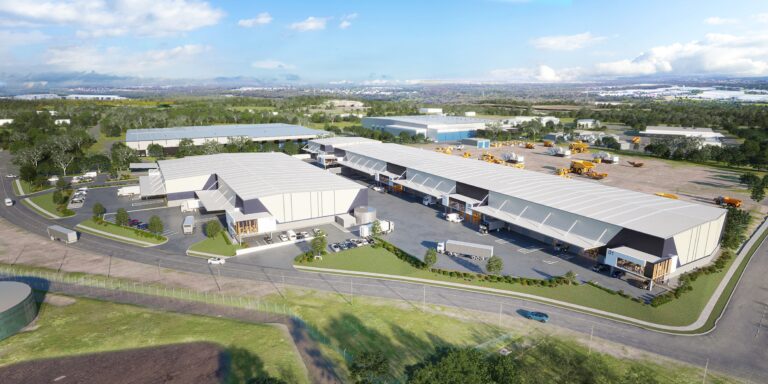
- Show it, don't just describe it. Clear renders, flythroughs and site context help communities and councils see height, setbacks, landscaping and screening for themselves.
- Lead with local benefit. Jobs, amenities and infrastructure upgrades need to be specific and visible from day one, not added after objections land.
- Keep one consistent story. A dedicated project website that answers the hard questions on noise, water and power builds trust far better than a planning portal full of technical reports.
What to watch next
Watch Guildford West, the next Goodman data centre to draw organised opposition, along with the federal government's response to its consultation on separation distances from homes and schools. Watch how NSW applies its new energy, water and cost principles to fast-tracked assessments. Watch whether Goodman's half-year result in February shows any slowdown in data centre starts or a shift toward sites with fewer neighbours.
And watch the pay vote. A second strike in 2027 would turn a community relations problem into a governance one. For now the board's position is clear. The Goodman data centre pipeline stays as it is and the group is betting it can win the argument with communities rather than change course.