

























The September 2026 CPI has landed hot. The ABS says annual inflation rose to 4.3 per cent in the 12 months to September, up from 4.0 per cent in August, while the trimmed mean measure the Reserve Bank watches most closely climbed 1.0 per cent over the September quarter against the RBA's own forecast of 0.8 per cent. With the cash rate already at 4.60 per cent after four rises this year, most economists now expect a fifth hike to 4.85 per cent when the RBA board announces its decision on Tuesday 3 November.
For commercial property owners, buyers and tenants that is not an abstract number. It flows straight into debt costs, valuations, CPI-linked rent reviews, outgoings and construction budgets. Here is what the September CPI result says, how the market is reading it and what it means for office, industrial, retail and development property across Australia.
CPI September 2026 at a glance
- Headline CPI (annual): 4.3 per cent in the 12 months to September 2026, up from 4.0 per cent in August
- Monthly move: prices rose 0.8 per cent in September after 0.4 per cent in August
- Quarterly move: headline CPI rose 1.3 per cent over the September quarter
- Trimmed mean (annual): 3.6 per cent, with August revised down to 3.5 per cent
- Trimmed mean (quarterly): 1.0 per cent, above the RBA's 0.8 per cent forecast
- Biggest driver: housing, up 5.2 per cent over the year on new dwelling costs and electricity
- Second driver: transport, up 8.7 per cent, led by fuel which rose 9.4 per cent in September alone
- Released: Wednesday 28 October 2026
- Next RBA decision: Tuesday 3 November 2026, 2.30pm AEDT
What drove the September CPI result
The ABS pointed to two big forces. Housing was the largest contributor to annual inflation, pushed up by the cost of building new dwellings and by electricity bills. New dwelling prices were up 4.7 per cent on a year earlier, which is a little softer than August's 5.4 per cent but still well ahead of the RBA's target band.
Transport was the second biggest contributor. Automotive fuel jumped 9.4 per cent in September on top of a 14.8 per cent leap in August as world oil prices climbed. Fuel is stripped out of the trimmed mean because it is so volatile, which is why the headline figure sits well above the underlying measure.
The worry for the RBA is that the pressure is broad. AMP economists noted that services inflation is stuck at around 4.1 per cent and that roughly 45 per cent of CPI categories are now rising faster than 3 per cent. Health costs rose 3.7 per cent, with medical and hospital services up 4.8 per cent. Recreation was up 4.5 per cent and domestic holiday travel and accommodation rose 5.3 per cent. Even games, toys and hobbies jumped 15.5 per cent, which the ABS linked to higher memory and storage chip costs as AI demand soaks up global supply.
Where the RBA cash rate stands
The Reserve Bank spent 2025 cutting, taking the cash rate from 4.35 to 3.60 per cent across February, May and August. It has reversed hard in 2026. The board lifted the rate in February to 3.85 per cent, in March to 4.10 per cent, in May to 4.35 per cent and again at the end of September to 4.60 per cent. That September move was described as pre-emptive, made before the latest inflation numbers were in.
Deputy Governor Andrew Hauser said after the release that inflation was broadly in line with the bank's expectations but still too high. The week before, he had flagged that the outlook was materially worse than the RBA had forecast in August.
Will the RBA raise rates on 3 November?
The market thinks so. Pricing after the CPI release put the odds of a 0.25 percentage point rise at somewhere between about 80 and 90 per cent depending on the measure used. The big banks have moved into line.
- CommBank: Head of Australian Economics Belinda Allen now expects a rise to 4.85 per cent, calling it an insurance move against energy prices, the AI investment boom and extreme weather. CommBank then expects holds in December and February, with cuts pencilled in for August and November 2027 if inflation behaves.
- NAB: also tips a November hike followed by an extended pause.
- KPMG: chief economist Brendan Rynne said price pressures are growing rather than weakening and that, without relief, another rise early in 2027 looks more likely than not.
- Betashares: chief economist David Bassanese has a hike next week as his base case, then a hold in December. He warned higher rates through next year would lift the risk of recession.
The main case against moving is simply that the RBA already acted in September and might prefer to wait. AMP's view is that standing still now could cost the bank credibility.
What a 4.85 per cent cash rate means for commercial property
Commercial property is priced off the cost of money. When the cash rate and bond yields rise, investors want a higher return from property to compensate, which puts upward pressure on capitalisation rates and downward pressure on values. The four rises already delivered this year have been absorbed into pricing to some degree. A fifth, plus talk of another in early 2027, makes it harder to argue that the top of the cycle is in sight.
The effect will not be even across the market.
- Leveraged private buyers: they feel it first. Higher interest costs shrink the gap between yield and debt cost, so syndicators and private investors who rely on bank finance have less room to bid.
- Cash-rich buyers: super funds, offshore capital and high-net-worth buyers buying with low gearing are less exposed and may find better opportunities as debt-reliant rivals step back.
- Industrial and logistics: strong tenant demand and rental growth have given this sector a buffer, which helps offset rising yields.
- Office: secondary office was already the weakest part of the market. Higher rates make it harder to fund refurbishments and repositioning of tired stock.
- Development sites: feasibilities get squeezed from both sides, with higher holding costs on land and higher building costs on the way out.
Listed property gives a useful read on sentiment. Despite the inflation scare, the ASX 200 A-REIT index gained 3.45 per cent in the week to 30 October, with Goodman Group up 6.1 per cent, GPT up 2.1 per cent and Dexus up 0.4 per cent. Investors appear to have priced a November hike well before it happens. That does not mean unlisted values are safe, but it suggests the market is not panicking.
CPI-linked rent reviews, outgoings and construction costs
Higher inflation is not all bad news for landlords. Many commercial leases carry annual reviews tied to CPI, so a 4.3 per cent headline figure means a healthy step up in rent for owners on those leases. Tenants on CPI reviews will feel the same number as a cost. Leases with fixed reviews of 3 or 3.5 per cent now look less generous to owners than they did a year ago.
Outgoings are the other pressure point. Electricity was one of the main drivers of the housing component in this CPI result and power is a big line item in most building budgets. On net leases tenants carry most of those costs. On gross or semi-gross leases the landlord does, which quietly erodes net income.
For developers the new dwelling figure matters. Building costs are still rising at close to 5 per cent a year. Anyone carrying a project from approval to construction needs to keep testing costs, contingencies and end values against today's numbers, not last year's.
Lessons for owners selling or leasing now
In a market where buyers are doing more sums and borrowing costs are rising, the way an asset is presented matters more. A few practical points:
- Lead with income security: lease terms, review structures and tenant quality are what buyers will test first. Make them easy to find and easy to understand.
- Show the CPI story: if a lease has CPI-linked reviews, spell out what that means for income over the next few years.
- Be upfront about outgoings: clear, current outgoings data removes a common reason for buyers to discount.
- Price for today's buyer pool: fewer leveraged buyers means campaigns need to reach funds, offshore groups and private cash buyers.
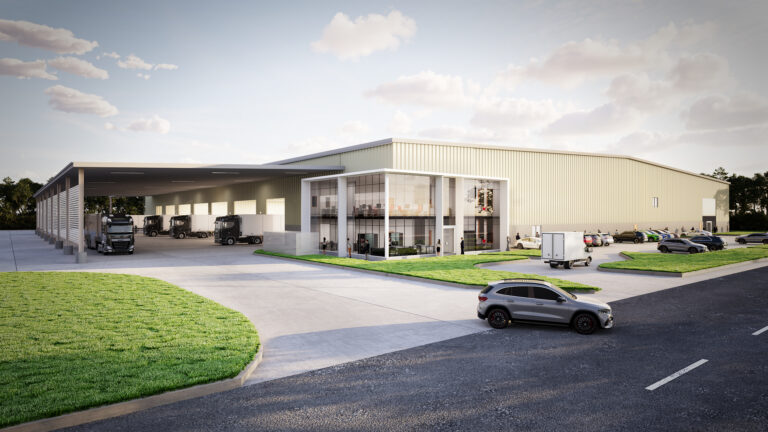
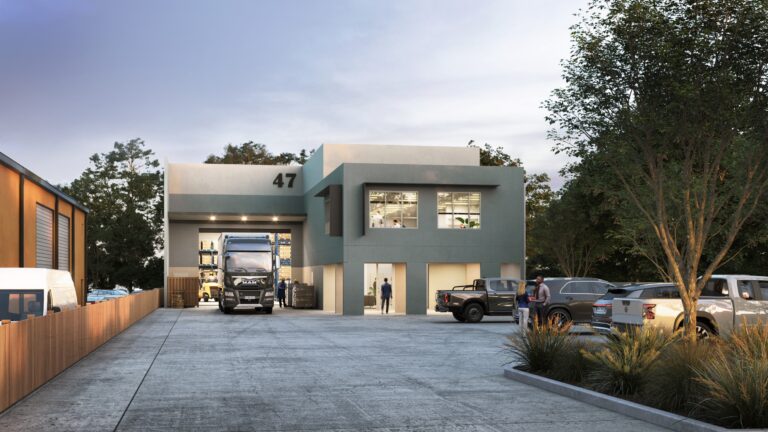
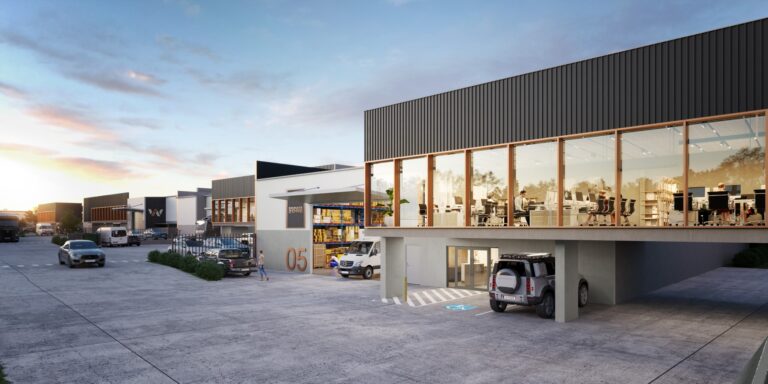
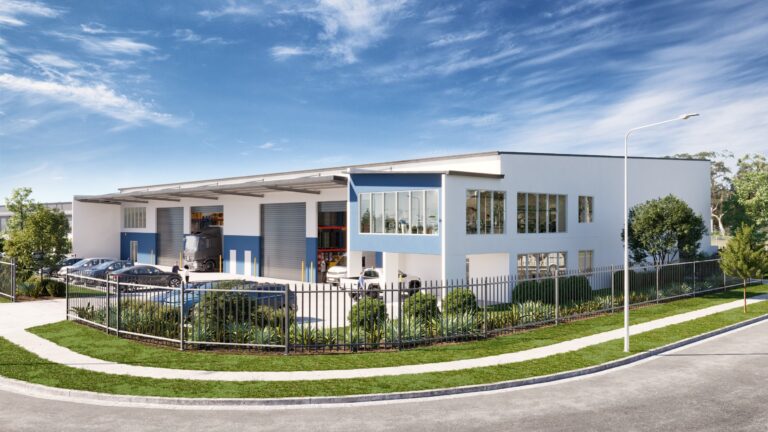
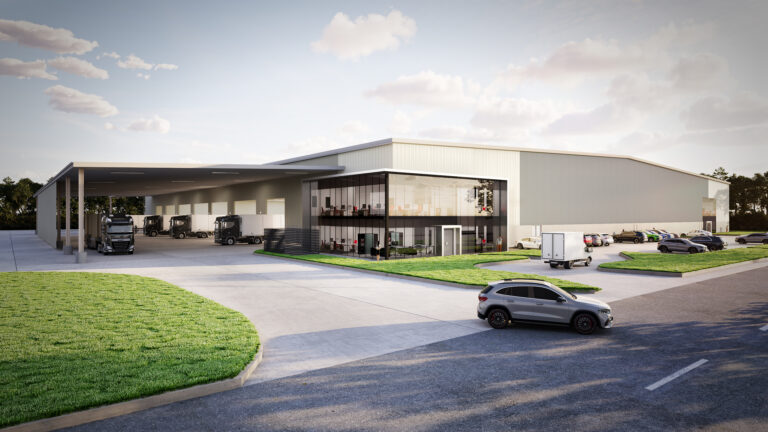
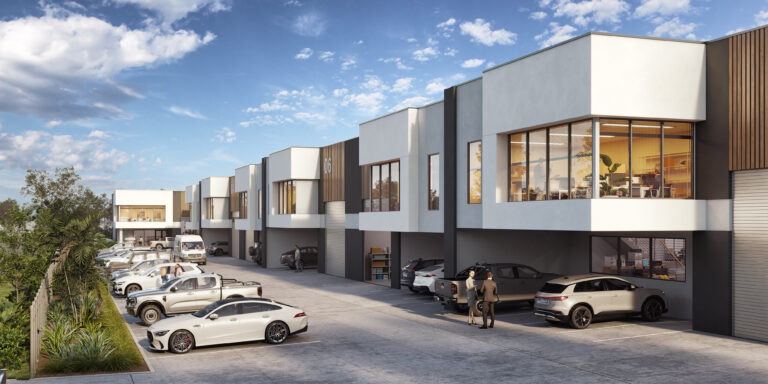
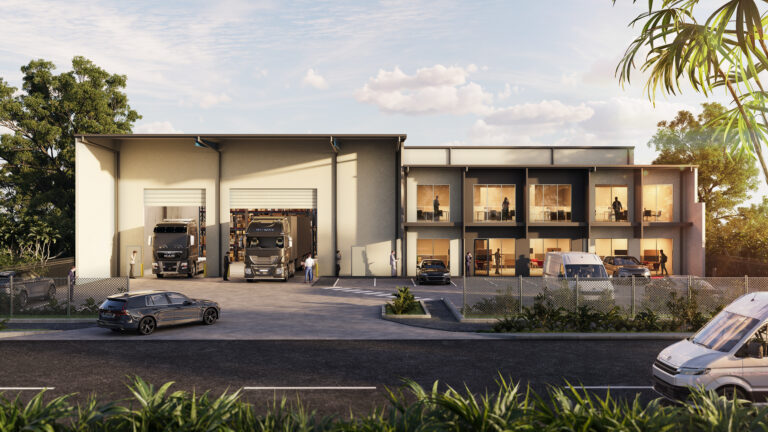
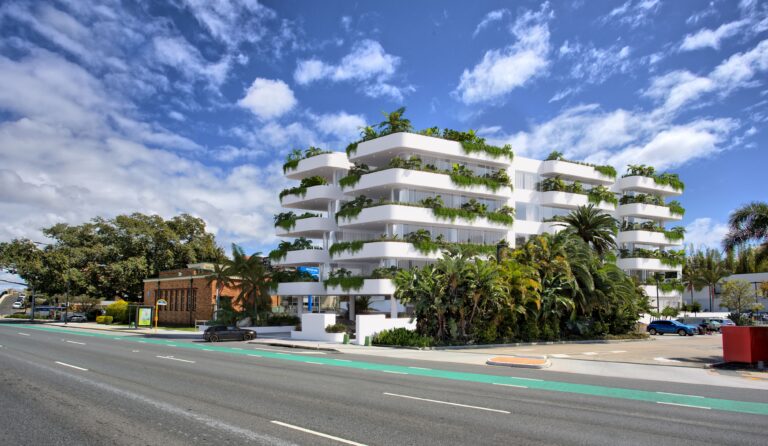
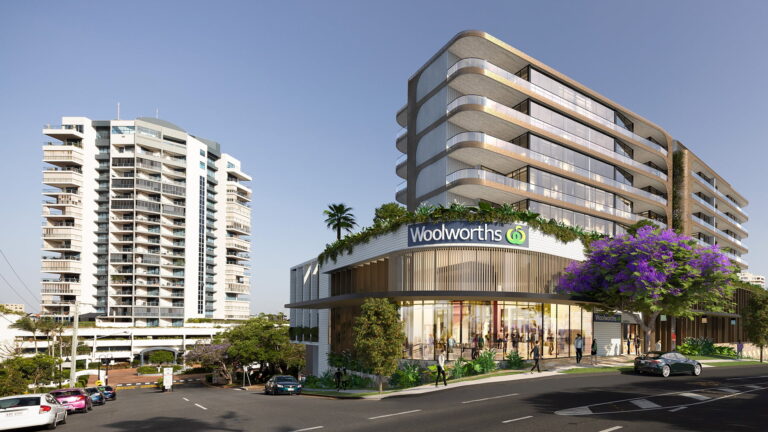
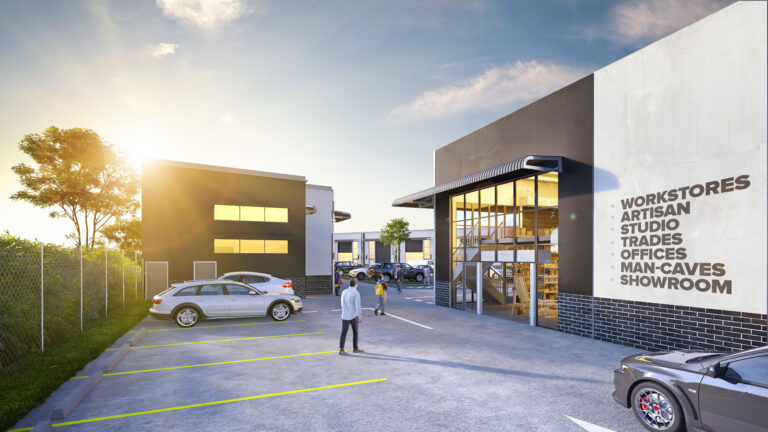
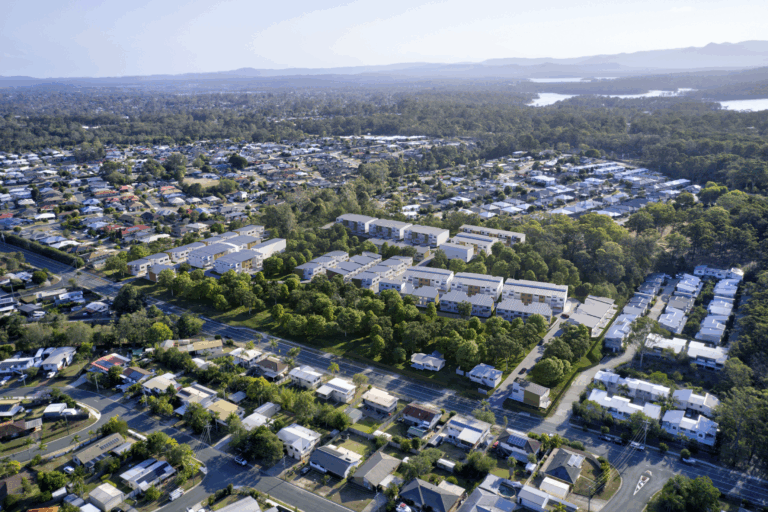
- Sell the vision for development sites: where feasibilities are tight, good planning information and clear imagery of the end product help buyers see the upside.
What to watch next
The first date is Tuesday 3 November at 2.30pm AEDT, when the RBA announces its decision and releases updated forecasts in its Statement on Monetary Policy. The tone of those forecasts will matter as much as the decision itself, especially any signal about whether a further rise is likely in early 2027.
After that, the October monthly CPI, the next labour force figures and the December RBA meeting will show whether the board can pause. For commercial property the key signs will be bond yields, the volume of transactions through the end of the year and whether valuers start pushing yields out again in the December valuation round.
The September CPI result has made one thing clear: inflation in Australia has not been beaten yet. Owners, buyers and tenants should plan on higher rates for longer and build that into every deal, lease and development decision they make in the months ahead.