



Melbourne commercial property had a busy October. Industrial vacancy eased to 4.7 per cent on near-record leasing, a super fund paid $480 million for half of Watergardens, IFM broke ground on its $1.1 billion Daybreak estate in Dandenong South and the state's 79 councils called for a pause on new data centres. Rising interest rates are the backdrop to all of it, with a fifth hike for the year tipped for 3 November.
This October 2026 update pulls the month together: the big sales, leases and projects, what the latest industrial and office numbers say and what owners, developers and occupiers should be watching heading into the end of the year.
Melbourne commercial property in October 2026 at a glance
- Industrial vacancy: 4.7 per cent at the end of September, down from 4.9 per cent (JLL, buildings over 5,000 sqm)
- Industrial take-up: 441,800 sqm in the September quarter, close to 40 per cent above the long-run average
- New industrial supply: only 58,700 sqm completed in the quarter
- Industrial rents: up 0.8 per cent over the quarter
- CBD office vacancy: 18.9 per cent in the Property Council's July count, still the highest of any capital city
- Biggest deal: QIC's 50 per cent stake in Watergardens, Taylors Lakes, sold to the Commonwealth Superannuation Corporation for $480 million
- Biggest project: Daybreak Dandenong South, IFM Investors' $1.1 billion, 62-hectare logistics estate, now under construction
- Interest rates: cash rate 4.60 per cent, September CPI 4.3 per cent, a rise to 4.85 per cent widely expected on 3 November
Melbourne industrial market: big tenants are still signing
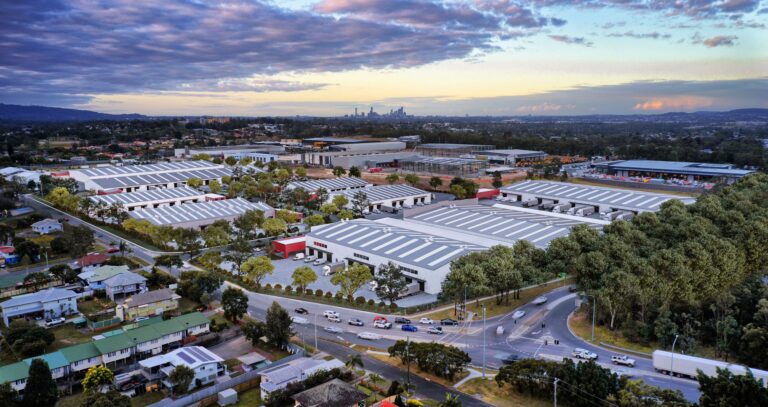
Melbourne's industrial market held up well through the September quarter. JLL's Q3 numbers show vacancy edging down from 4.9 to 4.7 per cent while take-up reached 441,800 sqm. That is close to 40 per cent above the long-run average and part of a record national quarter in which 1.49 million sqm was leased across the five big capitals.
The fall in vacancy is being helped as much by a lack of new buildings as by demand. Completions dropped to 58,700 sqm, which is a fraction of what the city was delivering a couple of years ago. Developers have become wary of building on spec while construction and borrowing costs stay high, so much of what is being built now is pre-committed to a tenant before it starts.
The split in the market matters. Large logistics groups, retailers and the businesses feeding the data centre build-out are leasing hard. Smaller trades, wholesalers and local manufacturers are more cautious. Rental growth was a modest 0.8 per cent for the quarter, which tells you landlords of ordinary second-hand stock still have to work for their tenants.
Bought and sold: Melbourne's October deals
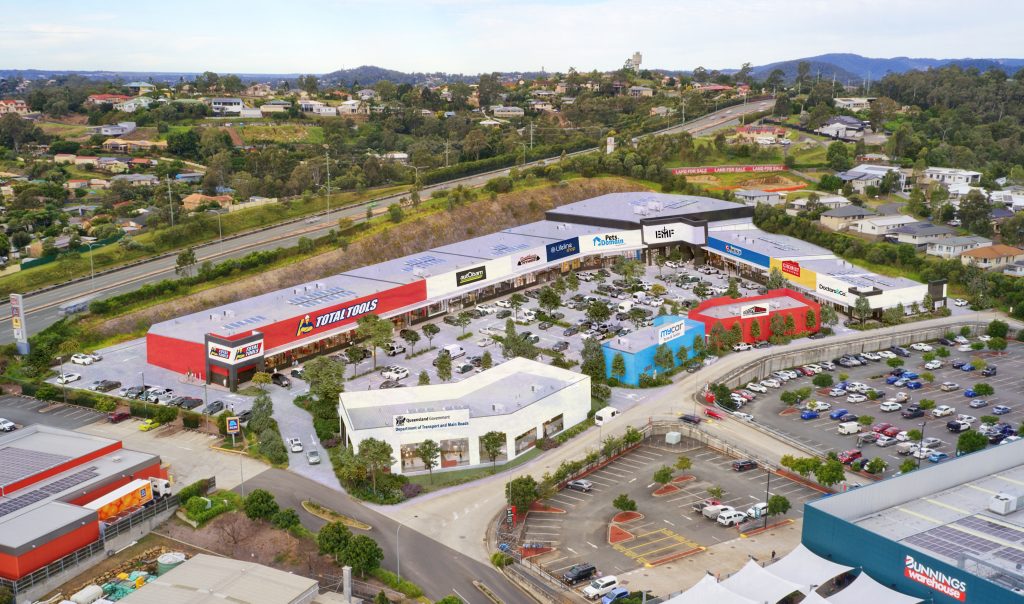
Watergardens, 399 Melton Highway, Taylors Lakes – $480 million (50 per cent). QIC sold half of the north-west's dominant regional shopping centre to the Commonwealth Superannuation Corporation, with GPT Group acting as investment manager. The price was reported slightly above the stake's book value of about $470 million. Watergardens sits on about 47.9 hectares, often described as Australia's largest single-title retail landholding, with around 71,226 sqm of shops anchored by Woolworths, Aldi, Kmart, Big W and Hoyts. It is one of the largest retail deals in the country this year and another sign that super funds are back buying big shopping centres.
80–86 Canterbury Road, Kilsyth – about $56 million. Fife Capital sold its redeveloped distribution centre to Cadence Property Group off-market. Fife paid $17 million for the 4.04-hectare former antiques market site in 2021, built a modern warehouse and office facility and leased it to DUTT Transport as its headquarters. It is a textbook value-add play: buy a tired site, build what the market wants, lease it to a strong operator and sell the income.
35–43 Strzelecki Avenue, Sunshine West – $14.5 million. Construction group Hamilton Marino bought a 1.22-hectare site with two adjoining warehouses and offices totalling 6,078 sqm from Inotek Properties. The buildings were most recently used to make timber frames, roof trusses and prefabricated walls. Cushman & Wakefield and Knight Frank handled the sale. Owner-occupiers buying functional sheds in the west continue to underpin the middle of the market.
The Vine Hotel, 59 Wellington Street, Collingwood – for sale. HTL Property has the heritage corner pub on the market by expressions of interest closing at 4pm on 25 November. The 417 sqm site has three street frontages in a mixed-use zone and a licensed hotel has stood on the corner since 1868. It has not traded since 2020 and comes with a partly finished refurbishment, so the next owner is buying a project as well as a pub.
Leasing: Port Melbourne's biggest vacancy in 20 years is filled
Goodman has leased 45,249 sqm across four sheds at the Port Melbourne Industrial Estate, 437 Plummer Street, to Australia Post, the Victorian Electoral Commission and G4P. The sheds were the former Iron Mountain records-storage buildings, each around 10,000 to 12,000 sqm with internal heights of up to 11.7 metres. Lemon Baxter's leasing agents described it as the suburb's largest industrial vacancy in two decades.
Rents were not disclosed, but the result is a useful marker. Older inner-city warehouses can still lease quickly when they sit close to the CBD, the port and a deep pool of workers. For owners of tired stock in Port Melbourne, Fishermans Bend and the inner west, location is still doing a lot of the heavy lifting.
Development: Daybreak Dandenong South gets moving
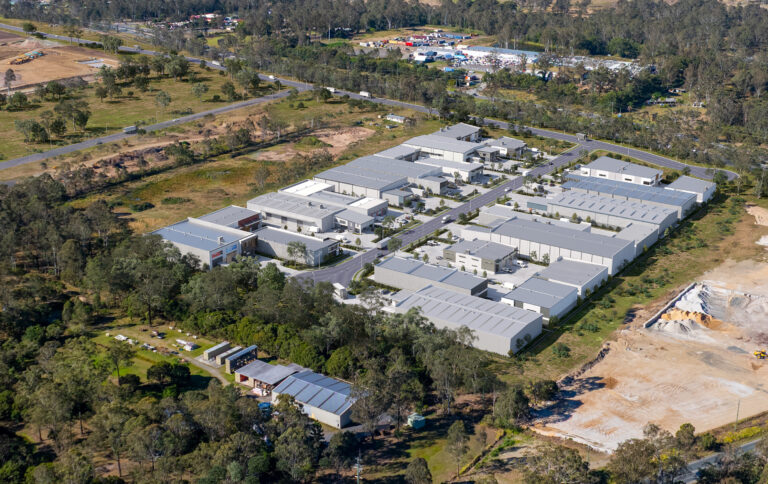
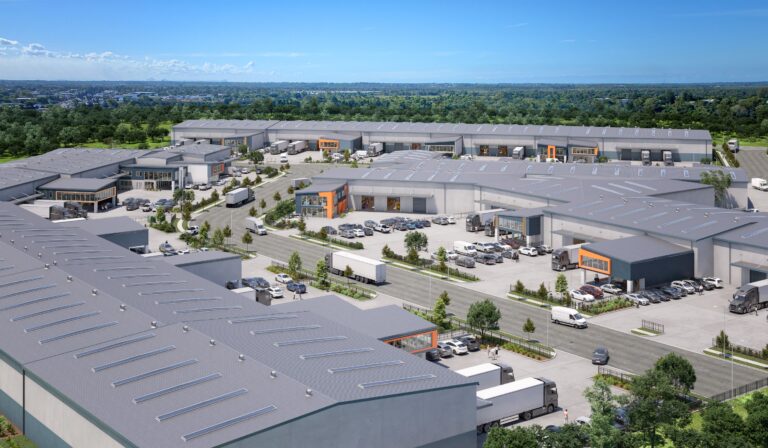
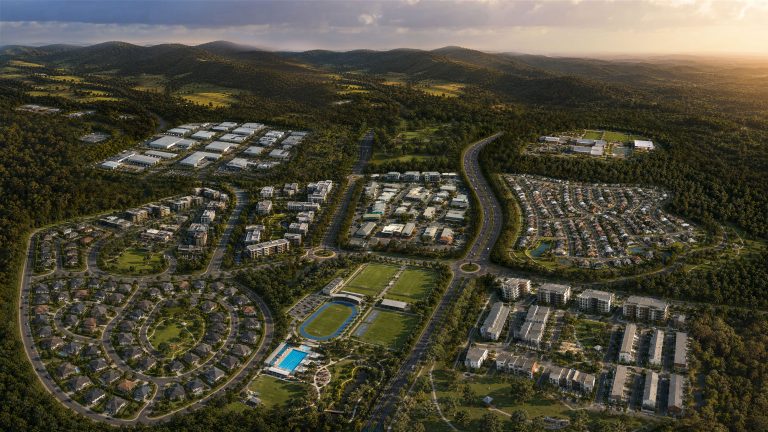
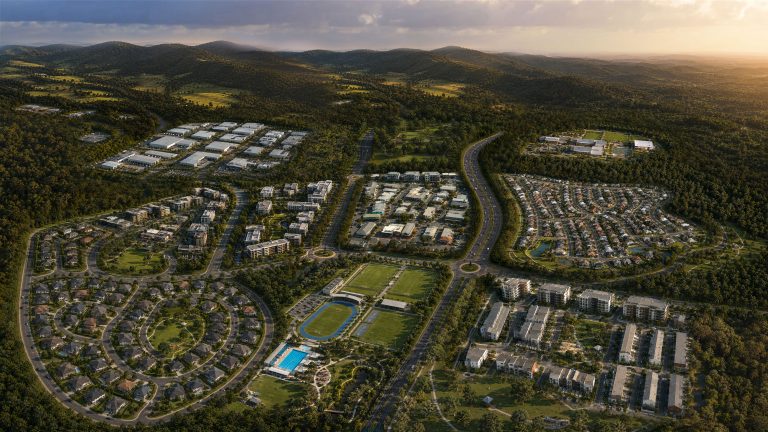
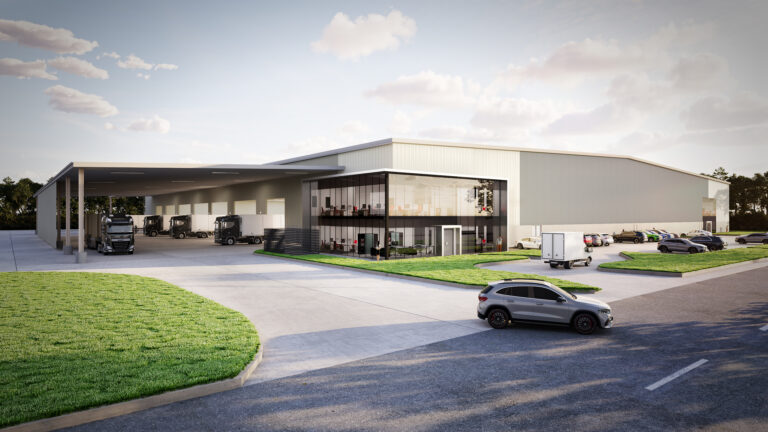
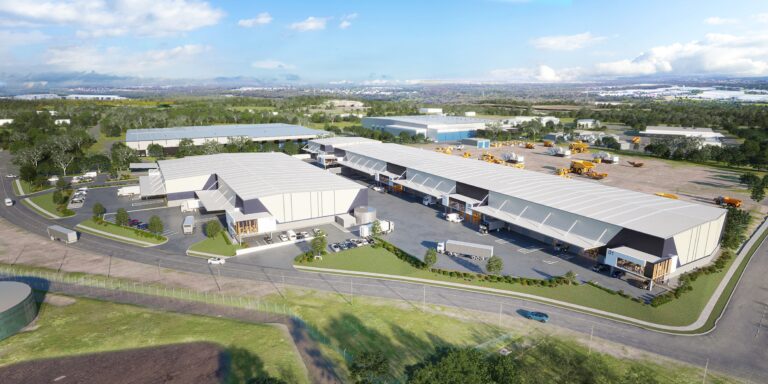
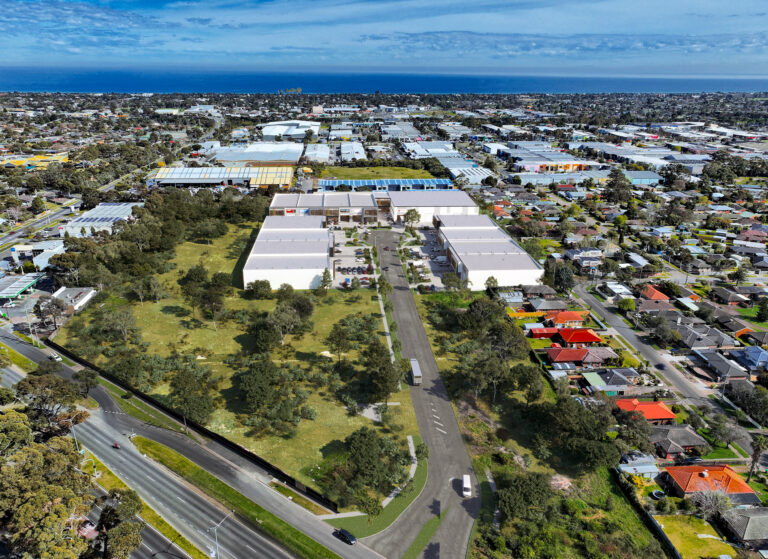
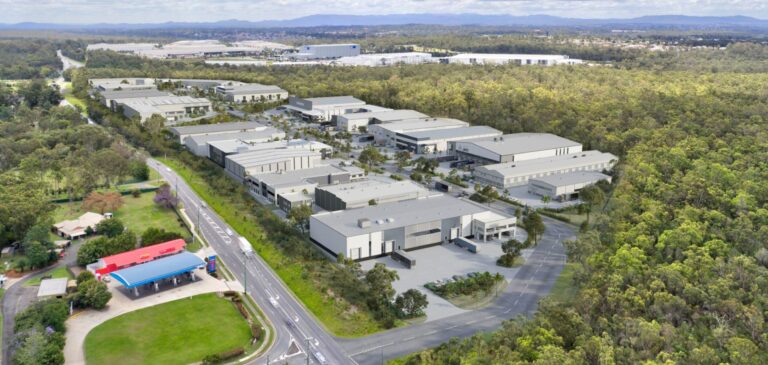
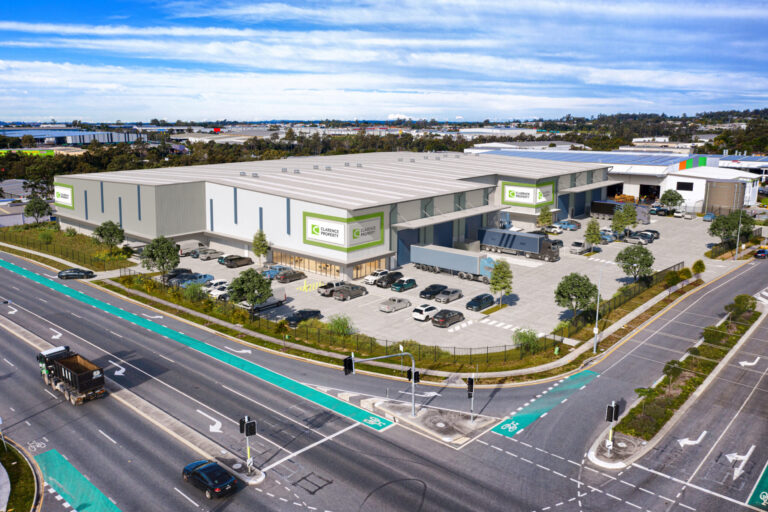
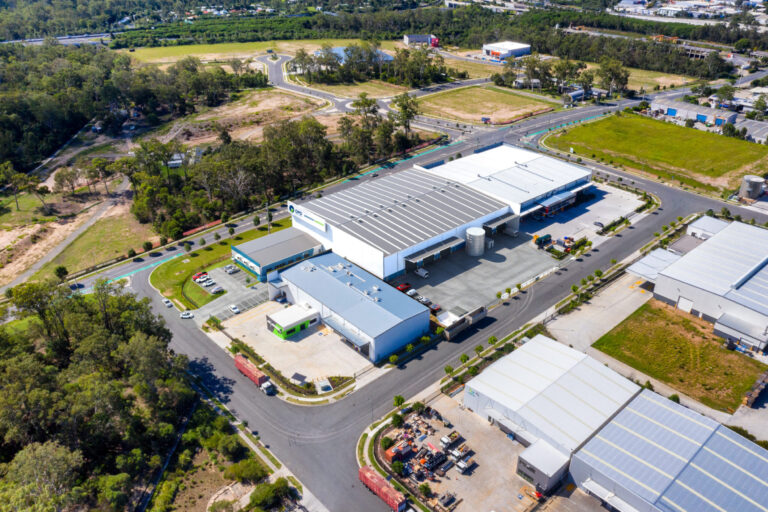
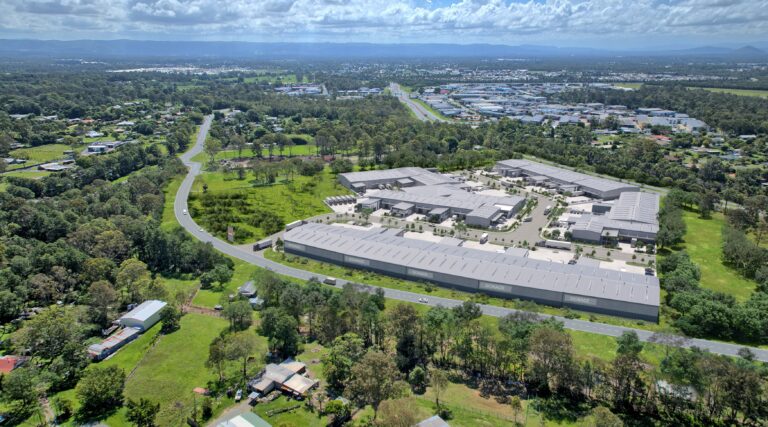
IFM Investors has started construction on Daybreak Dandenong South at 265 Dandenong-Hastings Road. The 62-hectare former farm is one of the last large greenfield industrial sites left in the south-east. Once complete it is planned to hold around 280,000 sqm of warehousing across about 20 buildings, with an end value of about $1.1 billion.
Stage one covers roughly 83,700 sqm across up to eight tenancies and is due in February 2028. Warehouses will range from about 7,000 sqm to more than 80,000 sqm and the estate is targeting a 5 Star Green Star rating. Dandenong South has had almost no large-format land left for years, so this is the most significant new supply the south-east has seen in a long time.
Data centres: power and politics are now the constraint
October showed how quickly the data centre story can change. NextDC's M3 campus at 25–27 Indwe Street, West Footscray, hit a power problem after Jemena paused parts of its 66kV network upgrade following resident protests in Yarraville. NextDC removed about $140 million from its FY27 forecasts and its shares fell roughly 40 per cent when trading resumed on 21 October.
Then the Municipal Association of Victoria, the peak body for all 79 councils, voted for a moratorium on approvals for new or expanded data centres until a proper planning and environmental framework exists. Melbourne, Geelong, Maribyrnong and Hume were among the councils behind the motions. The call lands just before the state election caretaker period and puts a question mark over projects including NextDC's M4 at Fishermans Bend, its land bank at Lovely Banks near Geelong and GreenSquareDC's planned campus at 44–76 Simcock Avenue, Spotswood.
The lesson for industrial landowners is that zoning and a permit are no longer enough for a data centre site. Power capacity, the route the wires take and community tolerance now decide whether a project happens.
Office: still the weakest part of the market
Melbourne CBD office vacancy was 18.9 per cent in the Property Council's July count, down only slightly from 19 per cent and still the highest of any capital. Sydney sat at 13.3 per cent and Brisbane at 10.2 per cent. Demand was positive enough to absorb two new prime towers, but around 62,500 sqm of new space is due in the second half of 2026 and more than 29,000 sqm of refurbished space returns in 2027.
The gap between the best buildings and the rest keeps widening. New and refurbished prime space with good end-of-trip facilities is leasing. Older B-grade towers are competing on incentives and many owners face a choice between a costly upgrade, a change of use or a sale at a lower price.
Interest rates: what a fifth hike would mean
September's CPI came in at 4.3 per cent, with the trimmed mean rising 1.0 per cent over the quarter against the RBA's 0.8 per cent forecast. With the cash rate already at 4.60 per cent after four rises this year, most economists expect a fifth rise to 4.85 per cent on Tuesday 3 November.
Higher rates hit leveraged private buyers first. Super funds, offshore capital and cash-rich private buyers are less exposed, which is exactly who did the big deals this month. For owners on CPI-linked leases there is an upside: rent reviews this year will be strong. For developers, building costs still rising close to 5 per cent a year make every feasibility worth re-testing.
Precinct watch
- West (Truganina, Derrimut, Laverton North, Ravenhall): still the busiest leasing market in the city, with big pre-leases soaking up new sheds and more choice for tenants in older stock.
- South-east (Dandenong South, Braeside, Moorabbin): the tightest established precinct. Daybreak adds future supply from 2028 but owner-occupiers will keep competing hard for smaller sites now.
- Inner city (Port Melbourne, Fishermans Bend, West Footscray): proof this month that well-located older sheds lease, plus the front line of the data centre power debate.
- North (Campbellfield, Somerton, Craigieburn): steady demand from transport and building-supply users along the Hume corridor.
- Outer east (Kilsyth, Bayswater): the Kilsyth sale shows investors will pay well for a modern building with a solid tenant even outside the main logistics belts.
What this means for owners, developers and occupiers
- Sell the income, not just the building. In a rising-rate market buyers test lease terms, reviews and tenant strength first. Make that information clear and easy to find.
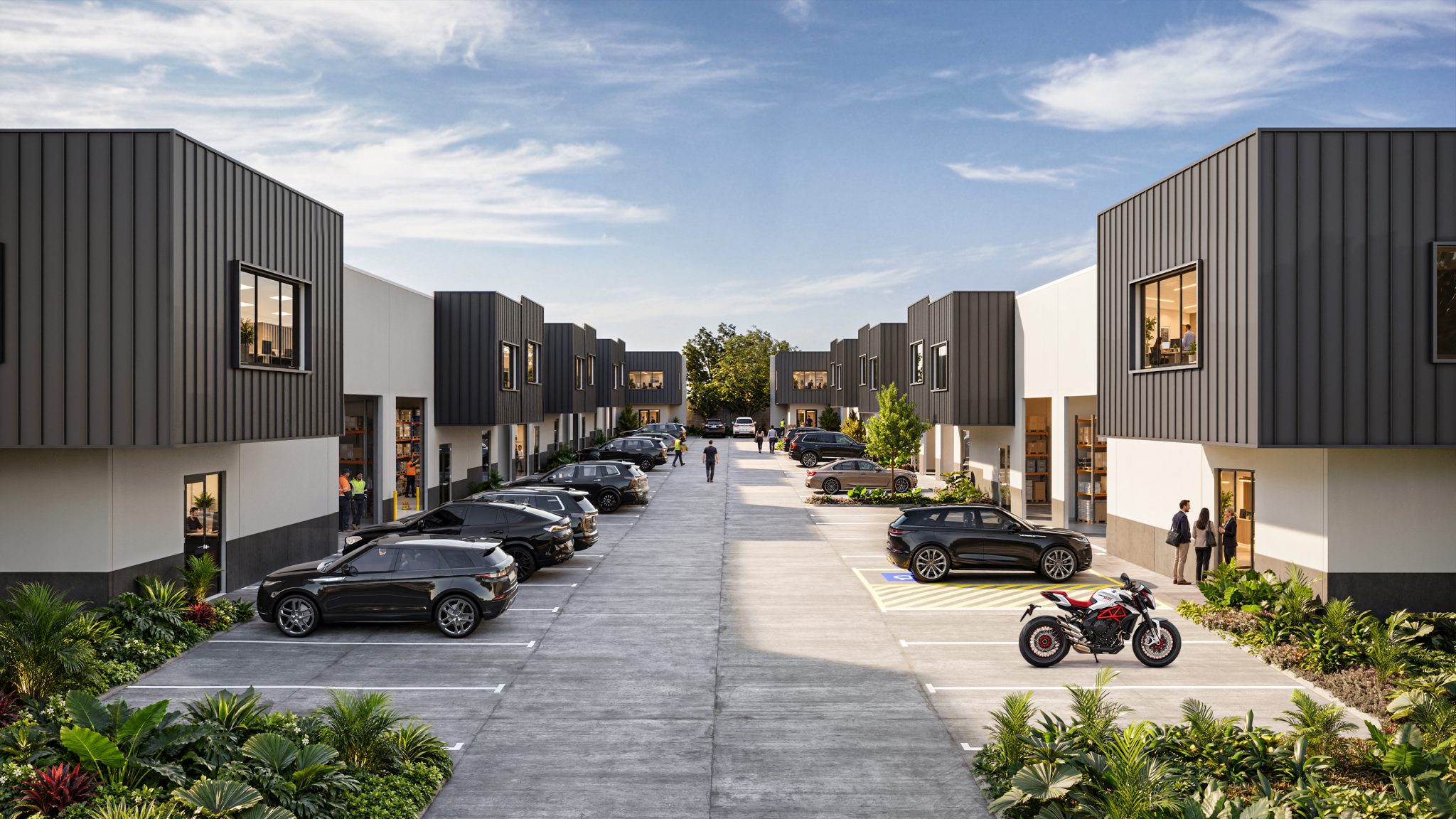
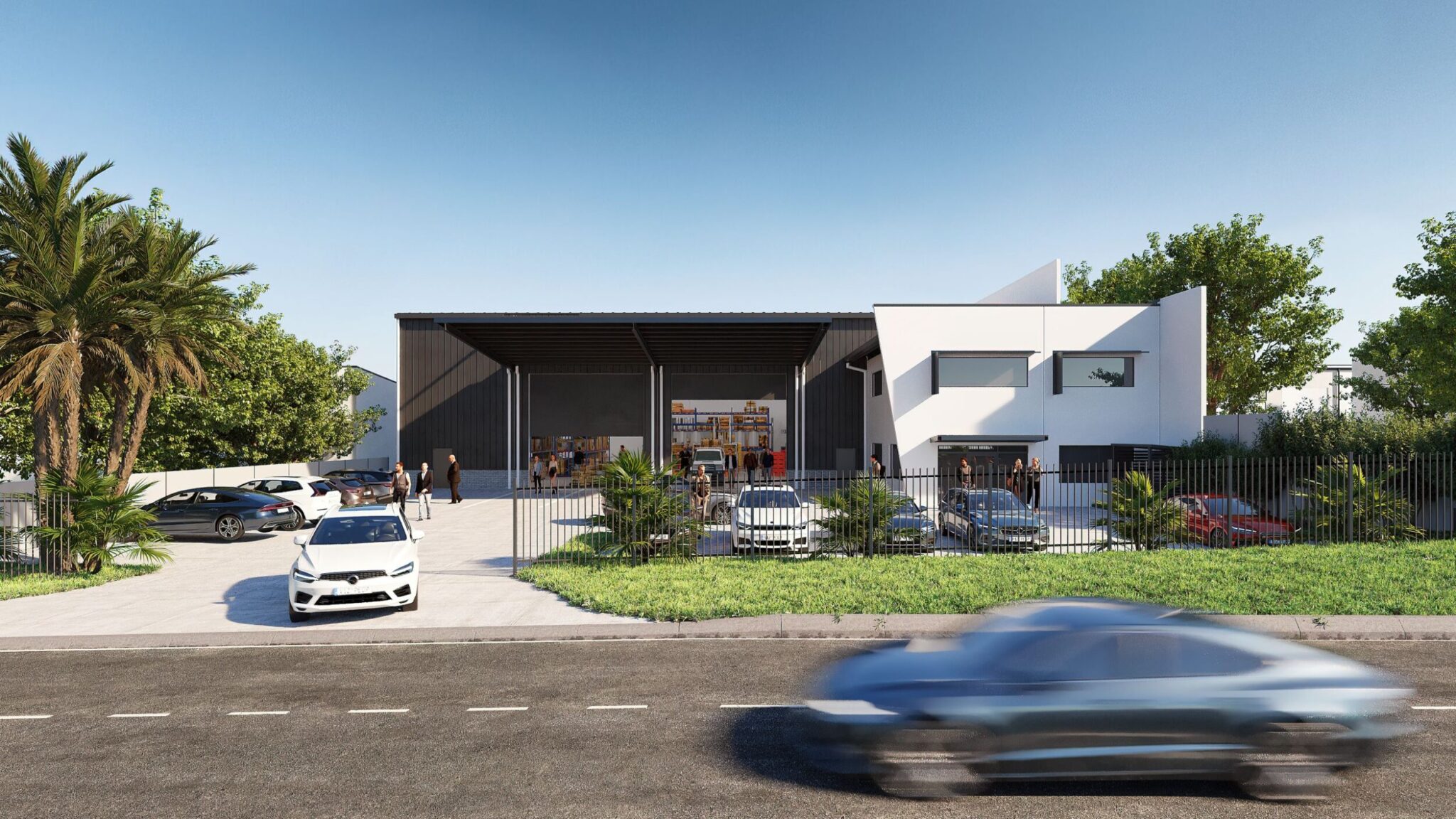
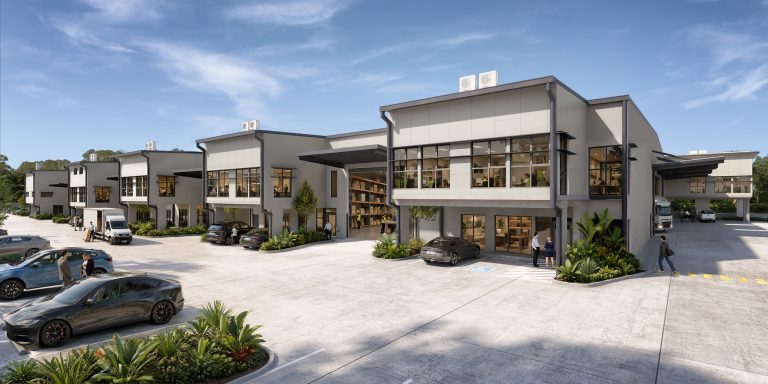
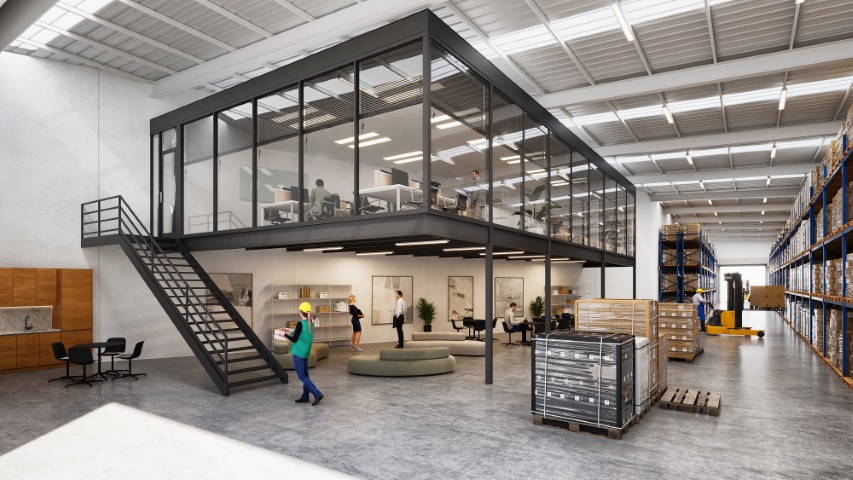
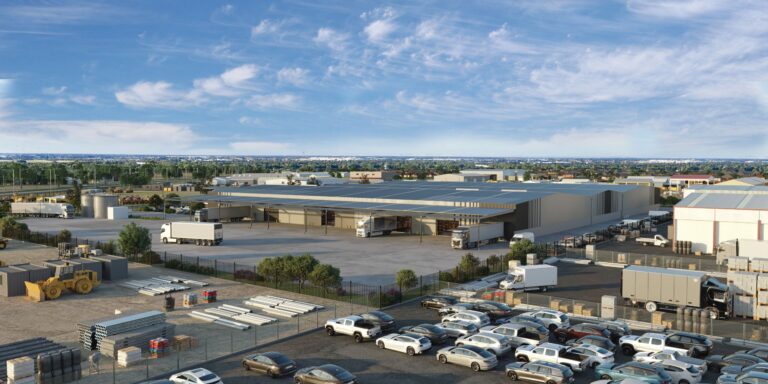
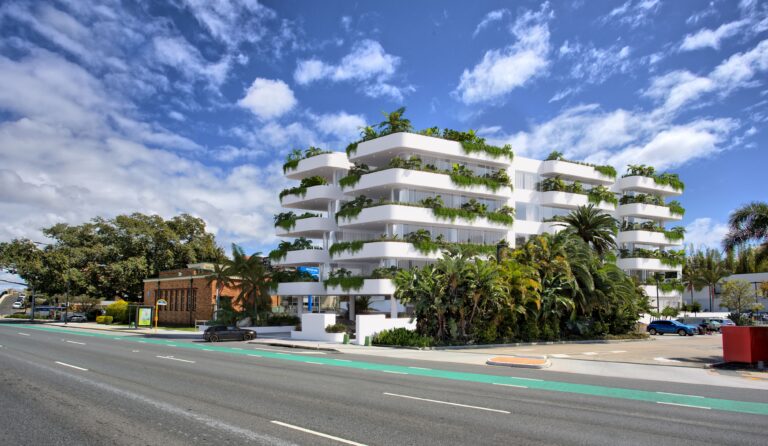
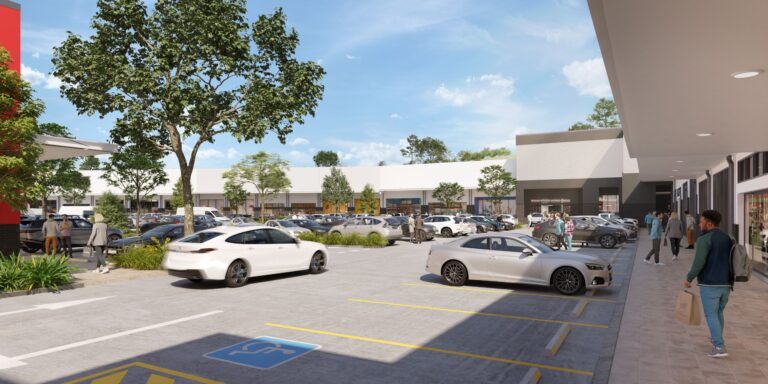
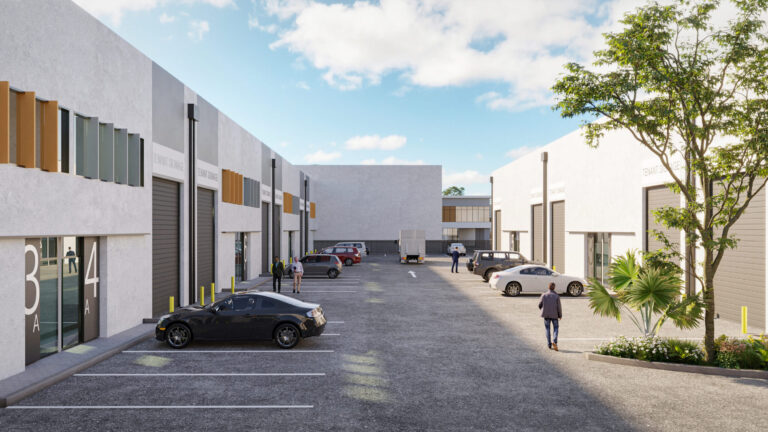
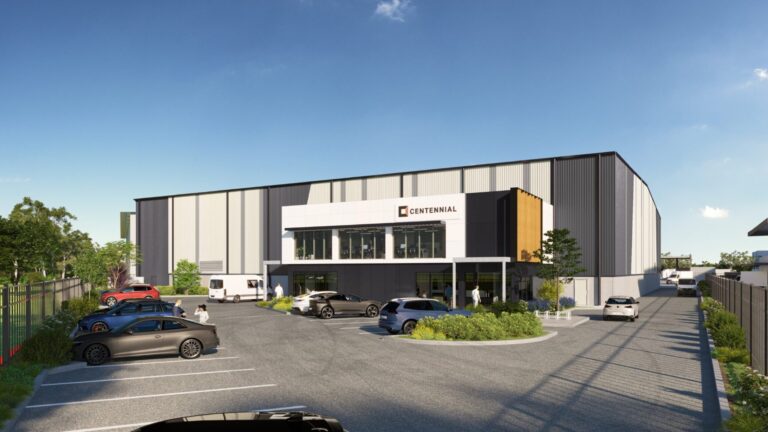
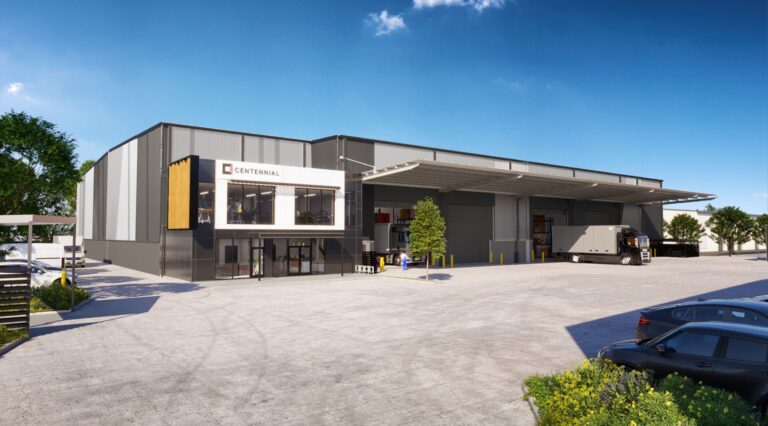
- Pre-leasing is where new projects win. With most new space committed early, developers need to show a tenant the finished building before it exists. Clear renders, site plans and access diagrams shorten that conversation.
- Older sheds need a story. Port Melbourne proved location can carry older stock, but owners elsewhere need a plan for clearance, power, hardstand and presentation.
- Price for today's buyer pool. Fewer leveraged buyers means campaigns need to reach funds, owner-occupiers and private cash buyers directly.
What to watch in November
The RBA decision on 3 November comes first. After that, watch the Victorian election campaign for any change in data centre planning policy, the Vine Hotel campaign closing on 25 November and whether the end-of-year valuation round pushes office and retail yields out again. On the industrial side, the next test is whether Melbourne's pre-leasing pipeline keeps vacancy below 5 per cent into 2027 as fewer new buildings are finished.