



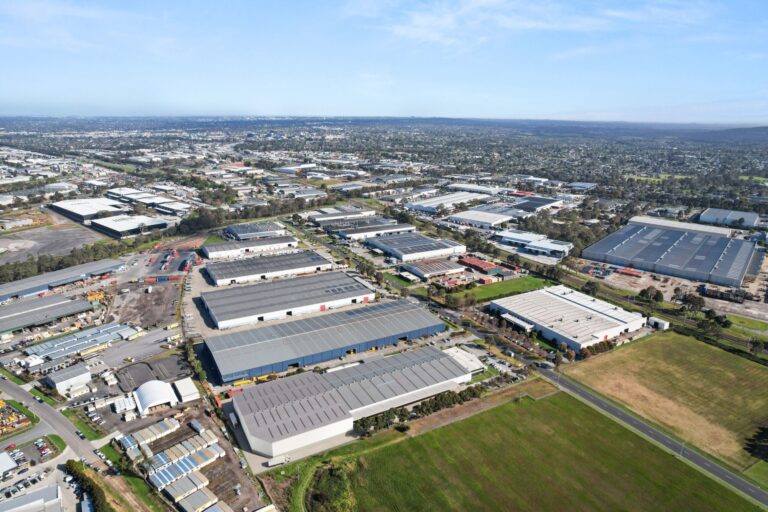
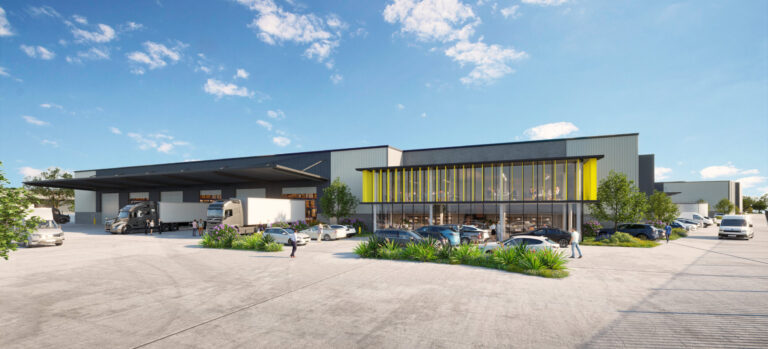
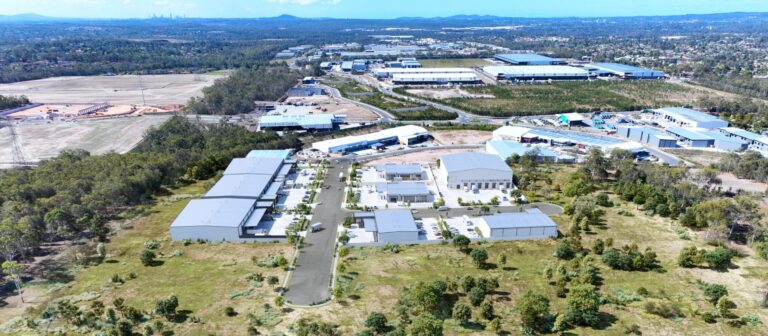
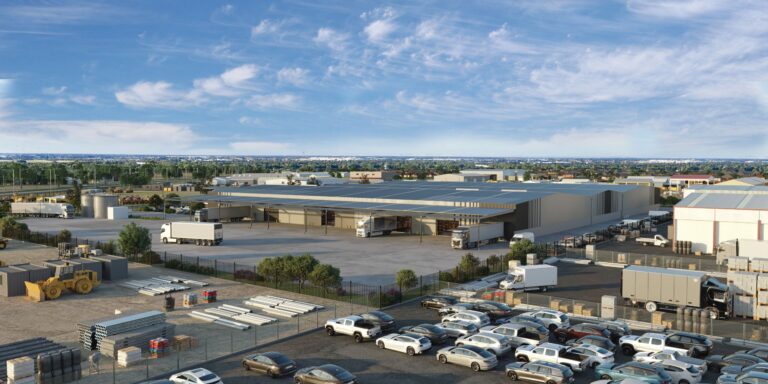
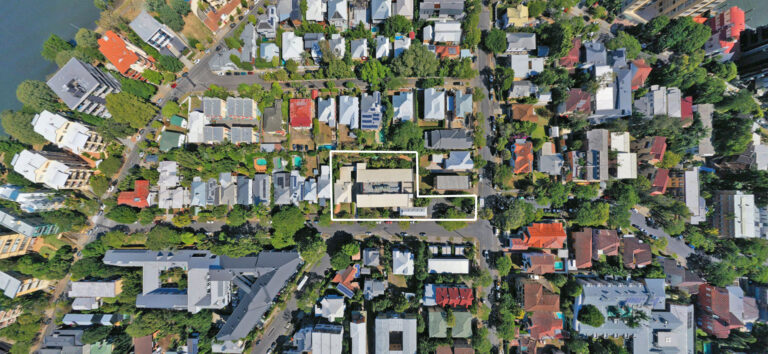

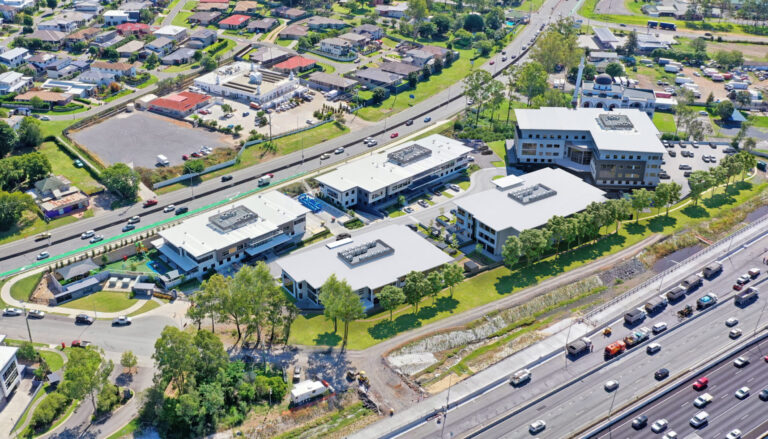
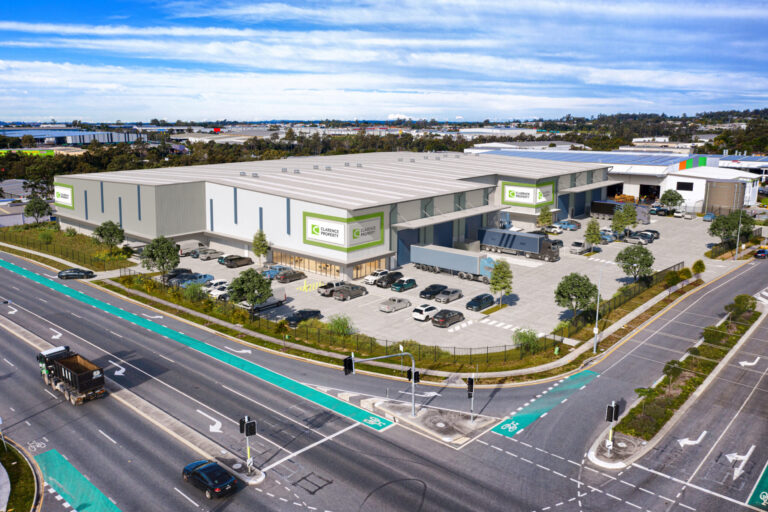

The Macquarie Coal Complex at Teralba and West Wallsend and BHP's Mt Arthur coal mine at Muswellbrook have been formally rezoned for new industry. The state and federal governments say the two Hunter precincts could support more than 7,000 jobs once the land is rehabilitated. The Teralba rezoning lands in the same week the NSW Government named the former Macquarie Coal Complex as its preferred site for a state-owned passenger train factory under the $12 billion Future Fleet Program.
Together the two decisions turn thousands of hectares of mining land into some of the largest planned employment precincts in regional NSW. For industrial developers, owner-occupiers and investors watching the Newcastle and Lake Macquarie market, this is the clearest signal yet of where the next wave of large-format industrial land will come from.
The rezonings at a glance
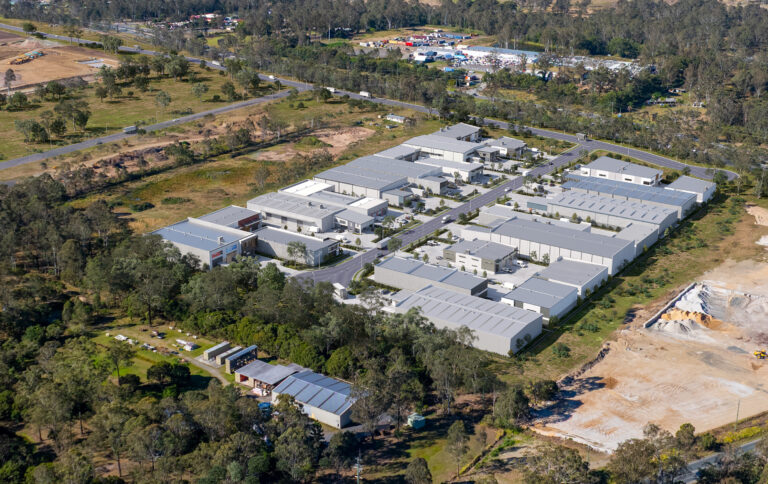
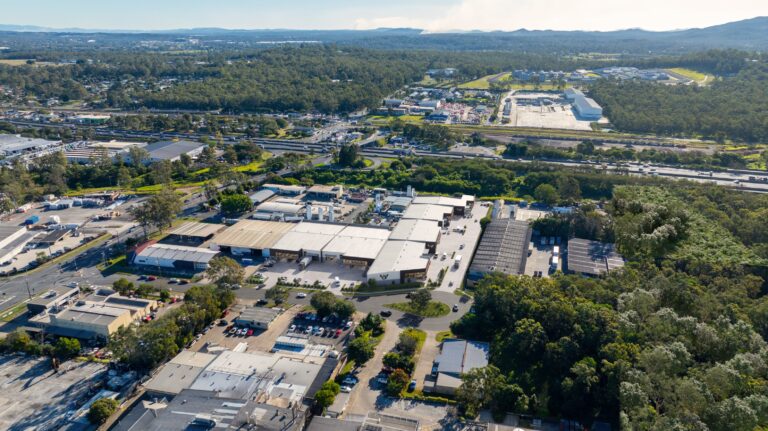
- Macquarie Coal Complex, Teralba and West Wallsend: a 1,142-hectare employment precinct about 20 km south-west of Newcastle, with at least 500 hectares of developable land
- Jobs at Teralba: up to 1,130 new jobs, plus about 36 hectares of new open space and 22 hectares of residential land at Barnsley West and Teralba Southgate
- Mt Arthur Coal Mine, Muswellbrook: a 5,700-hectare precinct, with about 800 hectares across two priority areas marked for early industrial development
- Jobs at Mt Arthur: up to 5,900 new jobs, with close to 4,600 hectares returning to agriculture and environmental use after rehabilitation
- Target industries: renewable energy, advanced manufacturing and warehousing
- Funding: $5 million from the Commonwealth for the pilot rezonings, plus in-kind support from the NSW Government
- Consultation: exhibited from 14 July to 11 August 2026, drawing 177 submissions across both proposals
- Announced: 23 October 2026
Macquarie Coal Complex Teralba: from coal to trains
The Teralba site is the one that has Newcastle talking. On 20 October the NSW Government named the former Macquarie Coal Complex as its preferred location for a state-owned facility to build the next generation of Sydney and intercity passenger trains. The Broadmeadow locomotive depot in Newcastle, which is government-owned, was the other site under consideration. It has not been ruled out while due diligence on Teralba continues.
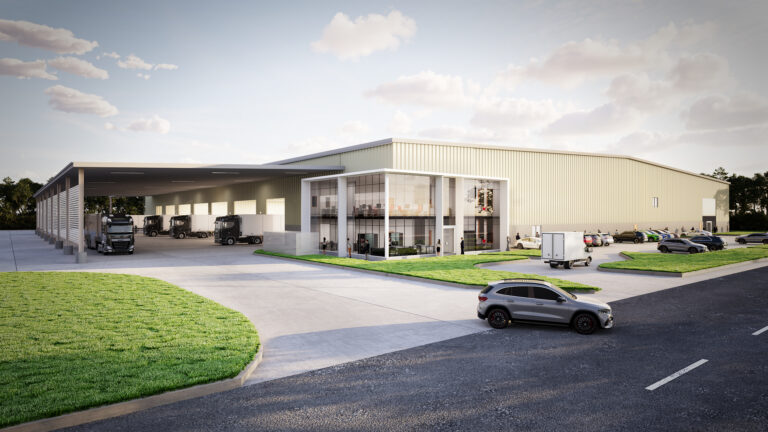
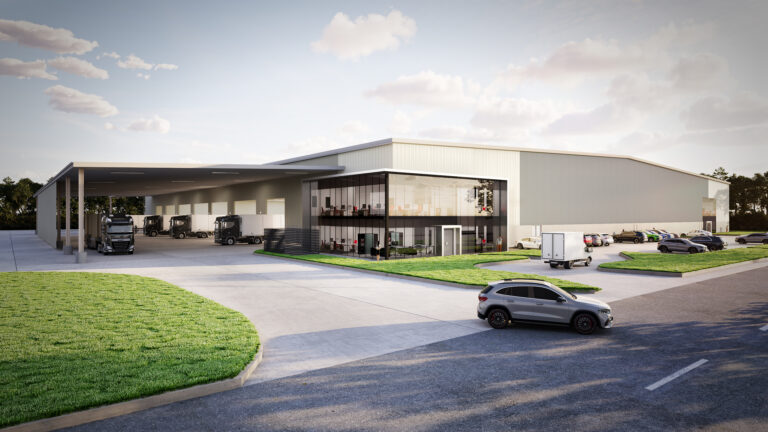
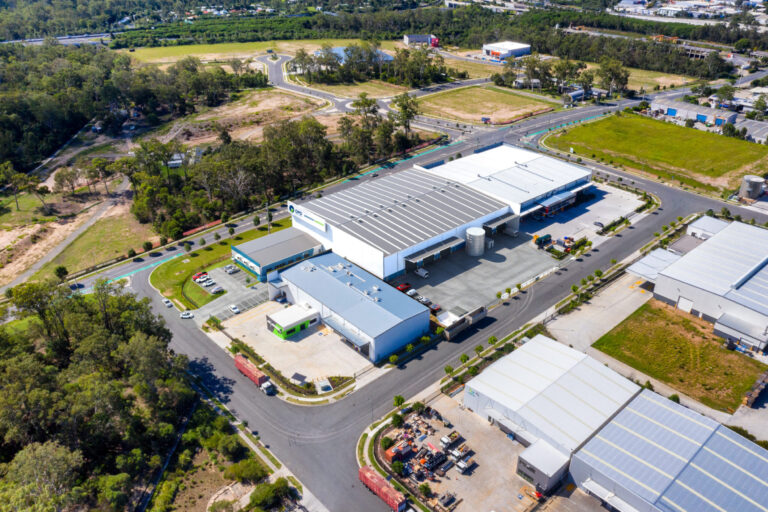
The government's assessment found Teralba was larger and more flexible. It offers room for manufacturing, assembly, commissioning and on-site dynamic testing, with space left over for future expansion. The site already connects to the M1 Pacific Motorway and the Main Northern Railway, which matters for a plant that has to move finished rolling stock onto the network.
The factory is part of the $12 billion Future Fleet Program. It is expected to support up to 780 construction jobs and around 550 ongoing jobs across the plant and its supply chain. Its first job would be replacing the Tangara fleet, with the Millennium and OSCAR fleets to follow in the 2040s and the Waratah fleet in the 2050s. The government says that adds up to around three decades of train building in NSW.
The finalised Teralba planning controls allow rail industry uses with consent. That means the zoning is in place before the factory is designed, which removes one of the biggest risks in the project timeline. Land acquisition arrangements, detailed investigations and planning approvals are still to come. The precinct land is held by the Macquarie Coal joint venture, in which Glencore is a part owner, and the government has said it will work through due diligence with Glencore.
There is local history here too. Newcastle firm Goninan built the original Tangara trains at Broadmeadow in the late 1980s and 1990s. The Millennium trains were later built at Cardiff. Bringing train manufacturing back to Lake Macquarie closes a loop that many in the Hunter thought had been lost to overseas factories.
Mt Arthur Muswellbrook: the biggest of the pair
By land area Mt Arthur is the larger story. BHP has said mining at the Muswellbrook operation will end in 2030. The finalised precinct covers 5,700 hectares, up from 5,400 hectares in the exhibited draft after the boundary was aligned with legal lot lines.
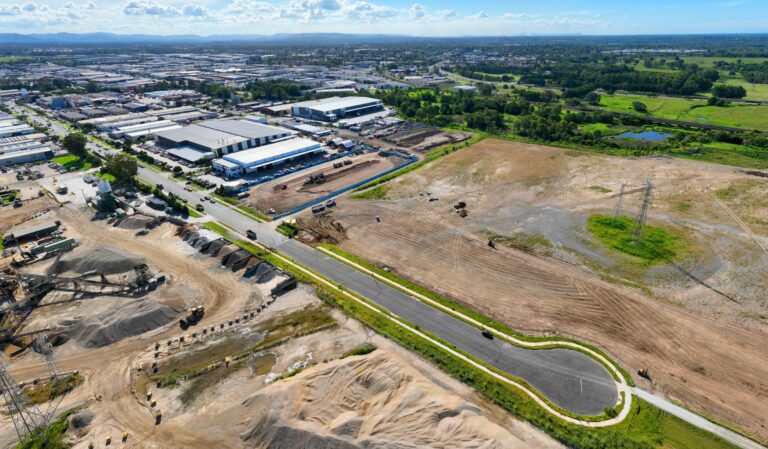
About 800 hectares across two priority areas are earmarked for early industrial activation. Those areas sit close to major highways and the mine's existing rail loop. The rest of the site, close to 4,600 hectares, is set to return to farming and environmental uses once it is rehabilitated.
Muswellbrook's mayor has described the shift away from coal as the biggest economic challenge the community faces. He has also said the next step is turning the plan into real investment and jobs. That is the honest summary. Zoning creates the opportunity but tenants, developers and capital have to follow.
The fine print: rehabilitation comes first
Neither rezoning approves a single building. Every future project on either site will still need its own development assessment. Just as important, land can only be released once the mining company has rehabilitated it and it has been confirmed safe, stable and non-polluting.
That has real consequences for timing. At Mt Arthur, mining runs until 2030, so most of the precinct is a medium to long-term proposition. At Teralba, about 620 hectares of the precinct is environmentally constrained according to the planning documents. Developable area, servicing and rehabilitation sign-off will shape how quickly lots actually reach the market.
For buyers and tenants this means the headline hectares are a pipeline, not stock on the shelf today. Anyone planning a large Hunter facility should be thinking in staged timeframes.
Why governments are backing post-mining land
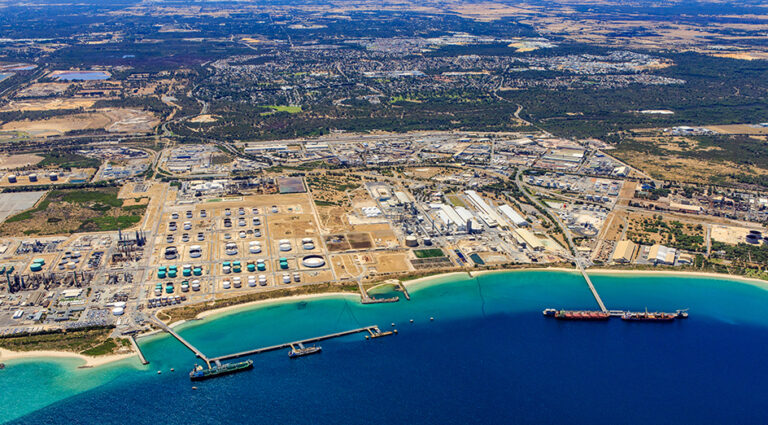
The case for reusing mine sites is straightforward. These sites already have heavy road and rail access, high-voltage power, water and a skilled workforce nearby. Building that infrastructure from scratch on greenfield land would cost far more and take far longer.
The two precincts are pilot projects. A recommendations report on post-mining land use reform is due by the end of 2026. Related rezoning work is also under way at the Eraring, Liddell and Bayswater power station sites. If the pilots work, the Hunter could end up with a chain of large industrial precincts built on former coal and power land over the next decade.
How it fits the wider Hunter industrial market
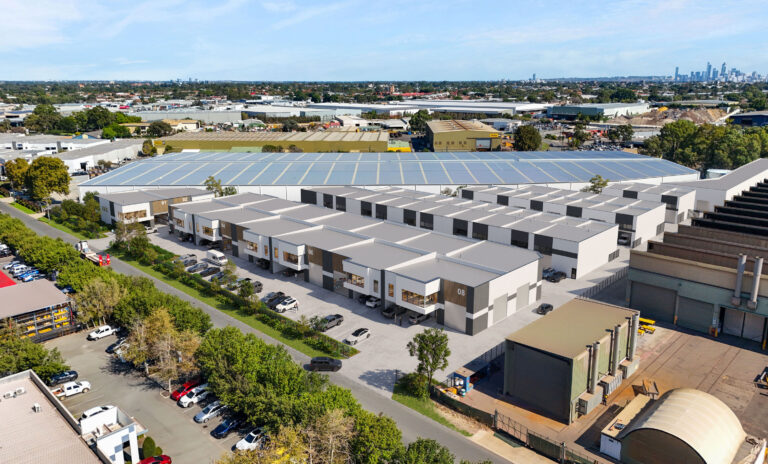
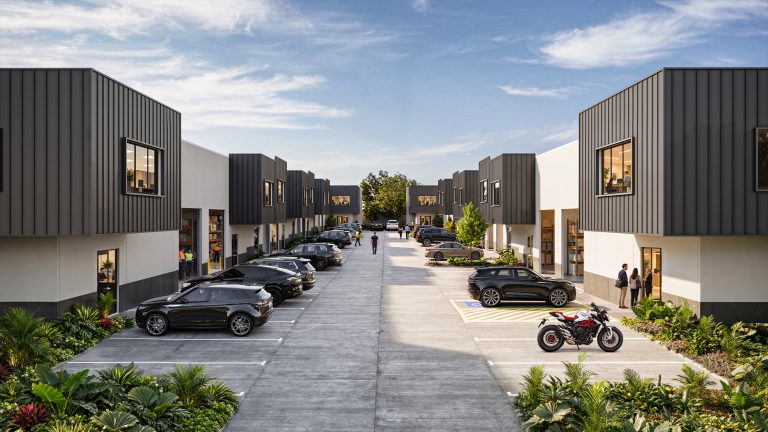
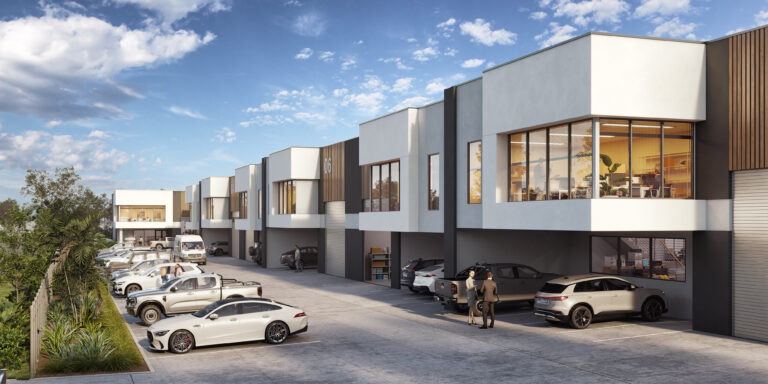
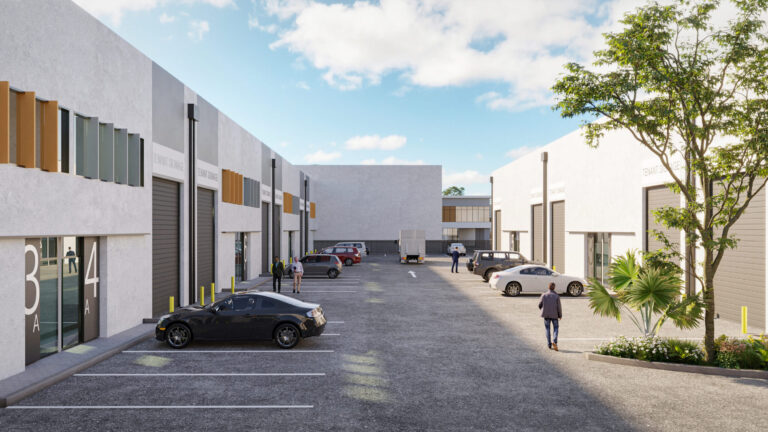
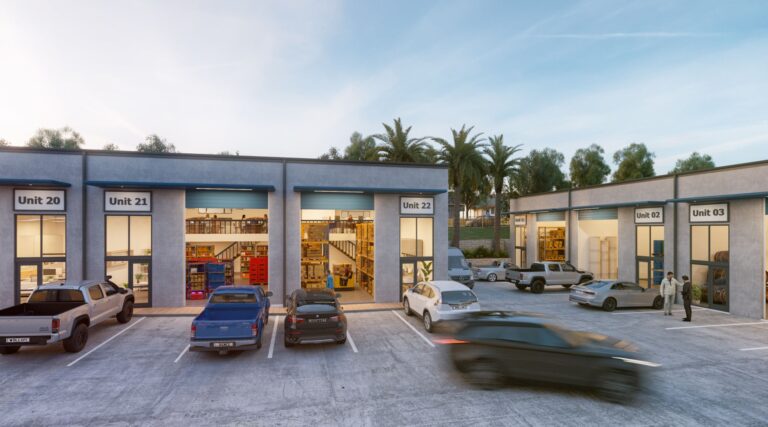
The rezonings arrive as Hunter industrial demand stays strong at every scale. At the small end, the 17-unit Shed Adamstown strata development at 120 Garden Grove Parade sold out this month after a renewed campaign that drew more than 500 enquiries. Units of roughly 62 to 80 sqm were snapped up by local businesses needing workshop and storage space.
At the big end, AirTrunk's proposed $3.7 billion data centre on the former Hydro Aluminium smelter land at Loxford near Kurri Kurri shows how former heavy industry sites are attracting serious capital. It also shows the friction. Cessnock City Council has voted unanimously to object to that project, citing noise, power demand and traffic. Submissions close on 11 November and the NSW Government will make the call.
The lesson is that large Hunter sites with power, rail and road access are scarce and valuable. Planning certainty is what turns them from a talking point into an investable asset. The Teralba and Mt Arthur rezonings deliver that certainty at the zoning level, even if each project will still face its own assessment.
What it means for the market
For the Newcastle and Lake Macquarie industrial market, the train factory is the anchor that could change the economics of the whole Teralba precinct. A long-term state-owned manufacturer brings supplier demand with it. Component makers, fabricators, logistics operators and service businesses tend to cluster near a major plant and that drives demand for smaller industrial lots and units nearby.
For Muswellbrook and the Upper Hunter, Mt Arthur offers a path to replace mining jobs with industrial ones. It will need committed occupiers in renewable energy, manufacturing or logistics to get the first stages moving.
For landowners in Teralba, West Wallsend, Cardiff, Edgeworth and the surrounding Lake Macquarie suburbs, the announcements are likely to sharpen interest in existing industrial and mixed-use holdings. Buyers often move early on the land around a confirmed anchor.
Practical lessons for owners and developers
- Planning certainty is value. A finalised zoning with clear permitted uses is worth more to buyers than a site with potential. Make the planning position easy to understand in every campaign.
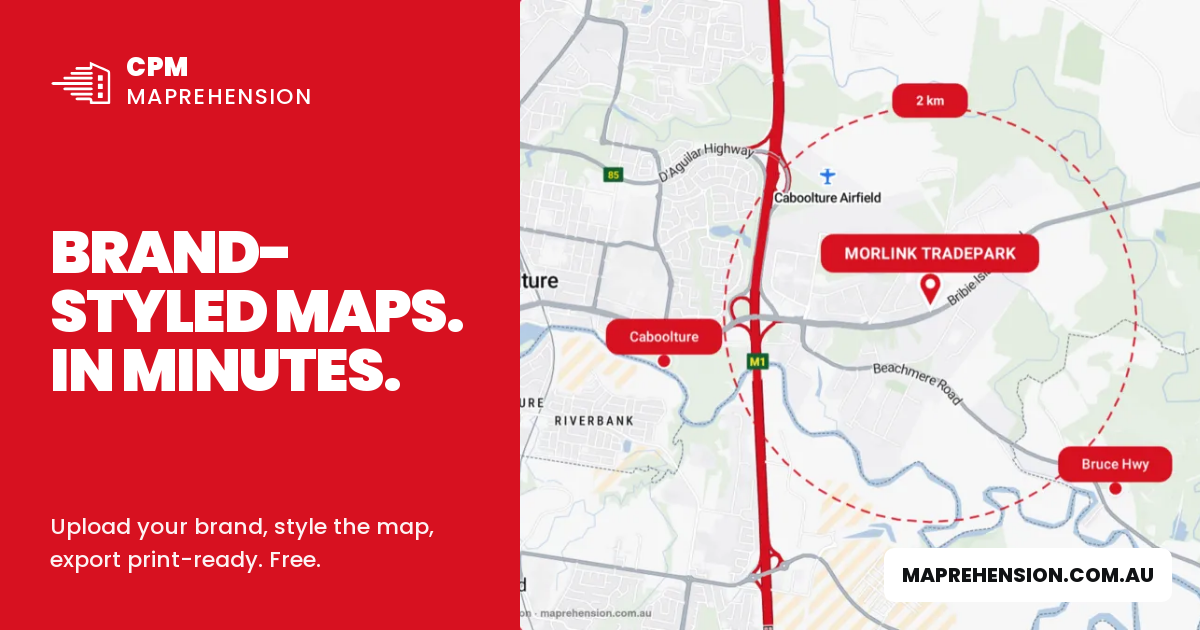
- Tell the infrastructure story. Rail, highway access, power and water are what large occupiers screen for first. Map them clearly.
- Show staging honestly. Where land is years from release, buyers respond better to a clear staging plan than to vague promises.
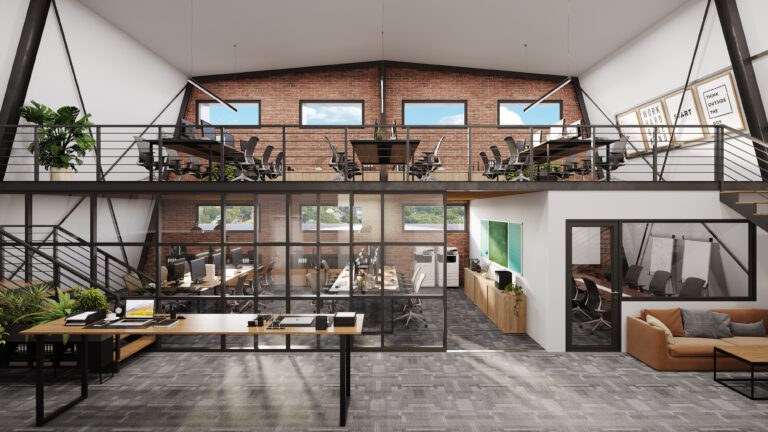
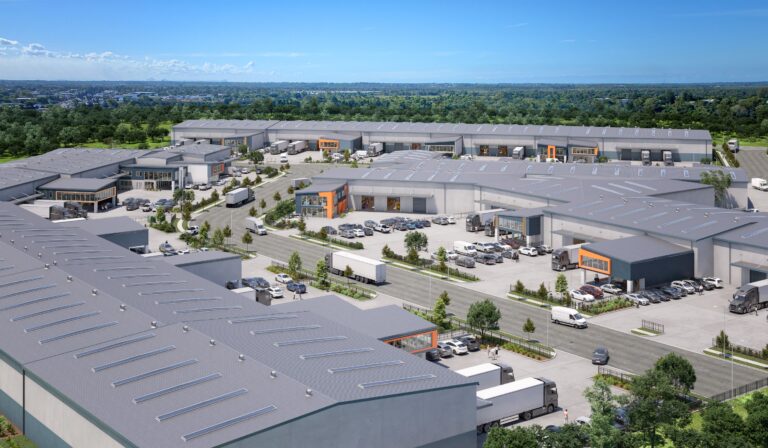
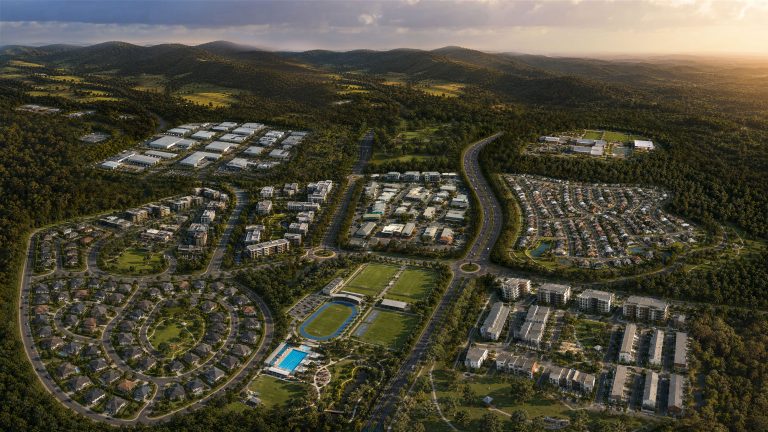
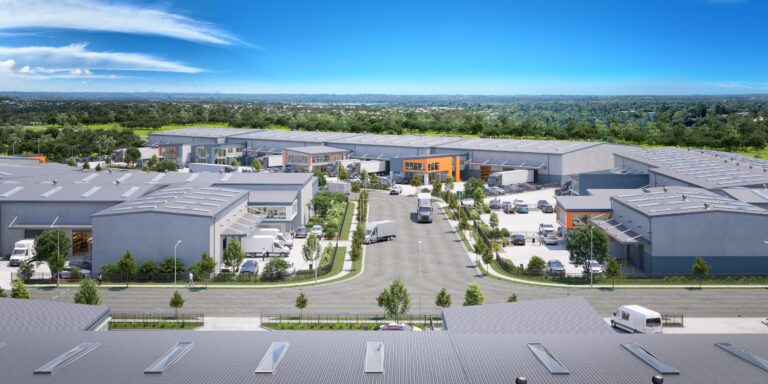
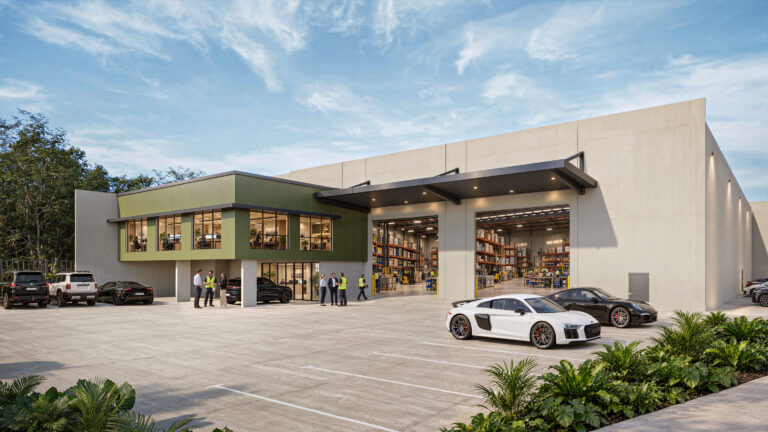
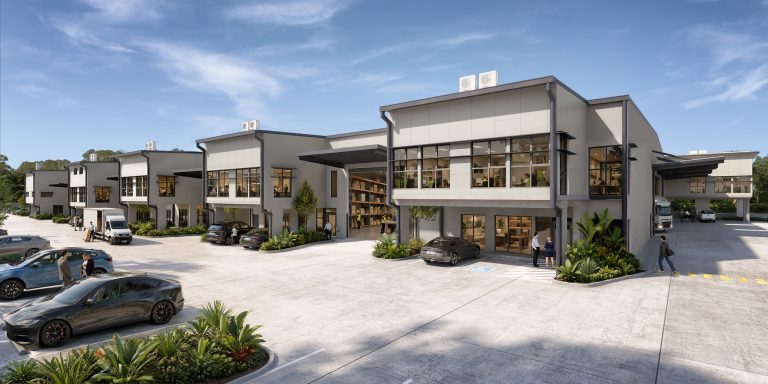
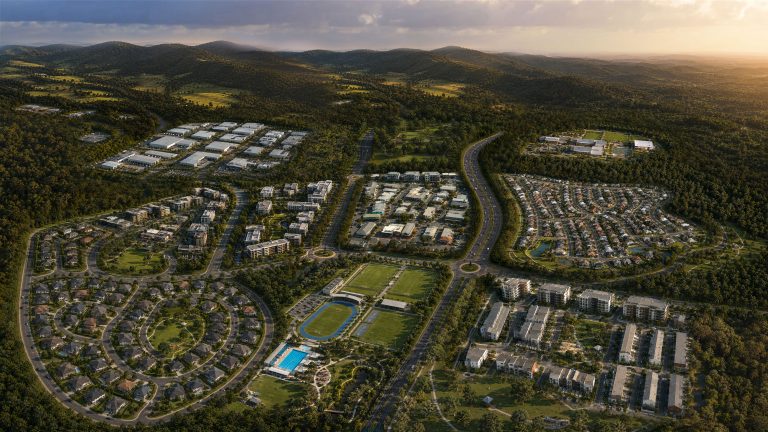
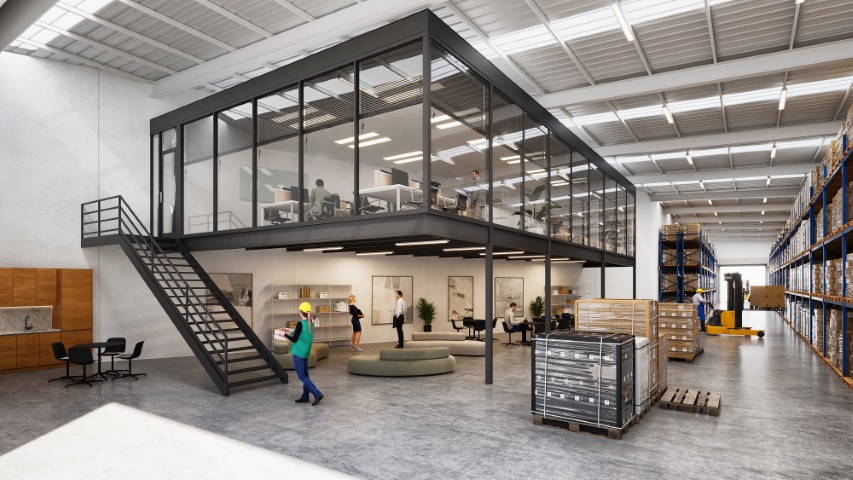
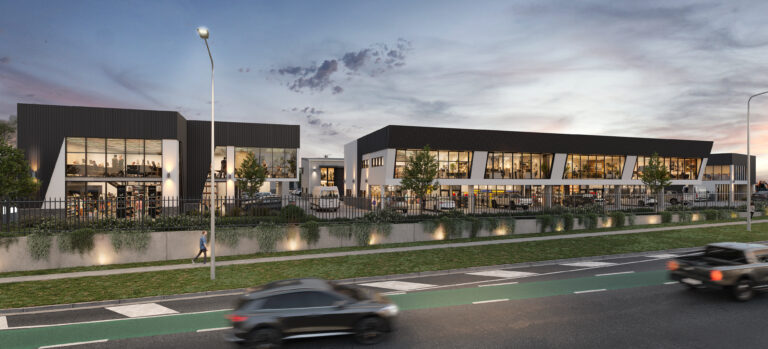
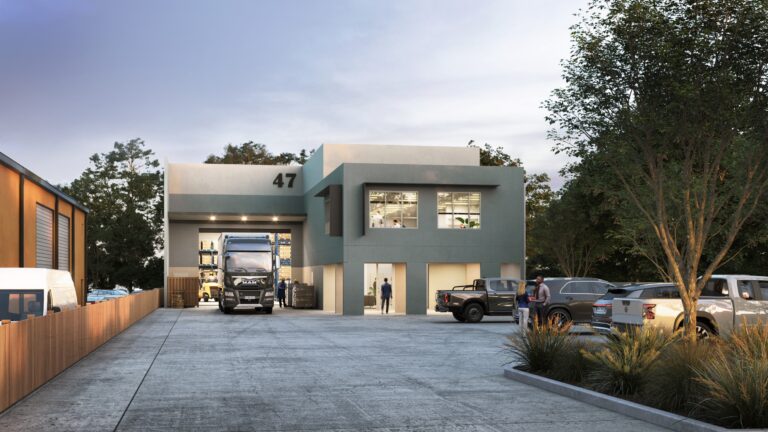
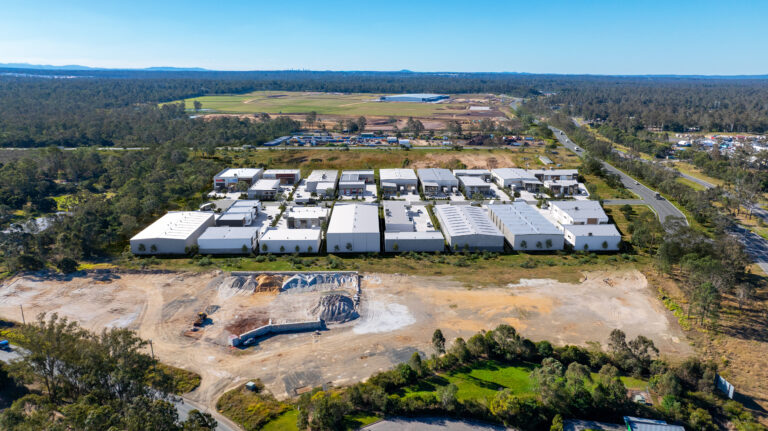
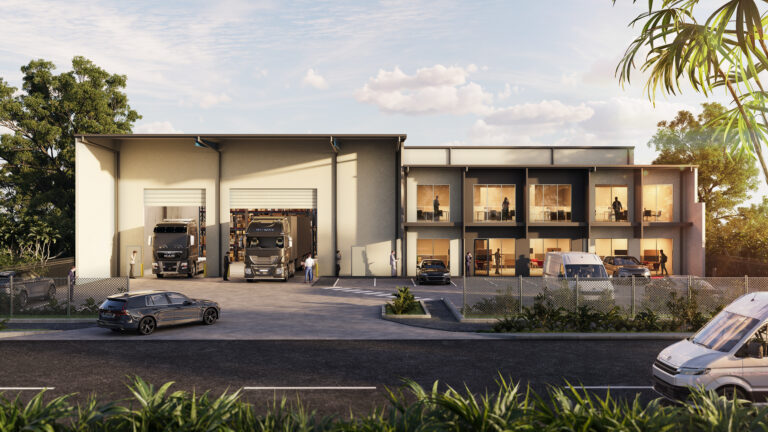
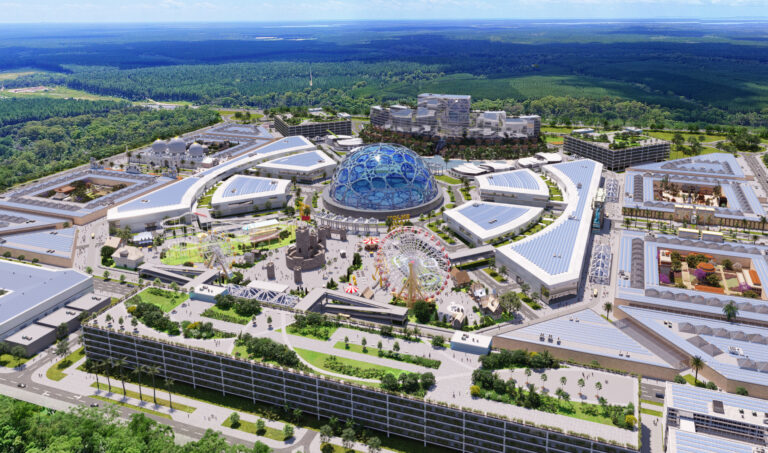
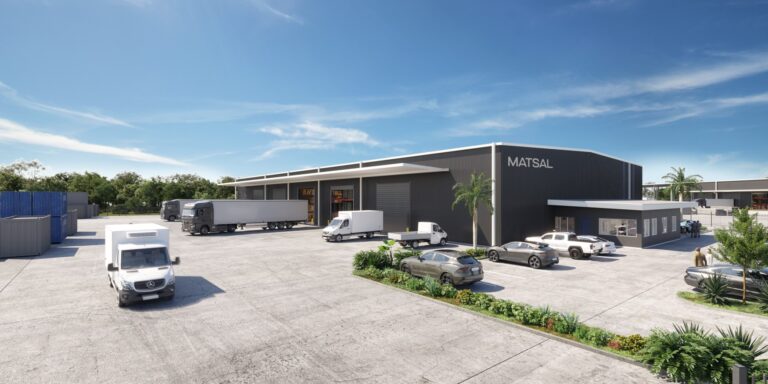
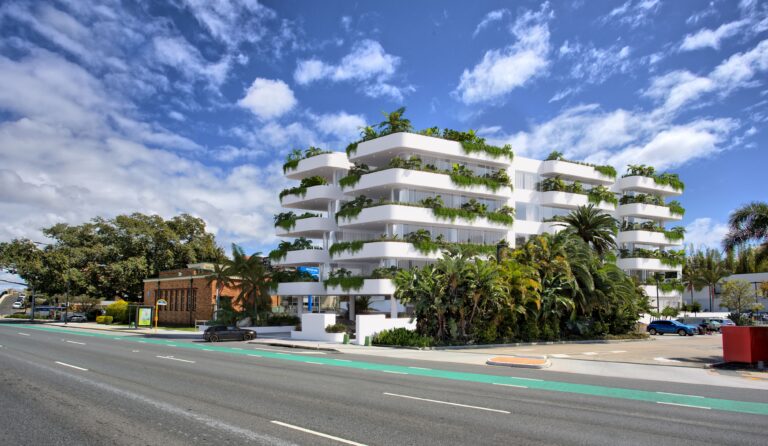
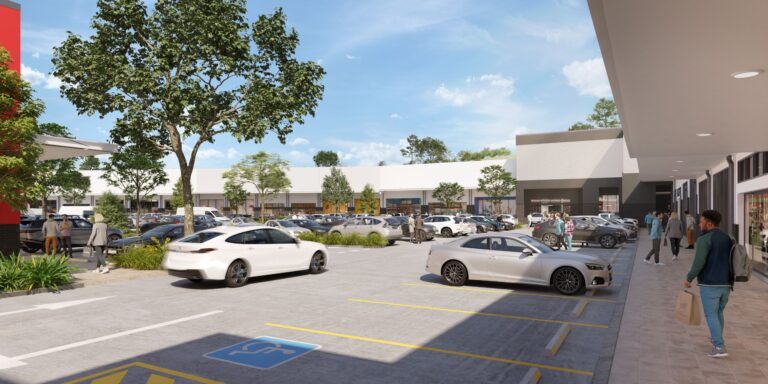
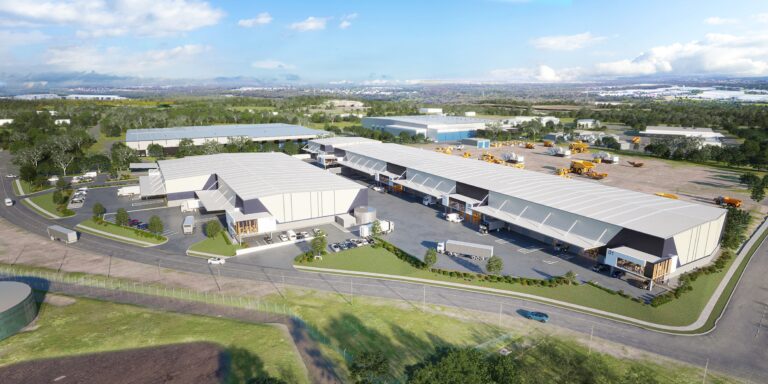
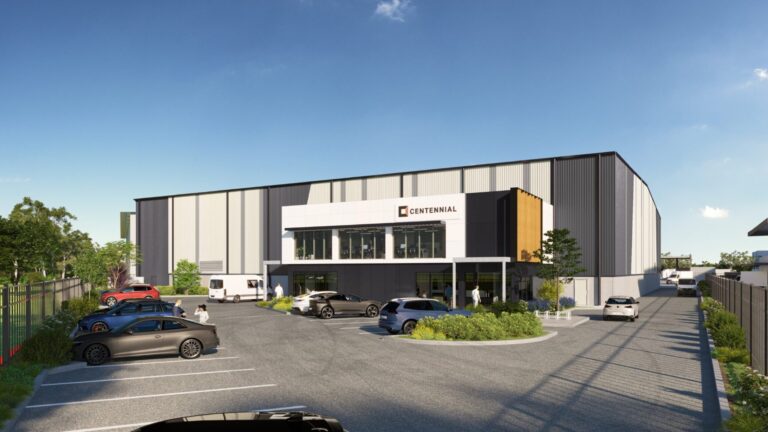
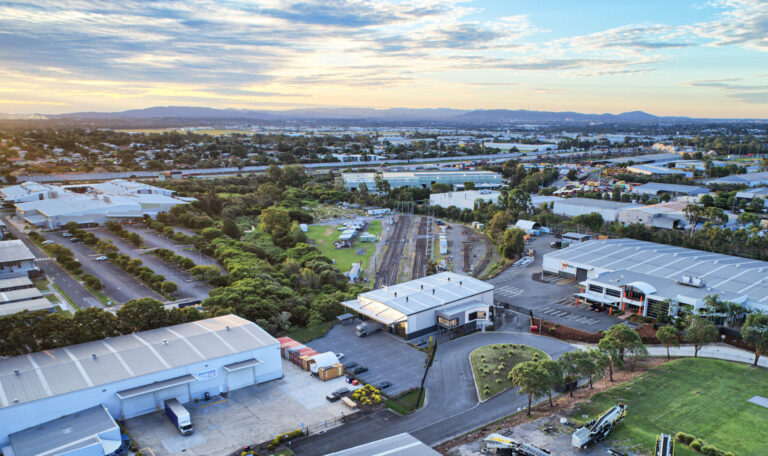
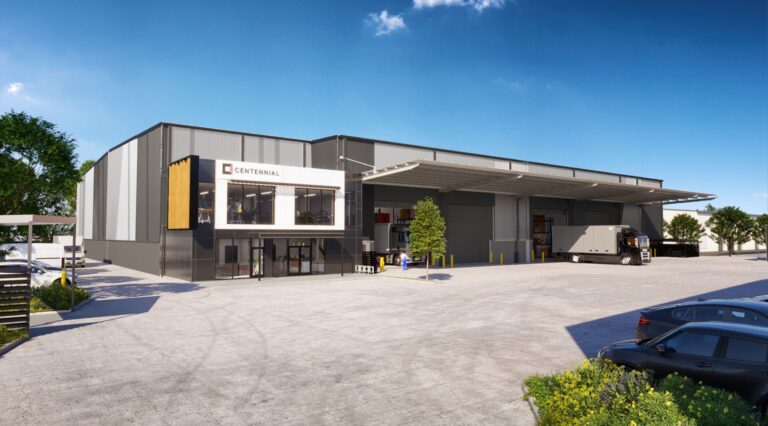
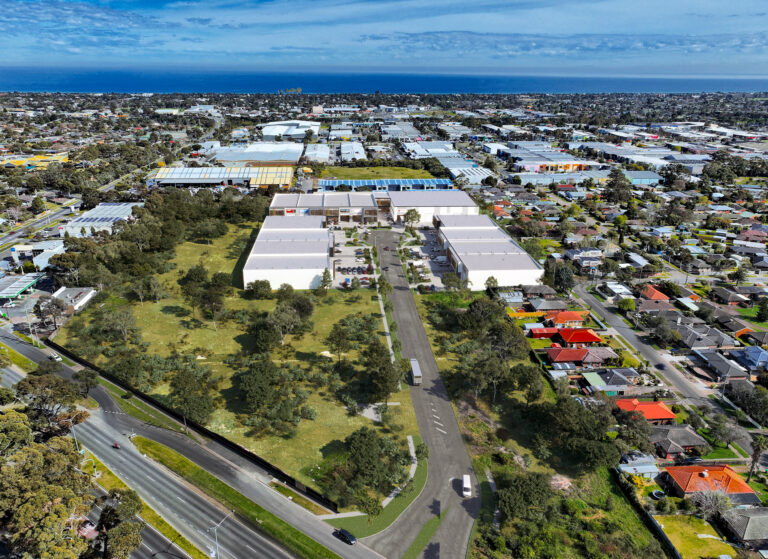
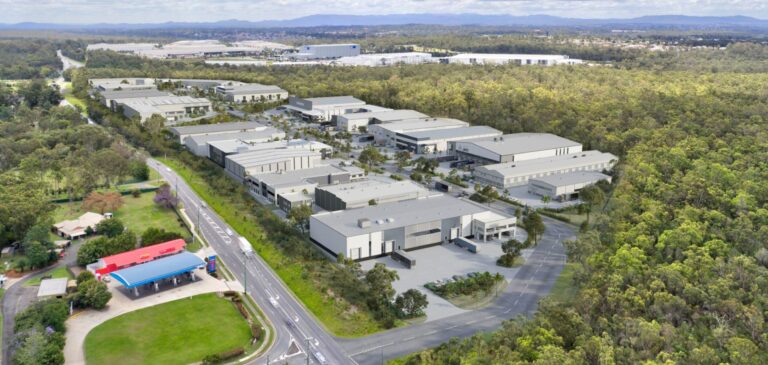
- Help people see the end state. Former mine land is hard to picture as a business park. Masterplan renders, aerial overlays and interactive location maps close that gap for investors and tenants.
- Watch the anchor. The businesses that win around a major facility are usually the ones that are ready early with the right space and the right pitch.
What to watch next
Keep an eye on the train factory due diligence at the Macquarie Coal Complex, including land acquisition terms with Glencore and the first planning application for the plant. Watch for the first development applications in the Mt Arthur priority areas as BHP moves towards closure in 2030. And watch for the end-of-year post-mining reform report, which will show how quickly the Eraring, Liddell and Bayswater sites could follow.
For now, Teralba and Muswellbrook have the zoning in place. The Hunter has turned two coal precincts into a long-term pipeline of industrial land and the race to fill it has started.