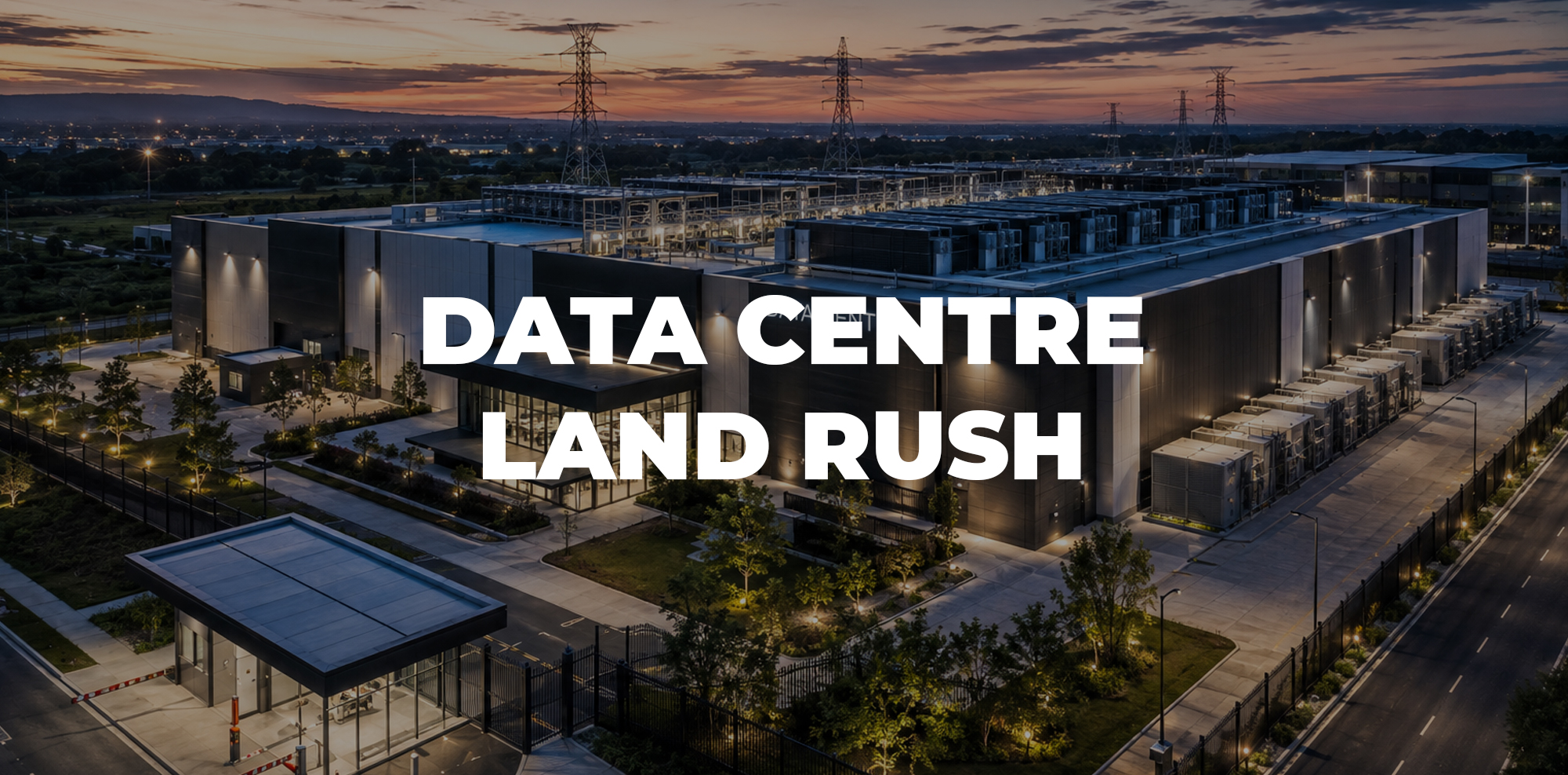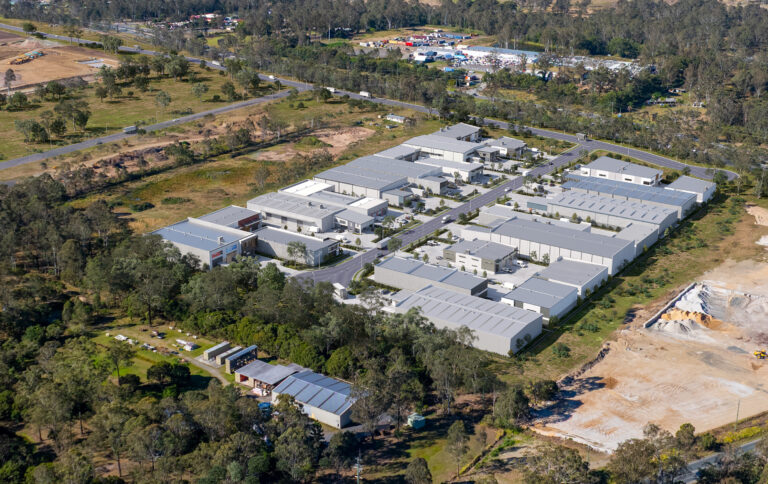
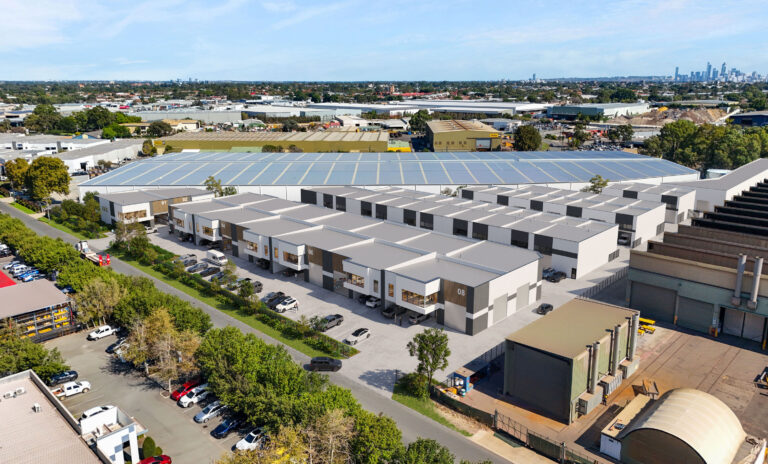
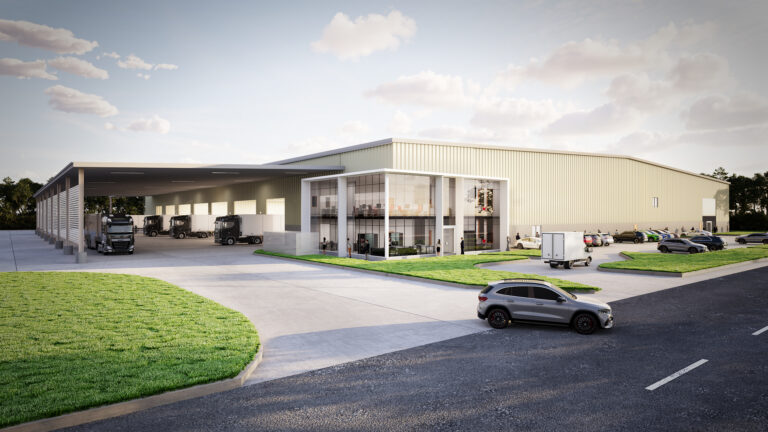

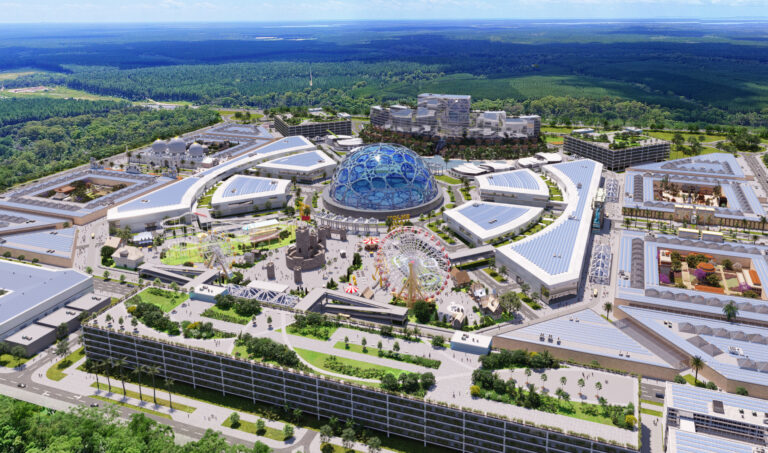
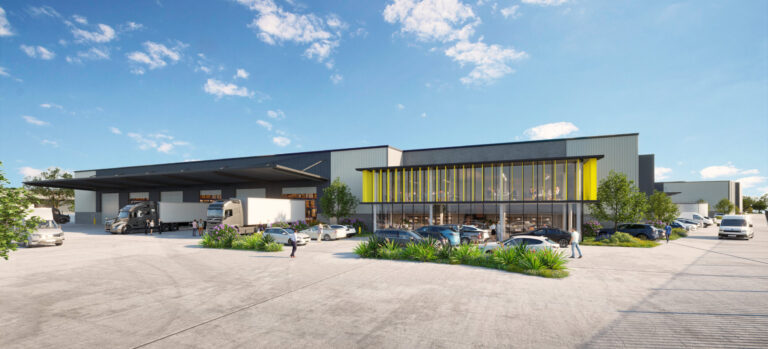
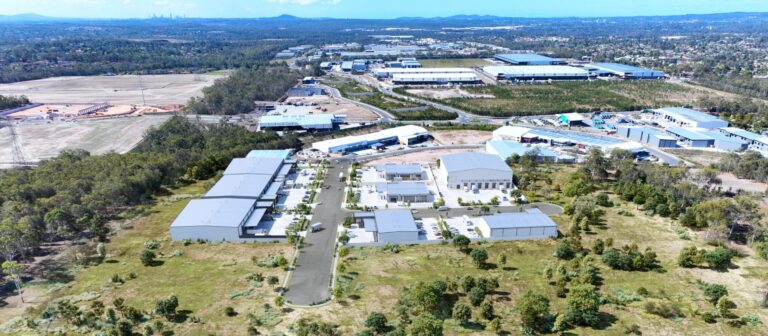
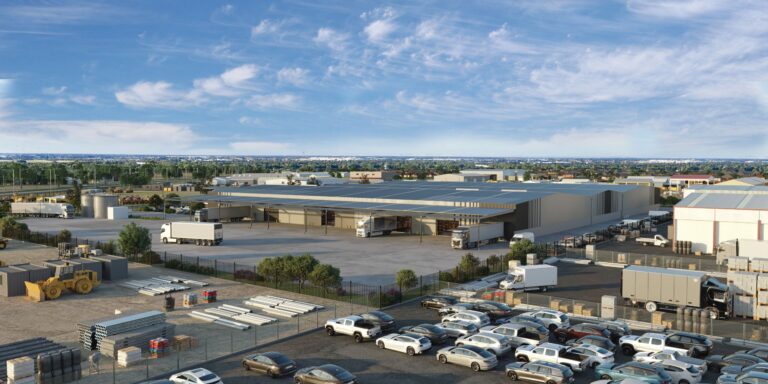
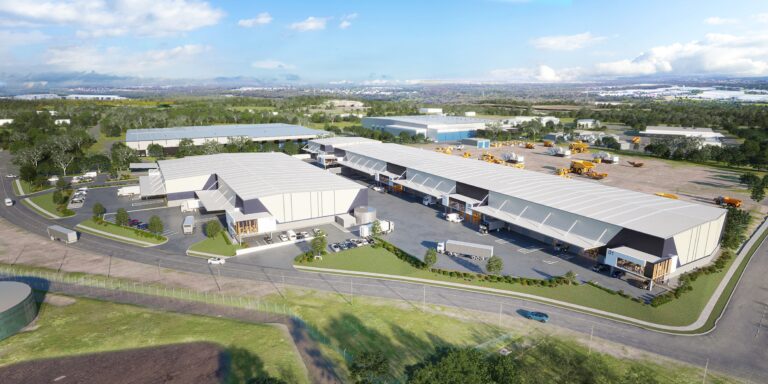
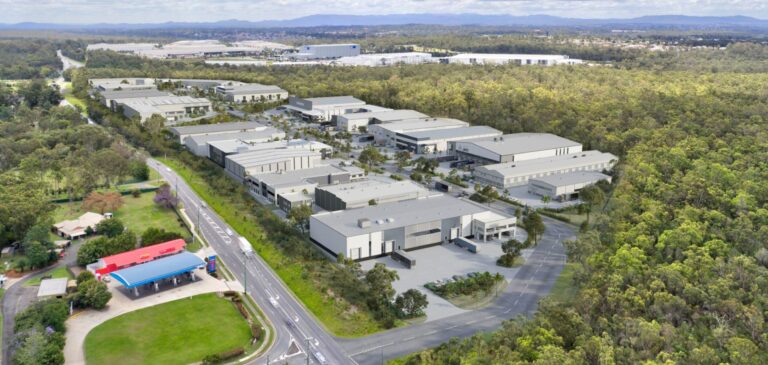




Firmus Technologies' planned AI factories at Tailem Bend and Stirling North are now the biggest data centre test for South Australian land. Earlier this month CDC Data Centres confirmed it had walked away from the Project Southgate partnership it formed with Firmus and Nvidia only a year ago, after about 42MW of the targeted 1.6GW had been delivered. Firmus says its own plans are unchanged, which puts its two regional SA campuses with a planned combined capacity of 2.7GW firmly in the spotlight.
For landowners in the Murraylands and the Upper Spencer Gulf, the question is no longer whether hyperscale AI infrastructure is coming to South Australia. It is who will build it, how fast it will be approved and what it does to the value of farmland, industrial land and housing around the chosen sites.
Firmus Tailem Bend and Stirling North at a glance
- Developer: Firmus Technologies, the AI infrastructure company behind the Launceston AI factory in Tasmania
- SA sites: Farmland about 5 km from Tailem Bend (roughly 85 km south-east of Adelaide, reported as Kepa or Naturi) plus a second site at Stirling North near Port Augusta
- Planned capacity: About 2.7GW across the two campuses combined
- Power deal: A 12-year, 600MW firm supply agreement with Gunvor Group, backed by 1.2GW of new renewables and 1.5GWh of battery storage by 2032
- Firming: Offtake from GreenPoint Energy's 200MW/800MWh Koolunga battery near Brinkworth, due in the first half of 2028
- Jobs: More than 500 construction jobs and more than 500 full-time operational roles at each site, according to Firmus
- Planning status: No development application lodged as of the July community meeting. Firmus is working with the state on the approval pathway
- Land size and price: Not disclosed
What happened with CDC and Project Southgate
Project Southgate was unveiled in October 2025 by Firmus, CDC Data Centres and Nvidia. The goal was 1.6GW of AI compute across Australia by 2028, with up to $73.3 billion of investment mentioned at the time. The first stage centred on CDC's Melbourne campus, where around 40MW was earmarked to start.
In early October 2026 CDC chief executive Greg Boorer told the Rampart podcast the two companies would not pursue the 1.6GW rollout together. He indicated Firmus had chosen to do more of its own data centre development. Firmus co-chief executive Oliver Curtis said the companies agreed earlier this year not to go ahead with the partnership and that the decision does not change Firmus's development plans or its contracted customer capacity.
The practical outcome is that Firmus stays in its Melbourne CDC facility, reported at about 42MW, but that site will not grow to the 150MW once planned. CDC continues as a commercial provider to Firmus. Meanwhile Firmus has kept scaling elsewhere. It secured a US$10 billion debt facility led by Blackstone in February, signed a Meta agreement for GPU capacity in South-East Asia in September and has a deal with OpenAI for compute at two Malaysian AI factories that takes its contracted capacity above 900MW.
Why the split puts the SA campuses in focus
When Project Southgate was a joint venture, much of the early capacity was flowing through CDC's existing metro campuses. With CDC out, Firmus's self-developed sites carry more of the load. In South Australia those sites are Tailem Bend and Stirling North.
Firmus has already done a lot of the groundwork that usually takes years. It has an energy contract in place before a planning application, which is unusual. The Gunvor deal also includes a demand response clause letting Firmus cut its load for up to 220 hours a year when wholesale prices pass agreed levels, freeing power for other users at peak times. Firmus has said it will procure more new renewable generation than it uses, secure at least 2.5MWh of new firming per 1MW of contracted load and fund its own transmission connections.
On water, the company says its designs lean on dry-mode cooling and recycled or non-potable supply, claiming up to 99 per cent less water than a conventional data centre. That is a key point for Tailem Bend, where residents at the July town hall meeting raised concerns about Murray River water and the effect on local dairy farms.
Zoning, approvals and the state's new rules
The planning picture matters as much as the power. In June Premier Peter Malinauskas released a Data Centre Strategy built around a proposed Data Centre and AI Infrastructure Act. Under the plan data centres would be designated essential infrastructure through changes to the Planning, Development and Infrastructure Act. The Coordinator-General would take on decision-making for major projects.
Future applications would need SA Water to confirm there is enough water supply and the Technical Regulator to certify the project meets power system requirements. The effect is that local councils would not be the decision makers on these campuses. Coorong District Council asked Firmus to hold the July public meeting, but the final call sits with the state.
For neighbouring owners this cuts both ways. A state-led pathway can move faster and with more certainty than a contested council process. It also gives locals fewer formal points to object, which is why community groups and a change.org petition with thousands of signatures have pushed for more information.
The other SA campuses in the frame
Firmus is not alone. IREN has announced an 800MW AI campus at Bundey in the Mid North, next to the Bundey substation, with a transmission agreement securing four 330kV feeder exits and energisation targeted from 2028. Media reports put the investment at around $10 billion.
Closer to Tailem Bend, Skylab Australia is planning an 800MW data centre on disused farmland at Cooke Plains, paired with a 250MW solar farm, a 200MW battery and possibly a gas plant on the same site. Skylab says its land is already acquired and its first stage is targeted for the third quarter of 2028. Neither project had state development approval at last report.
Put together, that is several gigawatts of proposed AI load within a few hours of Adelaide, all chasing the same thing: big grid connections, cheap renewable energy and land far enough from houses. It sits alongside the national pipeline that includes CDC's $15 billion Gregadoo campus near Wagga Wagga, AWS's $20 billion commitment and Goodman's data centre program.
What it means for land values and nearby owners
None of the SA land prices have been disclosed, so it is too early to put a number on any uplift. What we can say is where pressure is likely to show up.
- Grid-adjacent rural land: Sites near substations and high-voltage lines become the scarce commodity. IREN chose Bundey for its transmission hub and Firmus pointed to areas the grid operator and the state have flagged for large-scale renewables.
- Renewable and battery sites: The Gunvor deal alone needs 1.2GW of new generation and 1.5GWh of storage. That means more leases and sales for solar, wind and battery projects across the regions.
- Industrial land in service towns: Construction contractors, electrical trades, laydown yards and equipment hire all need sheds and hardstand in Murray Bridge, Tailem Bend and Port Augusta.
- Housing and short stay: Tailem Bend's acting mayor has already said the town needs more housing and infrastructure to support 500 permanent jobs. Workforce accommodation is likely to be a pinch point.
- Metro Adelaide: Smaller edge and colocation facilities in the city are a different market, but the state's push lifts investor attention on all digital infrastructure in SA.
Lessons for landowners near proposed campuses
- Know your grid position. Distance to a substation or 275kV or 330kV line is now a selling point. Get it mapped before anyone knocks on your door.
- Don't sign the first option. Developers often secure land through options and conditional contracts. Get valuation and legal advice on the terms, the length and what happens if the project stalls.
- Watch the approval pathway. If the Act passes as proposed, the Coordinator-General's process is where submissions will count.
- Think about the second-order buyers. Renewable developers, contractors and accommodation operators will want land too, often sooner than the data centre itself.
- Present the land properly. Clear plans, power and water information and a site story aimed at infrastructure buyers will get a better result than a standard rural listing.
What to watch next
The key milestones are a lodged development application for Firmus Tailem Bend or Stirling North, the Data Centre and AI Infrastructure Act going into parliament, progress on IREN's Bundey approvals and Skylab's Cooke Plains application, which it expects to lodge within about a year of its July update.
The CDC exit shows how quickly headline numbers in AI infrastructure can change. A 1.6GW plan became about 42MW in practice. For SA landowners the lesson is to plan around what is contracted and approved, not what is announced. Right now Firmus has a power deal and land. The approvals are the next step to watch.