
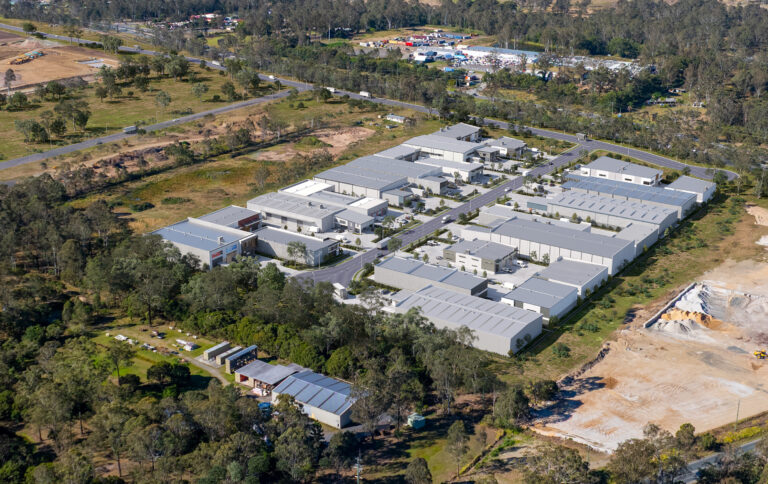
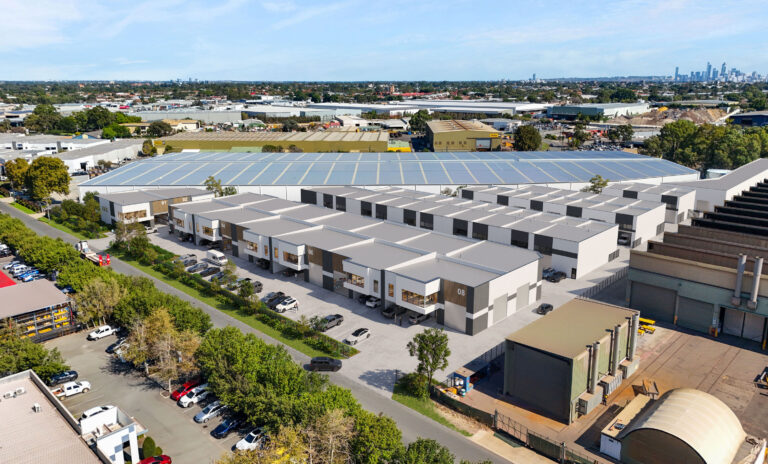





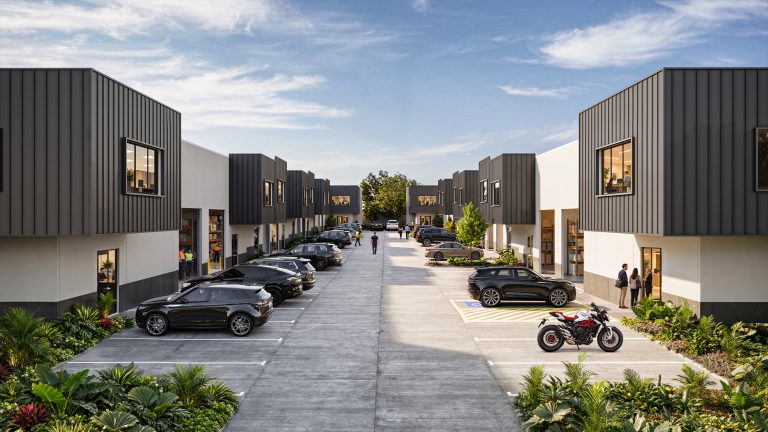
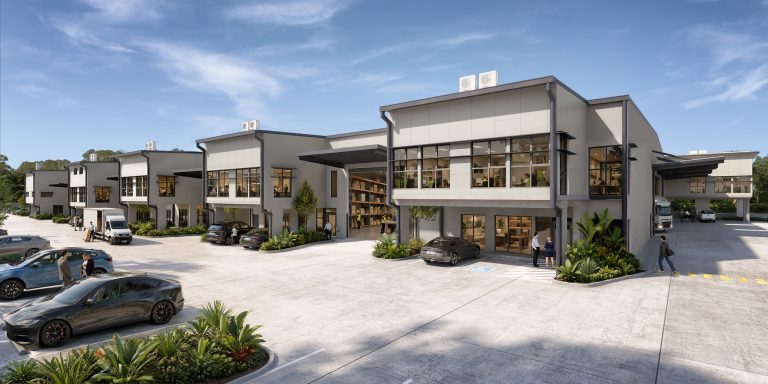
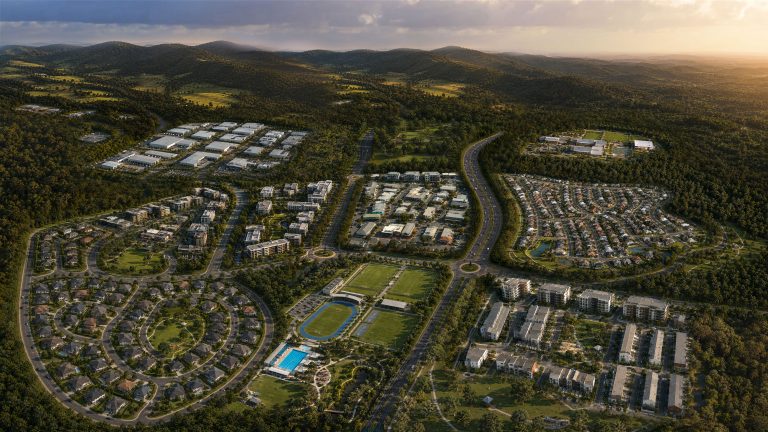
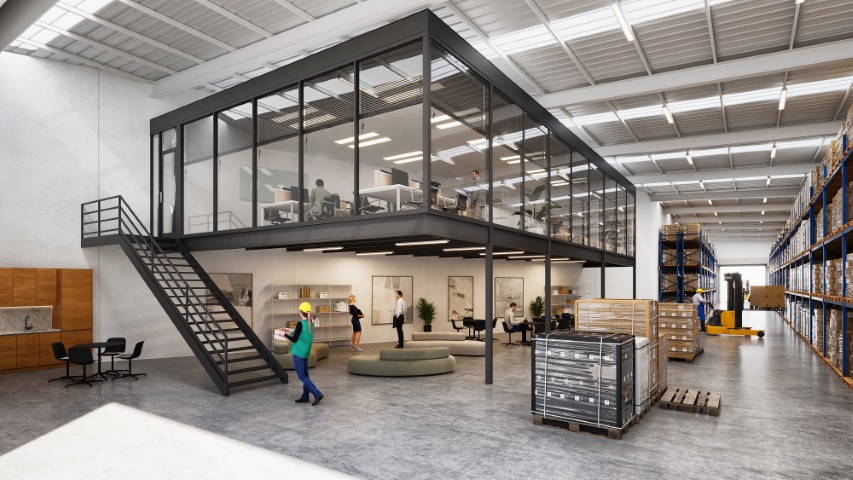
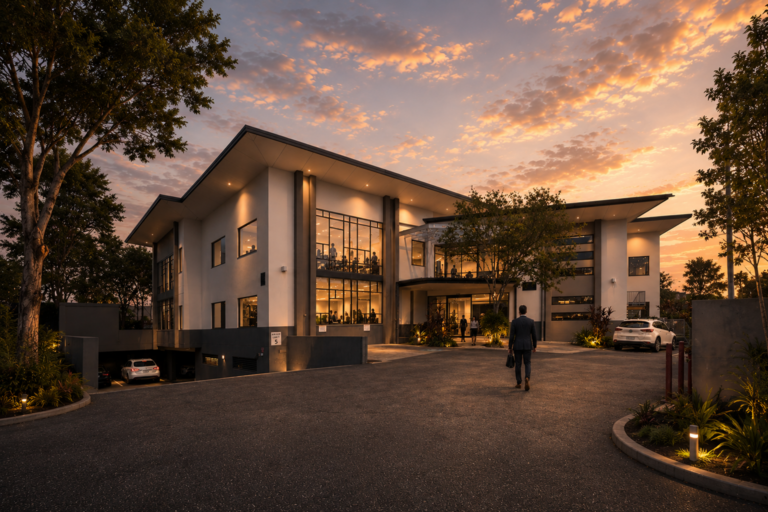



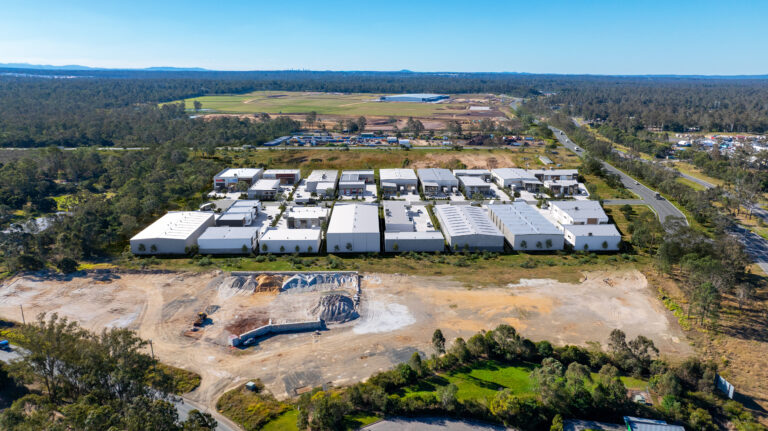

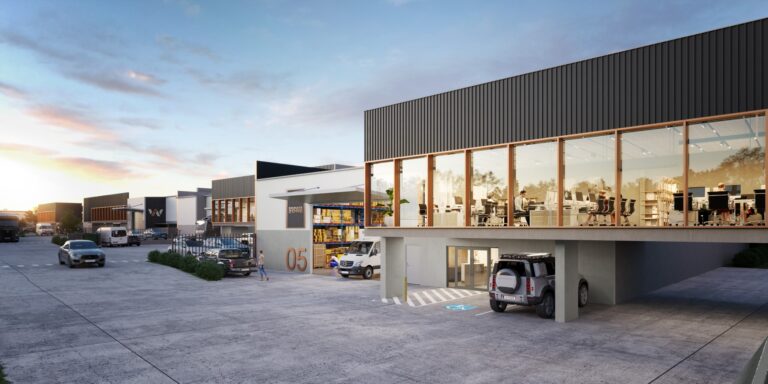
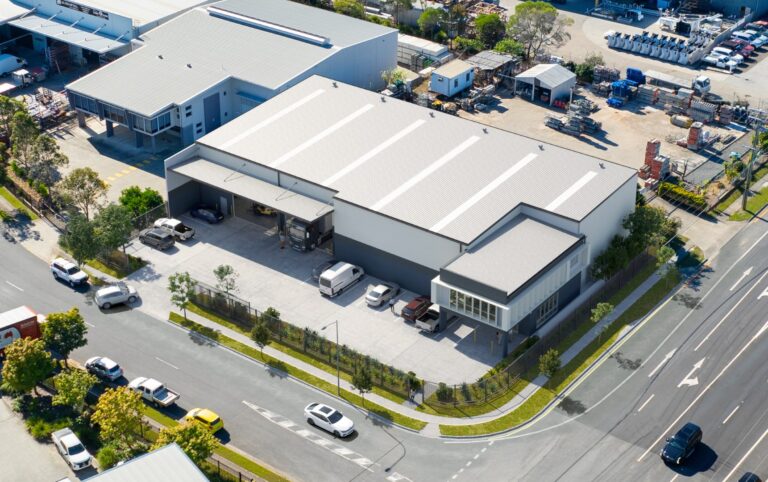
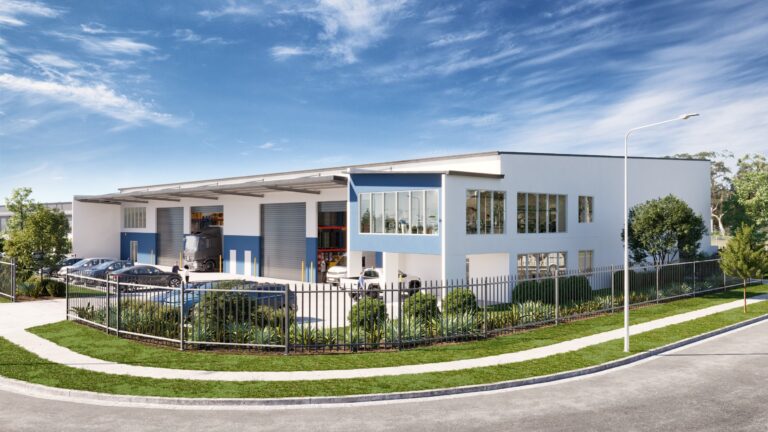

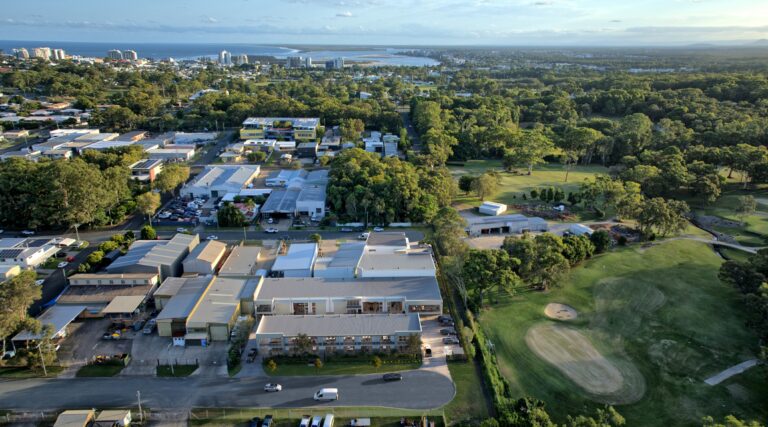

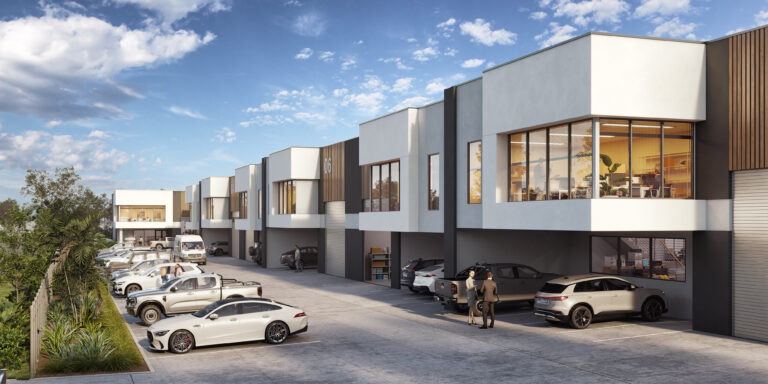
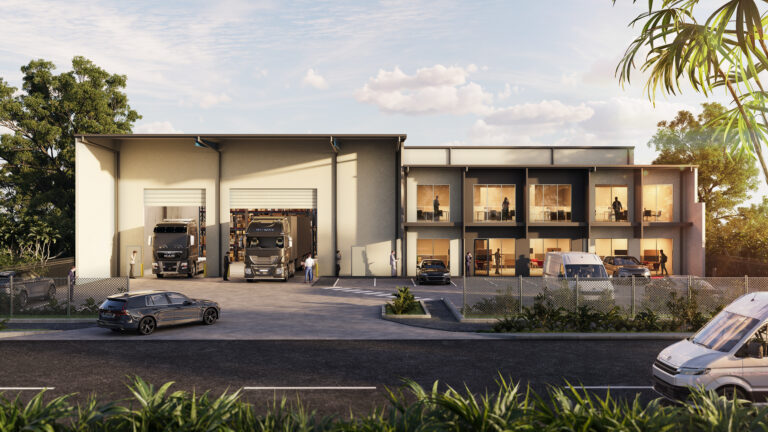

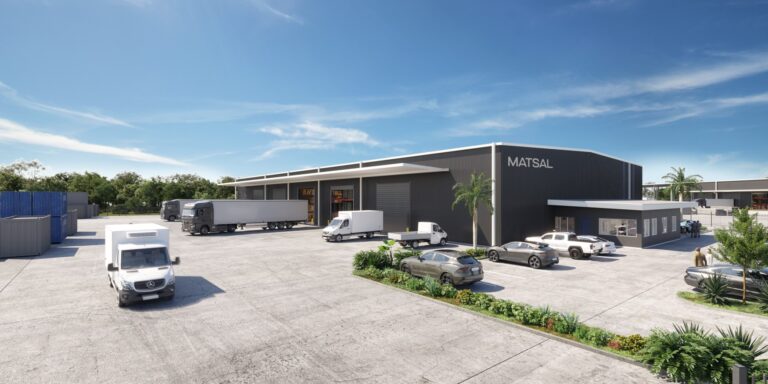


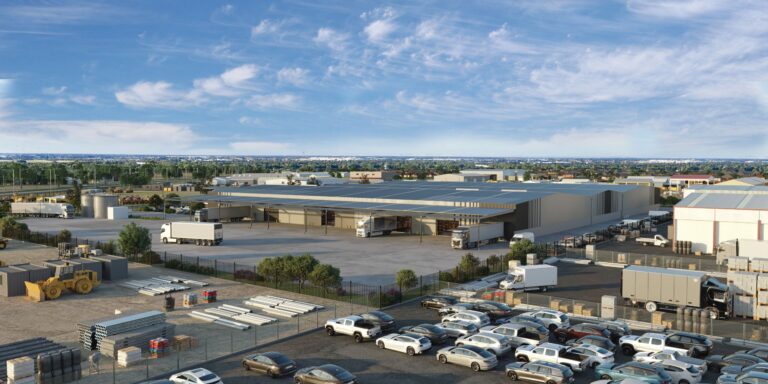

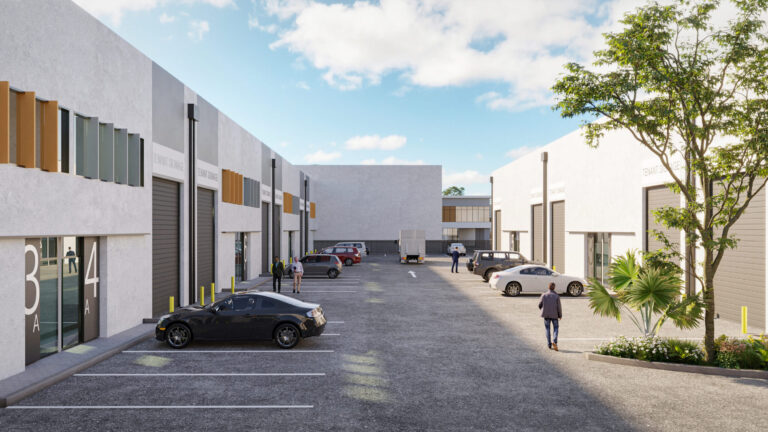
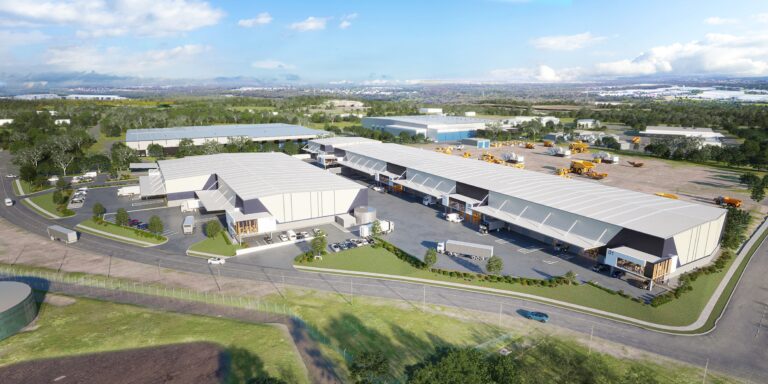


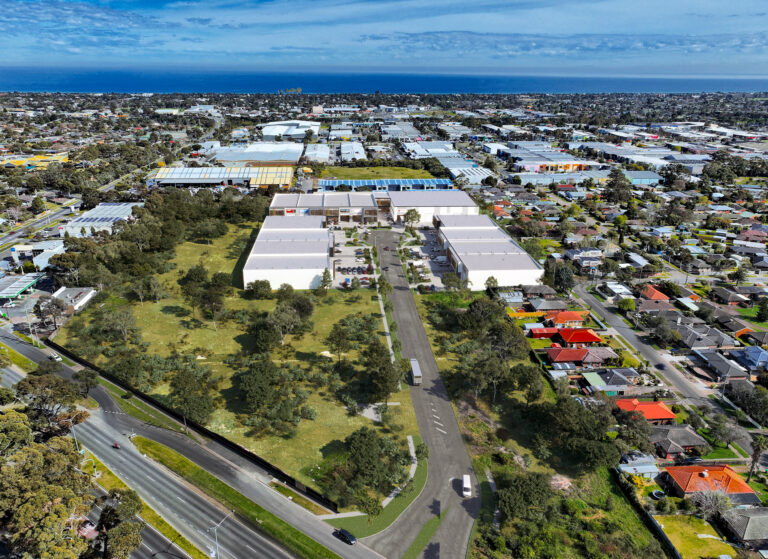
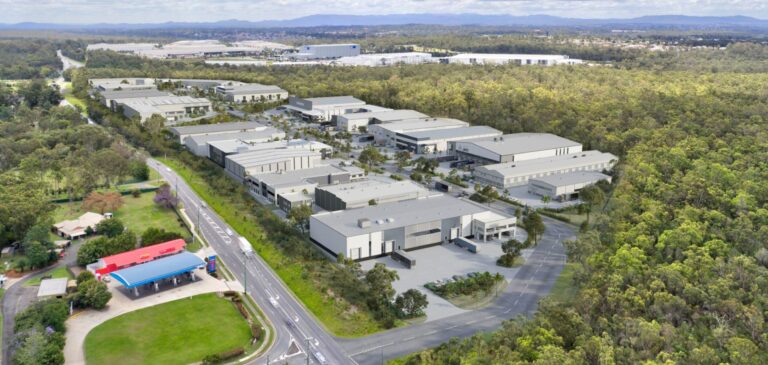


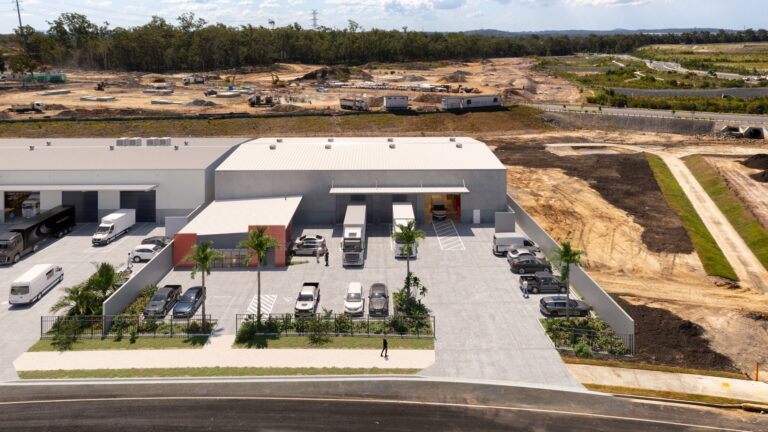
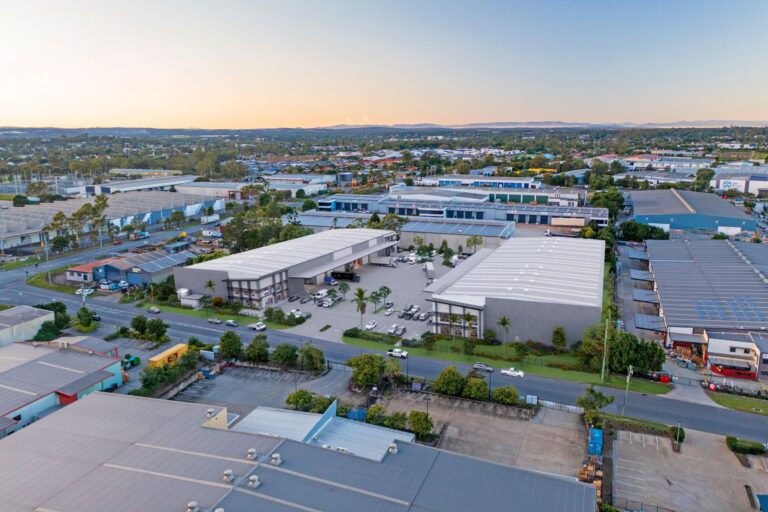
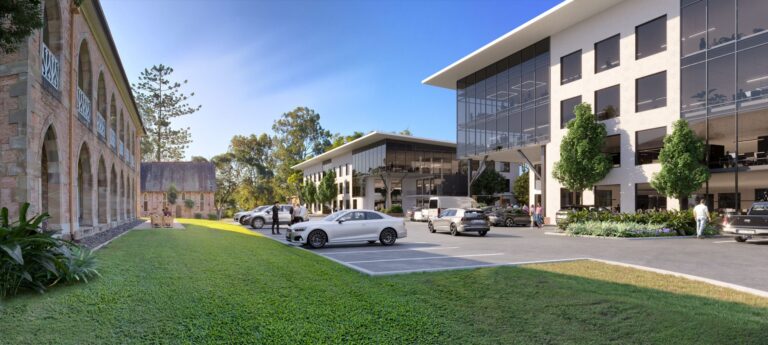
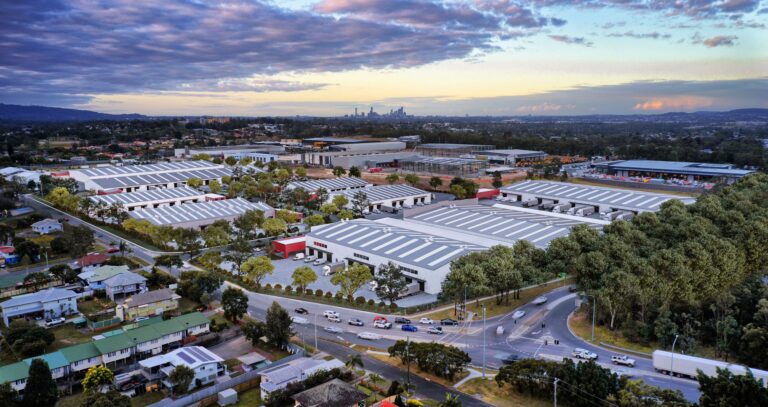
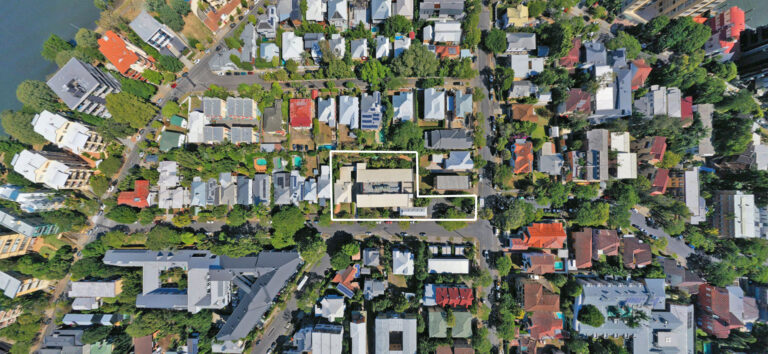

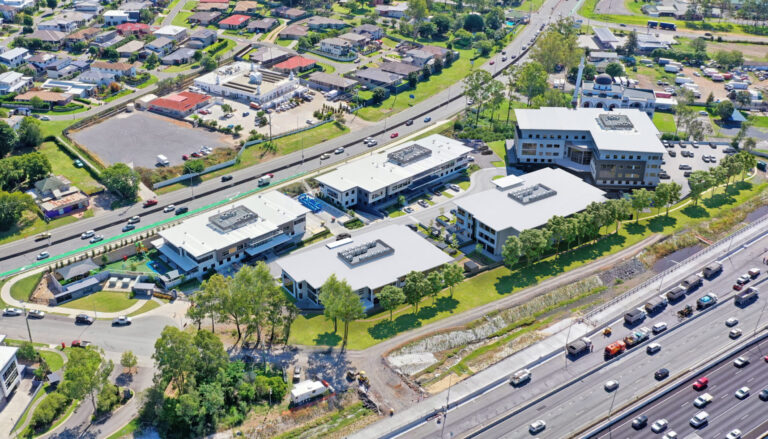
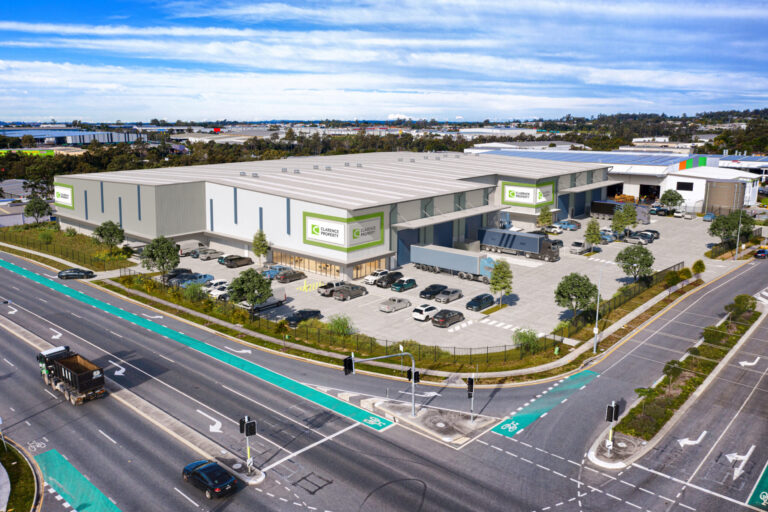
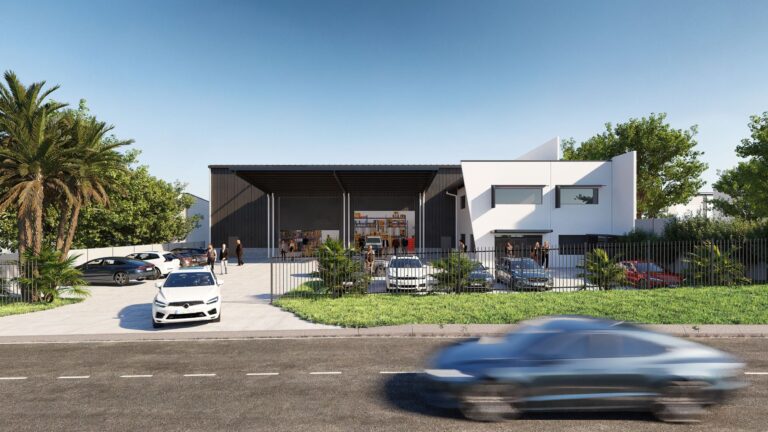
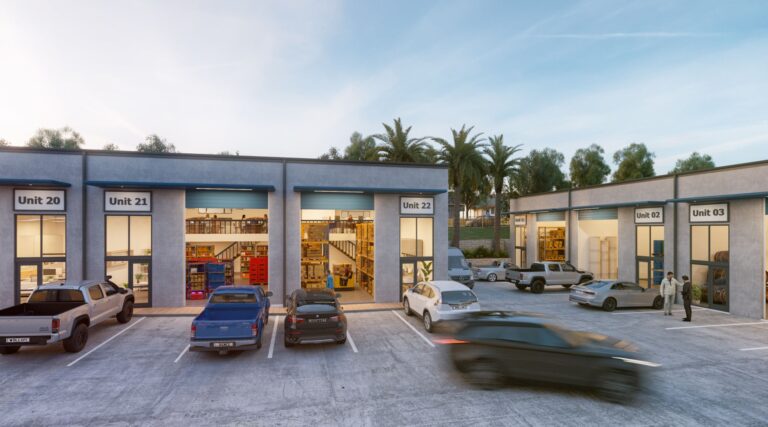
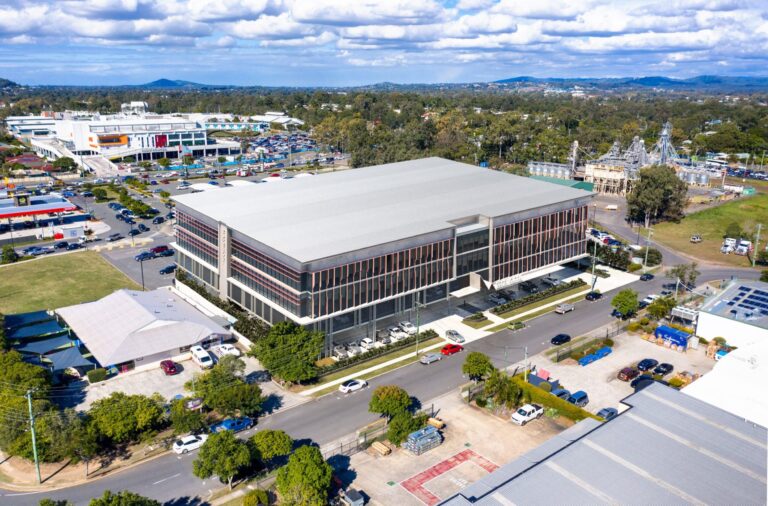
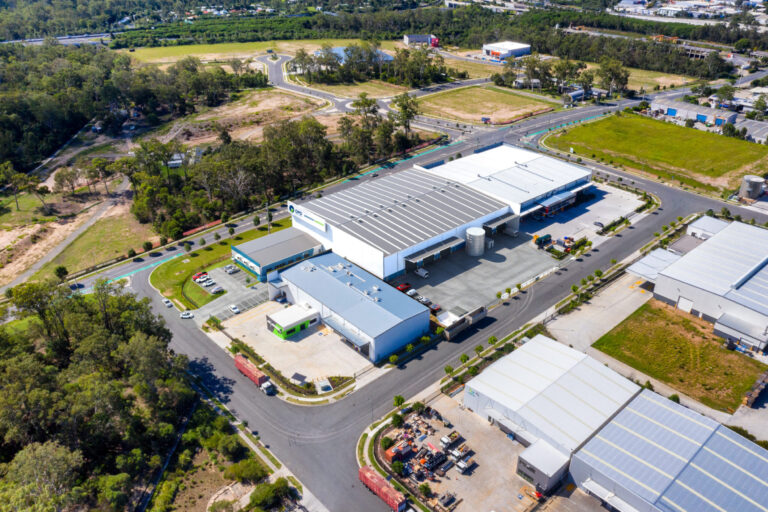

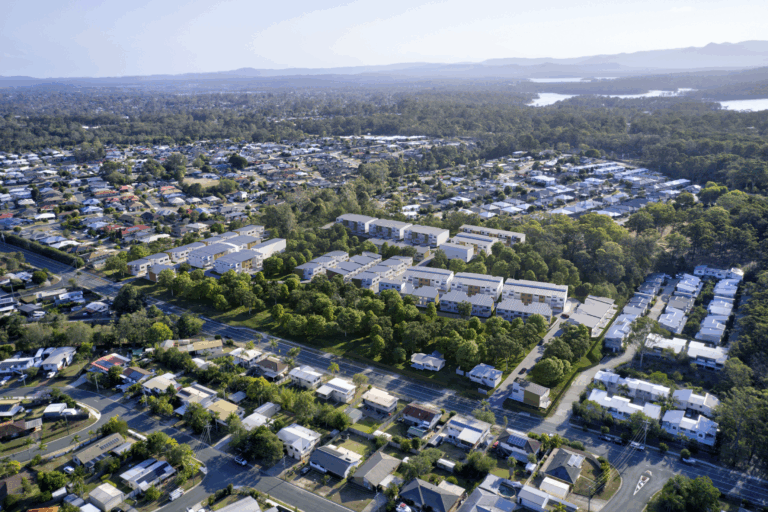




Fife Capital has sold 80–86 Canterbury Road, Kilsyth, to Charlie Buxton's Cadence Property Group in an off-market deal reported at $56 million. Fife bought the 4.04-hectare site for $17 million in 2021 and redeveloped it into a distribution centre now leased to DUTT Transport.
It is a textbook value-add story: buy a tired site, build what the market needs, lease it to a strong operator and sell the finished investment.
The deal at a glance
- Asset: 80–86 Canterbury Road, Kilsyth VIC
- Price: about $56 million (reported)
- Site: 4.04 hectares
- Building: about 3,700 sqm office and warehouse, completed about two years ago
- Tenant: DUTT Transport, as its headquarters
- Buyer: Cadence Property Group
- Seller: Fife Capital
- Method: off-market
From antique market to distribution centre
Before COVID, the site was Hunted Antiques, a market with rented stalls. Before that it held showrooms used by Spare Change/Warehouse Direct and, around 20 years ago, Casual Living. In 2019 local developers Kevin and Ron Ward marketed it alongside a 9.9-hectare block next door, opposite Boral's Montrose quarry.
Fife bought the site in 2021 for $17 million and turned it into a modern logistics facility.
The value-add maths
If the reported price is right, Fife has sold for about $39 million more than it paid, before construction and holding costs. That uplift comes from three things: a much better building, a secure tenant and a site with plenty of land around the improvements.
Why Cadence is buying
Cadence Property Group, led by Charlie Buxton, gets a near-new, fully leased facility with a transport operator using it as its headquarters. With 4.04 hectares of land and only about 3,700 sqm of building, the site also has a low site coverage that gives it long-term flexibility.
Melbourne's eastern industrial market
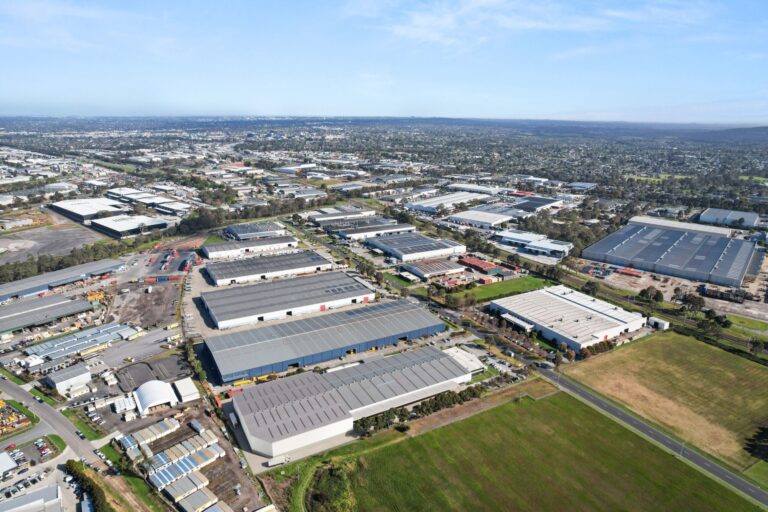
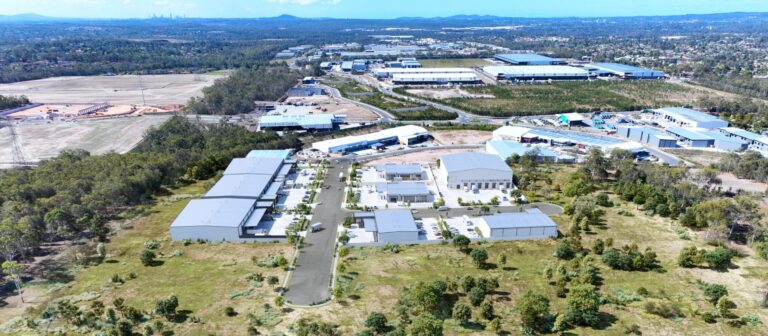
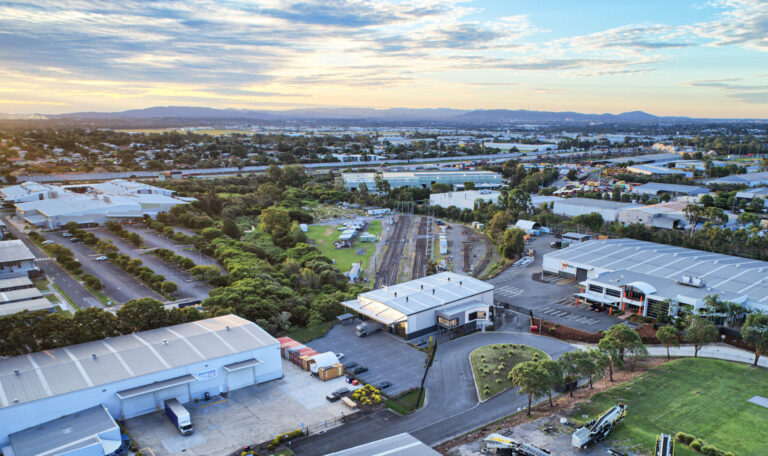
Kilsyth is part of Melbourne's outer east, where established industrial land is tightly held and new supply is limited. Transport and logistics operators serving the eastern suburbs and Yarra Valley value sites with room for trucks, hardstand and parking.
Why industrial value-add works right now
Industrial value-add strategies have done well over the past five years because the gap between old and new buildings keeps widening. Occupiers want modern layouts, higher clearance, better power and room for trucks and they will pay more rent for it. Investors, in turn, will pay sharper yields for a near-new building with a long-term tenant.
That leaves a clear profit for developers who can buy tired sites at the right price, manage approvals and construction risk and lease the result. Kilsyth shows that the strategy still works in established suburban markets, not just on greenfield estates at the city edge.
What it means for the market
- Value-add strategies are being rewarded when the end product is leased to a strong operator
- Low site coverage is attracting a premium for its future flexibility
- Off-market deals remain common for quality leased industrial assets
Lessons for developers
- Know the end buyer: design for the tenant and investor who will eventually own it
- Lease before you sell: a secure tenant turns a building into an investment
- Present the transformation: before-and-after imagery and renders help investors see the value created
What to watch next
Watch whether Cadence adds more leased industrial assets in Melbourne's east and whether Fife recycles its profit into new value-add sites.