Strata industrial units have become one of the fastest-growing segments of Australia’s commercial property market, driven by strong demand from owner-occupiers, small businesses, and SMSF investors. As traditional freestanding industrial assets become increasingly unaffordable and scarce, strata developments are filling a critical gap — offering accessible entry points into the market while still delivering functionality, flexibility, and long-term value.
Why strata industrial is surging in popularity
The shift toward strata industrial developments is being driven by a combination of affordability constraints, business ownership trends, and limited supply of smaller industrial assets. For many buyers, strata units represent the only viable way to secure a foothold in tightly held industrial markets.
Key drivers behind this surge include:
- Rising prices of freestanding industrial properties pushing buyers toward strata options
- Strong demand from trades, small businesses, and service-based operators
- SMSF investors seeking stable, tangible commercial assets
- Limited supply of small-format industrial units in established areas
- Desire for owner-occupiers to control their premises and avoid rising rents
This has created a highly competitive market, particularly for well-designed and well-located strata estates.
What buyers are looking for in modern strata developments
Today’s strata buyers are more informed and selective than ever. They are not just looking for basic warehouse space — they want functional, modern units that support both operations and business growth.
Key features driving demand include:
- High internal clearance allowing for mezzanine or storage flexibility
- Roller door access with efficient vehicle circulation
- Integrated office or showroom components
- Modern amenities including kitchenette and internal bathrooms
- Secure, gated complexes with allocated parking and access control
Developments that combine these features with strong design and presentation are achieving faster sales and higher values.
The role of strata in unlocking new industrial supply
Strata developments are playing a critical role in increasing industrial supply, particularly in land-constrained markets. By subdividing larger sites into smaller, saleable units, developers can deliver product that aligns with market demand while maximising land value.
Key benefits of strata development include:
- Efficient use of land through multi-unit configurations
- Ability to target a broader buyer pool
- Faster absorption compared to large single-tenant facilities
- Increased overall project value through individual unit sales
- Flexibility to stage development and release units progressively
This model is becoming a preferred approach for many developers in both established and emerging industrial precincts.
How owner-occupiers are reshaping the market
Owner-occupiers are now a dominant force in the strata industrial market, particularly in the sub-500sqm segment. These buyers are driven by long-term security, business growth, and the ability to control their operating environment.
Key trends among owner-occupiers include:
- Purchasing instead of leasing to lock in long-term costs
- Investing through SMSFs to combine business and investment strategies
- Prioritising location, access, and functionality over size
- Seeking properties that can accommodate both warehouse and office use
- Moving out of older, outdated facilities into modern developments
This shift is fundamentally changing the buyer profile across industrial markets.
The investment appeal of strata industrial assets
Strata industrial units are also attracting strong interest from investors due to their relatively low entry price points and consistent demand from tenants and owner-occupiers. These assets offer a balance of accessibility and performance that appeals to a wide range of buyers.
Key investment drivers include:
- Lower entry costs compared to larger industrial assets
- Strong leasing demand from small to medium businesses
- Potential for capital growth in tightly held markets
- Diversification within commercial property portfolios
- Ability to sell individual units to realise value
As demand continues to grow, strata assets are becoming an increasingly important part of the commercial property investment landscape.
Recent transactions shaping the market
Unit 5, 18 Industrial Circuit, Yatala – $1.32 million sale
A newly completed strata unit was purchased by an owner-occupier, reflecting strong demand in South East Queensland’s core industrial corridor.
Strata Estate, Truganina – Multiple unit sell-out
A multi-unit development in Melbourne’s west achieved full sell-out prior to completion, highlighting the strength of the strata industrial market.
Unit 12, 7 Commerce Street, Malaga – $980,000 sale
A modern industrial unit in Perth’s northern corridor was secured by an SMSF investor, reinforcing ongoing demand for smaller industrial assets.
How Commercial Property Marketing can help
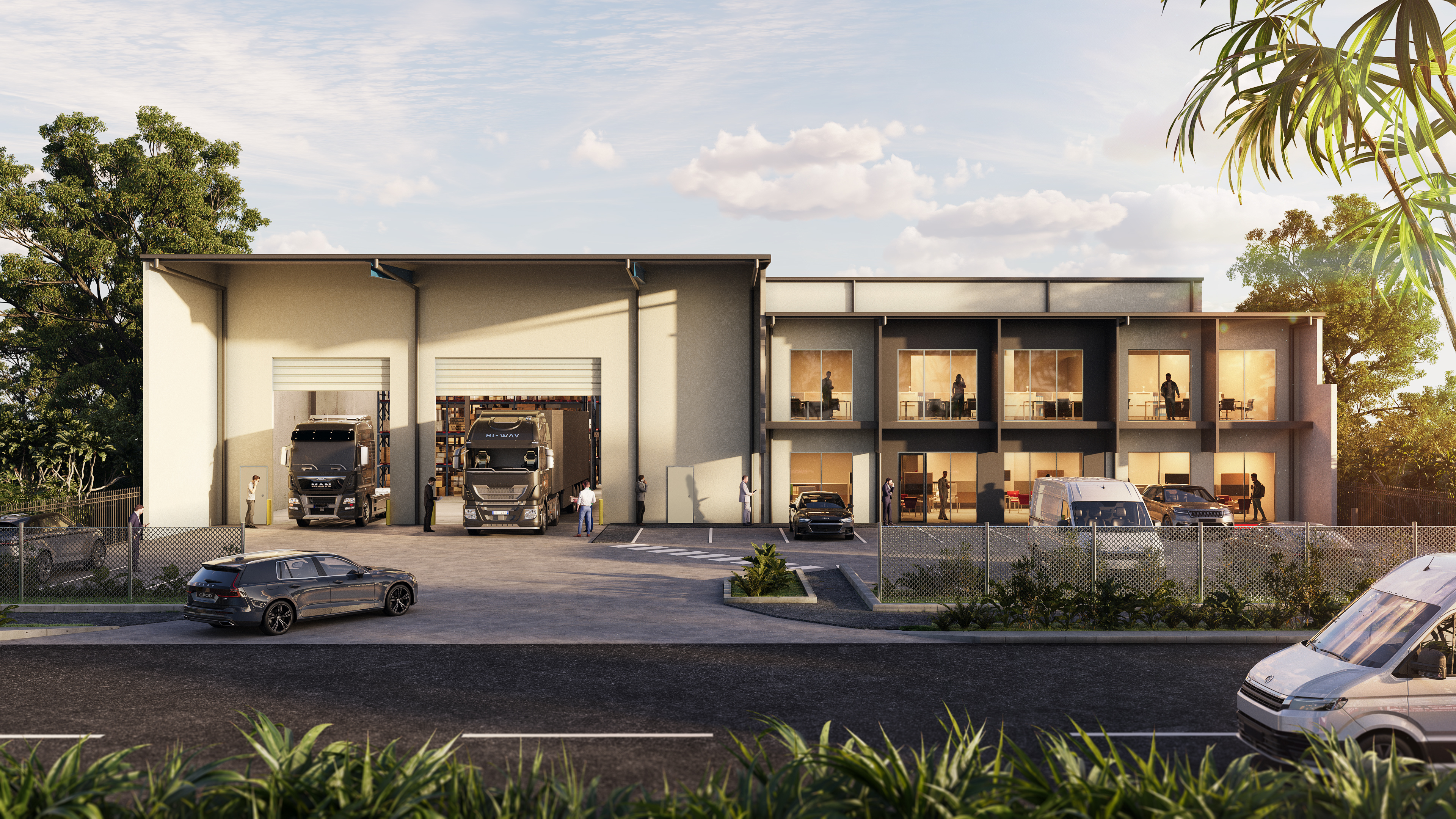
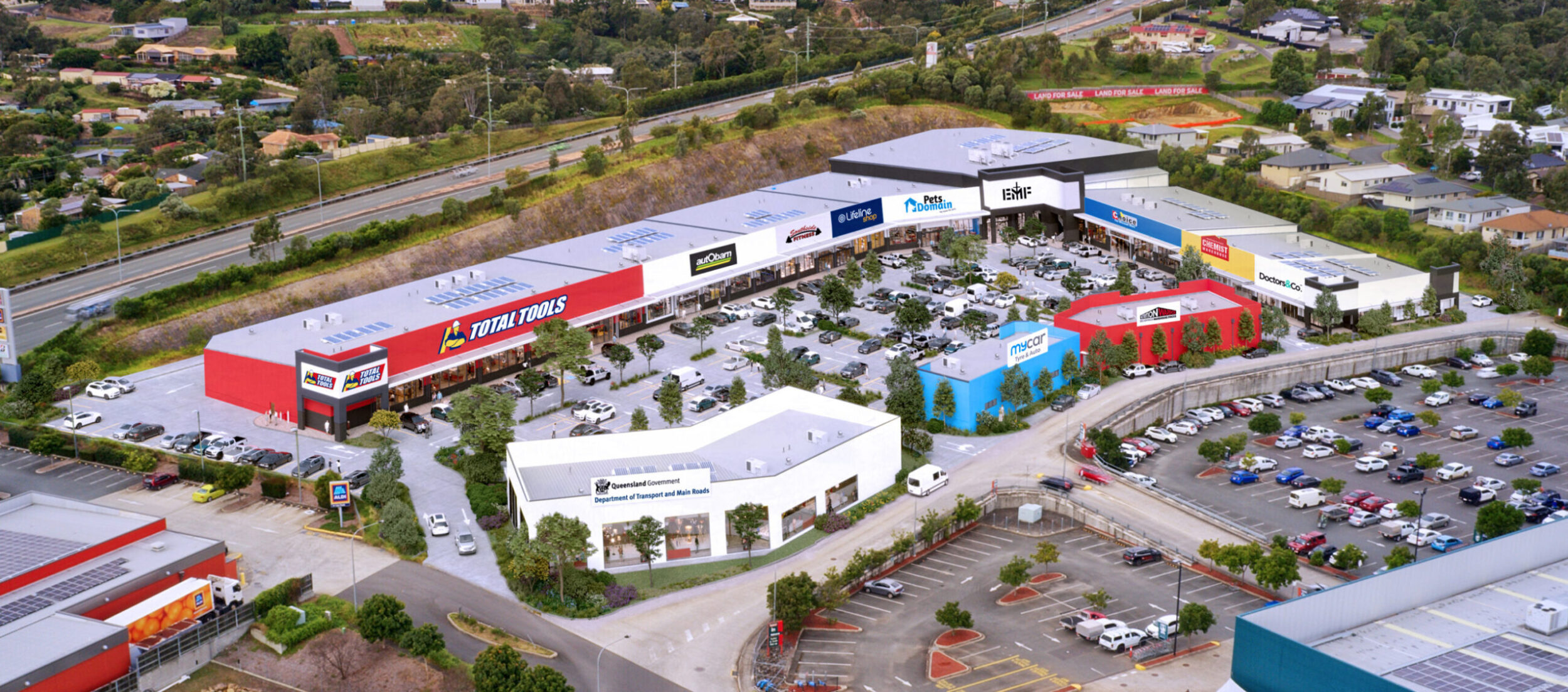
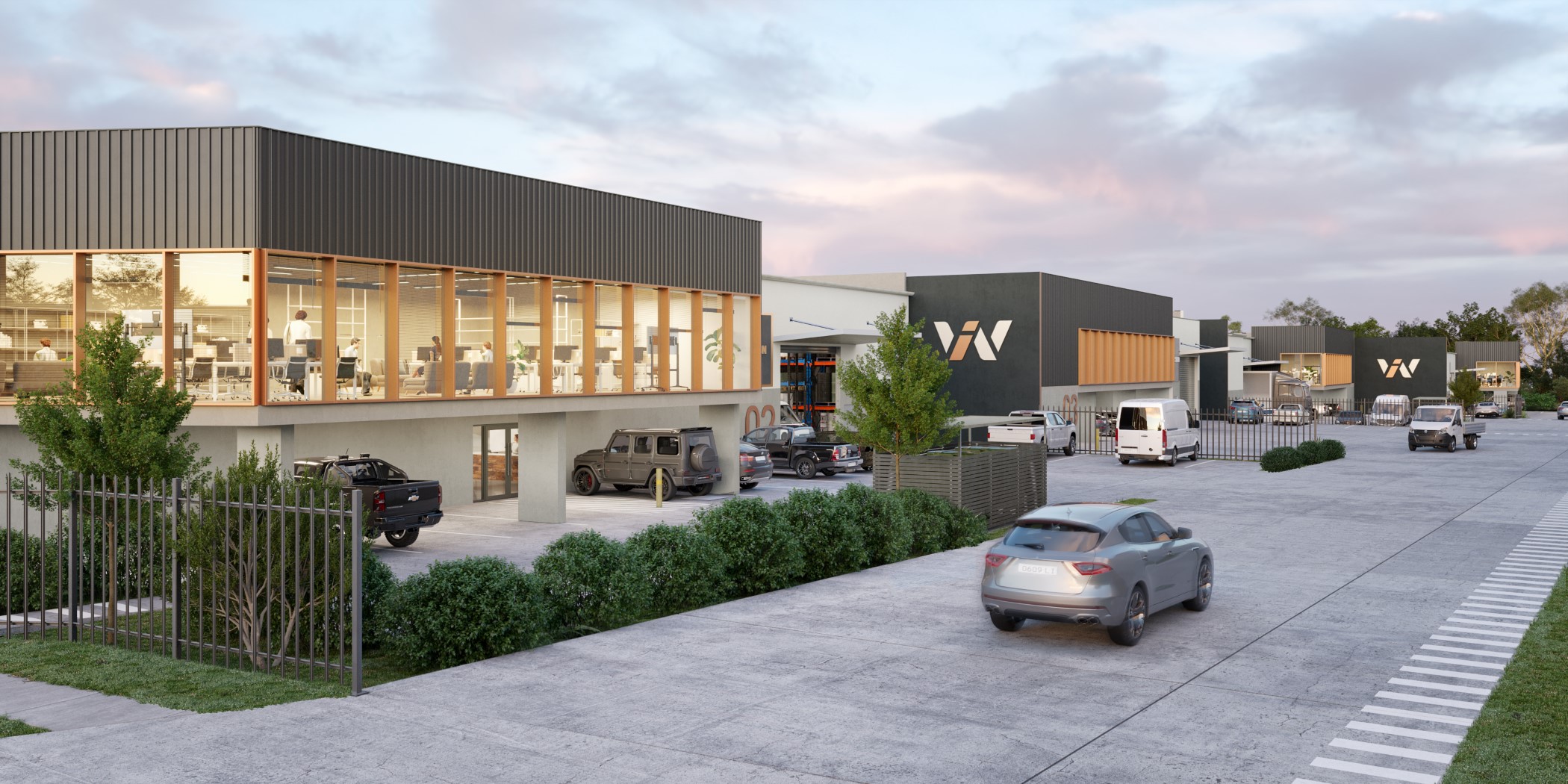
Strata developments rely on strong early engagement and clear communication to drive sales momentum. We help developers bring these projects to life with aerial 3D visuals, masterplans, and full campaign rollouts that make it easy for buyers to understand the opportunity — driving faster sales and stronger project outcomes.


 EXPLORE THE WORK