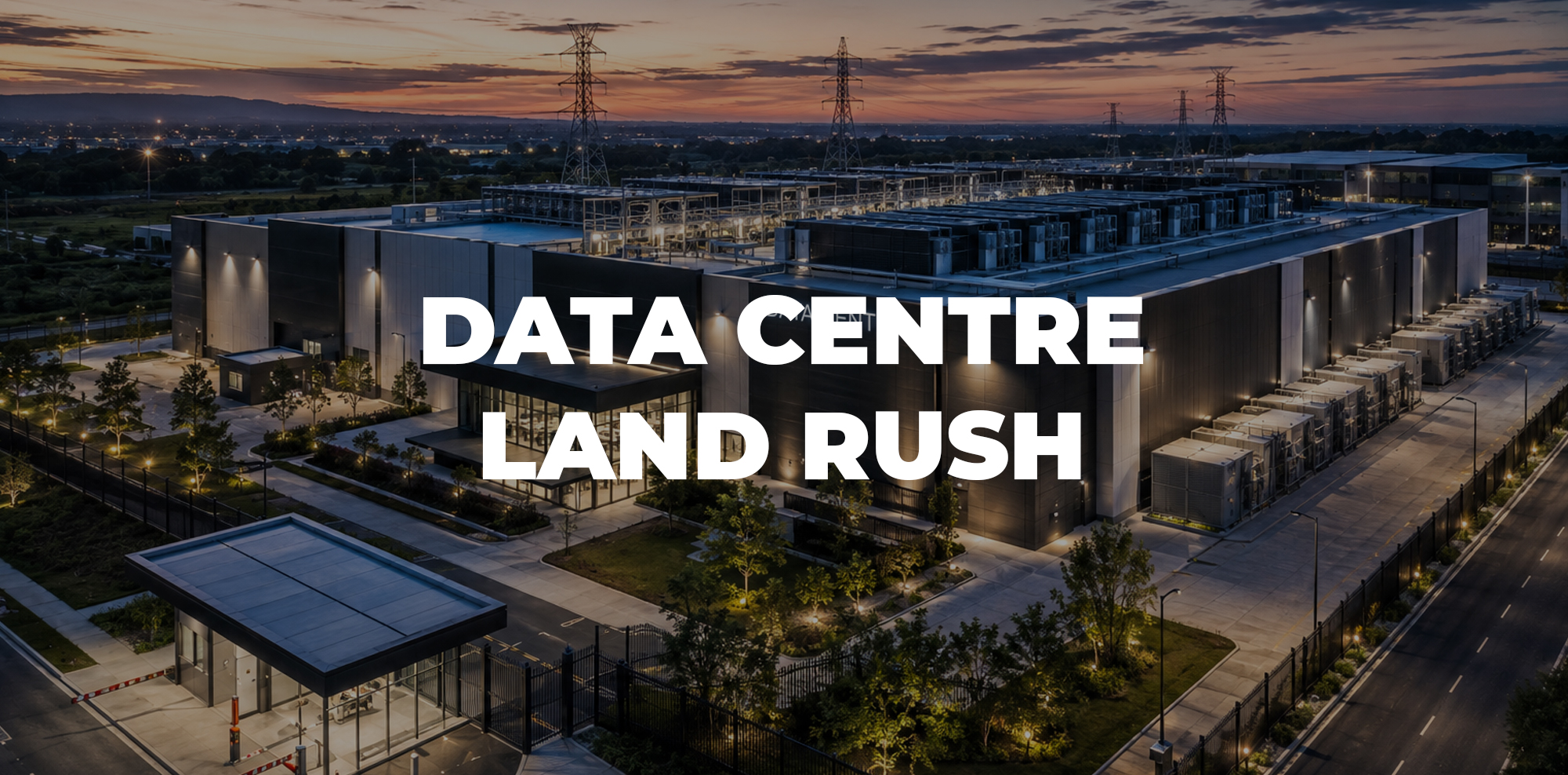
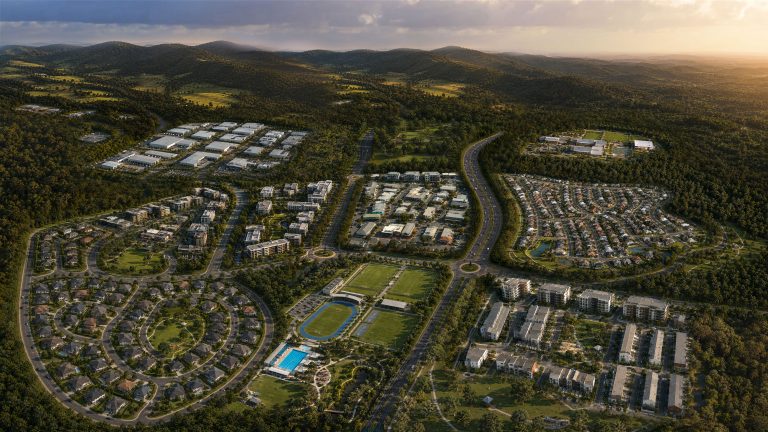
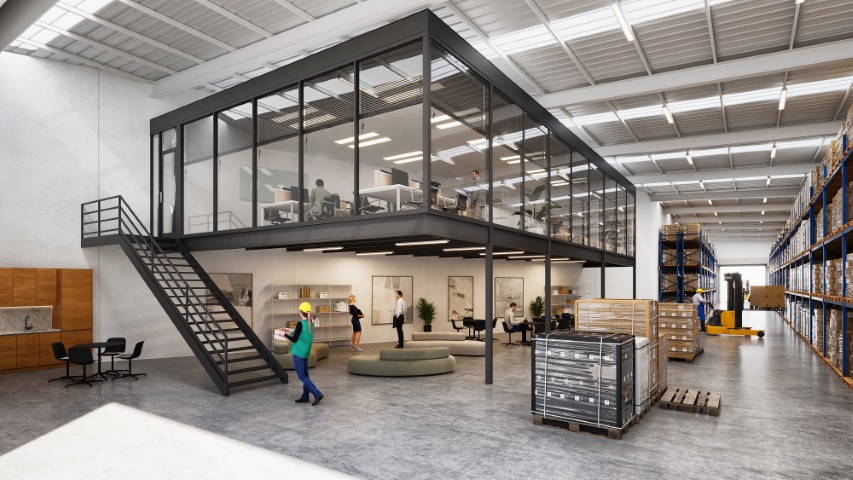
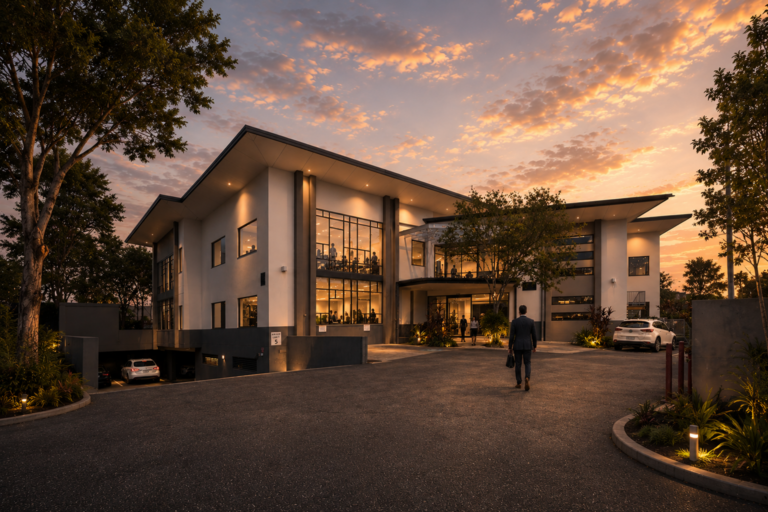
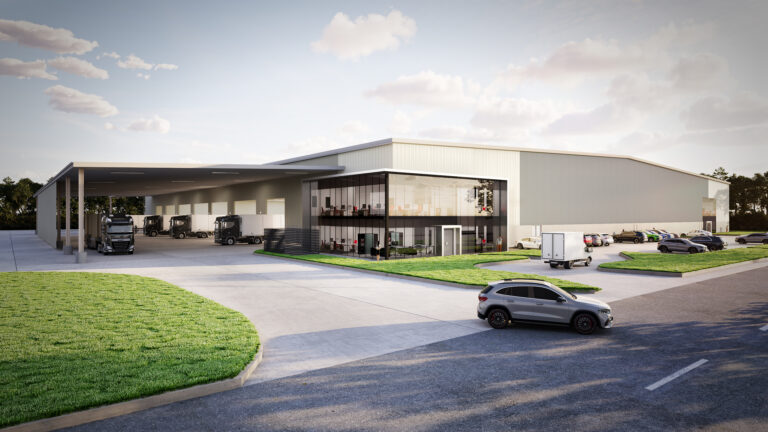

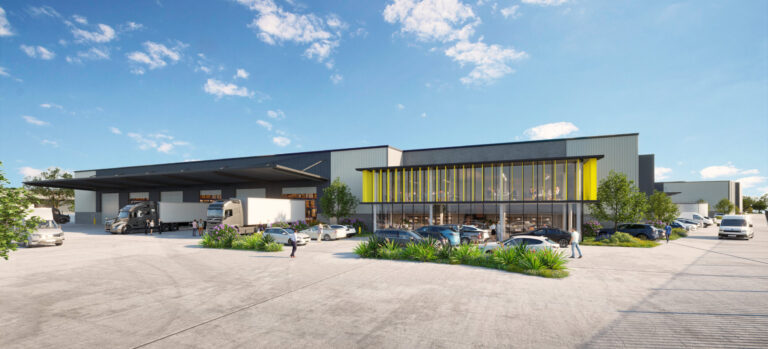
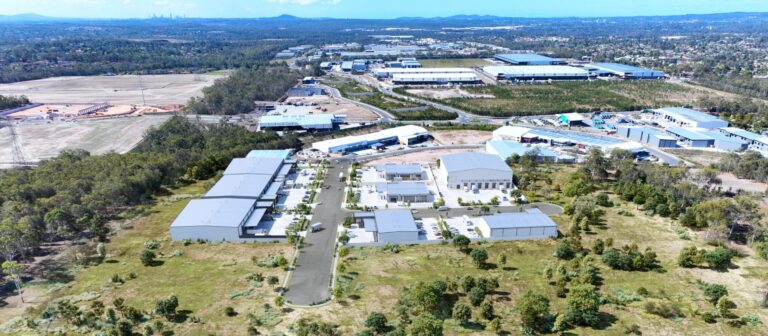
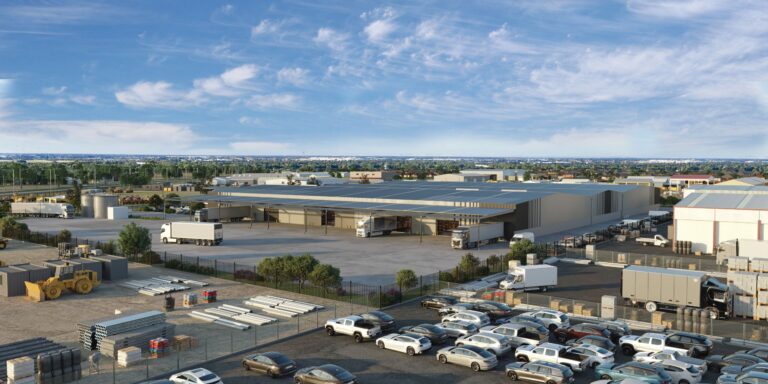
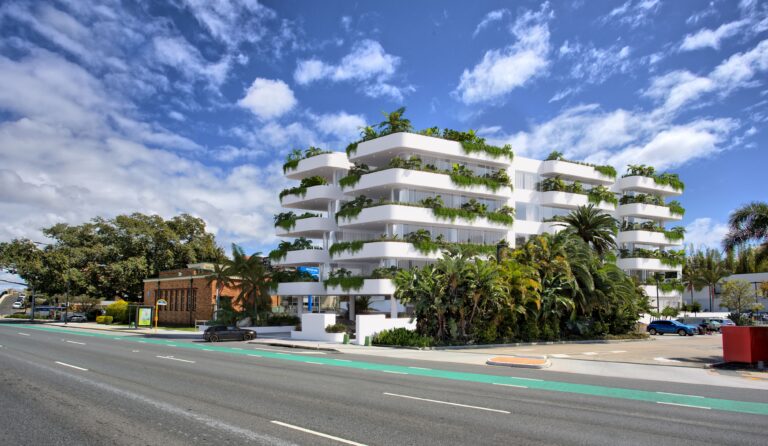
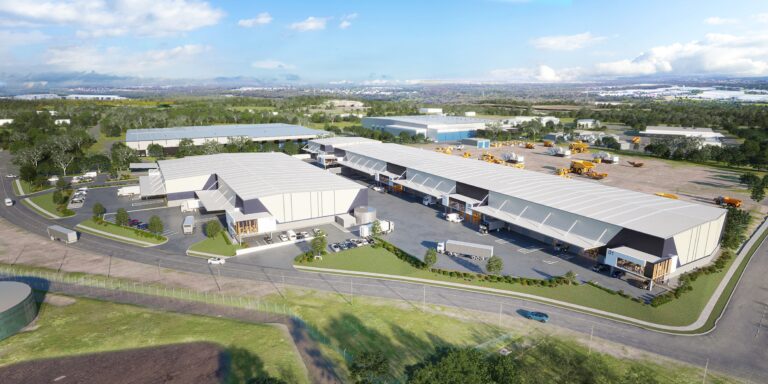
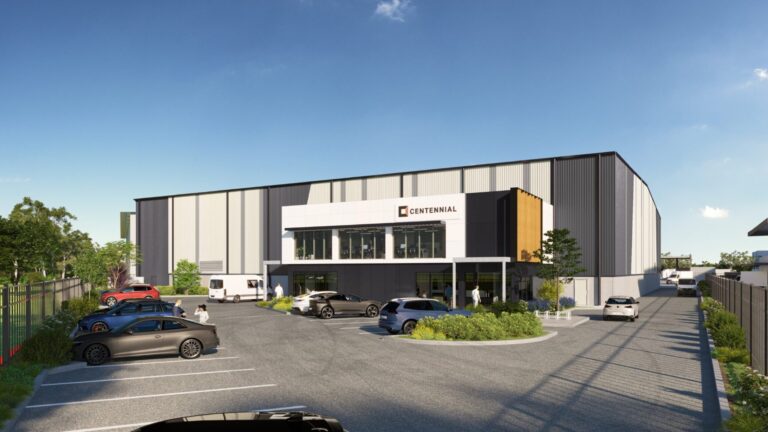
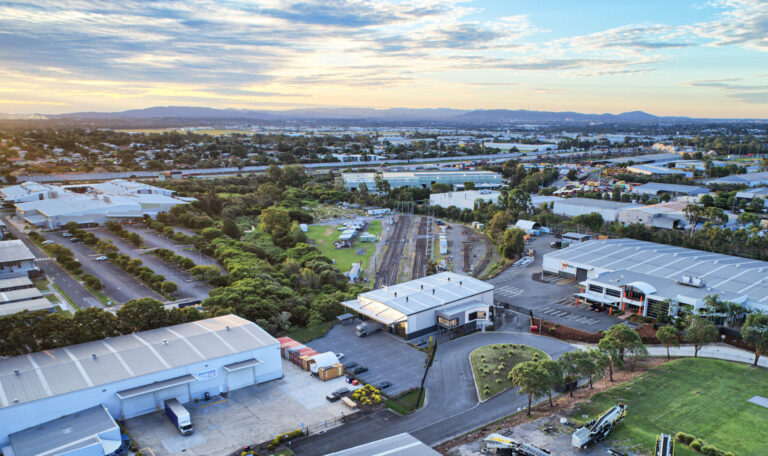
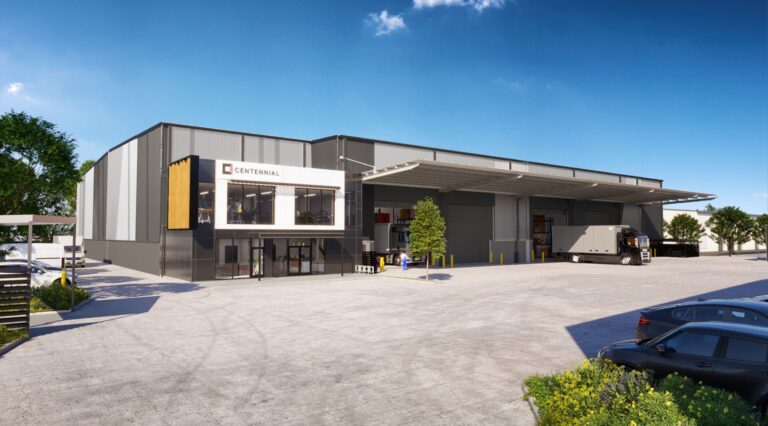
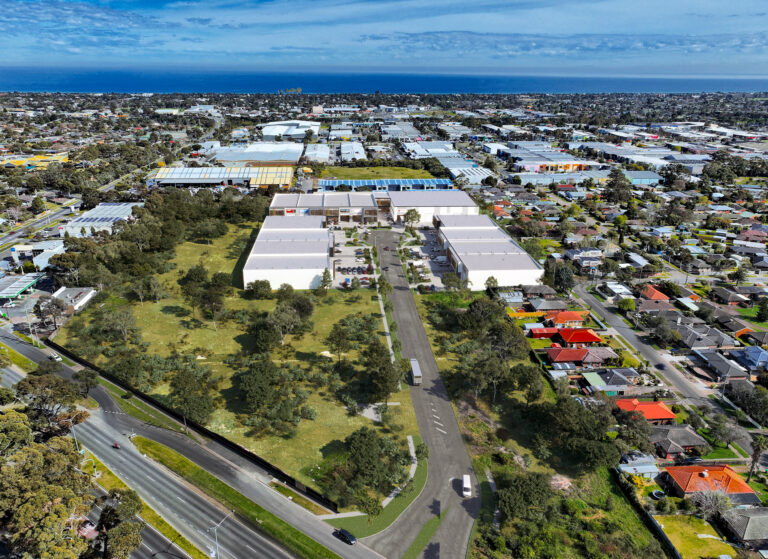
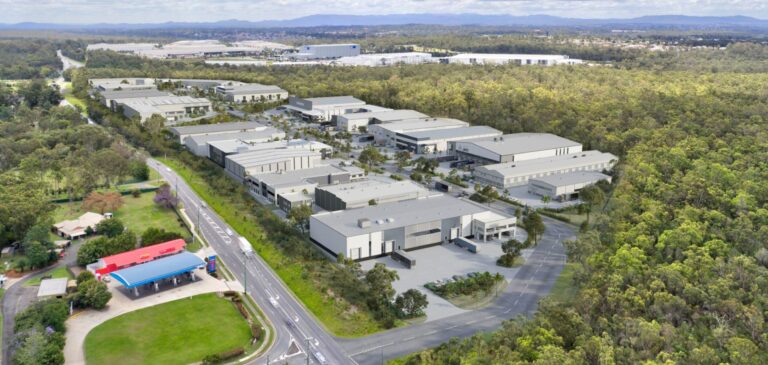
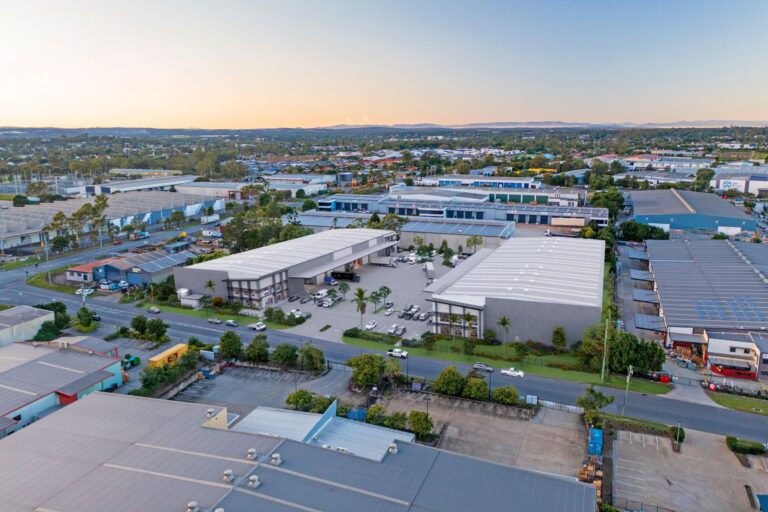
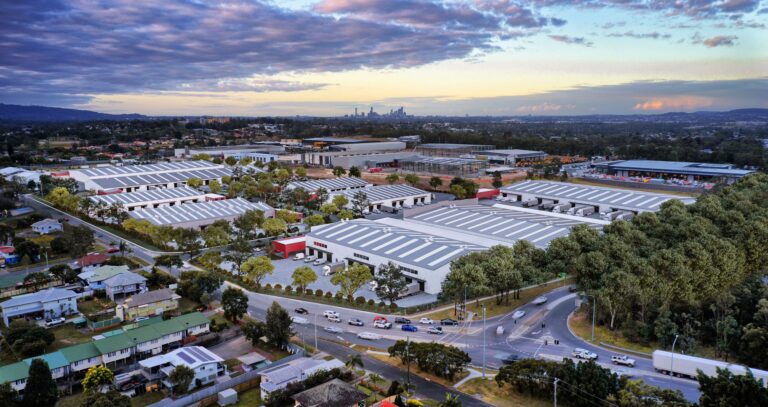

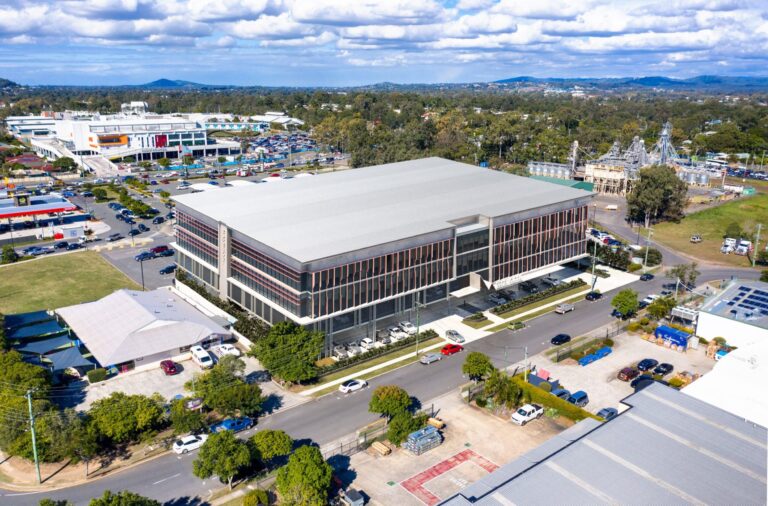
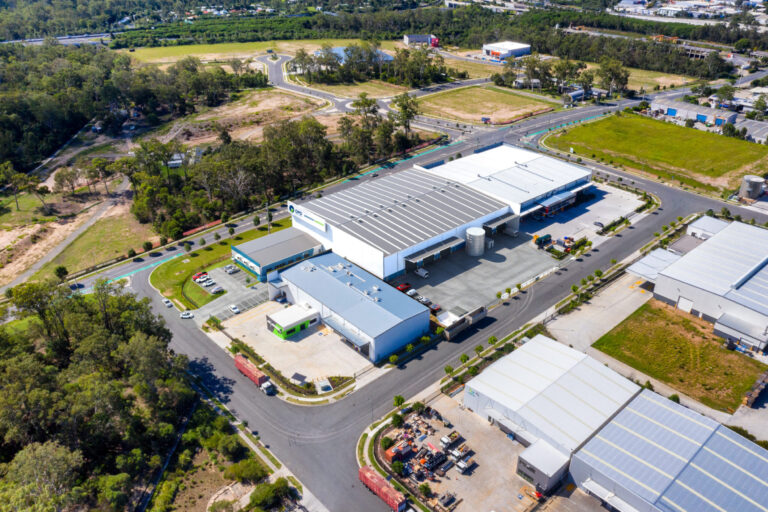
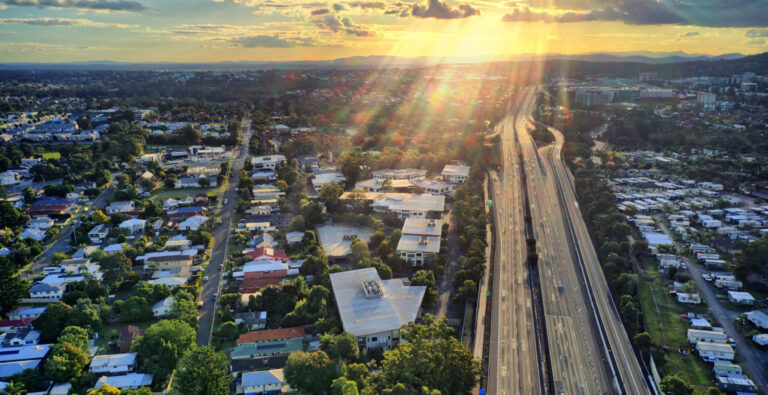
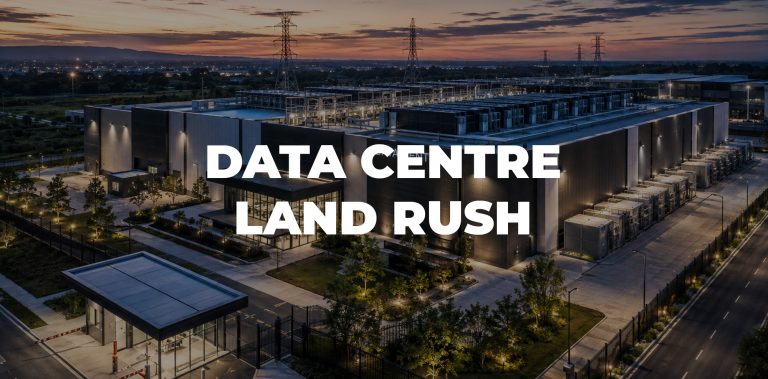

The Swanbank data centre proposed for Six Leaf Street in Ipswich's Swanbank industrial precinct would be a 10-storey, 72.25 metre building on an eight-hectare site beside Powerlink's Blackstone substation. That would make it the tallest building in the Ipswich local government area. Council officers have recommended approval subject to conditions but Ipswich City Council has also issued a detailed information request that questions the height, the bulk and the parking. Now a second operator, Arvica Cloud, has named Swanbank as the location for a smaller liquid-cooled AI data centre.
Two data centre plans in one industrial suburb within a couple of months is a signal worth reading. Swanbank has the one thing every data centre developer is chasing in South East Queensland: a high-voltage grid connection on industrial-zoned land, well away from houses. This is what it means for land values, approvals and owners nearby.
Swanbank data centre at a glance
- Site: Lot 5 Six Leaf Street (formerly part of Patrick Street), Swanbank, about 6 km west of Ipswich and roughly 60 km west-north-west of the Brisbane CBD
- Applicant: Northern Concept Swanb Pty Ltd, with HPC Planning as town planner and Miasto as architect
- Lodged: 4 August 2026 with Ipswich City Council
- Land: about 80,910 sqm overall, with a development footprint of about 40,950 sqm
- Building: 10 storeys at 72.25 m, operating 24 hours a day, seven days a week
- Floor area: 82,576 sqm gross floor area in the planning report. The architectural plans show about 103,954 sqm once data halls, plant, amenities and offices are all counted.
- Parking: 589 spaces (427 at grade and 162 underground) against about 177 peak staff
- Zoning: Regional Business and Industry, assessed as code assessable under the superseded 2006 Ipswich Planning Scheme, so there is no public notification
- Power: next to Powerlink's Blackstone substation and the Swanbank battery energy storage system. The IT capacity in megawatts has not been made public.
- Status: officers recommended approval with conditions. A council information request dated 24 August gives the applicant three months to respond.
Why Swanbank and why Six Leaf Street
Swanbank has been an energy precinct for decades. It grew around the former Swanbank power station and coal mining and it still carries the transmission lines, substation and industrial zoning that came with that history. For a data centre developer, those leftovers are gold.
The Six Leaf Street site sits within about 100 m of Powerlink's Blackstone substation. It also neighbours an approved battery energy storage system. That gives the proposal a high-voltage connection plus the option of behind-the-meter supply, which is the hardest thing to secure for any large data centre in Australia right now. Ask any operator what holds up a new campus and the answer is rarely land. It is power.
The site also has distance on its side. The applicant's planners put the nearest residential development about 1.7 km away and council's own request refers to the nearest sensitive receiver at around 1.5 km. Recent sewer and water mains are close by. Under the code assessment pathway the community does not get a formal submission period, which has been one of the sore points for residents.
What Ipswich City Council wants answered
The officer recommendation to approve with conditions has not meant a smooth run. The council's information request is long and some of it goes to the heart of the design.
- Height and bulk: council says the building substantially exceeds the scale the code anticipates. It wants a fresh visual amenity and built-form assessment, including why a materially lower building could not do the job.
- Aviation: the building would break the 90 m AHD RAAF height restriction zone, so council wants a risk assessment or written approval from Defence and Airservices Australia.
- Parking and earthworks: justify 589 car spaces for roughly 177 peak staff or cut them back. Retaining walls of up to about 8 m should be broken into terraced walls of about 3 m.
- Mining: a site-specific geotechnical report certified by a Queensland registered engineer covering subsidence and old mine workings.
- Environment: an amended ecological assessment. The applicant's own report identifies about 3,190 native trees for removal and 3.73 ha of Category B remnant vegetation, with the site referred to the State over mapped koala habitat.
- Stormwater, traffic, bushfire and noise: council wants the stormwater outlet cut from 900 mm to generally no more than 525 mm. It also wants new traffic and bushfire reports plus a fresh noise study that deals with rooftop plant running at night.
Other referral agencies have already had their say. Powerlink is an advice agency because of the substation. Santos gave conditional approval in May because the Moonie to Brisbane high-pressure gas pipeline runs nearby. The planning report also flags that water demand could outstrip what the local network can supply without major upgrades, so rainwater harvesting, closed-loop cooling or a recycled water main are on the table.
Arvica Cloud adds a second Swanbank data centre plan
In the second week of October, Australian AI cloud provider Arvica Cloud said it plans a modular, liquid-cooled edge data centre in Swanbank. It is a very different animal to the 10-storey proposal.
- an initial 1.5 MVA grid connection supporting about 600 to 800 kW of IT load
- a possible second stage with a 3 MVA connection and up to about 2.2 MW of IT capacity
- direct-to-chip liquid cooling built for 150 to 250 kW AI racks, with a design target PUE of 1.30 or lower
- first-stage operation targeted for 2028
Arvica is still at site selection and concept engineering. It has not secured grid capacity or a development approval and it has not named an address. There is nothing to suggest it is linked to the Northern Concept project. What matters for property owners is the pattern: two separate groups have now singled out the same suburb for the same reason.
The rules are changing mid-stream
On 1 October the Crisafulli Government said it would take planning and assessment of data centres away from councils. The new framework will follow the pathway already used for wind, solar and big batteries. In practice that means the State Assessment and Referral Agency becomes the assessment manager for new applications. Developers will need a social impact assessment and a community benefit agreement with the local council before an application is properly made. Applications will face mandatory impact assessment, which brings public notification and third-party appeal rights.
The Premier's stated non-negotiables are that data centres stay out of residential backyards, do not draw excessively on state power and keep Queensland data onshore. The size threshold that triggers the new rules has not been released and neither have the transitional arrangements for applications already lodged. That matters for Swanbank. A code-assessable application with no public notification is exactly the kind of approval the new regime is designed to replace, so how undecided applications are treated could change the timeline.
How Swanbank compares with other SEQ data centre projects
Swanbank is not the only place where data centre demand is reshaping Queensland property decisions.
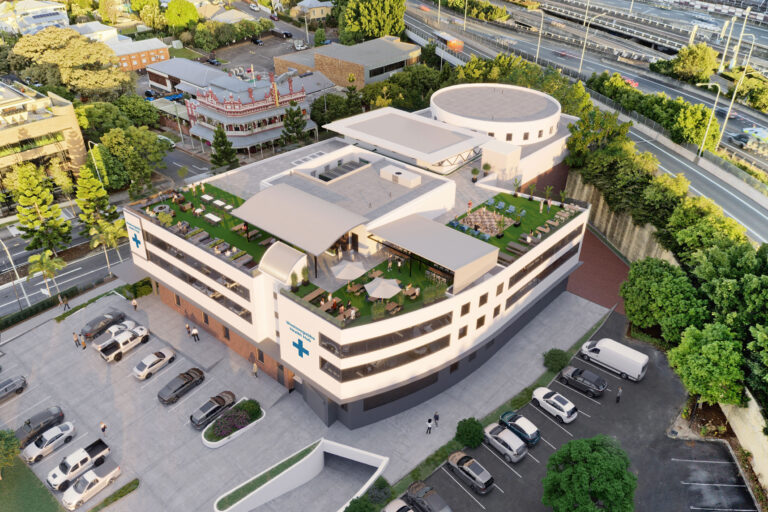
- NextDC B2, Fortitude Valley: NextDC has lodged plans for a nine-storey building beside its existing Brisbane B2 facility across 454 St Pauls Terrace, 57 and 61 Misterton Street and 216 Constance Street, a site of about 4,671 sqm. It is a reminder that inner-city data centres trade land for height.
- Fujitsu portfolio: Next Capital agreed in July to buy Fujitsu's Australian data centre business, including the Eight Mile Plains site in Brisbane, as part of a five-site, 25 MW portfolio.
- Western Downs Digital Park: the Zerra DC campus near Dalby, with Anthropic signed to lease the first building, sits well outside SEQ but has set the tone for how Queensland thinks about data centre scale and power.
Against those projects, Swanbank sits in the middle. It offers far more land than the inner city while staying within commuting distance of Brisbane and the Ipswich workforce.
What it means for industrial land values and nearby owners
Data centres do not need the same things as a warehouse. A logistics buyer pays for motorway access, hardstand and clearance. A data centre buyer pays for a firm grid connection, low flood and ground risk, water and room to expand. That changes which sites are scarce.
For owners in and around the Swanbank precinct, a few things follow:
- Grid capacity is now a value driver. Land close to Blackstone or other high-voltage infrastructure has a second buyer pool beyond traditional industrial users. Documented connection capacity is worth more than a nice brochure.
- Zoning still rules. The Six Leaf Street proposal relies on Regional Business and Industry zoning under the old scheme. Owners should check how their land is treated under Ipswich City Plan 2025 and what the State's coming framework will mean.
- Neighbours get a seat at the table. Under the new state rules, impact assessment brings public notification and appeal rights. Owners next to a future campus will be able to have a say on noise, traffic and stormwater.
- Constraints cut both ways. Mining history, koala habitat, bushfire and pipeline easements are all live issues at Swanbank. A site that has already done that homework will be easier to sell.
- Watch the comparables carefully. No land price has been disclosed for the Six Leaf Street site. Until data centre land deals in the precinct are reported, owners should be wary of anyone quoting a data centre premium without evidence.
Lessons for owners and developers
- Tell the infrastructure story first. Substation distance, available capacity, water and fibre should lead any campaign for land near Swanbank, not sit in the fine print.
- Get ahead of the community. Swanbank shows how quickly opposition forms when residents feel shut out. Clear visuals of height, setbacks and landscaping help people understand what is actually proposed.
- Show scale honestly. A 72 m building in a low-rise area is hard to picture. Accurate renders and aerial montages taken from real viewpoints answer the visual amenity question before a council has to ask it.
- Package the due diligence. Geotechnical, ecological, flood and bushfire reports bundled with the sale material shorten a buyer's risk assessment.
What to watch next for the Swanbank data centre
The applicant has until roughly late November to respond to the 24 August information request. Watch whether the building comes back lower or the parking shrinks. Watch also for the Defence and Airservices response on height. Then watch the State's data centre framework: the threshold it sets and how it treats applications already in the system will decide whether Six Leaf Street proceeds under council code assessment or ends up in a new process with public notification.
Finally, watch where Arvica Cloud lands. If it confirms an address near Blackstone, Swanbank will have two data centre users chasing the same grid and the market will start pricing that in. For industrial owners in the precinct, the conversation has moved from sheds and hardstand to megawatts.