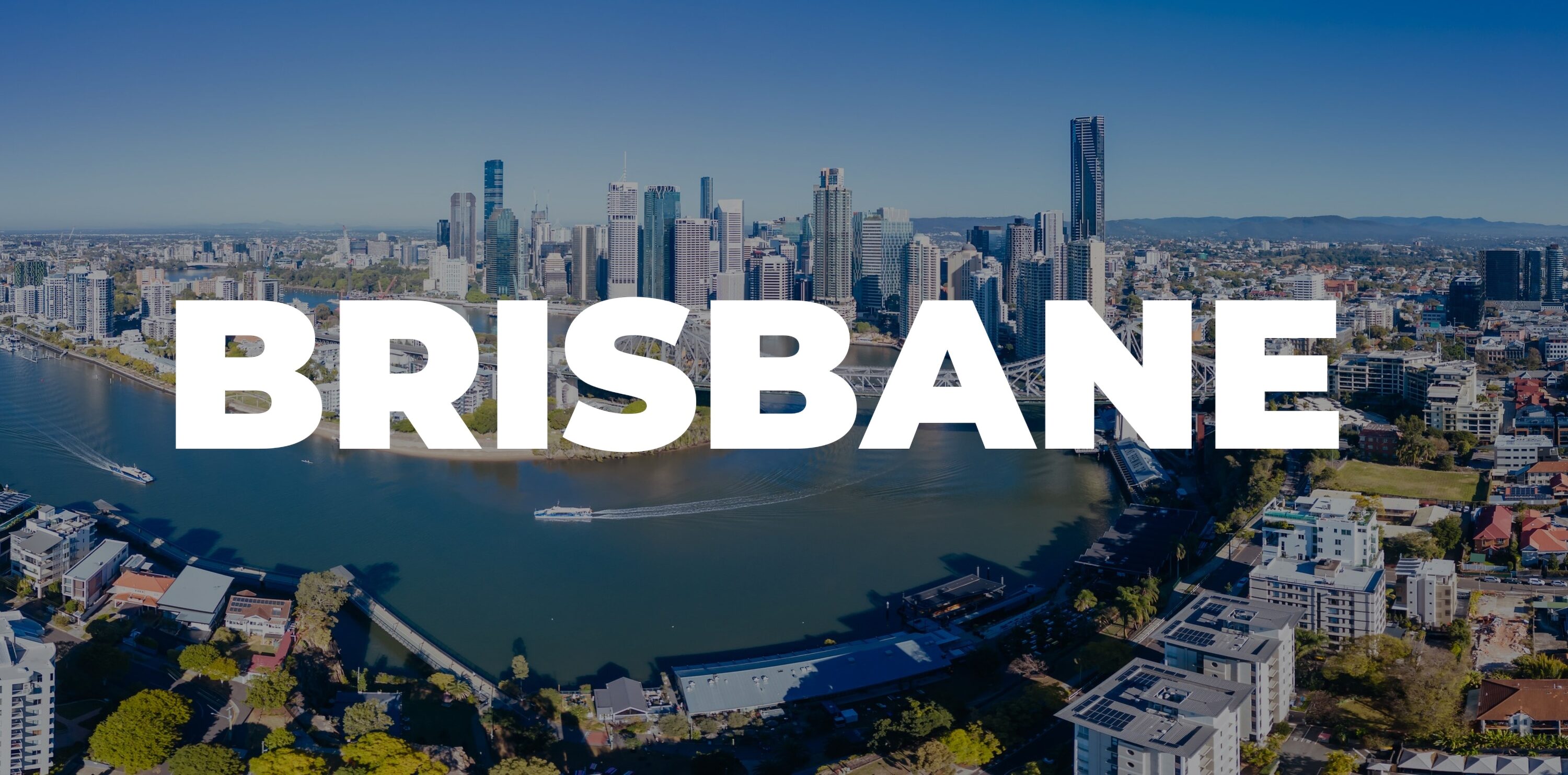
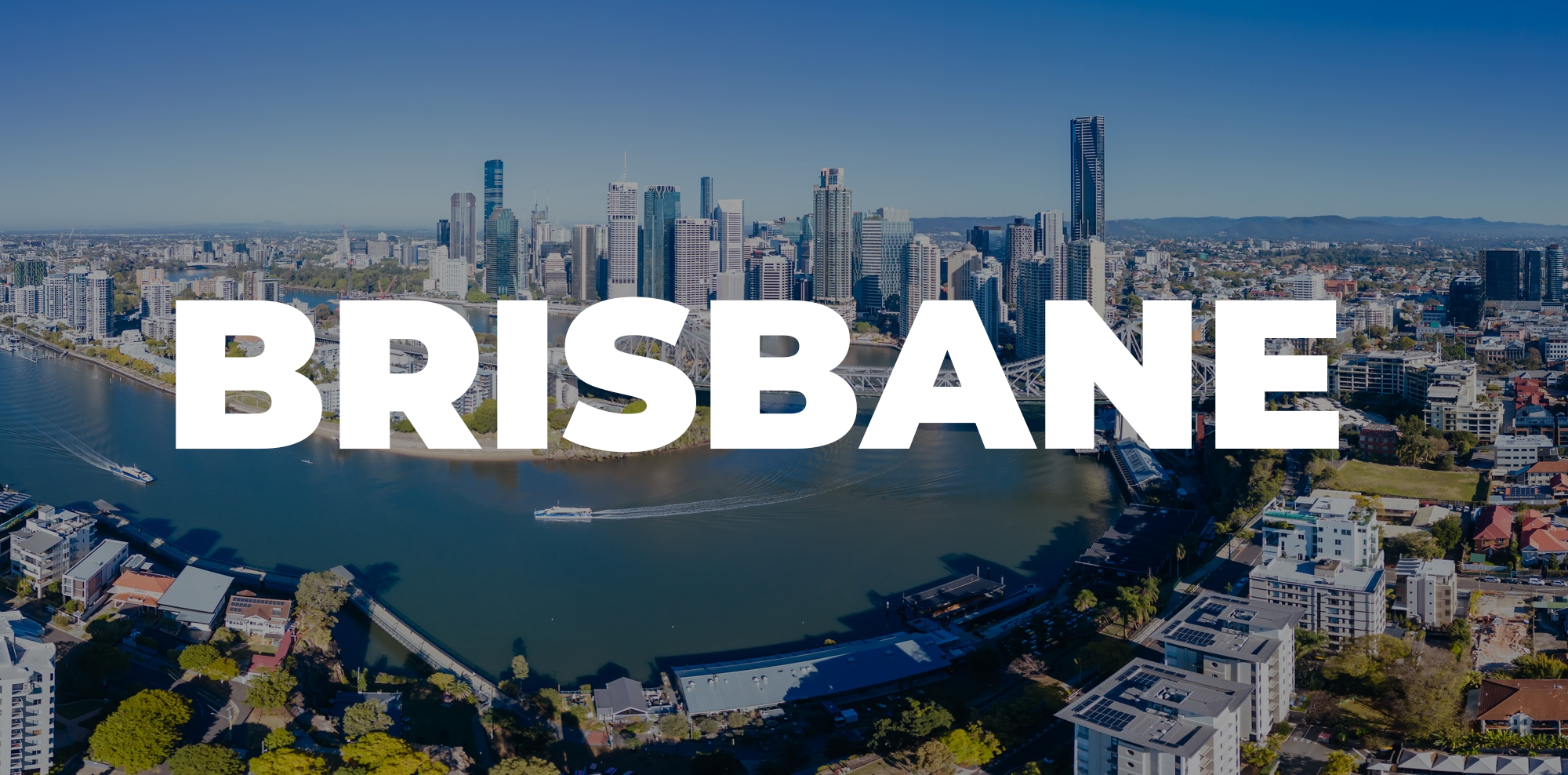
The South Bank lagoon is set to be replaced. On 23 October the Queensland Government and South Bank Corporation opened an Invitation for Prequalification asking private sector partners to help renew a 4.8 hectare slice of South Bank Parklands in South Brisbane, with a new lagoon to replace the leaking Streets Beach pool as a non-negotiable outcome alongside upgraded public space and integrated commercial development.
The government is calling it the biggest change to South Bank since Expo 88. For now it is an early market sounding rather than an approved project. No design, budget, delivery partner or construction program has been chosen. But it is the first time in decades that developers, operators and investors have been invited to pitch for a role in the heart of Brisbane's most visited precinct.
The South Bank lagoon renewal at a glance
- Location: South Bank Parklands, South Brisbane QLD 4101
- Opportunity area: 4.8 hectares centred on the Main Lagoon (Streets Beach), with surrounding parkland, retail and public space
- Wider precinct: about 42 hectares managed by South Bank Corporation, including roughly 14 hectares of parkland
- Process: Invitation for Prequalification (IFP), the first stage of an industry partnership process released through VendorPanel
- Non-negotiables: a new lagoon and upgraded open public space
- Other objectives: better community connections, renewed water features and integrated commercial development
- Visitation: more than 16 million visits a year (the prospectus records 16.6 million)
- Indicative timing: prequalification responses expected around December 2026, request for proposal stages through 2027 and a preferred proponent targeted for late 2027
- Led by: South Bank Corporation and the Queensland Government
Why Streets Beach needs replacing
The Streets Beach lagoon has been one of Brisbane's best known free attractions since the parklands were built on the former Expo 88 site. It is also showing its age. According to the government, the lagoon has leaked for some time, losing up to 112,000 litres of water a day at its peak. It still needs regular maintenance and has closed for long periods several times a year.
That peak figure is not a current daily measurement, but it explains why a new lagoon sits at the centre of the brief. The invitation asks industry to consider a modern lagoon-style facility plus other water elements rather than a simple patch-up of the existing pool.
For anyone planning a visit, nothing changes yet. South Bank Corporation's project page says Streets Beach and the Boat Pool remain open, while the Aquativity water play area is temporarily closed for maintenance.
What the government is asking the private sector for
The IFP is about finding organisations with the experience, capability and investment capacity to partner on the renewal. The broad objectives are to improve the public realm, renew water features plus strengthen community connections and activity. The fourth is to bring in integrated commercial development that supports the precinct financially over the long term.
The published brief does not set an apartment yield, a hotel room count, a commercial floor area or a project budget. That is deliberate at this stage. Respondents are being assessed on capability and ideas, with the detail to be worked through in later request for proposal rounds.
The process is open to interstate and international companies. Respondents can also put forward ideas for other sites identified for renewal in the Future South Bank Master Plan, which was released in May 2024 as a flexible long-term vision rather than an approval for specific buildings.
Deputy Premier and Minister for State Development, Infrastructure and Planning Jarrod Bleijie framed the move as protecting the things people love about South Bank while inviting bold ideas for its future. South Bank Corporation chair Karen Howard said the process would tap industry for innovative ideas to enhance the precinct.
South Bank is not being sold
One point the government and South Bank Corporation have been keen to stress is that the parklands are not being sold or privatised. South Bank will remain a public precinct and parkland precincts to the north and south of the opportunity area are marked as preserved.
Existing tenants have also been acknowledged. South Bank Corporation says it recognises current leases and the contribution businesses make to the precinct. If the process moves forward it has committed to working with stakeholders, providing updates and considering potential business impacts. No tenant relocations have been announced.
Business South Bank chief executive Janine Watson welcomed the attention, saying the parklands are ready for revitalisation. Lady Jane Edwards, who played a key role in Expo 88, described the next chapter as part of Queensland's 2032 legacy.
A short history of South Bank Parklands
Before Expo 88 the South Brisbane riverfront was a mix of wharves, warehouses and light industry. The World Expo turned it into a global stage for six months and the decision afterwards to keep the land as public parkland rather than sell it for private development shaped the precinct Brisbane knows today. South Bank Corporation was set up to manage and develop the area as a legacy of the Expo.
More than 30 years on, the precinct includes the Wheel of Brisbane, the BRISBANE sign, playgrounds, water play areas, restaurants and cafes, all within walking distance of the Queensland Performing Arts Centre, the Queensland Museum and the State Library. That density of attractions is why the government believes the next round of investment can be partly funded by commercial uses without changing the public character of the place.
How it fits Brisbane's pre-2032 pipeline
South Bank is not being renewed in isolation. The government has positioned it alongside the Gabba Entertainment and Housing Precinct (which includes a new indoor arena) and the transformation of the former Visy site. Together they make up a large share of the inner south side's change ahead of the 2032 Olympic and Paralympic Games.
The wider Brisbane market is busy too. In the past week alone Brisbane Airport launched its largest industrial land release, a 30 hectare program backed by more than $400 million of land preparation and construction. Wentworth Equities started work on its $1.2 billion Hamilton Grove precinct. Closer to the city, IFM has proposed its Regent Lane precinct on Elizabeth Street with apartments and a new hotel, while the state's draft legacy plan for Victoria Park is moving through consultation.
What sets South Bank apart is the setting. It is government land on the river, opposite the CBD, with established foot traffic that most private precincts spend years trying to build. That combination of visitation, public ownership and Olympic timing is what will draw serious interest from developers, hospitality groups and leisure operators.
What it means for Brisbane commercial property
For the commercial market, the most important words in the brief are "integrated commercial development". Government is signalling that private investment in retail, dining, hospitality or other commercial uses will help pay for the new lagoon and public realm. That model is common in waterfront renewal around the world and it will put a premium on partners who can show how commercial floor space supports public space rather than crowding it out.
Nearby owners should also take note. Retail and hospitality around Little Stanley Street, Grey Street and Stanley Street Plaza trade heavily on parkland foot traffic. A renewed lagoon and better connections could lift that traffic over time, although construction years can bring disruption first. South Brisbane and West End landlords will be watching how the program is staged.
It also adds to a pipeline of residential and mixed-use towers already reshaping South Brisbane. Projects such as Aria's Sanctuary Residences on Melbourne Street, which has reported more than $500 million in sales, show how much buyers are prepared to pay for proximity to the parklands and the cultural precinct.
Lessons for developers and precinct owners
- Public value has to be visible. In a process like this, proponents are judged on how clearly they can show what the community gets, not only what the commercial component returns.
- Early pictures shape the debate. When a beloved public place is in play, the first images people see tend to set the tone. Credible renders and fly-throughs that show the public realm first help a proposal get a fair hearing.
- Tenants are stakeholders. Existing businesses will be watching closely. Clear staging plans and honest communication reduce friction later.
- Long processes reward patience. With a preferred proponent not expected until late 2027, the winners will be teams that can keep their story consistent across several rounds of assessment.
What to watch next
The next milestone is the close of the prequalification stage, expected around December 2026. From there South Bank Corporation will decide which organisations progress to the request for proposal phases through 2027, with a shortlist around the middle of the year and a preferred proponent targeted for late 2027. Any proposal will still need community engagement plus planning, governance and statutory approvals before a shovel goes in the ground.
Watch for the names of the groups that put their hands up, the scale of commercial development they propose and how a new lagoon would be staged while keeping Streets Beach open for as long as possible. For one of Brisbane's most loved landmarks, the conversation about what comes next has officially started.