


















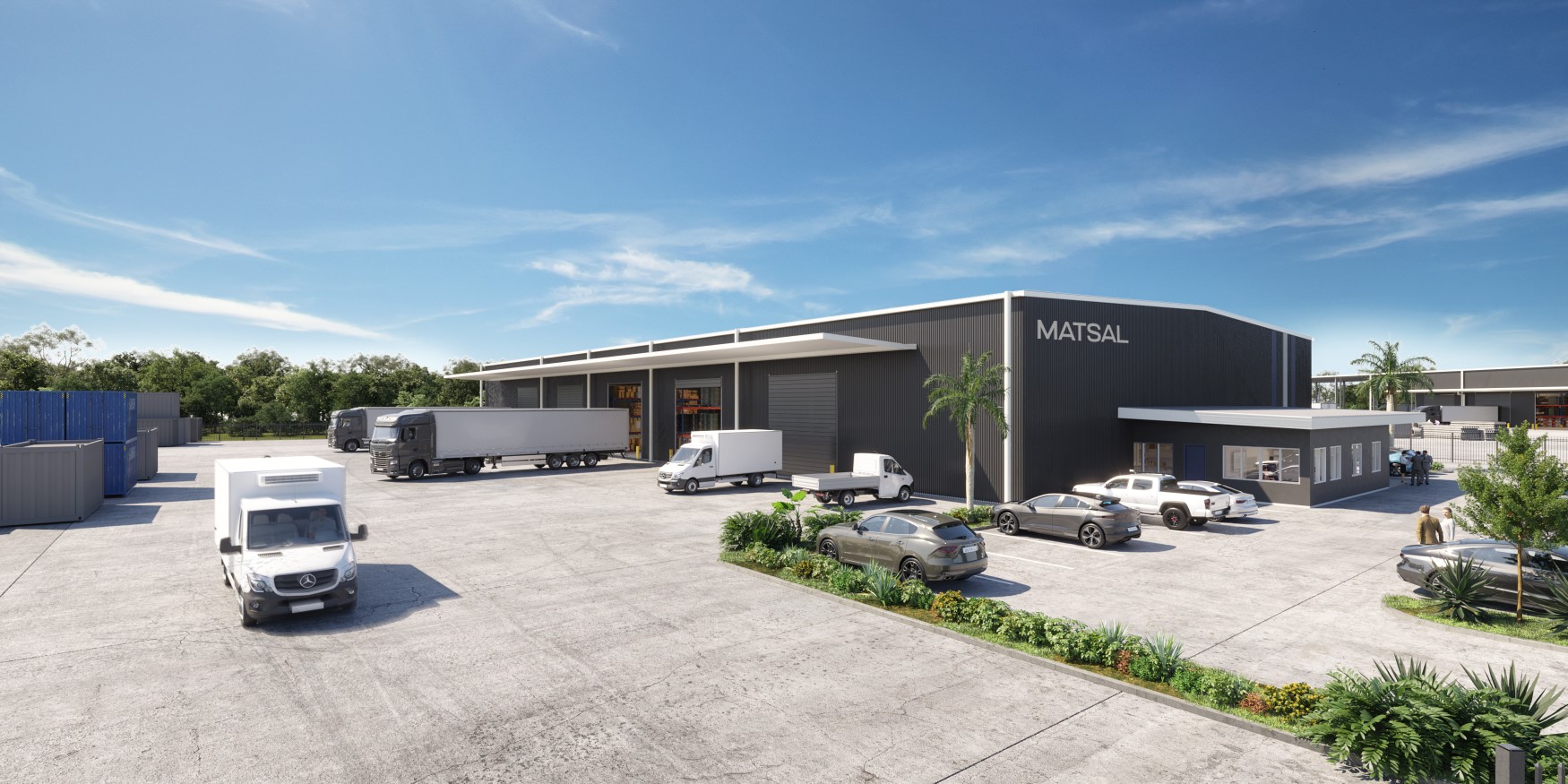
Commercial land is difficult to market well because the physical site often says very little about the commercial opportunity. The campaign has to convert an empty, partially serviced or future development site into a clear proposition that buyers, occupiers and investors can evaluate quickly. For the question “How Do I Market Commercial Land That Has No Buildings Yet?”, the useful answer is not a single tactic. It is a coordinated system that turns the development into something the market can understand, compare and act on.
The strongest campaigns combine commercial positioning, clear plans, accurate visualisation, current technical information, agent coordination and a deliberate pathway from first enquiry into due diligence or negotiation. The exact mix changes with the project, but the underlying job is the same: reduce uncertainty and make the property easier to evaluate before the market loses interest.
Vacant land requires more explanatory work than built product
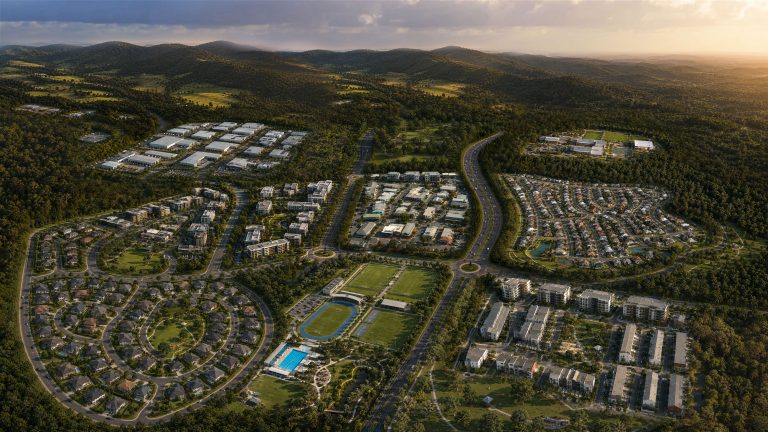
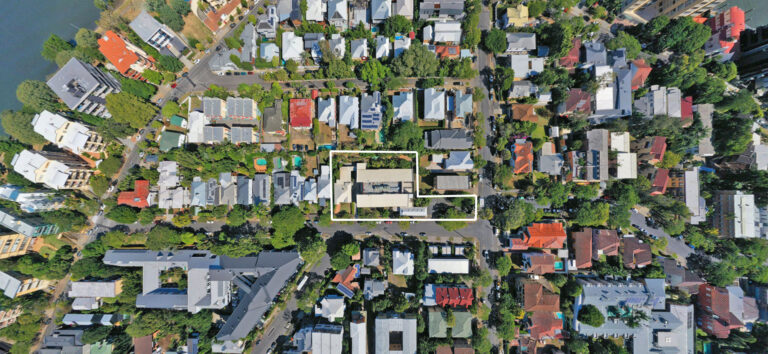
An empty site gives the prospect very little visual evidence of scale, circulation or eventual character. The campaign therefore needs stronger diagrams, overlays, concept massing and annotated aerials. The less the site explains for itself, the more deliberately the marketing needs to explain the opportunity.
In the context of “How Do I Market Commercial Land That Has No Buildings Yet?”, this matters because the campaign needs to support real commercial decisions rather than simply create visibility. The developer should be able to point to a current source for plans, areas, timing and commercial information, while the agent should be able to explain the opportunity without filling gaps from memory. That level of control improves the quality of enquiry and makes it easier to see whether objections are being caused by presentation, product, pricing or programme.
Do not confuse visualisation with approval
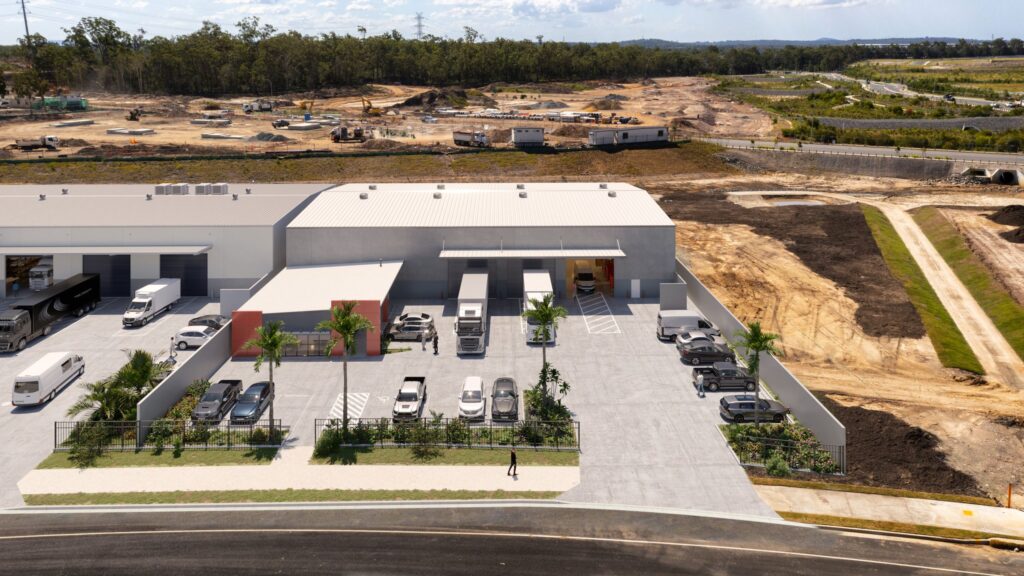
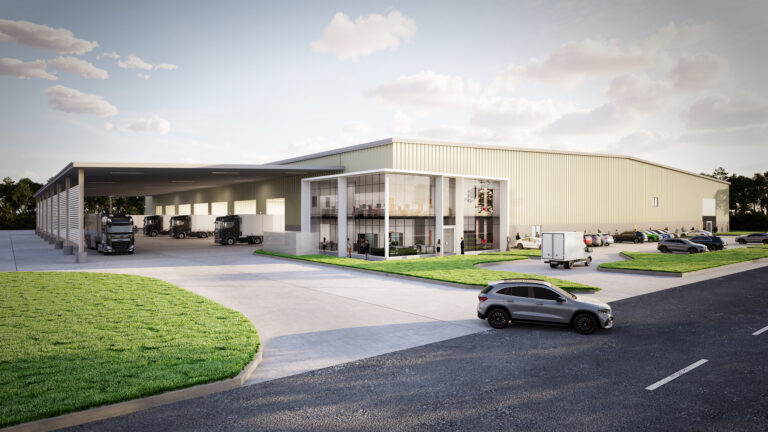
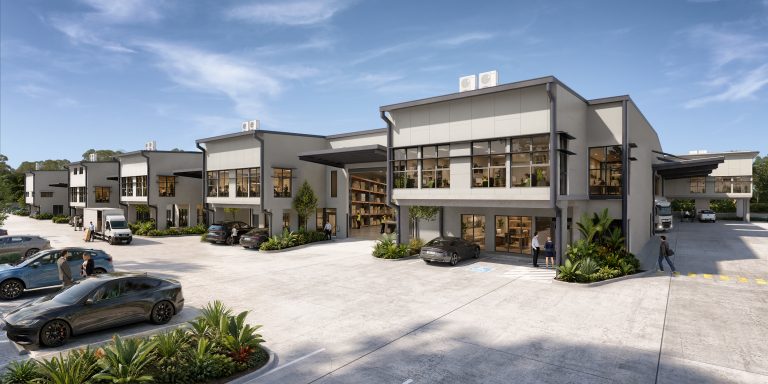
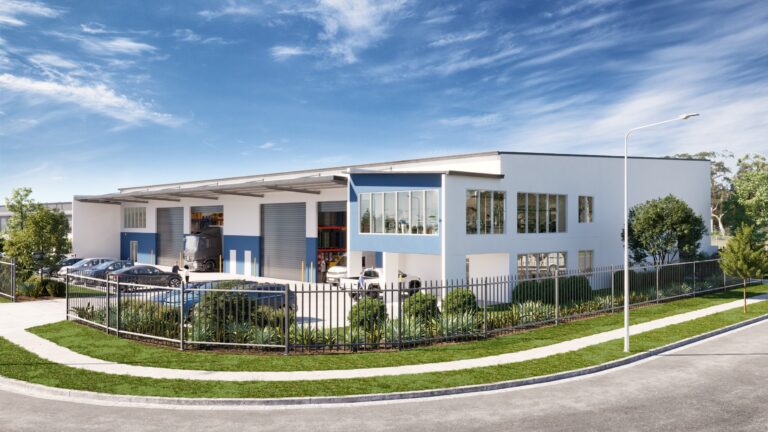
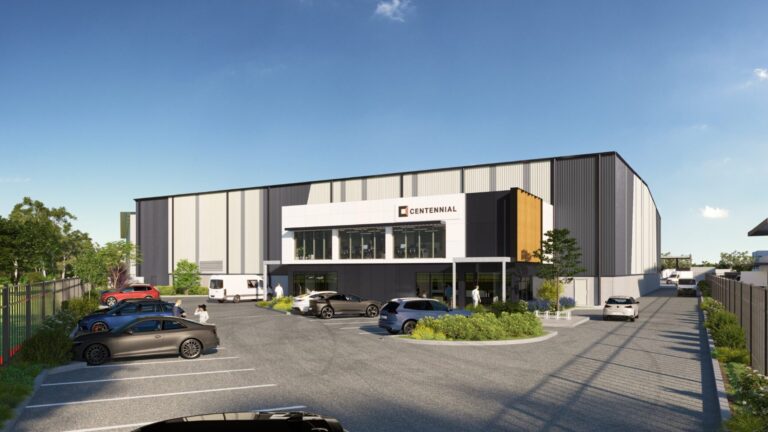
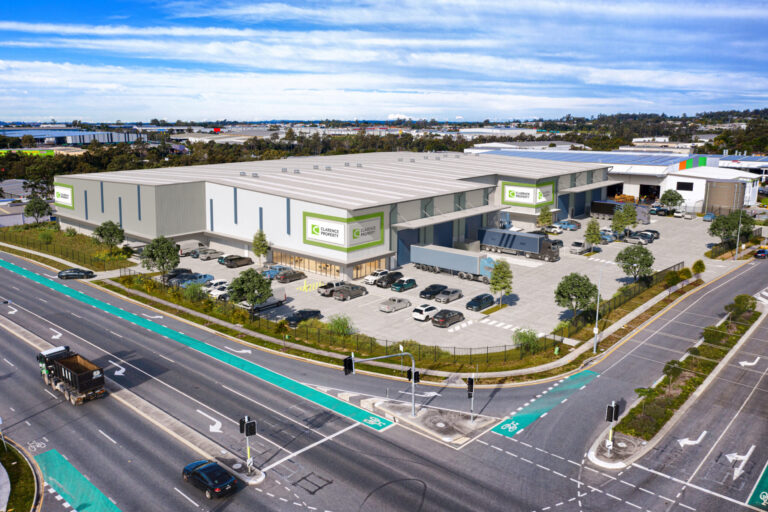
Indicative buildings and concept layouts should be labelled appropriately when they are not approved. Buyers can still understand potential without being misled. Clear distinction between approved, indicative and future elements protects credibility and makes due diligence cleaner.
In the context of “How Do I Market Commercial Land That Has No Buildings Yet?”, this matters because the campaign needs to support real commercial decisions rather than simply create visibility. The developer should be able to point to a current source for plans, areas, timing and commercial information, while the agent should be able to explain the opportunity without filling gaps from memory. That level of control improves the quality of enquiry and makes it easier to see whether objections are being caused by presentation, product, pricing or programme.
Explain the infrastructure that creates land value
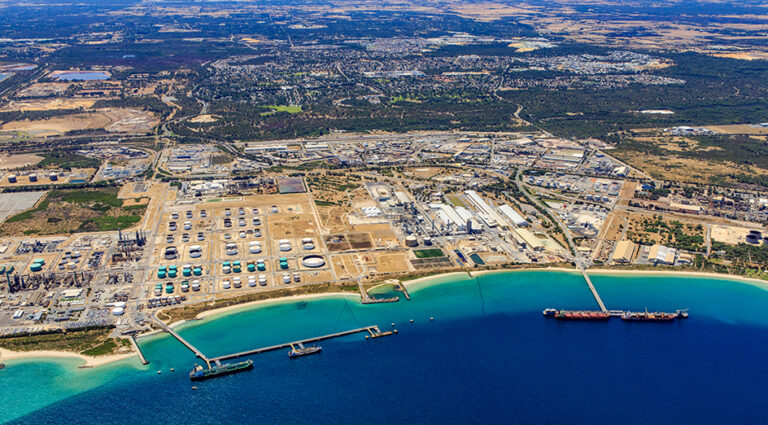
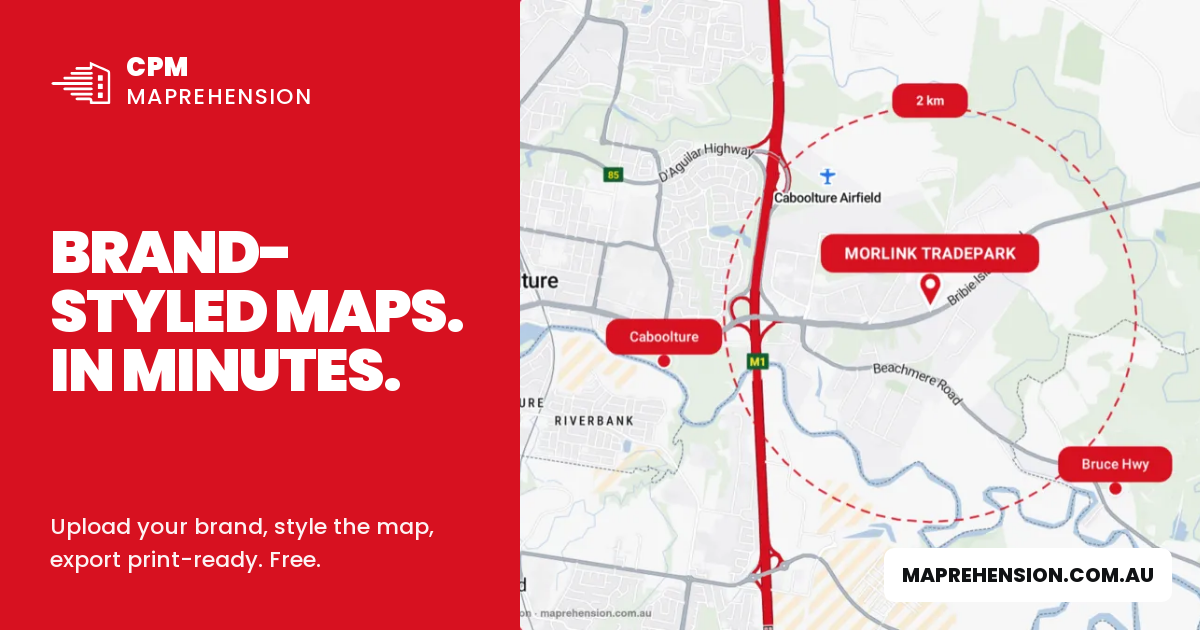
Industrial and commercial land buyers care about access, road hierarchy, B-double or heavy vehicle suitability where relevant, power, water, sewer, stormwater, telecommunications and delivery timing. Major road upgrades, interchanges, ports, airports and employment catchments may matter more than cosmetic site presentation. The campaign needs to connect those infrastructure facts to practical commercial outcomes.
In the context of “How Do I Market Commercial Land That Has No Buildings Yet?”, this matters because the campaign needs to support real commercial decisions rather than simply create visibility. The developer should be able to point to a current source for plans, areas, timing and commercial information, while the agent should be able to explain the opportunity without filling gaps from memory. That level of control improves the quality of enquiry and makes it easier to see whether objections are being caused by presentation, product, pricing or programme.
Do not hide constraints
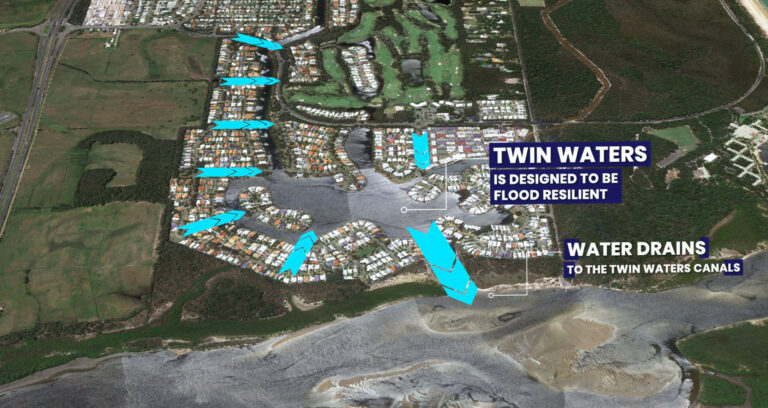
Flooding, easements, acoustic conditions, access restrictions, vegetation, contamination history, infrastructure corridors and planning overlays can all affect a site. Serious buyers will discover them. A campaign that acknowledges material constraints and frames them accurately builds more credibility than one that pretends the site is a blank sheet.
In the context of “How Do I Market Commercial Land That Has No Buildings Yet?”, this matters because the campaign needs to support real commercial decisions rather than simply create visibility. The developer should be able to point to a current source for plans, areas, timing and commercial information, while the agent should be able to explain the opportunity without filling gaps from memory. That level of control improves the quality of enquiry and makes it easier to see whether objections are being caused by presentation, product, pricing or programme.
Sell the development potential, not the grass
A vacant site rarely communicates its own value. The campaign needs to show what can happen on the land, who the likely users are, how access works, where the servicing sits and what the planning framework allows. That does not mean overstating yield or presenting an unapproved scheme as guaranteed. It means making the opportunity legible enough for the market to see beyond the current condition of the site.
In the context of “How Do I Market Commercial Land That Has No Buildings Yet?”, this matters because the campaign needs to support real commercial decisions rather than simply create visibility. The developer should be able to point to a current source for plans, areas, timing and commercial information, while the agent should be able to explain the opportunity without filling gaps from memory. That level of control improves the quality of enquiry and makes it easier to see whether objections are being caused by presentation, product, pricing or programme.
Photography and drone imagery still matter
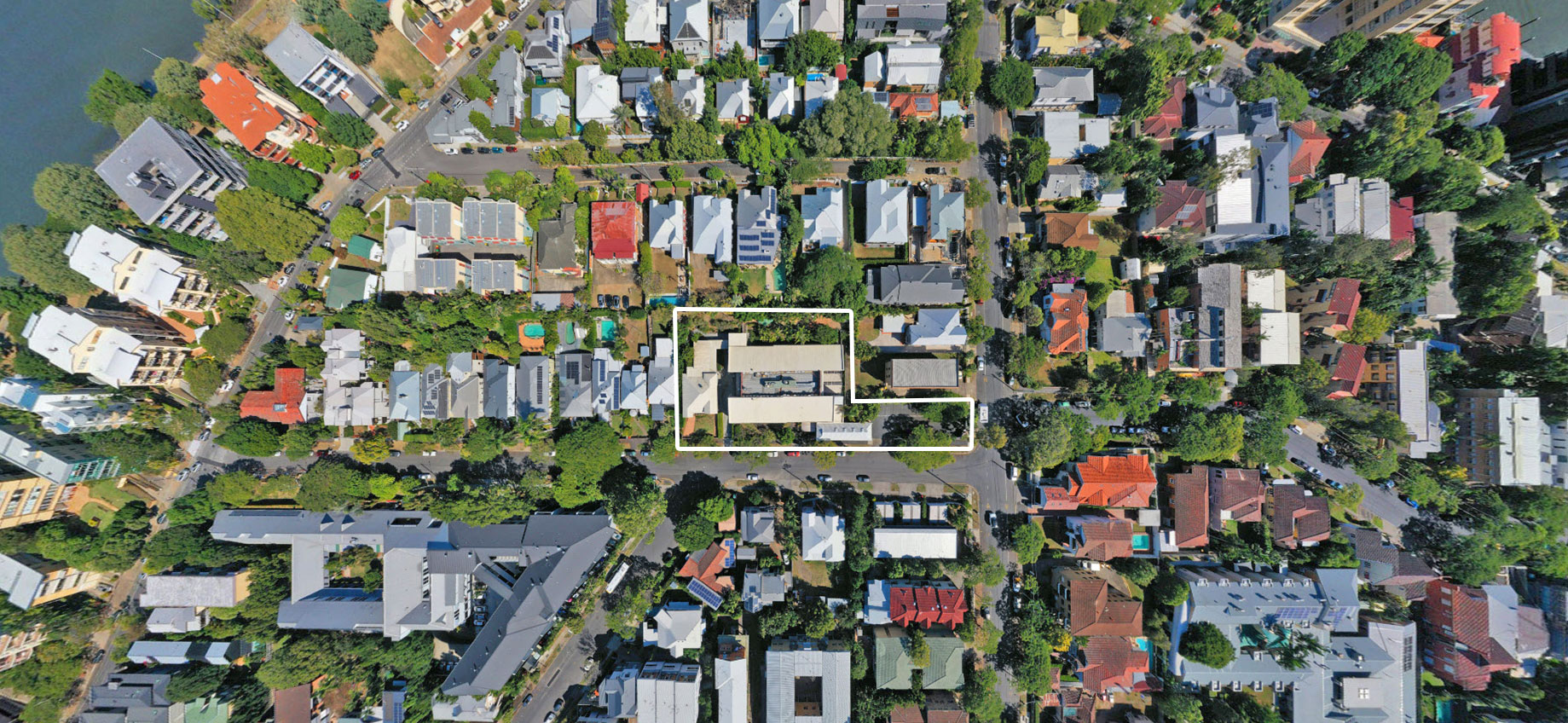
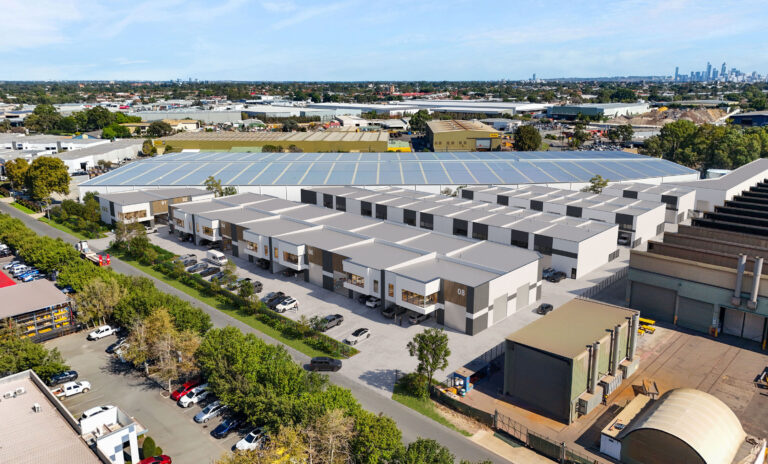
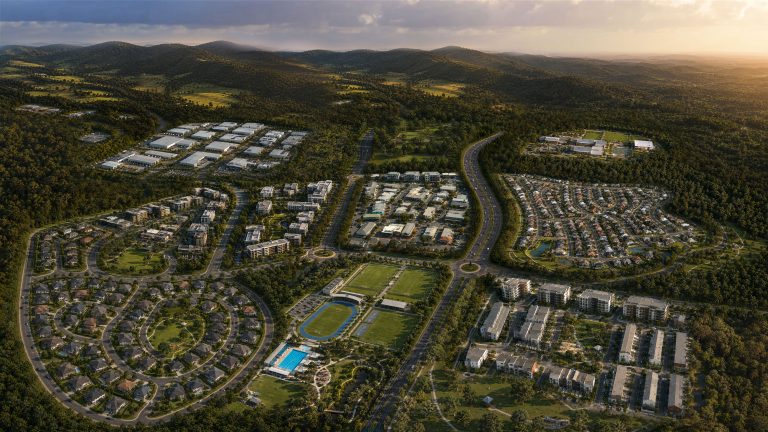
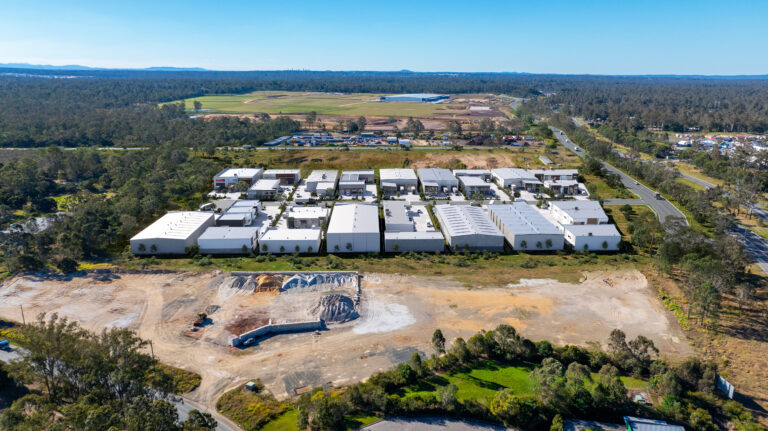
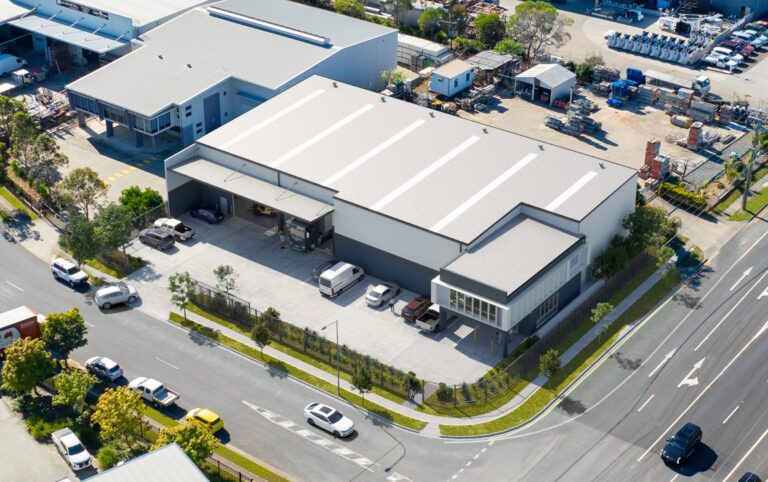
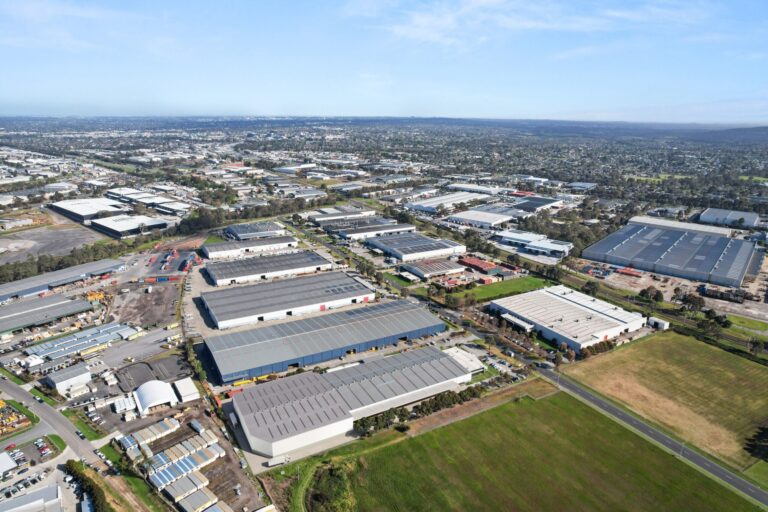
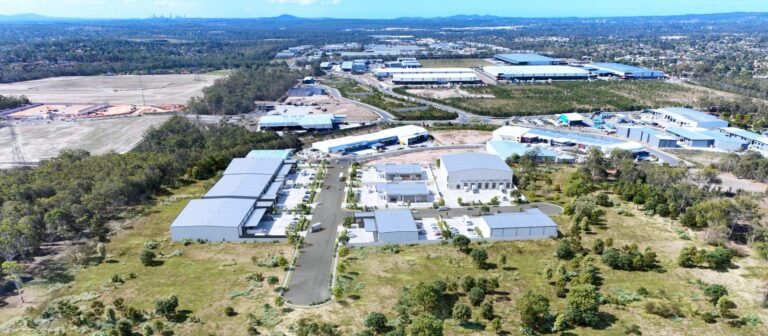
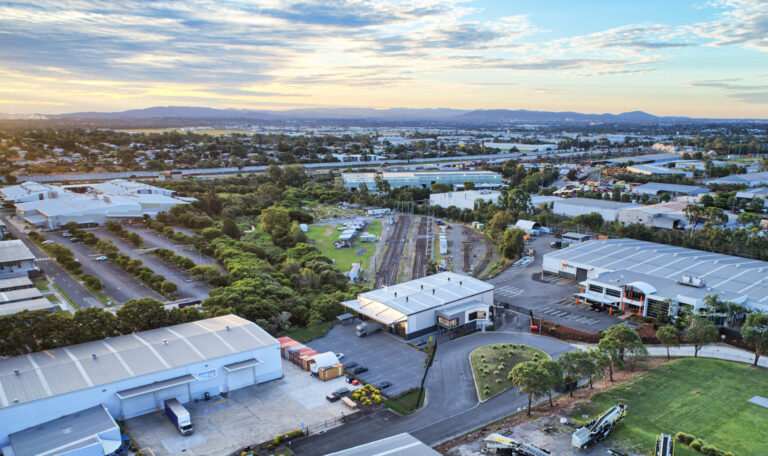
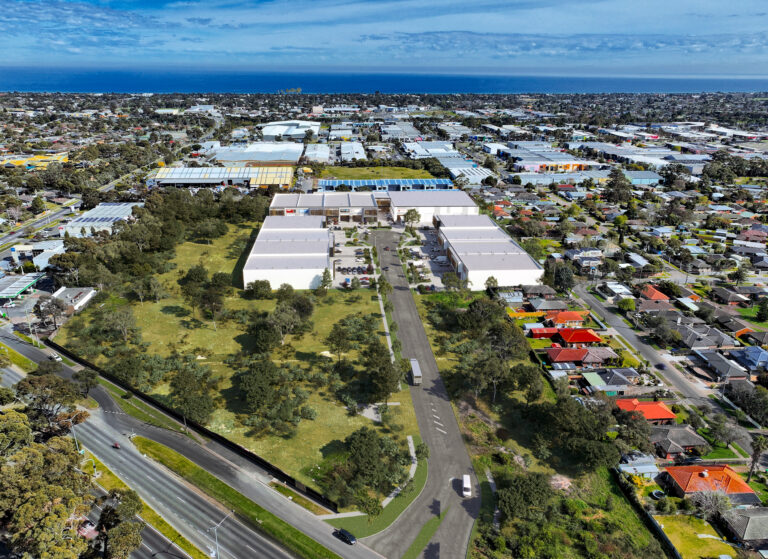
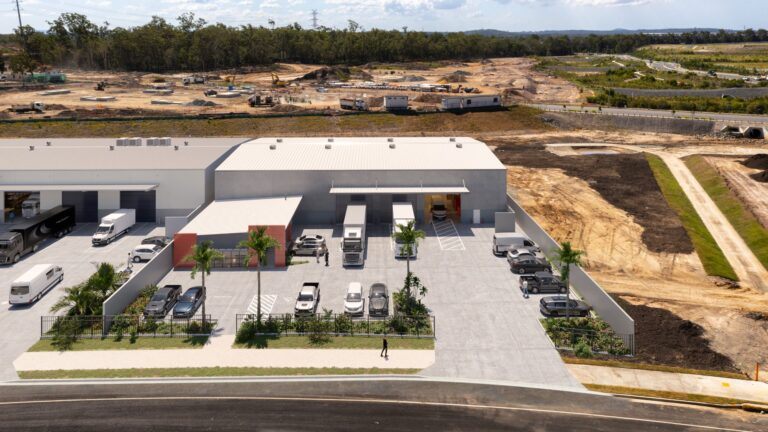
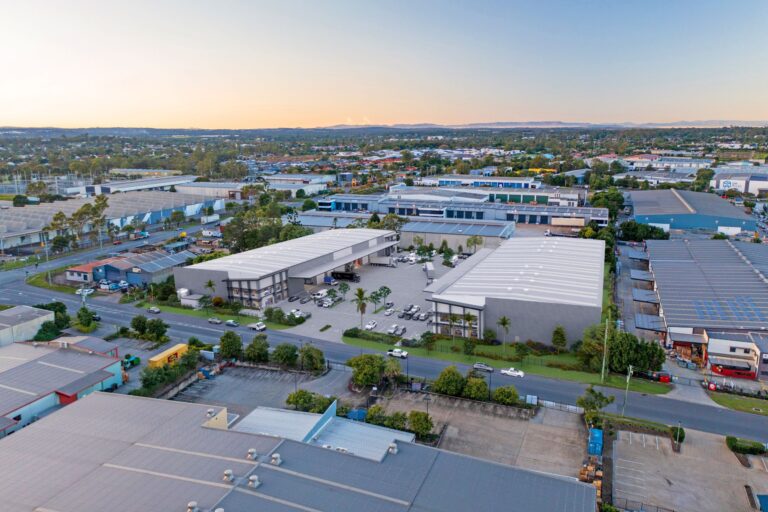
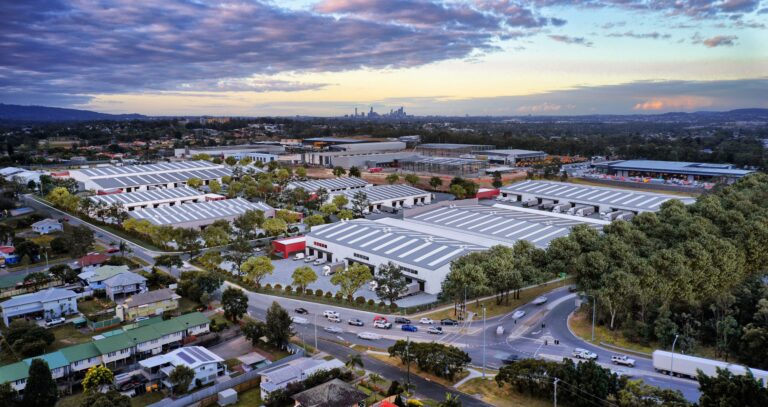
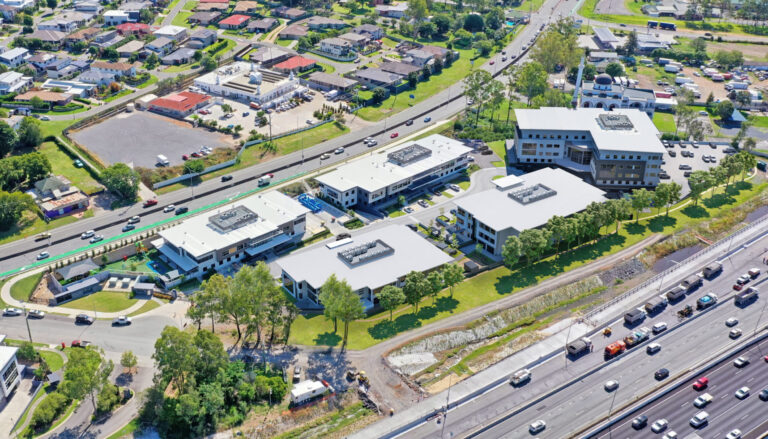
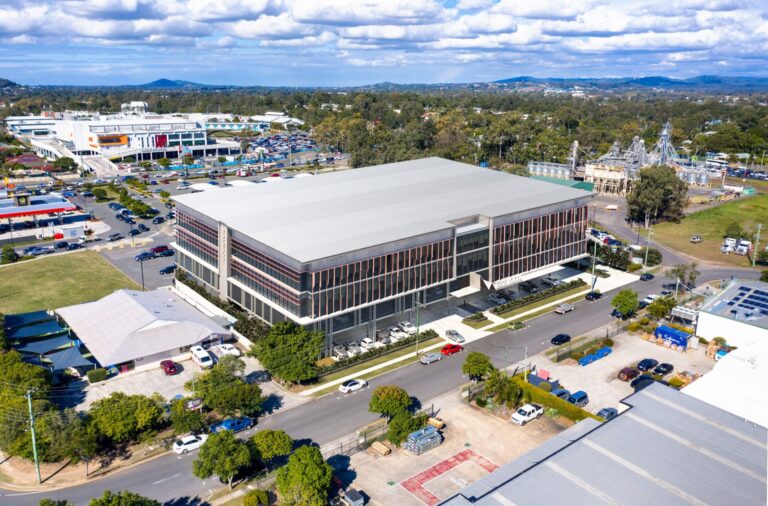
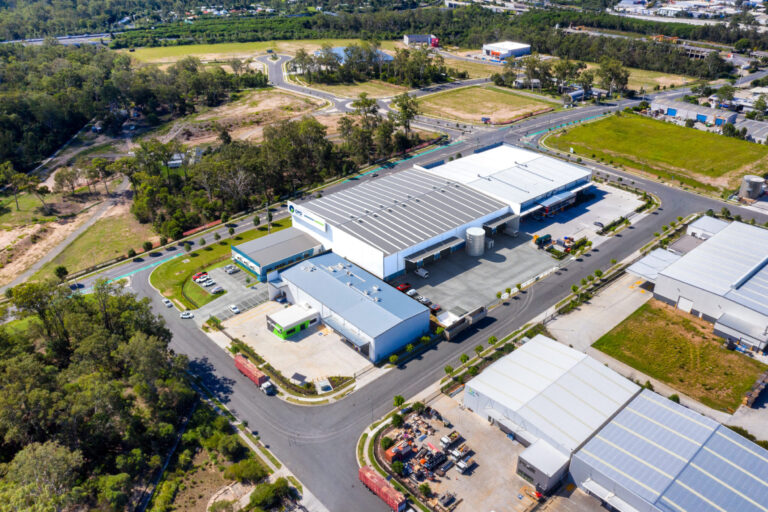
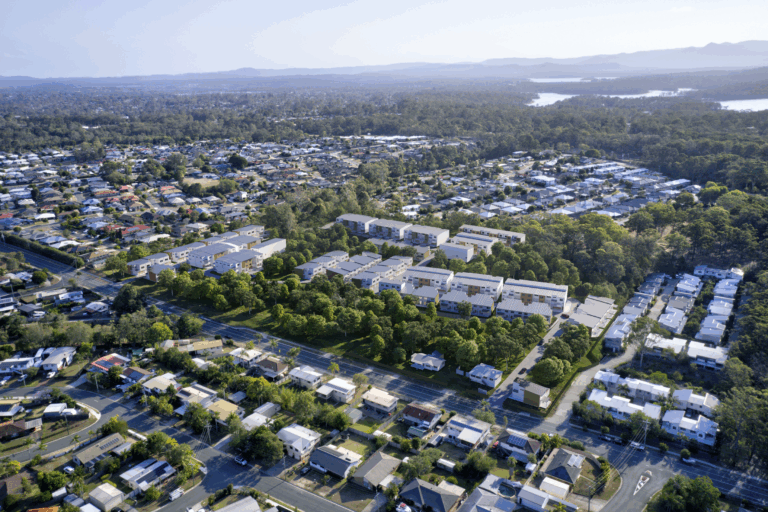
Even where CGI is doing much of the explanatory work, current site photography shows topography, adjoining development, road context, vegetation and visibility. Drone imagery is especially useful when the site's strategic position is part of the value proposition. It can then be annotated or combined with CGI to explain future outcomes.
In the context of “How Do I Market Commercial Land That Has No Buildings Yet?”, this matters because the campaign needs to support real commercial decisions rather than simply create visibility. The developer should be able to point to a current source for plans, areas, timing and commercial information, while the agent should be able to explain the opportunity without filling gaps from memory. That level of control improves the quality of enquiry and makes it easier to see whether objections are being caused by presentation, product, pricing or programme.
Price, terms and delivery can outweigh visual marketing
If the site is well presented but buyers are not moving, the issue may be asking price, settlement timing, deposit structure, servicing costs, title timing or development risk. Marketing should make those commercial variables easier to understand, but it cannot disguise a proposition that is materially out of line with the market.
In the context of “How Do I Market Commercial Land That Has No Buildings Yet?”, this matters because the campaign needs to support real commercial decisions rather than simply create visibility. The developer should be able to point to a current source for plans, areas, timing and commercial information, while the agent should be able to explain the opportunity without filling gaps from memory. That level of control improves the quality of enquiry and makes it easier to see whether objections are being caused by presentation, product, pricing or programme.
Different land buyers need different evidence
An owner-occupier wants to know whether its operation fits. A developer may focus on yield, planning risk, servicing and exit values. An investor may care about land scarcity and future demand. A national occupier may evaluate access, labour and network efficiency. The campaign should provide a common foundation while letting each audience find the information most relevant to its decision.
In the context of “How Do I Market Commercial Land That Has No Buildings Yet?”, this matters because the campaign needs to support real commercial decisions rather than simply create visibility. The developer should be able to point to a current source for plans, areas, timing and commercial information, while the agent should be able to explain the opportunity without filling gaps from memory. That level of control improves the quality of enquiry and makes it easier to see whether objections are being caused by presentation, product, pricing or programme.
Use scale references carefully
Land areas are difficult to visualise from numbers alone. Comparative footprints, potential building envelopes, indicative parking counts or truck circulation can help, provided they are clearly identified as indicative where appropriate. The objective is comprehension, not architectural commitment.
In the context of “How Do I Market Commercial Land That Has No Buildings Yet?”, this matters because the campaign needs to support real commercial decisions rather than simply create visibility. The developer should be able to point to a current source for plans, areas, timing and commercial information, while the agent should be able to explain the opportunity without filling gaps from memory. That level of control improves the quality of enquiry and makes it easier to see whether objections are being caused by presentation, product, pricing or programme.
A commercial masterplan is often the core sales asset
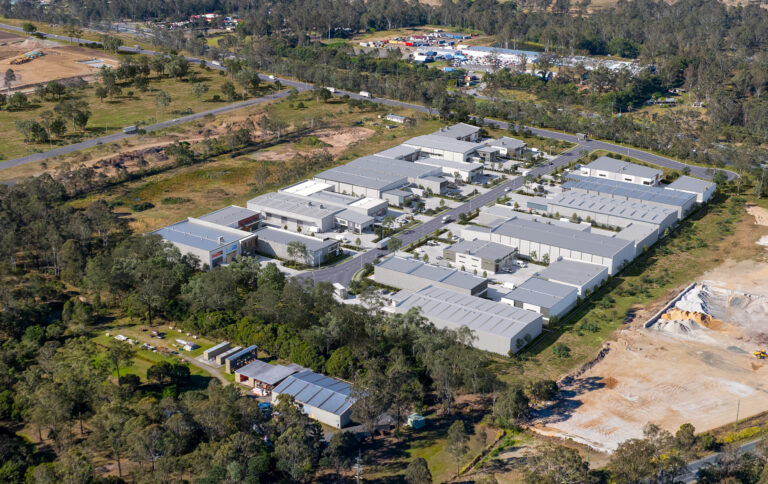
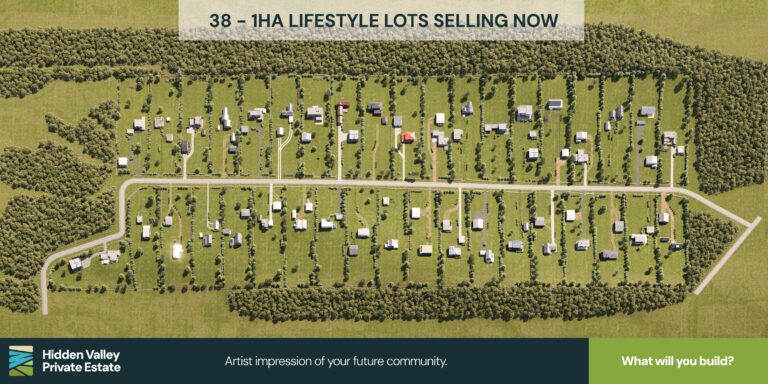
For land estates and subdivisions, the masterplan should show the whole proposition at a glance: lot boundaries, lot areas, roads, access points, staging, landscaping, adjoining uses, future infrastructure and the relationship to major transport routes. It should be simple enough for a buyer to understand in seconds but accurate enough that agents can use it in serious discussions.
In the context of “How Do I Market Commercial Land That Has No Buildings Yet?”, this matters because the campaign needs to support real commercial decisions rather than simply create visibility. The developer should be able to point to a current source for plans, areas, timing and commercial information, while the agent should be able to explain the opportunity without filling gaps from memory. That level of control improves the quality of enquiry and makes it easier to see whether objections are being caused by presentation, product, pricing or programme.
Planning status changes the entire campaign
Raw land, zoned land, DA-approved land, titled lots and serviced industrial lots are different products. The marketing needs to be explicit about which stage the property has reached and which risks remain with the buyer. A DA-approved site can lean heavily on the approved scheme, while a strategic site without approval should focus on permissible uses, scale, access and scenario-based potential rather than false certainty.
In the context of “How Do I Market Commercial Land That Has No Buildings Yet?”, this matters because the campaign needs to support real commercial decisions rather than simply create visibility. The developer should be able to point to a current source for plans, areas, timing and commercial information, while the agent should be able to explain the opportunity without filling gaps from memory. That level of control improves the quality of enquiry and makes it easier to see whether objections are being caused by presentation, product, pricing or programme.
Use visualisation to bridge the gap between site and outcome
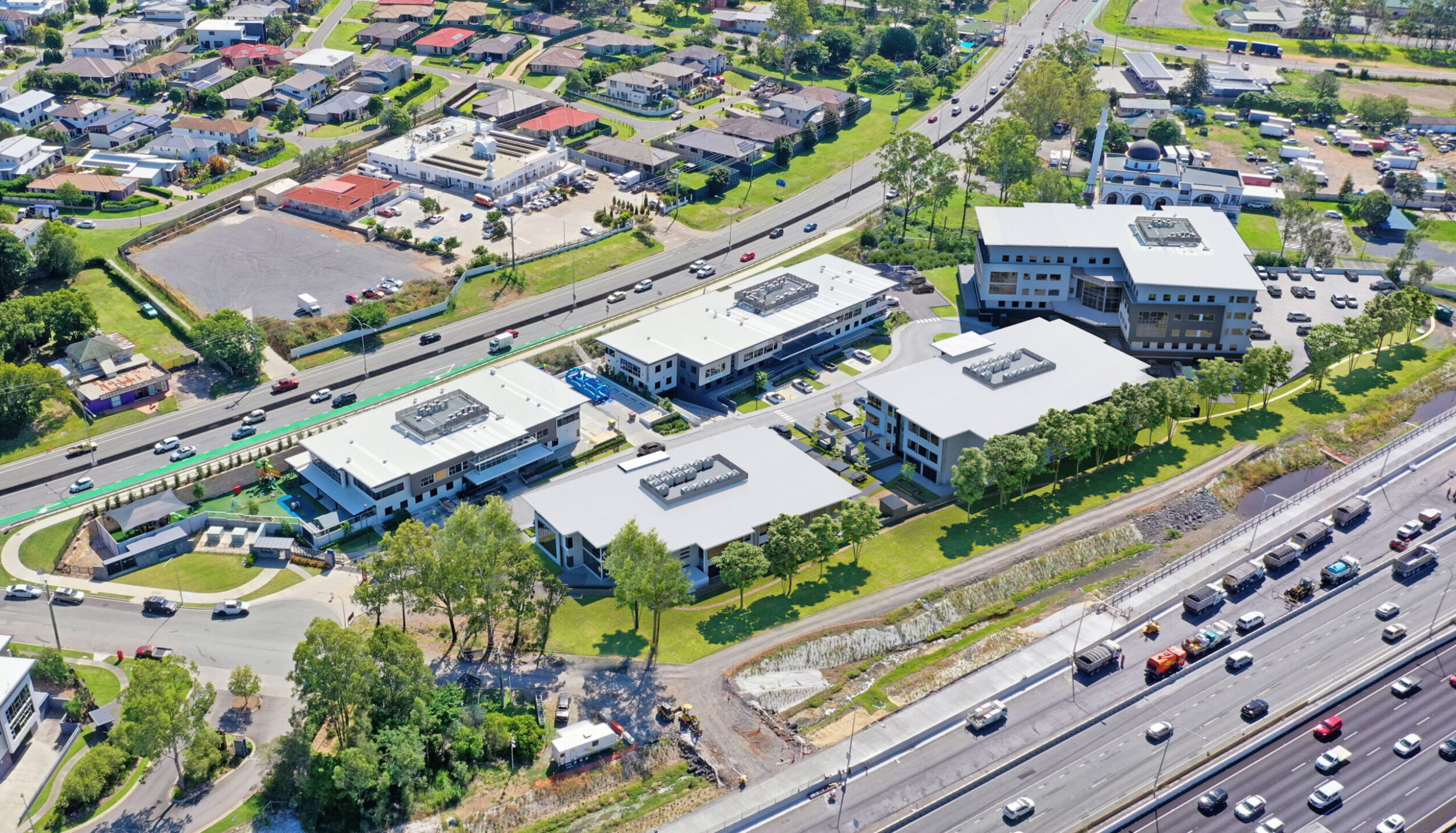
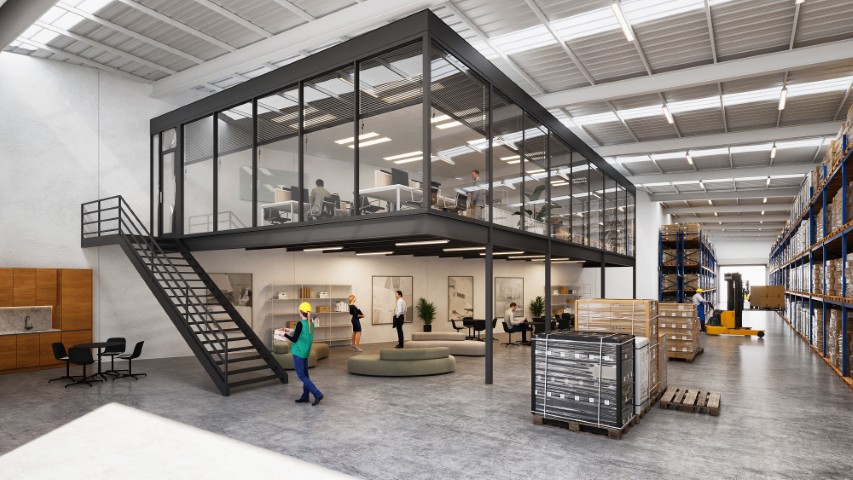
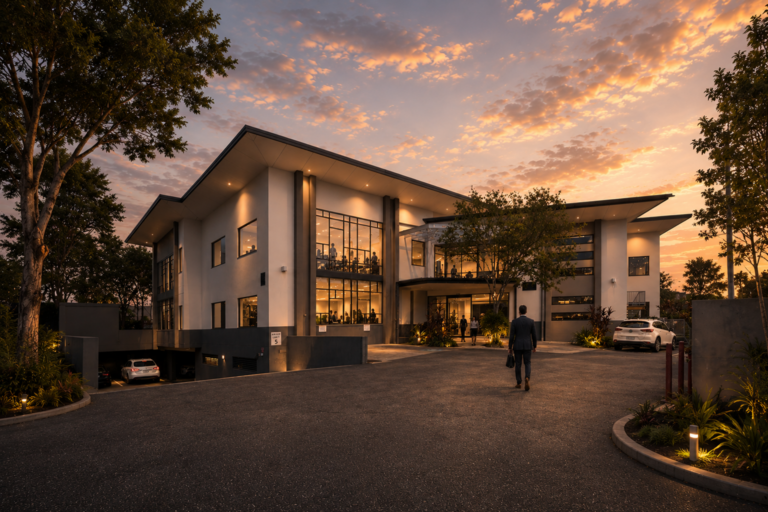
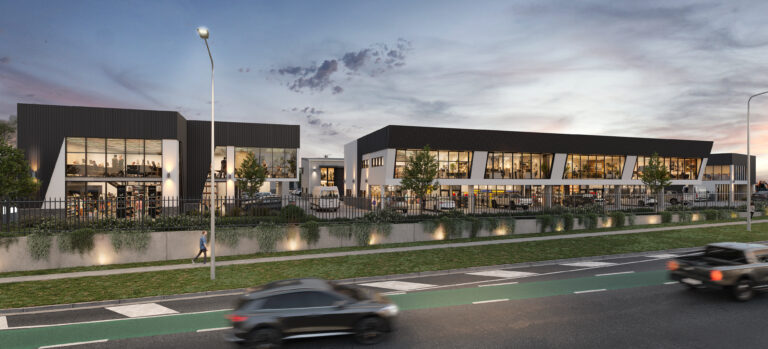
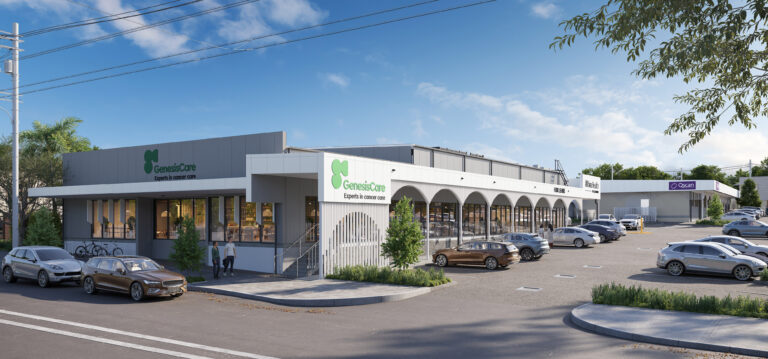
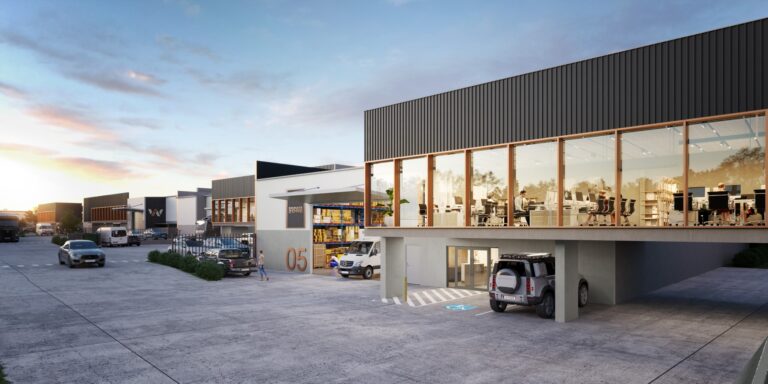
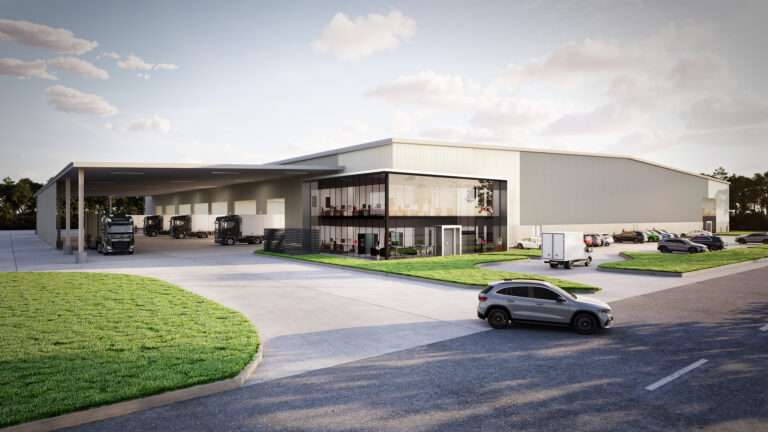
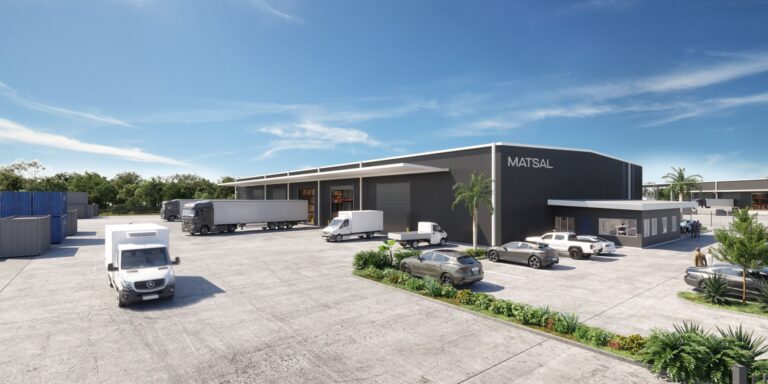
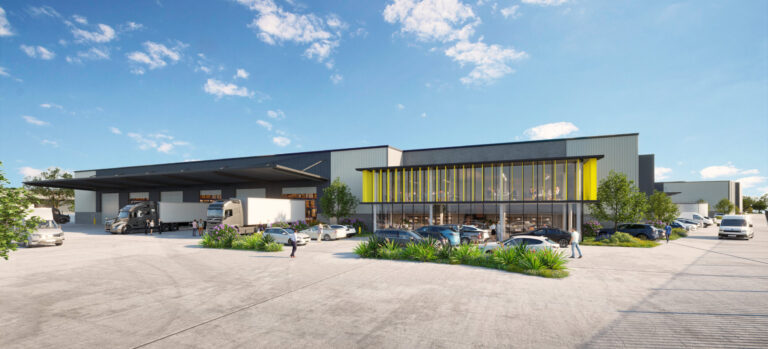
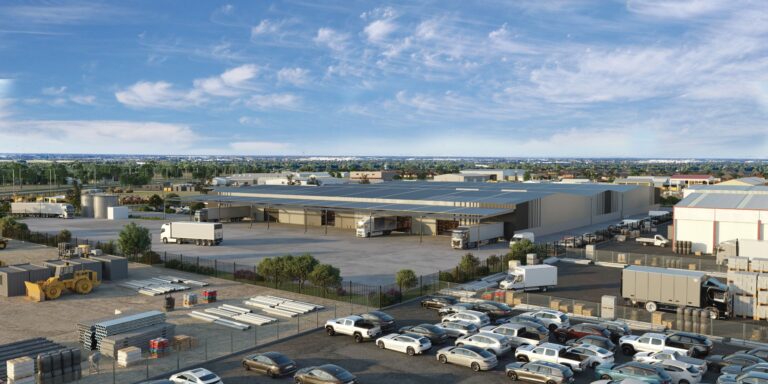
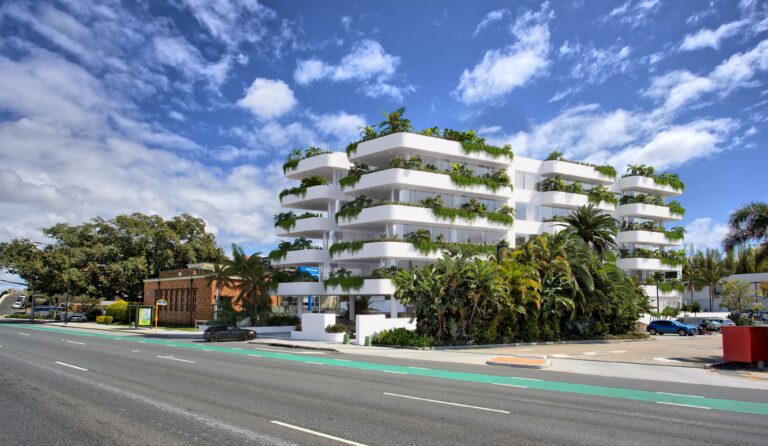
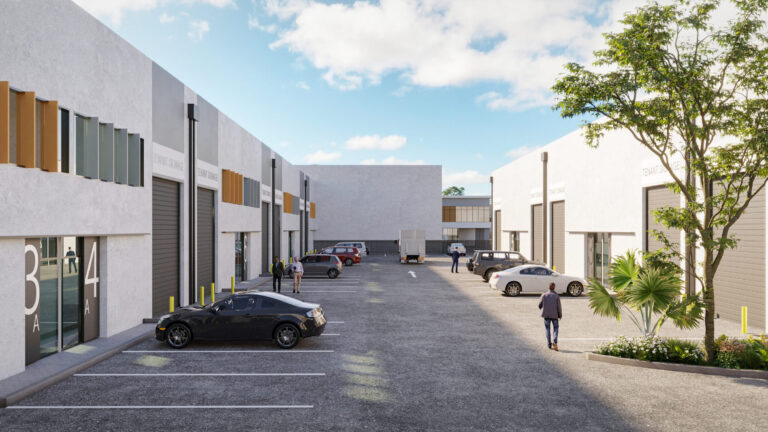
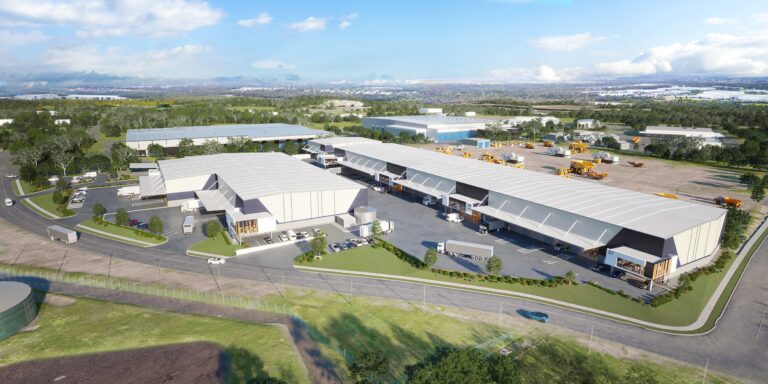
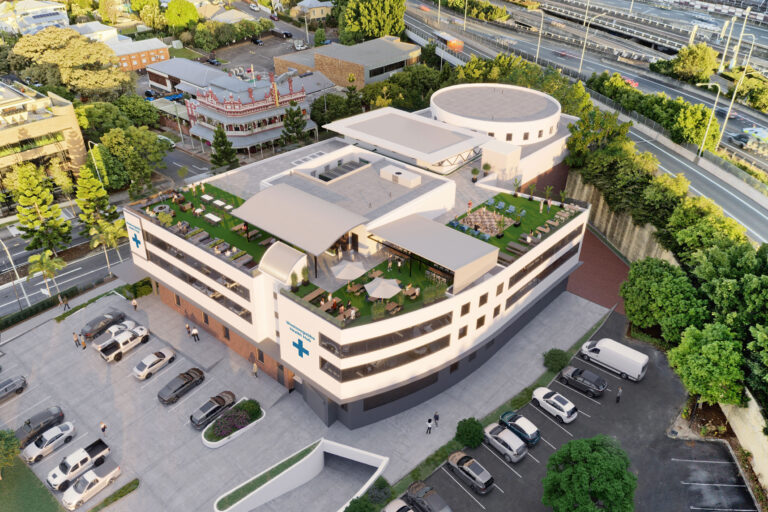
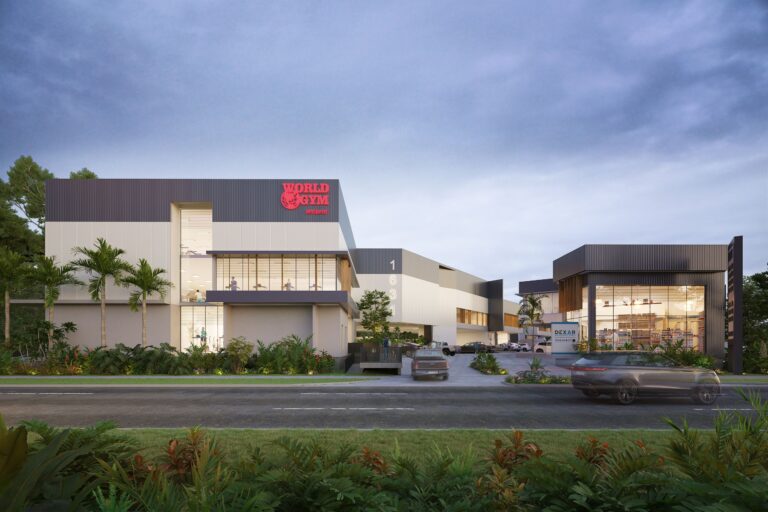
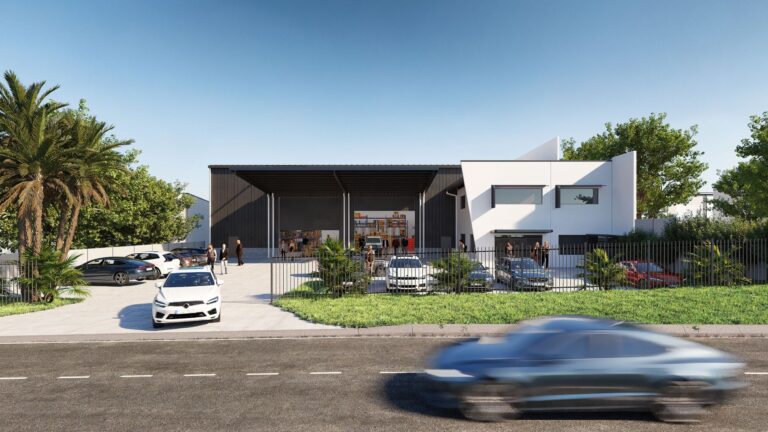
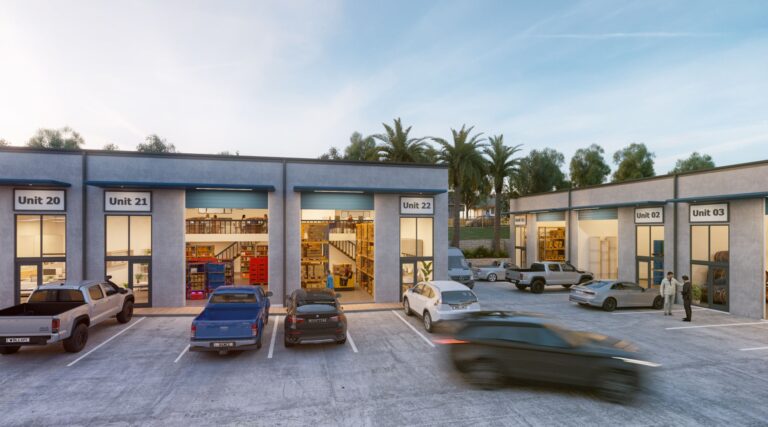
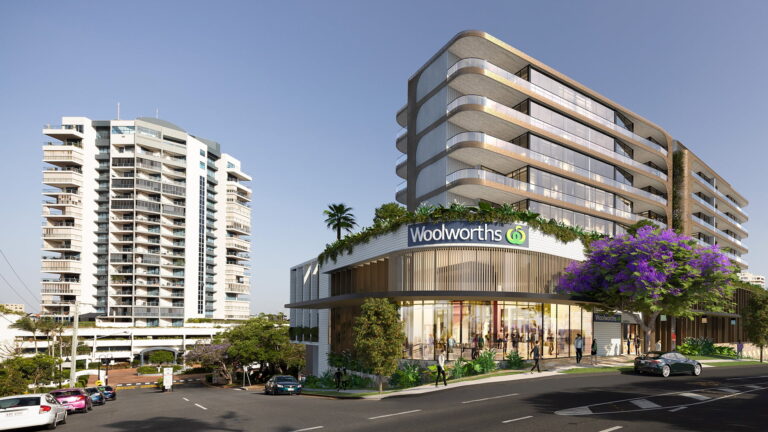
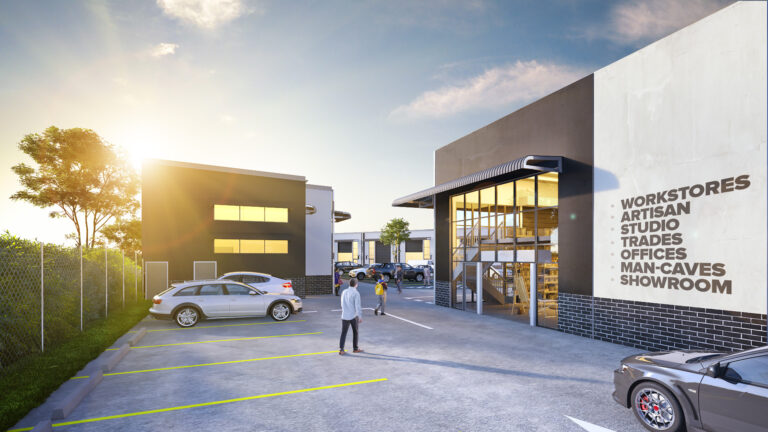
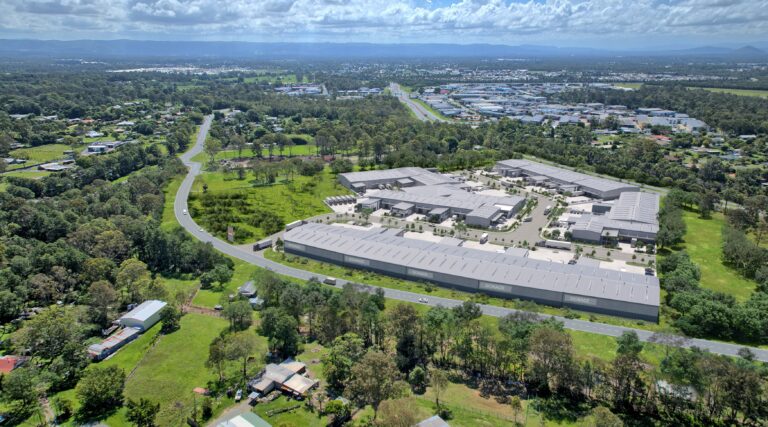
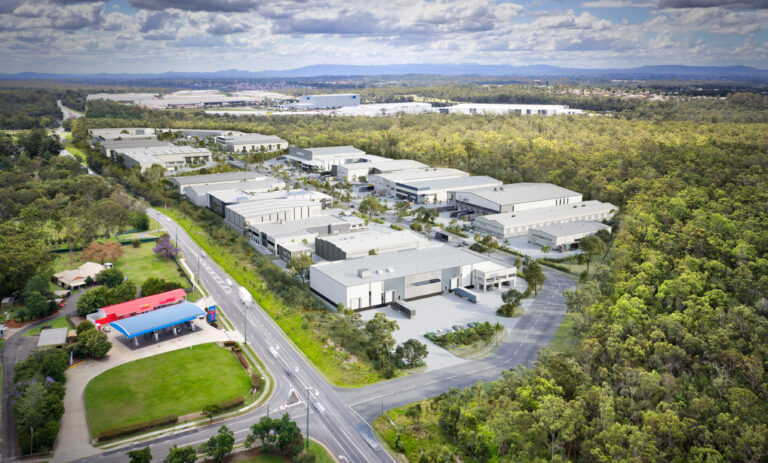
Aerial CGI, photomontage and concept massing can show how future buildings, roads and landscaping might occupy the site. The goal is not to create a fictional finished estate; it is to reduce the cognitive load required to understand scale and potential. The more abstract the current site, the more valuable visualisation becomes.
In the context of “How Do I Market Commercial Land That Has No Buildings Yet?”, this matters because the campaign needs to support real commercial decisions rather than simply create visibility. The developer should be able to point to a current source for plans, areas, timing and commercial information, while the agent should be able to explain the opportunity without filling gaps from memory. That level of control improves the quality of enquiry and makes it easier to see whether objections are being caused by presentation, product, pricing or programme.
Lot-by-lot information has to stay current
Once a subdivision begins to sell, availability changes quickly. Sold lots, under-offer lots, lot amalgamations and staging changes can make static brochures obsolete. Even without live availability, the developer needs a disciplined process for updating plans and agent packs so the market is not being sent old information.
In the context of “How Do I Market Commercial Land That Has No Buildings Yet?”, this matters because the campaign needs to support real commercial decisions rather than simply create visibility. The developer should be able to point to a current source for plans, areas, timing and commercial information, while the agent should be able to explain the opportunity without filling gaps from memory. That level of control improves the quality of enquiry and makes it easier to see whether objections are being caused by presentation, product, pricing or programme.
Commercial land campaigns need a clear next step
The buyer should know whether the next step is to request due diligence, review the contract, speak to the project agent, inspect the site, nominate a lot, discuss an amalgamation or explore a design-and-construct solution. Generic enquiry forms are weak when the sales process is more specific.
In the context of “How Do I Market Commercial Land That Has No Buildings Yet?”, this matters because the campaign needs to support real commercial decisions rather than simply create visibility. The developer should be able to point to a current source for plans, areas, timing and commercial information, while the agent should be able to explain the opportunity without filling gaps from memory. That level of control improves the quality of enquiry and makes it easier to see whether objections are being caused by presentation, product, pricing or programme.
Version control should be treated as a commercial discipline
Every live campaign asset should have an owner and a current version. When areas, staging, pricing, timing or specifications change, the project team should know which outputs need updating and in what order. This is particularly important when agents have downloaded old PDFs or saved plan packs locally. A change register and disciplined naming convention are simple controls that prevent the market receiving contradictory information.
In the context of “How Do I Market Commercial Land That Has No Buildings Yet?”, this matters because the campaign needs to support real commercial decisions rather than simply create visibility. The developer should be able to point to a current source for plans, areas, timing and commercial information, while the agent should be able to explain the opportunity without filling gaps from memory. That level of control improves the quality of enquiry and makes it easier to see whether objections are being caused by presentation, product, pricing or programme.
Use technical detail selectively, not defensively
Commercial buyers and tenants do not need every engineering note on the first screen, but they do need confidence that the detail exists. The best campaigns layer information: a clear first explanation, then plans and specifications, then due-diligence documentation. That structure keeps the campaign readable without becoming superficial.
In the context of “How Do I Market Commercial Land That Has No Buildings Yet?”, this matters because the campaign needs to support real commercial decisions rather than simply create visibility. The developer should be able to point to a current source for plans, areas, timing and commercial information, while the agent should be able to explain the opportunity without filling gaps from memory. That level of control improves the quality of enquiry and makes it easier to see whether objections are being caused by presentation, product, pricing or programme.
Make the campaign easy for agents to use in real conversations
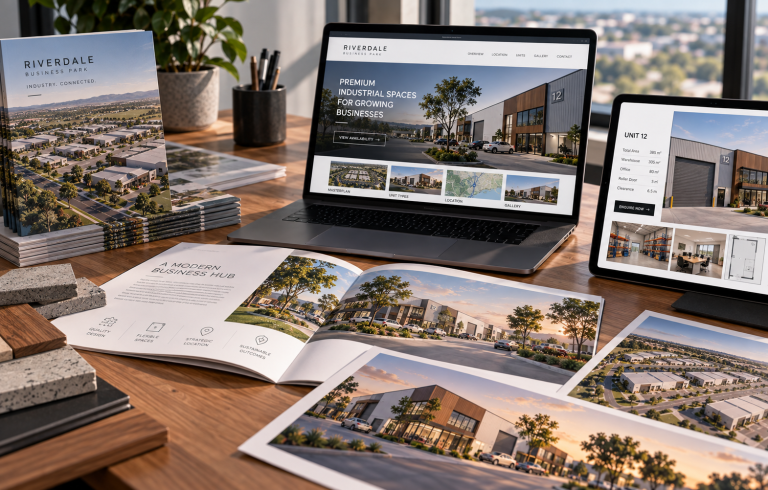
Agents work across calls, inspections, email, portals and face-to-face meetings. Material should therefore be easy to extract and forward. Clean individual plans, concise specification sheets, current availability schedules and clear CGI often perform better operationally than a single oversized brochure containing everything.
In the context of “How Do I Market Commercial Land That Has No Buildings Yet?”, this matters because the campaign needs to support real commercial decisions rather than simply create visibility. The developer should be able to point to a current source for plans, areas, timing and commercial information, while the agent should be able to explain the opportunity without filling gaps from memory. That level of control improves the quality of enquiry and makes it easier to see whether objections are being caused by presentation, product, pricing or programme.
Know when the problem is not marketing
If the project is well explained, well distributed and generating informed enquiry but transactions are not progressing, more creative production may not be the answer. The project may need a pricing change, revised product mix, different commercial terms, additional flexibility or a clearer delivery programme. A mature campaign system helps identify that distinction rather than automatically blaming lead volume.
In the context of “How Do I Market Commercial Land That Has No Buildings Yet?”, this matters because the campaign needs to support real commercial decisions rather than simply create visibility. The developer should be able to point to a current source for plans, areas, timing and commercial information, while the agent should be able to explain the opportunity without filling gaps from memory. That level of control improves the quality of enquiry and makes it easier to see whether objections are being caused by presentation, product, pricing or programme.
What this means for the development team
The marketing programme should be reviewed alongside design, approvals, pricing, construction and agency feedback. When those disciplines are disconnected, the campaign becomes reactive. When they are coordinated, the marketing becomes a practical part of the development process and can support better timing, clearer decisions and stronger market engagement.
For commercial land marketing, the practical standard is simple: the campaign should make the opportunity clearer as the project evolves, not more complicated. Commercial Property Marketing can coordinate the visualisation, masterplans, websites, IMs, branding and campaign assets around the same approved project information so the market, agents and development team are all working from one version of the story.
More commercial property marketing resources
Explore Commercial Property Marketing and Commercial Property Insights for related development marketing strategy, visualisation and project-launch material.