
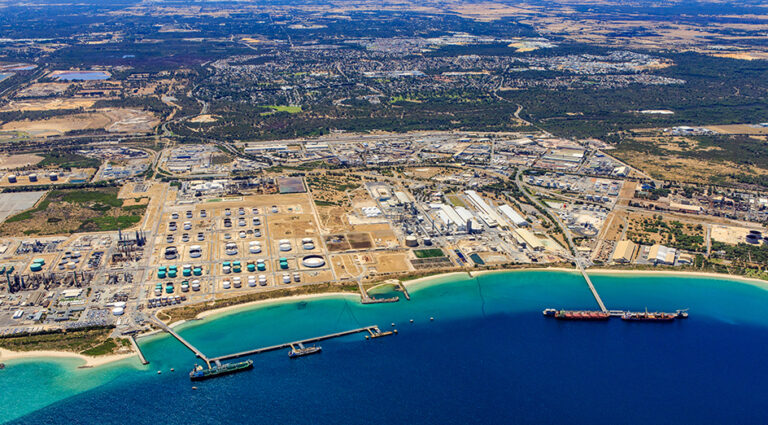




















Doyles on the Beach at 11 Marine Parade, Watsons Bay has been put on the market for the first time in its 141-year history. The Doyle family is offering the waterfront restaurant together with the adjoining 2 Cliff Street parcel, a combined freehold site of about 2,504 sqm with roughly 29 metres of frontage to Watsons Bay Beach. Price expectations of around $70 million have been reported.
HTL Property is running an international expressions of interest campaign. It is one of the rarest offerings Sydney's hospitality market has seen in years: a household-name venue, a strip of harbour beachfront and flexible tourist zoning, all in one parcel.
Doyles on the Beach sale at a glance
- Asset: Doyles on the Beach, Watsons Bay, plus adjoining land
- Addresses: 11 Marine Parade and 2 Cliff Street, Watsons Bay NSW 2030
- Site area: approximately 2,504 sqm of consolidated freehold land
- Beach frontage: about 29 metres to Watsons Bay Beach, with dual street frontages to Marine Parade and Cliff Street
- Improvements: the restaurant with indoor and alfresco dining, a fish and chip shop business and a separate residence
- Zoning: SP3 Tourist
- Price: reported hopes of around $70 million (no official guide published)
- Method: international expressions of interest, with the online listing showing a close of 4pm AEDT on Wednesday 25 November 2026
- Agents: HTL Property's Andrew Jolliffe and Dan Dragicevich
- Vendor: the Doyle family, owners and operators for five generations
141 years on Marine Parade
Doyles started trading on Marine Parade in 1885 and is widely described as the country's oldest continually operating fish and chip business. Over five generations the family has turned a small seafood stall into one of Sydney's best known places to eat, with a view across the harbour to the CBD skyline that has featured in countless tourist photos.
The brand reaches beyond the beachfront site. The family also runs Doyles Fishermans Wharf a short walk away in Watsons Bay and a venue at the Sydney Fish Market. The current campaign covers the Marine Parade and Cliff Street land only, so buyers are being asked to price the beachfront holding and its business on their own merits.
The decision to sell was made by the head of the family. The marketing material frames it as a generational moment for both the family and the suburb, given how closely the Doyles name is tied to Watsons Bay's visitor economy.
Why 11 Marine Parade Watsons Bay is so rare
Watsons Bay sits about 11 km east of the Sydney CBD at the mouth of the harbour, between Sydney Harbour National Park and the calm water of Camp Cove. The site is a short stroll from Watsons Bay Wharf, with ferries to Circular Quay and it overlooks Robertson Park.
Very little private land in Sydney sits directly on a harbour beach. Most of the foreshore around Watsons Bay is public reserve, national park or long-held residential property that rarely trades. A consolidated commercial parcel of more than 2,500 sqm with sand at the front door is close to unique. That scarcity is the central argument in the campaign. The agents point to the mix of a recognised destination, the underlying land value and zoning that leaves room for change.
The dual street frontages matter too. Access from both Marine Parade and Cliff Street gives a future owner more options for servicing, deliveries, guest arrival and staging any works, which is often the hardest part of operating or redeveloping a busy beachfront venue. The separate residence adds a further layer of flexibility, whether as staff or manager accommodation, a rental income stream or part of a larger scheme.
What a buyer is really paying for
The asset can be read three ways and the final price will depend on which reading wins.
A trading business. An established hospitality operator could buy Doyles as a going concern, keep the brand and lift the offer through refurbishment, better use of the alfresco areas or longer trading. The restaurant already draws locals, tourists and ferry day-trippers in large numbers.
A land bank. An investor could treat the site as long-term waterfront land, collecting income from the existing operation while it waits for the right moment to reposition.
A redevelopment play. The SP3 Tourist zone permits hospitality, residential, tourism and visitor accommodation uses, subject to approvals. In principle that opens the door to a boutique hotel, a refreshed dining precinct or a mix of uses. In practice any significant change at Watsons Bay would face close scrutiny from Woollahra Council and a community that is protective of its foreshore, so a buyer will need patience and a careful planning strategy.
HTL is marketing to both local and offshore buyers, which signals the agents expect interest from private wealth, family offices and hospitality groups rather than only listed funds.
The seller's view
For a family business, a first-ever sale after 141 years is about legacy as much as price. Selling the land and the beachfront business together lets the family present the full story: brand, heritage, trading history and real estate in one package. That usually broadens the buyer pool and supports a stronger result than offering the business on a lease or the land with vacant possession.
The timing also suits a seller. Sydney hospitality assets with a strong identity have been attracting deep interest from private buyers this year and trophy waterfront property is in permanently short supply.
How it compares with other Sydney waterfront deals
Harbourside hospitality property trades rarely, so there are few direct benchmarks. Markham paid LaSalle Investment Management $125.5 million for the King Street Wharf restaurant precinct at Darling Harbour, a much larger multi-tenant asset. In 2024 the heritage Campbell's Stores building at The Rocks, home to a row of harbourfront restaurants, was offered with expectations of around $80 million.
Against those, a reported $70 million for a single-operator site in Watsons Bay is a big number, reflecting the beach frontage, the brand and the scarcity of freehold land on the eastern harbour. It also lines up with a busy spring for HTL, which is running other named-venue campaigns closing in late November, including The Vine Hotel in Collingwood.
Buyers will also weigh operating costs that come with a site like this. Seasonal trade, weekend peaks driven by ferry timetables, coastal wear on buildings and the cost of maintaining a heritage-flavoured venue on the foreshore all feed into what a serious bidder can justify. The trophy premium is real, but it still has to sit on top of a credible trading or development case.
What it means for Sydney's hospitality property market
The Doyles campaign is a clear test of how much buyers will pay for irreplaceable hospitality real estate. If it sells near the reported figure, it will reinforce the view that brand plus land plus location now commands a premium well above traditional earnings-based pub and restaurant valuations.
It also highlights a broader pattern. Long-held family hospitality businesses across Sydney are reaching succession points and more of them are choosing to sell freehold and business together. For owners in that position, the way the asset is packaged and presented can move the result as much as the market itself.
Lessons for owners selling a landmark venue
- Lead with the story. Heritage, brand recognition and a clear founding date give buyers an emotional reason to compete, not just a spreadsheet.
- Spell out every pathway. Show the trading case, the land value case and the zoning upside separately so each buyer type can see its own angle.
- Consolidate where you can. Combining adjoining parcels, as here with 2 Cliff Street, creates a bigger and more flexible site that is worth more than the parts.
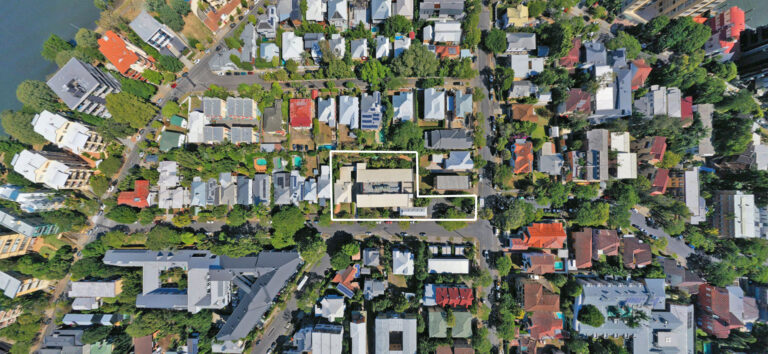
- Show the setting. For a waterfront asset, aerial imagery, frontage mapping and context plans of wharves, parks and transport do more work than words.
- Go wide. Rare assets justify an international campaign because the right buyer may not be in the local market.
What to watch next for Doyles Watsons Bay
Expressions of interest are due in late November, so the first signal will be how many serious parties emerge and whether they are operators planning to keep the Doyles name or investors eyeing the site's longer-term potential. Watch for whether the family continues to run the restaurant under any new owner, whether a buyer signals a refurbishment or hotel concept and how Woollahra Council and locals respond to any change on such a prominent stretch of Marine Parade.
Whatever the outcome, the sale of Doyles on the Beach will be a landmark Sydney transaction and a rare chance to put a price on one of the harbour's most famous addresses.