Darwin commercial and industrial property moved through September with a market that was active, but increasingly selective. Industrial remains the strongest part of the story, while the exact balance between owner-occupiers, investors, tenants and developers varies sharply between precincts.
This September 2026 update tracks industrial property, commercial transactions, leasing, land values, development activity, infrastructure and the projects likely to shape the next phase of the Darwin market.
Darwin commercial property market — September at a glance
The most useful way to read September is not through one headline number. The market is being shaped by a combination of tight industrial land, changing occupier choice, higher construction costs, infrastructure investment and a much wider gap between strong and compromised property.
- Darwin's commercial market remains small in transaction count but strategically important in industrial, logistics and energy-linked property.
- Berrimah and Winnellie continue to dominate established industrial supply, while East Arm and broader strategic land serve larger logistics and energy uses.
- Industrial demand is closely linked to defence, resources, construction and major infrastructure spending.
That means Darwin is not one market. Modern logistics, owner-occupier strata, infill industrial land, offices and development sites are all moving differently. The strongest opportunities are where the property solves a real operational problem and the underlying land remains difficult to replace.
Darwin industrial demand is being driven by a physical economy
Demand is being supported by defence, energy, resources, logistics and construction. Those occupiers do not simply need generic warehouse space. Many need particular combinations of access, power, hardstand, clearance, yard, office, parking and proximity to customers or freight infrastructure.
That makes building specification increasingly important. The wrong office ratio or poor truck movement can materially reduce the occupier pool even if the building is new.
- high-clearance warehousing
- B-double or heavy-vehicle access where relevant
- secure hardstand and yard
- three-phase or higher-capacity power
- efficient office-to-warehouse ratios
- sufficient staff and customer parking
- solar and EV-readiness
- clear signage and street presentation
Berrimah — what September says about this precinct
Berrimah remains an important part of the Darwin commercial and industrial market because of its location, existing business ecosystem and access to surrounding infrastructure.
For developers and owners, the important question is not simply whether demand exists. It is which users the precinct suits better than competing areas, and whether the building or land can meet those users’ operational requirements without expensive compromise.
Winnellie — what September says about this precinct
Winnellie remains an important part of the Darwin commercial and industrial market because of its location, existing business ecosystem and access to surrounding infrastructure.
For developers and owners, the important question is not simply whether demand exists. It is which users the precinct suits better than competing areas, and whether the building or land can meet those users’ operational requirements without expensive compromise.
East Arm — what September says about this precinct
East Arm remains an important part of the Darwin commercial and industrial market because of its location, existing business ecosystem and access to surrounding infrastructure.
For developers and owners, the important question is not simply whether demand exists. It is which users the precinct suits better than competing areas, and whether the building or land can meet those users’ operational requirements without expensive compromise.
Pinelands — what September says about this precinct
Pinelands remains an important part of the Darwin commercial and industrial market because of its location, existing business ecosystem and access to surrounding infrastructure.
For developers and owners, the important question is not simply whether demand exists. It is which users the precinct suits better than competing areas, and whether the building or land can meet those users’ operational requirements without expensive compromise.
Darwin CBD — what September says about this precinct
Darwin CBD remains an important part of the Darwin commercial and industrial market because of its location, existing business ecosystem and access to surrounding infrastructure.
For developers and owners, the important question is not simply whether demand exists. It is which users the precinct suits better than competing areas, and whether the building or land can meet those users’ operational requirements without expensive compromise.
14 Mel Road, Berrimah highlights September transaction activity
14 Mel Road, Berrimah was sold 11 september 2026 for $3 million. The property involved 1,283 sqm.
Freestanding industrial investment in one of Darwin's core industrial precincts. Transactions like this help show where the market is actually clearing rather than where asking campaigns are positioned.
As always with commercial property, simple price-per-square-metre comparisons can be misleading. Site coverage, office content, parking, yard, tenancy, lease expiry, building age and future redevelopment flexibility can materially change value.
24/119 Reichardt Road, Winnellie highlights September transaction activity
24/119 Reichardt Road, Winnellie was sold september 2026. The property involved Approx. 100 sqm.
Compact office/warehouse unit aimed at smaller owner-occupiers and investors. Transactions like this help show where the market is actually clearing rather than where asking campaigns are positioned.
As always with commercial property, simple price-per-square-metre comparisons can be misleading. Site coverage, office content, parking, yard, tenancy, lease expiry, building age and future redevelopment flexibility can materially change value.
Industrial property, Berrimah highlights September transaction activity
Industrial property, Berrimah was september 2026 activity. The property involved Industrial holding.
Continued demand for functional warehouse and yard product. Transactions like this help show where the market is actually clearing rather than where asking campaigns are positioned.
As always with commercial property, simple price-per-square-metre comparisons can be misleading. Site coverage, office content, parking, yard, tenancy, lease expiry, building age and future redevelopment flexibility can materially change value.
Bought & Sold — Darwin industrial and commercial property
September produced a useful spread of transactions across the Darwin market. The details below are less important as isolated sales than as evidence of where buyers are prepared to commit capital.
14 Mel Road, Berrimah
- Sold 11 September 2026 for $3 million
- 1,283 sqm
- Freestanding industrial investment in one of Darwin's core industrial precincts.
24/119 Reichardt Road, Winnellie
- Sold September 2026
- Approx. 100 sqm
- Compact office/warehouse unit aimed at smaller owner-occupiers and investors.
Industrial property, Berrimah
- September 2026 activity
- Industrial holding
- Continued demand for functional warehouse and yard product.
Owner-occupiers are still shaping industrial values
Owner-occupiers remain one of the most important sources of demand in the Darwin industrial market. These buyers do not necessarily value property in the same way as passive investors.
For a profitable operating business, property ownership can provide operational security, control over future alterations, protection from rental escalation, balance-sheet growth and long-term succession value.
- operational security
- control over fitout and building improvements
- protection from future rent increases
- long-term capital growth
- retirement and succession planning
- ability to customise power, loading and yard requirements
That is one reason smaller industrial units and well-located freestanding buildings can continue to transact strongly even when broader investment-market yields soften.
Industrial land scarcity remains more important than headline vacancy
Darwin may have land zoned for employment, but that is not the same thing as having development-ready industrial land. Usable industrial land requires roads, utilities, power, drainage, approvals, subdivision, titles and enough certainty for a business to actually occupy it.
That process can take years. Established industrial sites therefore gain value not simply because of the existing building, but because they already sit inside functioning business areas with access, services and surrounding infrastructure.
- zoning
- roads and freight access
- power capacity
- water and sewer
- stormwater and drainage
- environmental approvals
- subdivision and titles
- servicing and delivery timing
Power and servicing are becoming more valuable industrial attributes
Future industrial demand is becoming more energy intensive. Automation, cold storage, advanced manufacturing, electrified vehicle fleets, data processing and specialist equipment all increase the importance of reliable electrical capacity.
Developers that can demonstrate real power availability rather than generic ‘three-phase power’ language will increasingly have an advantage when targeting higher-value occupiers.
Modern industrial estates are becoming more sophisticated
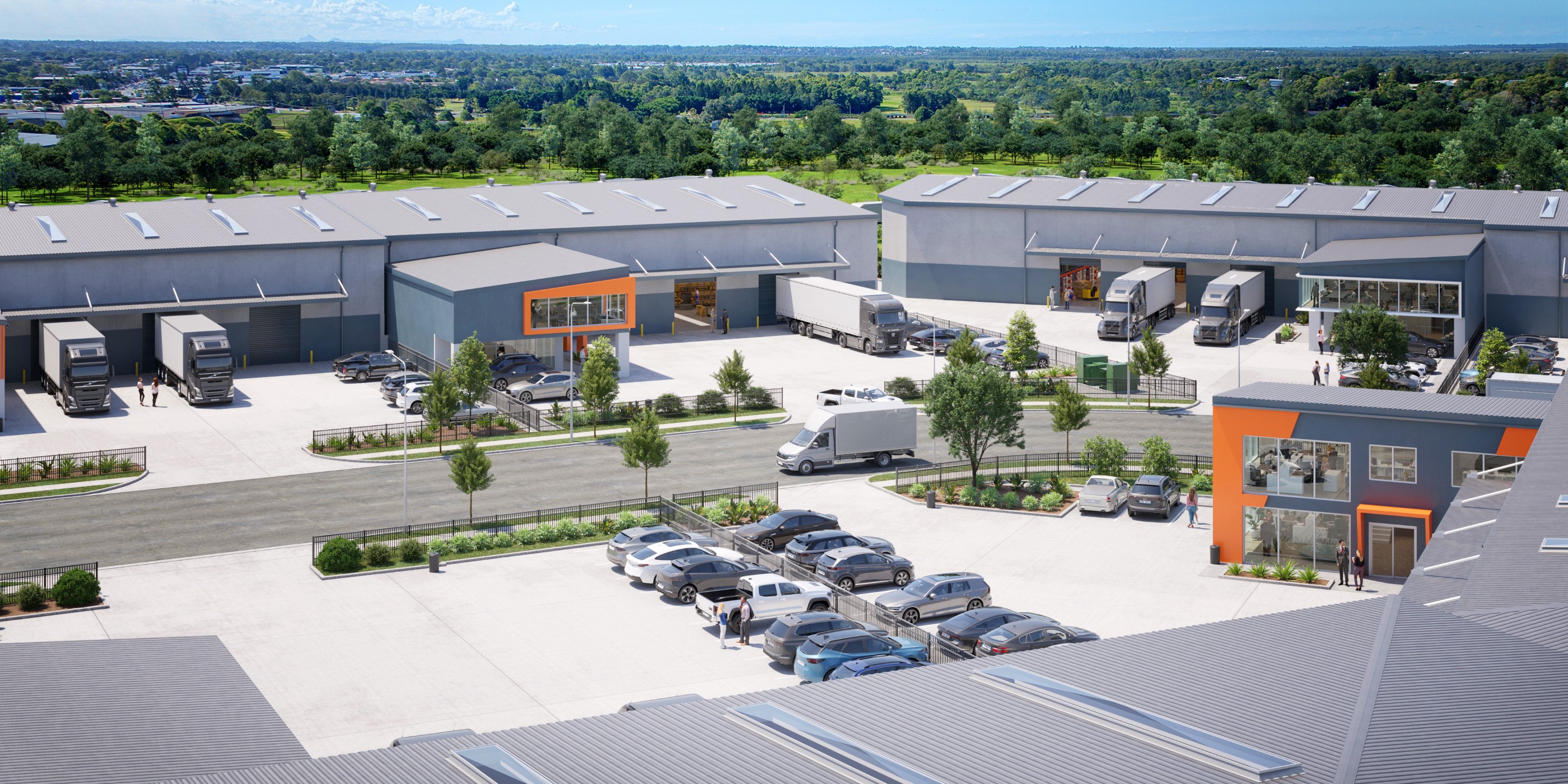
Industrial property is no longer competing only on rent and warehouse area. New estates are increasingly being judged on presentation, labour amenity, sustainability, circulation and how well they support the tenant’s business.
- higher clearances
- better landscaping
- secure access
- separate truck and car circulation
- dedicated parking
- solar
- EV charging capacity
- better employee facilities
- higher power capability
- clearer wayfinding and estate branding
This matters because industrial employers are also competing for staff. A business park that is easier to access, safer to move around and better presented can have an operational advantage beyond the rent itself.
Development Applications, Approvals & Projects Progressing Through Planning
September’s project pipeline is important because today’s approvals and infrastructure decisions become tomorrow’s industrial supply, commercial land and leasing competition.
East Arm
Port, logistics, fuel, resources and defence activity continue to give East Arm strategic significance beyond the size of the local population.
Berrimah
The precinct remains a preferred location for mainstream industrial users because of central access and an established building base.
Energy investment
Planning around large-scale energy and carbon-management projects continues to reinforce long-term industrial demand around Darwin.
Darwin infrastructure is reshaping industrial value
The most important infrastructure influencing the market includes Port of Darwin, East Arm Wharf, Darwin International Airport, Stuart Highway and defence infrastructure. Industrial property follows freight, labour and customers, so transport investment can change the strategic value of land well before every road or project is complete.
The key issue is not simply proximity on a map. It is whether the infrastructure materially improves truck movement, delivery time, labour access or the ability to reach customers.
The development pipeline needs to be read carefully
A large theoretical pipeline does not automatically mean a flood of completed supply. Projects can sit in planning, redesign, pre-leasing or finance for long periods.
Developers should separate projects that are genuinely under construction from those that are merely approved or announced. That distinction matters when assessing future vacancy, rent competition and whether a new project is likely to hit the market at the same time.
- under construction
- plans approved
- plans submitted
- pre-committed
- speculative
- subject to finance
- staged or deferred
Investment demand is becoming more selective
Industrial investment remains attractive, but buyers are underwriting income more carefully. Lease length, tenant covenant, incentives, rent review structure, capex exposure and reletting risk all matter.
Properties with broad future occupier appeal tend to be easier to underwrite than highly specialised buildings that rely on one tenant profile. That makes functional design a form of investment protection.
Industrial rents, incentives and effective rent
Face rent alone does not tell the full leasing story. Incentives, fitout contributions, rent-free periods, landlord works and make-good obligations can materially change the effective commercial position.
Developers and landlords should therefore compare effective outcomes rather than rely only on headline rent growth. Occupiers increasingly understand the difference and negotiate around total occupancy cost.
What is happening in the office market?
Darwin office demand is more limited and project-driven than industrial demand, with government and major project activity playing an outsized role.
That divergence matters because a city can simultaneously have a strong industrial market and a much softer office market. Broad ‘commercial property’ headlines can therefore be misleading without sector context.
Smaller industrial strata should remain highly liquid
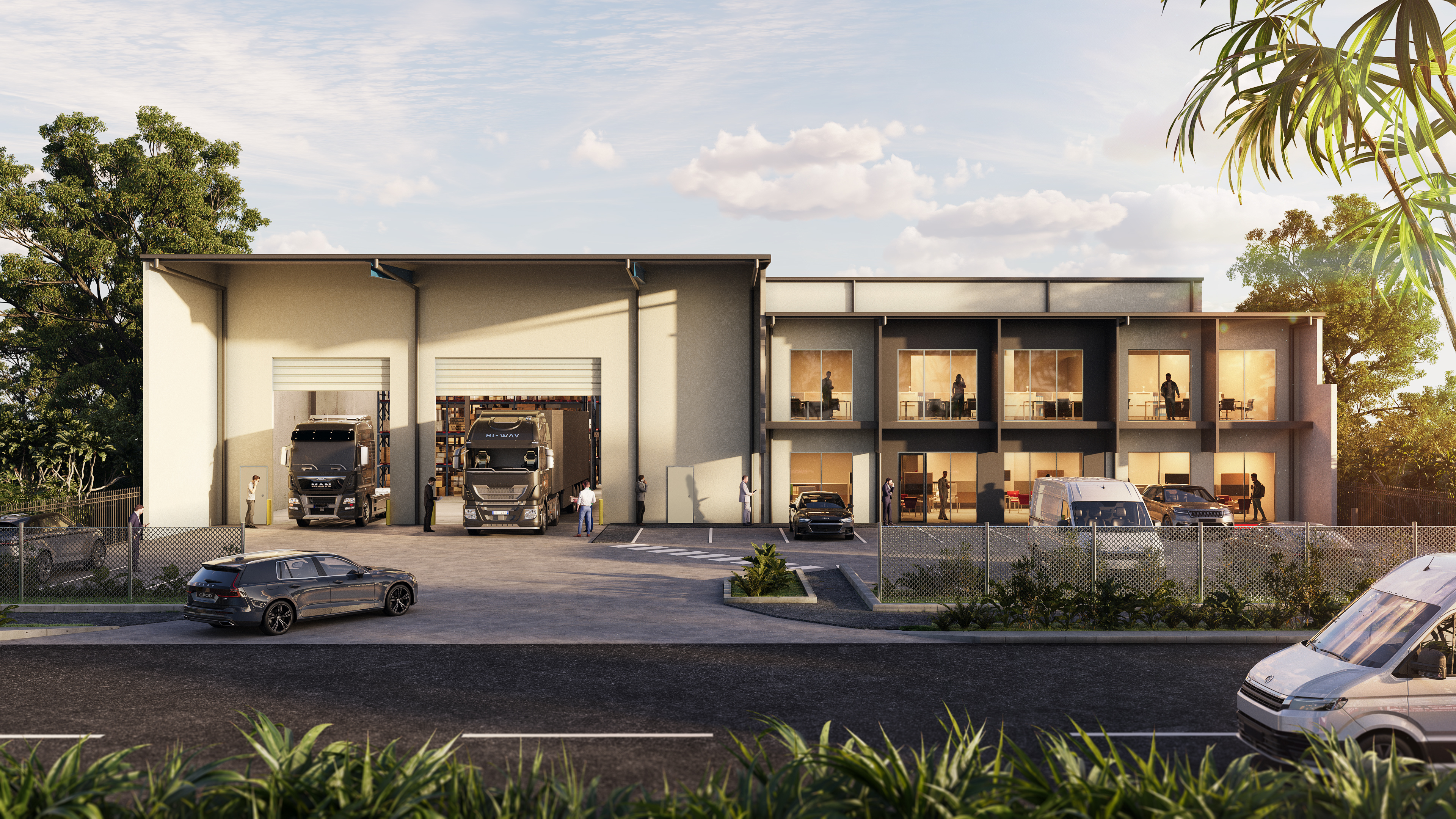
The smaller end of the industrial market generally has a much deeper buyer pool than large logistics facilities. A 150–300 sqm warehouse can appeal to trades, e-commerce businesses, automotive users, investors, SMSFs and owner-occupiers.
That depth supports liquidity, particularly where the unit has good access, useful parking, a sensible office component and the ability to add mezzanine or storage later.
What developers and landowners should watch
Several themes look particularly important through the remainder of 2026.
- Industrial land availability across Darwin
- Power and utility capacity
- Construction cost and delivery timing
- Owner-occupier demand
- Pre-leasing depth
- Infrastructure delivery
- The gap between prime and secondary stock
- Whether announced pipeline becomes real construction
- Rental incentives and effective rents
The bigger Darwin commercial property story
The bigger story is not simply that industrial property is performing well. It is that the economy around Darwin is demanding more specialised physical space while the amount of genuinely suitable land and buildings remains constrained.
Businesses need land. They need warehouses. They need workshops. They need hardstand. They need power. They need access. And increasingly, the best locations do not have enough of those things available in the combinations occupiers actually require.
That is why Darwin industrial property remains one of the most important parts of the local commercial market heading into the final quarter of 2026.
What this means for Darwin property projects
For developers and landowners bringing new commercial or industrial property to market in Darwin, the opportunity is increasingly about positioning the project around the economic infrastructure and occupier requirements driving the next phase of growth.
Strong project positioning can help:
- establish stronger perceived land value
- demonstrate proximity to infrastructure
- communicate estate masterplans clearly
- attract occupiers before construction
- generate pre-leasing demand
- secure owner-occupier sales
- explain truck access and hardstand
- demonstrate power and specialised infrastructure
- communicate multi-stage development
- build investor confidence
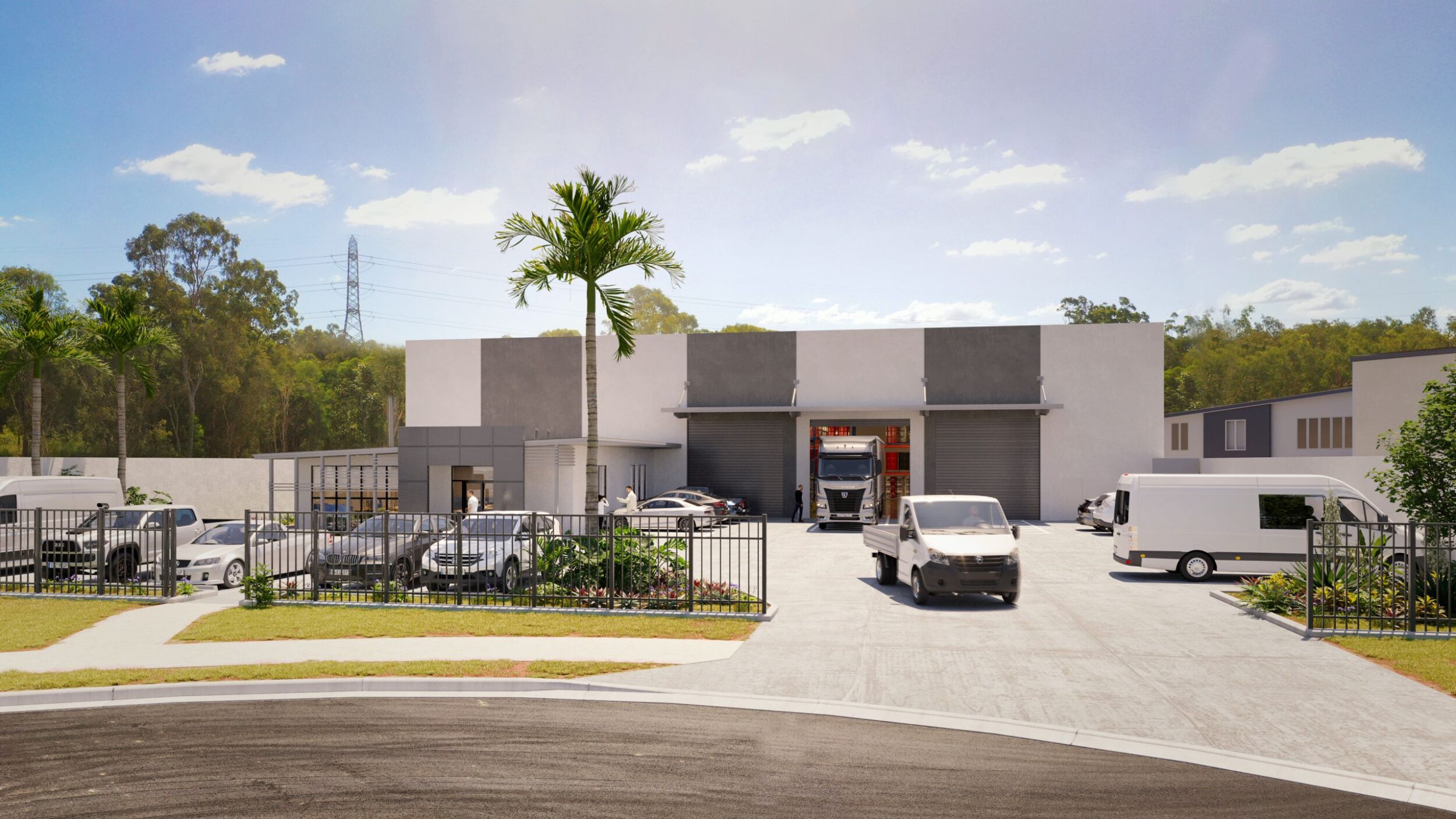
Commercial Property Marketing works across project branding, 3D renders, commercial masterplans, development websites, information memorandums and campaign assets to help property make sense before construction is complete.
More commercial property news and insights
Explore Commercial Property Insights for more Australian development, industrial and commercial property coverage.


 EXPLORE THE WORK