






Commercial property CGI is valuable when it removes uncertainty from an unbuilt project. The strongest renders are not just visually polished; they make access, scale, frontage, loading, product configuration and development context easier to understand. For “Can You Create a 3D Render From a PDF Site Plan?”, the right answer depends on what commercial decision the material needs to support and how certain the project information is at that point.
The useful standard is not simply whether the asset looks professional. It should help developers, agents, buyers, tenants, investors or stakeholders understand the project faster, compare it more accurately and move into the next stage of discussion with fewer unresolved questions.
PDF plans can be enough to start modelling
A rendering team can usually establish building mass, facade rhythm, roof form, openings and site arrangement from a coordinated PDF set. The important issue is whether the drawings are internally consistent, not whether a native model exists.
In practice, this needs to connect back to the live project information, the current design and the commercial objective. The campaign should make it obvious what is fixed, what is indicative, what has changed and what the prospect should do next. That discipline is what turns a marketing asset into a working part of the development process.
Assumptions should be logged before production
Where elevations, materials or levels are incomplete, record the assumptions so later revisions are controlled instead of becoming arguments over what was originally inferred.
In practice, this needs to connect back to the live project information, the current design and the commercial objective. The campaign should make it obvious what is fixed, what is indicative, what has changed and what the prospect should do next. That discipline is what turns a marketing asset into a working part of the development process.
Landscaping and infrastructure need the same discipline as buildings
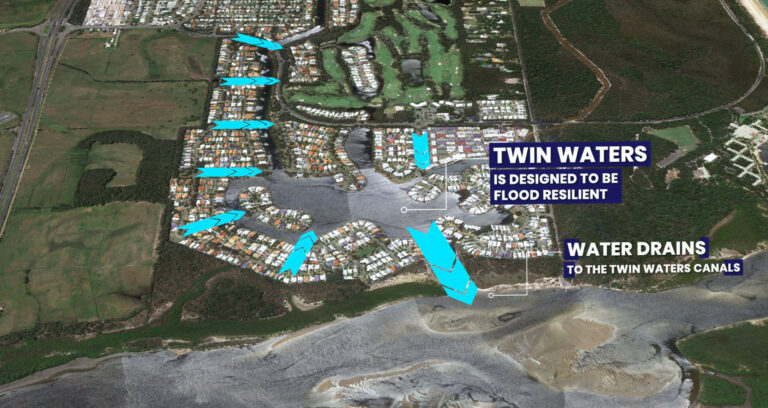
Future roads, verges, trees, paths, retaining, stormwater features and neighbouring stages can materially affect how the project is perceived. They should be represented consistently with available design information.
In practice, this needs to connect back to the live project information, the current design and the commercial objective. The campaign should make it obvious what is fixed, what is indicative, what has changed and what the prospect should do next. That discipline is what turns a marketing asset into a working part of the development process.
Renders should evolve with design changes
Commercial projects change. A useful rendering workflow allows elevations, landscaping, signage, tenant branding, staging and surrounding works to be updated without rebuilding the campaign from scratch.
In practice, this needs to connect back to the live project information, the current design and the commercial objective. The campaign should make it obvious what is fixed, what is indicative, what has changed and what the prospect should do next. That discipline is what turns a marketing asset into a working part of the development process.
Visual polish does not fix a weak proposition
If pricing, access, product mix or delivery timing is wrong, more rendering will not solve the commercial issue. CGI should clarify the proposition, not distract from it.
In practice, this needs to connect back to the live project information, the current design and the commercial objective. The campaign should make it obvious what is fixed, what is indicative, what has changed and what the prospect should do next. That discipline is what turns a marketing asset into a working part of the development process.
Commercial CGI should answer a property question
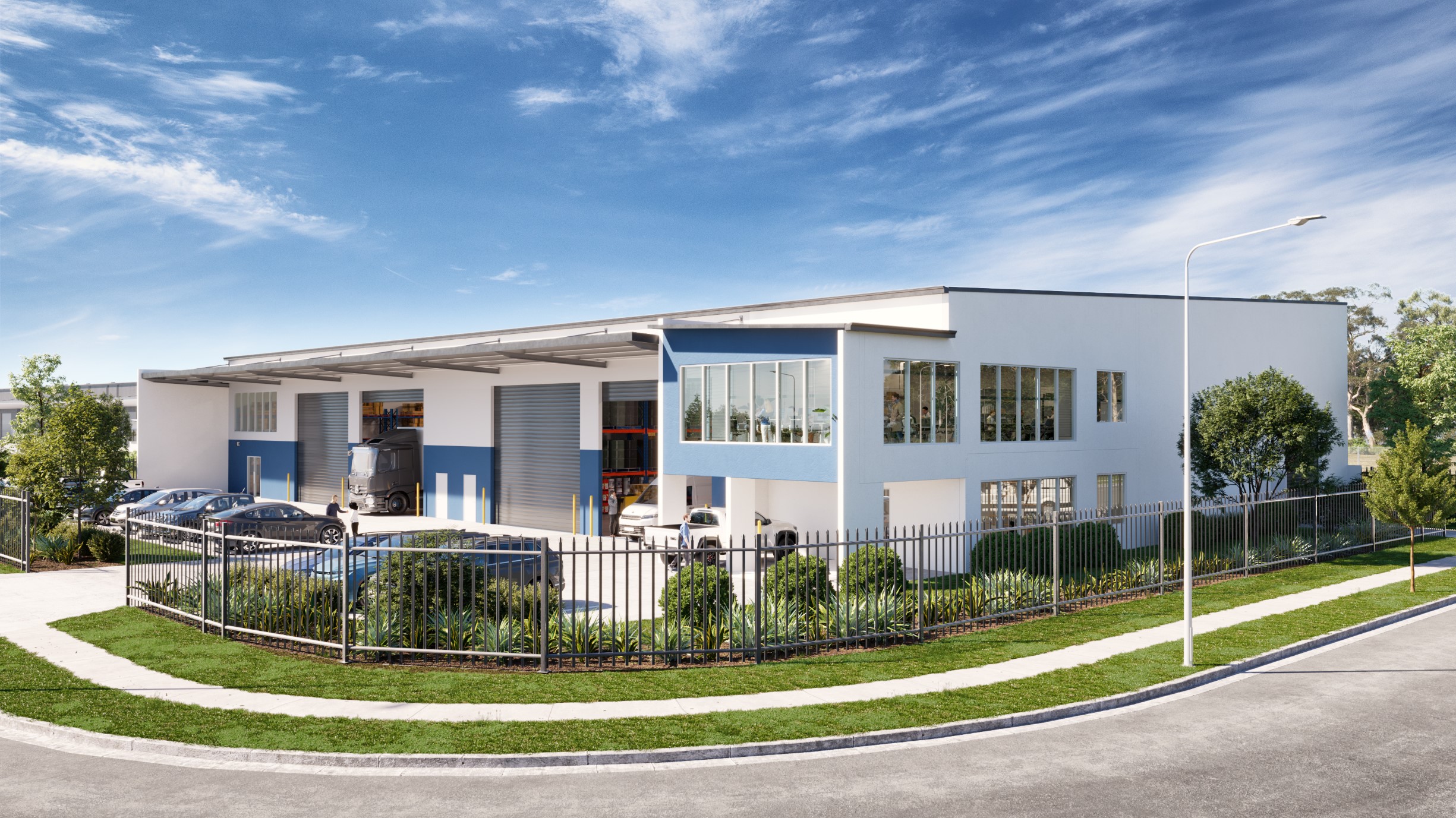
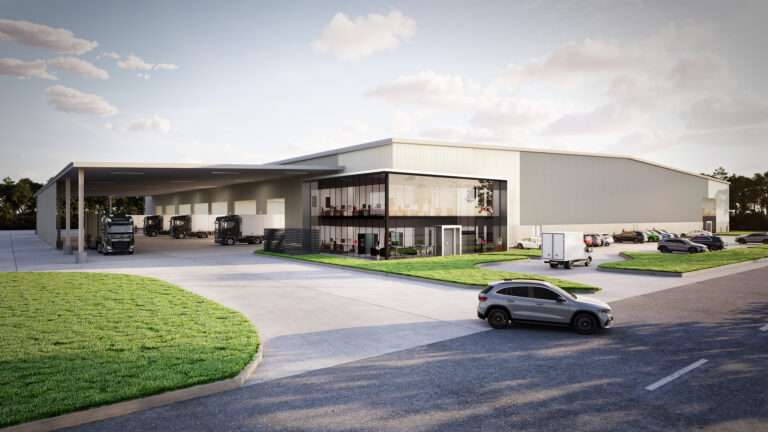
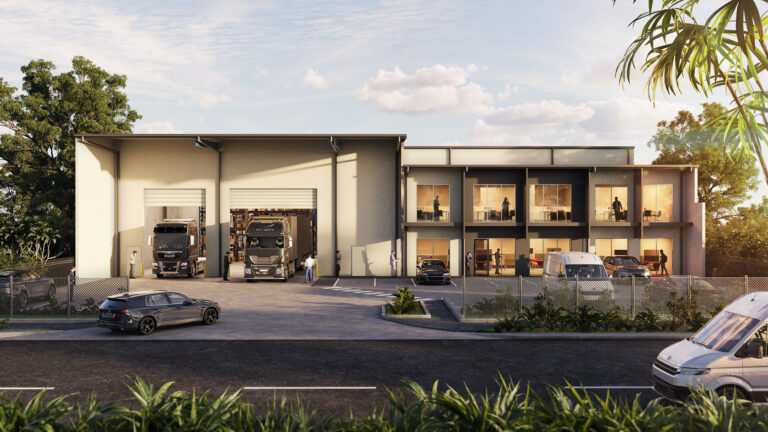
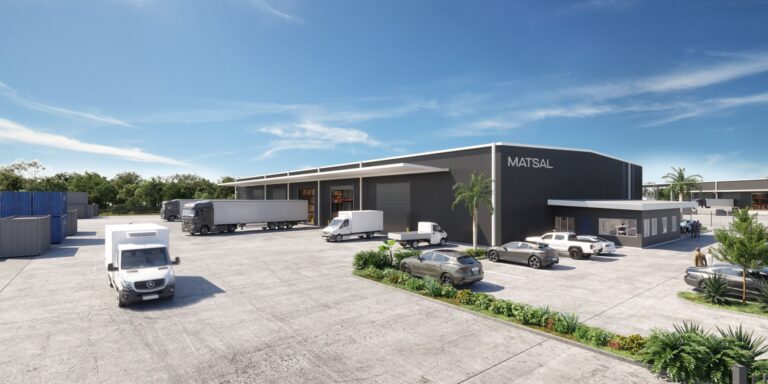
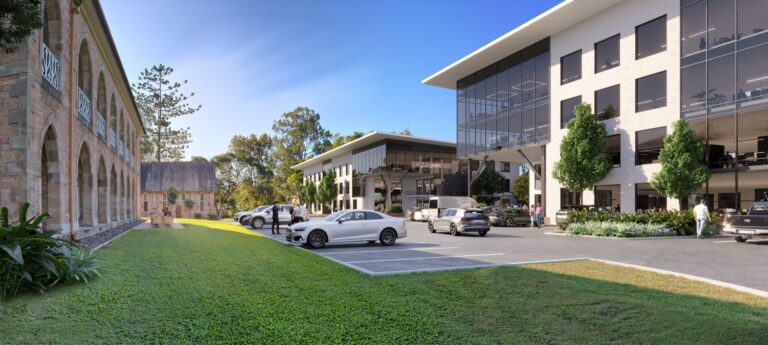
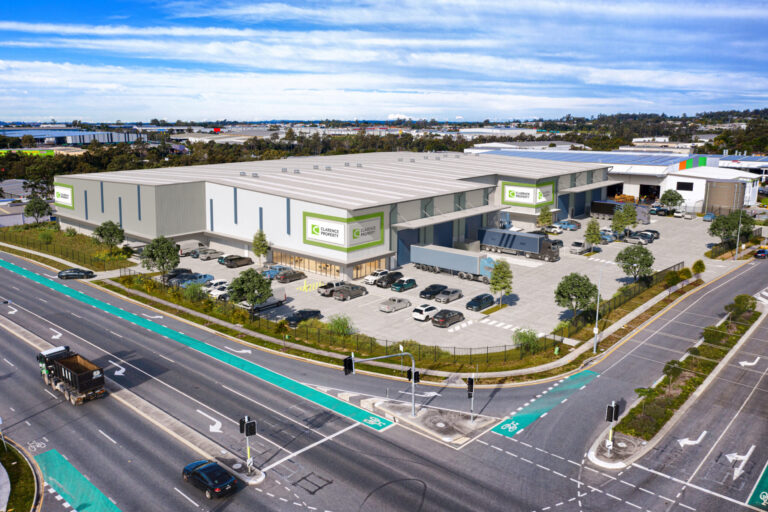
Every render should have a job. It may explain estate scale, show street presentation, demonstrate warehouse access, communicate tenancy identity or help a buyer understand a product that does not yet exist.
In practice, this needs to connect back to the live project information, the current design and the commercial objective. The campaign should make it obvious what is fixed, what is indicative, what has changed and what the prospect should do next. That discipline is what turns a marketing asset into a working part of the development process.
The number of renders should reflect campaign decisions
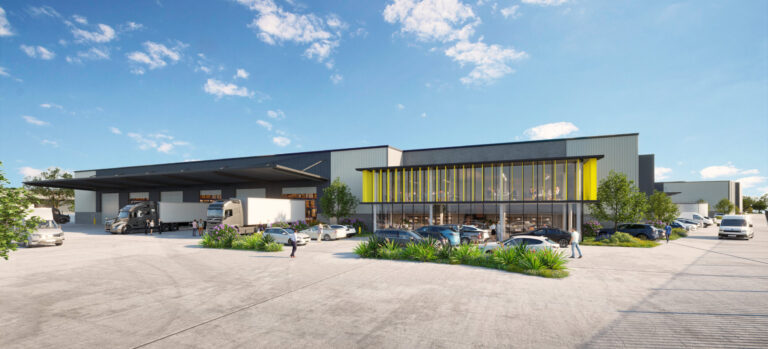
A project does not need ten similar images. It needs enough views to explain the main buying or leasing questions. A strong set may include one aerial, one key arrival view, one loading/access view and selected product-specific scenes.
In practice, this needs to connect back to the live project information, the current design and the commercial objective. The campaign should make it obvious what is fixed, what is indicative, what has changed and what the prospect should do next. That discipline is what turns a marketing asset into a working part of the development process.
Architectural accuracy matters commercially
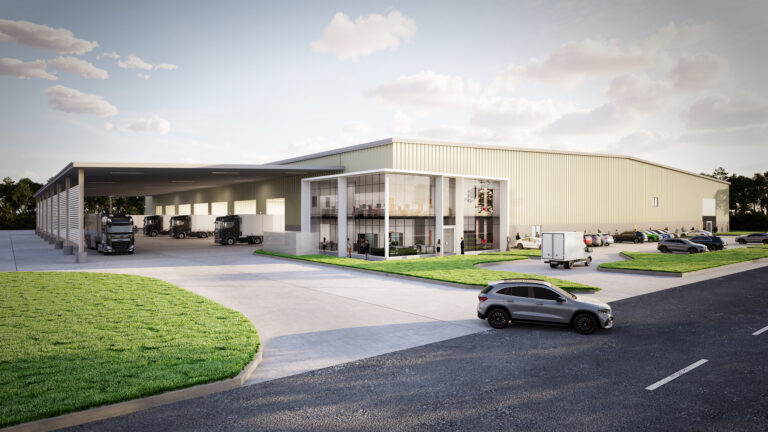
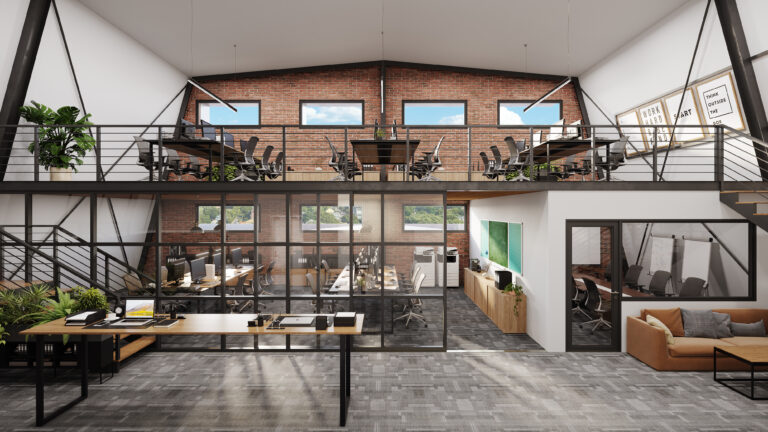
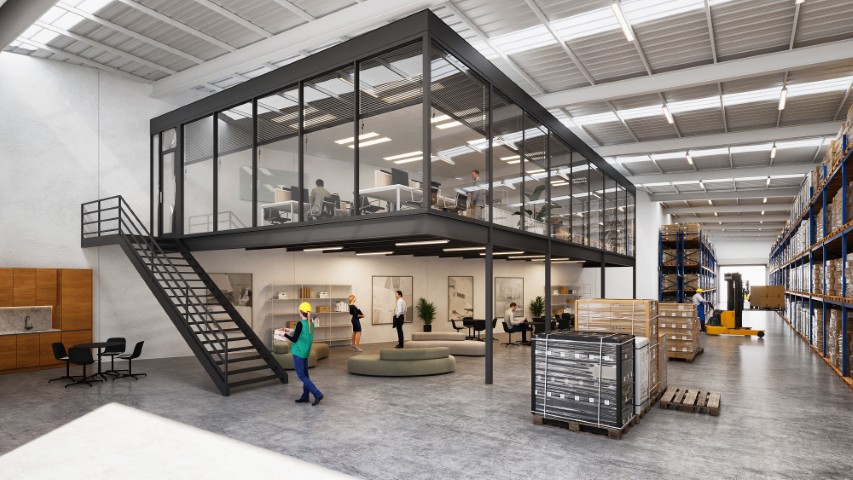
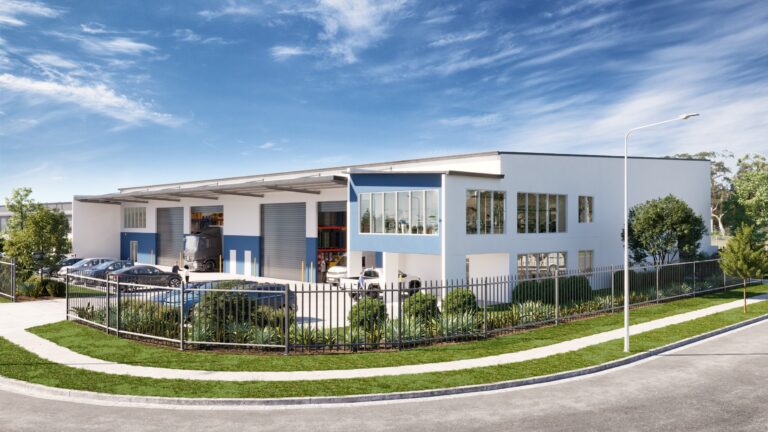
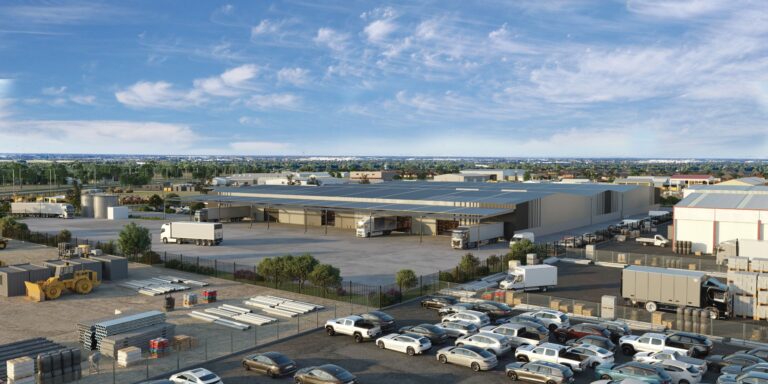
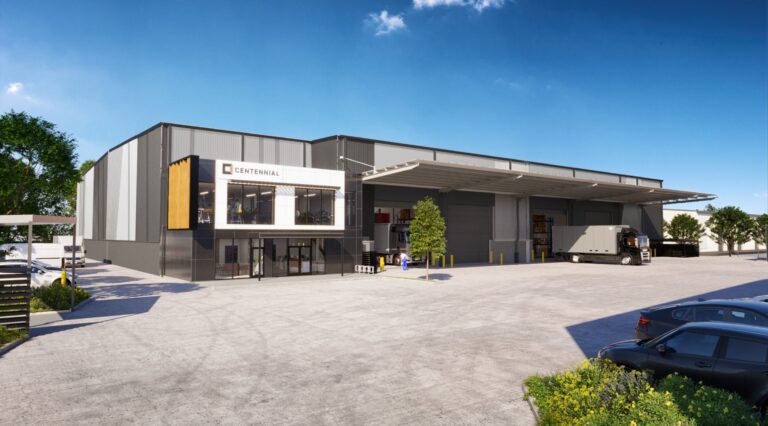
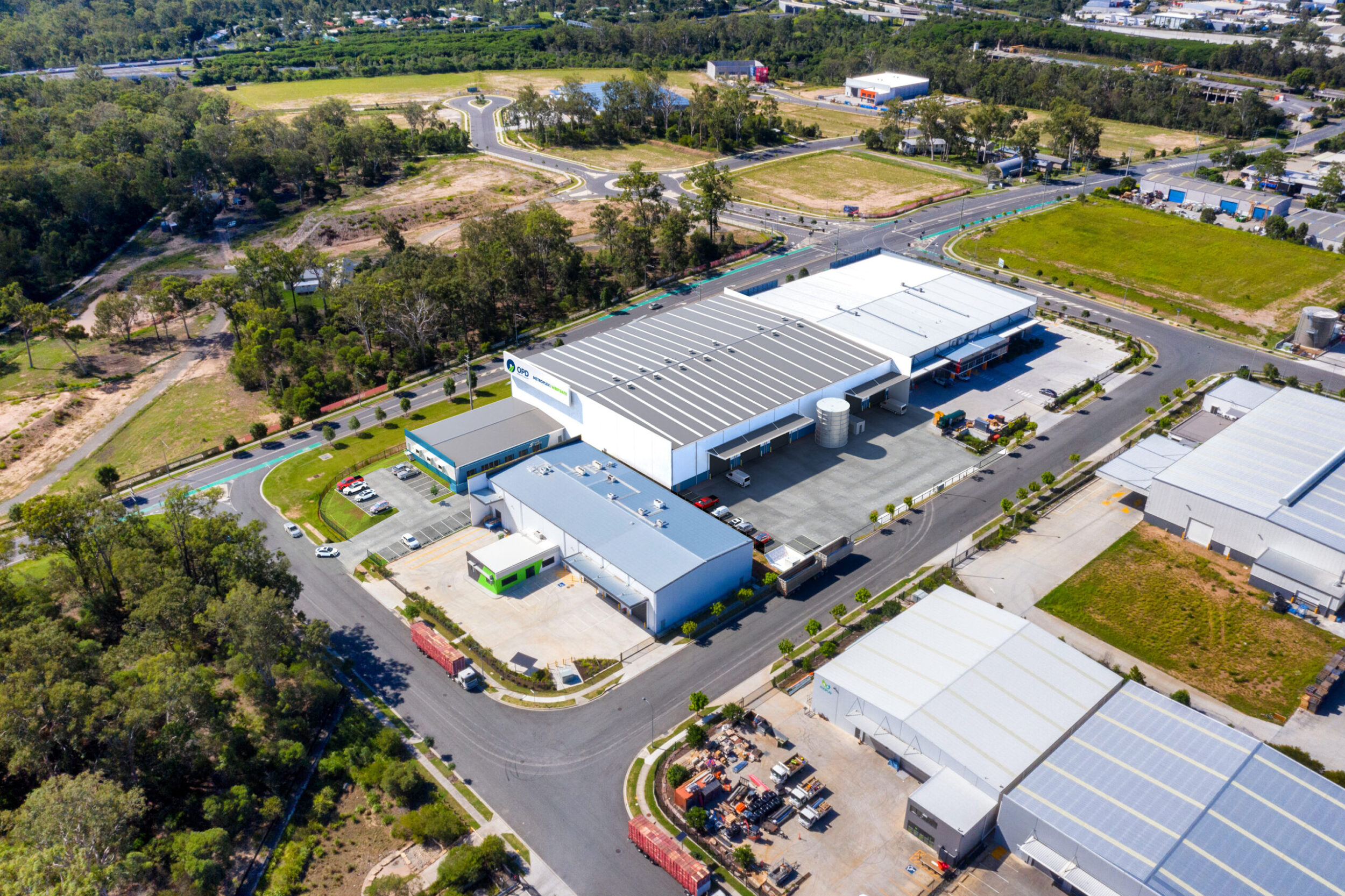
Clear heights, loading positions, office proportions, hardstand, awnings, signage and access should align with the current design. Small inaccuracies can create large commercial misunderstandings when the render is used during sales or leasing.
In practice, this needs to connect back to the live project information, the current design and the commercial objective. The campaign should make it obvious what is fixed, what is indicative, what has changed and what the prospect should do next. That discipline is what turns a marketing asset into a working part of the development process.
Aerial and ground-level views do different work
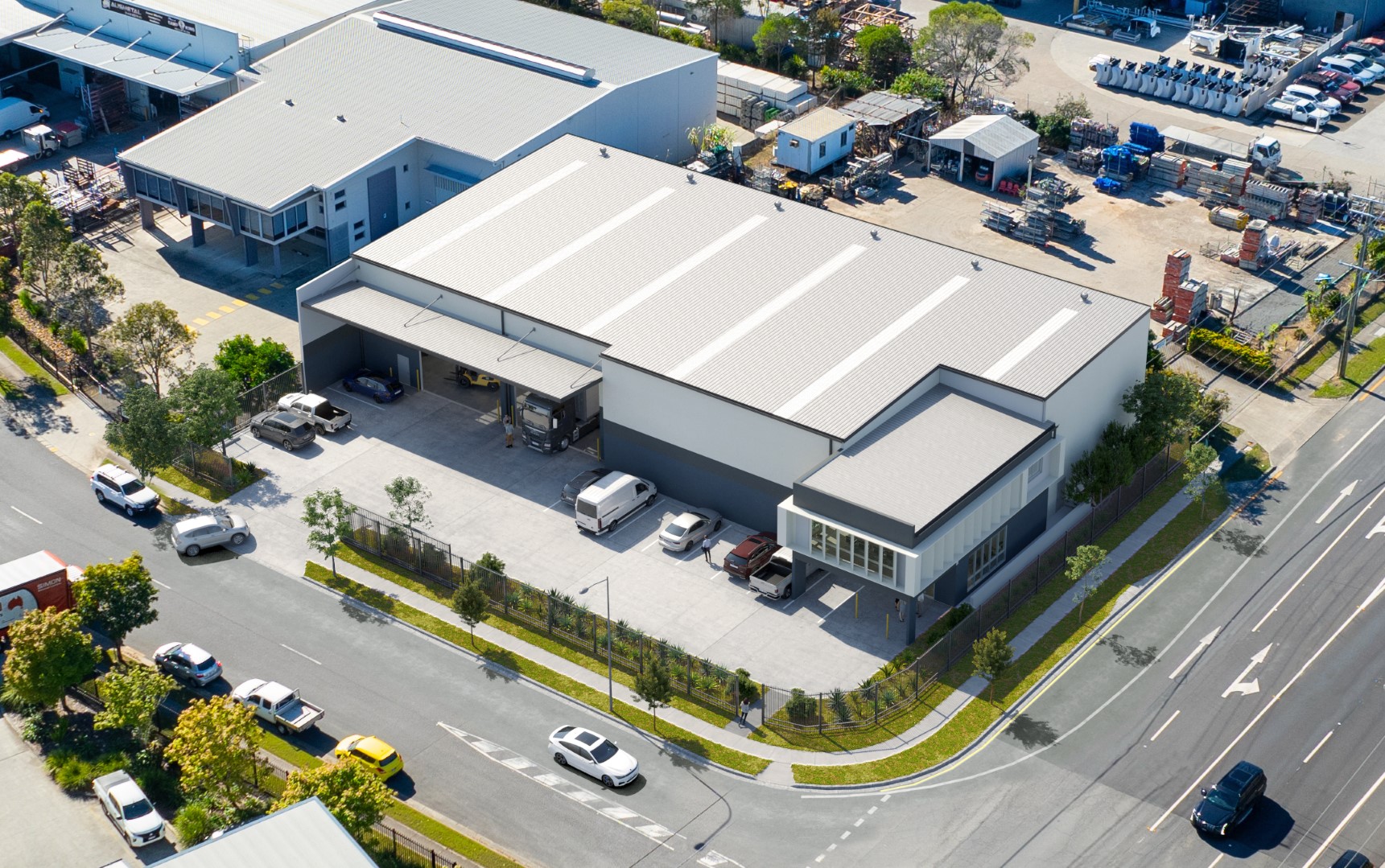
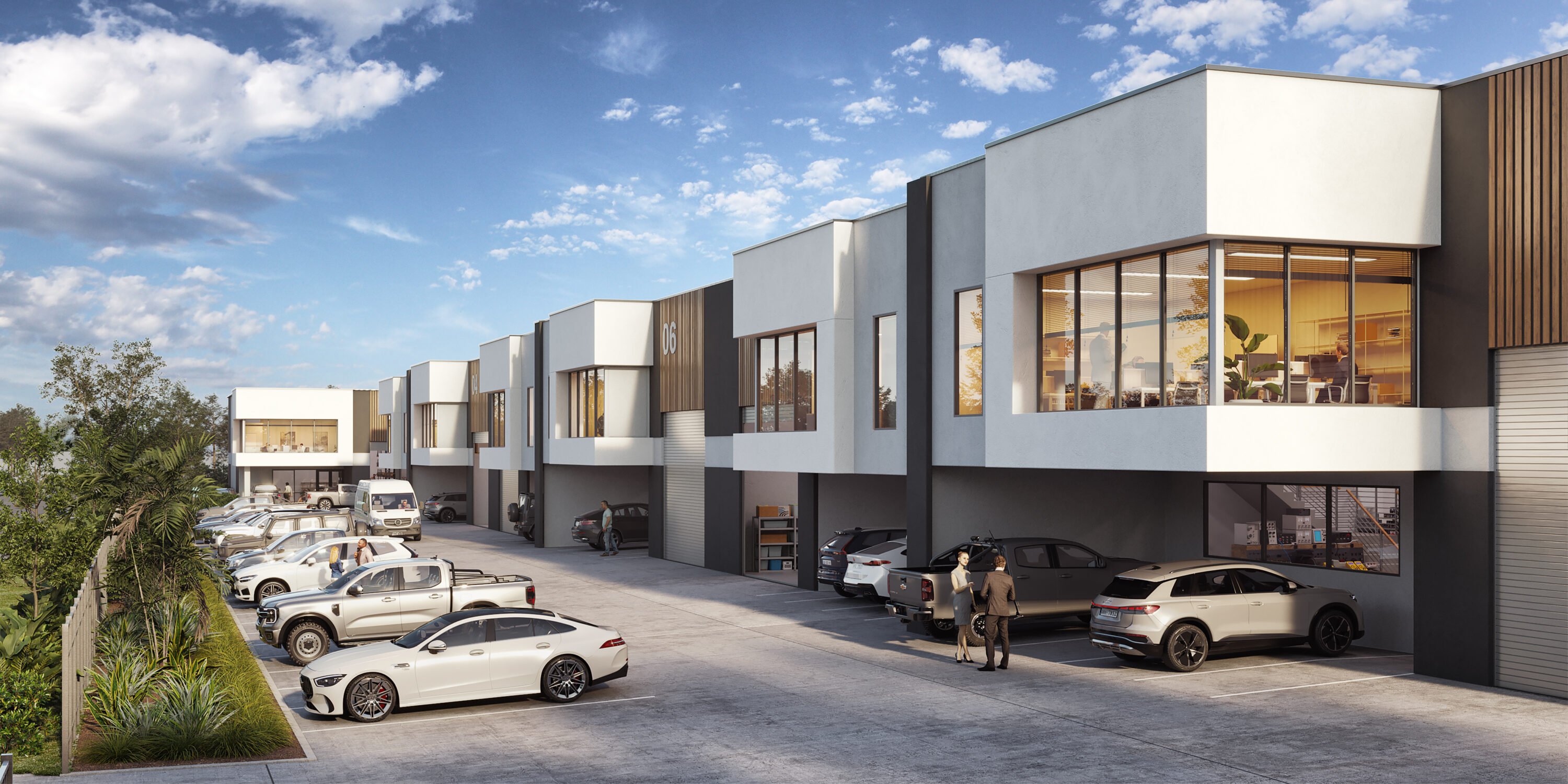
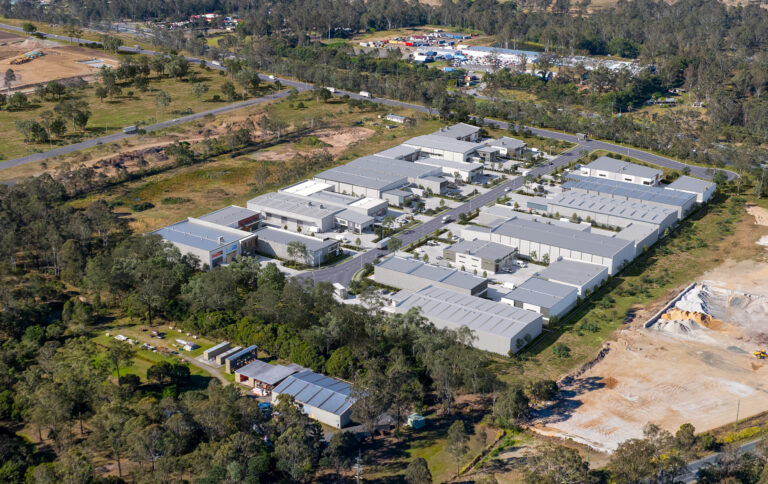
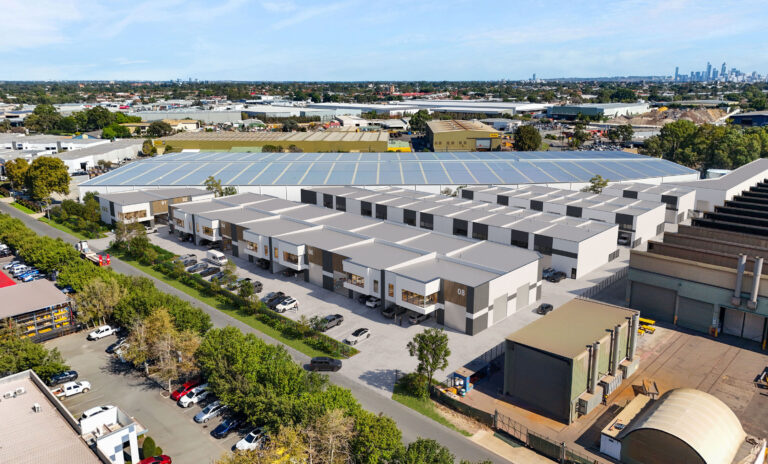
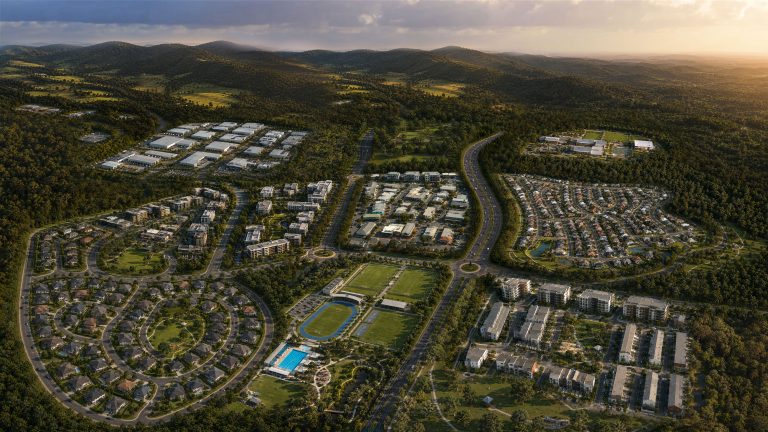
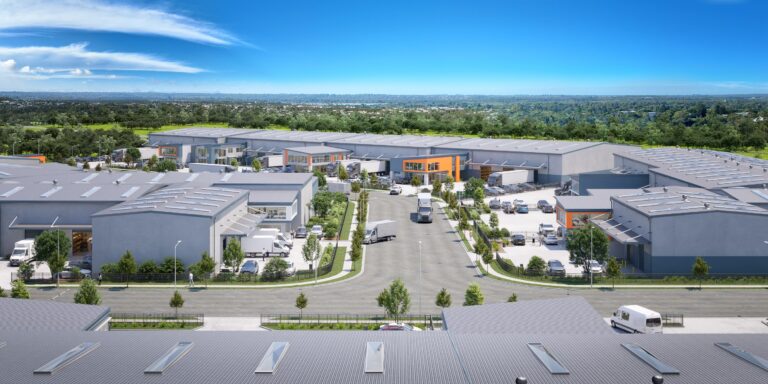
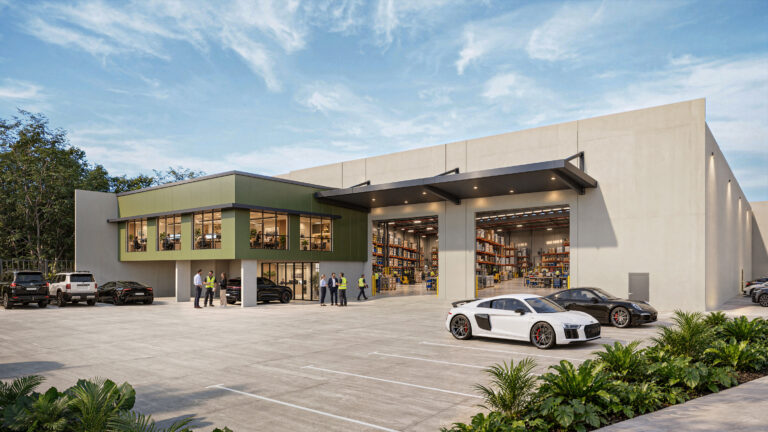
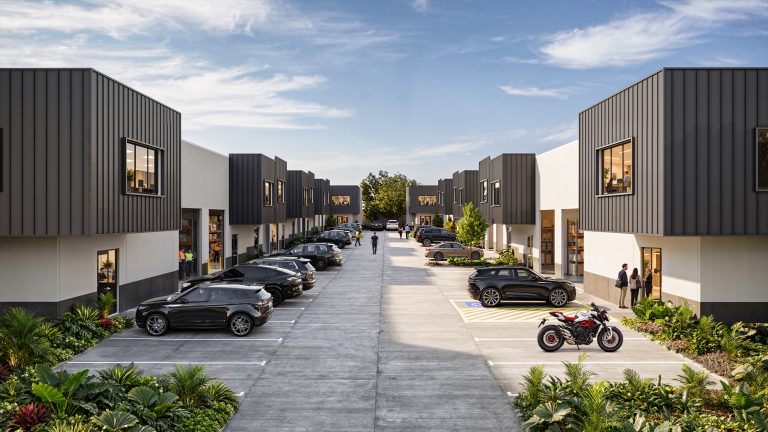
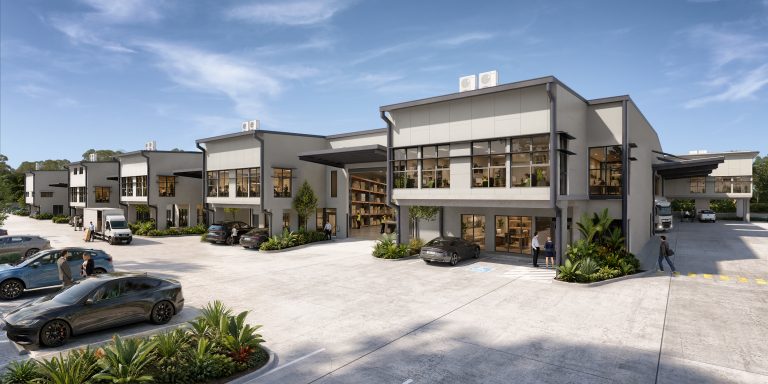
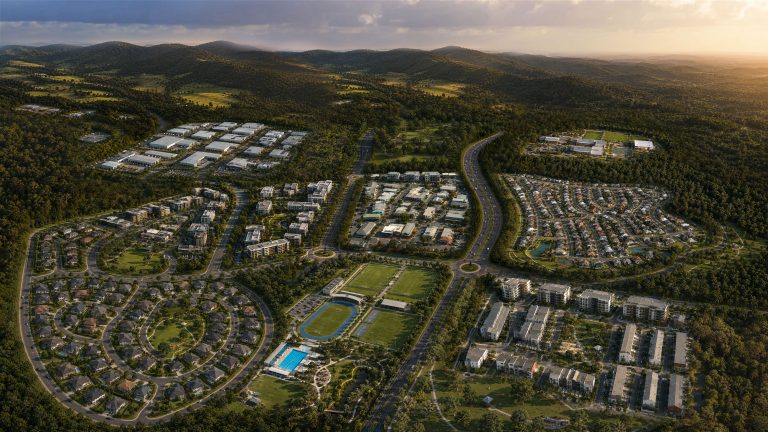
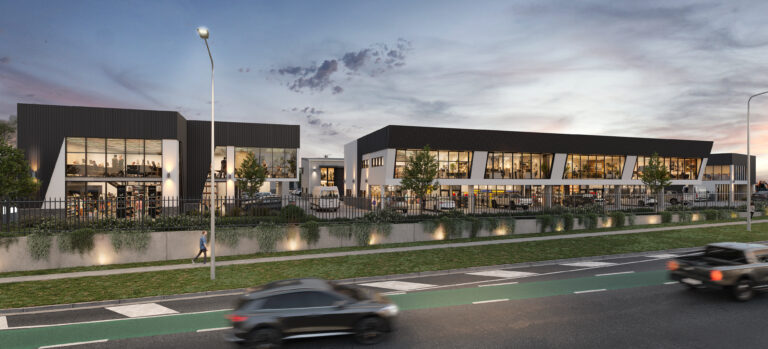
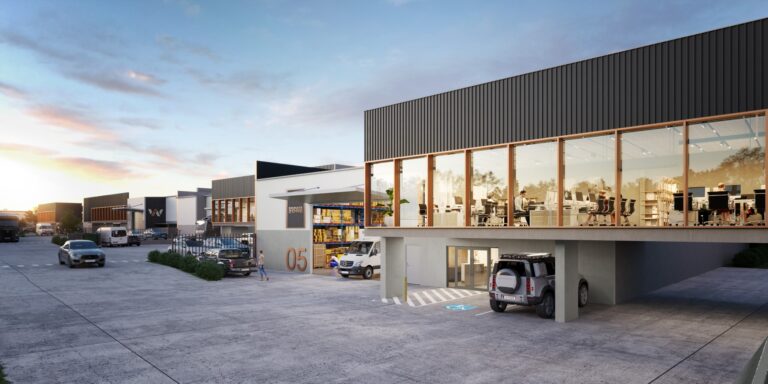
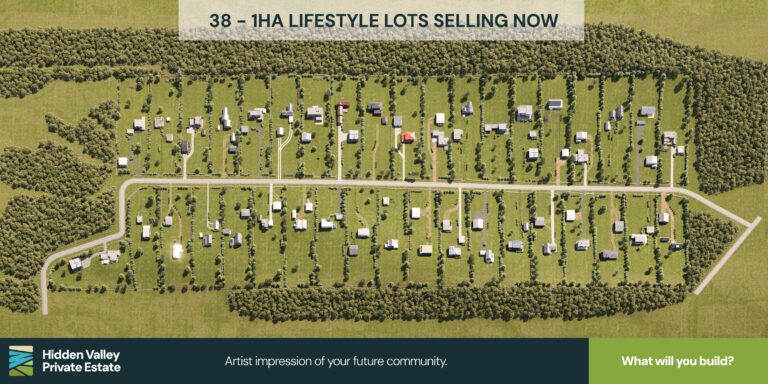
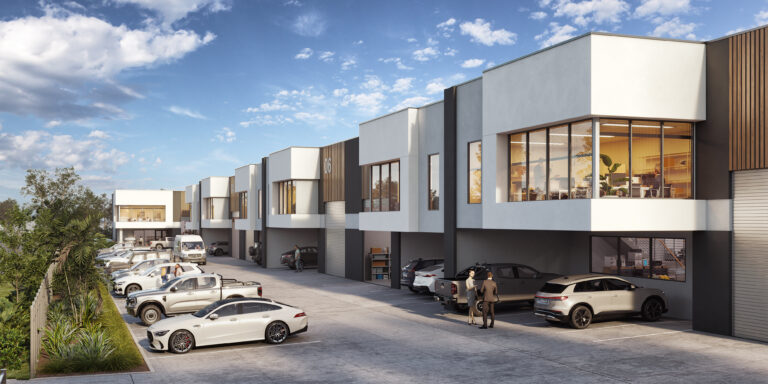
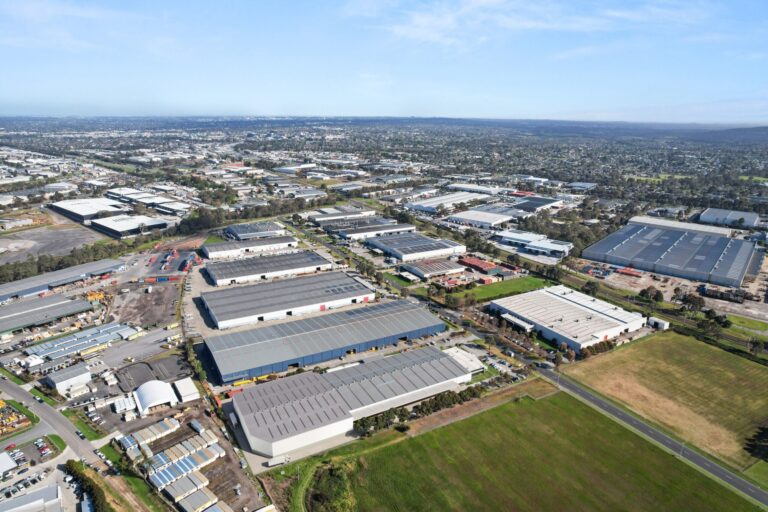
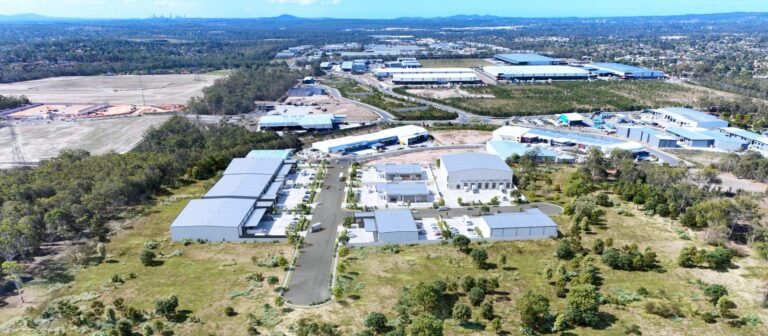
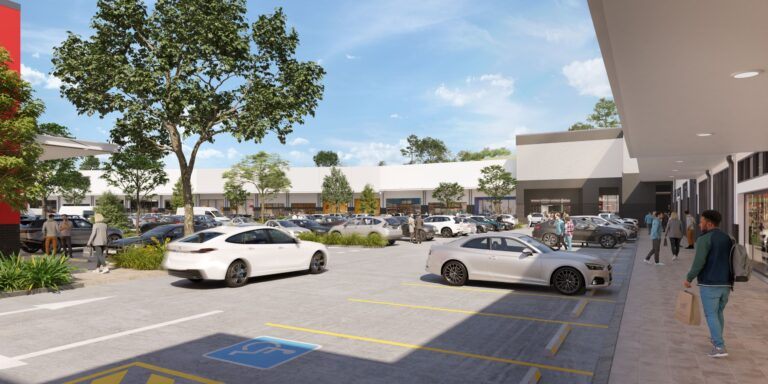
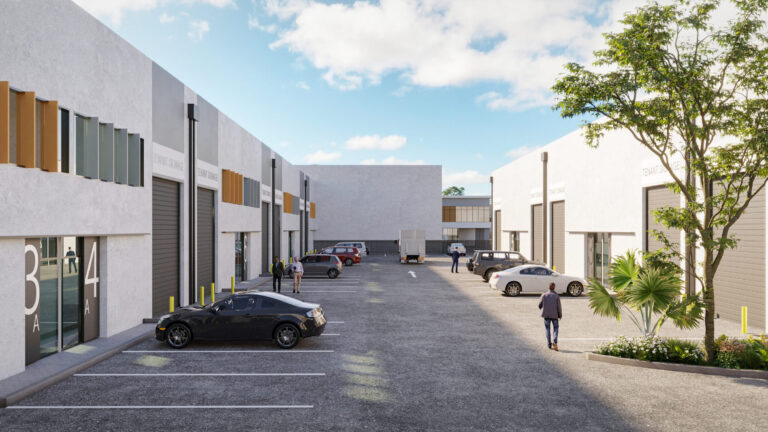
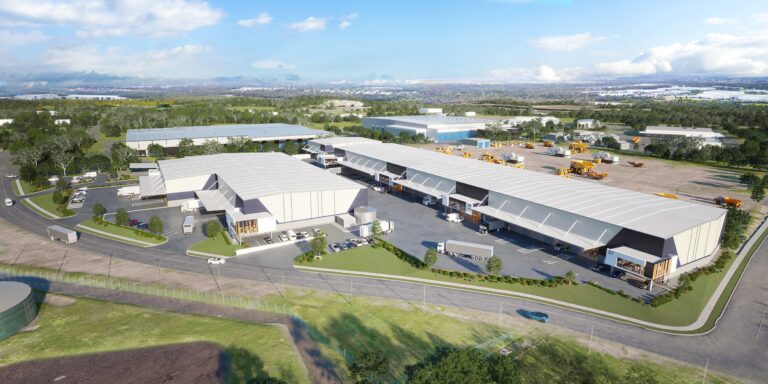
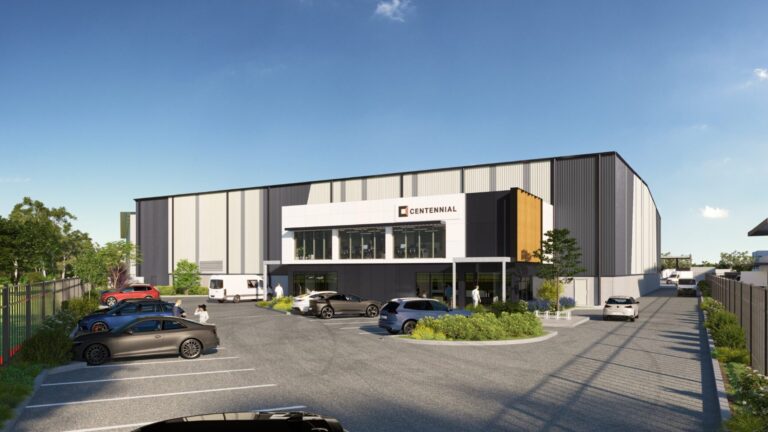
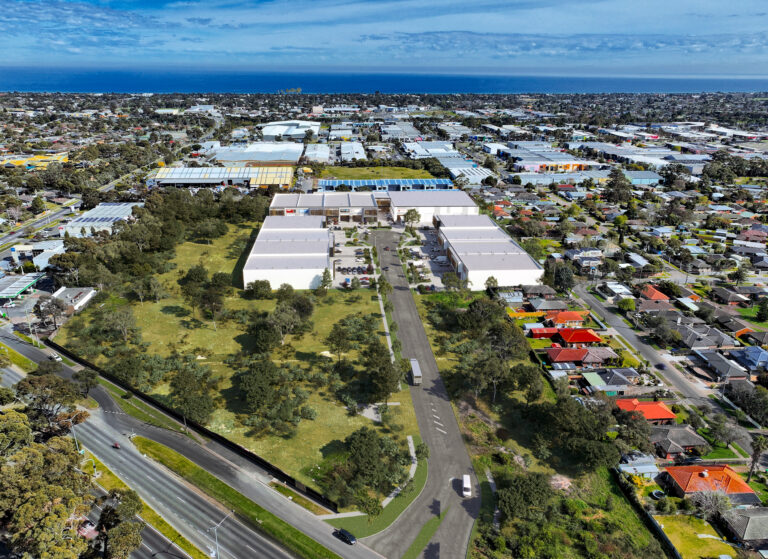
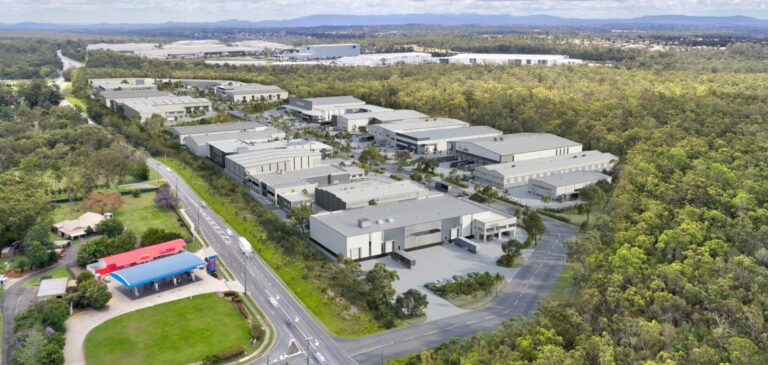
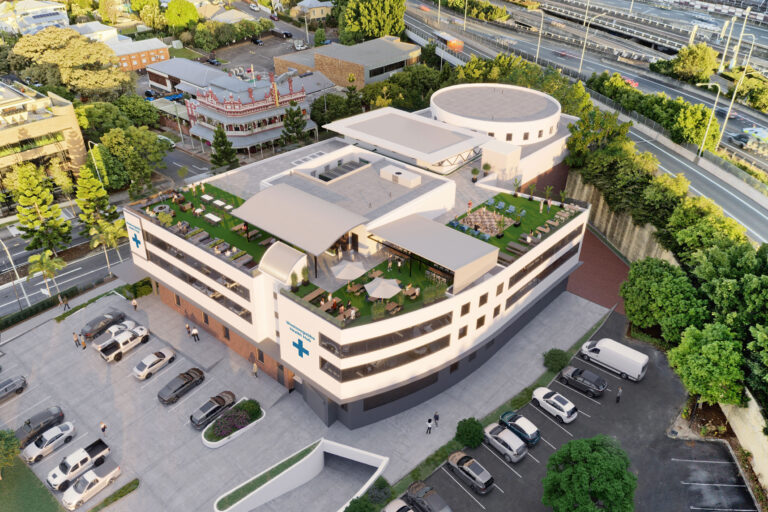
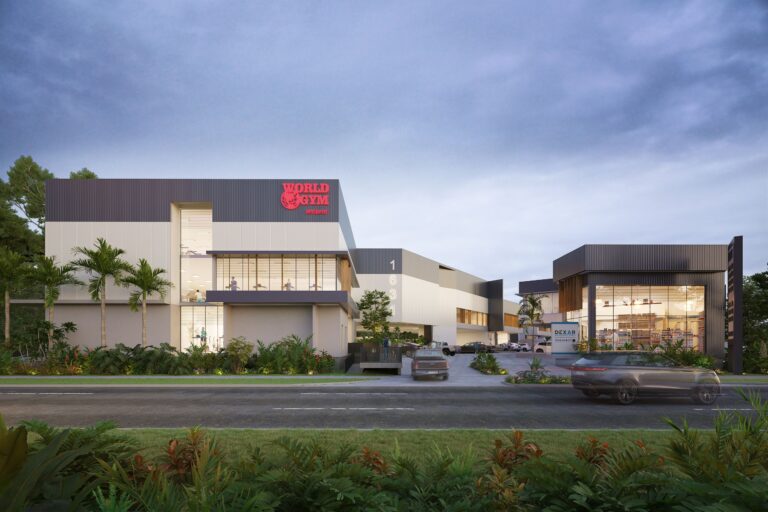
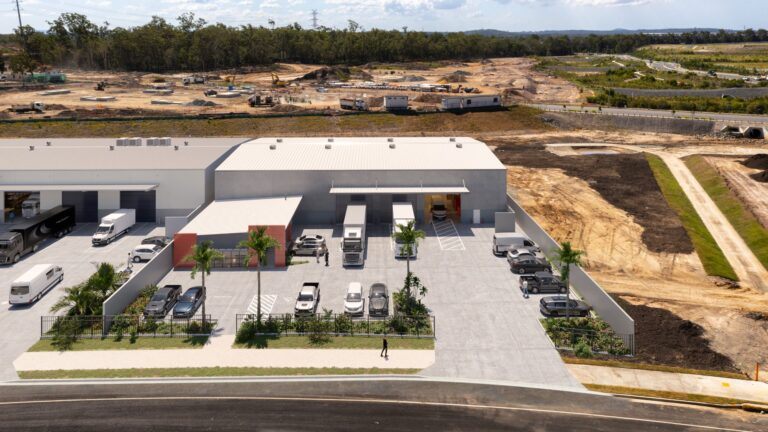
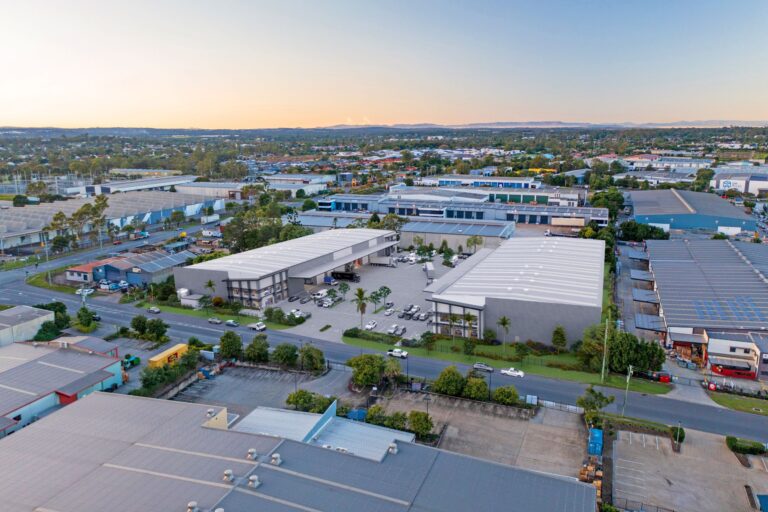
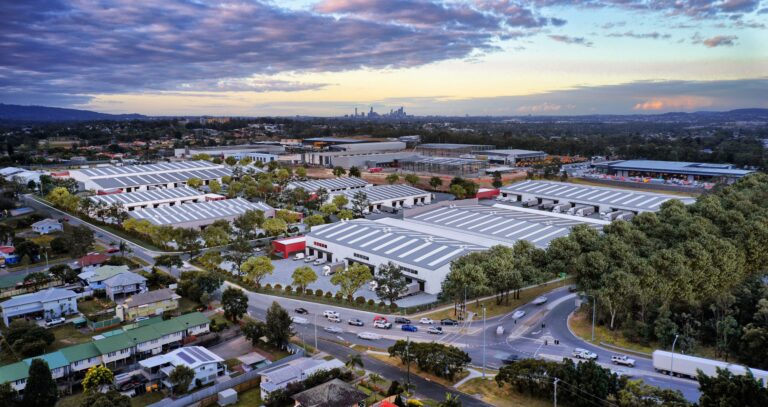
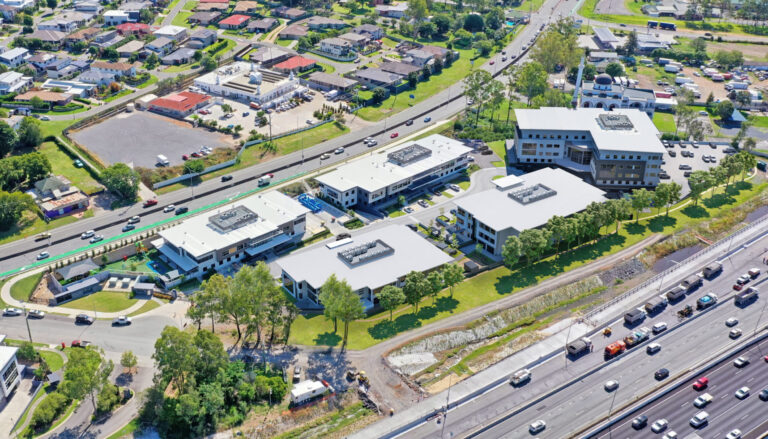
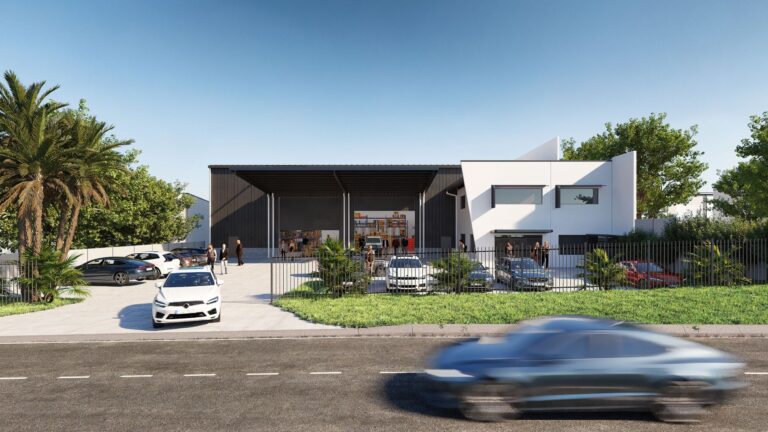
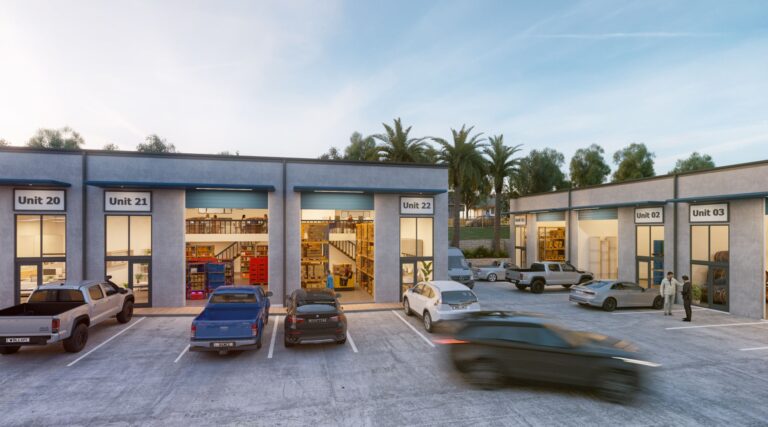
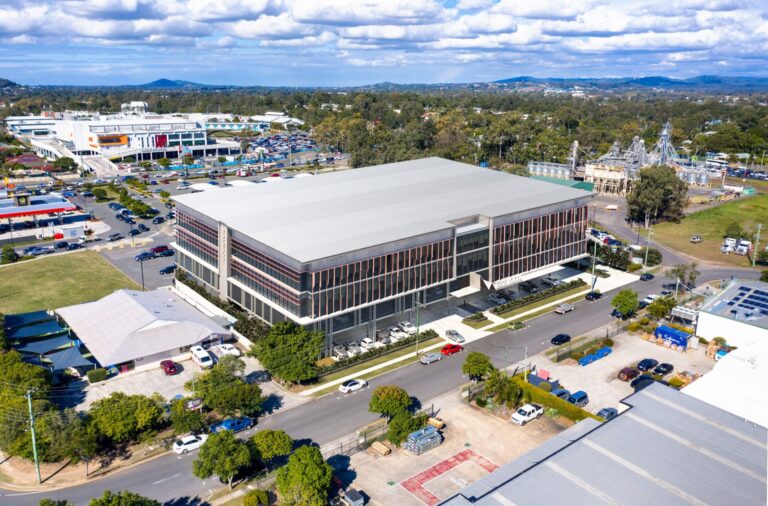
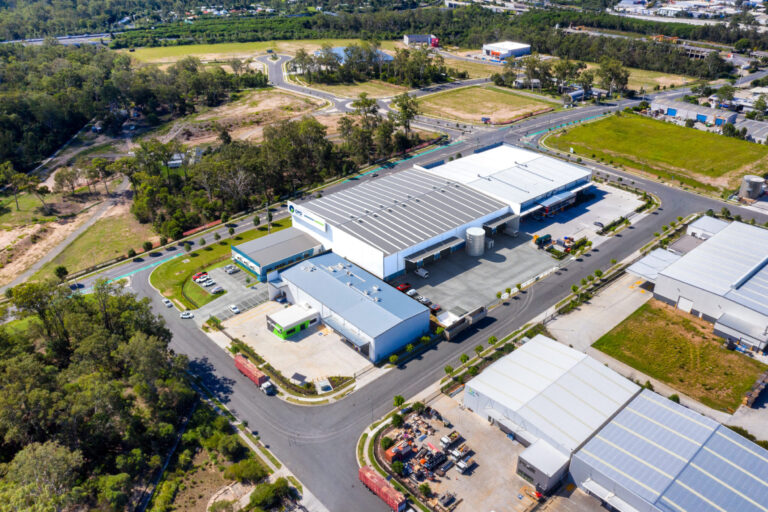
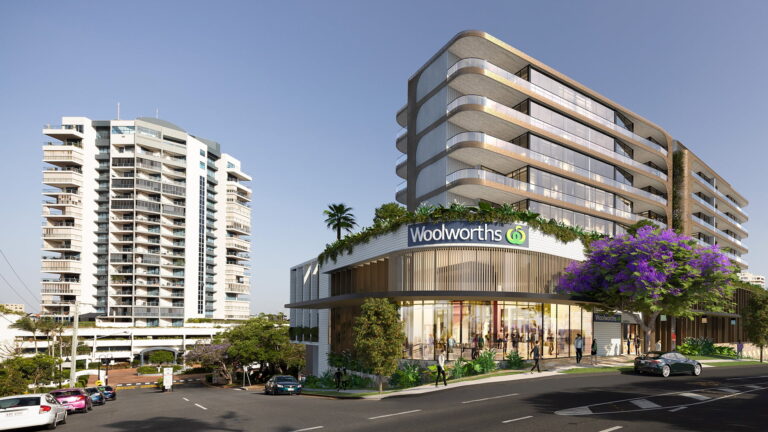
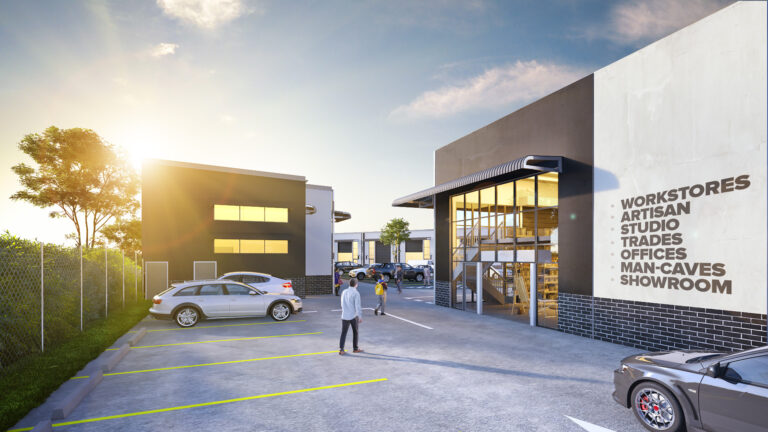
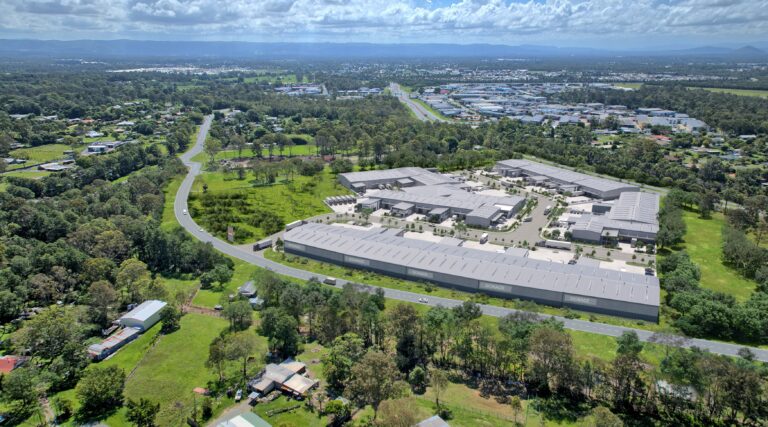
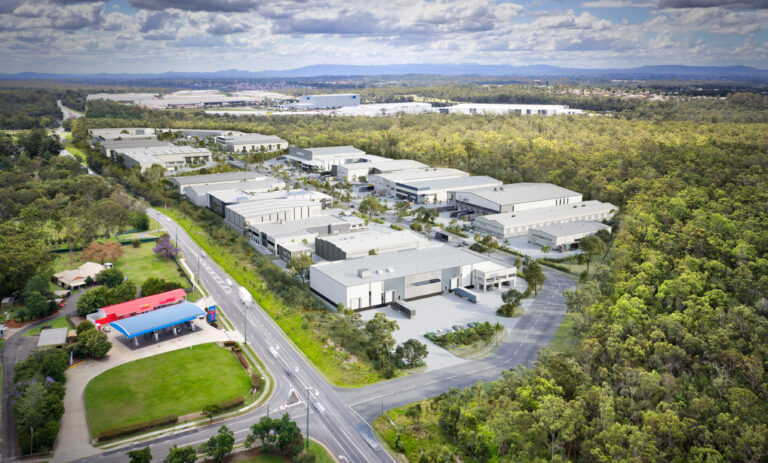
Aerial renders are strongest for estate context, staging, lot relationships and surrounding roads. Ground-level views are stronger for arrival, facade character, office entries, roller doors, parking and human scale.
In practice, this needs to connect back to the live project information, the current design and the commercial objective. The campaign should make it obvious what is fixed, what is indicative, what has changed and what the prospect should do next. That discipline is what turns a marketing asset into a working part of the development process.
Photomontage is useful when context matters more than perfection
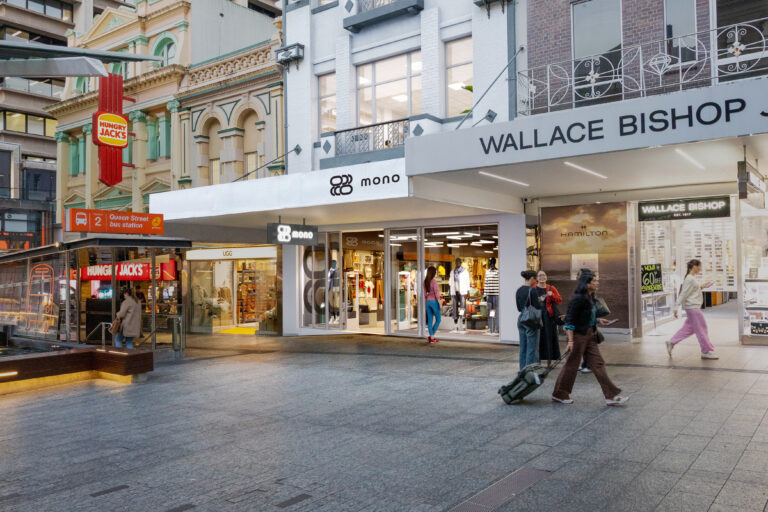
A photomontage can be more commercially useful than a fully synthetic scene where the primary question is visibility, scale or relationship to existing surroundings.
In practice, this needs to connect back to the live project information, the current design and the commercial objective. The campaign should make it obvious what is fixed, what is indicative, what has changed and what the prospect should do next. That discipline is what turns a marketing asset into a working part of the development process.
Drone integration can make future development feel real
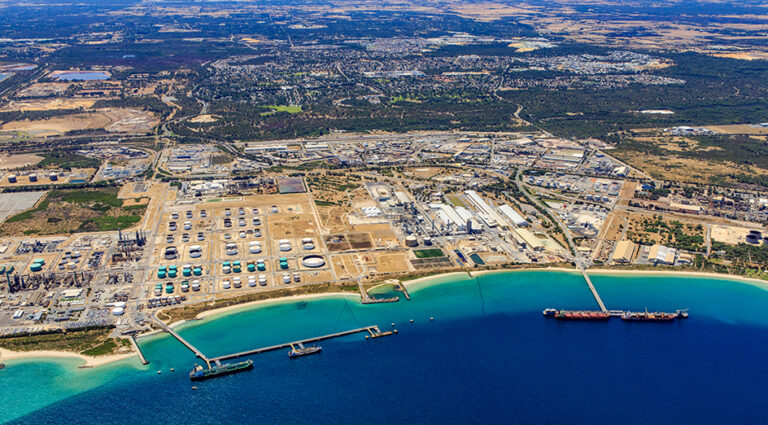
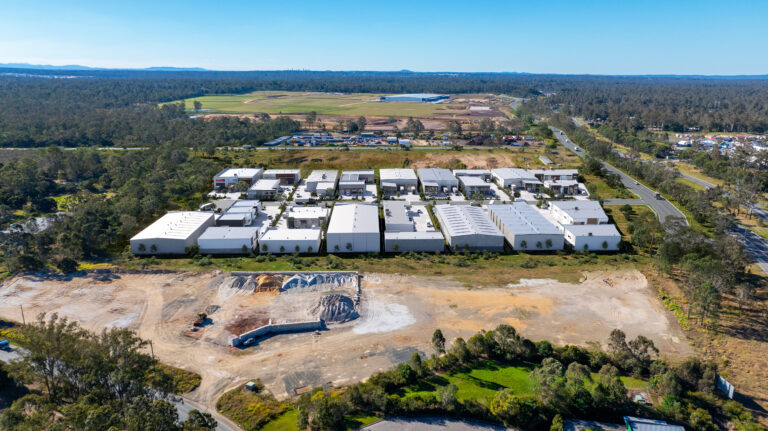
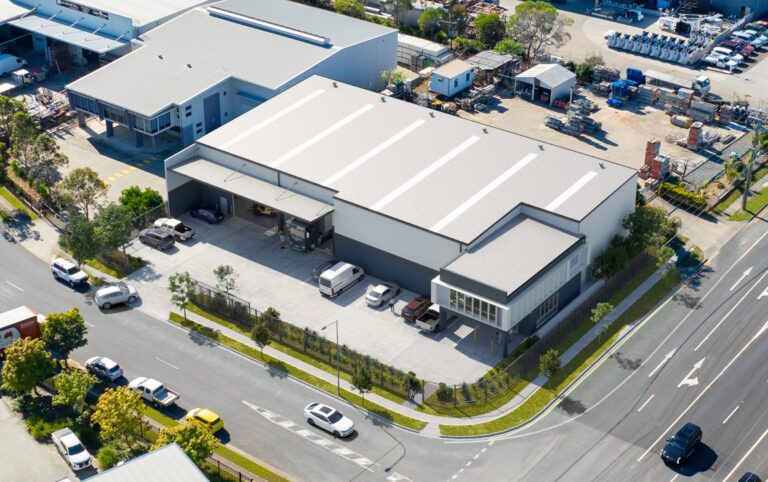
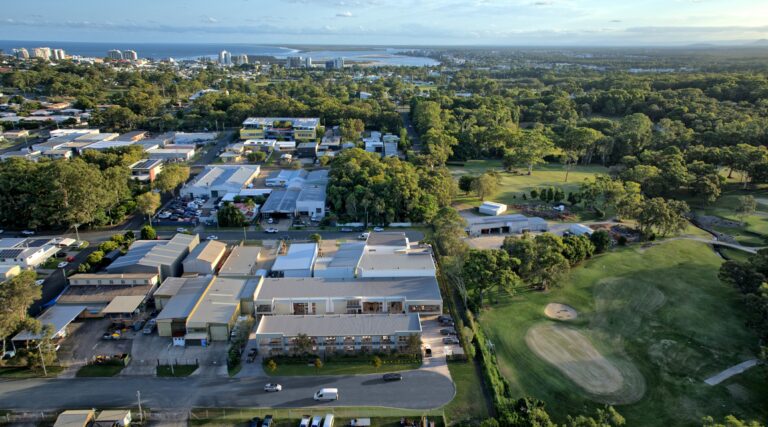
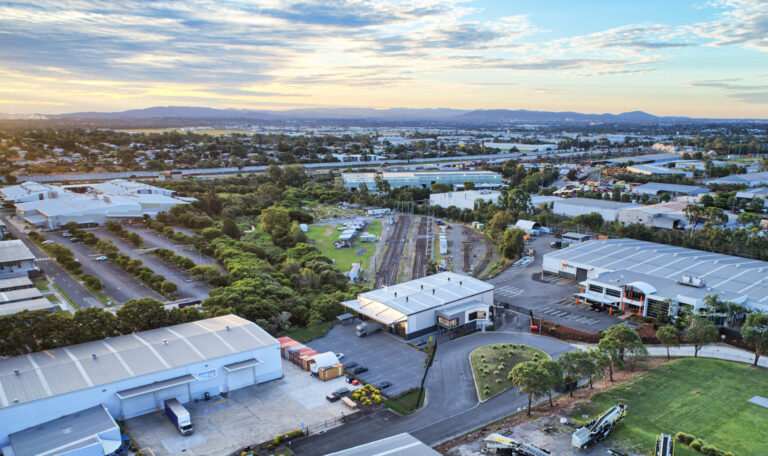
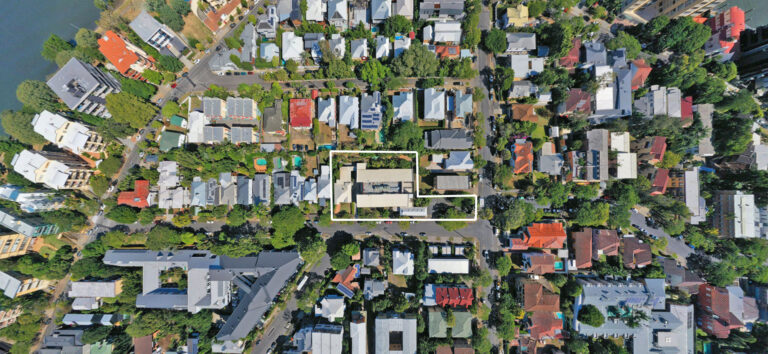
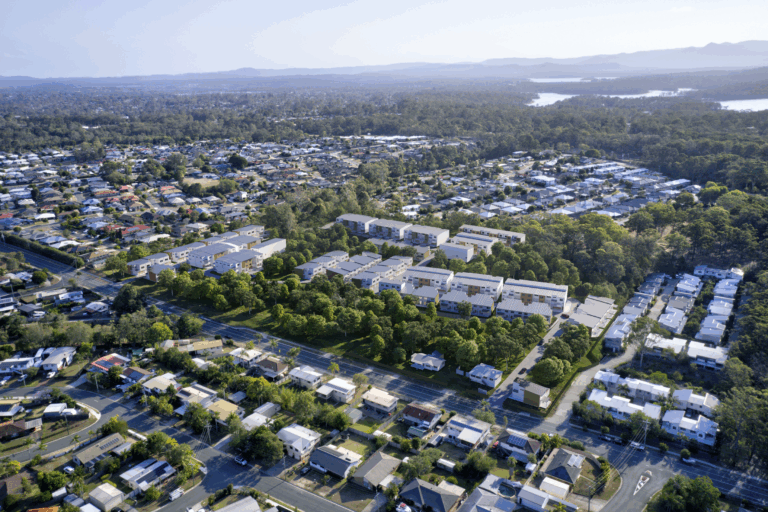
Existing aerial photography provides real topography, roads, surrounding buildings and context. CGI can then be integrated into the site so prospects understand how the proposed development sits within the existing environment.
In practice, this needs to connect back to the live project information, the current design and the commercial objective. The campaign should make it obvious what is fixed, what is indicative, what has changed and what the prospect should do next. That discipline is what turns a marketing asset into a working part of the development process.
CGI should connect directly to sales material
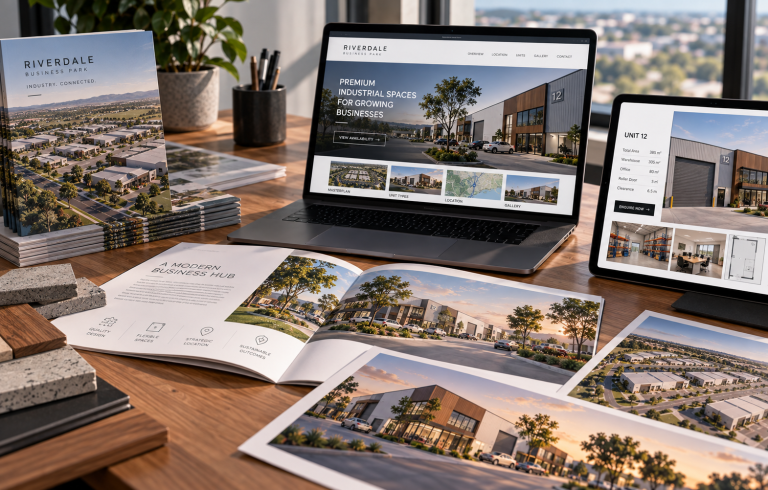
Renders are strongest when they are integrated into masterplans, websites, IMs, signage and agent presentations. That turns them from standalone artwork into working campaign assets.
In practice, this needs to connect back to the live project information, the current design and the commercial objective. The campaign should make it obvious what is fixed, what is indicative, what has changed and what the prospect should do next. That discipline is what turns a marketing asset into a working part of the development process.
DA plans are usually enough to start
Marketing renders can often be developed from architectural PDFs, site plans, elevations, schedules and civil information. Where details are unresolved, assumptions should be identified and controlled rather than hidden.
In practice, this needs to connect back to the live project information, the current design and the commercial objective. The campaign should make it obvious what is fixed, what is indicative, what has changed and what the prospect should do next. That discipline is what turns a marketing asset into a working part of the development process.
Tenant branding can support pre-leasing
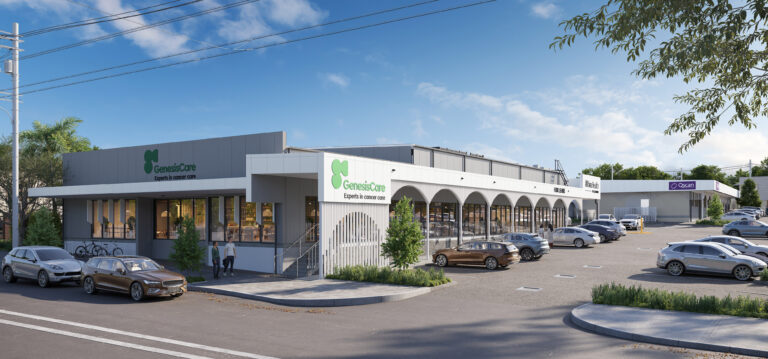
Indicative tenant signage can help prospective occupiers visualise identity and frontage, provided it is clearly presented and does not imply a committed tenant where none exists.
In practice, this needs to connect back to the live project information, the current design and the commercial objective. The campaign should make it obvious what is fixed, what is indicative, what has changed and what the prospect should do next. That discipline is what turns a marketing asset into a working part of the development process.
Coordinate marketing with the project programme
The marketing schedule should reflect approvals, design freezes, pricing decisions, construction milestones and agent launch timing. Producing assets without reference to the development programme creates rework and can put outdated information into market.
In practice, this needs to connect back to the live project information, the current design and the commercial objective. The campaign should make it obvious what is fixed, what is indicative, what has changed and what the prospect should do next. That discipline is what turns a marketing asset into a working part of the development process.
Layer information according to buyer intent
The first interaction should be simple enough to understand quickly, while deeper plans, specifications and due-diligence material should be available for serious prospects. This keeps the campaign accessible without making it shallow.
In practice, this needs to connect back to the live project information, the current design and the commercial objective. The campaign should make it obvious what is fixed, what is indicative, what has changed and what the prospect should do next. That discipline is what turns a marketing asset into a working part of the development process.
Agent usability is a quality test
If an agent can take the material into a call, inspection or email and answer the likely next question immediately, the asset is doing useful work. If it only looks good on a presentation board, it may not be solving the commercial problem.
In practice, this needs to connect back to the live project information, the current design and the commercial objective. The campaign should make it obvious what is fixed, what is indicative, what has changed and what the prospect should do next. That discipline is what turns a marketing asset into a working part of the development process.
Measure where uncertainty remains
Repeated questions reveal where the campaign is weak. If prospects constantly ask about access, areas, timing, approvals or inclusions, the information probably needs to be clearer or easier to find.
In practice, this needs to connect back to the live project information, the current design and the commercial objective. The campaign should make it obvious what is fixed, what is indicative, what has changed and what the prospect should do next. That discipline is what turns a marketing asset into a working part of the development process.
Keep the current version easy to identify
Every major campaign asset should have a clear current version. Old PDFs, superseded plans and previous renders should be archived internally so agents and prospects are not accidentally sent stale information.
In practice, this needs to connect back to the live project information, the current design and the commercial objective. The campaign should make it obvious what is fixed, what is indicative, what has changed and what the prospect should do next. That discipline is what turns a marketing asset into a working part of the development process.
Know when the issue is product rather than promotion
If the campaign is clear and enquiry is informed but transactions stall, the cause may be price, product mix, timing, access, terms or specification. Marketing should surface that feedback rather than conceal it.
In practice, this needs to connect back to the live project information, the current design and the commercial objective. The campaign should make it obvious what is fixed, what is indicative, what has changed and what the prospect should do next. That discipline is what turns a marketing asset into a working part of the development process.
Commercial accuracy should survive handover between teams
The asset may be created by one team, approved by another and used by agents who were not part of the production process. That means labels, areas, status, staging and technical terminology need to stand on their own without relying on background knowledge.
That is especially important in commercial property because the next step usually involves technical, legal or commercial information rather than a simple consumer purchase. The transition from marketing into transaction should therefore feel deliberate and controlled.
Future updates should be anticipated
A project that is still moving will need revisions. Building the campaign around editable source files, consistent naming and a clear approval process makes those updates routine rather than disruptive.
That is especially important in commercial property because the next step usually involves technical, legal or commercial information rather than a simple consumer purchase. The transition from marketing into transaction should therefore feel deliberate and controlled.
Use real project evidence whenever it becomes available
As approvals are issued, site works commence and construction progresses, the campaign should progressively replace assumptions with evidence. That shift increases confidence and gives earlier prospects a reason to revisit the opportunity.
That is especially important in commercial property because the next step usually involves technical, legal or commercial information rather than a simple consumer purchase. The transition from marketing into transaction should therefore feel deliberate and controlled.
The final test is whether the market can act
Good marketing should lead naturally into enquiry, due diligence, inspection, leasing discussion, contract review or another defined next step. If the prospect understands the project but has no clear pathway to act, the campaign is incomplete.
That is especially important in commercial property because the next step usually involves technical, legal or commercial information rather than a simple consumer purchase. The transition from marketing into transaction should therefore feel deliberate and controlled.
Commercial decisions should drive the information hierarchy
Commercial property audiences scan for decision-critical information before they engage with broader campaign language. Areas, access, timing, planning status, loading, parking, specification, staging and transaction structure should therefore be easier to find than generic project claims. This does not mean every page needs to look technical. It means the hierarchy should reflect how experienced buyers, tenants, agents and developers actually evaluate opportunities.
The benefit is speed. A serious prospect can qualify the opportunity quickly, while an agent can move directly into the next level of discussion. That reduces repetitive questions and makes it easier to distinguish between genuine objections and missing information.
Cross-check every major claim against the current project source
Marketing teams often receive information from architectural drawings, civil plans, planning reports, schedules, consultant emails and agent notes at different times. Before an important claim appears in market, it should be traceable to a current source. That is particularly important for areas, access, clear heights, parking, approvals, staging and delivery timing because small inconsistencies can affect commercial decisions.
A simple source-of-truth process also makes revisions faster. When the design changes, the team can identify which campaign assets are affected instead of manually reviewing everything from scratch.
What this means for the development team
The strongest approach is to treat planning, visualisation, masterplanning and digital delivery as connected parts of one information system. When the project changes, the campaign should be able to change with it without losing accuracy, visual consistency or momentum.
Commercial Property Marketing can coordinate these assets around the same approved project information so CGI, plans, websites, IMs and agent material remain aligned as the development moves from concept through approval, launch, construction and transaction.
More commercial property marketing resources
Explore Commercial Property Marketing and Commercial Property Insights for related development marketing strategy, visualisation and project-launch material.