

























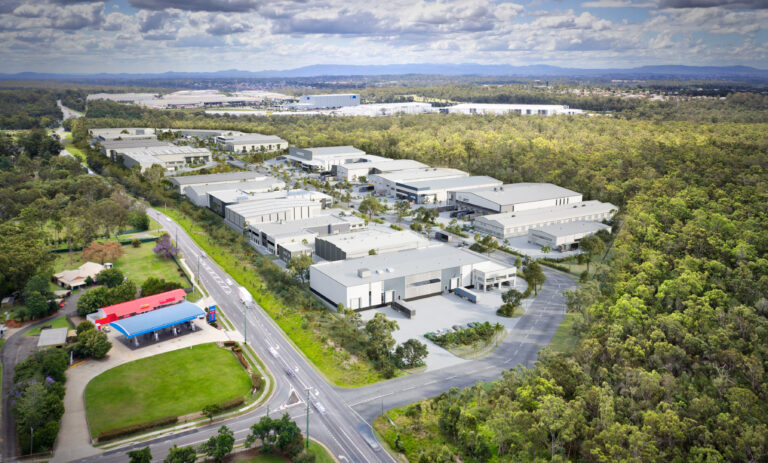



If you've decided "I want to sell my commercial property", the single biggest lever you control is how the property is marketed. Location and lease terms are what they are. But the way the opportunity is presented decides how many qualified buyers see it, how quickly they understand it and how hard they compete for it.
This playbook is written from the owner's side. It skips most of the legal and process detail (we cover that in our guide to selling commercial property in Australia) and focuses on the marketing decisions that typically shorten a campaign and lift the result.
The basics, in one minute
Before the marketing starts, four decisions need to be locked in. Each one deserves proper advice, so here is the short version:
- Value. Get a realistic range from comparable sales, the yield or cap rate on the income and a rate per square metre check. A formal valuation is worth it on larger or unusual assets.
- Method. Private treaty, auction, expressions of interest or off-market. Each one suits a different asset and buyer pool.
- Agent. Choose on sector knowledge, buyer database and the quality of the campaign they propose, not just the fee.
- Paperwork. Leases, outgoings, approvals and the vendor disclosure your state requires should be ready before launch. Get legal and tax advice early, particularly on GST and capital gains.
Our full selling guide walks through each of these step by step. The rest of this article is about what happens once you're ready to go to market.
Why marketing decides how fast you sell
Commercial buyers are busy and analytical. Investors, developers and owner-occupiers will often screen dozens of listings before they inspect one. If your campaign doesn't answer their first questions quickly, they move on to the next opportunity and you may never know they looked.
Good marketing does three jobs:
- Reach. It puts the property in front of every realistic buyer, not just the ones already on your agent's list.
- Clarity. It makes the opportunity easy to understand in seconds: what it is, what it earns or could earn, why the location works.
- Confidence. It answers due diligence questions before they're asked, which keeps momentum up and reduces price chipping late in the deal.
When those three things happen at once you get competitive tension. That is what typically moves both the price and the days on market.
Know who you're selling to
Every decision in your campaign flows from the buyer pool. The same building can be marketed three very different ways.
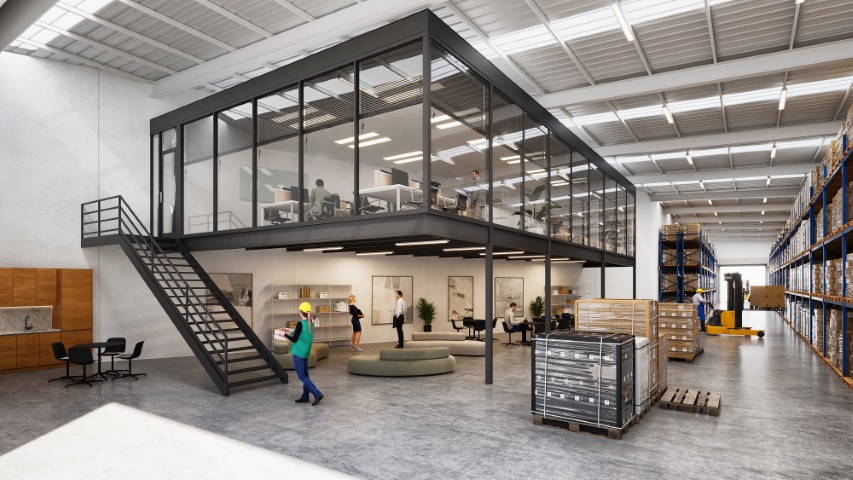
- Owner-occupiers want to know whether their business will work there. Show layout, clearances, power, parking, access, hardstand and how close staff and customers are. They respond well to floor plans, fit-out ideas and a clear picture of the daily drive.
- Investors want income security. Lead with the tenant, the lease, the WALE, rent reviews and outgoings recovery. A clean tenancy schedule and a sharp summary of the numbers do more than any adjective.
- Developers want upside. Show zoning, site area, frontage, overlays and what could realistically be built. This is where visuals of potential matter most.
Many properties appeal to more than one group. That's a strength, but only if the campaign speaks to each of them clearly rather than trying to say everything at once.
Present the opportunity, not just the property
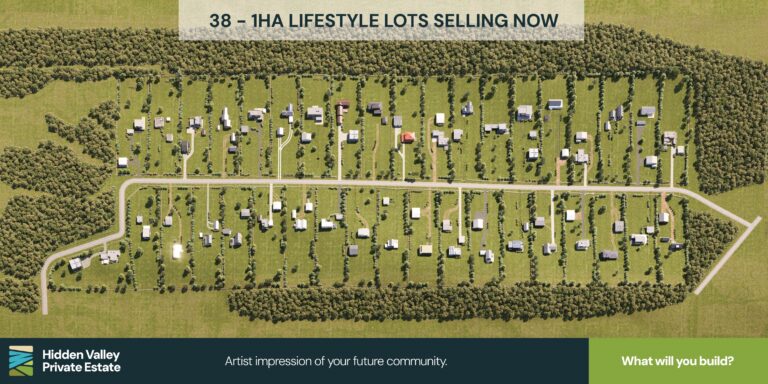
Buyers pay for what a property can do for them. A tired warehouse on a large corner block is a very different proposition once a buyer can see the modern estate it could become. A vacant paddock on a growth corridor means little until someone shows the lots, roads and buildings it could hold.
The gap between what exists today and what a buyer is being asked to imagine is where value is often left on the table. Most people can't read a zoning map or a set of plans and picture the outcome. If you leave them to do it themselves, they discount for the uncertainty.
Closing that gap is the heart of selling a commercial property faster. The tools below are how it's done.
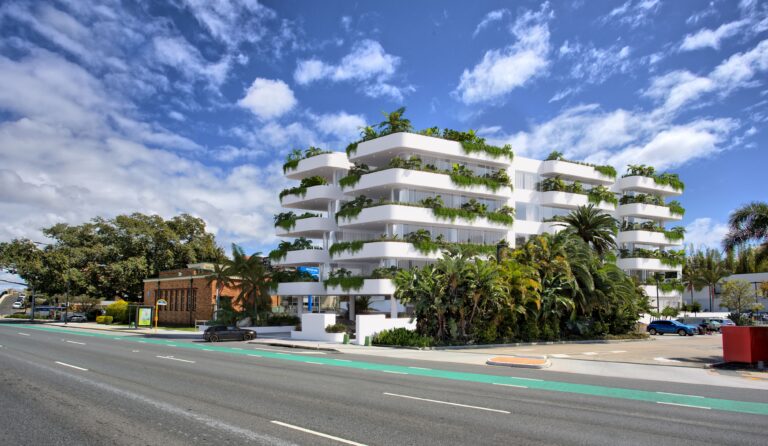
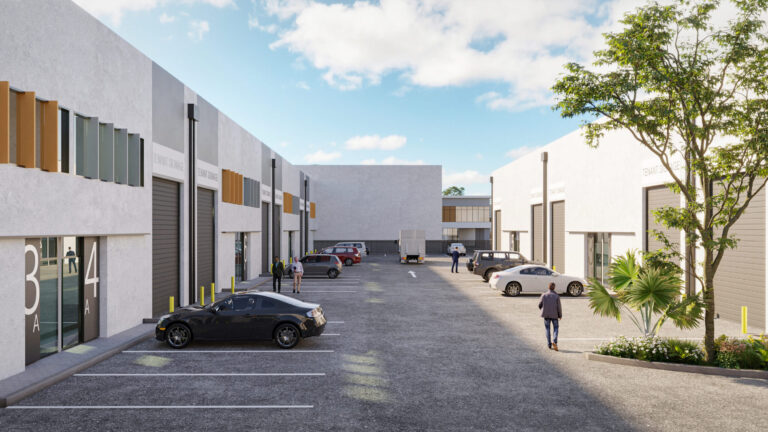
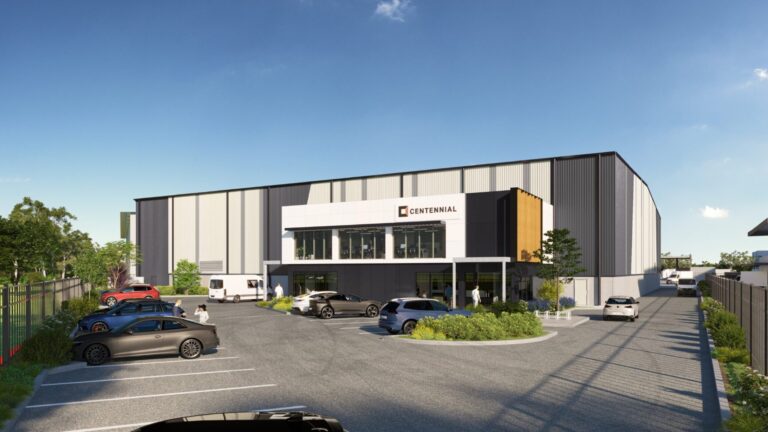
3D renders: aerial and ground level
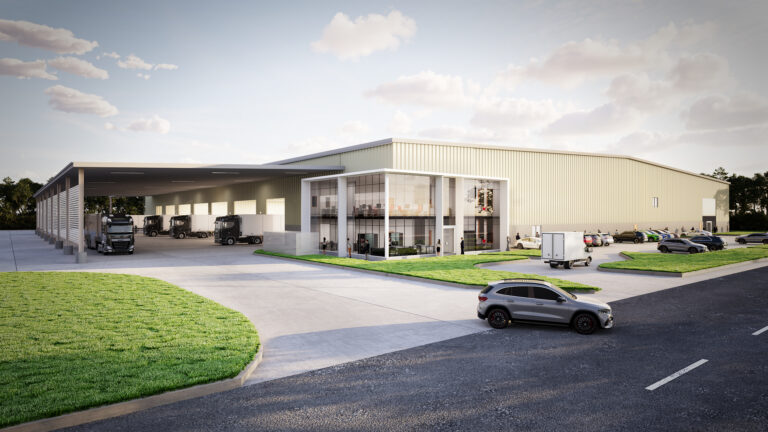
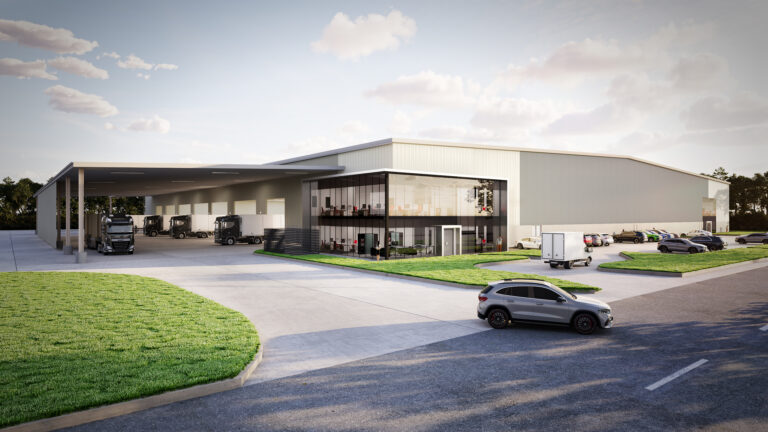
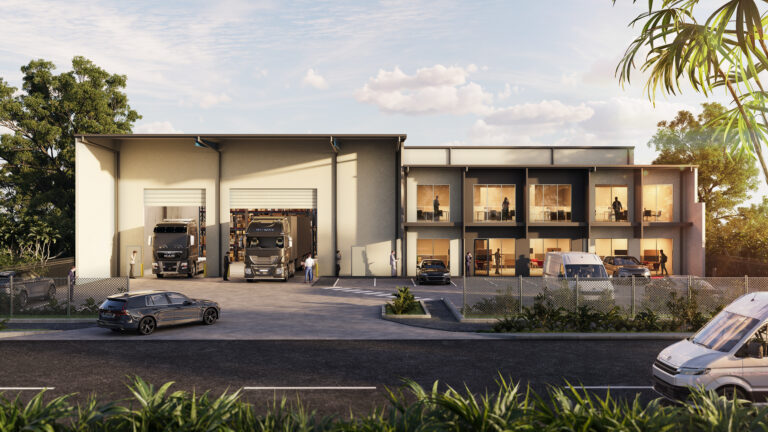
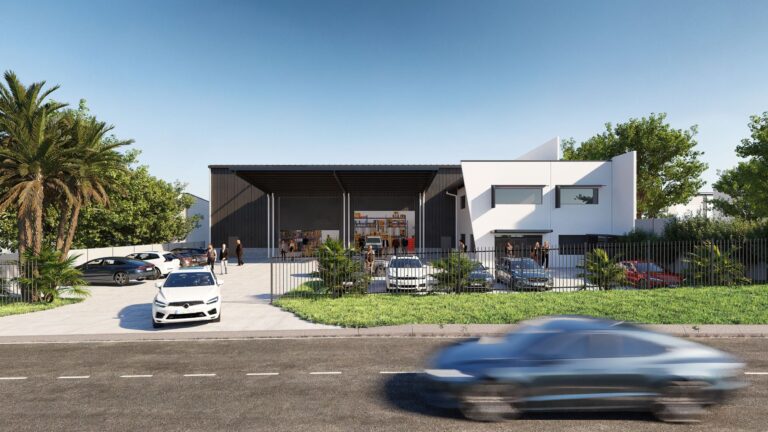
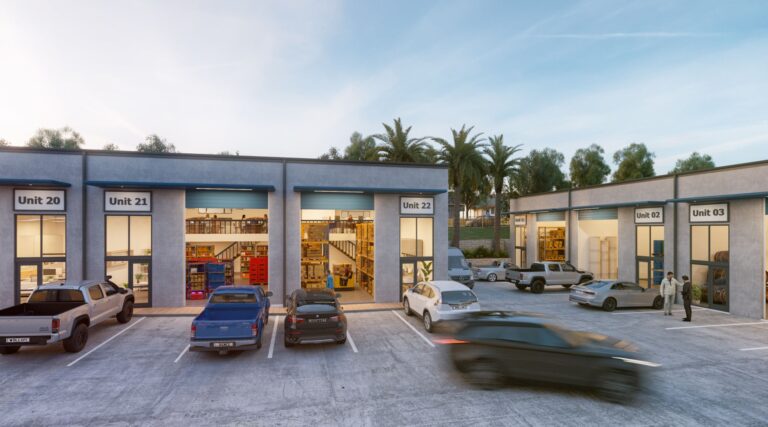
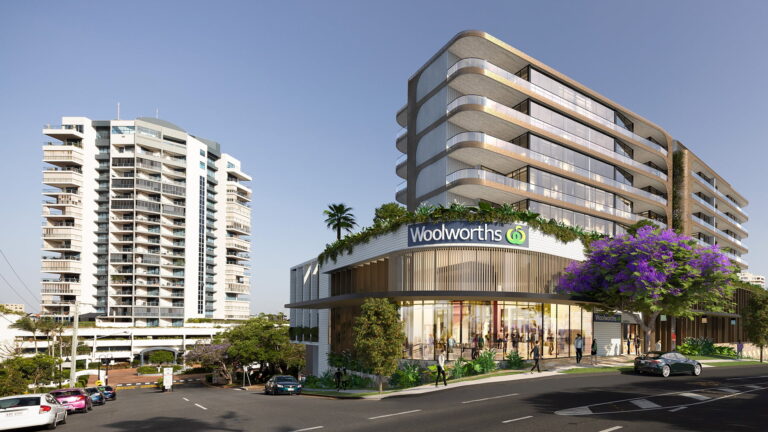
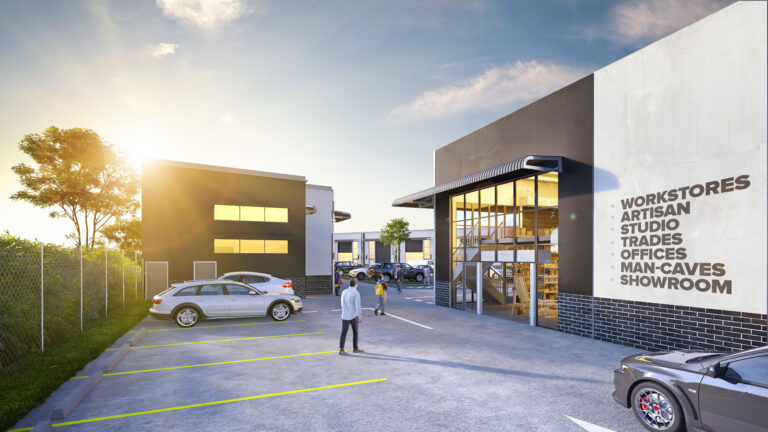
3D renders let buyers see the finished product before it exists. For a commercial sale they typically fall into two groups.
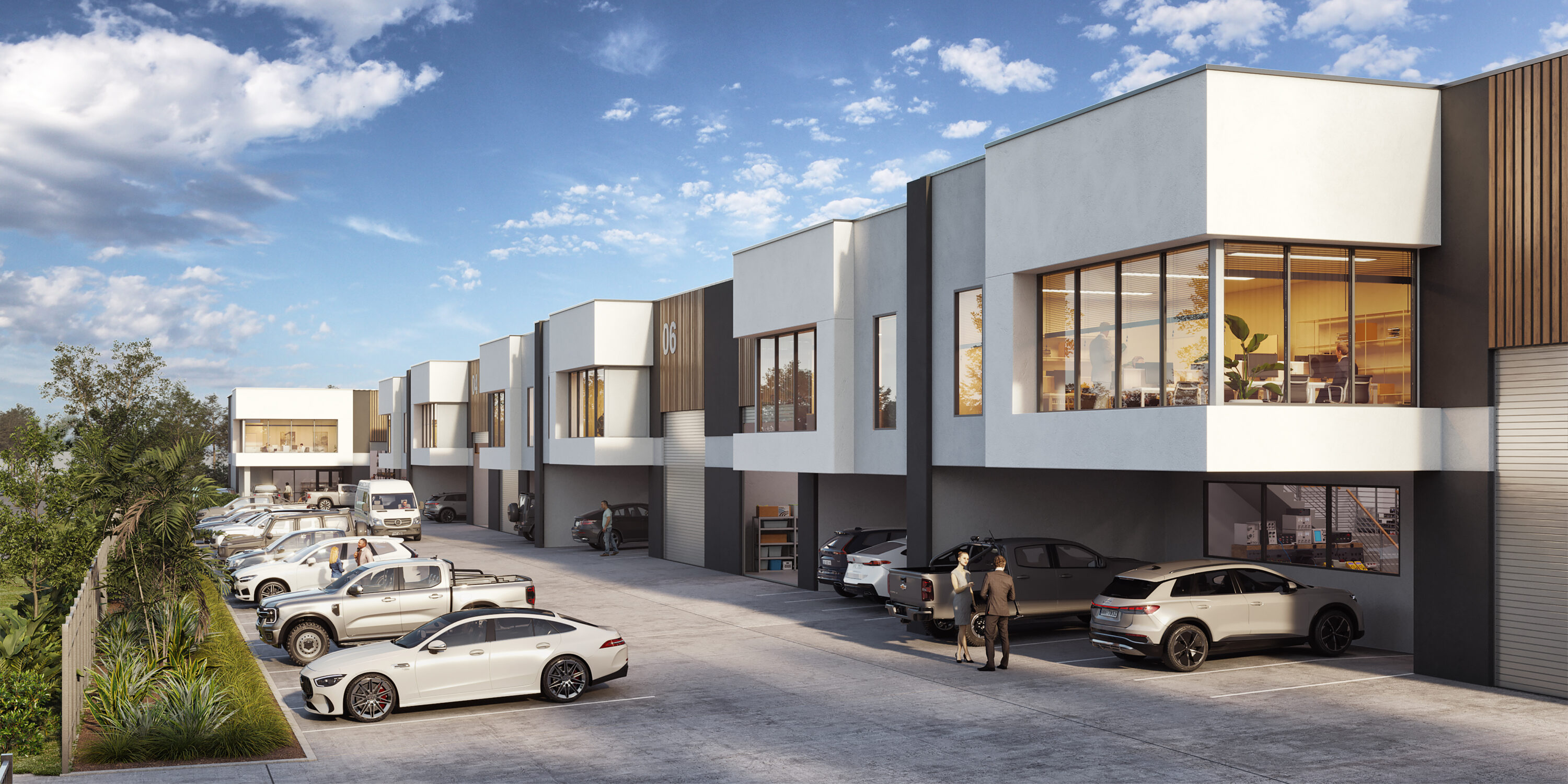
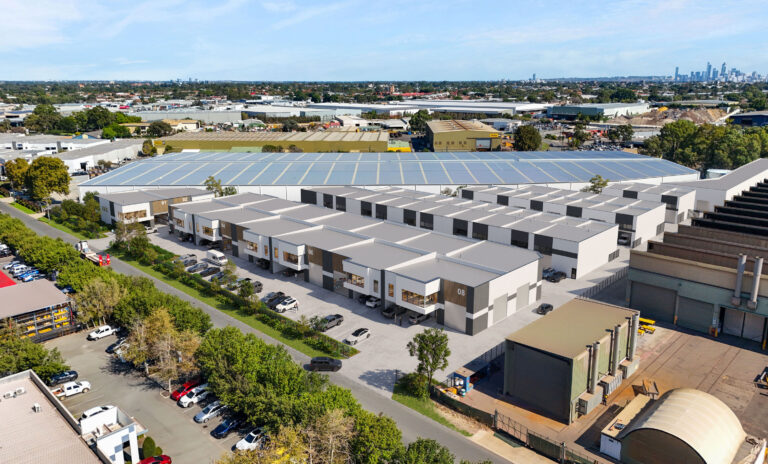
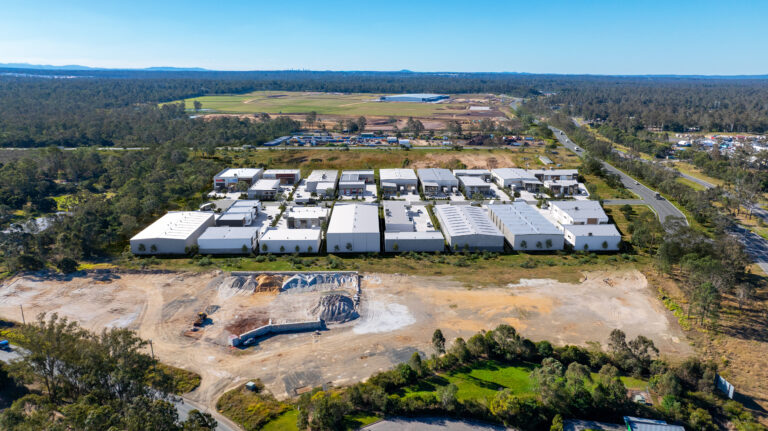
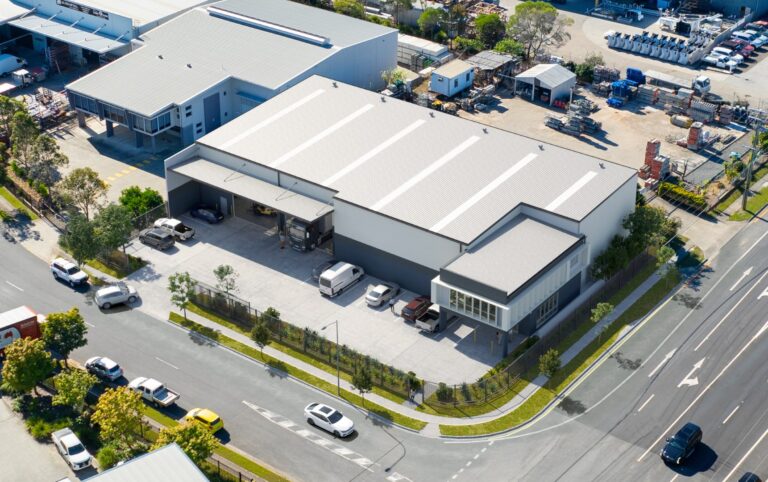
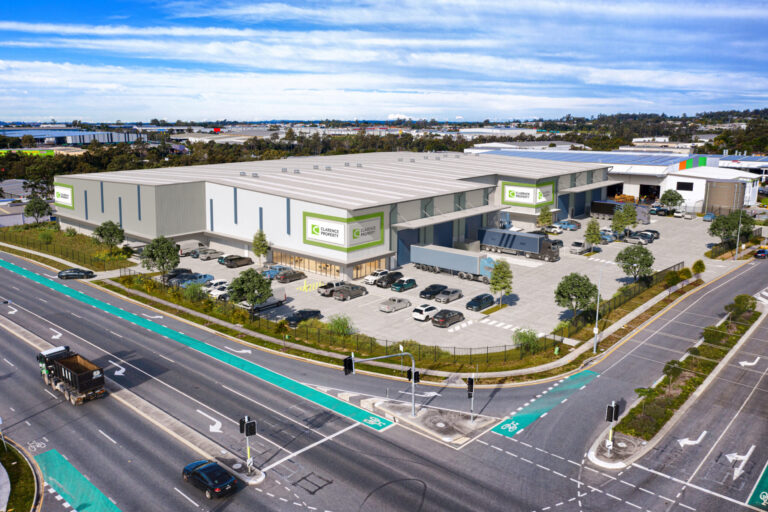
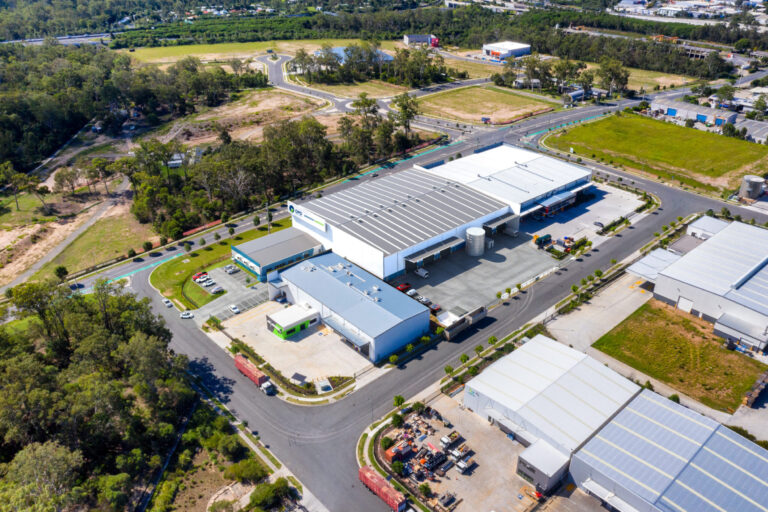
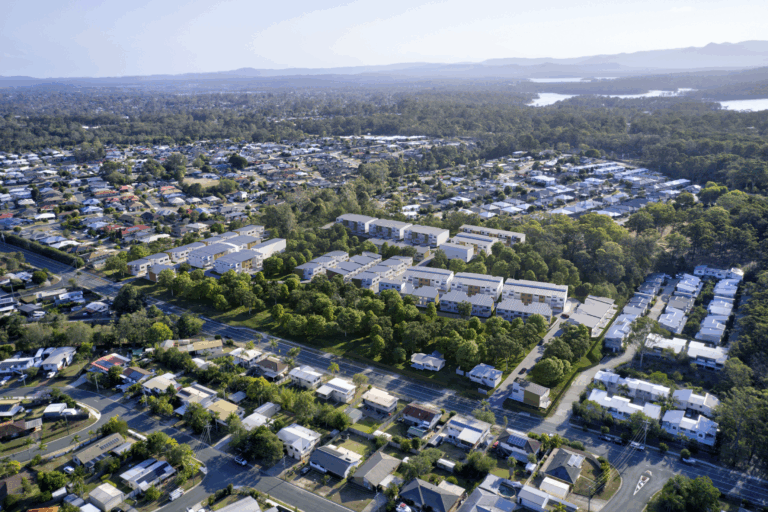
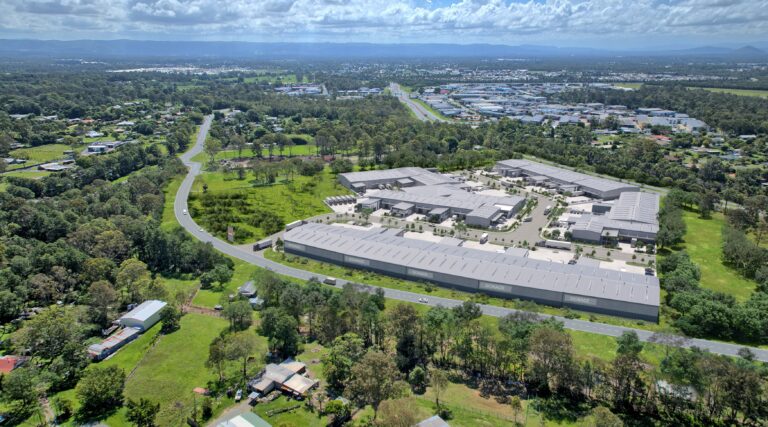
- Aerial renders show the whole site in context: the building or concept dropped into the real surroundings, with roads, neighbours and landmarks in view. They are ideal for development sites, estates and large industrial assets where scale is the story.
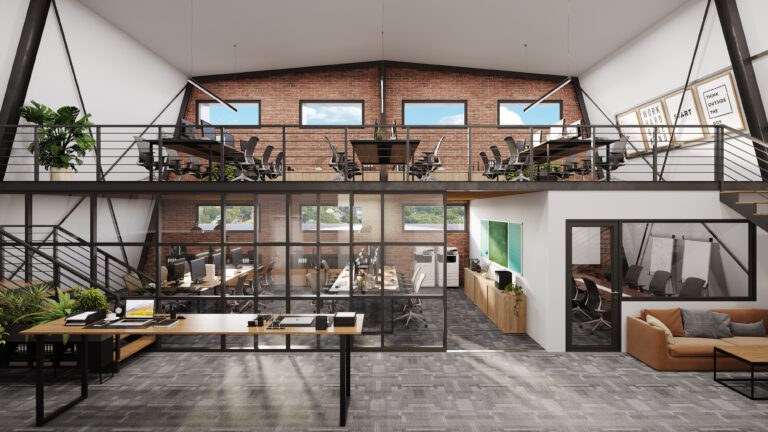
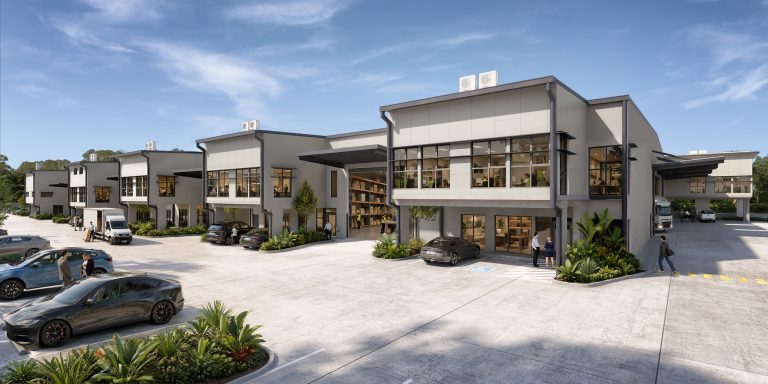
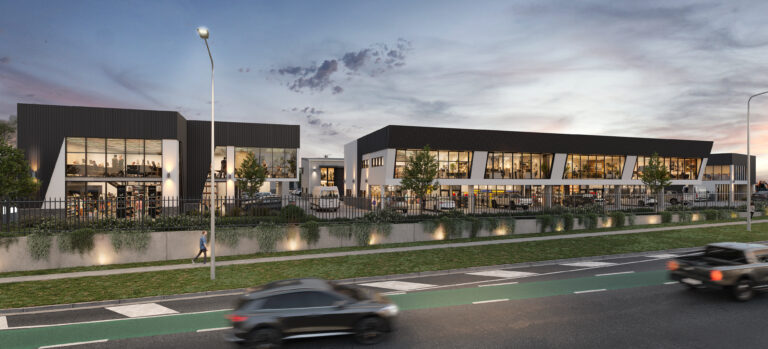
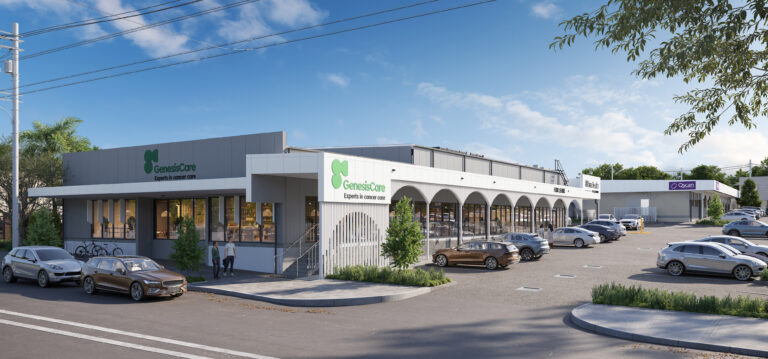
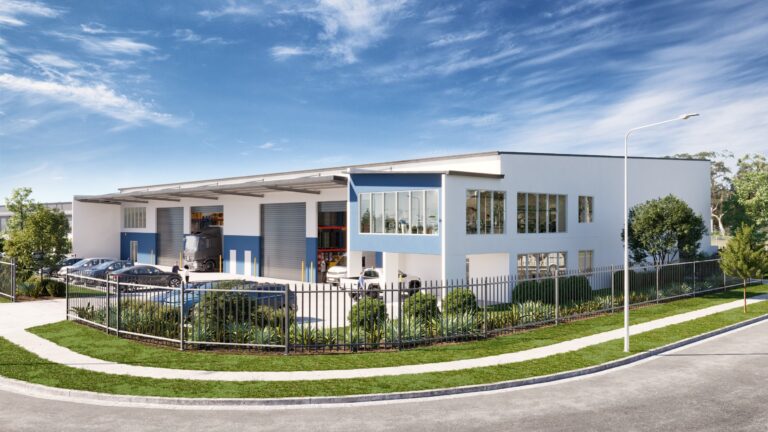
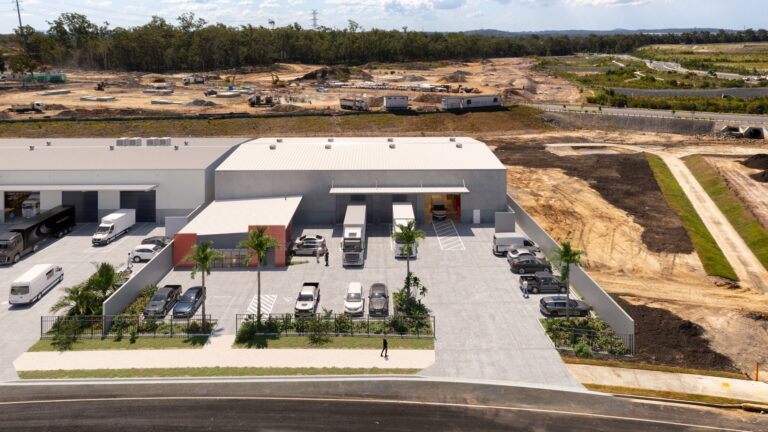
- Ground-level renders show the street presence, entry, facade and sometimes interiors. They help owner-occupiers and tenants picture themselves in the space.
Renders work well for vacant land, sites with an approval or a concept design, buildings that will be refurbished and properties where a change of use is the real opportunity. They are also useful for income-producing assets where a planned upgrade or expansion would lift value for the next owner.
Two rules keep them credible. First, base them on real plans, real site boundaries and planning controls that actually allow the concept. Second, label concept imagery as indicative. Buyers trust visuals more when they can see they're grounded in fact. See our 3D renders page for the kinds of views that suit different assets.
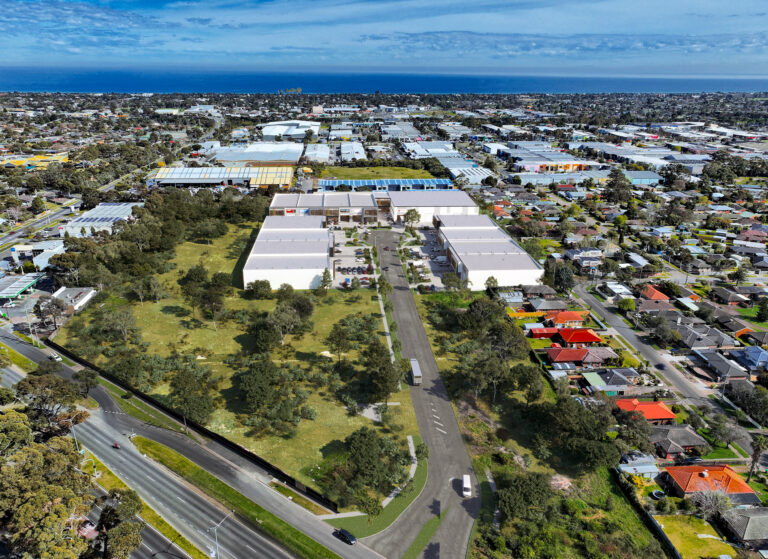
Drone footage and location context
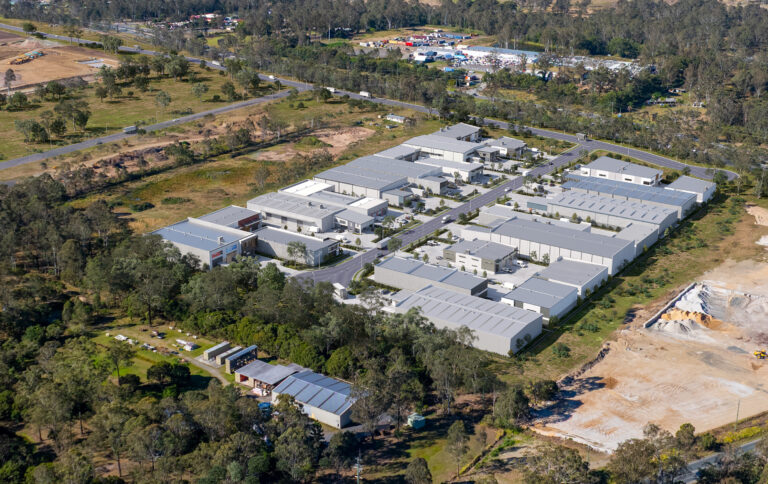
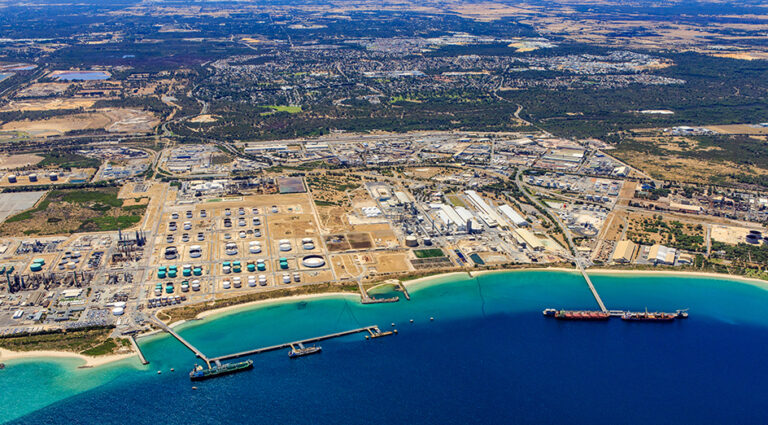
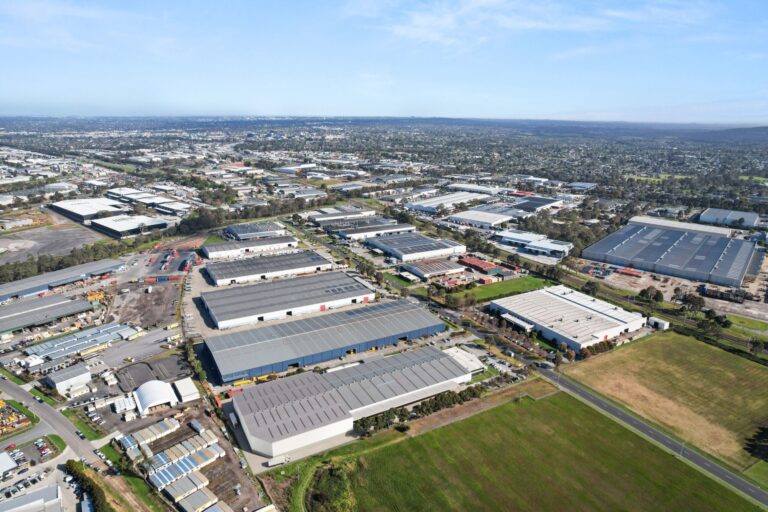
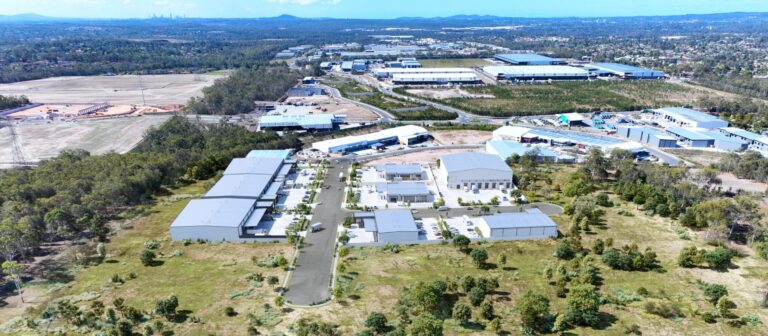
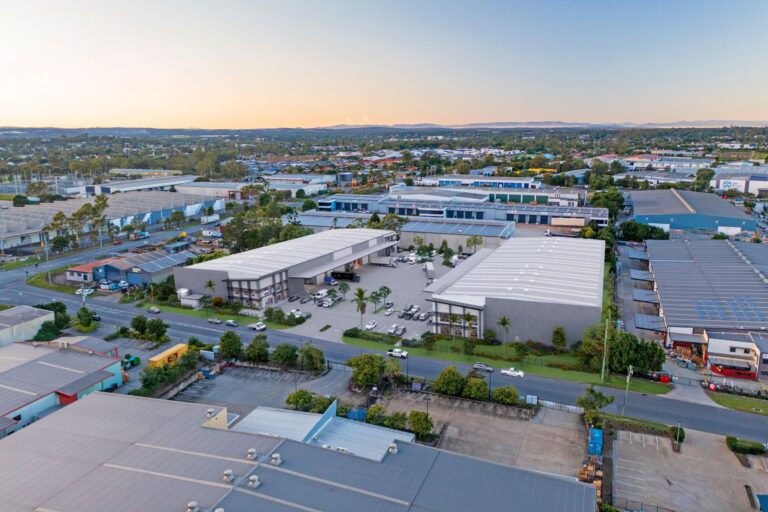
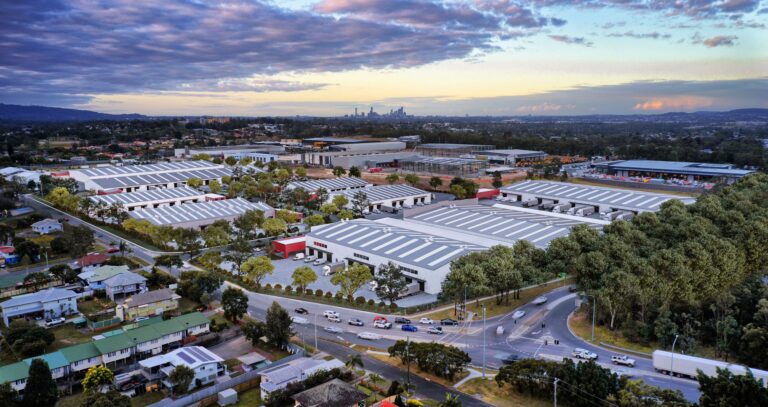
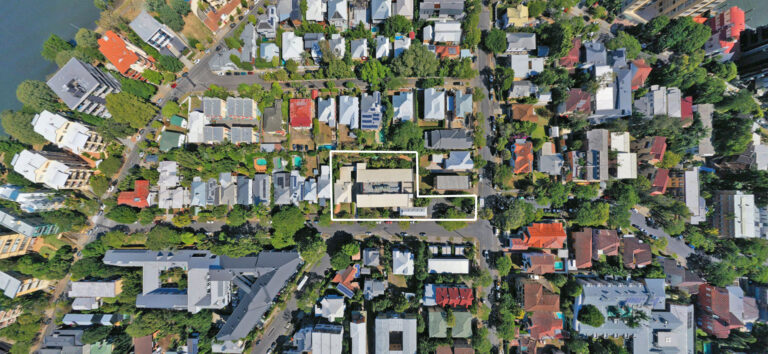
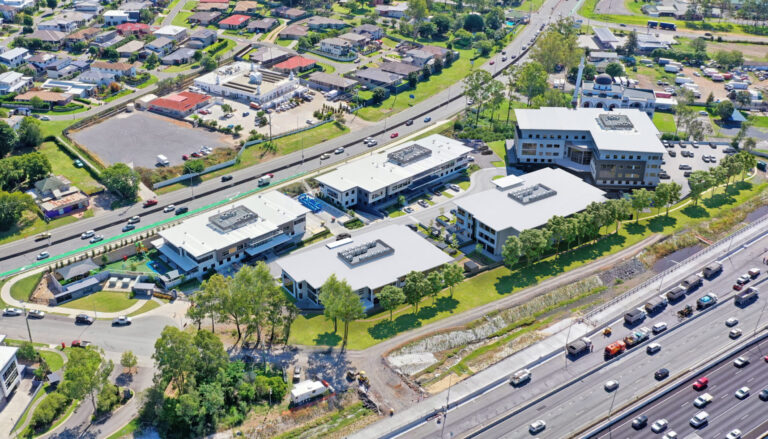
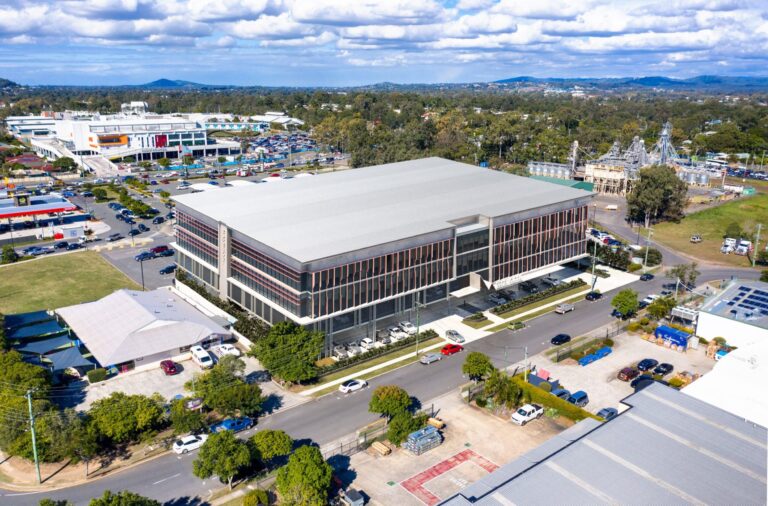
In commercial property, location is often most of the value. Drone photography and video show what ground photos can't: the size of the site, the access points, the surrounding businesses, the motorway on-ramp two minutes away.
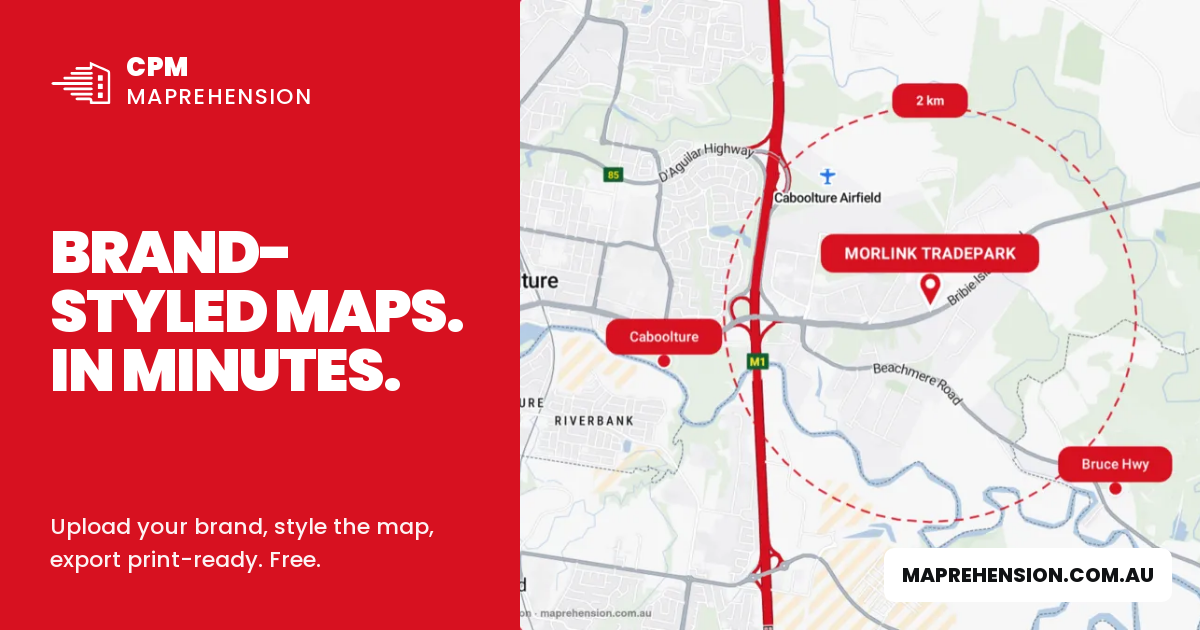
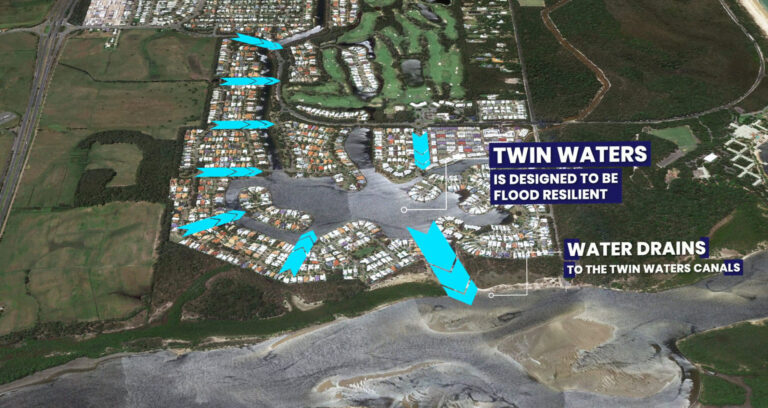
The most effective location imagery is annotated. Mark the boundaries, label the key roads, show the distance to transport, ports, airports, workforce areas and major tenants. A clean annotated aerial is often the image that stops a buyer scrolling on a listing portal.
For larger sites, a drone survey can also capture accurate levels and site data. That helps developers run their numbers sooner, which helps you get a firm offer sooner.
Before and after visuals of potential
A before and after pair is one of the simplest and most persuasive tools in a commercial campaign. Show today's site or building next to what it could become: the refurbished facade, the subdivided estate, the extra level, the new hardstand.
These visuals do a specific job. They take the developer or value-add investor straight to the upside without needing to explain it in words. They also widen your buyer pool, because people who wouldn't have seen the opportunity now can.
Keep the "after" realistic. If the planning scheme won't allow it, don't show it. An honest potential visual builds confidence. An inflated one creates suspicion and can cause problems in due diligence.
A sharp Information Memorandum
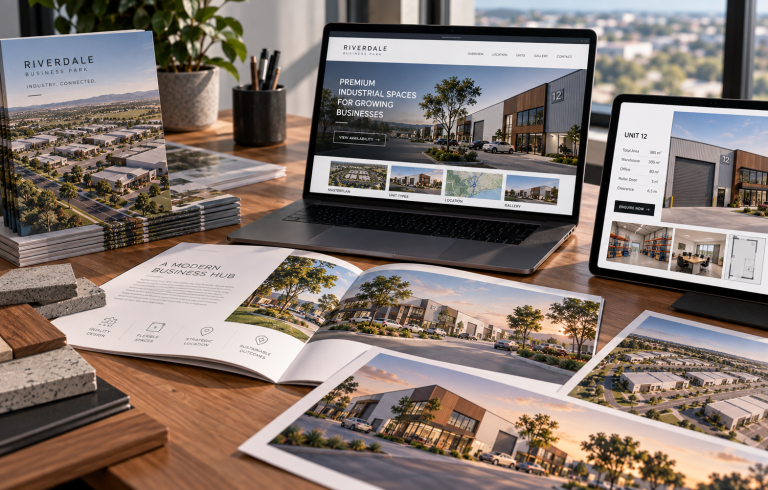
The Information Memorandum (IM) is where serious buyers decide whether to make an offer. It should read like a well-organised investment case, not a brochure.
A strong IM typically includes:
- An executive summary that sells the opportunity on one page
- Property details: title, site area, building area, zoning and improvements
- Location analysis with annotated maps and aerials
- Tenancy schedule, lease summaries and income details for investment assets
- Development potential with planning controls and indicative concepts for sites
- Floor plans, site plans and quality photography or renders
- Sale process, key dates and contact details
Design matters too. A clear layout with strong visuals keeps buyers reading and makes your property look like a professionally run sale. A messy IM suggests messy paperwork. Buyers price that in.
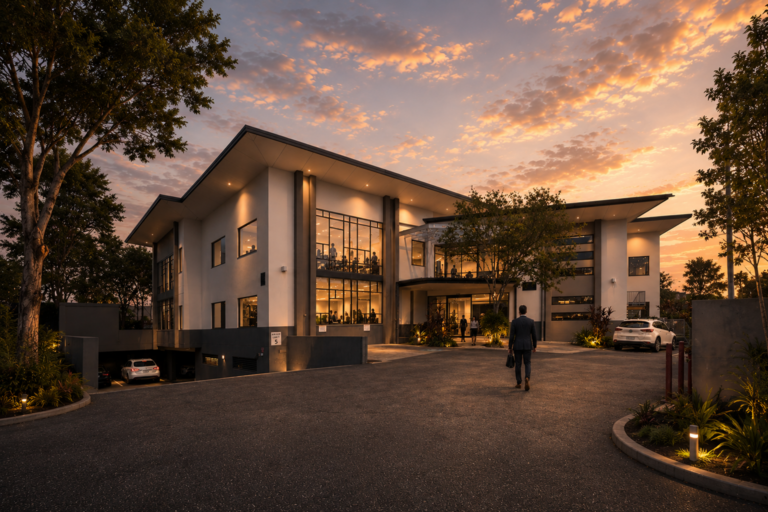
A good example from our own work is the Garden City Office Park investor campaign, which positioned Building 5 as a secure, government-backed investment anchored by Metro South Health, using research, design and architectural visualisation to build the sales material.
A property website and location explorer
For larger assets, estates and development sites, a dedicated property or project website gives the campaign a home that isn't shared with competing listings. It can hold everything a buyer needs: renders, aerials, plans, the location story, an enquiry form and downloadable documents.
An interactive location explorer takes this further. Instead of a static map, buyers can explore the surrounding area themselves: travel times, nearby amenities, major roads and infrastructure. For multi-lot projects, live availability shows exactly what's left, which also creates gentle urgency.
Our Morlink TradePark project is a good example. Vacant land was turned into a market-ready precinct with the buildings designed and a full suite of 3D, branding, website and marketing material behind it. Read more about property websites and the CPM Explorer location tool.
Listing portals and photography
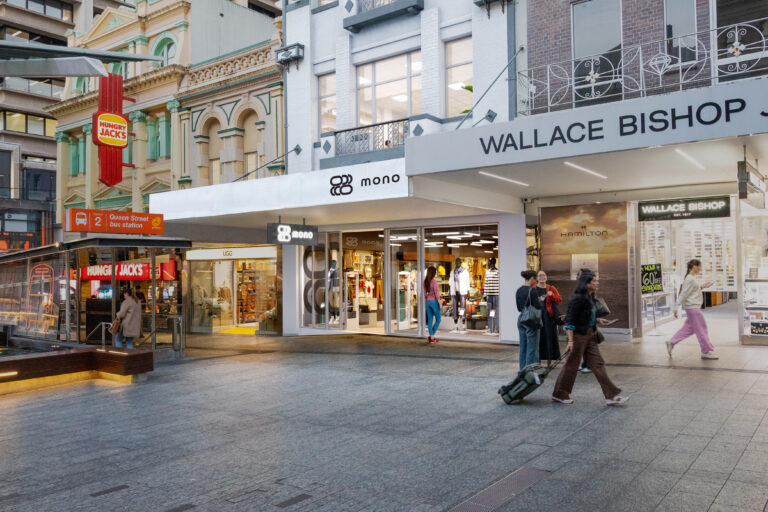
Portals such as realcommercial.com.au and commercialrealestate.com.au are still where many buyers start. On a portal you have a thumbnail and a headline to earn the click, so the hero image does a lot of work.
- Lead with your strongest image. That might be an annotated aerial, a twilight shot or a render, not a generic street view.
- Use professional photography. Shoot on a clear day, at the right time for the light, with the site cleaned up. Wide, level and well lit beats dramatic angles.
- Write a headline that sells the opportunity. "Corner development site with approved concept" says more than "Rare opportunity".
- Include a floor plan and site plan. Serious buyers expect them.
Paid upgrades on the portals can be worthwhile in the first weeks of a campaign, when interest is highest. Ask your agent what package they recommend and why.
Signage that works
For properties with good passing traffic, a sign board is still one of the most cost-effective tools you have. Local business owners driving past are often the buyers who pay the most for an owner-occupier asset.
Make the sign readable at driving speed: a short headline, the key fact (such as site area or the zoning), the agent's number and a QR code to the property website. For development sites, a large render on the board shows passers-by what's possible.
Digital and social campaigns
Targeted digital advertising lets you reach buyers who aren't actively browsing portals. That includes business owners who've been thinking about buying their own premises and investors who haven't yet seen the right asset.
- LinkedIn suits investors, business owners and developers. Target by job title, industry and location.
- Meta (Facebook and Instagram) works for owner-occupier assets and smaller investment stock, especially with strong video or render content.
- Google search ads capture people actively searching for property in your area or sector.
- Email to the agent's database and relevant investor or developer networks remains essential, particularly in the first week.
Short video performs well across most channels. A 30-second drone flyover with a render reveal at the end often outperforms static images. Always send ad traffic to a page built to convert, such as the property website or a focused landing page with an enquiry form.
Timing and campaign phases
A well-run commercial campaign has a shape. It typically runs in three phases:
- Pre-launch (2 to 4 weeks before). Prepare the visuals, IM, website and data room. Brief the agent's top buyers quietly so they're ready to move when the campaign opens.
- Launch (the first 2 to 3 weeks). Go live everywhere at once: portals, email, digital ads, signage. This is when interest peaks, so the material needs to be ready on day one.
- Close (the final weeks). Follow up every enquiry, run inspections, release further information to serious parties and drive towards the deadline, auction or offer date.
Avoid launching half-ready. Adding renders or an IM three weeks into a campaign means the most motivated buyers saw an incomplete picture first. On wider timing, the commercial market can be affected by interest rates, lending conditions and seasonal slow periods. Talk to your agent about current buyer demand for your asset type before you set a date.
What to brief your agent on
Your agent runs the sale, but you know the property best. A good brief helps them build a stronger campaign. Cover:
- Who you think the most likely buyers are and why
- Any development potential, planning history or approvals
- The strengths buyers might miss, such as recent upgrades, power capacity or a long-standing tenant
- Known issues, so they can be handled upfront rather than discovered late
- Your preferred timing and any settlement flexibility
- What marketing budget you're prepared to invest and what you expect it to cover
Ask the agent to show you the full campaign plan in writing: channels, visuals, IM, timing and how enquiries will be tracked. If the plan is a portal listing and a sign, ask what else they would recommend for your asset.
How marketing spend relates to sale price
Owners often ask how much they should spend on marketing. There's no fixed formula, but there are some sensible ways to think about it.
Marketing costs are usually a small fraction of the sale price of a commercial property. The price outcome depends heavily on how many qualified buyers compete. So even a small improvement in the result can be far larger than the extra marketing cost. The same logic applies to time: every extra month on the market can mean more holding costs, more uncertainty and more chance of the market moving against you.
The right budget depends on the asset. A simple, well-leased investment may need quality photography, a tight IM and targeted email. A development site with untapped potential usually justifies renders, before and after visuals and a project website, because that's where the hidden value lives. Spend where it closes the gap between what buyers see and what the property is worth.
If you'd like a sense of how CPM's work has played out across real campaigns, our portfolio value page sets out the property we've marketed and how each figure was worked out.
Common marketing mistakes
- Launching before the material is ready. First impressions only happen once.
- Generic photos only. Phone snaps on a grey day undersell almost any property.
- Hiding the development potential. If you don't show it, many buyers won't see it. Others will discount it.
- Overselling the potential. Concepts that ignore planning controls damage trust and can come back to bite in due diligence.
- One message for every buyer. Investors, developers and owner-occupiers need different hooks.
- No location story. Assuming buyers know why the area works.
- Slow follow-up. Enquiries go cold fast. Every lead needs a quick, informed response.
- Cutting the budget on the wrong things. Saving on visuals for a high-value site rarely pays off.
Your campaign checklist
- Buyer pool identified (owner-occupier, investor, developer or a mix)
- Key selling points and development potential listed
- Professional photography booked
- Drone photography or video with annotated location context
- 3D renders (aerial and/or ground) where potential needs to be shown
- Before and after visuals for value-add or development sites
- Information Memorandum written, designed and checked
- Floor plans, site plans and tenancy schedule ready
- Property website or landing page with enquiry form
- Location explorer or interactive map for larger sites
- Portal listings with strong hero image and headline
- Signage designed with a QR code
- Digital and social campaign set up and targeted
- Email campaign to agent and investor databases
- Data room ready for due diligence
- Enquiry tracking and follow-up process agreed with your agent
FAQ: sell my commercial property
How long does it take to sell a commercial property?
It varies with the asset, price point, method and market. A typical campaign runs for several weeks, then settlement usually follows over one to three months. Strong preparation and a well-targeted campaign tend to shorten the timeline.
How much does it cost to market a commercial property?
Costs depend on the property and the campaign. A basic campaign might cover photography, portal listings and signage. A development site or high-value asset may add renders, an IM, video and a project website. Ask your agent for an itemised plan.
Do I need 3D renders to sell my commercial property?
Not always. A well-leased, well-presented building may sell on photography and numbers alone. Renders earn their keep when the value lies in potential: vacant land, development sites, refurbishments or a change of use.
Who pays for the marketing, the owner or the agent?
In Australia the vendor typically pays for marketing as a separate cost from the agent's commission. Terms vary, so confirm what's included in your agency agreement before you sign.
Should I sell off-market or run a public campaign?
Off-market can suit owners who value privacy or have an obvious buyer. A public campaign usually reaches more buyers, which can create more competition. Some owners test off-market interest first, then go public if needed.
Can I sell my commercial property while it's tenanted?
Yes. Many commercial properties sell with tenants in place and investors often prefer it. Check the lease for any rights the tenant has and handle inspections with care to keep the relationship strong.
What's the best time of year to sell commercial property?
Activity tends to slow over the Christmas and January period. Beyond that, interest rates, lending conditions and buyer demand for your asset type matter more than the calendar. Ask your agent about current conditions for your sector.
Get a free project analysis
Every property has a story buyers need to see. If you're thinking "it's time to sell my commercial property", start with a clear view of where the value is and how to show it.
Our free project analysis looks at your site, your likely buyers and your market, then maps out the marketing that will present the opportunity best. No obligation, just a clear plan.