







JLL's Q3 2026 Australian industrial report shows national industrial vacancy has fallen to 4.6 per cent, down from 4.8 per cent in June, while gross take-up across the five major markets jumped 20 per cent to a record 1.49 million square metres. It is the second quarter in a row that the Australian industrial vacancy rate has eased and the leasing total beats the previous high of 1.28 million square metres set in late 2023.
The headline is strong but the detail is uneven. Sydney had a record quarter and Perth remains the tightest market in the country. Brisbane and Adelaide went the other way, with vacancy rising in both. JLL's own researchers describe the picture as mixed, with big tenants leasing hard while smaller operators stay cautious.
JLL Q3 2026 industrial report at a glance
- National vacancy: 4.6 per cent, down from 4.8 per cent in Q2 2026
- Prime vacancy: 3.7 per cent, down from 4.2 per cent
- Gross take-up: a record 1.49 million sqm, up 20 per cent on the June quarter
- Pre-leasing: roughly 133 per cent above the ten-year average for pre-leases
- Completions: 280,400 sqm, down 51.5 per cent and the lowest quarterly total since Q3 2021
- Pre-commitment: 70.7 per cent of space under construction nationally is already committed
- Investment sales: down 47.7 per cent after a record Q2 but still 68.6 per cent above the ten-year average
- Who is leasing: transport, postal and warehousing plus retail trade occupiers took 66.7 per cent of all space
Industrial vacancy by city: Sydney, Melbourne, Brisbane, Perth and Adelaide
JLL tracks buildings over 5,000 sqm in Sydney and Melbourne and over 3,000 sqm in Brisbane, Perth and Adelaide. Its vacancy figures include sublease space. Here is how each market moved in the September quarter.
- Sydney: vacancy fell from 5.8 to 5.4 per cent. Gross take-up hit 630,500 sqm, a record for the city and about 23 per cent above its previous high in Q2 2020. Around 417,700 sqm of that was pre-committed space. Sydney still has the highest vacancy of the five markets, but it is falling.
- Melbourne: vacancy eased from 4.9 to 4.7 per cent. Take-up of 441,800 sqm was close to 40 per cent above the long-run average. Completions were down sharply at 58,700 sqm.
- Brisbane: vacancy rose from 4.5 to 4.8 per cent, even though take-up of 298,700 sqm was the city's best quarter since Q3 2023. Pre-leases made up about 64 per cent of that leasing.
- Perth: vacancy fell from 2.2 to 1.8 per cent, the lowest in the country. Take-up was 85,000 sqm.
- Adelaide: vacancy lifted from 3.8 to 4.3 per cent. Take-up dropped to 32,300 sqm after a big June quarter.
Rents told a slightly different story. Adelaide led quarterly rental growth at 2.1 per cent, ahead of Brisbane at 1.5 per cent, Melbourne at 0.8 per cent and Sydney at 0.1 per cent. Perth rents held flat. Incentives were broadly steady across the board.
Why take-up hit a record
The biggest driver was pre-leasing by large occupiers. Third-party logistics groups, major retailers and the businesses that feed the data centre build-out are signing up for space before it is finished. Transport and retail occupiers alone accounted for two thirds of all leasing.
Manufacturing is the quieter part of the story. JLL says manufacturing take-up so far in 2026 is already double the segment's usual full-year average. Mid-tier logistics firms also stepped up over the quarter as they expanded or repositioned for new contracts ahead of the end-of-year trading period.
Annabel McFarlane, JLL's head of strategic research in Australia, said large tenants are concentrating on supply chain efficiency and are building automation and robotics into facilities due over the next few years. Her point is that older warehouses are often hard to automate at a sensible cost. Clear height has become one of the biggest efficiency factors for these tenants, which is why so much demand is flowing into new, purpose-built stock rather than second-hand sheds.
The mixed picture behind the headline
McFarlane was also clear that the strong numbers hide a split market. Big operators are confident and committing early. Smaller businesses are less upbeat and consumer confidence has softened. That matters for owners of older, smaller units that rely on local trades, wholesalers and small manufacturers rather than national logistics chains.
Nathan Bingham, JLL's head of industrial and logistics for Australia and New Zealand, said demand for existing space has moderated, although volumes remain well above average. On Brisbane he put the rise in vacancy down to construction finishing at several sites, which he expects to be a short-term effect in the lead-up to the Olympics.
So the national vacancy rate is falling mainly because new supply has dried up and large pre-leases are soaking up what is being built. It is not because every type of industrial space is in short supply.
Supply is drying up
Completions of 280,400 sqm in the quarter were roughly half the June figure and the lowest since 2021. The speculative building wave of the past few years is tapering off. With 70.7 per cent of space under construction already committed, there is not much uncommitted new stock coming for tenants who need space quickly.
Other research points the same way. Prological's first-half 2026 report, released in July, found developers were wary of building speculatively because construction and borrowing costs remain high after the Reserve Bank lifted rates three times early in the year. It also noted that several approved projects now depend on tenant commitments to proceed, which could push some completions out to 2028 or beyond.
Measures differ between firms. CBRE's first-half 2026 vacancy report put the national rate at 3.2 per cent, using its own methodology and building thresholds. The level varies with each data set, but the direction is consistent: the easing in vacancy that ran through 2024 and 2025 has stalled and in most markets reversed.
What investors are doing
Industrial investment volumes fell almost by half from a record June quarter but are still well above the long-run norm. Ben Hegarty, who heads JLL's logistics and industrial capital markets team, said both domestic and offshore investors have stayed active. He pointed to data centres, infrastructure spending and population growth as long-term demand drivers. Investors are watching the economy but will still back well-located assets, especially in Sydney and Melbourne.
Recent deals show the appetite. Charter Hall has agreed to buy a Brisbane industrial portfolio from Garda Property Group for $300 million at a fully leased yield of about 5.8 per cent, as Garda exits direct property ownership to focus on lending. In Melbourne, Goodman has leased 45,249 sqm across four buildings at its Port Melbourne estate, filling one of the area's largest vacancies in years.
Lessons for industrial owners and developers
- Modern specification wins. Height, power, hardstand and room for automation are what large tenants are paying for. Older stock needs a clear upgrade plan or a sharper price.
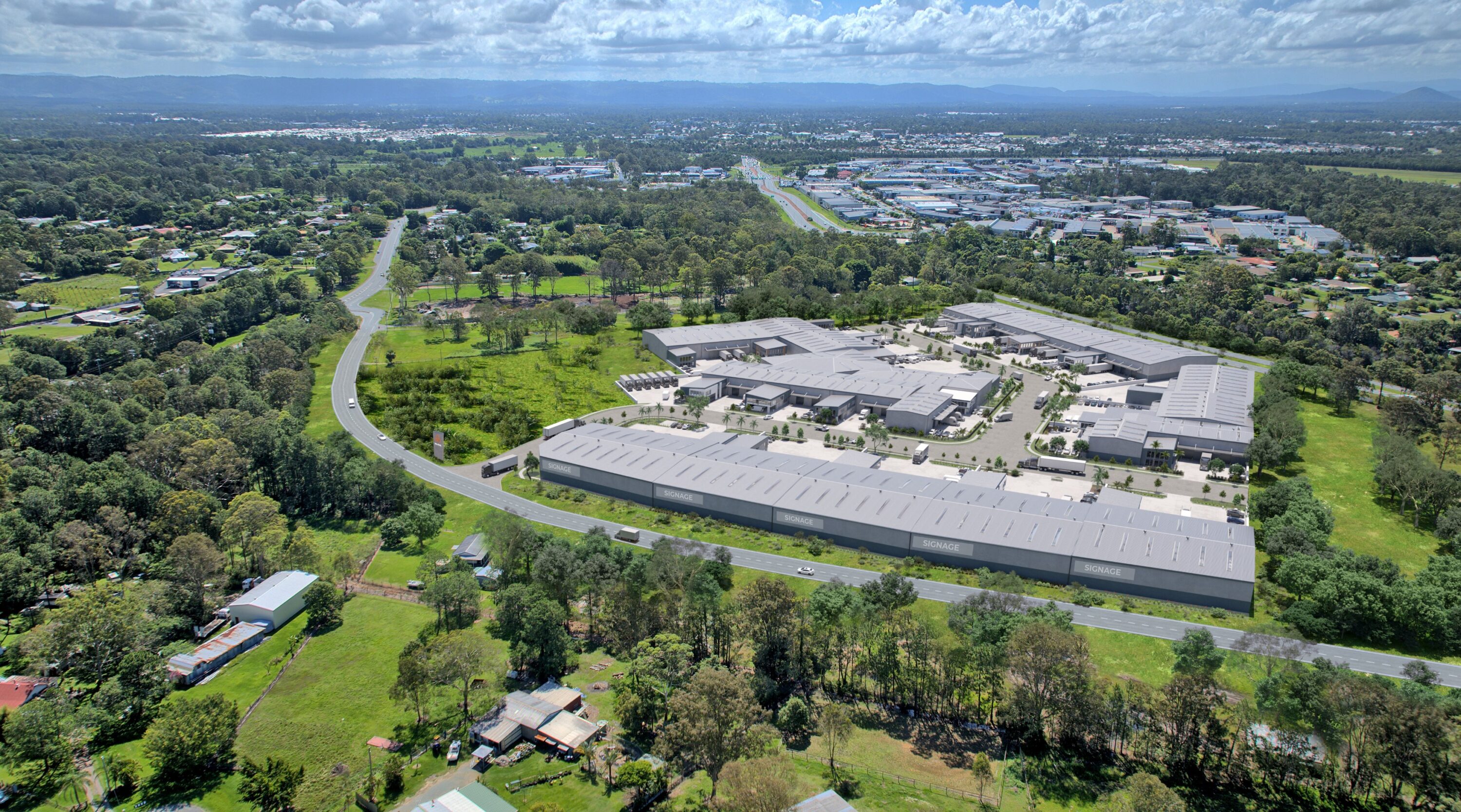
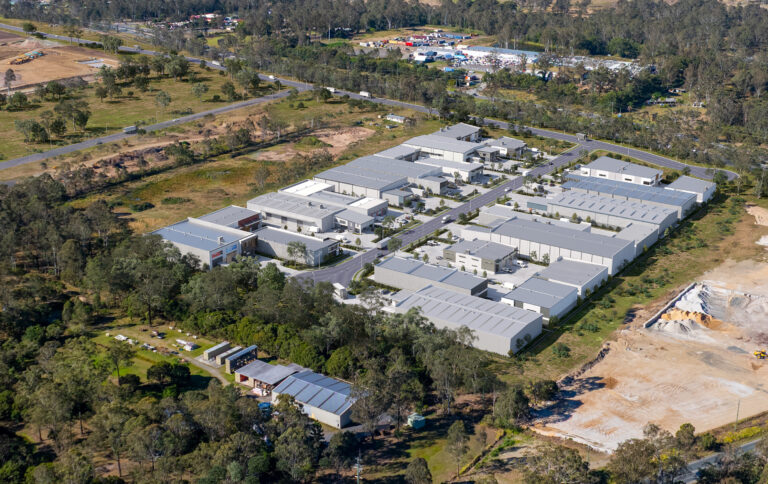
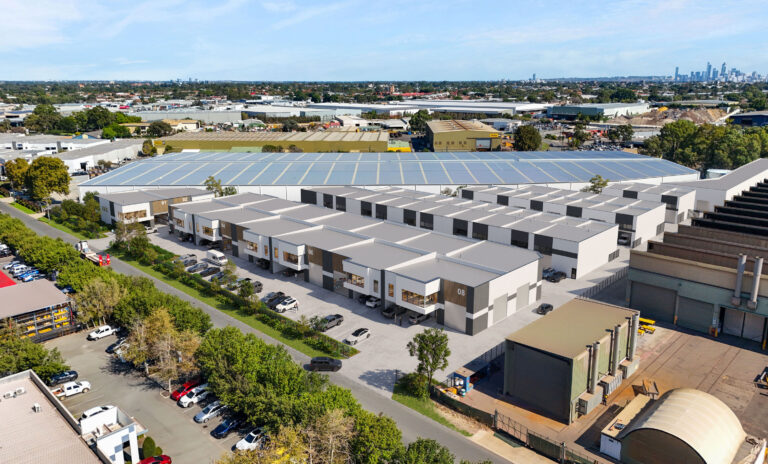
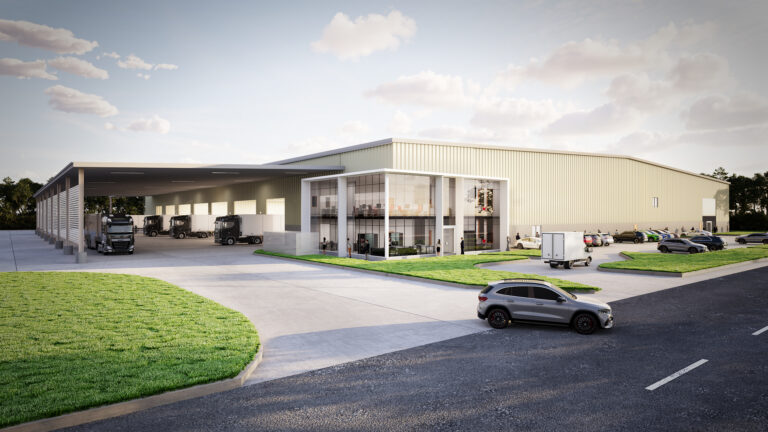
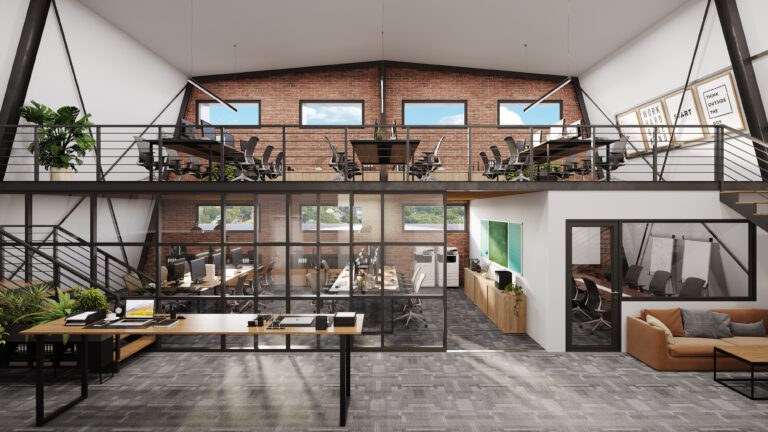
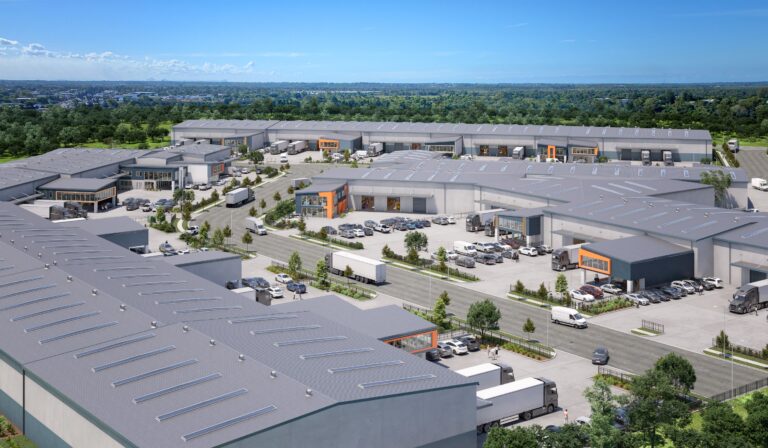
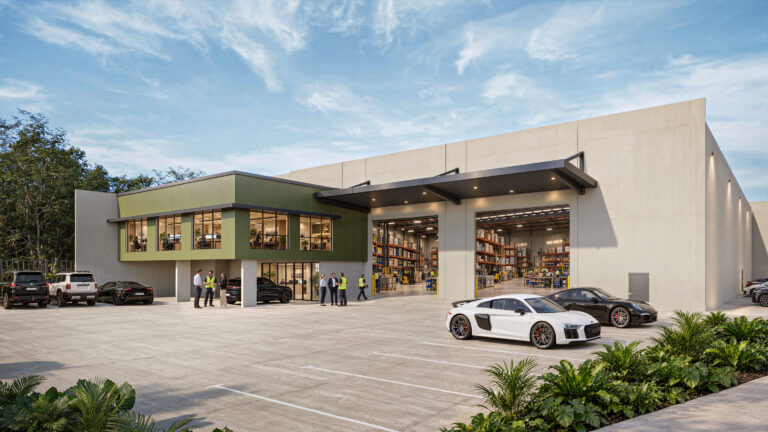
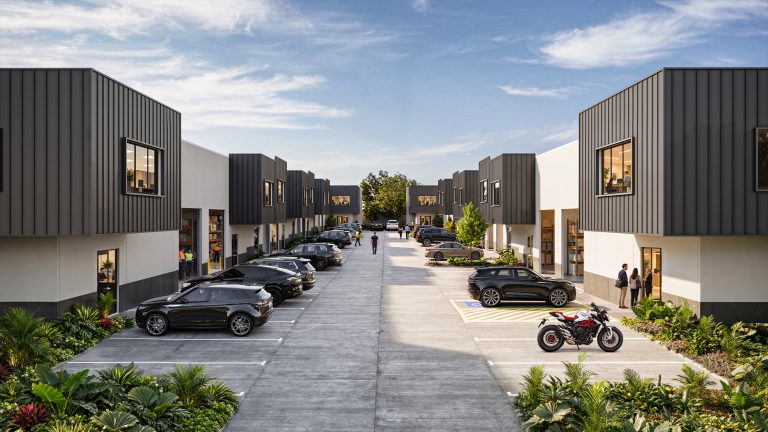
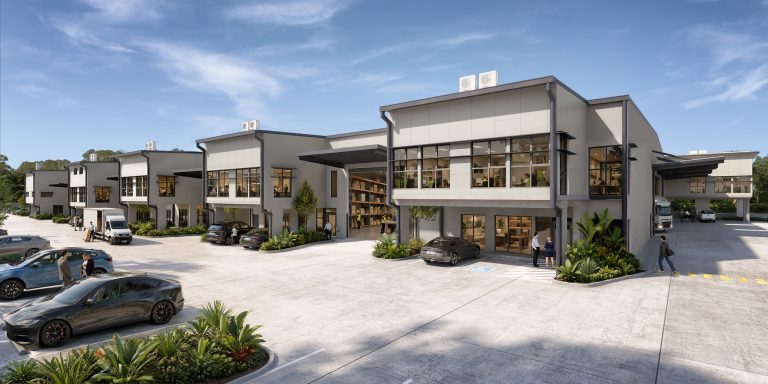
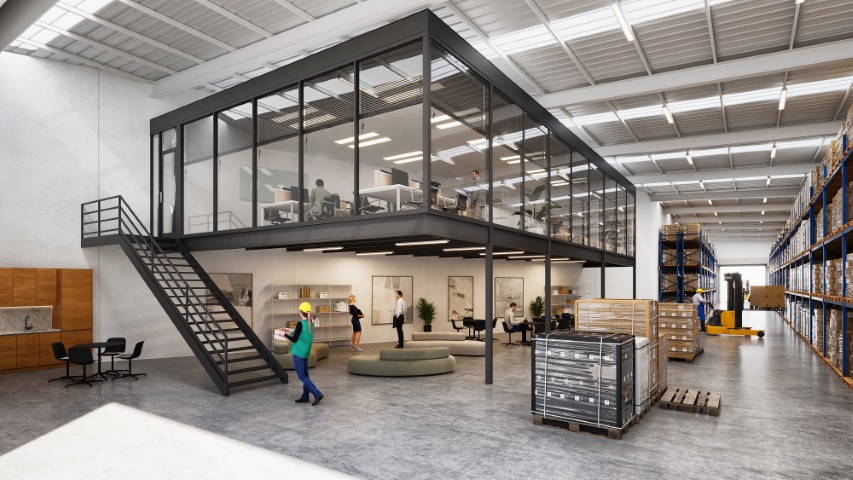
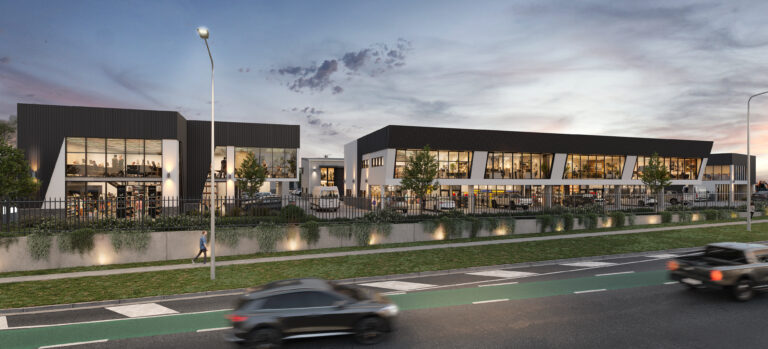
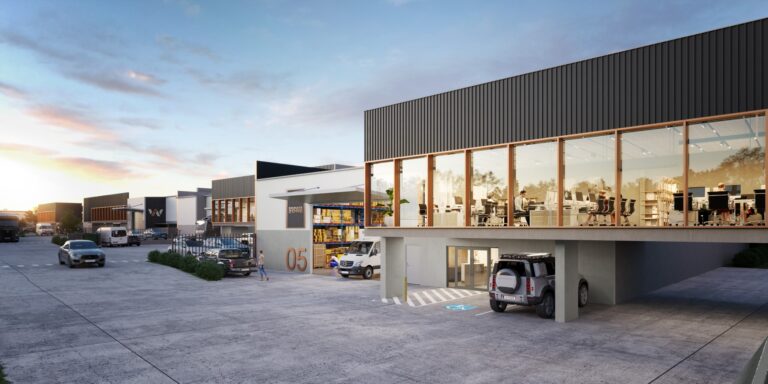
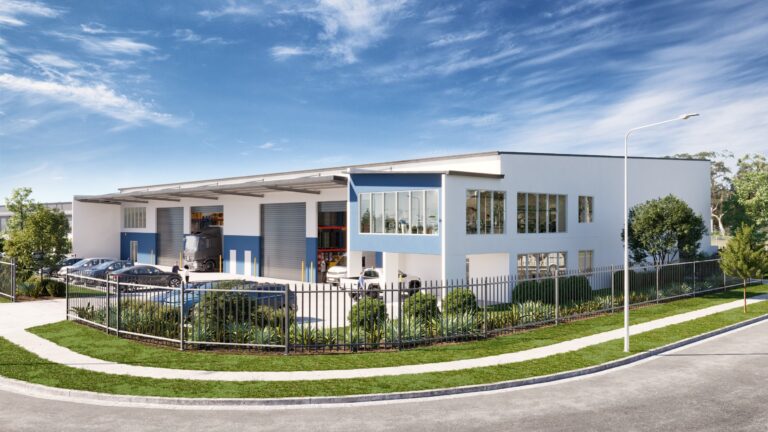
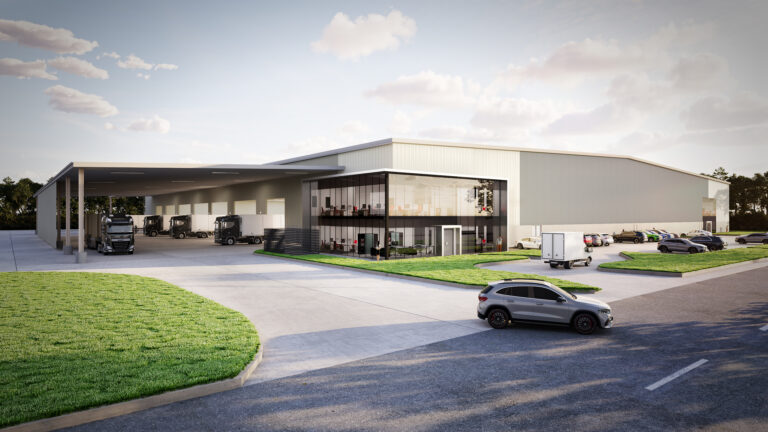
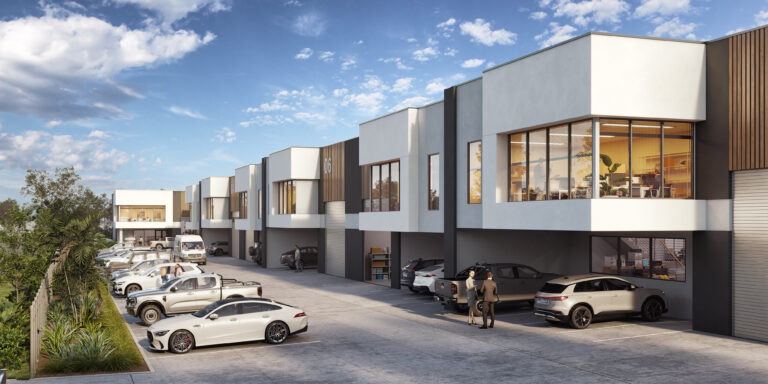
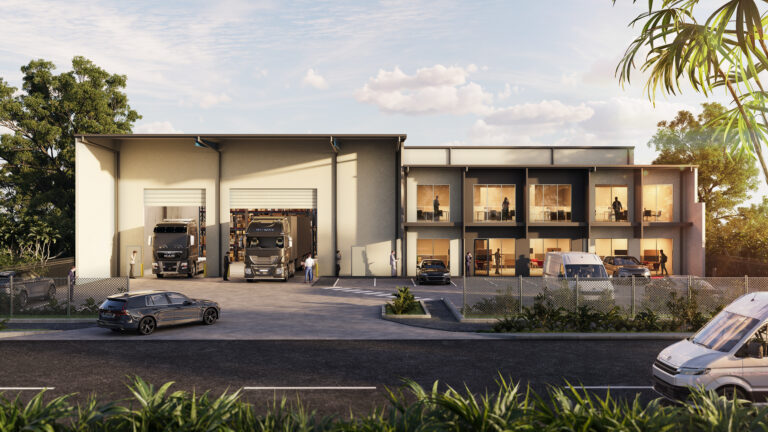
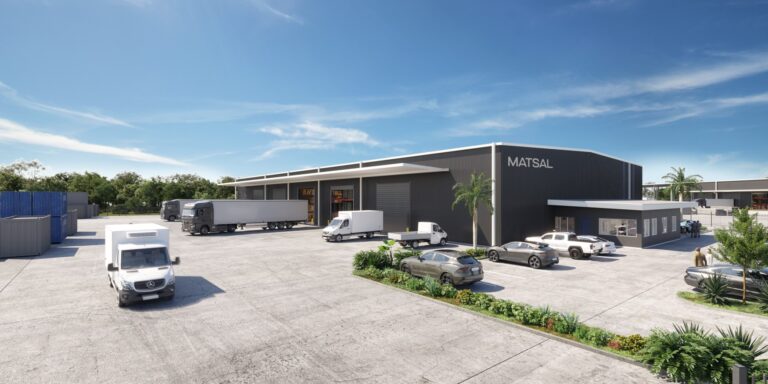
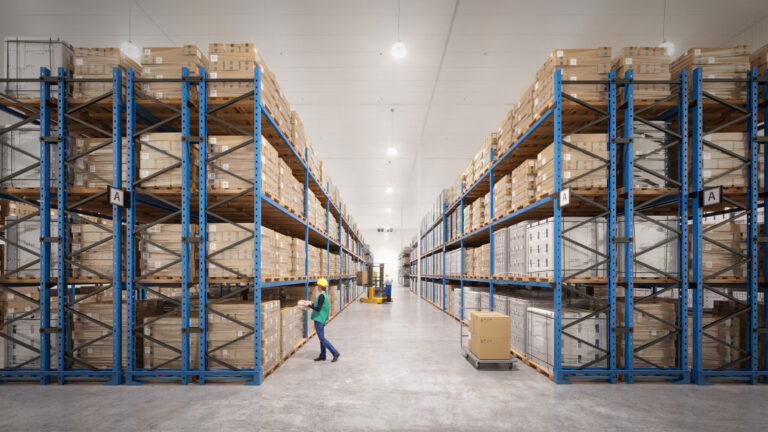
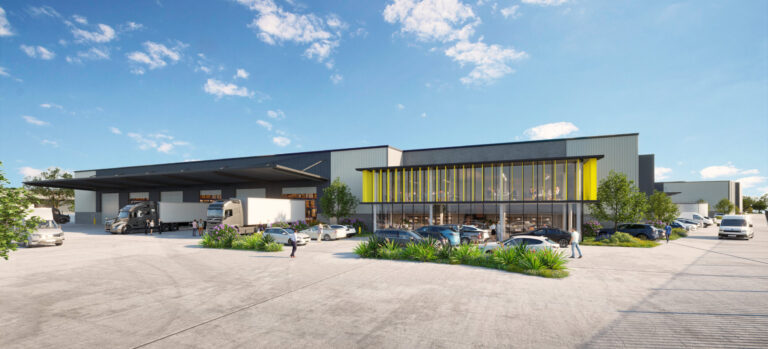
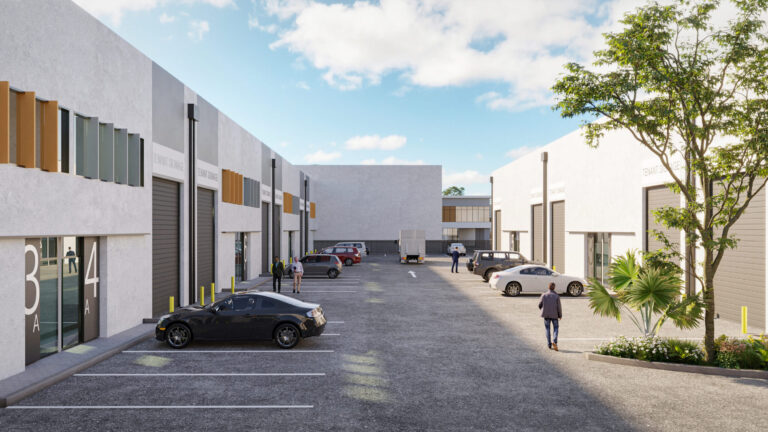
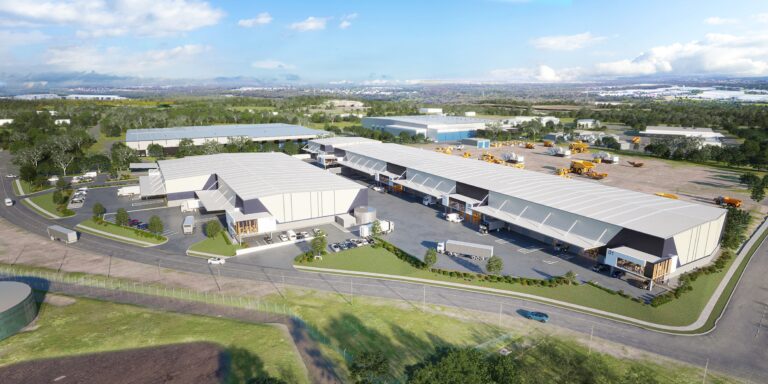
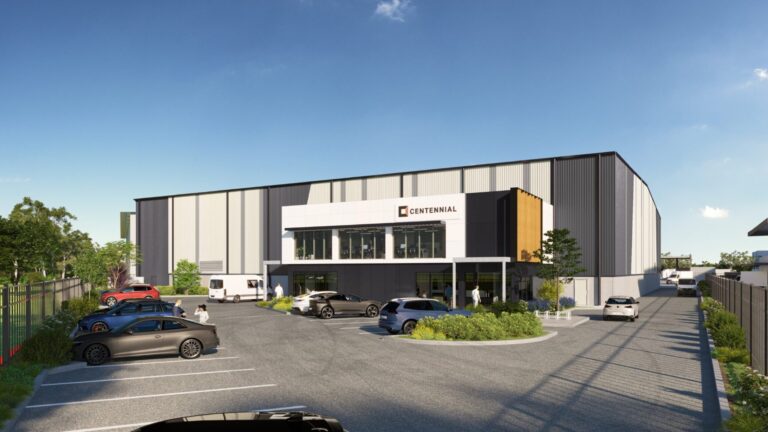
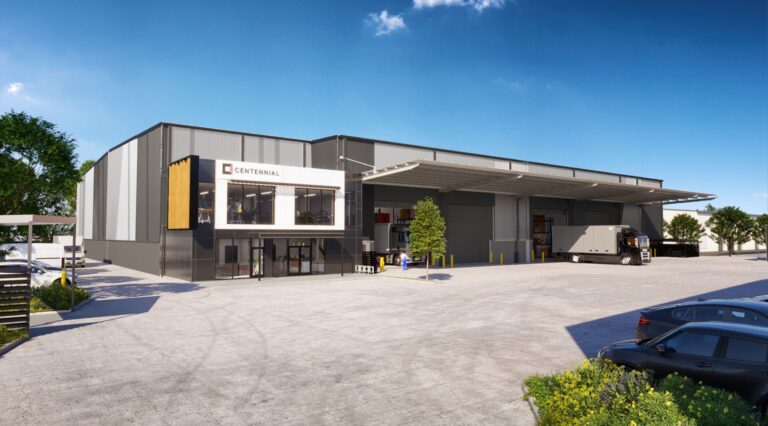
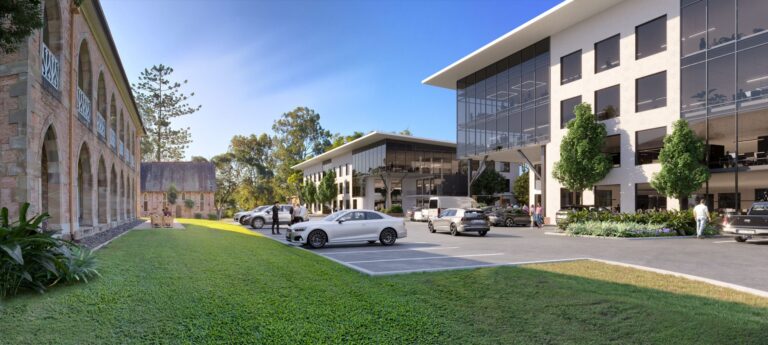
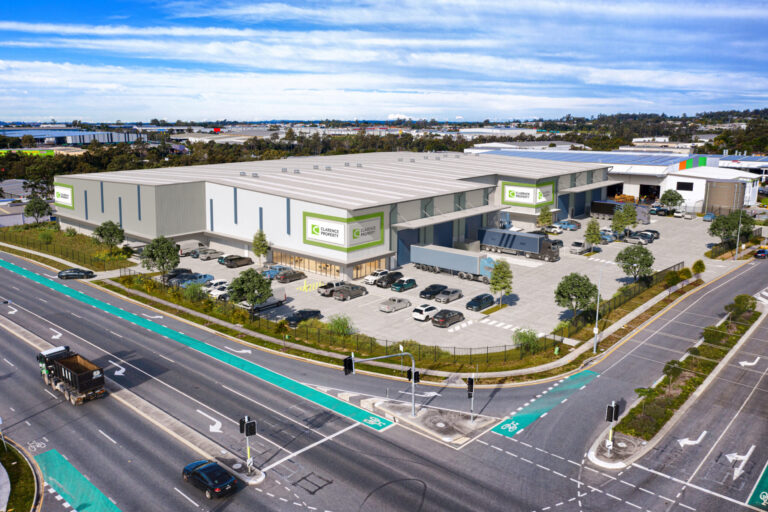
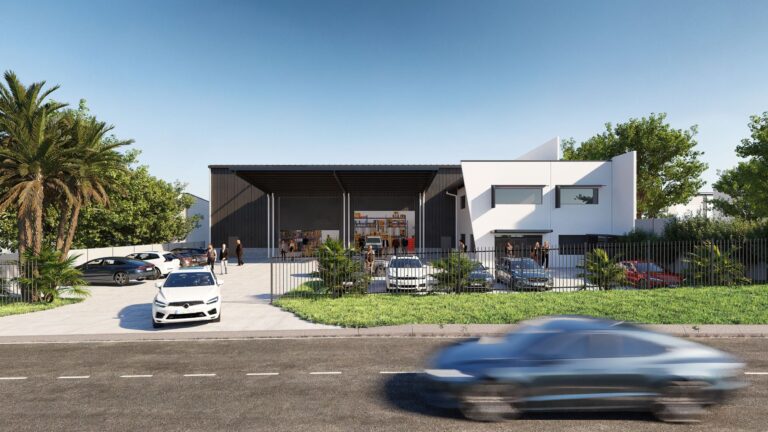
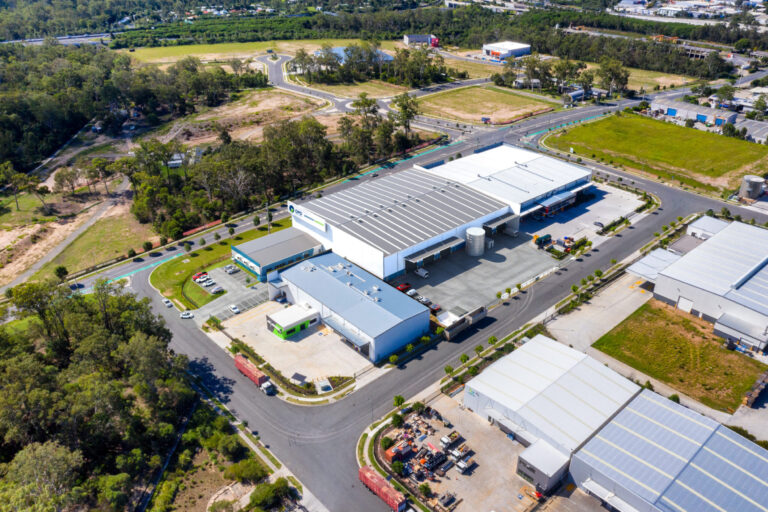
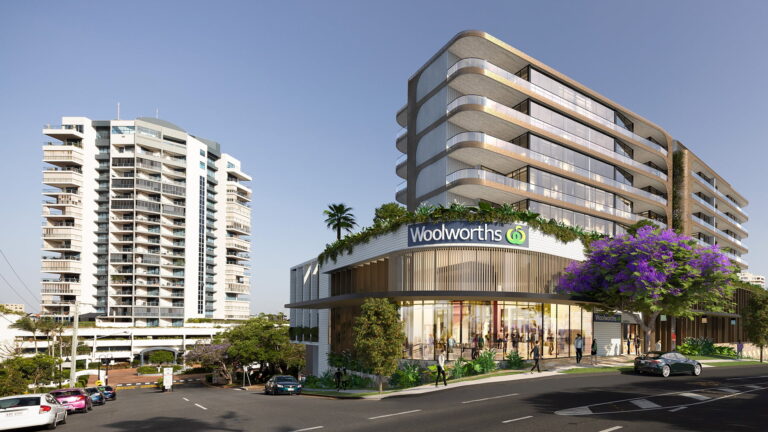
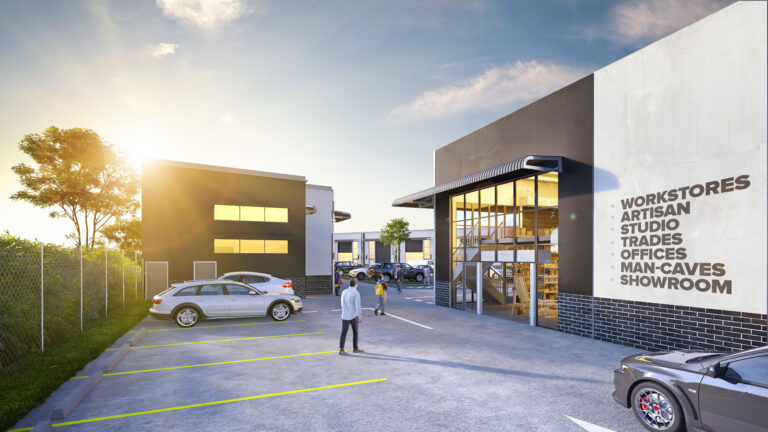
- Pre-leasing is where the action is. With most of the pipeline committed early, developers who can show a tenant the finished building before it exists have an edge. Renders, site plans and walkthroughs help a tenant picture the fit-out and the operation.
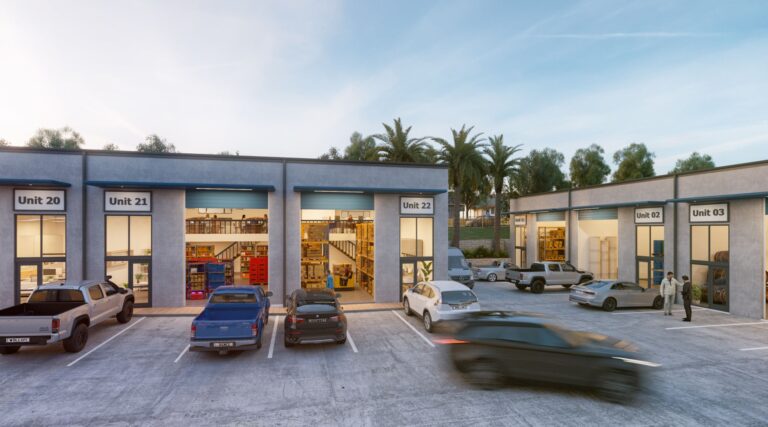
- Know your tenant pool. A 30,000 sqm logistics shed and a 1,500 sqm trade unit are in different markets right now. Campaigns should speak to the occupier who is actually active.
- Watch the city, not the national number. Perth at 1.8 per cent and Sydney at 5.4 per cent call for different leasing tactics, incentives and timing.
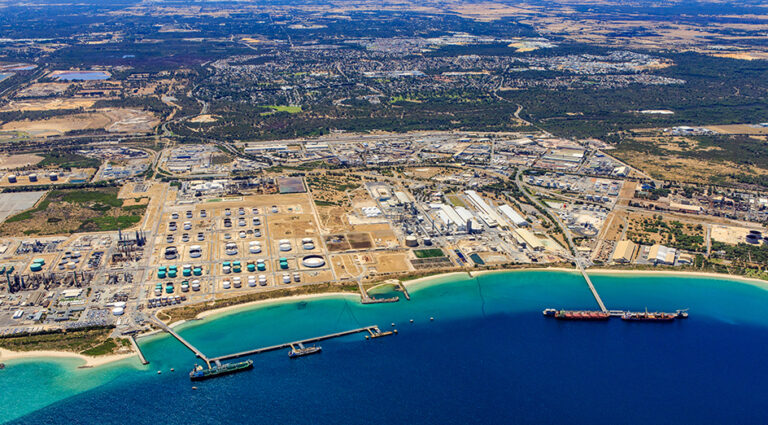
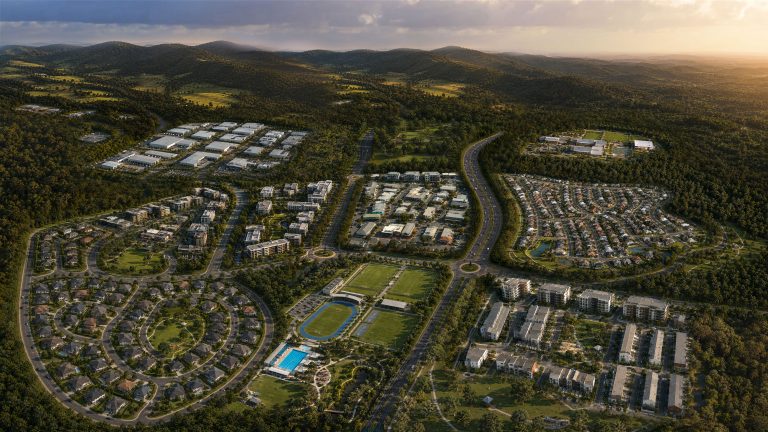
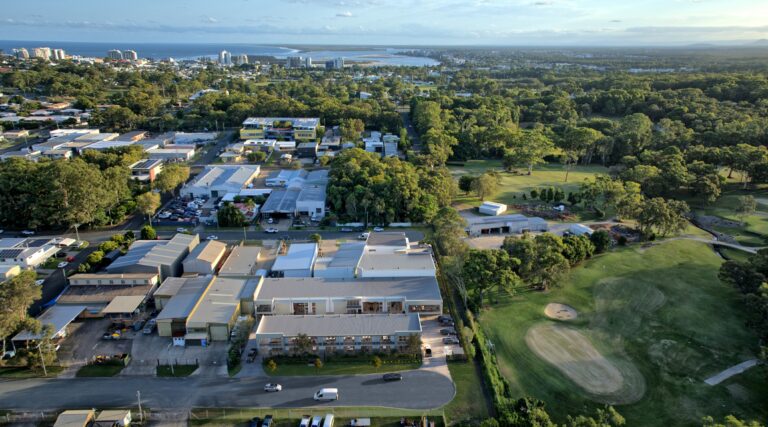
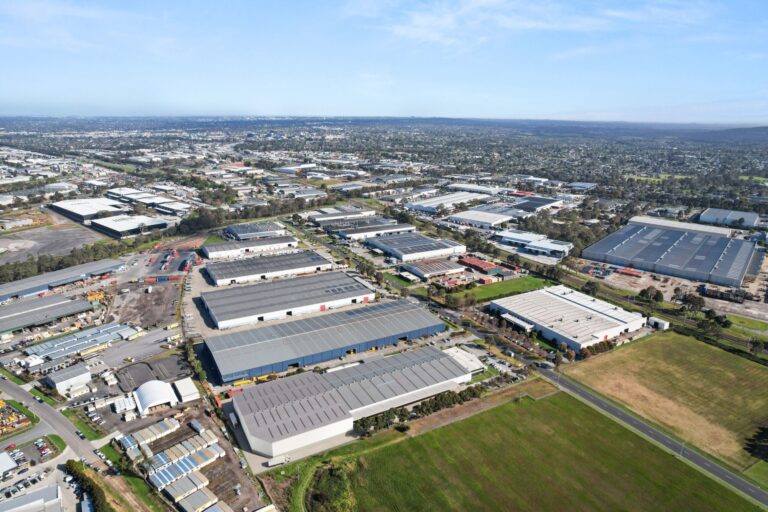
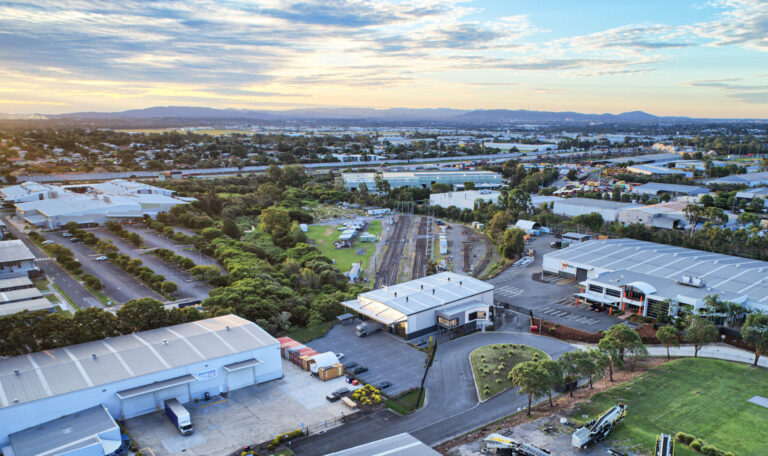
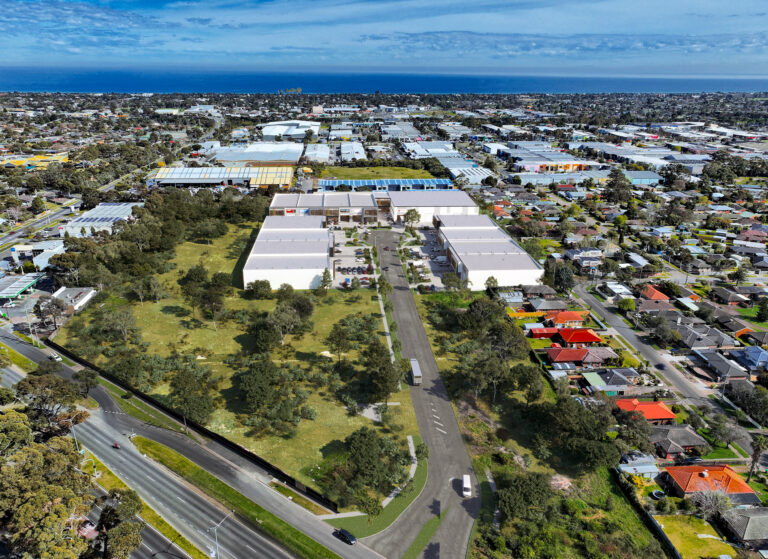
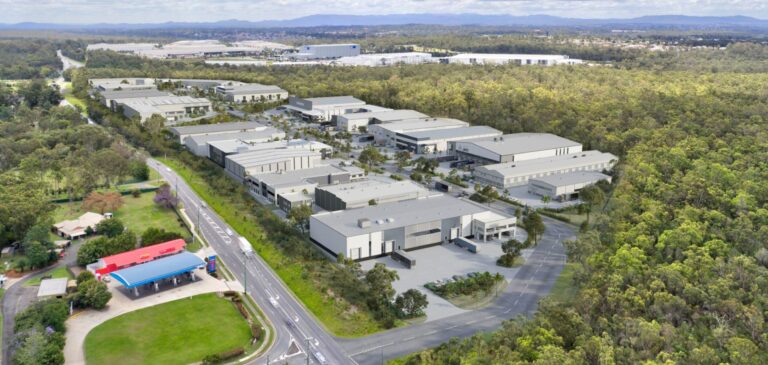
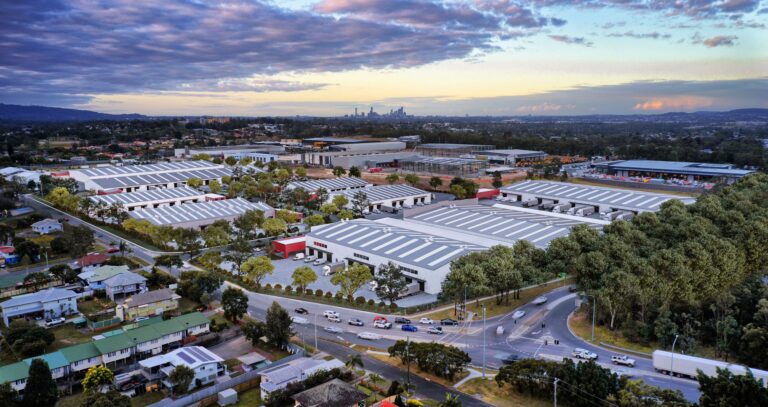
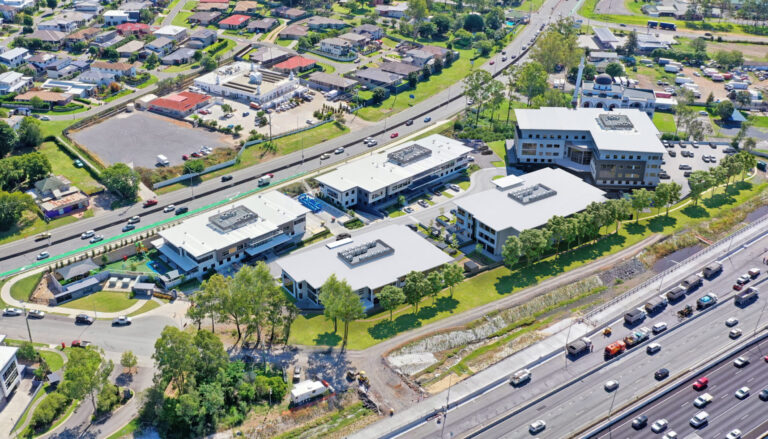
- Location story matters. Access to motorways, ports and customers is a big part of why tenants commit. Showing that clearly can shorten a campaign.
What to watch next
Watch whether Brisbane vacancy settles back down as new estates lease up, as JLL expects. Watch Adelaide, where vacancy rose while rents grew fastest, for signs of whether demand there is softening or just lumpy. And watch the September quarter inflation data and the Reserve Bank's next moves, because borrowing costs shape both investor pricing and how many speculative projects get started.
For now the JLL Q3 2026 industrial report confirms a market that is tightening at the top end. A record 1.49 million sqm of take-up and a 4.6 per cent national vacancy rate show large occupiers are still committing. The question for 2027 is whether smaller tenants follow them.