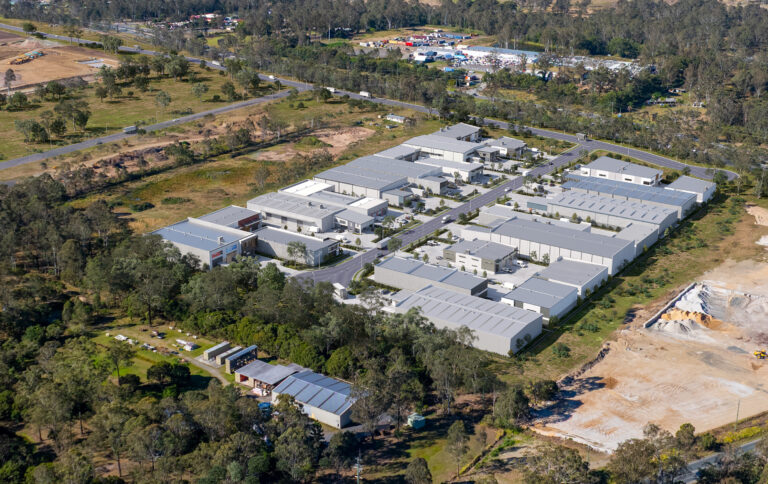
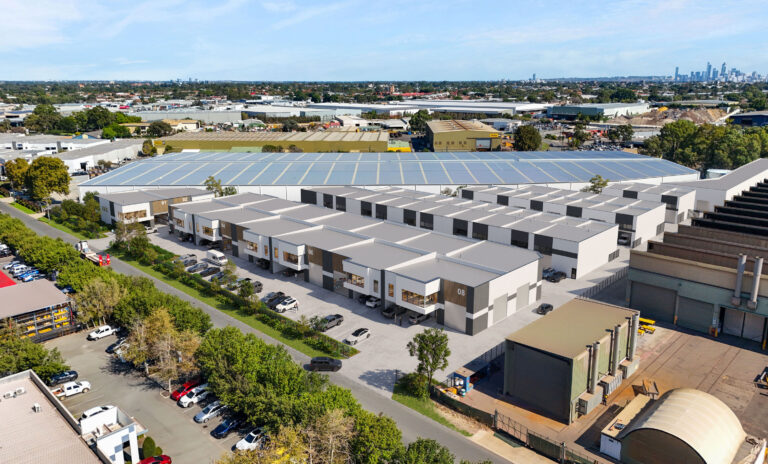
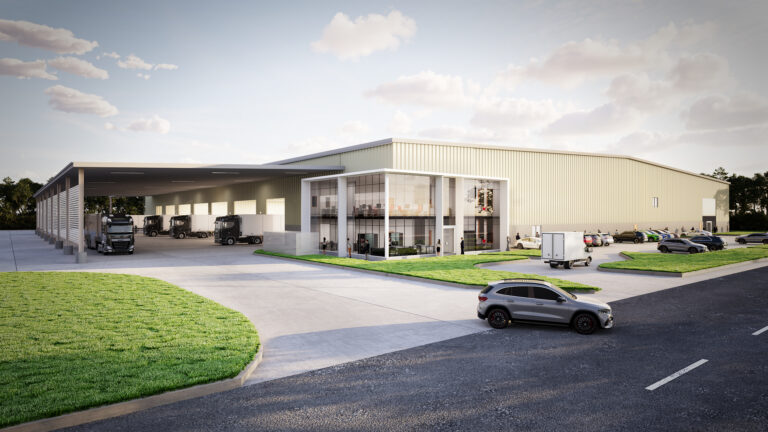
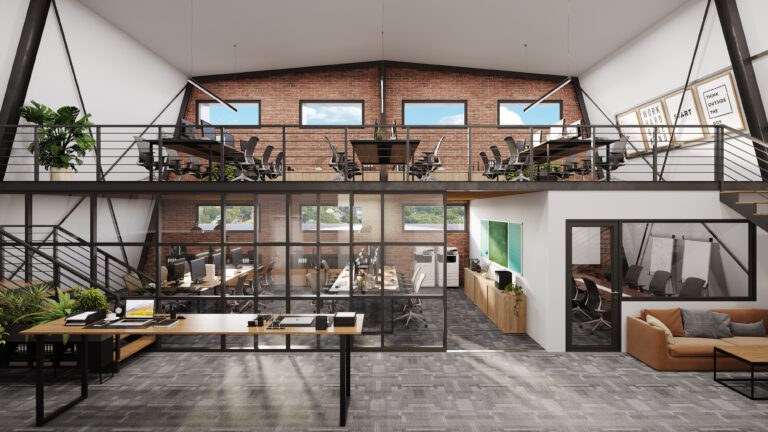


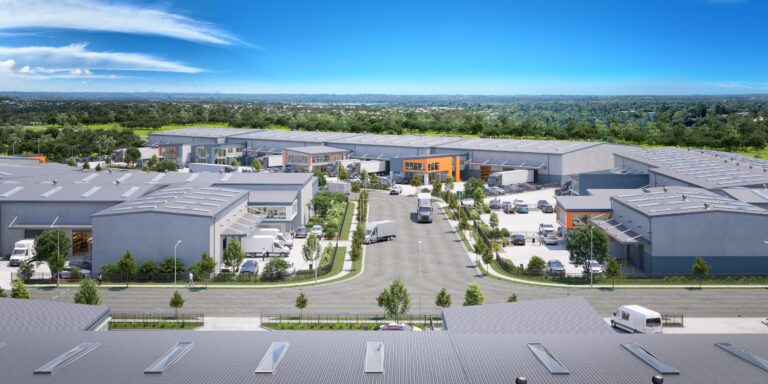
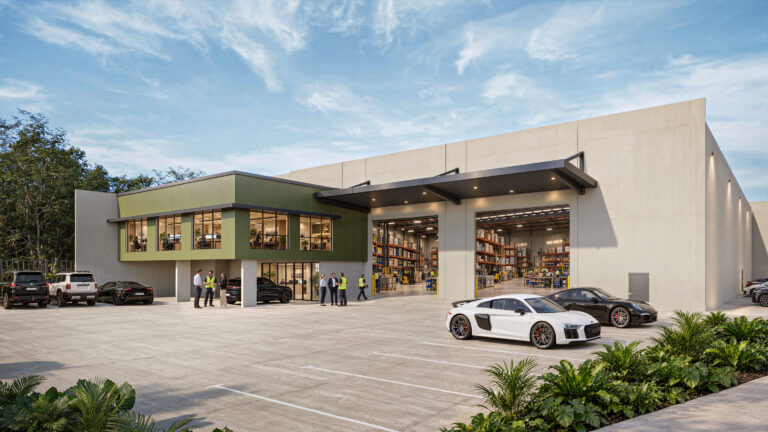
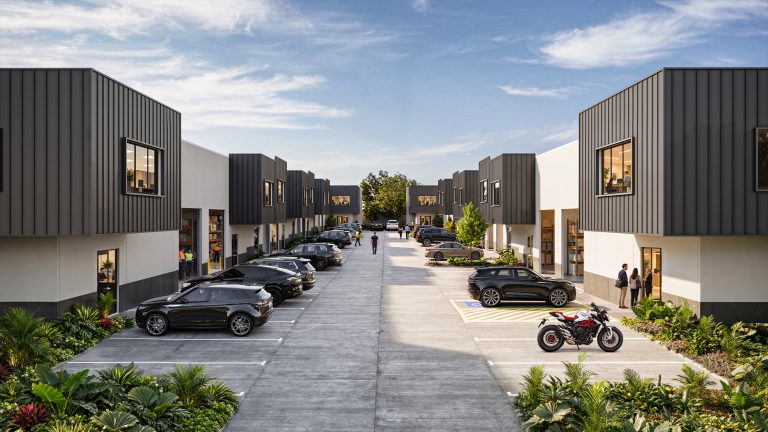
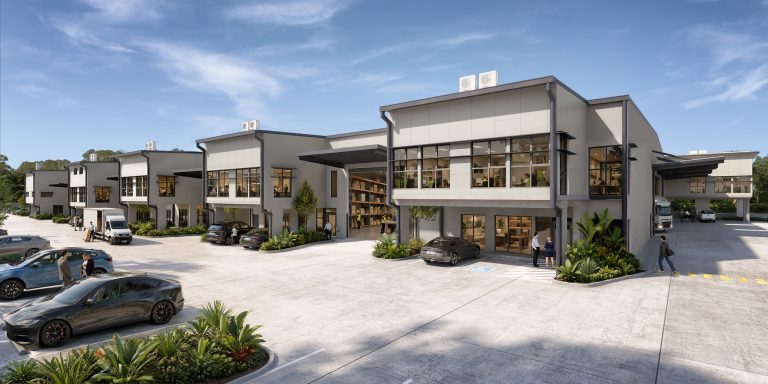
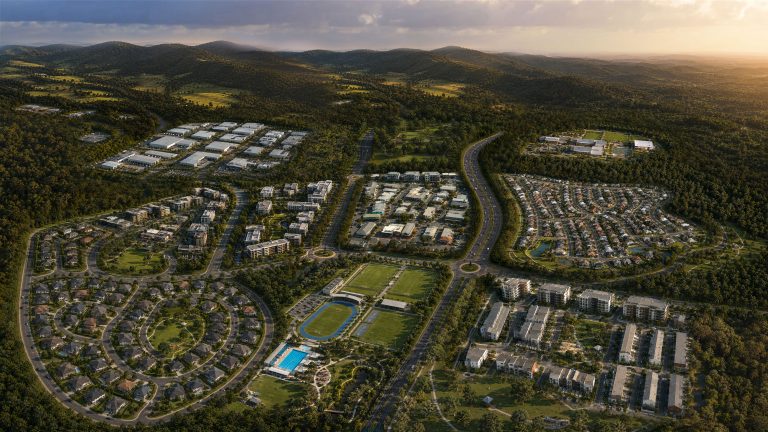
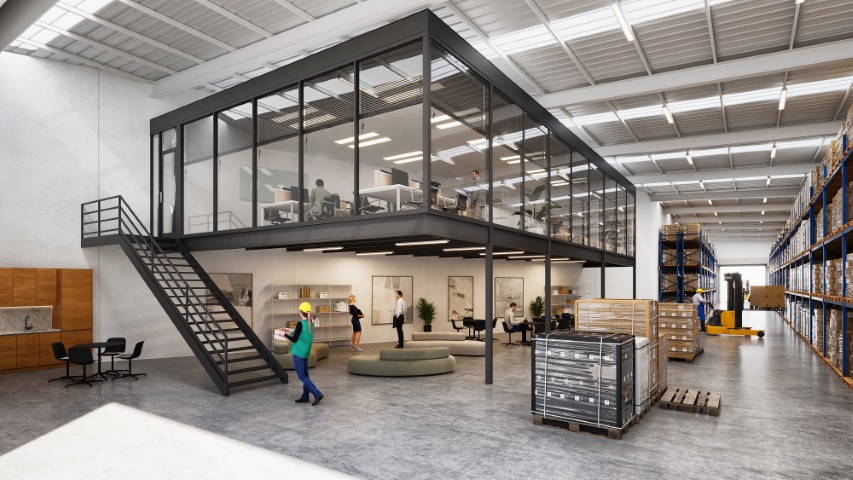
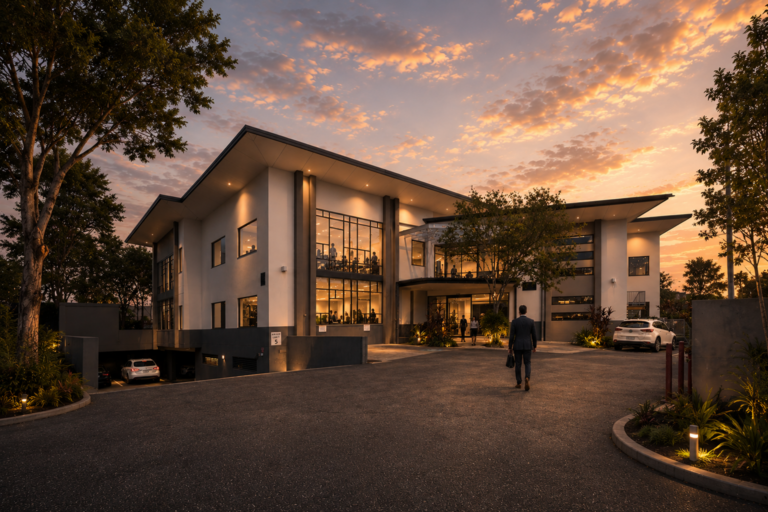
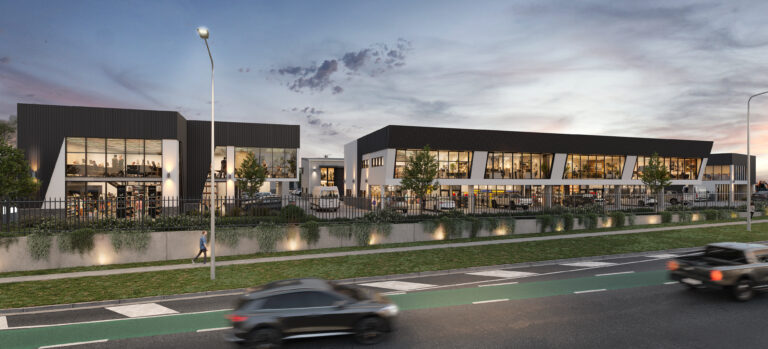
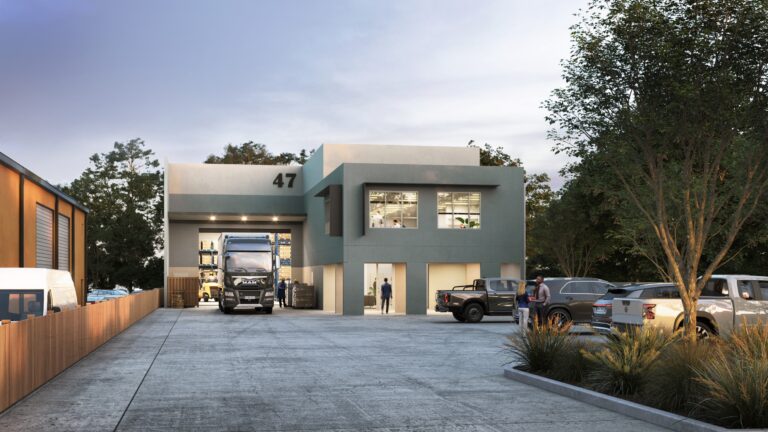
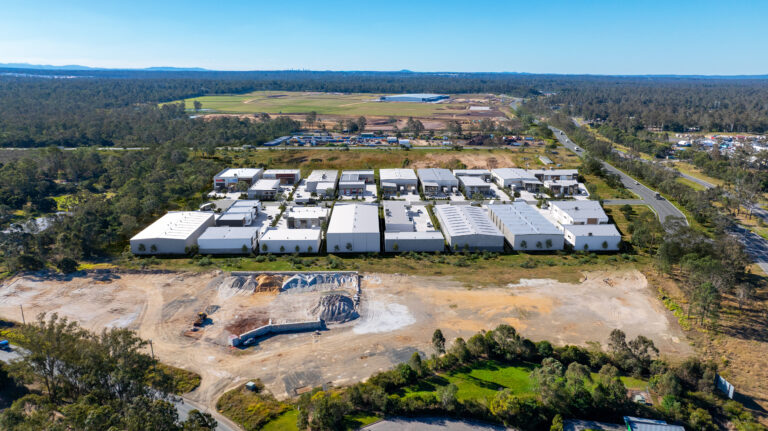

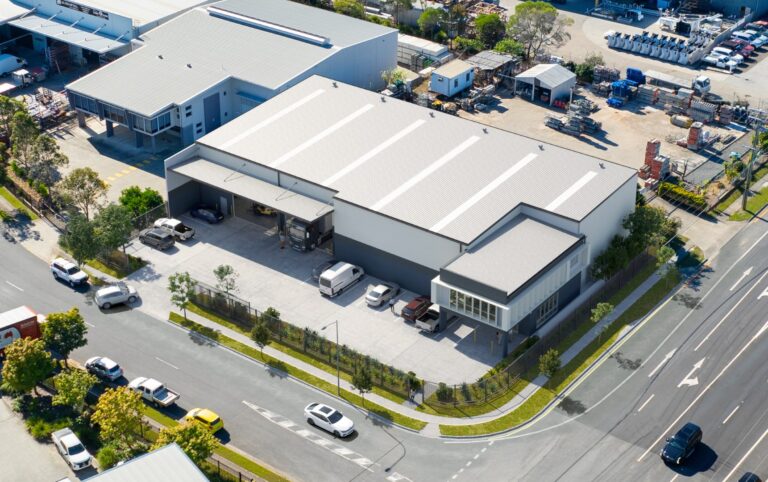

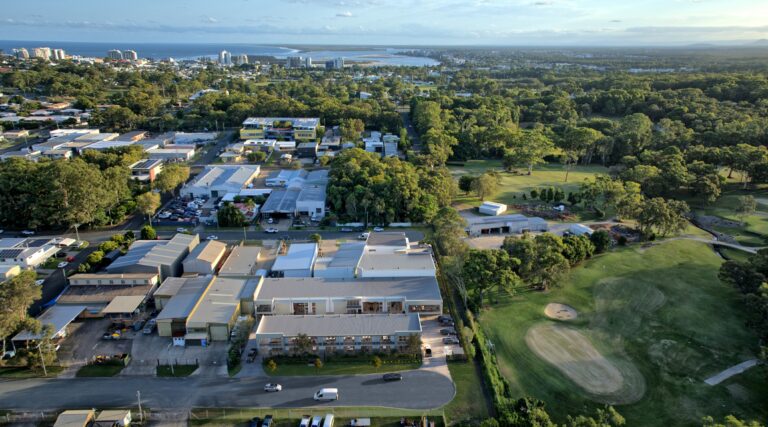
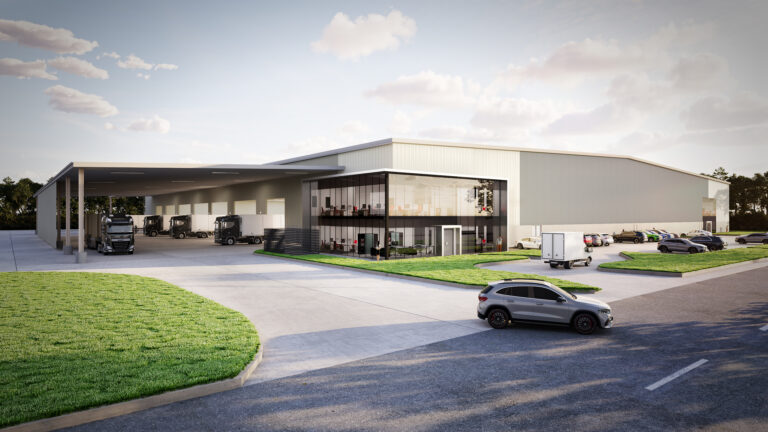
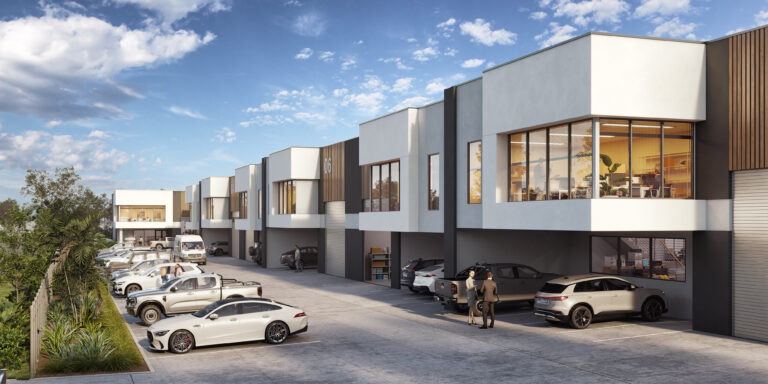
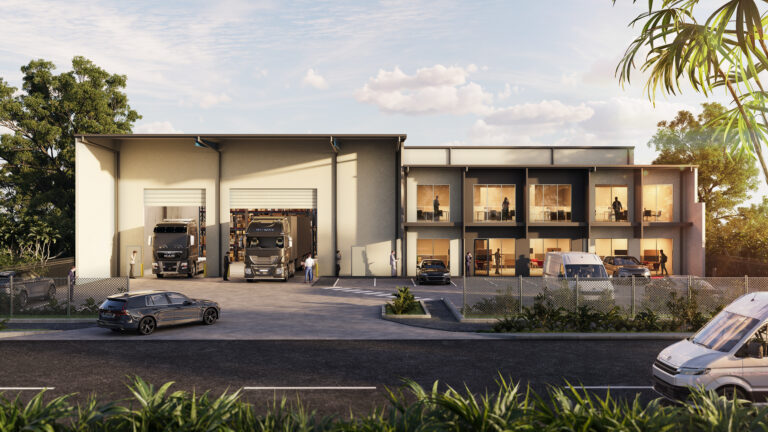

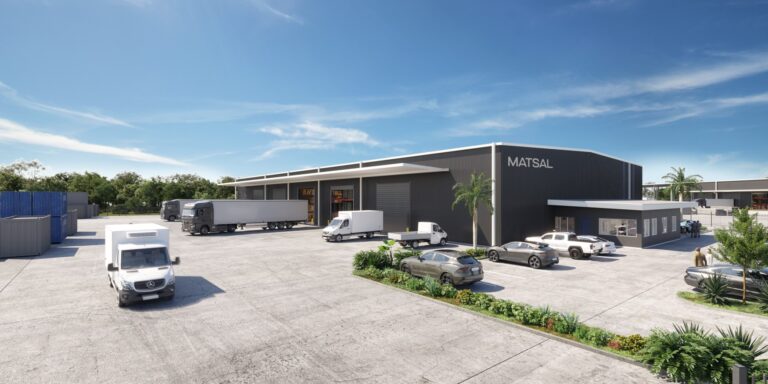
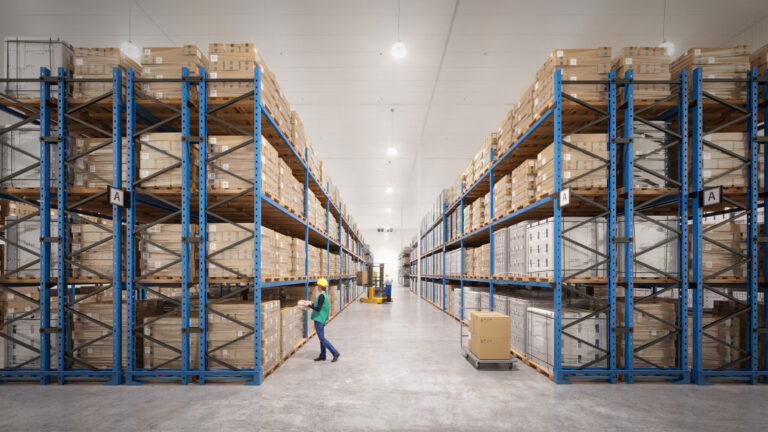
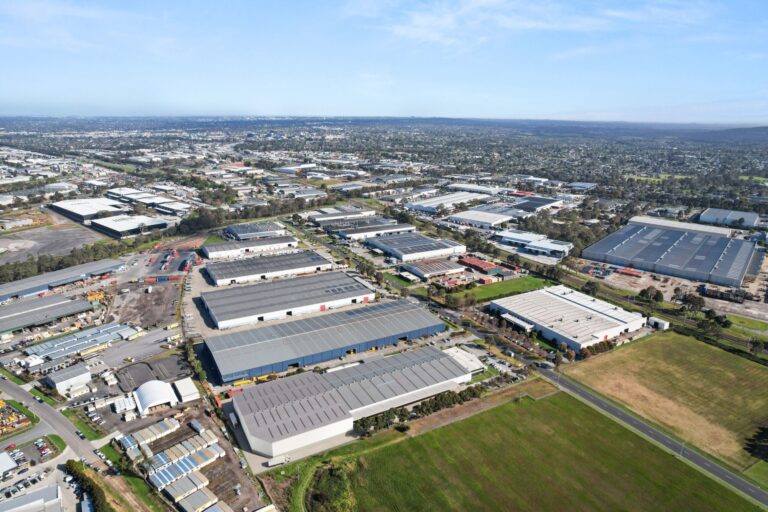
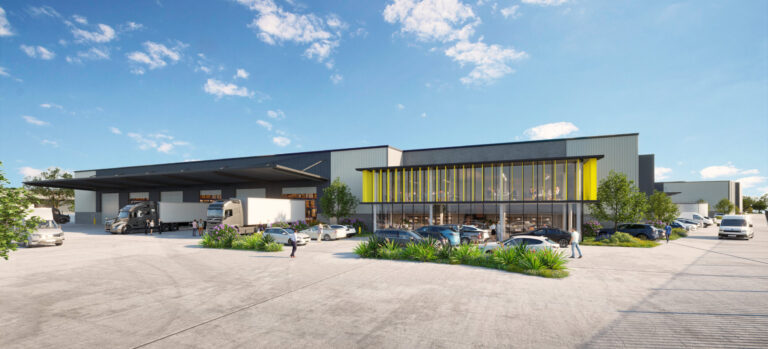
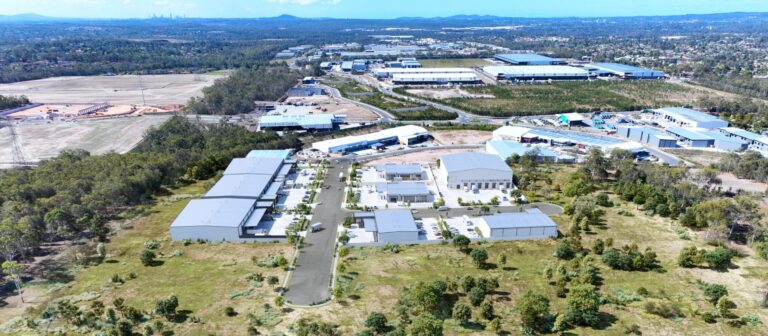
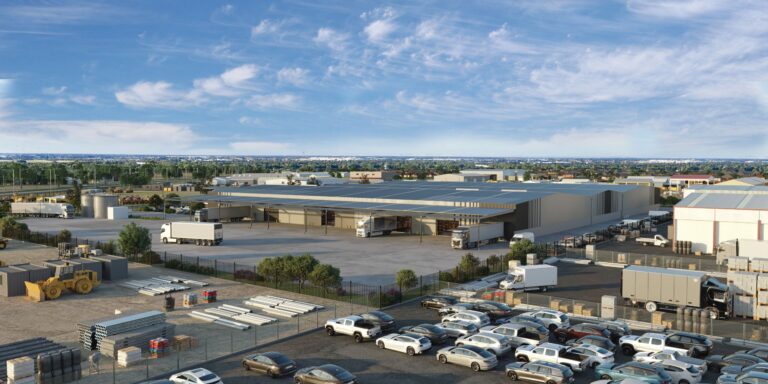
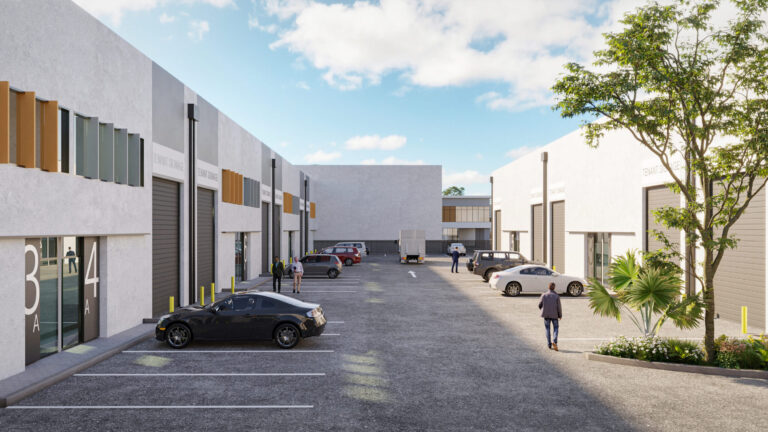
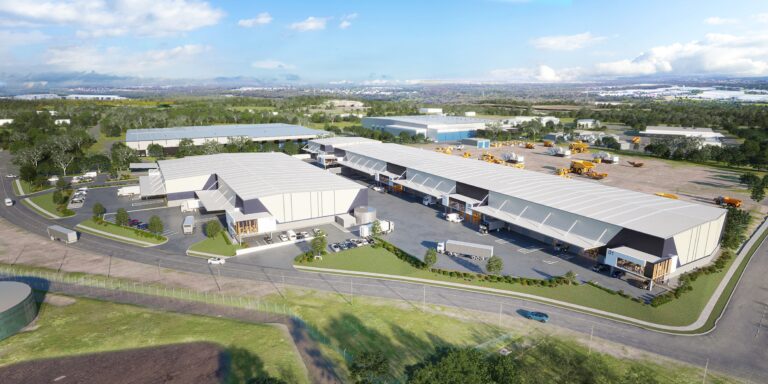
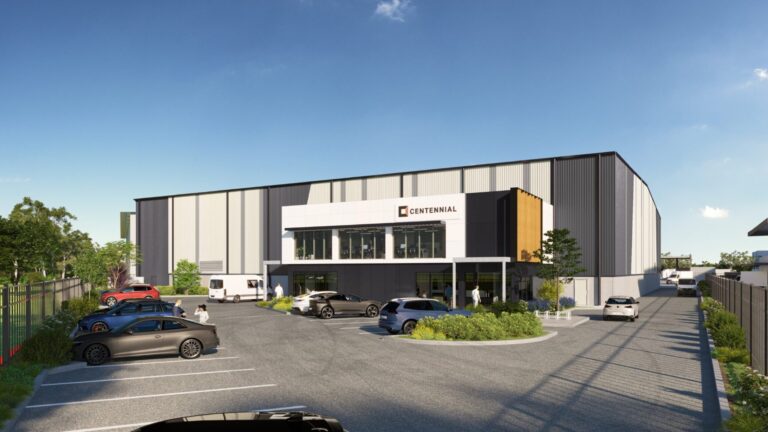
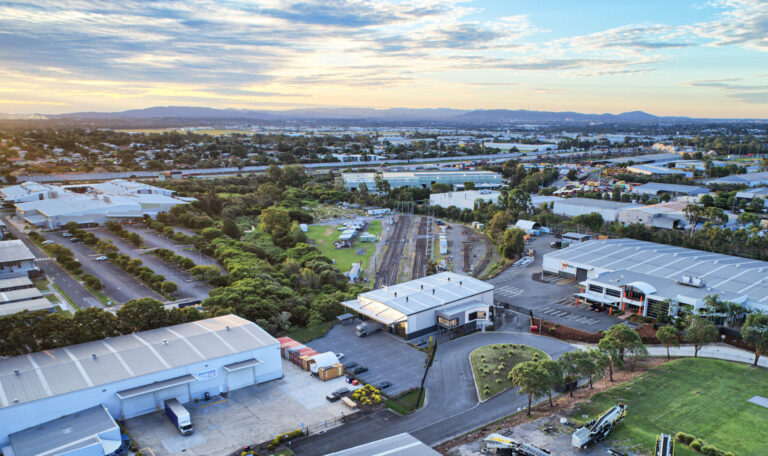
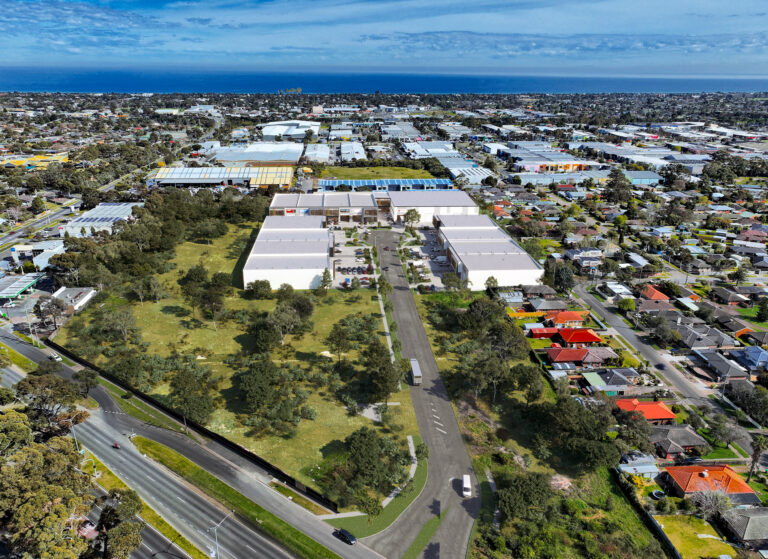

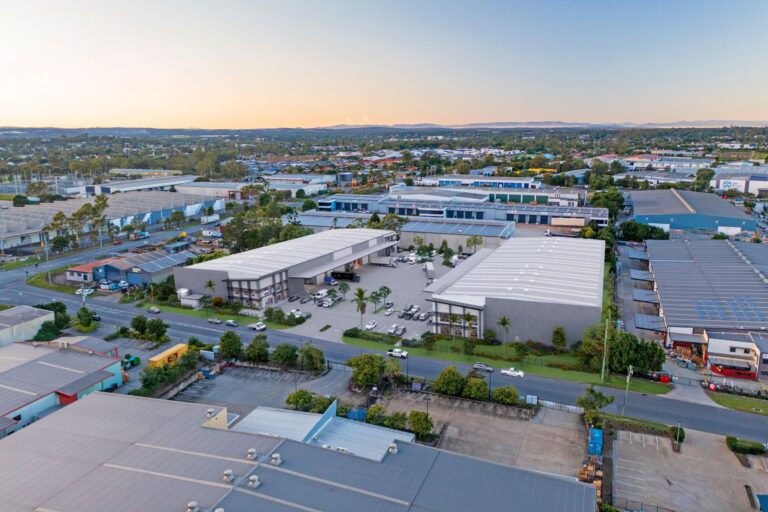
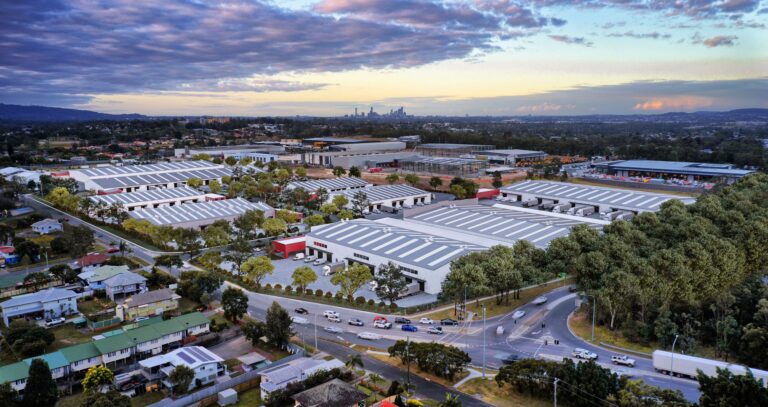

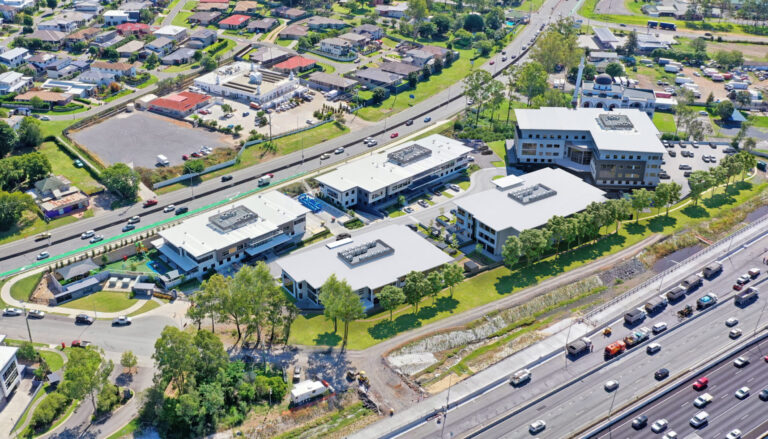
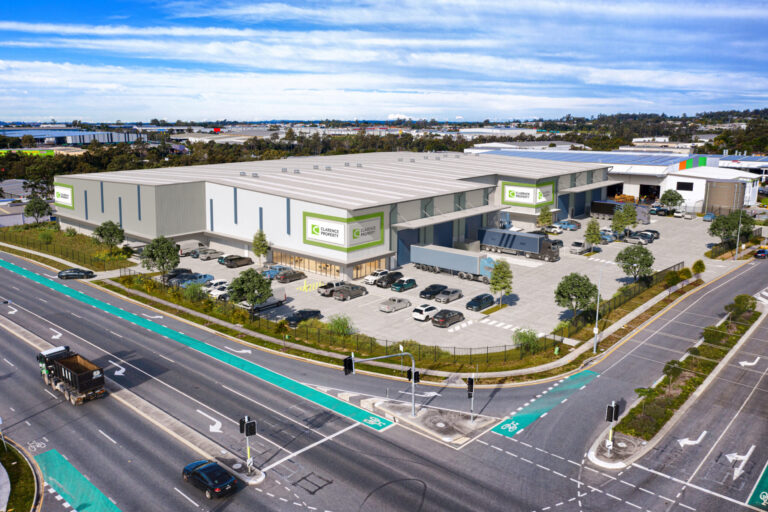
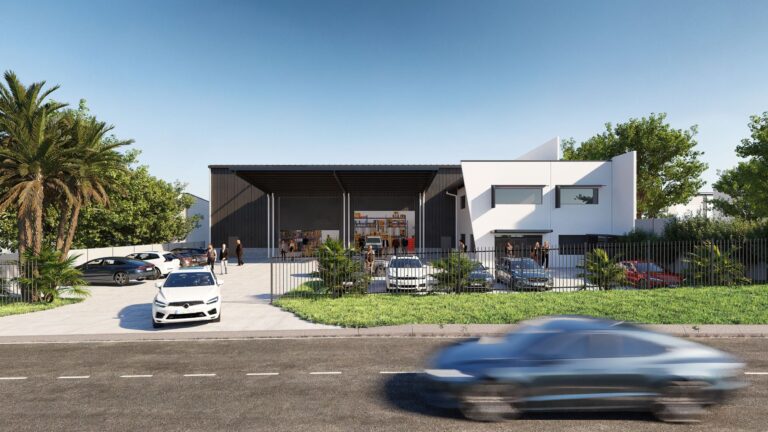
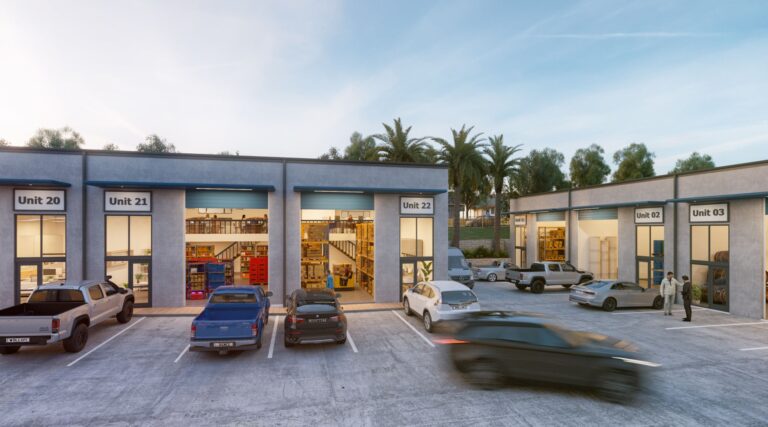
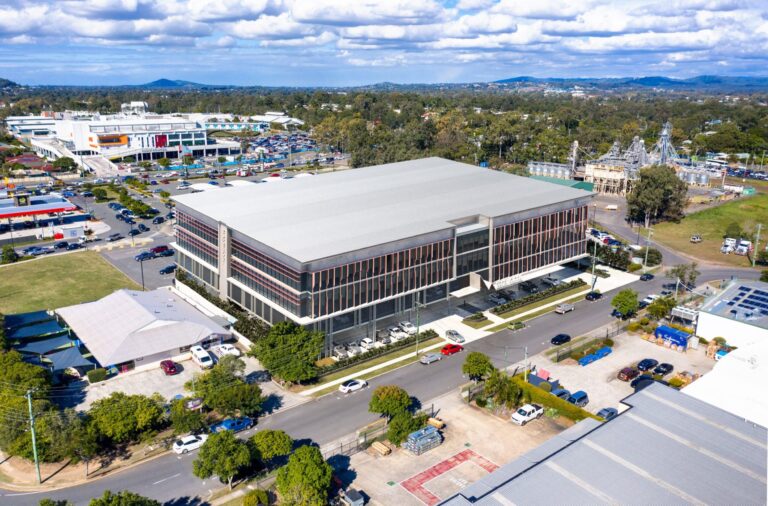
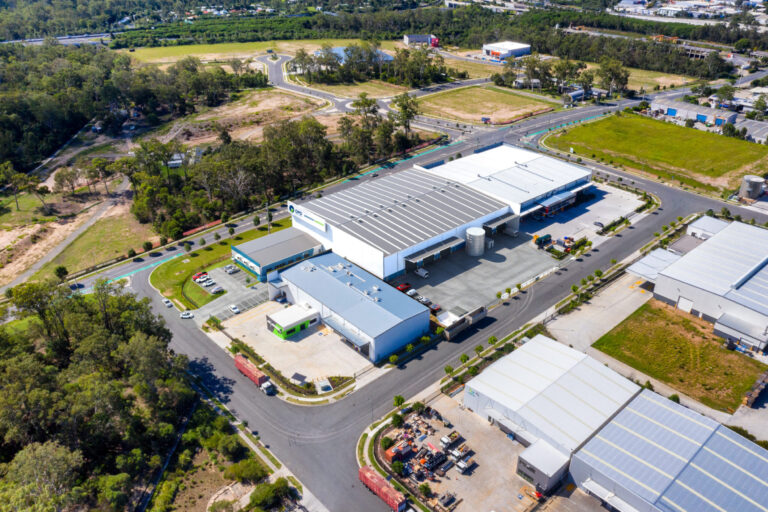


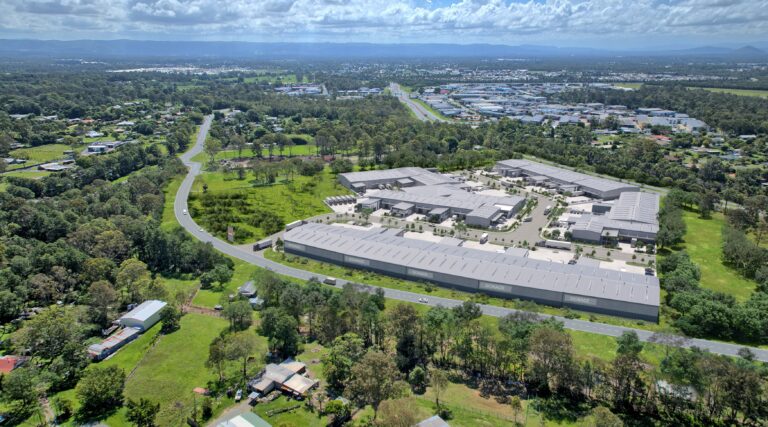
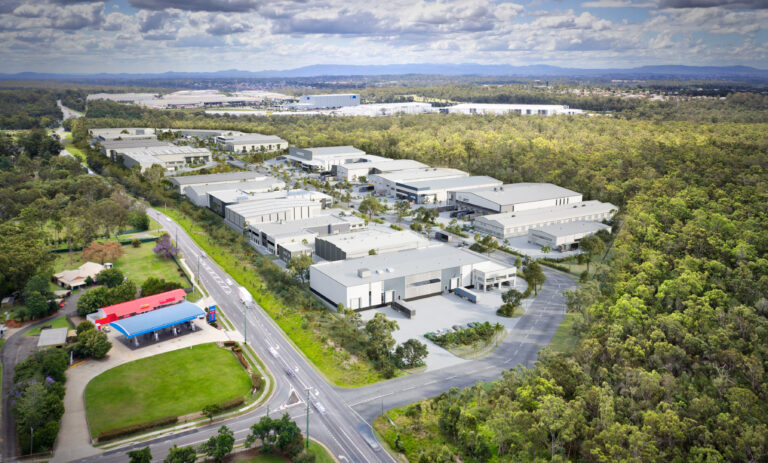


Goodman has leased the former Iron Mountain records-storage sheds at 437 Plummer Street, Port Melbourne, to three new tenants. Australia Post, the Victorian Electoral Commission and G4P have taken a combined 45,249 sqm across four sheds at the Port Melbourne Industrial Estate, filling what the leasing agents called the suburb's largest industrial vacancy in 20 years.
Rents and lease terms have not been disclosed. Even so, the result matters. Putting more than 45,000 sqm of older inner-city warehouse space back to work in one campaign is a strong signal that well-located Port Melbourne industrial stock still has deep occupier demand behind it.
437 Plummer Street Port Melbourne: the deal at a glance
- Asset: Port Melbourne Industrial Estate, 437 Plummer Street, Port Melbourne (the estate runs across 437–481 Plummer Street with exposure to Salmon Street)
- Landlord: Goodman
- Space leased: 45,249 sqm across four sheds
- Shed sizes: roughly 10,000 to 12,000 sqm each, averaging about 11,000 sqm
- Clearance: internal heights of up to 11.7 metres with roller-shutter access
- New tenants: Australia Post, the Victorian Electoral Commission (VEC) and G4P
- Previous occupier: Iron Mountain, which closed its records-storage facilities at 451, 465 and 477 Plummer Street
- Leasing agents: Chris Chartres and Ben Hackworthy of Lemon Baxter
- Rent and term: not disclosed
Why the Plummer Street vacancy was a big one
Large vacancies are not unusual in Melbourne's outer west, where new sheds of 40,000 sqm or more are built on spec every year. In Port Melbourne they are rare. The suburb is boxed in by the Yarra, the port, the bay and the Fishermans Bend renewal area, so very little new industrial floor space gets added and large single-occupier exits do not happen often.
That is why Iron Mountain's departure stood out. Records storage is a sticky use. Tenants tend to stay for long periods because moving millions of boxes is costly and slow. When the group closed its Plummer Street facilities, Goodman was left with several big sheds to refill at once. Lemon Baxter later described the campaign as a substantial challenge and said the space was the largest vacancy the suburb had seen in two decades.
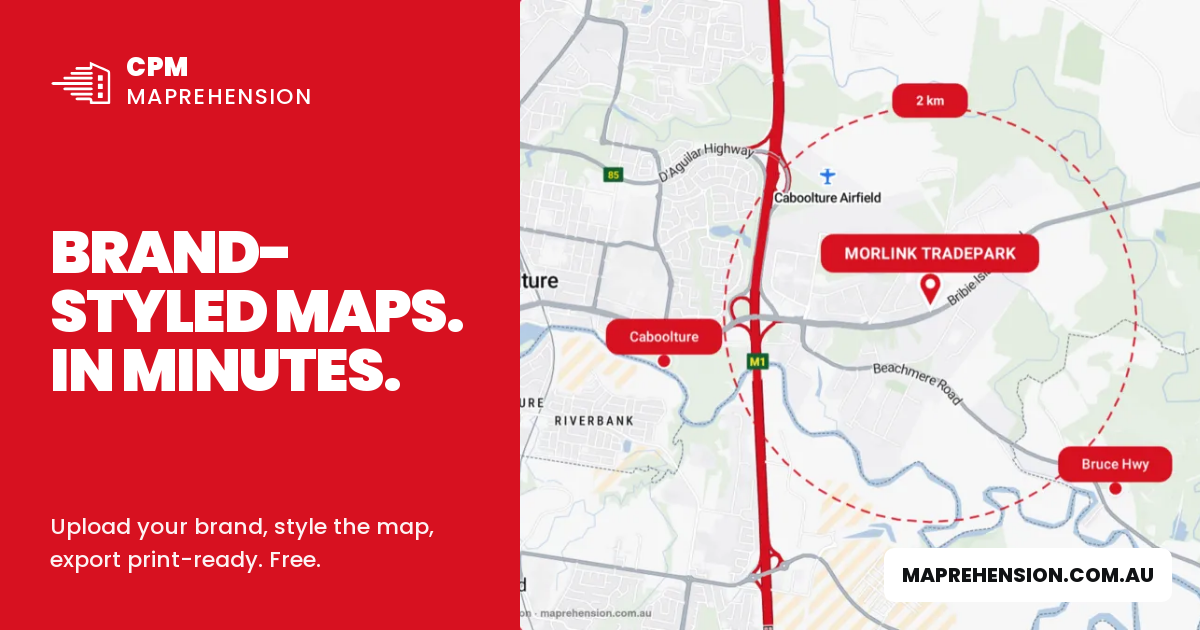
The estate sits about 4.5 km from the Melbourne CBD, close to CityLink, the West Gate Freeway and the Port of Melbourne. For occupiers that need to reach inner-city customers quickly, that location is very hard to replicate.
Who moved in at 437 Plummer Street and why it makes sense
The three tenants are a mixed group, which tells its own story.
Australia Post is the obvious fit. Parcel volumes in inner Melbourne need processing and delivery space close to dense residential suburbs. A big shed a few minutes from the CBD shortens last-mile runs and helps hit delivery windows.
The Victorian Electoral Commission is a less typical industrial tenant but a logical one. Running elections means storing, sorting and dispatching large volumes of ballot material, voting screens and equipment. That work needs secure, flexible warehouse space with good access to the whole metropolitan area rather than an outer-fringe location.
G4P rounds out the line-up. The leasing announcement did not detail its plans for the space.
The agents said the campaign drew interest from both local and international occupiers and that negotiations were competitive before the three tenants were locked in. Splitting the estate across several users rather than waiting for one large replacement looks to have been the key to filling it.
Goodman's view
Goodman is one of the biggest industrial landlords in the country and is known for holding well-located urban sites for the long term. For a landlord with that strategy, a large vacancy in an inner-city estate is an income problem in the short run but an opportunity in the long run. Re-leasing to a new tenant mix resets the rent roll and spreads the income across three occupiers instead of one.
It also keeps options open. Older sheds in established inner-city estates can be leased today while the land quietly gains value as surrounding areas change. Filling the space now protects income while those longer-term choices play out.
Another big Melbourne industrial lease on the same day
The Port Melbourne deal was reported alongside another major Melbourne industrial commitment. JB Hi-Fi has pre-committed to the whole of a 41,238 sqm distribution facility at Charter Hall and Mitsubishi Estate Asia's Fitzgerald Road Logistics Hub at Laverton North. That building is the first stage of an estate of about 175,000 sqm with a projected end value of $500 million and is due for completion in November.
JB Hi-Fi will use the Laverton North building to expand its Big & Bulky Home Delivery Centres, which handle larger goods. The retailer already leases 18,023 sqm at Stockland's KeyWest Distribution Centre in Truganina, a deal it signed in 2020. Charter Hall and Mitsubishi Estate Asia started building the facility on spec in February with Texco as builder. It targets a 5-star Green Star rating and includes 400kW of solar generation and an 80,000-litre rainwater tank. Approval for the estate's second stage is expected shortly.
The two deals show both ends of the Melbourne industrial market working at once. In the west, large retailers are taking brand-new, high-spec sheds on greenfield estates. In the inner south, older but superbly located space is being taken up by organisations that value proximity to the city above everything else.
Why inner-city sheds keep finding tenants
There are a few reasons organisations keep choosing older inner-city sheds over brand-new space further out.
The first is time. Every extra kilometre between a warehouse and its customers adds minutes to each delivery run and those minutes add up over thousands of trips a week. For a parcel network or any business promising same-day or next-day service, being close to the people it serves can be worth more than a higher rent.
The second is staff. Inner-city sites are easier to reach by public transport and closer to where many workers live. That helps with recruitment and retention in a tight labour market.
The third is scarcity. Owners and occupiers both know that very little new industrial floor space will ever be built this close to the CBD. Once a good site is secured, tenants tend to hold on to it. That is part of why a vacancy of this size at 437 Plummer Street was so unusual in the first place.
None of this means every older shed will lease easily. Buildings with low clearance, poor truck access or awkward layouts still struggle. What the Plummer Street result shows is that well-configured inner-city space with decent height and access can be filled even at scale.
What it means for the Port Melbourne industrial market
Inner-city industrial land in Melbourne has been under pressure for years. Rezonings, apartment growth and urban renewal projects have steadily reduced the supply of working warehouse space close to the CBD. Each loss pushes more demand onto what remains.
The Plummer Street result supports that view. If a 45,000 sqm block of older sheds can be re-let to quality tenants in a single campaign, smaller owners in Port Melbourne, South Melbourne and nearby pockets have good reason to feel confident about holding their own industrial assets.
It also matters for valuers and buyers. Leasing evidence from a large, well-known estate helps underpin rents for comparable stock nearby, even though the headline figures here have not been published.
Lessons for owners leasing large industrial space
- Be ready to split. Goodman filled four sheds with three tenants. Space that can be divided into sensible, self-contained parts opens up a much bigger pool of occupiers.
- Sell the location properly. Distance to the CBD, freeway access and the port are the reasons tenants pay up in Port Melbourne. Make them obvious with clear maps, drive-time information and site plans.
- Show the specifications. Clearance heights, roller-door counts, hardstand and power are what occupiers compare first. Put them up front in the marketing material.
- Help tenants picture the space working. Older sheds can look tired in photos. Good imagery, plans and fit-out visuals help prospects see how their operation would run on day one.
- Cast the net wide. This campaign drew local and international interest. A broad, well-presented campaign creates competition and competition is what gets deals done.
What to watch next at Plummer Street
The details of each tenancy, including how the four sheds have been divided and the terms agreed, may emerge as fit-outs begin and the tenants move in. It will also be worth watching the rest of the estate and whether any remaining tenancies are taken up on the back of this result.
More broadly, the deal adds to a run of strong leasing news for Melbourne industrial property this spring. With large inner-city vacancies so rare, the next big block of space to come up in Port Melbourne is likely to draw just as much attention.