



















































When a commercial property isn’t selling, the issue is rarely the market alone. More often, it comes down to how the property is positioned, presented, and understood by buyers. If the opportunity isn’t clear or compelling, it gets overlooked — even in strong markets. Fixing this is not about waiting longer, it’s about removing the friction that’s stopping decisions.
The real reasons properties don’t sell
Most underperforming campaigns share the same underlying issues. These aren’t always obvious, but they directly impact enquiry and buyer confidence.
- The property is not clearly aligned with a specific buyer type, making it harder for the right audience to engage
- Messaging focuses on features rather than how the property solves a real need
- Presentation does not communicate layout, usability, or value effectively
- Pricing is disconnected from how the property is positioned in the market
- There is no clear differentiation from competing listings in the same area
Why waiting rarely solves the problem
Time on market does not fix poor positioning — it usually makes it worse by reducing perceived value and urgency.
- Longer campaigns often signal to buyers that something is wrong, even when it isn’t
- Lack of early momentum makes it harder to build confidence later
- Buyers begin to compare the property against newer, better-presented opportunities
- Reduced activity leads to fewer enquiries, creating a negative cycle
- Without change, the same issues continue to limit performance
Step 1: Reposition the property for the right audience
The first step is ensuring the property is aligned with a specific buyer group. This creates clarity and improves engagement immediately.
- Identify the most likely buyer profile based on use, size, and location
- Adjust messaging to reflect how the property fits their needs
- Highlight relevant use cases rather than generic features
- Ensure all marketing materials reflect this positioning consistently
- Remove broad messaging that dilutes impact
Step 2: Improve how the property is presented
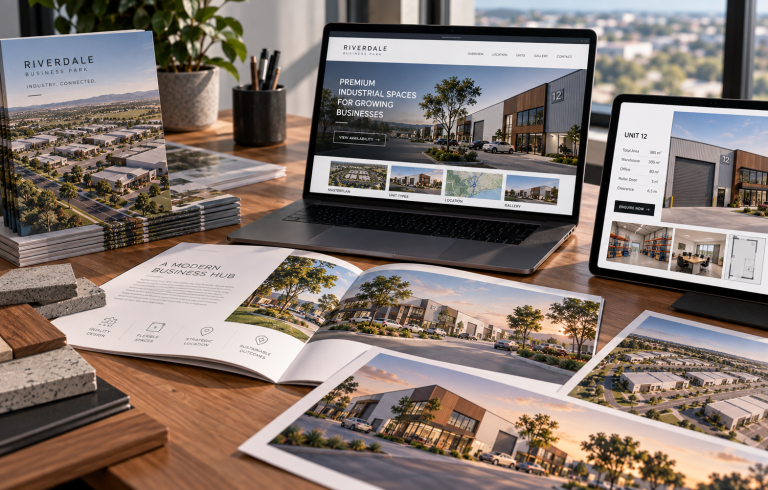
Presentation plays a major role in how quickly buyers understand and engage with the opportunity.
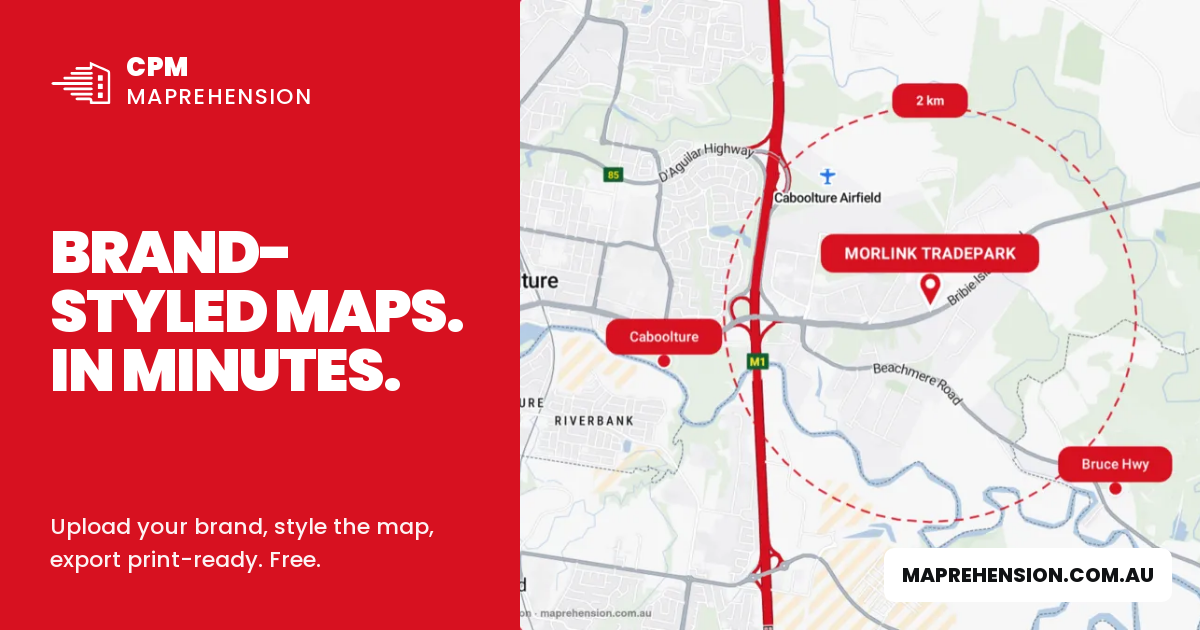
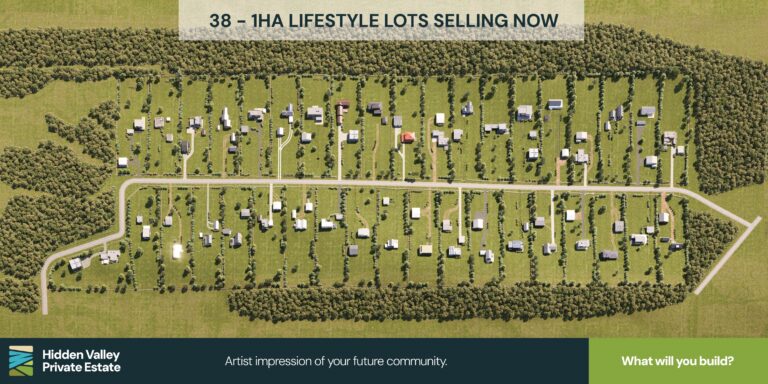
- Use clear visuals to communicate layout, access, and usability
- Structure information so key details are easy to find and understand
- Remove unnecessary complexity that slows decision-making
- Ensure consistency across all marketing materials
- Present the property in a way that reflects its true value
Step 3: Align pricing with positioning
Pricing needs to match how the property is presented and perceived in the market.
- Review comparable listings to ensure pricing is competitive and realistic
- Ensure the value of the property is clearly communicated to support pricing
- Avoid overpricing without strong justification, which reduces enquiry
- Use positioning to reinforce why the property is worth the asking price
- Adjust strategy where needed to reflect current market conditions
Step 4: Create renewed momentum
If a property has stalled, it needs a reset — not just more of the same activity.
- Relaunch with updated messaging and improved presentation
- Re-engage the market with a clear, refreshed campaign
- Highlight any changes or new information to generate interest
- Build early activity to restore momentum and confidence
- Ensure enquiries are handled quickly to maintain engagement
Step 5: Support faster decision-making
The easier it is for buyers to assess the property, the more likely they are to move forward.
- Provide clear, structured information that answers key questions upfront
- Use visuals and layouts to reduce uncertainty
- Reinforce the property’s strongest advantages consistently
- Make the next steps simple and easy to follow
- Position the opportunity as a logical and confident decision
What this means for your property
If your property isn’t selling, the solution is not to wait — it’s to fix how it’s being understood. When positioning, presentation, and pricing are aligned, enquiry improves and decisions happen faster. The result is a more effective campaign and a clearer path to sale.