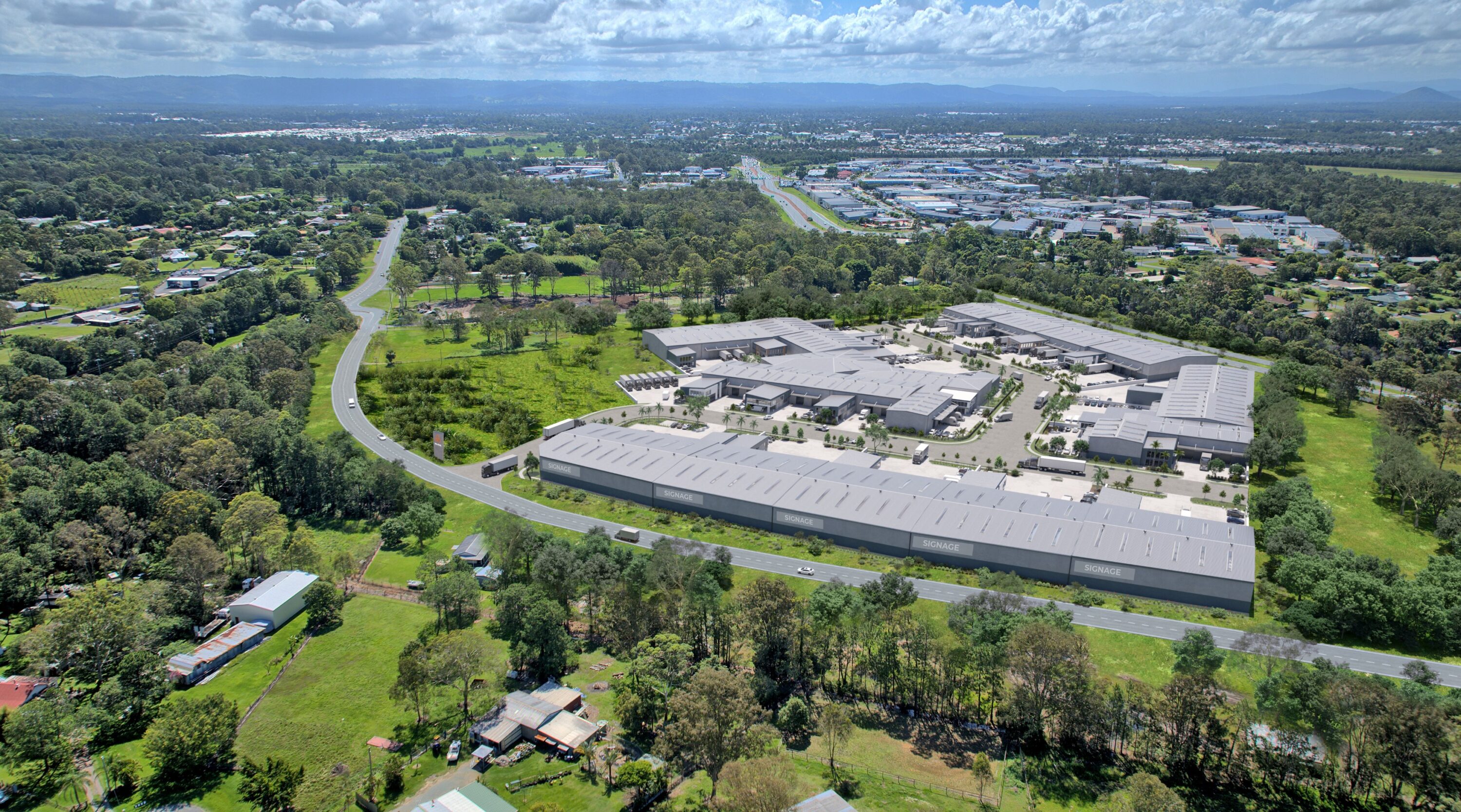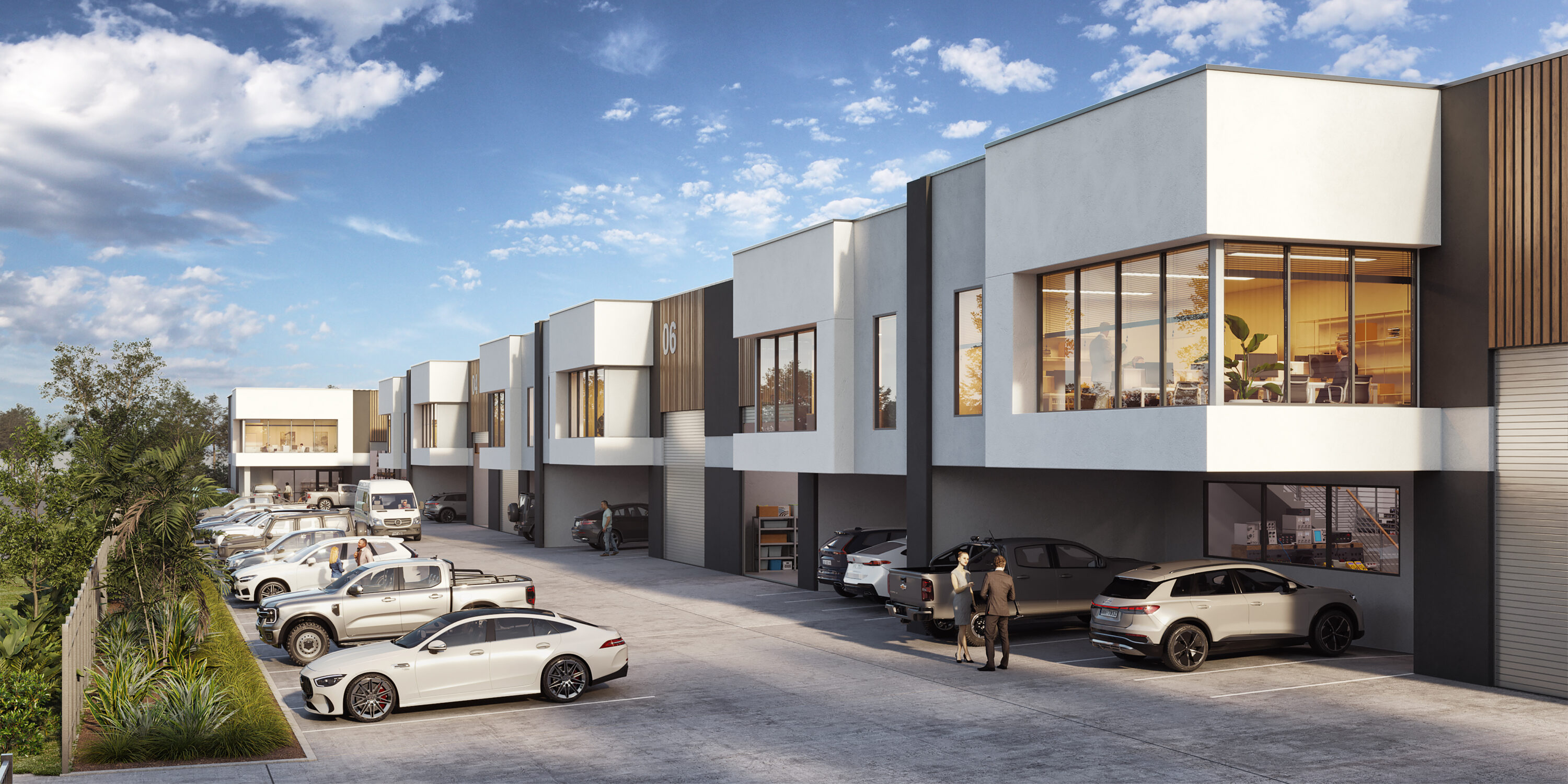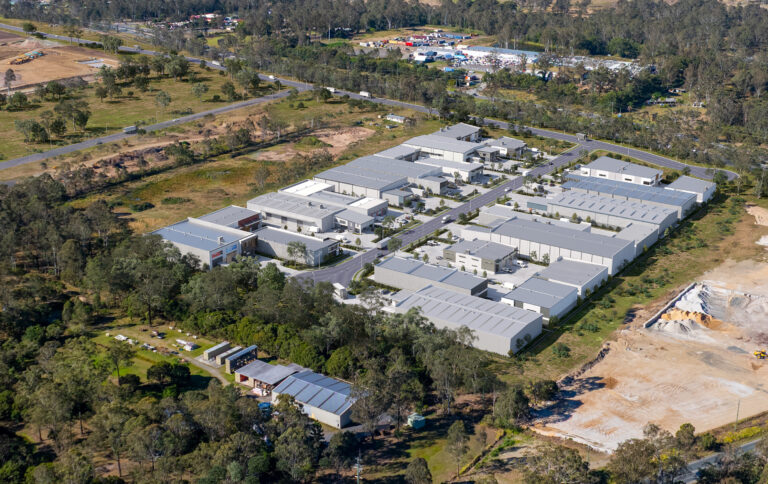
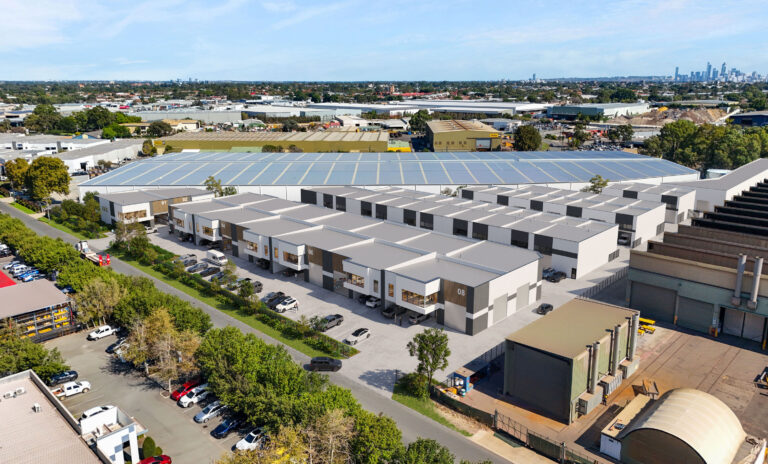
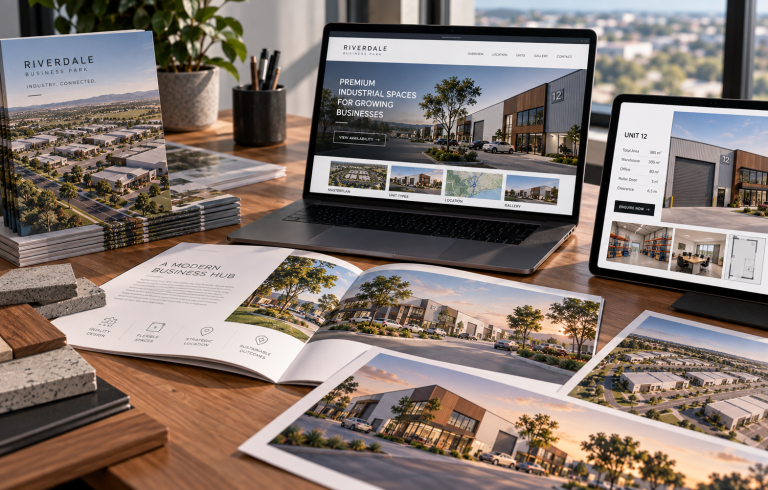

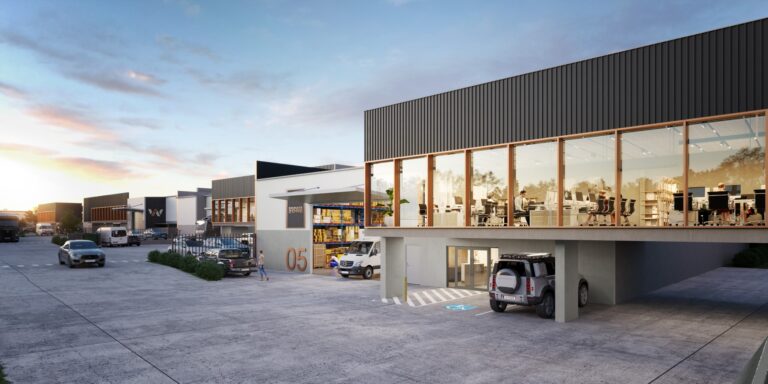
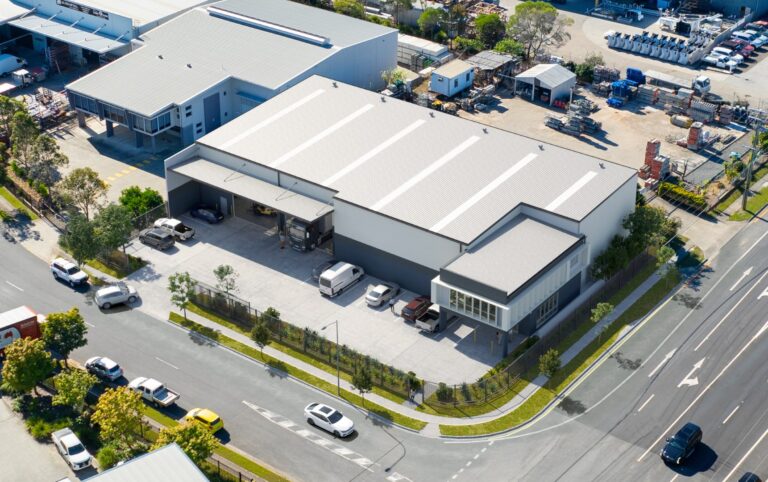
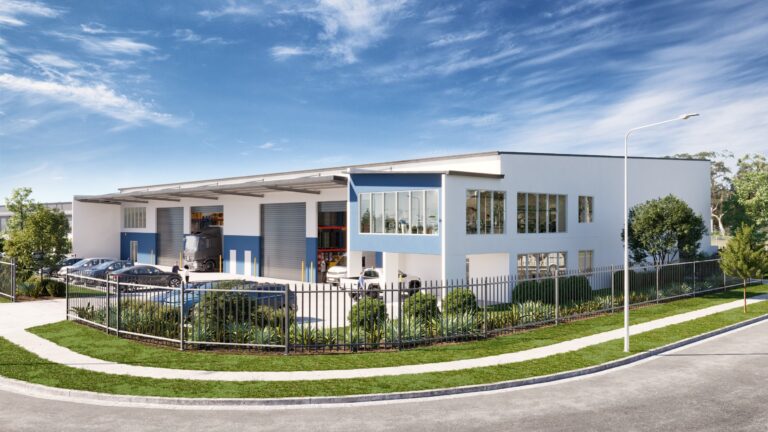
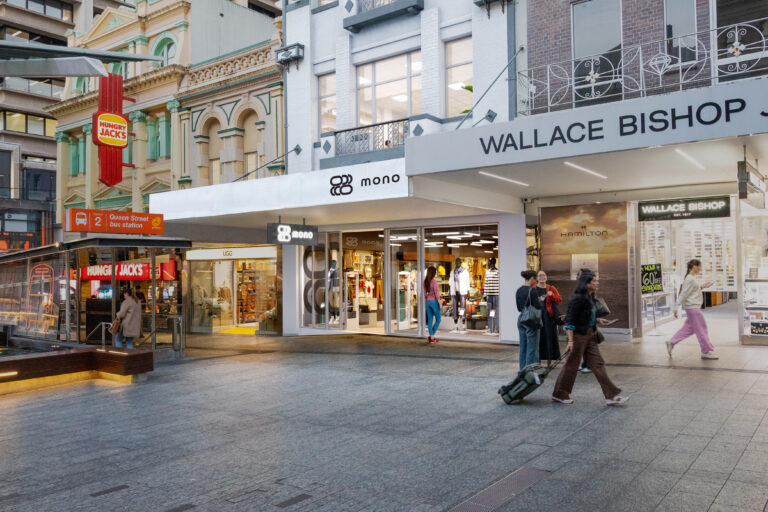






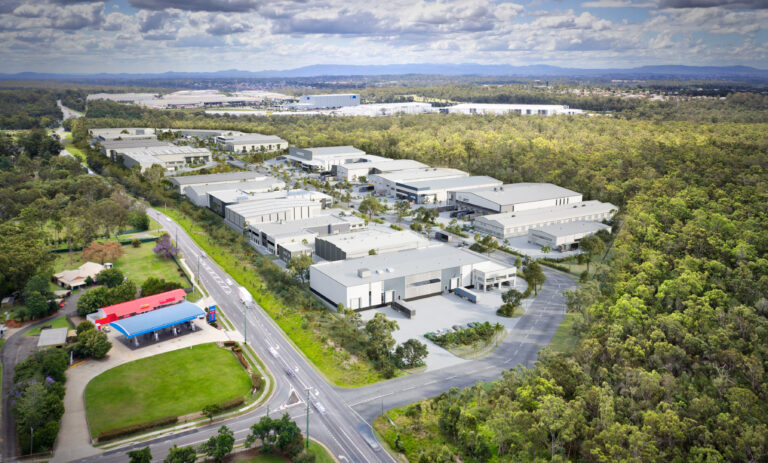



When a commercial site sits, it’s rarely because of price alone. In most cases, it’s a clarity problem. Buyers aren’t engaging because they don’t fully understand what they’re looking at or how it works for them. When that happens, enquiry drops, momentum stalls, and the listing slowly goes cold.
1. What it looks like when a site is underperforming
You can usually spot it early — the signs are consistent across most stalled listings.
- Low enquiry despite strong location or fundamentals
- High views but minimal serious interest
- Repeated follow-ups with no progression
- Buyers asking basic questions that should already be answered
- Listing sitting while comparable sites move
2. Why buyers aren’t engaging
If a buyer can’t quickly understand a site, they won’t spend time trying to figure it out. They’ll move to the next one that’s clearer.
- No clear explanation of what can be built
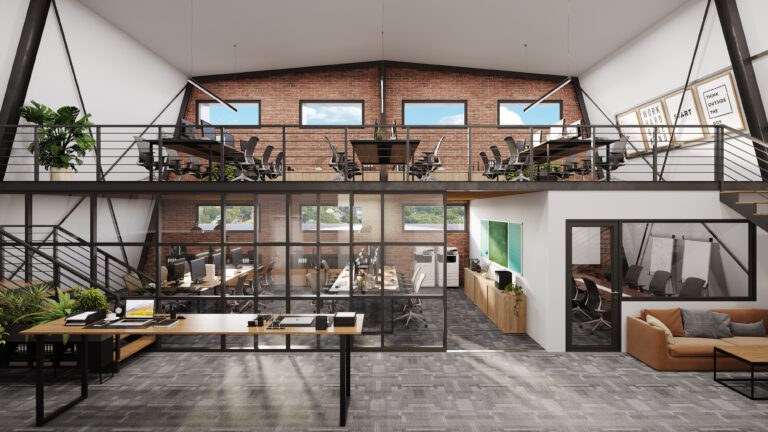
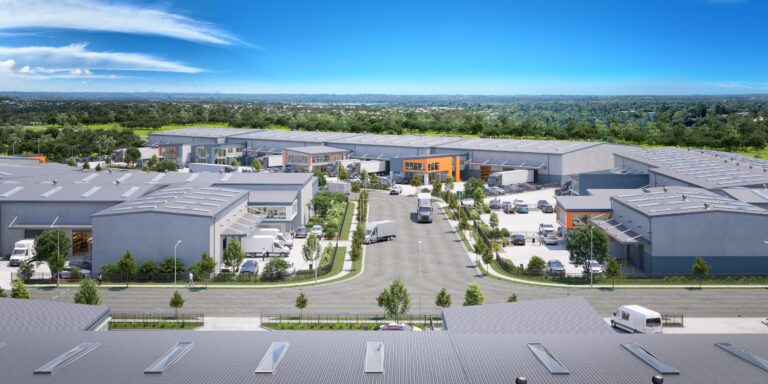
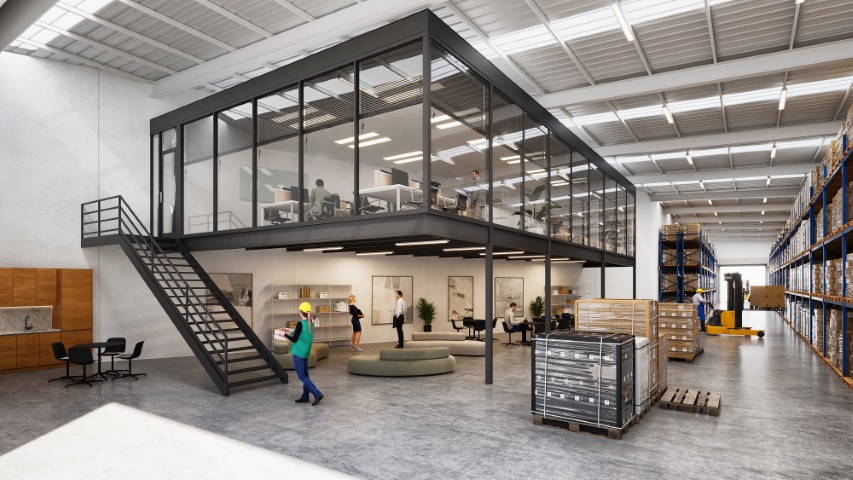
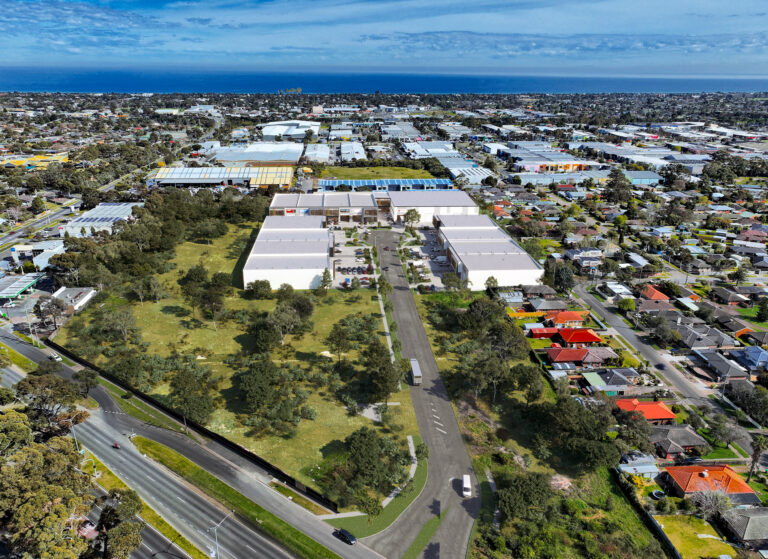
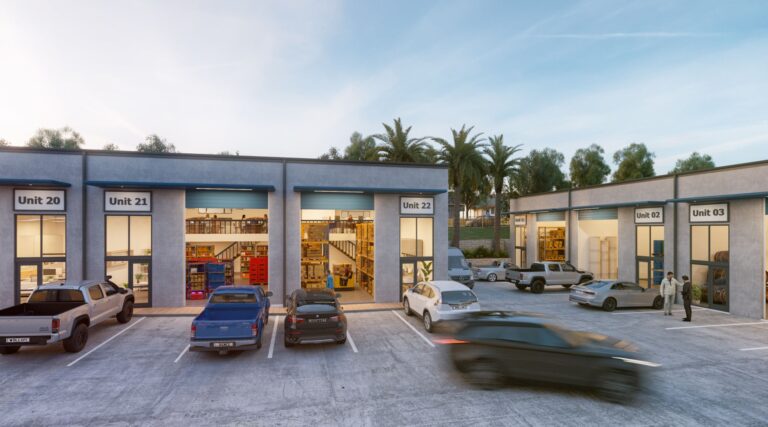
- Lack of visual context for layout and use
- Uncertainty around access, movement, and functionality
- No indication of yield, staging, or development potential
- Over-reliance on plans that are hard to interpret
4. What high-performing listings do differently
The sites that move quickly remove friction and make the opportunity obvious from the first interaction.
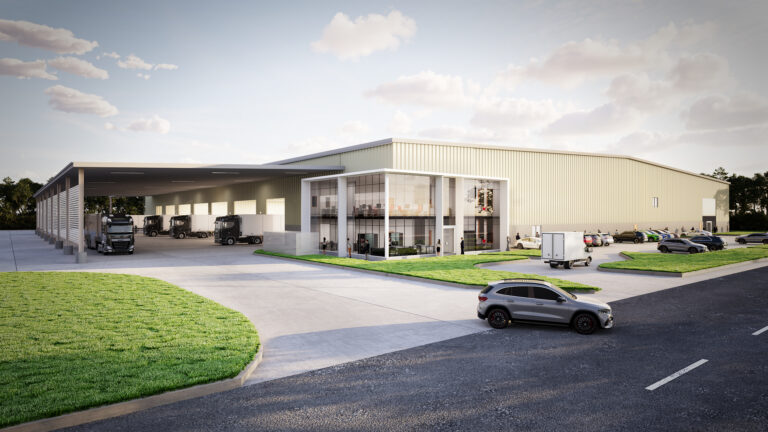
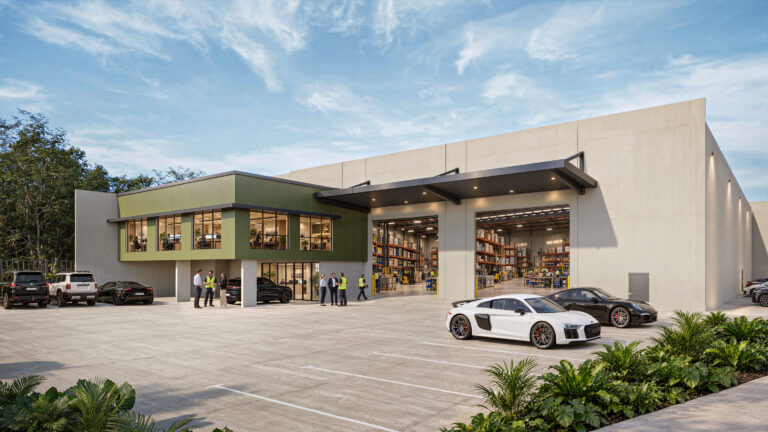
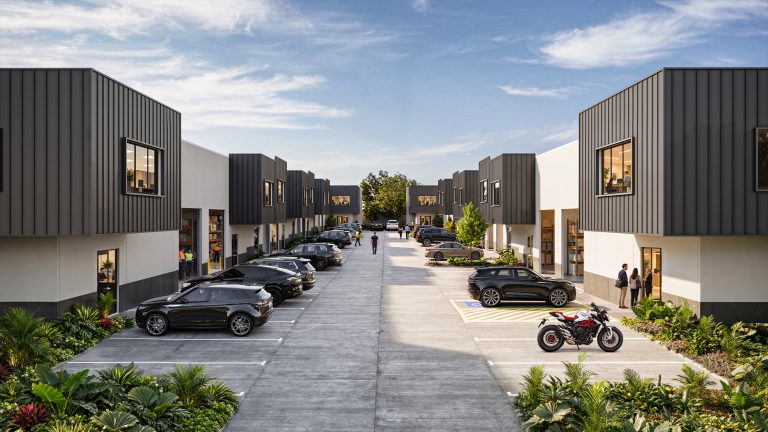
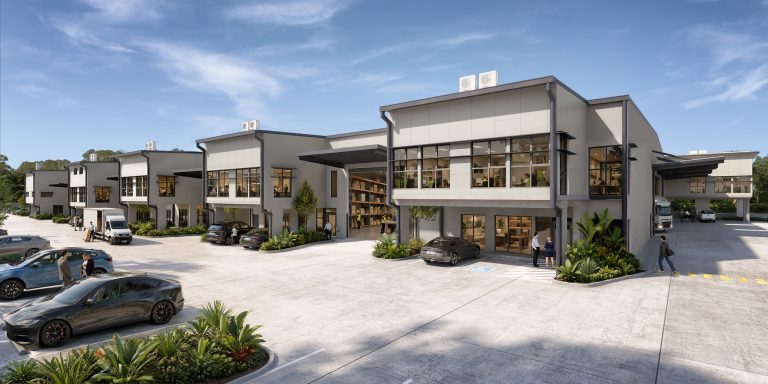
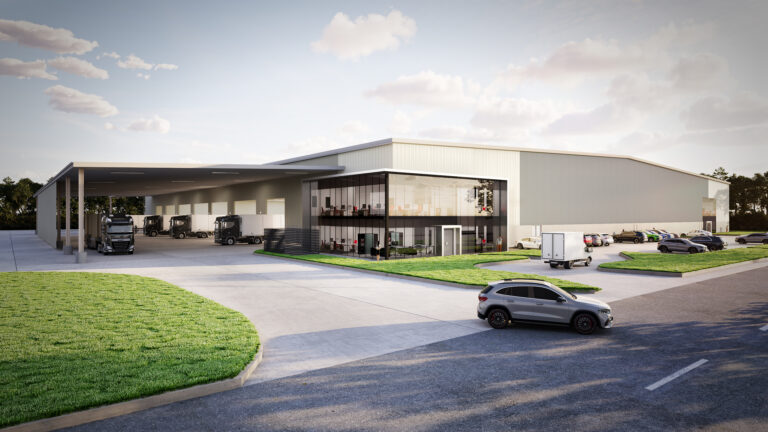
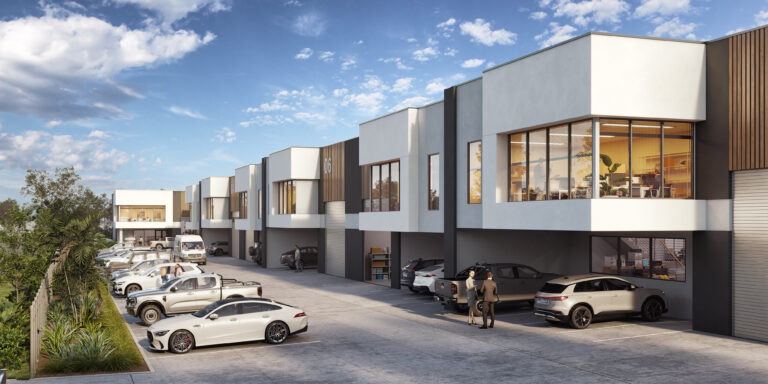
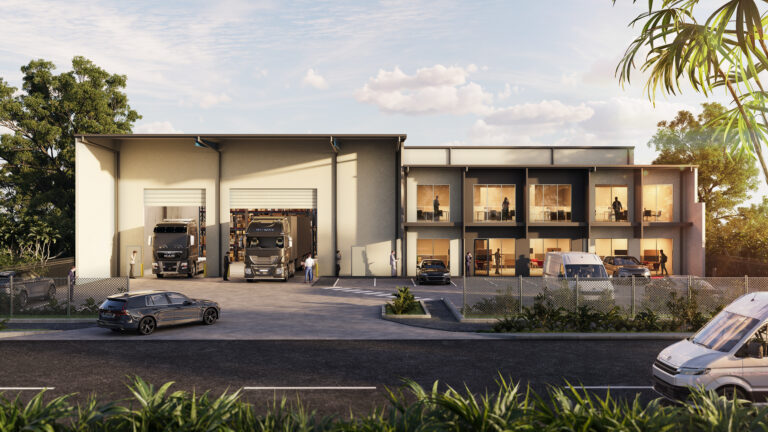
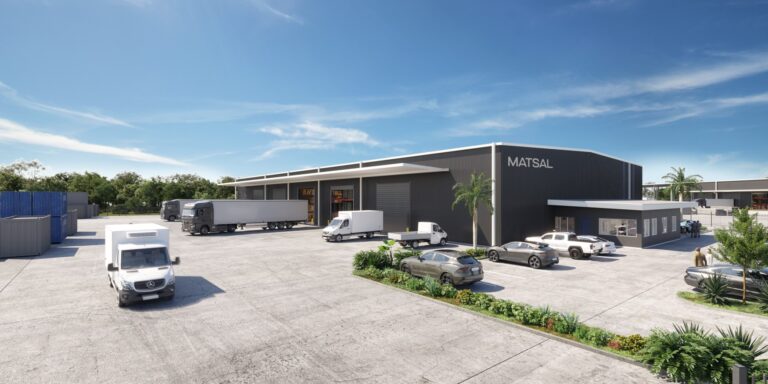
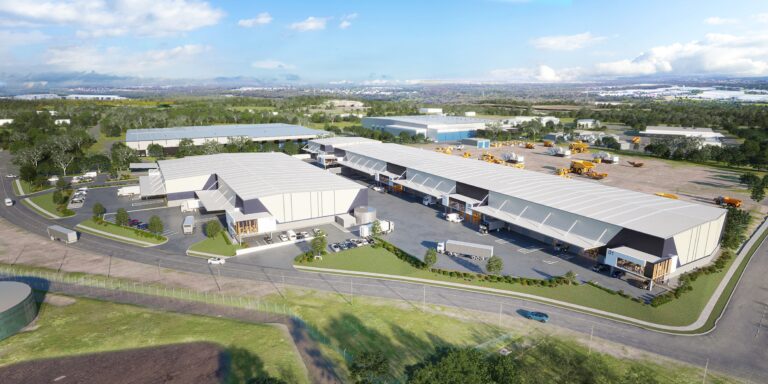
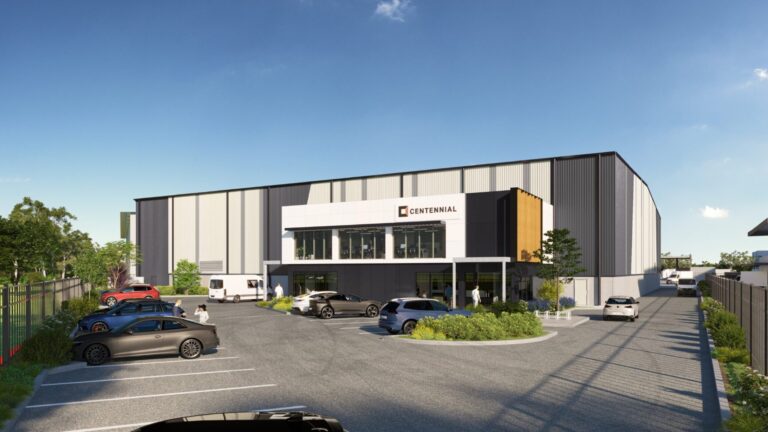
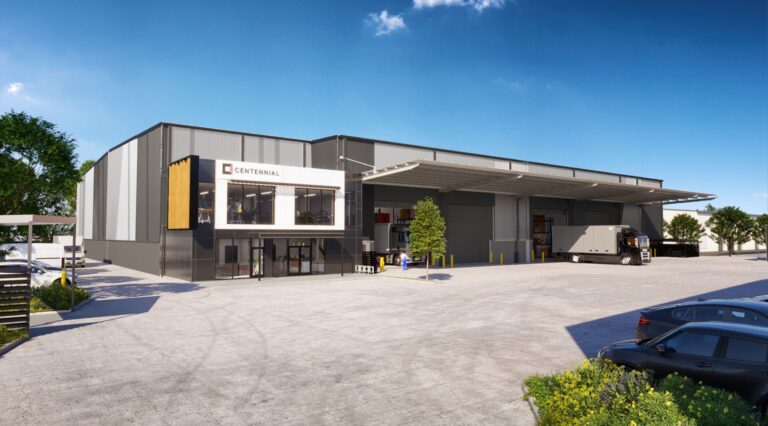
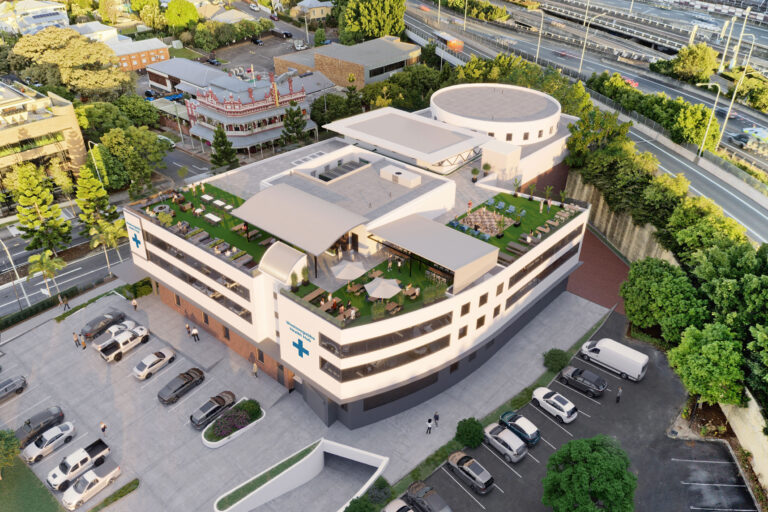
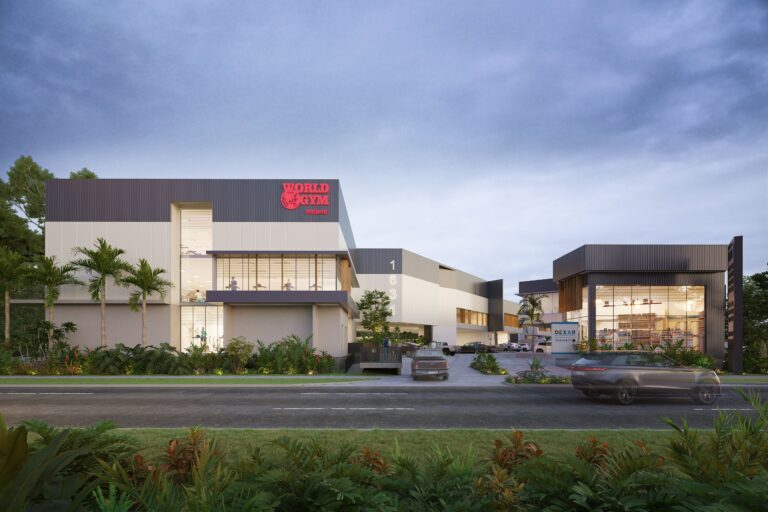
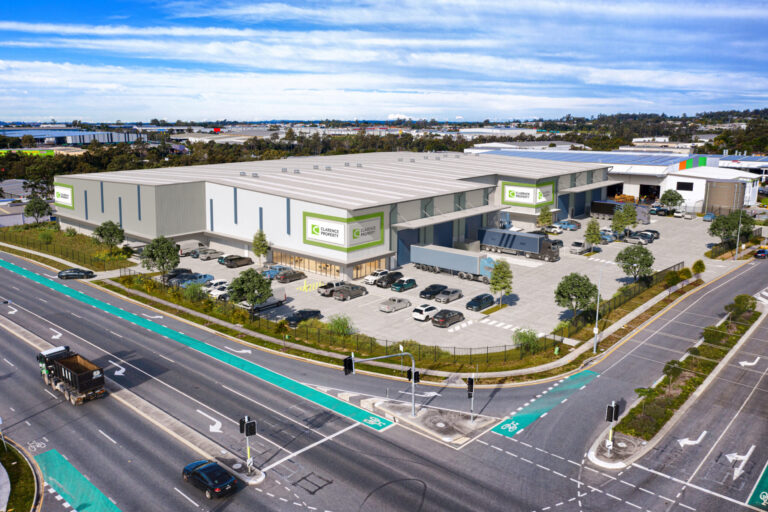
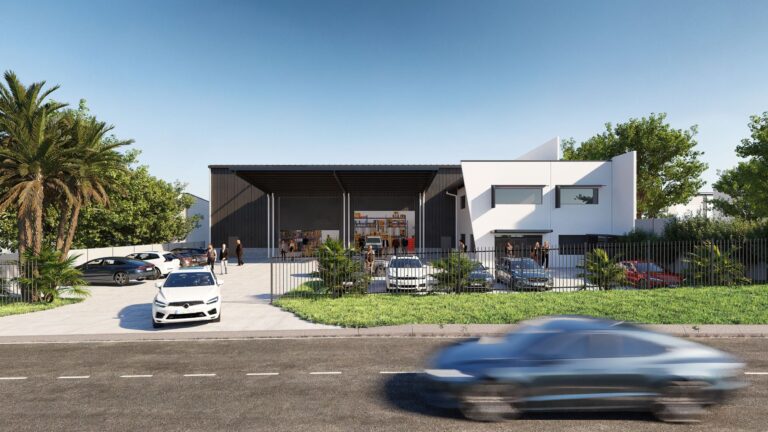
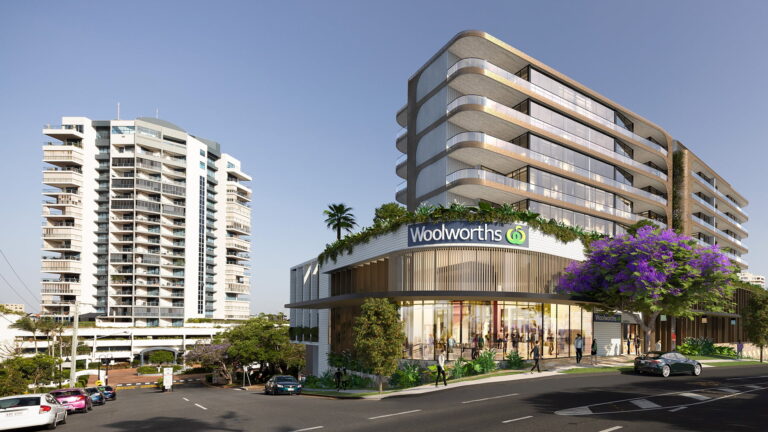
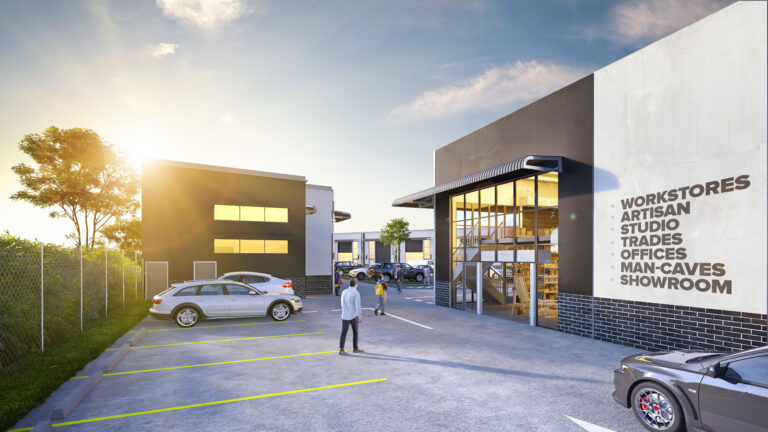
- Show exactly what the site becomes
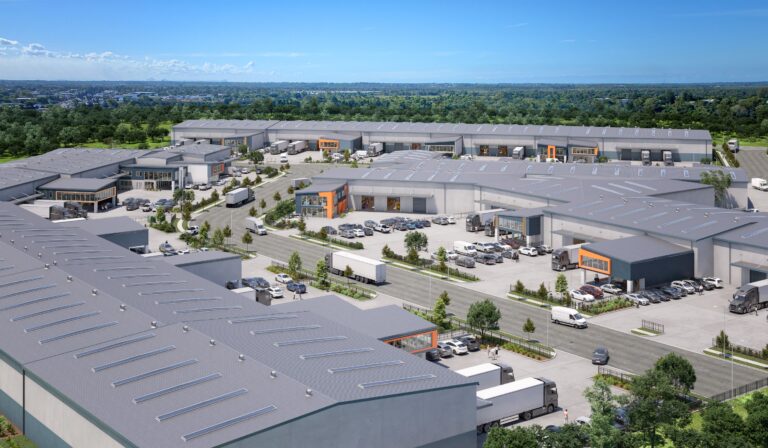
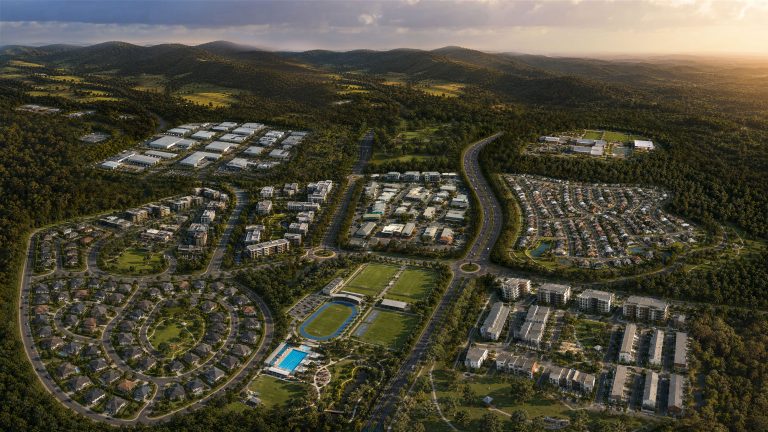
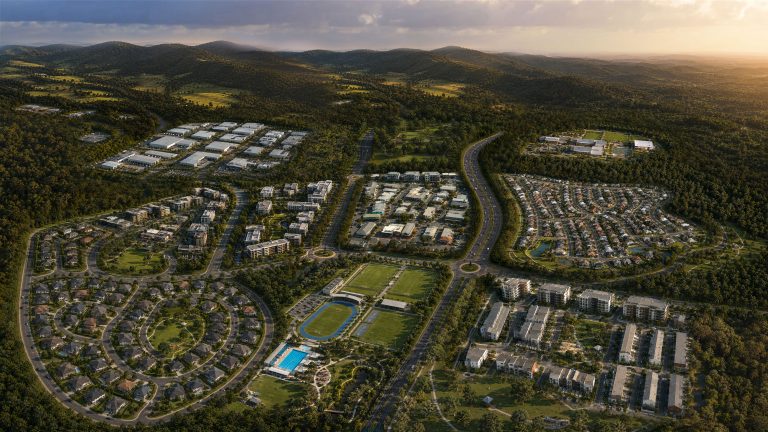
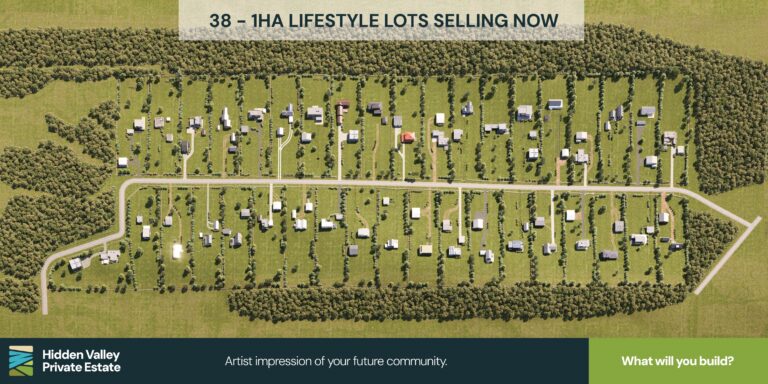
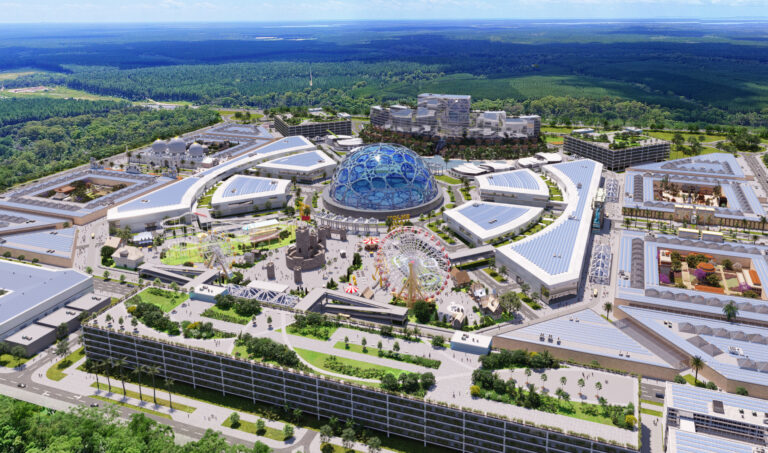
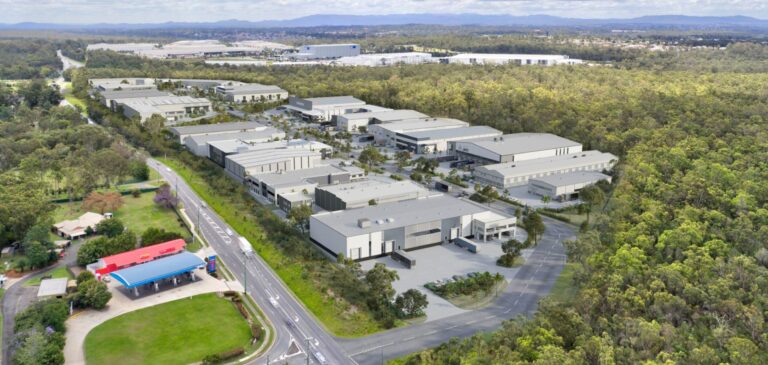
- Use masterplans to communicate layout instantly
- Provide visual context for scale and usability
- Align messaging with real buyer needs
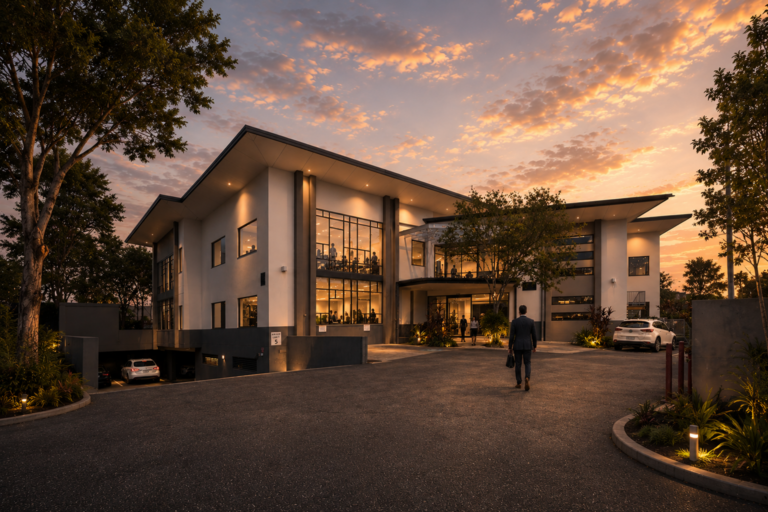
- Present a clear, confident development outcome
5. How to reposition a slow-moving site
If a site isn’t performing, the solution isn’t always price — it’s clarity and positioning.
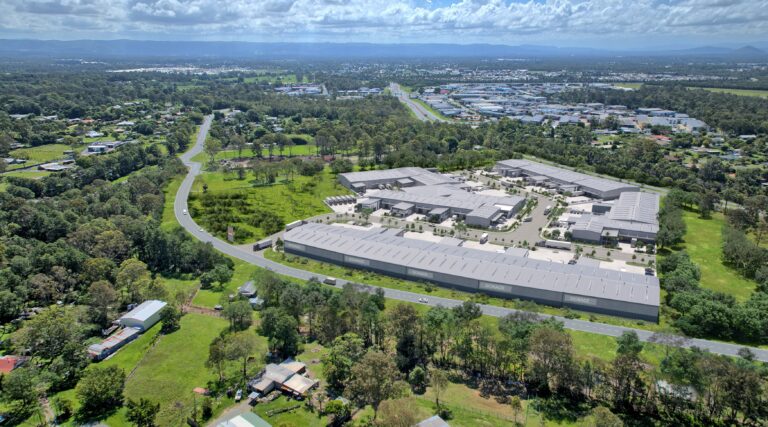
- Introduce a masterplan showing potential layout
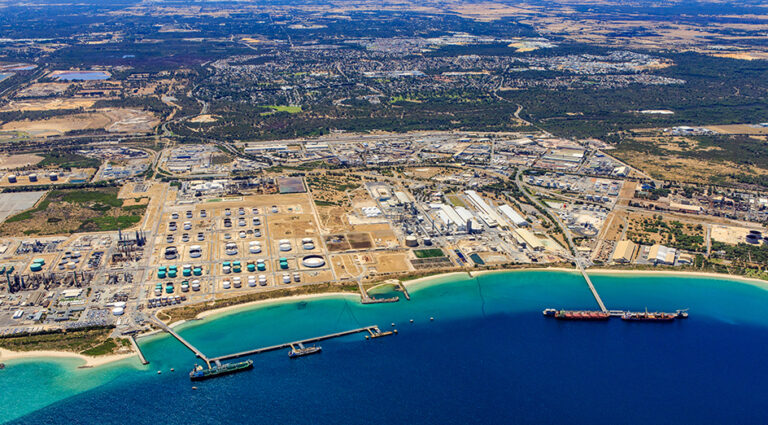
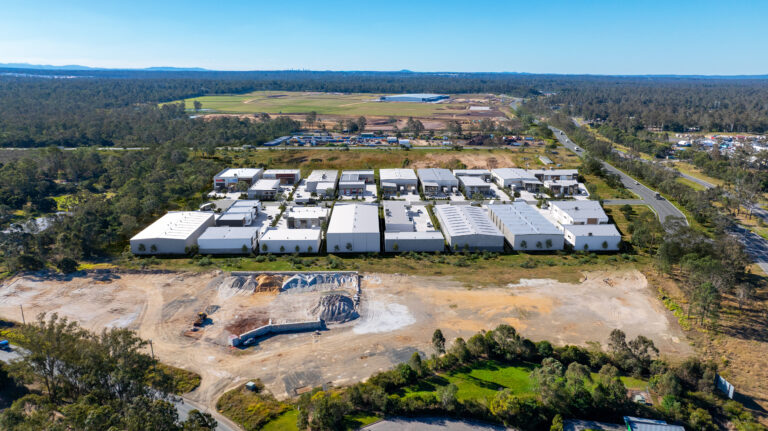
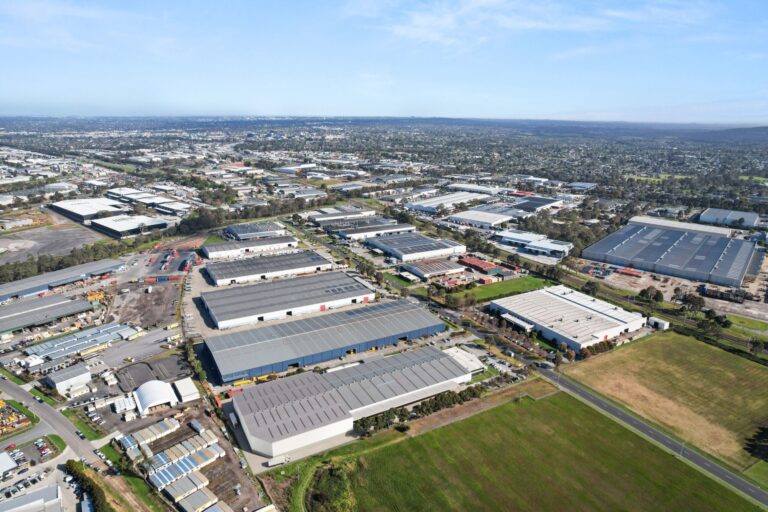
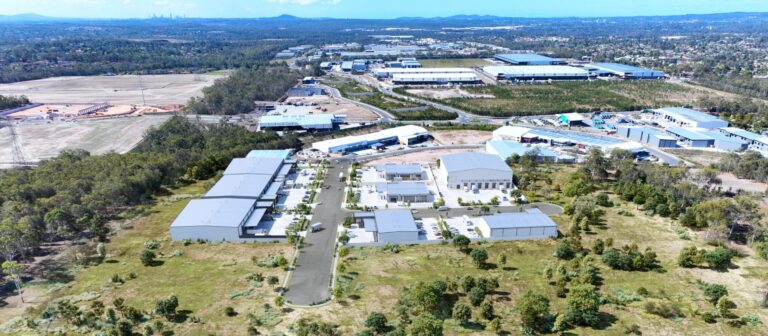
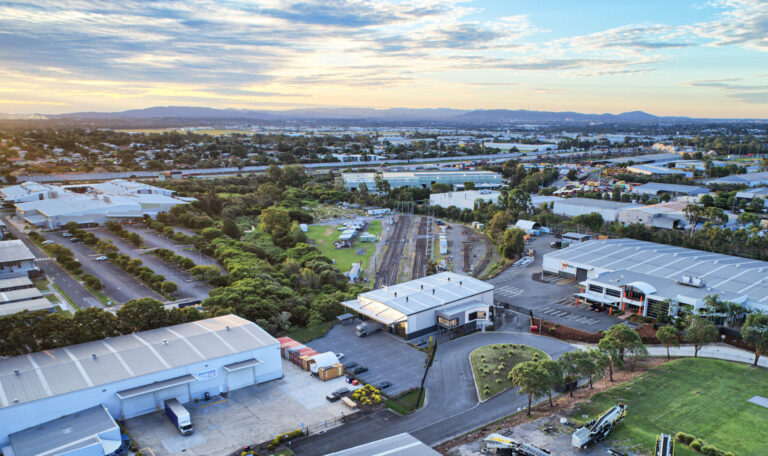
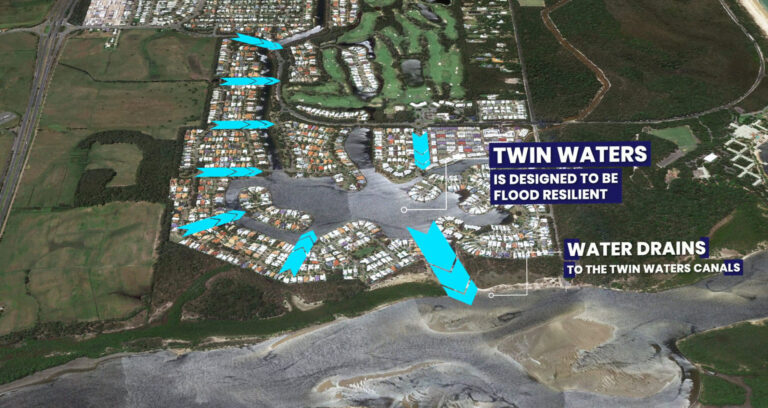
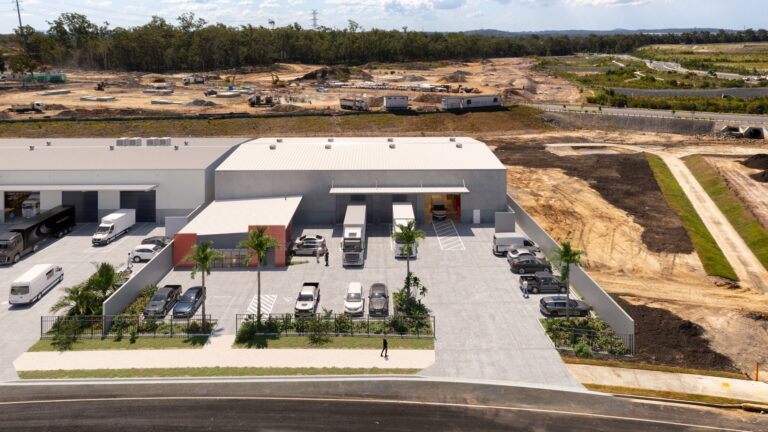
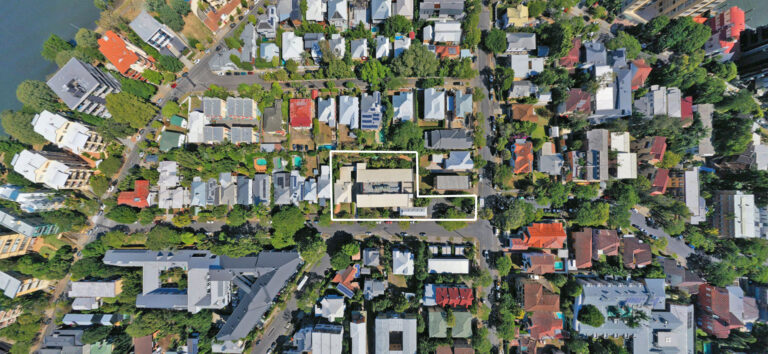
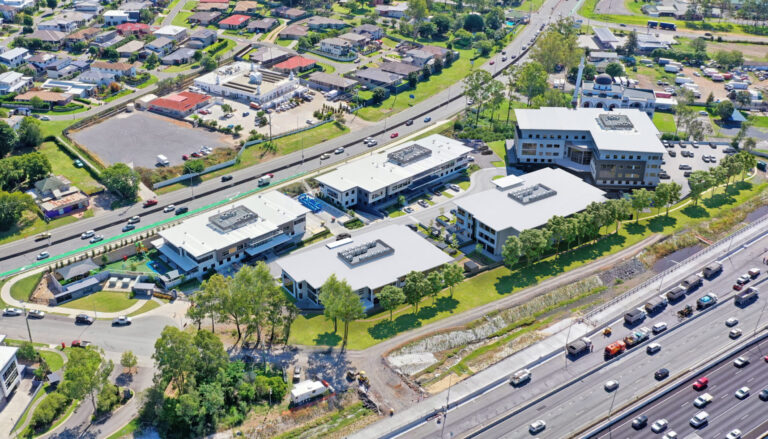
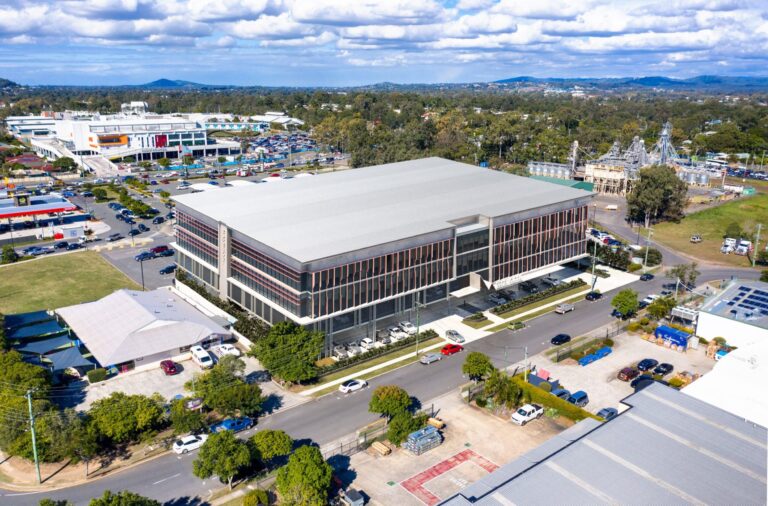
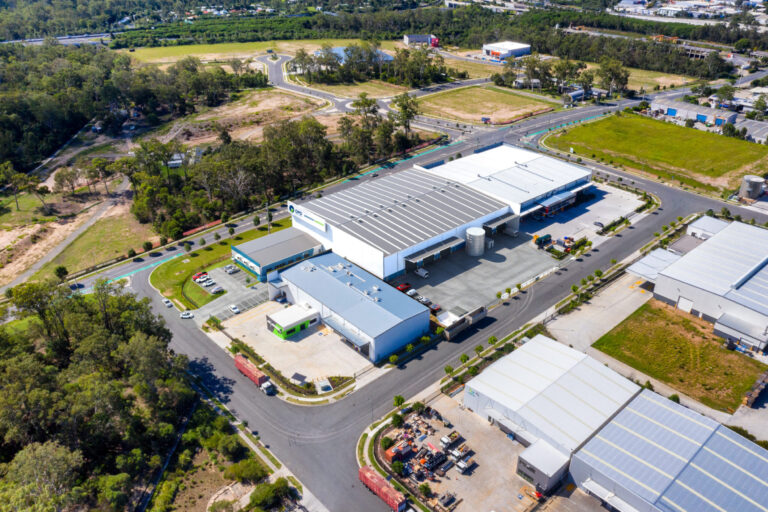
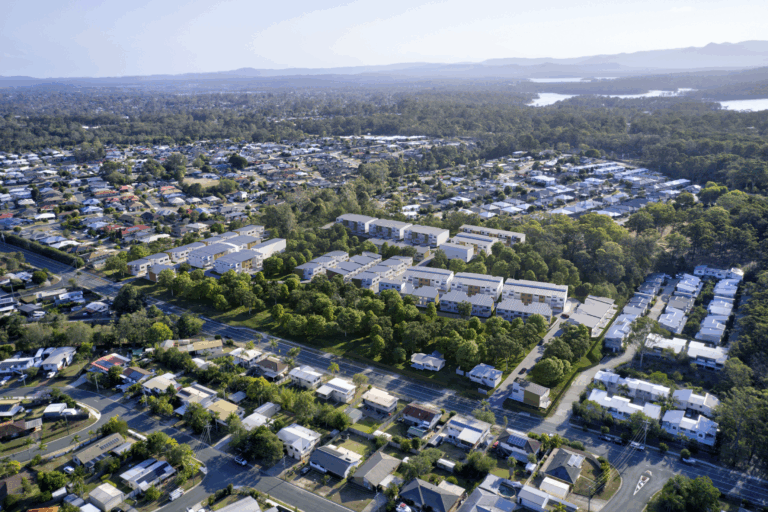
- Add visual overlays to existing aerials
- Clarify access, circulation, and usability
- Present development scenarios or staging options
- Rebuild the narrative around outcome, not just land
6. What happens when clarity is introduced
Once buyers understand the opportunity, engagement shifts immediately.
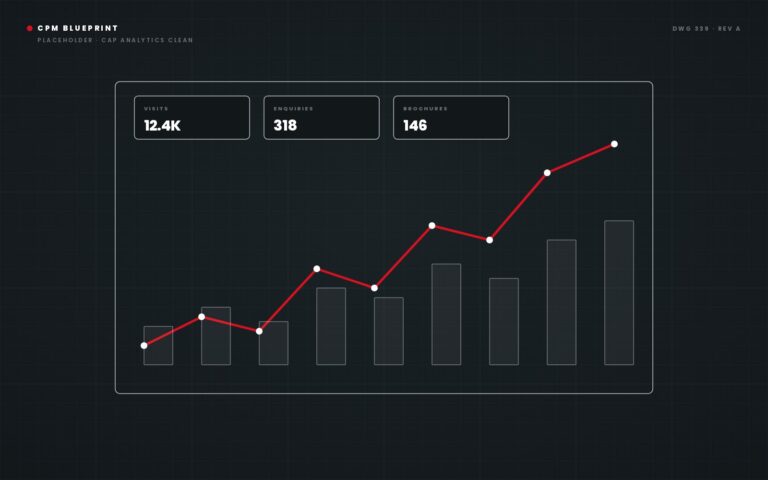
- Enquiry increases and becomes more qualified
- Conversations move faster toward decisions
- Buyers compare based on value, not confusion
- Agents regain control of the narrative
- Time on market reduces significantly
7. The reality behind “slow markets”
Many sites blamed on market conditions are simply under-communicated. The demand is there — it just isn’t being captured properly.