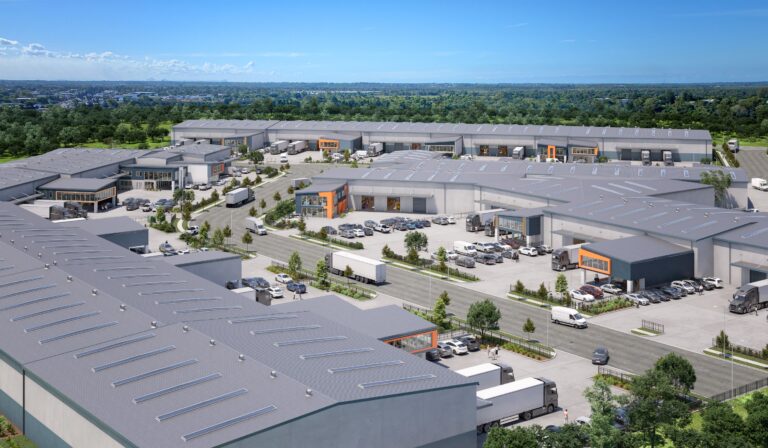
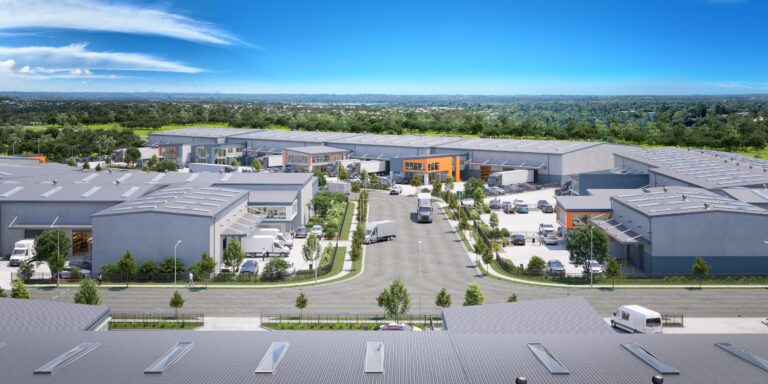
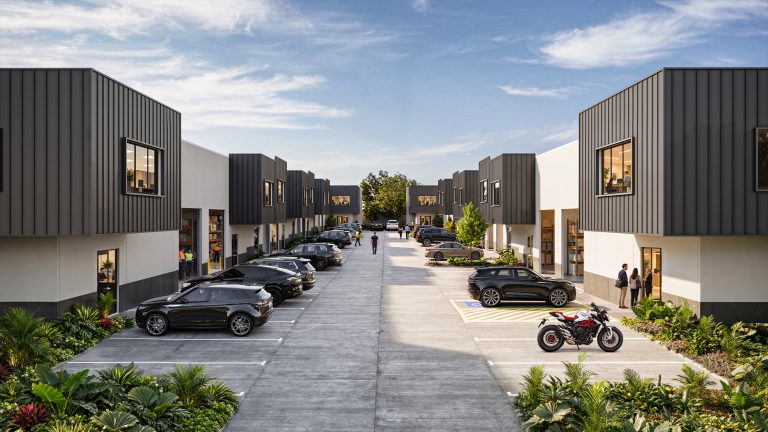
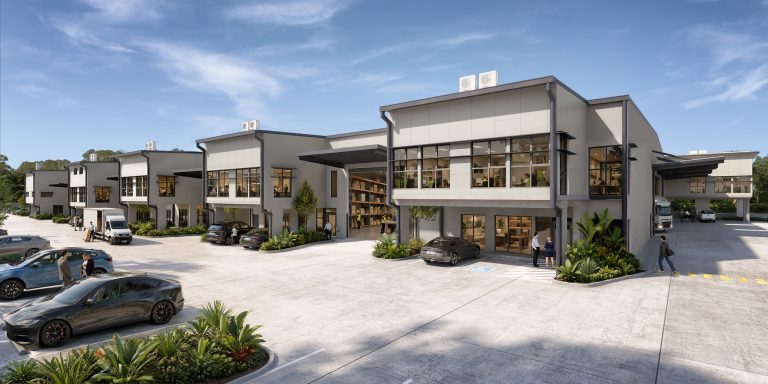
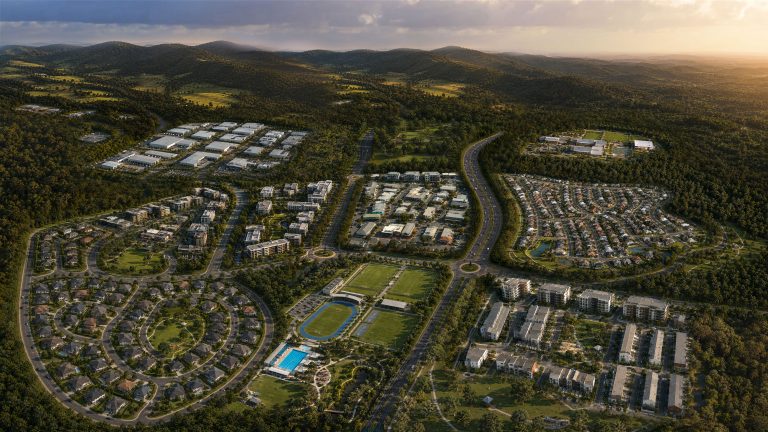
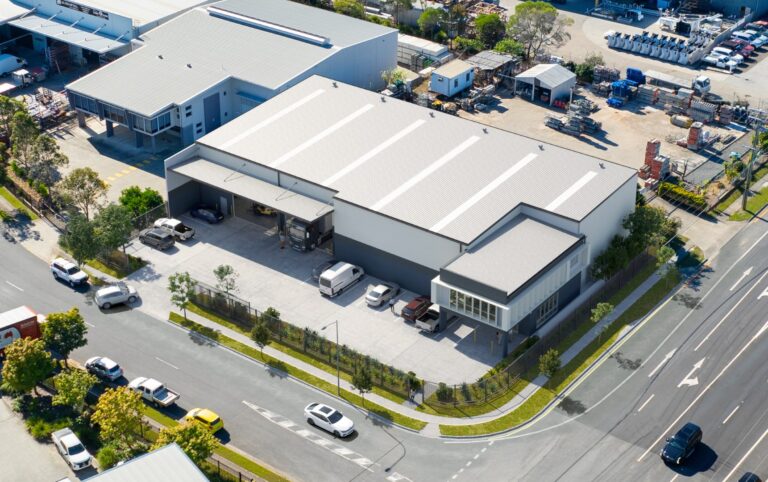
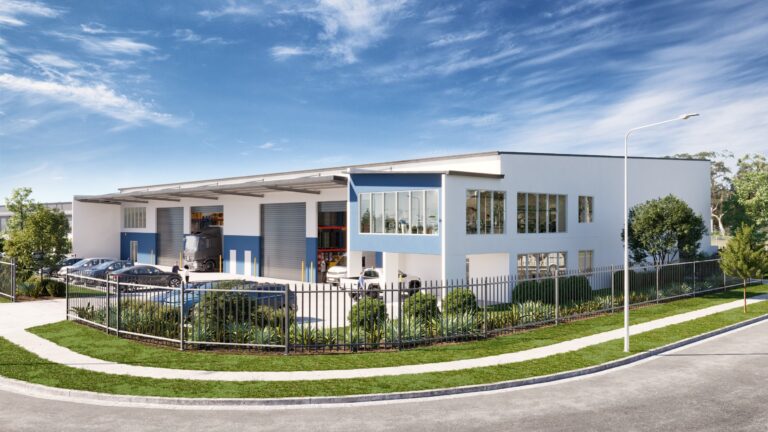
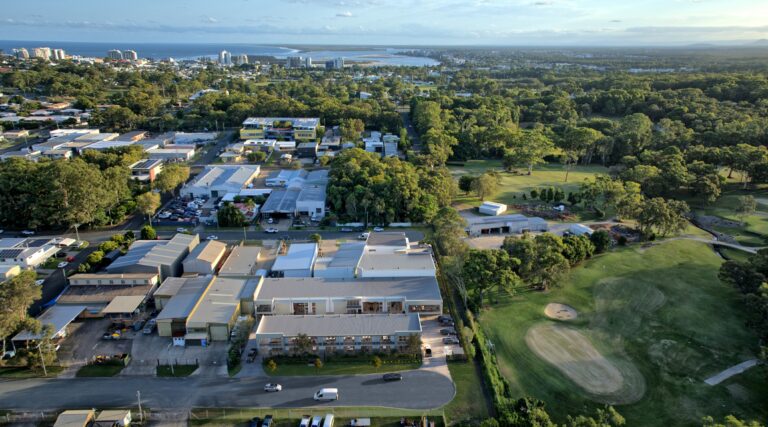
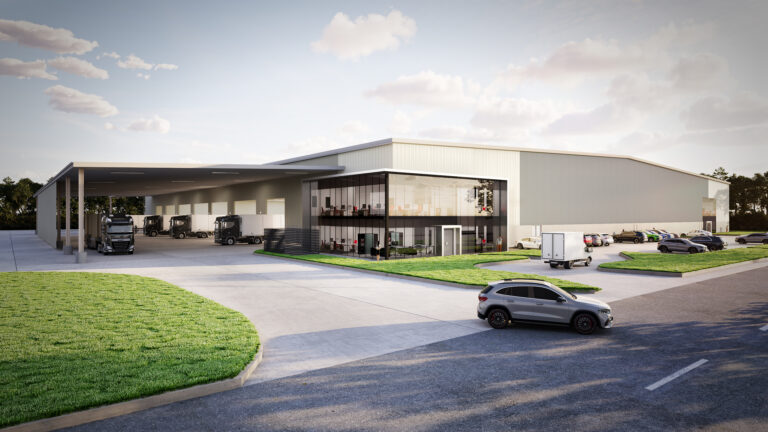
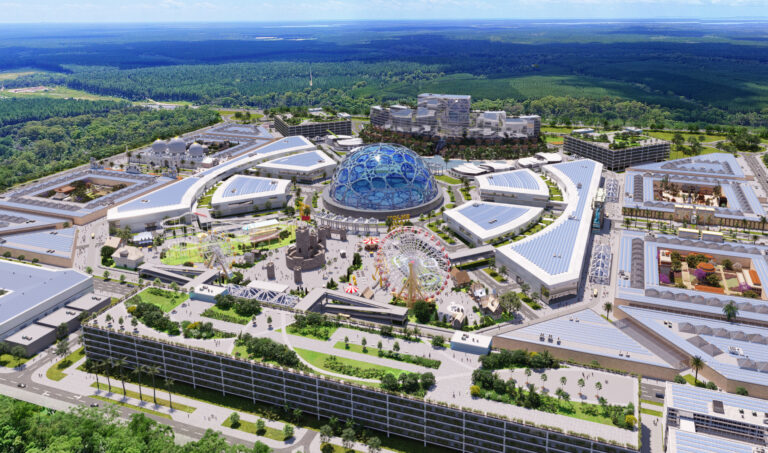

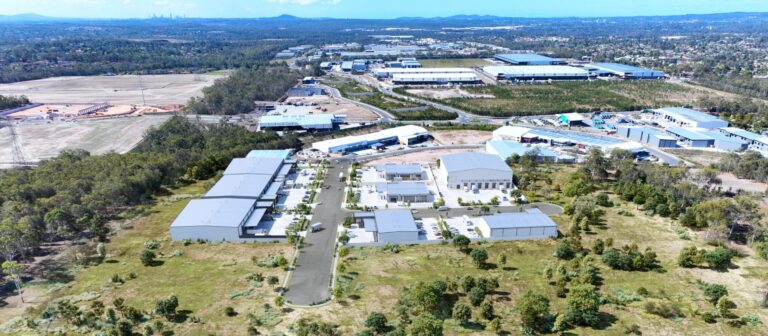
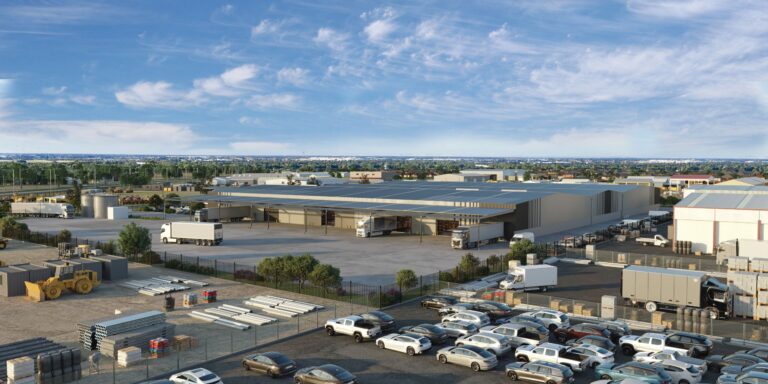
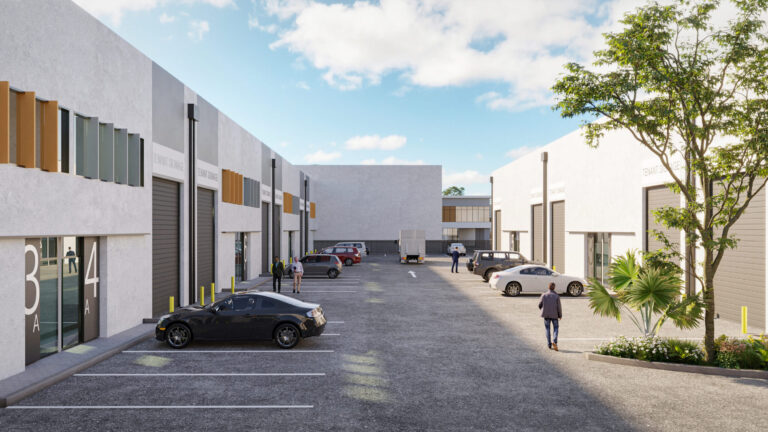
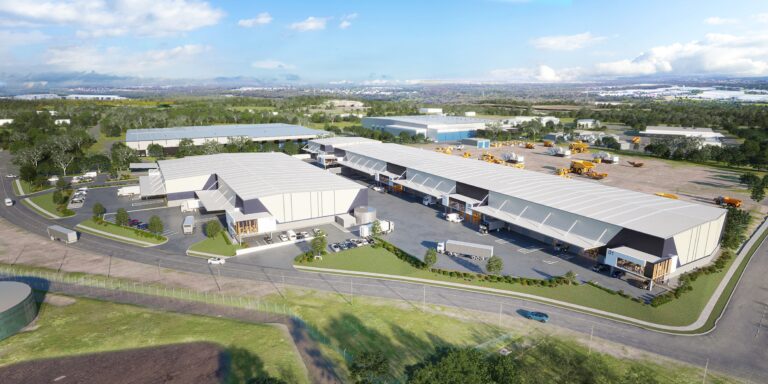
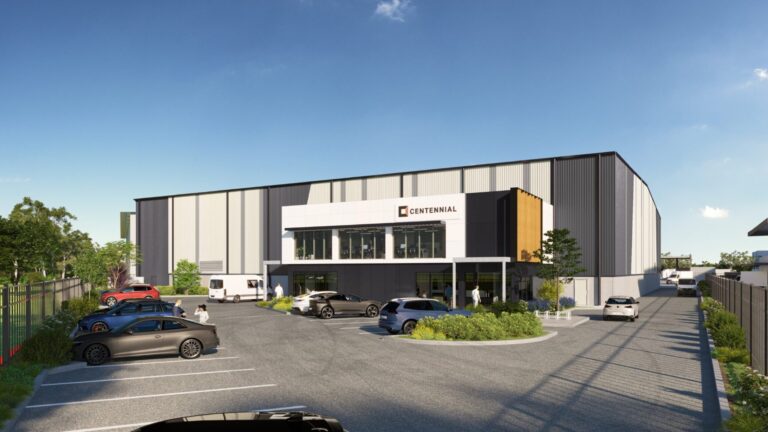
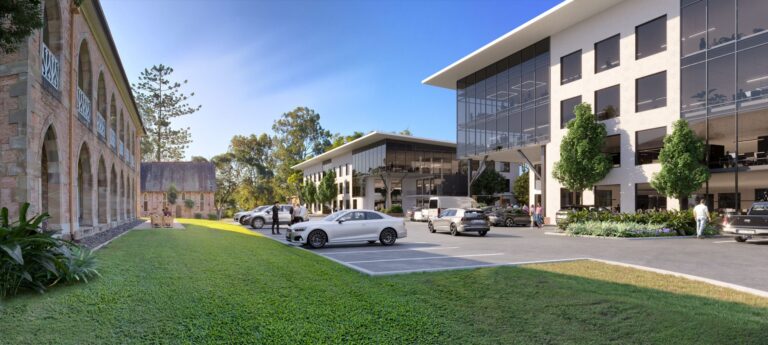
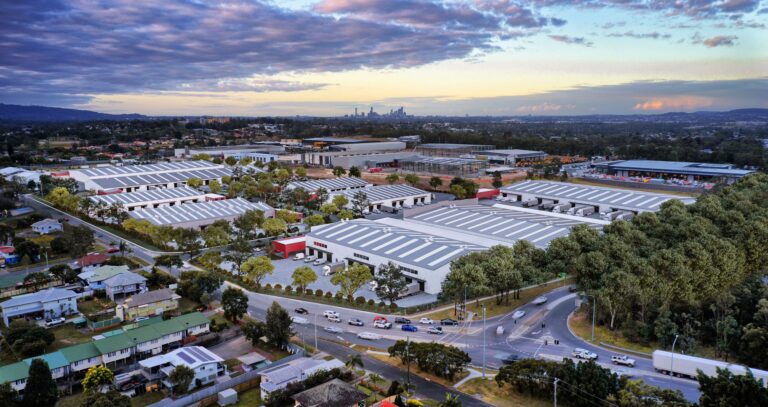
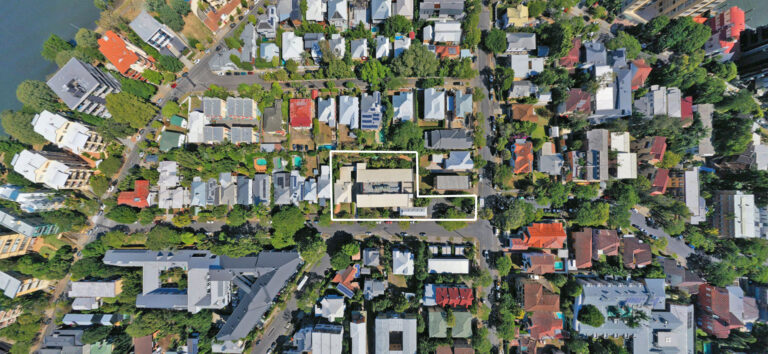
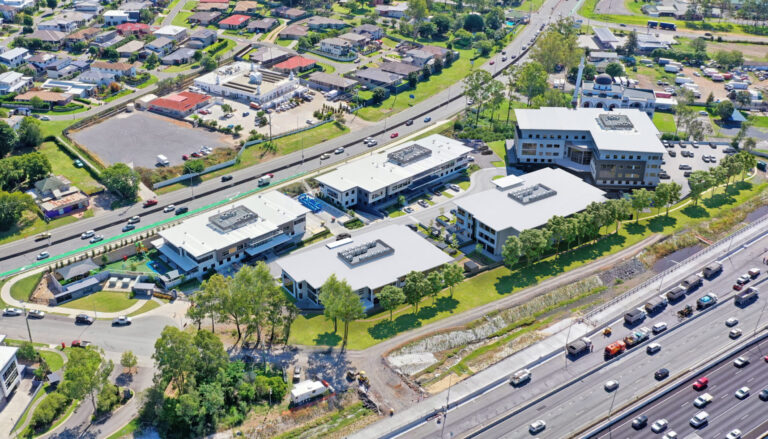
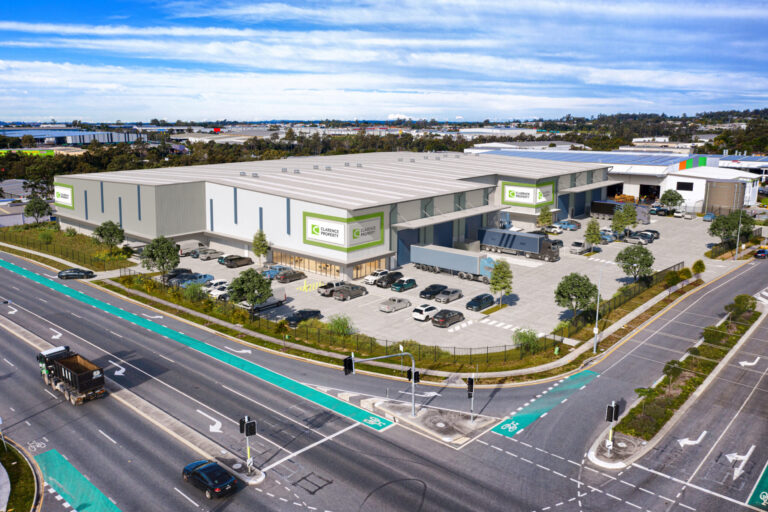
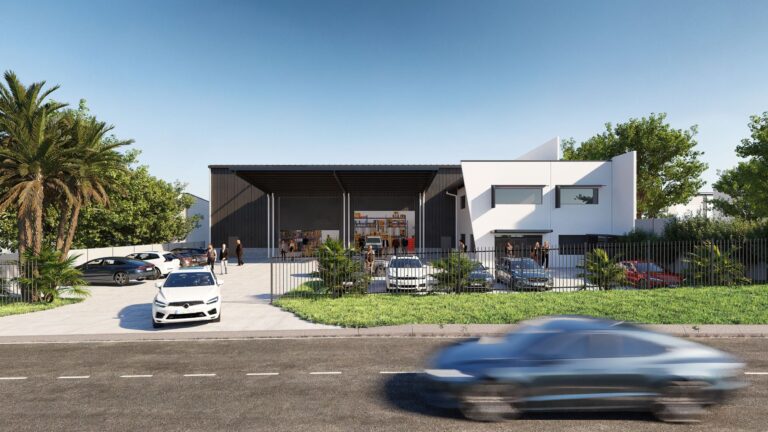
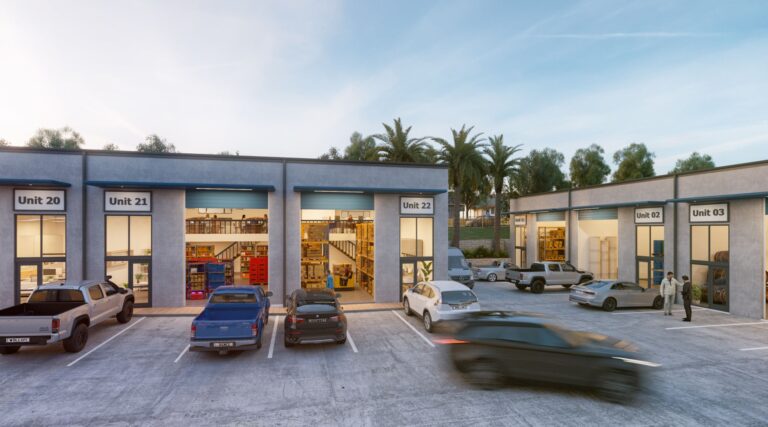
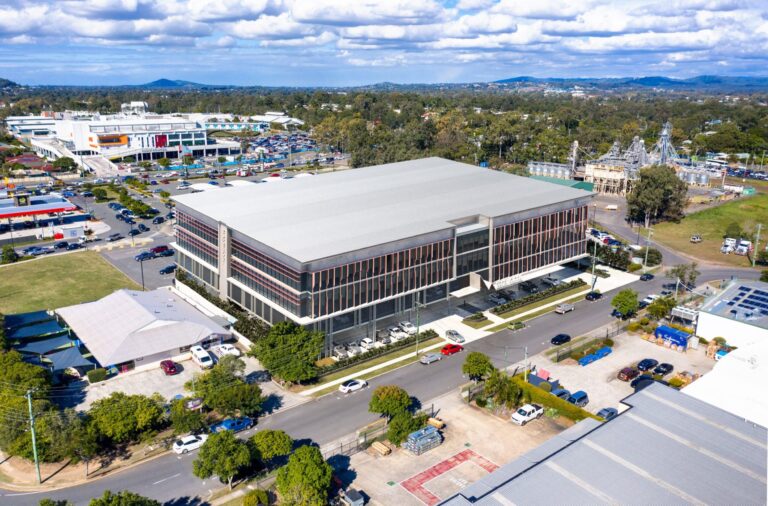
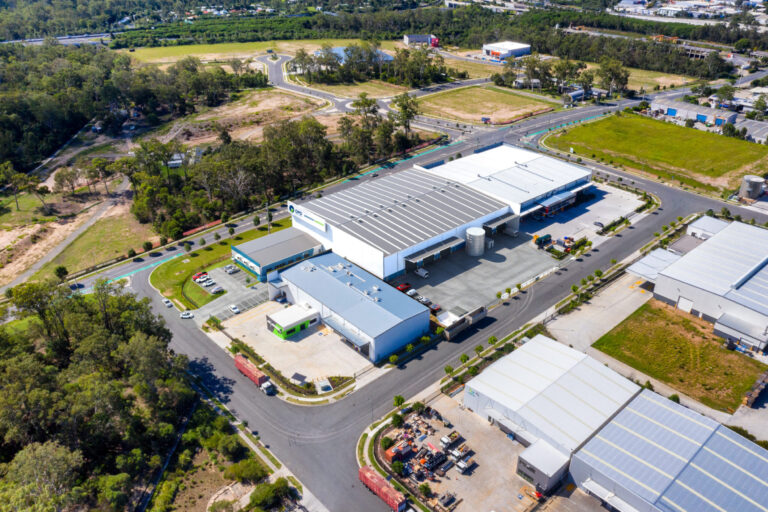



CDC Data Centres has lodged plans for a $15 billion data centre campus at 216 Ashfords Road, Gregadoo, about 11 kilometres south of Wagga Wagga. The project would draw up to 1.4 gigawatts of power across four buildings totalling about 189,325 sqm.
It is one of the largest regional data centre proposals in Australia and a sign that the digital infrastructure boom is spreading well beyond the capital cities.
The proposal at a glance
- Site: 216 Ashfords Road, Gregadoo NSW, a grazing property of about 103.8 hectares
- Campus area: about 63.4 hectares, developed in stages
- Investment: about $15 billion
- Power demand: up to 1.4 GW
- Buildings: four single-level buildings, about 189,325 sqm in total
- Solar: rooftop array of about 13.1 MWp
- Status: entering the NSW State Significant Development process, not yet approved
Why Wagga Wagga?
Data centres need three things above all: land, power and connectivity. The site is about 1.3 kilometres from Transgrid's existing 330 kV network, which makes a grid connection possible. Large rural parcels near major regional cities offer room to grow in stages, something that is almost impossible to find in Sydney.
Infrastructure details
Plans include two on-site substations, electrical yards and up to 384 backup diesel generators. Water would come via an extension of a main from near Lake Albert, with an on-site wastewater solution because a sewer connection is too far away. CDC says the cooling method is still being assessed and it will not rely mainly on local water supply.
Part of a national build-out
Data centre approvals are piling up. Amazon was recently permitted to build a $2.3 billion facility at Glendenning in Sydney and Goodman received approval for a $1.4 billion data centre at Macquarie Park. CDC itself is also planning a 504 MW campus at Marsden Park.
What it means for regional property
A project of this size would bring construction activity, long-term technical jobs and demand for housing, accommodation and services in the Riverina. It may also change how investors look at rural land close to high-voltage transmission lines.
The scale in context
A 1.4 gigawatt campus would be enormous by any measure. Projects of this size take many years to plan and build and usually proceed in stages as tenants commit and power becomes available.
For the Riverina, even a staged build would mean major construction activity, specialised long-term jobs and new demand for housing and services. It also raises questions about power, water and land use that the State Significant Development process is designed to work through.
What it means for the market
- Data centres are becoming major users of industrial and rural land
- Access to grid power is now a key factor in land value
- Regional cities with transmission infrastructure are on the radar
Lessons for landowners and developers
- Power is the new location: proximity to substations and transmission lines adds value
- Think in stages: large campuses are planned for decades of growth
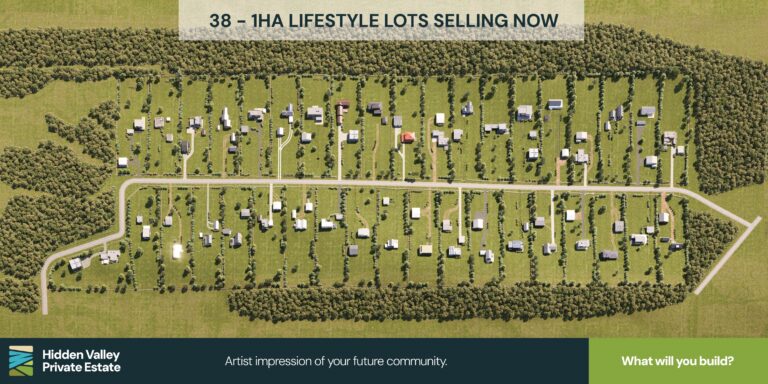
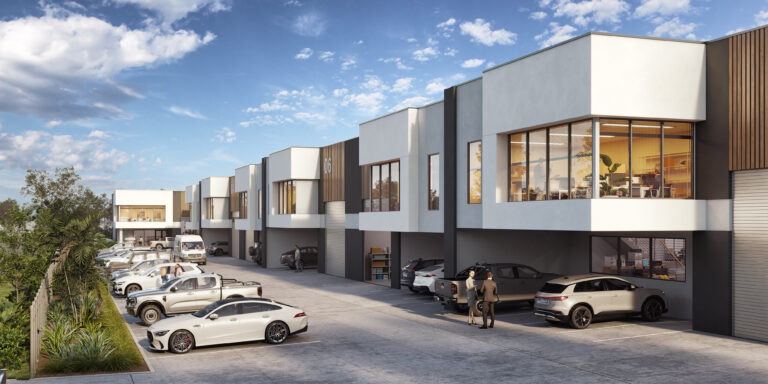
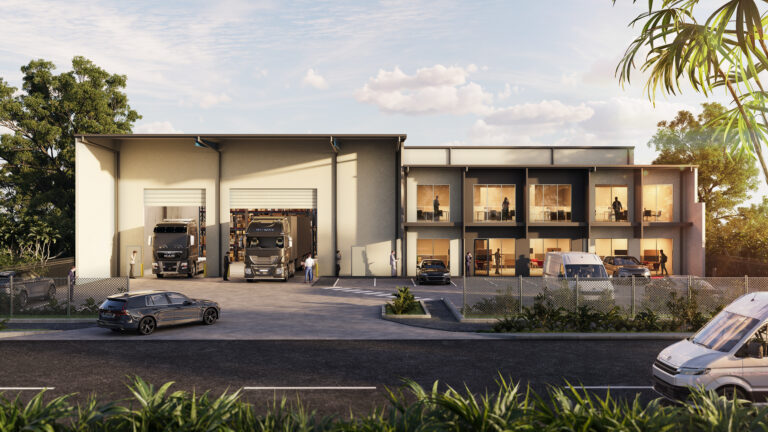
- Communicate clearly: visuals and site plans help communities and planners understand big projects
What to watch next
Watch the project's progress through the State Significant Development process, community consultation and any agreements on power and water.