











































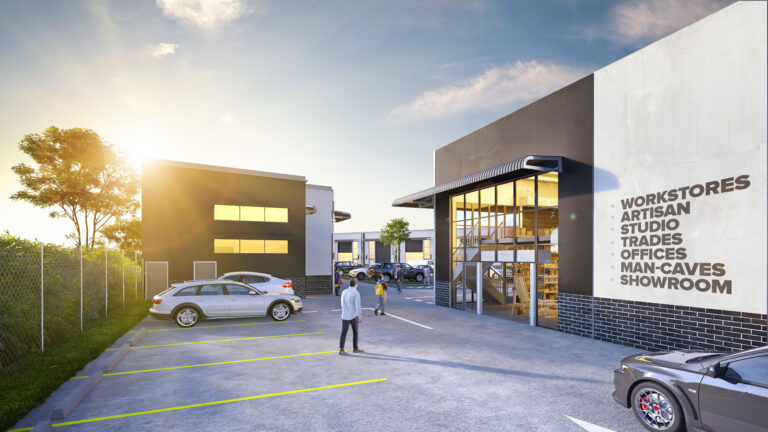




The way a site is presented determines how quickly it is understood, and how quickly decisions are made. Buyers and tenants don’t spend time trying to interpret complex information — they move toward opportunities that are clear, structured, and easy to assess. Strong presentation removes friction, builds confidence, and turns interest into action.
Why presentation directly impacts outcomes
Presentation is not just about how a project looks — it’s about how effectively it communicates value. The clearer the presentation, the faster the decision-making process.
- Buyers and tenants can quickly understand how the site fits their needs, reducing hesitation and increasing engagement
- Clear presentation builds confidence, making the opportunity feel more real and achievable
- Strong communication reduces back-and-forth, allowing deals to progress faster
- Consistent messaging reinforces positioning across all touchpoints
- Well-presented sites generate higher quality enquiry and stronger outcomes
The biggest presentation mistakes developers make
Many sites underperform because they are presented in a way that creates confusion or fails to communicate value clearly.
- Relying on technical plans that are difficult for non-technical users to interpret
- Providing too much fragmented information without a clear structure
- Inconsistent messaging across different marketing materials
- Lack of visual support to help explain layout, access, and usability
- Failing to highlight the most important aspects of the opportunity
Step 1: Structure the information clearly
The first step in presenting a site is organising information so it can be understood quickly and logically.
- Start with a clear overview of what is being offered, including key features and benefits
- Break information into structured sections that guide the reader through the opportunity
- Ensure the most important details are presented upfront
- Avoid unnecessary complexity that slows down understanding
- Make it easy to scan and absorb key information quickly
Step 2: Translate technical detail into real-world use
Buyers and tenants are not evaluating plans — they are evaluating how the site works for them in practice.
- Convert technical drawings into clear explanations of layout, access, and functionality
- Highlight how the site can be used in real-world scenarios
- Focus on operational benefits rather than just specifications
- Use simple language that removes the need for interpretation
- Ensure the opportunity is immediately relatable to the target audience
Step 3: Use visuals to support understanding
Visuals are critical in helping users quickly grasp how a site works and why it is valuable.
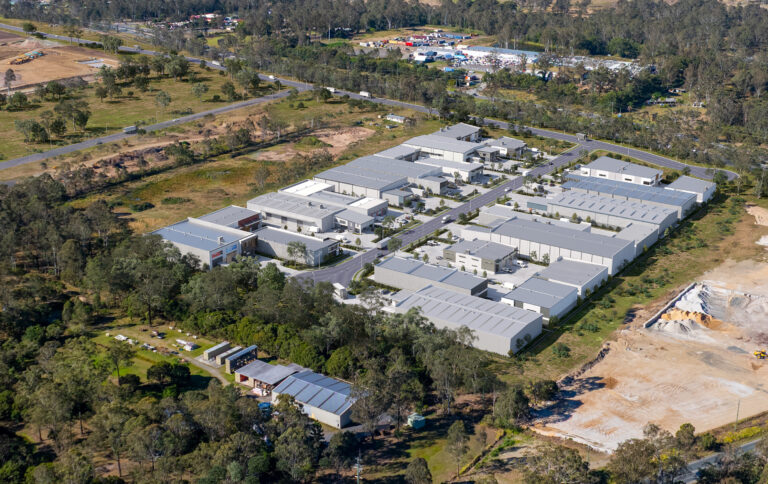
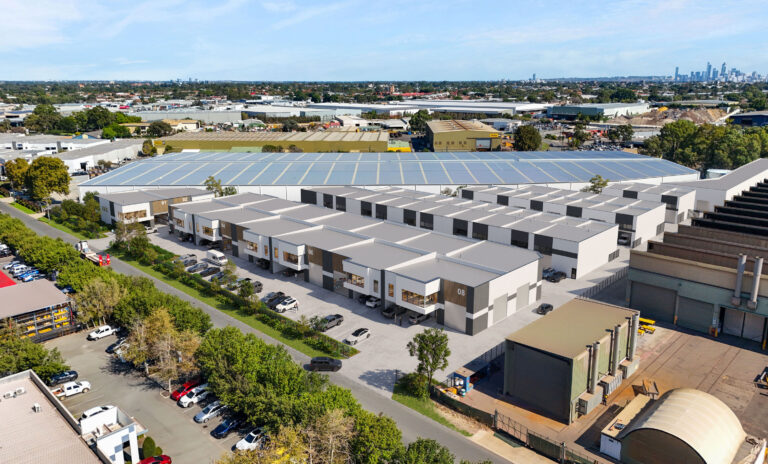
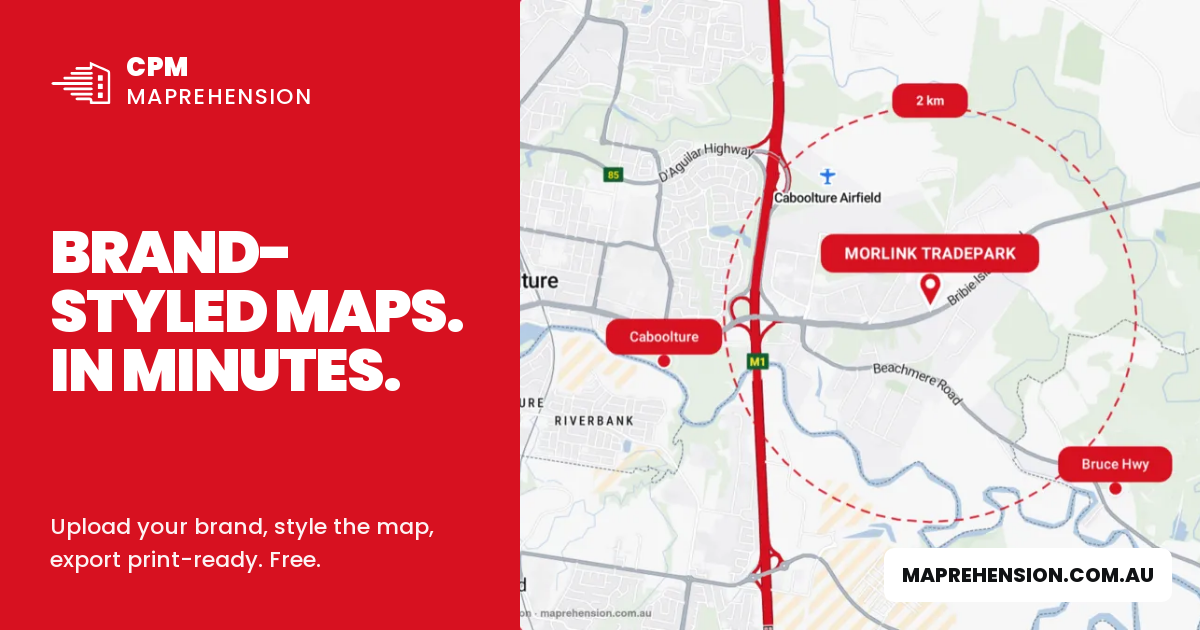
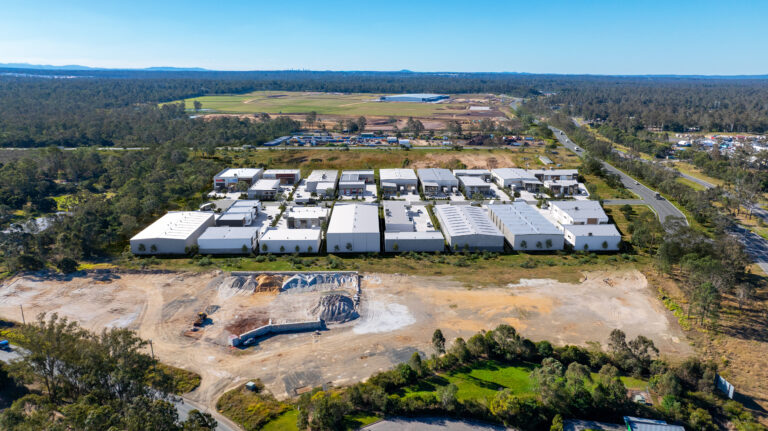
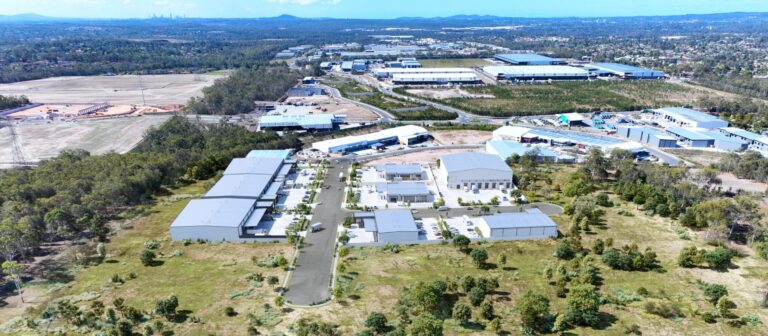
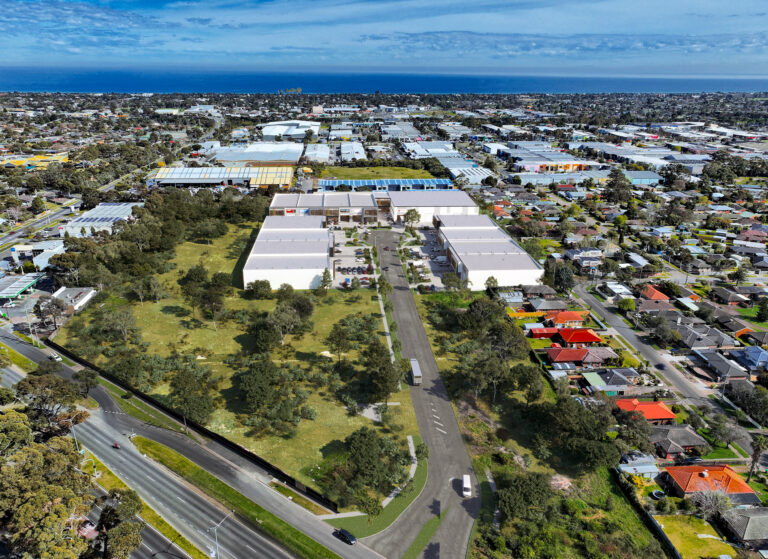
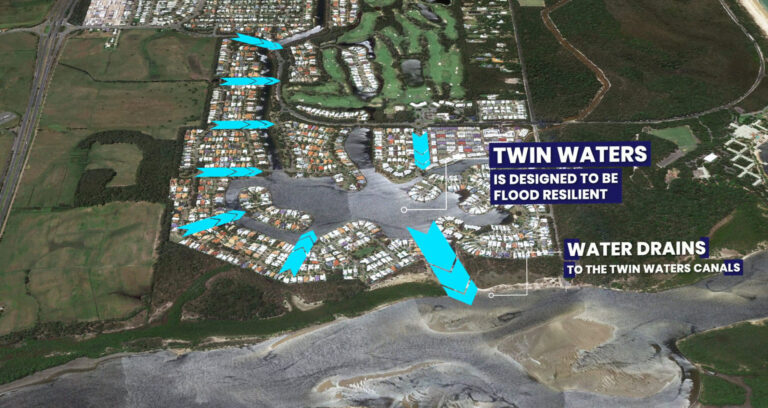
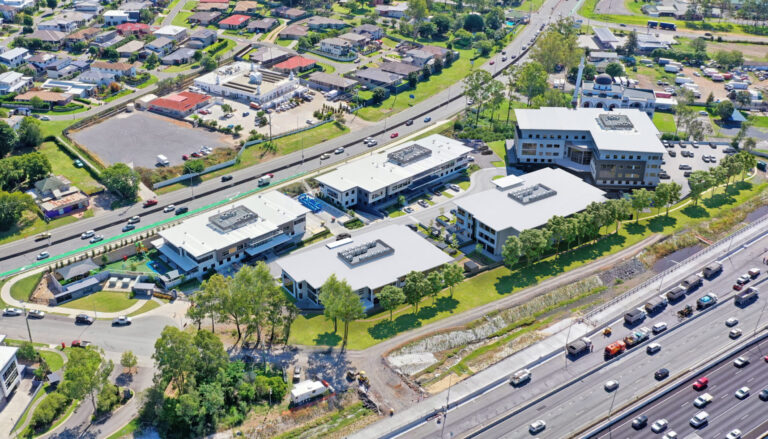
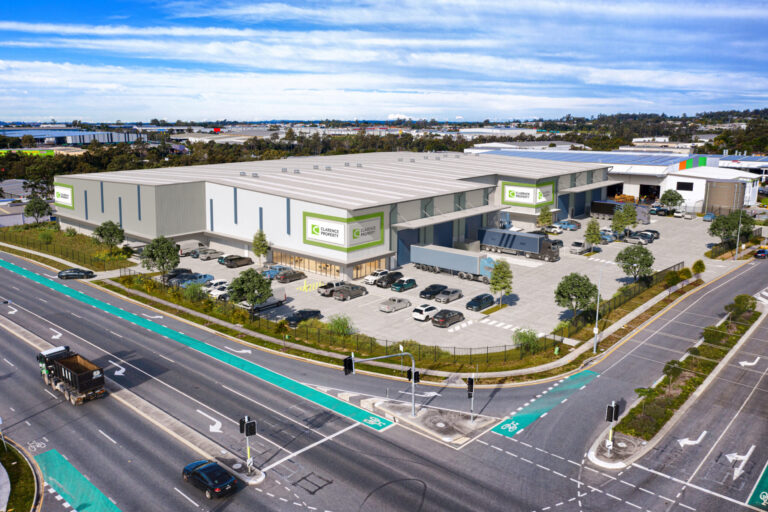
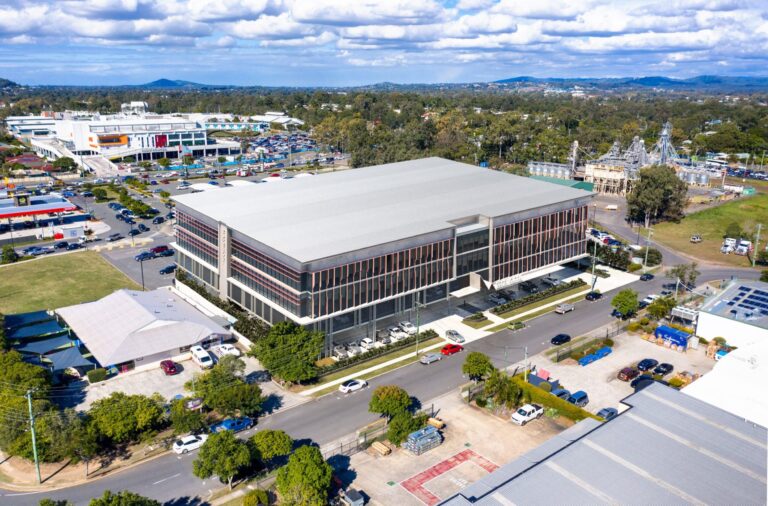
- Aerial visuals provide context around location, access, and surrounding infrastructure
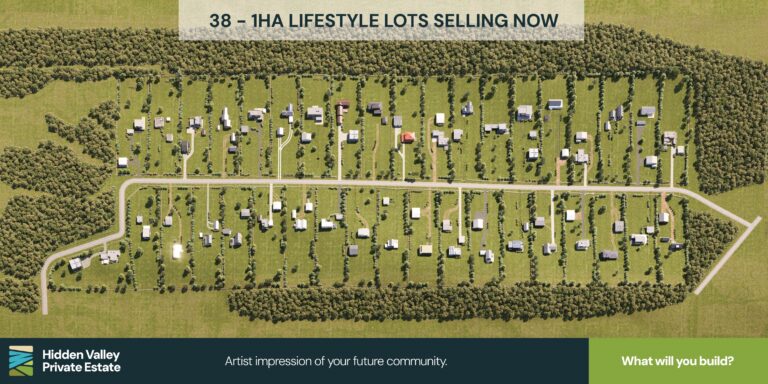
- Masterplans show layout, scale, and how the site functions as a whole
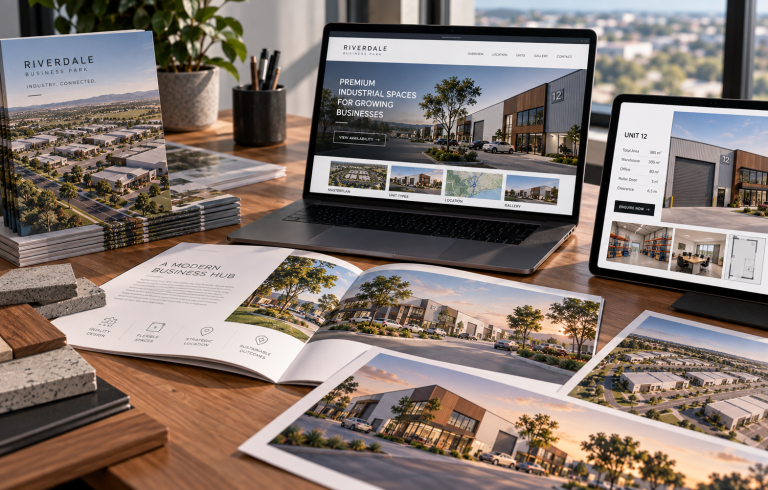
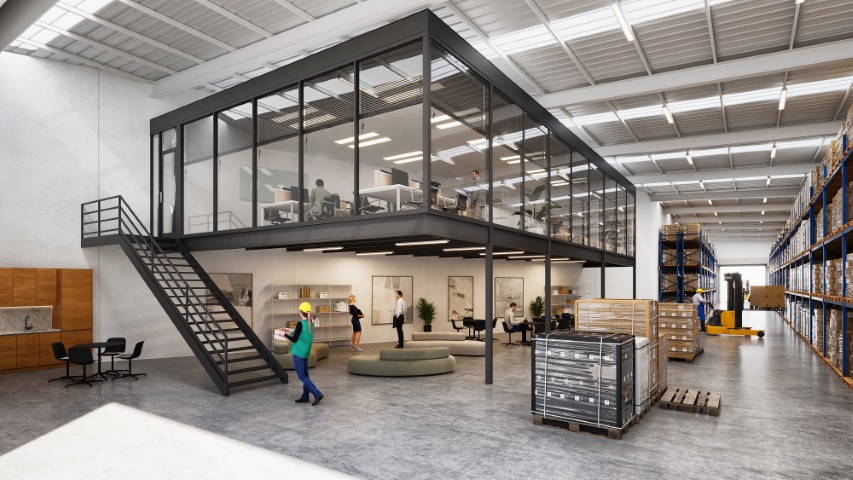
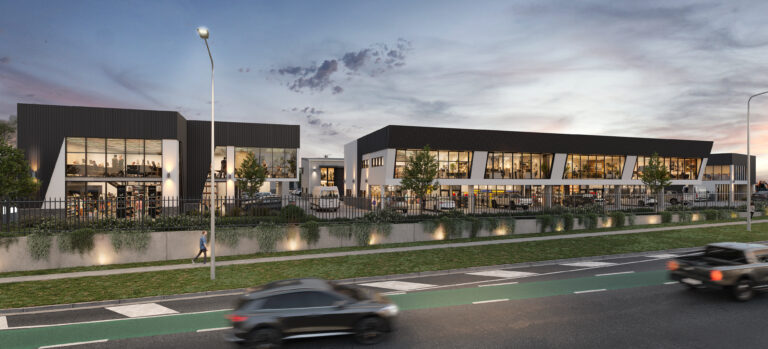
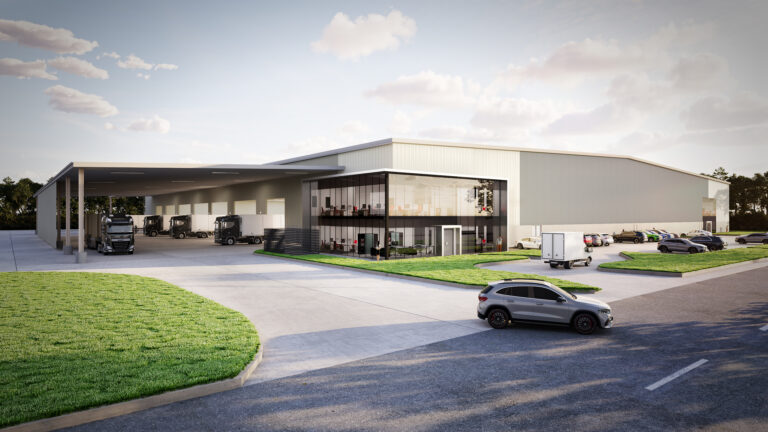
- Visual assets help bridge the gap between concept and reality
- Strong visuals reduce uncertainty and increase confidence
- Consistent visual presentation reinforces the same message across all materials
Step 4: Highlight the most important advantages
Effective presentation focuses attention on what matters most rather than overwhelming the audience with detail.
- Identify the key selling points that are most relevant to the target audience
- Emphasise benefits such as location, access, flexibility, or growth potential
- Reinforce these advantages consistently across all materials
- Avoid burying important information within less relevant detail
- Ensure the opportunity is clearly differentiated from alternatives
Step 5: Make engagement simple and direct
Presentation should not only inform — it should make it easy for buyers and tenants to take the next step.
- Provide clear pathways for enquiry and further information
- Ensure all materials guide users toward taking action
- Remove barriers that slow down engagement or create uncertainty
- Maintain consistency in how enquiries are handled and followed up
- Keep the process simple, structured, and easy to navigate
What this means for your project
Presenting a site effectively is about clarity, structure, and relevance. When buyers and tenants can immediately understand how a site fits their needs, they are more likely to engage and move forward. The result is stronger enquiry, faster decisions, and improved outcomes across the entire campaign.