
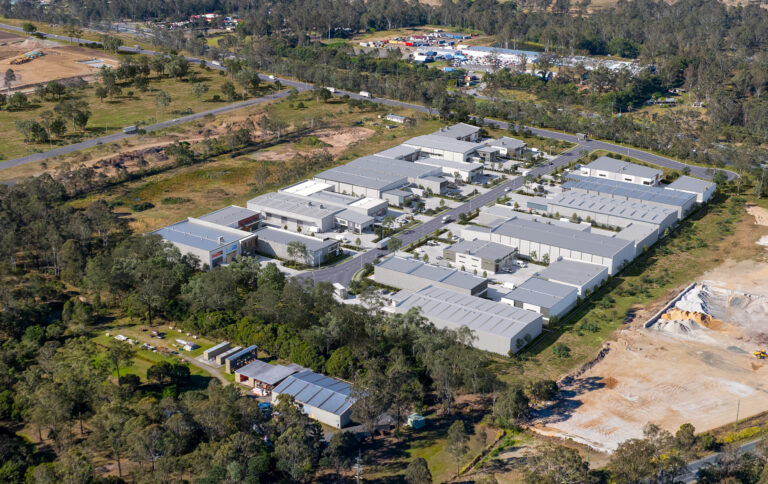
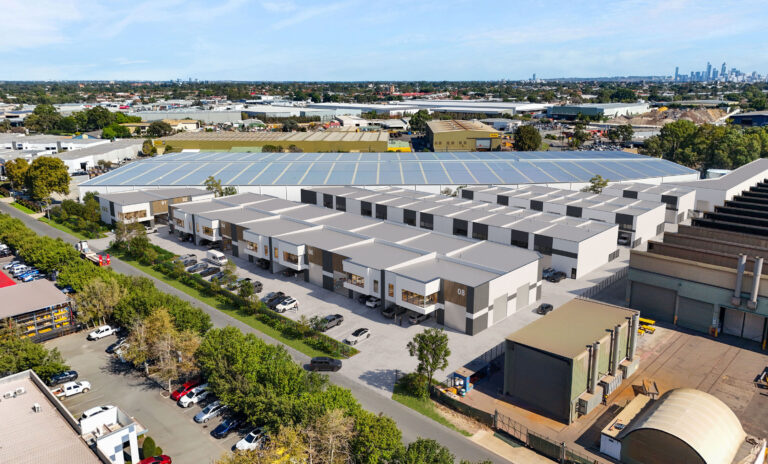
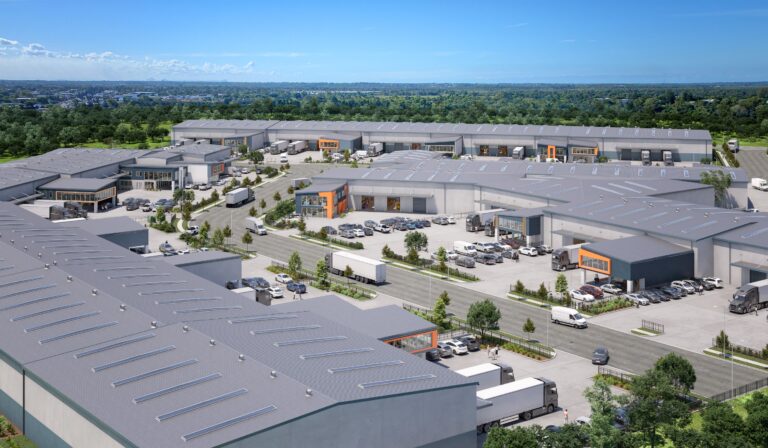
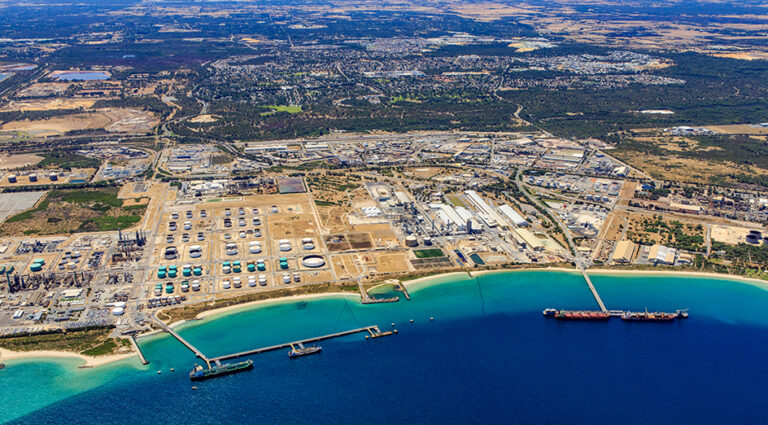
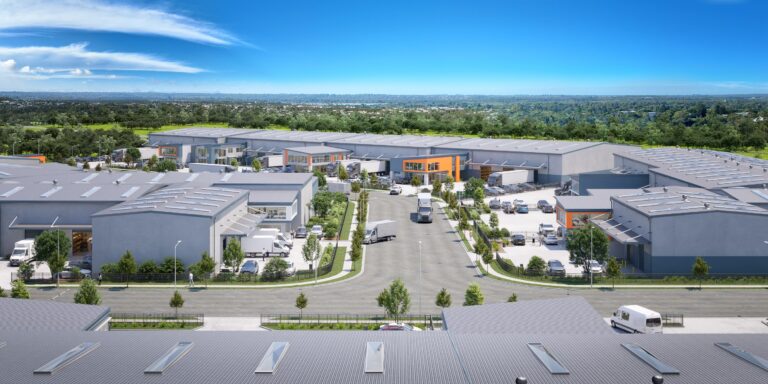
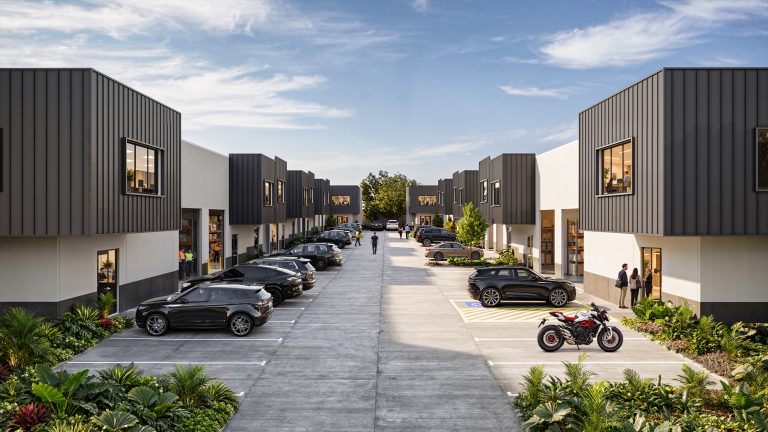
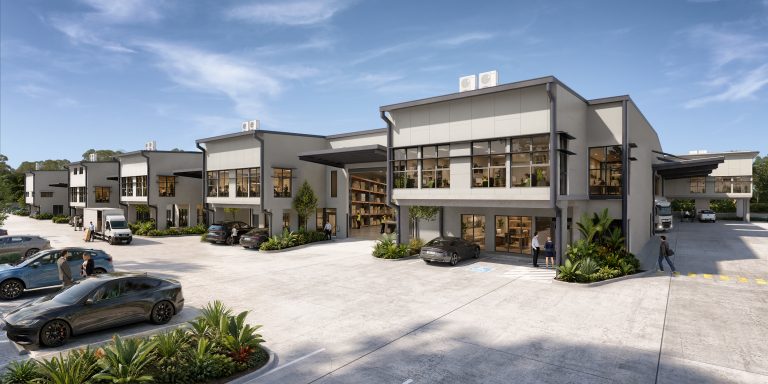
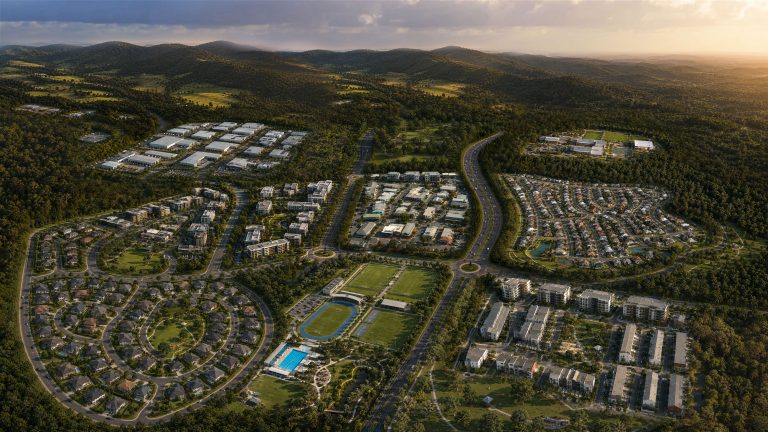
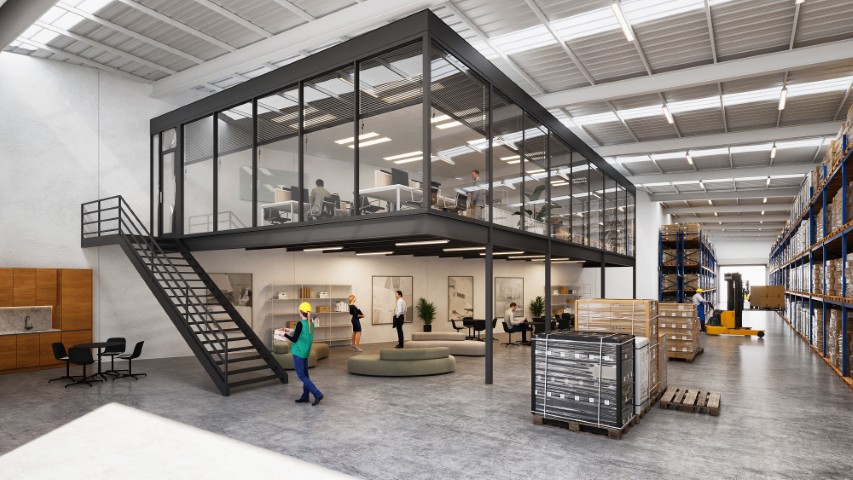
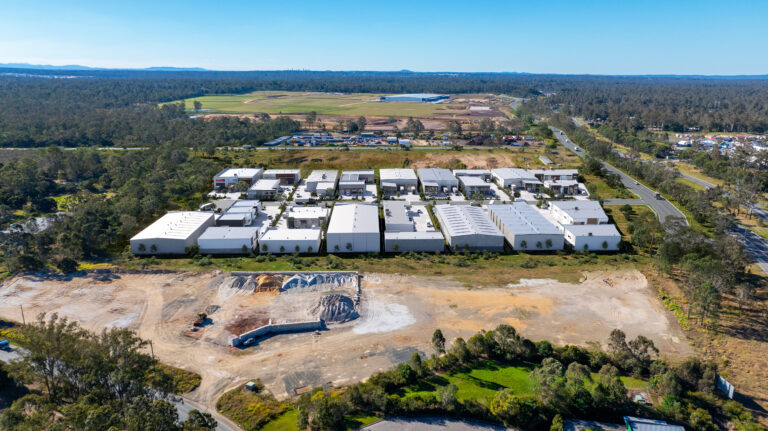
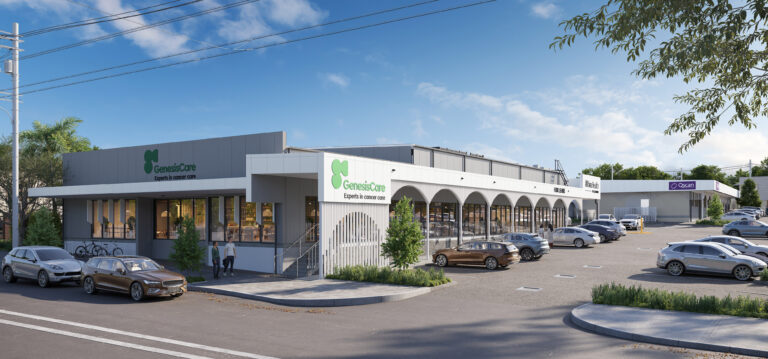
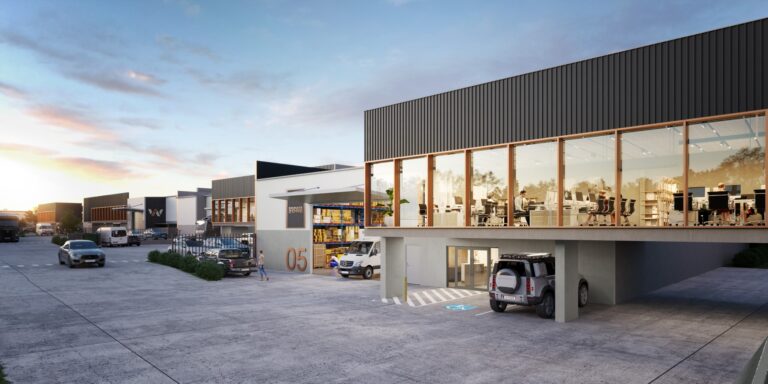
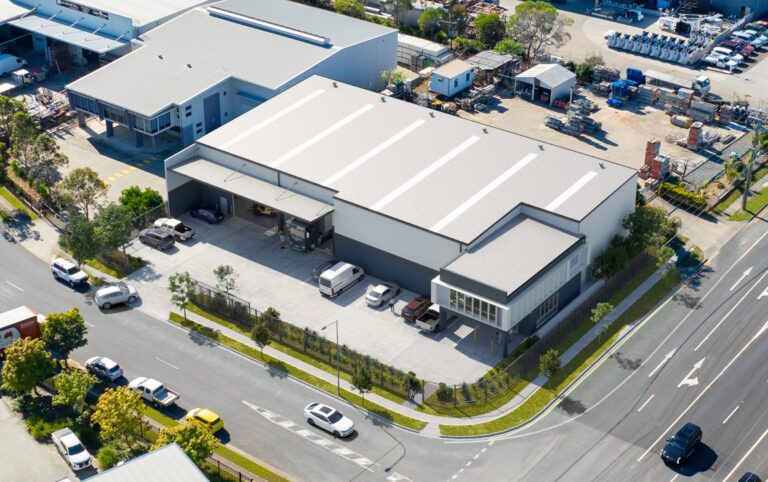
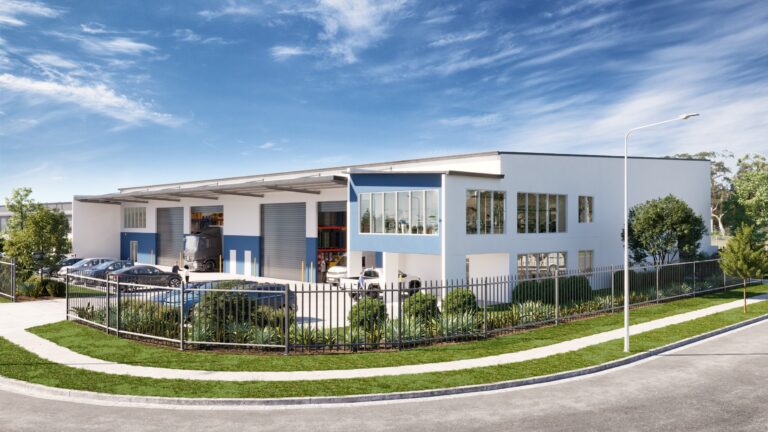
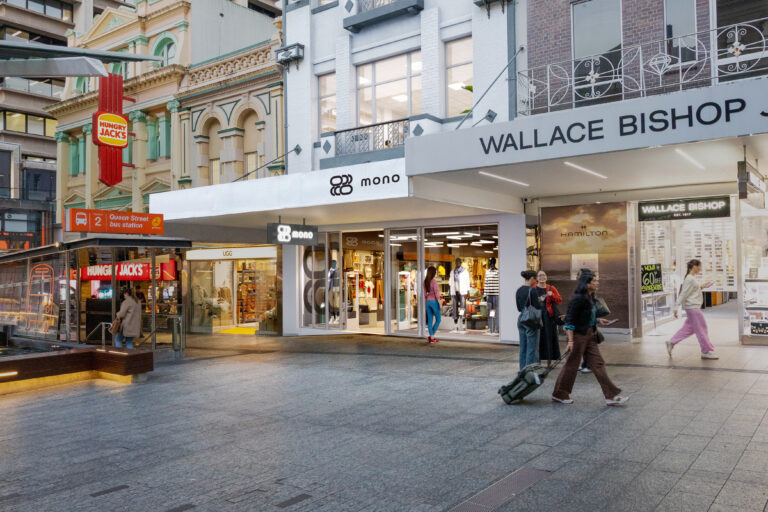
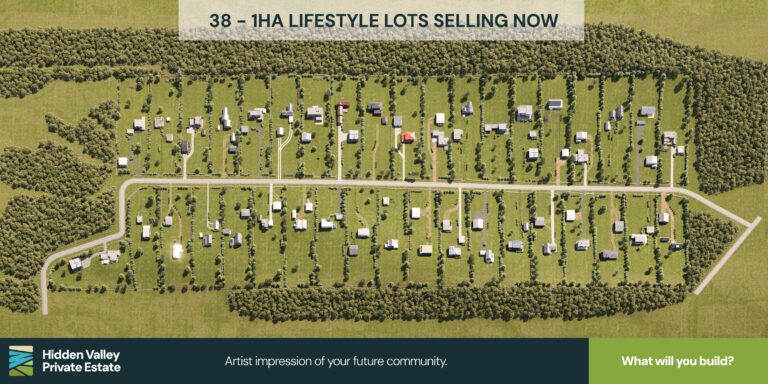
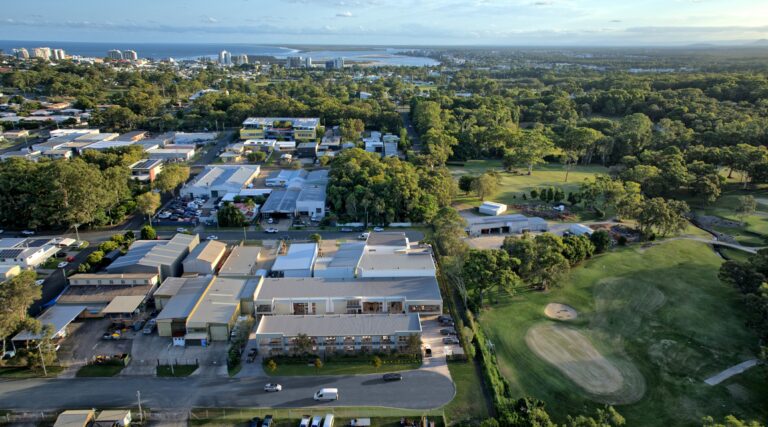
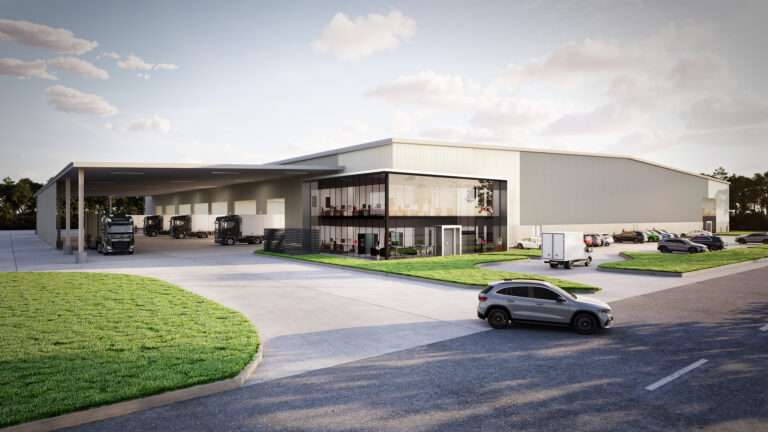
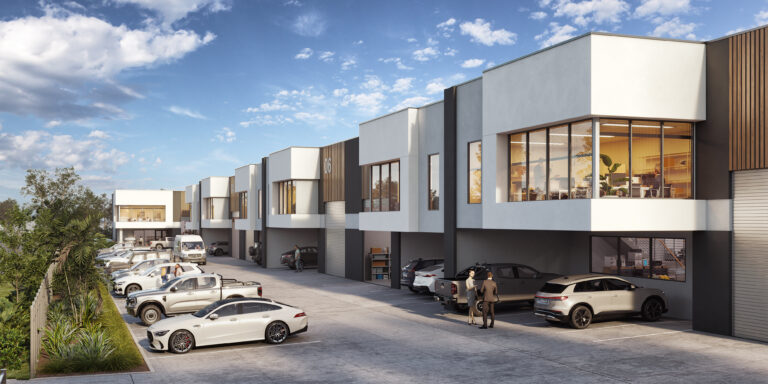
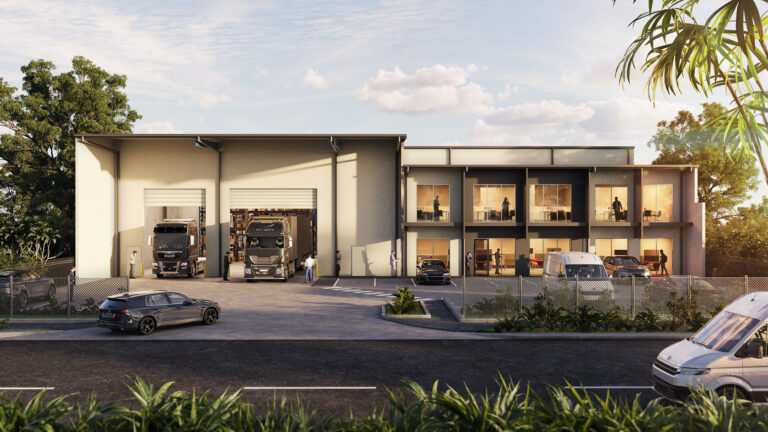
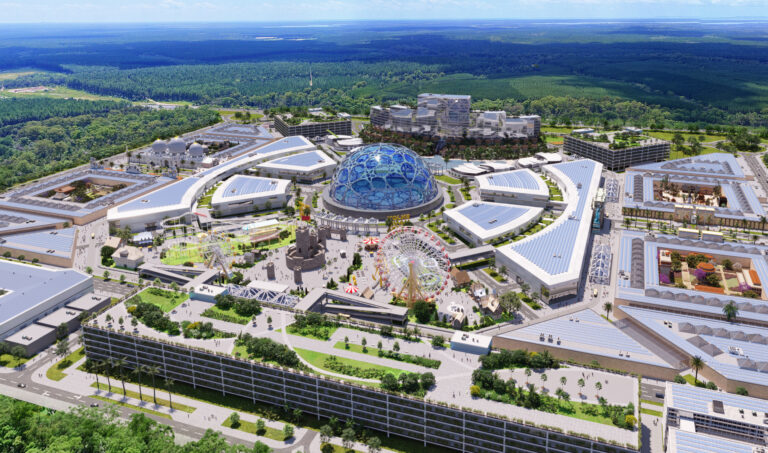
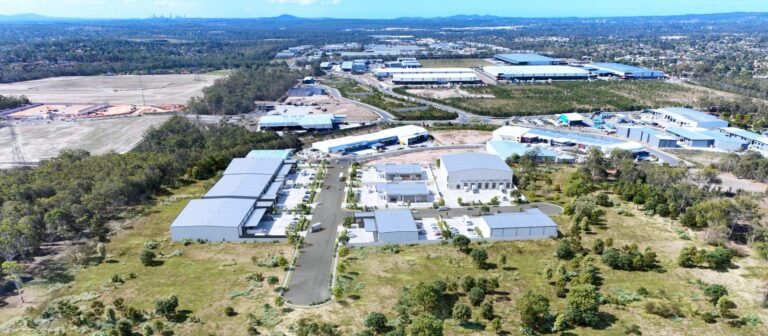
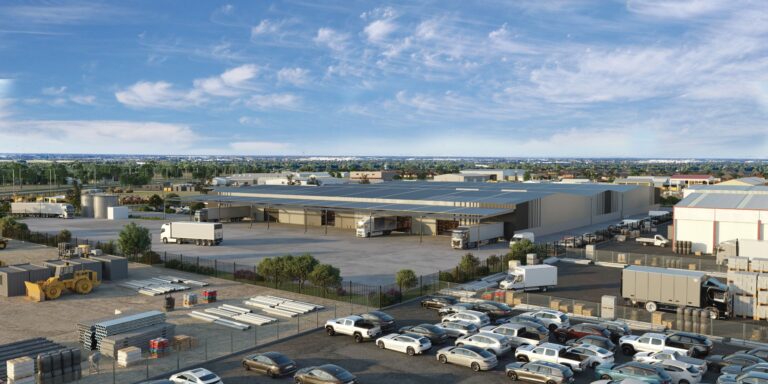
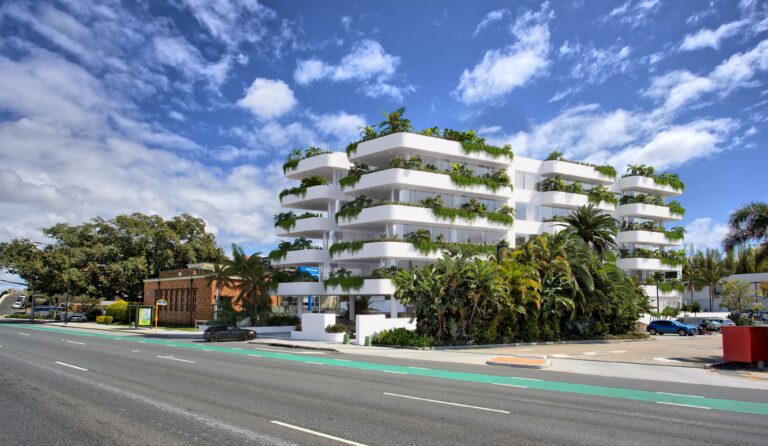
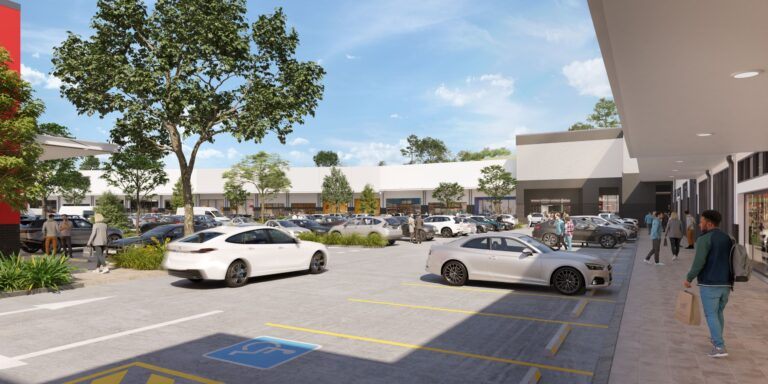
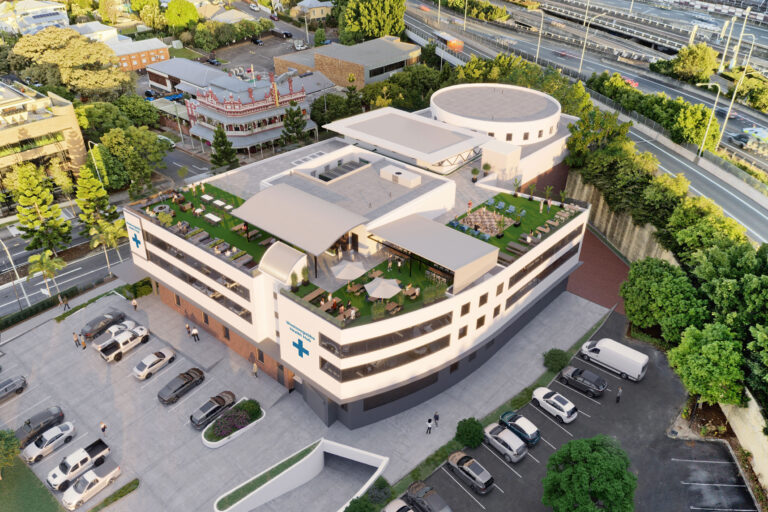
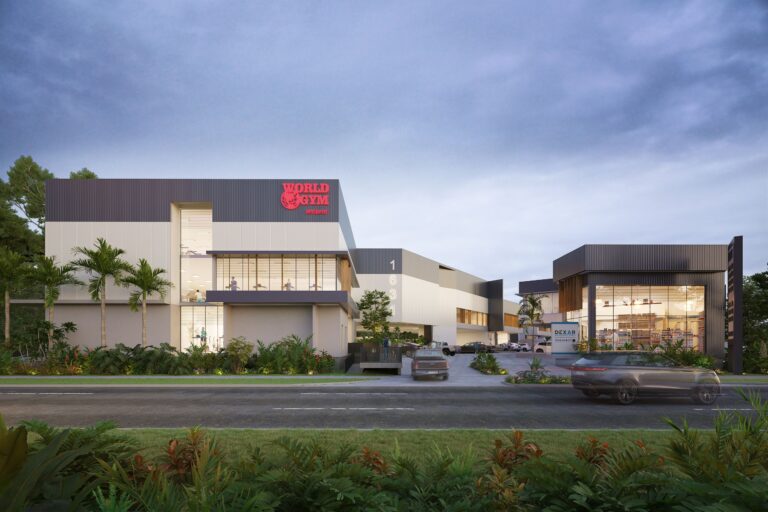
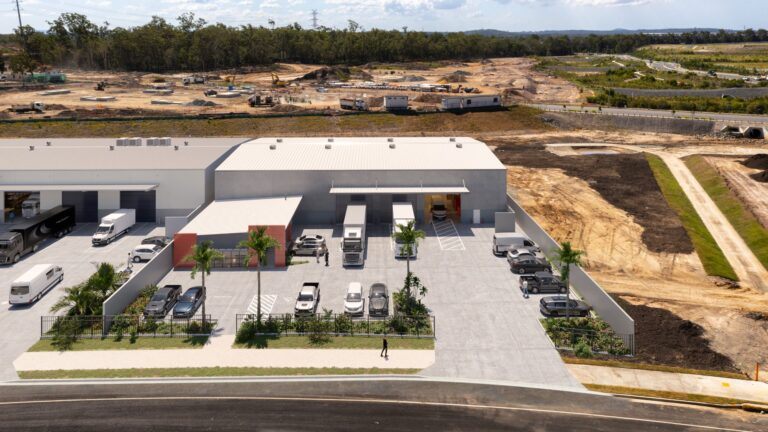
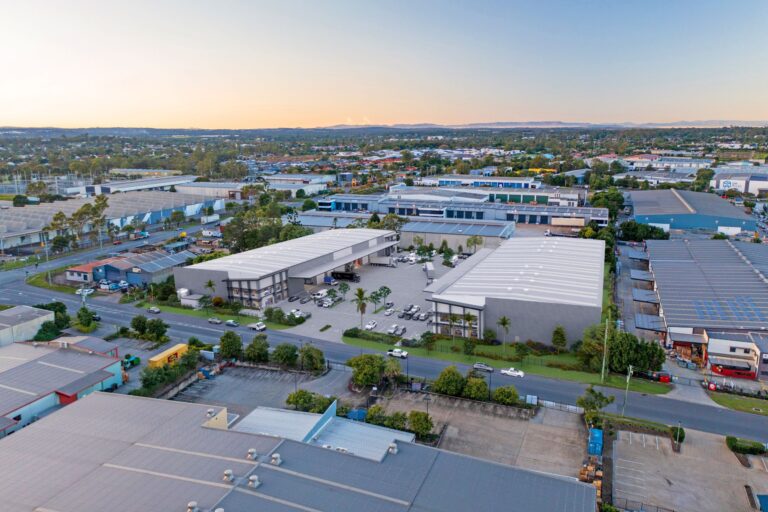
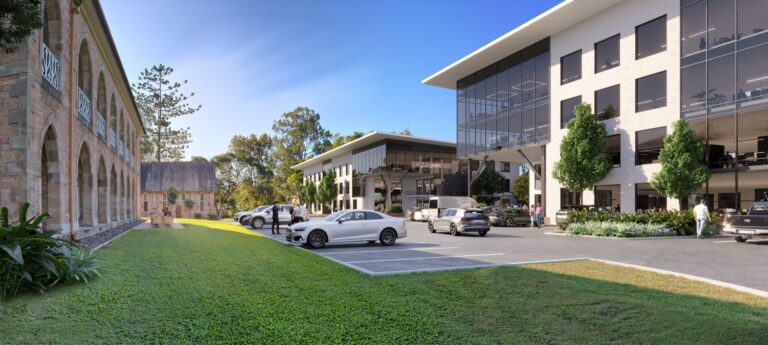
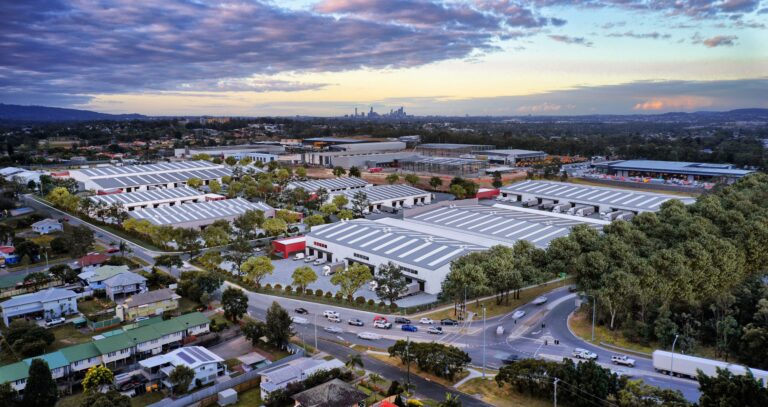
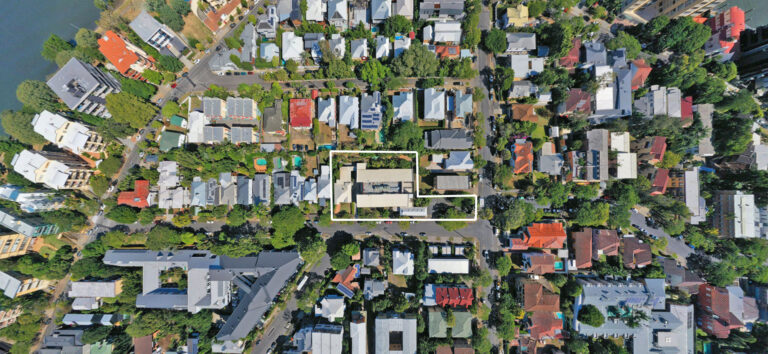

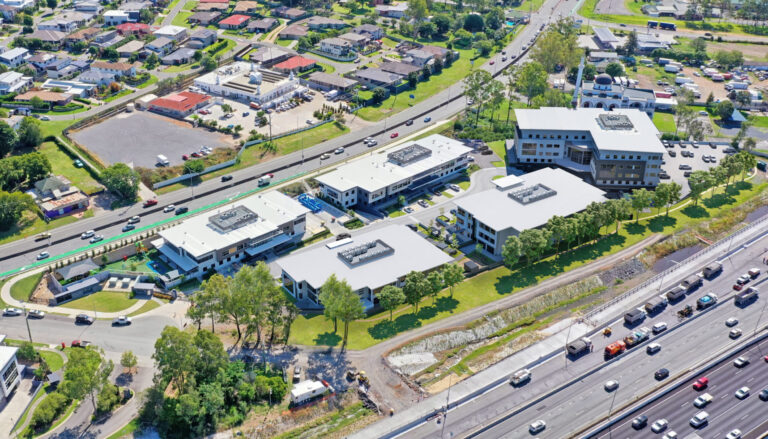
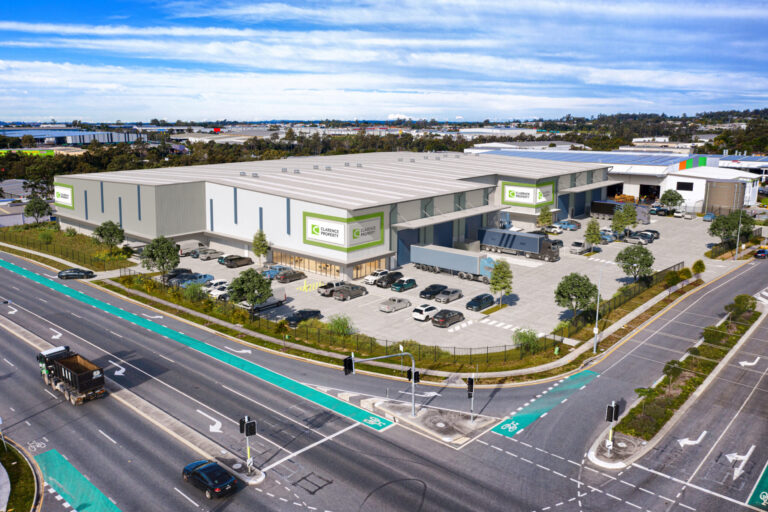
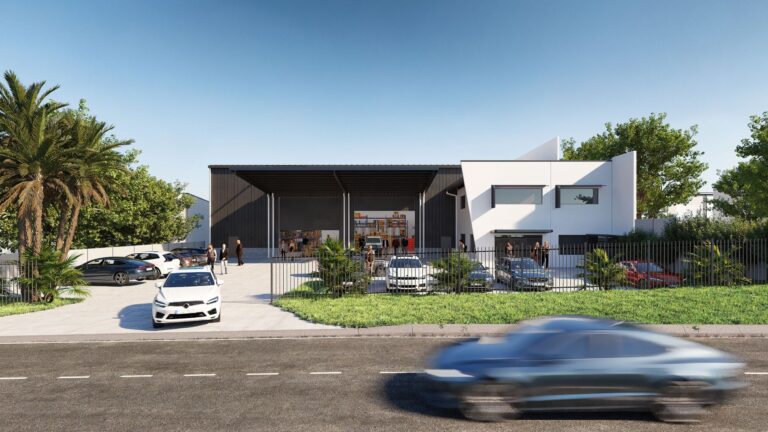
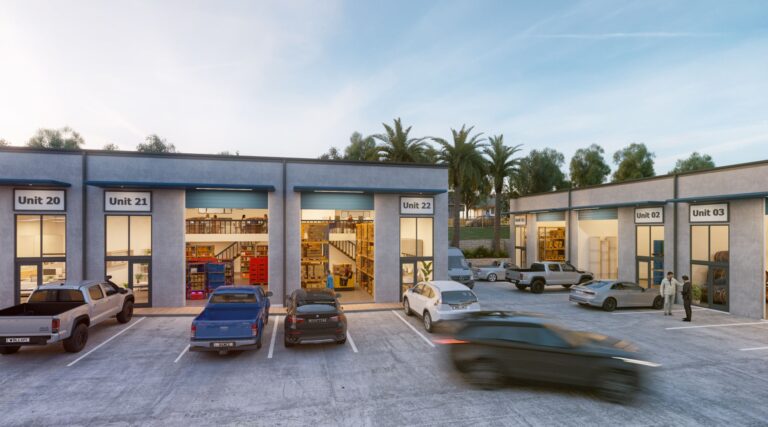
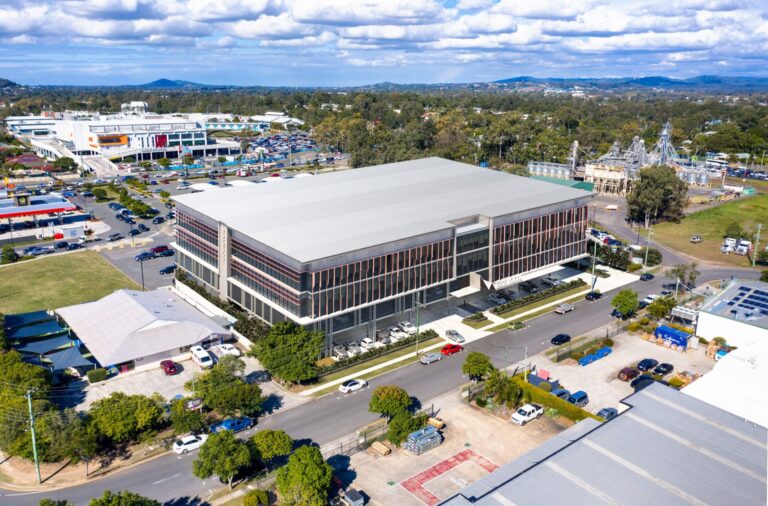


Newcastle commercial and industrial property continues to benefit from its combination of port infrastructure, motorway connectivity, manufacturing capability and growing regional population. Beresfield, Thornton, Tomago, Mayfield West and the wider Lower Hunter remain central to the region’s industrial growth story.
This August 2026 update covers Newcastle industrial property, commercial transactions, development applications, infrastructure, logistics, manufacturing and emerging employment precincts. National market coverage is available through our Commercial Property News Australia hub.
Newcastle’s commercial and industrial property market continued to strengthen through August, with activity across Beresfield, Thornton, Mayfield West, Broadmeadow and the wider Lower Hunter reinforcing the region’s increasingly important role as a major industrial and employment hub.
The Newcastle market is being shaped by several powerful forces at once.
The first is industrial.
Beresfield, Thornton, Tomago, Mayfield West and surrounding precincts continue to attract manufacturers, logistics operators, trade businesses, defence-linked industries and owner-occupiers.
The second is infrastructure.
Broadmeadow is emerging as one of the region’s biggest urban renewal stories, while transport-oriented development is also beginning to reshape land around major rail corridors.
The third is economic diversification.
Newcastle still benefits enormously from the Port of Newcastle, mining-related industry and heavy engineering, but the region is increasingly expanding into:
- defence
- aerospace
- advanced manufacturing
- logistics
- health
- professional services
- renewable energy
- education
- technology
August provided evidence across all three themes.
Industrial property remains one of Newcastle’s strongest commercial sectors
Newcastle industrial property has a major structural advantage over many other Australian markets.
It offers access to:
- the Port of Newcastle
- M1 Pacific Motorway
- New England Highway
- Hunter Expressway
- Sydney
- the Hunter Valley
- major freight routes
- established industrial workforces
That combination makes the region attractive to businesses servicing both local and national markets.
The market is also geographically diverse.
Different precincts serve different types of users.
Beresfield and Thornton are major logistics and manufacturing locations.
Mayfield West and Steel River provide closer proximity to Newcastle and the port.
Tomago supports heavy industry and large-format operations.
Bennetts Green services Lake Macquarie and southern Newcastle.
This diversity gives the region a much deeper industrial market than many comparably sized Australian cities.
Beresfield remains one of the Hunter’s most important industrial markets
Beresfield produced one of August’s most significant industrial transactions.
50 Enterprise Drive, Beresfield sold on 26 August.
The property comprises approximately:
- 1,829 sqm of building area
- 3,159 sqm of land
- approximately 800 amps of three-phase power
It was marketed as a freehold industrial investment with substantial power capacity.
That power component is particularly important.
Modern industrial users increasingly consider electrical capacity alongside traditional property fundamentals such as floor area, hardstand and truck access.
Manufacturers, processing businesses and highly automated operators can require significantly more power than conventional warehouse users.
Properties already equipped with substantial capacity therefore carry a strategic advantage.
Thornton remains active for larger industrial facilities
Another major August transaction occurred at 6 Kestrel Avenue, Thornton, which sold on 26 August.
The property comprises approximately:
- 1,472 sqm of building area
- 2,572 sqm of land
- five automatic roller doors
- high-clearance warehouse accommodation
- office components
The facility was marketed as a high-exposure industrial property within the Thornton precinct.
Thornton continues to benefit from excellent access to the New England Highway and broader Lower Hunter transport network.
Its position between Newcastle and Maitland makes it particularly useful for businesses servicing both markets.
Beresfield and Thornton are increasingly operating as one major industrial corridor
Although technically separate precincts, Beresfield and Thornton increasingly function as a connected employment zone.
The corridor benefits from:
- motorway access
- proximity to the Hunter Expressway
- access to Maitland
- access to Newcastle
- large industrial lots
- established freight infrastructure
- availability of modern warehouse stock
For developers, this is important.
The corridor can accommodate industrial uses that are difficult to locate closer to Newcastle’s urban core.
That includes:
- logistics
- manufacturing
- heavy trade
- bulk storage
- transport depots
- large warehouse operations
- industrial services
Mayfield West continues to demonstrate strong smaller-format demand
A smaller but useful August transaction occurred at 46/8 Spit Island Close, Mayfield West.
The approximately 57 sqm industrial warehouse unit sold on 14 August within the Cubbyhole complex.
Another property at 12/8 Murray Dwyer Circuit, Mayfield West sold on 26 August.
The approximately 45 sqm unit sits within the tightly held Steel River Industrial Estate.
Small-format industrial and storage assets can be easy to overlook when analysing regional industrial markets.
But they form an important part of Newcastle’s owner-occupier and investor market.
Typical users include:
- trades
- e-commerce businesses
- storage users
- hobby operators
- small manufacturers
- contractors
- investors
These properties often benefit from a broader purchaser pool than larger industrial assets.
Bennetts Green attracts investment capital
A significant industrial investment at 1/11 Templar Place, Bennetts Green sold on 4 August.
The property comprises approximately 575 sqm and was marketed as a tightly held industrial and logistics investment leased to Airmaster, part of Daikin.
Bennetts Green benefits from its position within the Lake Macquarie catchment and easy access to the Pacific Highway.
The precinct serves:
- trade businesses
- bulky goods
- logistics
- automotive
- warehousing
- local service industries
It is another example of Newcastle’s industrial market being distributed across multiple employment nodes rather than concentrated in one central estate.
Bought & Sold
August produced a solid range of commercial and industrial transactions across Newcastle and the Lower Hunter.
50 Enterprise Drive, Beresfield
- Sold: 26 August 2026
- Building: approximately 1,829 sqm
- Site: approximately 3,159 sqm
- Approximately 800 amps of three-phase power
- Freehold industrial investment
6 Kestrel Avenue, Thornton
- Sold: 26 August 2026
- Building: approximately 1,472 sqm
- Site: approximately 2,572 sqm
- High-clearance facility
- Five automatic roller doors
1/11 Templar Place, Bennetts Green
- Sold: 4 August 2026
- Building: approximately 575 sqm
- Industrial and logistics investment
- Leased to Airmaster / Daikin-related occupier
46/8 Spit Island Close, Mayfield West
- Sold: 14 August 2026
- Building: approximately 57 sqm
- Modern industrial warehouse
- Secure industrial complex
12/8 Murray Dwyer Circuit, Mayfield West
- Sold: 26 August 2026
- Building: approximately 45 sqm
- Steel River Industrial Estate
- Small industrial/investment unit
142 Broadmeadow Road, Broadmeadow
- Sold: 4 August 2026
- Commercial/medical investment
- Goodstart childcare-related asset
- Positioned within one of Newcastle’s most important future redevelopment areas
105 Regent Street, New Lambton
- Sold: 27 August 2026
- Approximately 550 sqm
- Mixed commercial/residential property
- Existing income with redevelopment potential
Broadmeadow is emerging as one of Newcastle’s biggest property stories
One of the most important developments during August was continued progress around Broadmeadow.
Hunter and Central Coast Development Corporation highlighted the proposed new world-class Newcastle Arena at Broadmeadow in its August update.
Broadmeadow is particularly important because it sits at the intersection of:
- rail
- major roads
- Newcastle CBD
- sporting infrastructure
- residential areas
- commercial land
- large redevelopment opportunities
The area has the potential to become a major mixed-use employment and entertainment precinct.
The Newcastle Arena could become a major catalyst
Major entertainment and sporting infrastructure often produces commercial effects well beyond the venue itself.
Potential flow-on demand includes:
- hospitality
- hotels
- retail
- offices
- residential
- medical
- recreation
- parking
- transport services
The proposed arena therefore has the potential to influence surrounding land values and redevelopment decisions across Broadmeadow.
For investors, the key opportunity is often not the headline infrastructure project itself.
It is the property surrounding it.
Transport-oriented development is becoming increasingly important
Newcastle and the broader Hunter are also being affected by NSW Government transport-oriented development policy.
Hunter and Central Coast Development Corporation confirmed that the state’s TOD program now includes Cockle Creek, with the final precinct brought into force during June.
TOD policy encourages greater housing and development density around railway stations.
That can materially affect nearby commercial property.
Higher residential density creates more demand for:
- retail
- medical
- childcare
- hospitality
- offices
- storage
- local services
It can also create redevelopment pressure on older industrial or commercial sites.
Cockle Creek could become increasingly important
Cockle Creek already benefits from:
- rail
- major road access
- proximity to Glendale
- substantial retail infrastructure
- large landholdings
- Lake Macquarie population growth
TOD changes increase the potential intensity of development around the precinct.
Over time, that could create a substantial mixed-use commercial node.
Newcastle Quay continues progressing at Honeysuckle
HCCDC’s August update also reported continued progress at Newcastle Quay in Honeysuckle.
Honeysuckle has already played a major role in transforming Newcastle’s waterfront.
The precinct continues to attract:
- residential
- office
- hospitality
- recreation
- retail
Further development helps strengthen Newcastle CBD’s transition away from its historic industrial waterfront character toward a much more diversified commercial economy.
Newcastle CBD continues to benefit from urban renewal
The city centre has undergone a substantial transformation over the past decade.
Light rail, university investment, residential development and waterfront regeneration have changed how the CBD functions.
The commercial effect is increasingly visible.
Rather than Newcastle operating as a traditional regional CBD dependent on conventional office tenants, the city centre is developing a more diverse mix of:
- education
- professional services
- hospitality
- health
- technology
- government
- tourism
- residential
That diversity helps support long-term commercial property demand.
The Port remains one of Newcastle’s defining economic assets
Despite the city’s diversification, Port of Newcastle remains fundamental to the regional economy.
Its scale supports an enormous network of businesses involved in:
- freight
- engineering
- shipping
- manufacturing
- bulk materials
- logistics
- maintenance
- transport
Land with efficient port access therefore retains strategic importance.
This is particularly relevant to:
- Mayfield
- Carrington
- Tighes Hill
- Mayfield West
- Kooragang
- Tomago
Tomago remains central to heavy industry and manufacturing
Tomago continues to play a different role to conventional warehouse precincts.
It supports large-scale industrial users requiring:
- large landholdings
- high power
- heavy vehicle access
- separation from residential areas
- manufacturing infrastructure
The Hunter’s future industrial growth will increasingly include advanced manufacturing and energy-related industries, which could make sites with these characteristics even more valuable.
Defence is becoming a bigger part of Newcastle’s industrial economy
Williamtown and the broader Hunter defence ecosystem continue to generate industrial opportunities.
RAAF Base Williamtown and nearby aviation infrastructure support:
- aerospace
- engineering
- maintenance
- technology
- defence contractors
- advanced manufacturing
This has significant commercial property implications.
Defence-linked businesses often require very specific property characteristics such as:
- secure sites
- specialised fitout
- substantial power
- workshop capacity
- proximity to aviation infrastructure
- high-quality offices
The Hunter is well positioned to capture more of this demand.
Advanced manufacturing could become one of Newcastle’s strongest growth sectors
Newcastle already has deep engineering and manufacturing expertise.
That capability creates a strong base for new industries such as:
- defence manufacturing
- renewable energy
- battery technology
- electrical equipment
- aerospace
- robotics
- specialised fabrication
This is important for industrial property because advanced manufacturing typically requires substantially more sophisticated buildings than conventional warehousing.
Power, floor loading, cranes, ventilation and specialised services can become major property value drivers.
High-power industrial buildings deserve increasing attention
The sale at 50 Enterprise Drive is a good example.
A facility with around 800 amps of three-phase power is not simply another warehouse.
Power capacity can materially affect which businesses can occupy a property.
As industrial processes become increasingly automated and electrified, this issue will become more important.
Developers designing new industrial estates may therefore need to consider electrical infrastructure much earlier in the project.
Industrial land remains considerably more affordable than Sydney
Newcastle’s relative affordability remains one of its strongest competitive advantages.
Businesses can often secure:
- more land
- more hardstand
- larger warehouses
- better truck access
for significantly less than comparable Sydney property.
For manufacturers and logistics operators that do not need a metropolitan Sydney location, that difference can be substantial.
This is one reason the Lower Hunter should continue attracting industrial investment.
Newcastle is becoming a genuine east-coast logistics option
The region sits within practical reach of:
- Sydney
- Central Coast
- Hunter Valley
- northern NSW
Combined with port infrastructure and motorway access, this gives Newcastle a strong logistics position.
It will never replace Western Sydney as the dominant NSW distribution market.
But it does not need to.
Newcastle can support:
- regional distribution
- manufacturing logistics
- port-related freight
- industrial supply chains
- northern NSW distribution
That provides a durable base of warehouse demand.
Development Applications, Approvals & Projects Progressing Through Planning
Several major projects are particularly important to Newcastle’s commercial property outlook.
Newcastle Arena – Broadmeadow
Planning continues around a proposed new world-class arena at Broadmeadow.
The project has the potential to become a significant catalyst for surrounding residential, commercial and hospitality development.
Newcastle Quay – Honeysuckle
Development continues progressing within the Honeysuckle waterfront precinct.
The project forms part of the continued regeneration of Newcastle’s harbour edge.
The Station – Newcastle
A development application has been lodged to progress the next stage of heritage restoration at The Station.
The project continues the adaptive reuse of the former Newcastle railway station precinct.
Cockle Creek TOD precinct
The NSW Government’s Transport Oriented Development program is now active around Cockle Creek, creating the potential for greater density and future commercial development around the station.
Adaptive reuse remains part of Newcastle’s commercial story
The continued restoration of The Station Newcastle demonstrates another important trend.
Newcastle has a large stock of historic buildings and former industrial assets.
Adaptive reuse can unlock value from properties that no longer suit their original purpose.
Potential new uses include:
- hospitality
- offices
- creative industries
- events
- retail
- tourism
This type of redevelopment can create substantial value while retaining the architectural identity of the city.
Newcastle’s industrial market is increasingly segmented by quality
As in Sydney and Brisbane, industrial occupiers are becoming more selective.
Modern users increasingly want:
- high-clearance warehouses
- efficient truck circulation
- substantial power
- modern offices
- secure yards
- good motorway access
- efficient loading
- sustainability features
Older industrial buildings may still perform strongly when their location or land component is exceptional.
But buildings that lack both modern specification and strategic location may require capital expenditure.
Older industrial sites could become redevelopment opportunities
Established Newcastle precincts contain many buildings developed decades ago.
Some sit on relatively large parcels with low site coverage.
As land values increase, these assets may become increasingly attractive for redevelopment into:
- modern industrial estates
- strata warehouses
- trade centres
- logistics facilities
- higher-density industrial projects
That creates both risk and opportunity.
Existing large freehold sites may become progressively rarer as redevelopment fragments them into smaller strata holdings.
Small strata industrial remains a deep buyer market
The Mayfield West transactions show how broad Newcastle’s small industrial market has become.
Buyers include:
- trades
- small businesses
- investors
- storage users
- self-managed superannuation funds
- contractors
Small industrial properties generally require a much lower capital commitment than larger warehouses.
That helps keep the buyer pool deep.
Broadmeadow could become Newcastle’s next major commercial centre
If the proposed arena, transport infrastructure and surrounding redevelopment progress as expected, Broadmeadow could become a genuine secondary commercial centre.
The precinct has something most Newcastle locations cannot replicate:
scale plus transport.
Large redevelopment parcels near established rail infrastructure are increasingly rare.
That makes Broadmeadow strategically significant.
What developers and landowners should watch
Several themes are likely to shape the remainder of 2026.
Beresfield and Thornton
These precincts remain among the strongest large-format industrial markets in the Hunter.
High-power industrial
Electrical capacity is becoming an increasingly important value driver.
Broadmeadow
Arena and urban renewal planning could significantly reshape surrounding property.
Steel River
Central industrial land near the port remains difficult to replace.
Defence and aerospace
Williamtown should continue generating demand for specialised industrial property.
Transport-oriented development
Greater density around railway stations will create new commercial opportunities.
Advanced manufacturing
The Hunter’s engineering base provides a strong foundation for future industrial growth.
Adaptive reuse
Older Newcastle buildings and industrial assets increasingly offer redevelopment potential.
The bigger Newcastle commercial property story
Newcastle’s strongest advantage is that it already possesses the infrastructure many emerging industrial markets are trying to create.
It has:
- a major port
- motorway connectivity
- rail
- heavy industry
- skilled labour
- universities
- defence
- manufacturing
- large employment precincts
The next phase is about using that infrastructure to support a more diverse economy.
Newcastle is gradually shifting from a city associated primarily with coal and heavy industry into a much broader commercial and industrial centre.
That transition creates opportunities across:
- logistics
- manufacturing
- defence
- energy
- health
- technology
- commercial offices
- hospitality
- mixed-use redevelopment
What this means for Newcastle property projects
For Newcastle and Hunter developers, the market increasingly rewards projects that clearly explain why their location matters.
Strong project positioning can help:
- demonstrate motorway and port access
- explain industrial functionality
- highlight power capability
- support pre-leasing
- increase perceived land value
- communicate large industrial estates
- demonstrate surrounding infrastructure
- attract national occupiers
- secure owner-occupier buyers
- explain complex mixed-use redevelopment
- support stakeholder and planning engagement
As Newcastle’s economy becomes more sophisticated, property projects need to communicate more than floor area and land size.
They need to show how a site connects into the wider Hunter economy and what that connection makes possible.
Commercial Property Marketing works with commercial and industrial developers across Australia to turn land, plans and future developments into clear property opportunities for buyers, tenants and investors.
More Newcastle commercial property resources
For developers, landowners and agents bringing property to market in Newcastle, explore Commercial Property Marketing Newcastle, Industrial Land Marketing Newcastle, 3D Renders Newcastle.
For market updates across Australia, visit Commercial Property News Australia.