
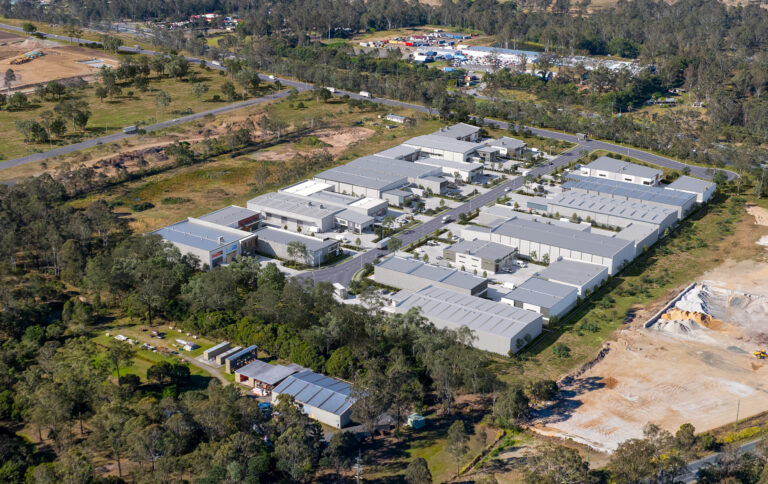
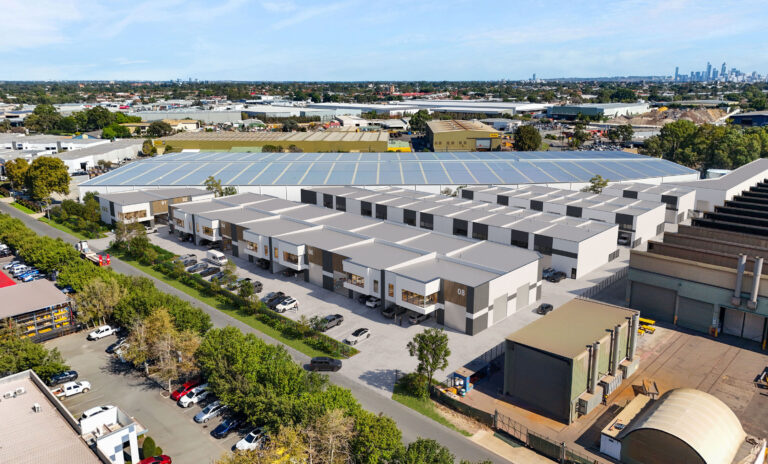
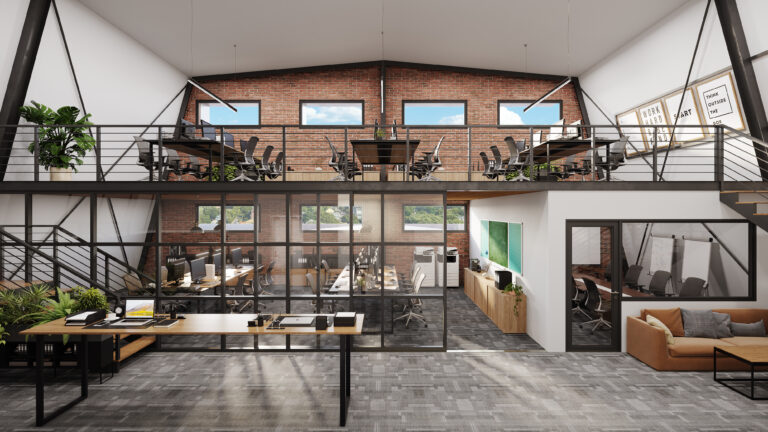
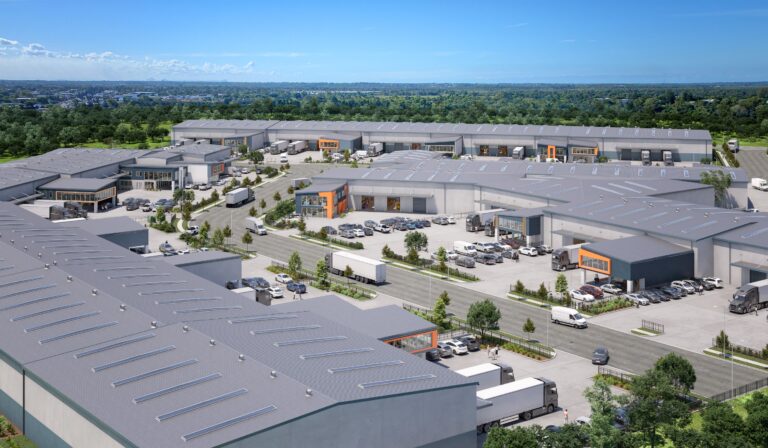
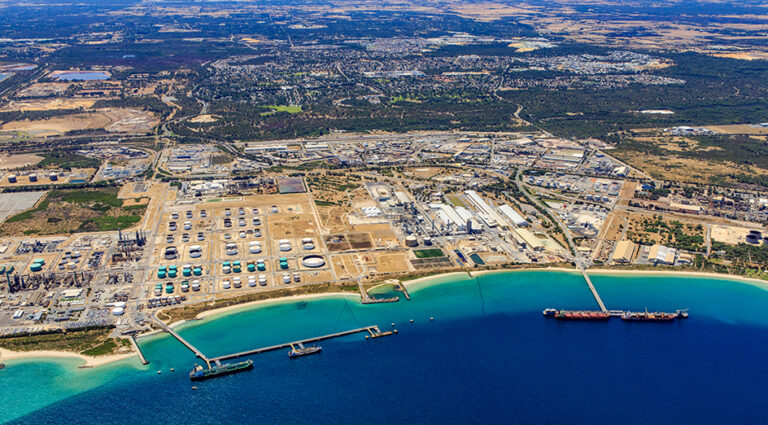
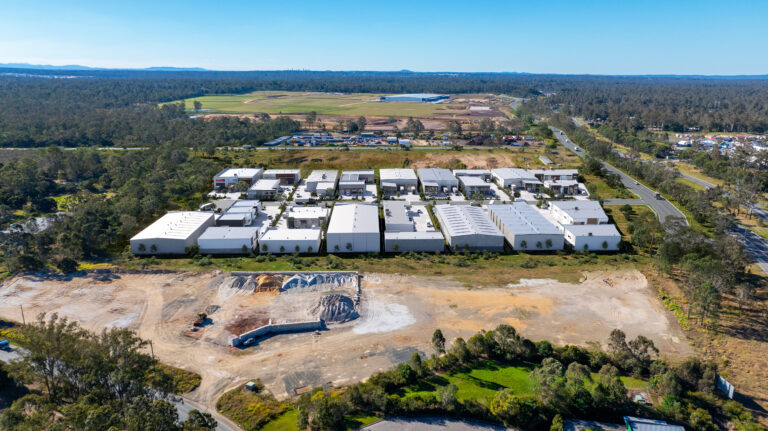
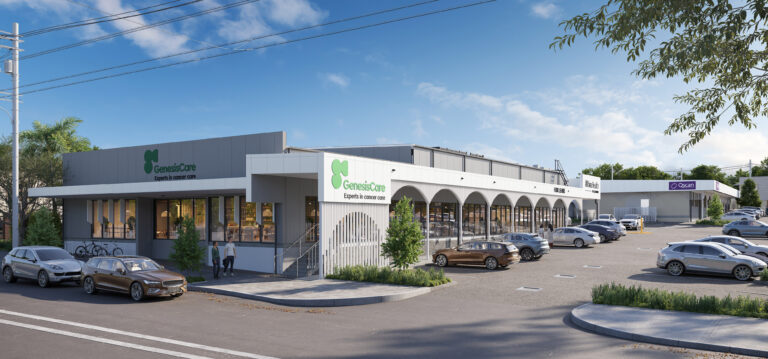
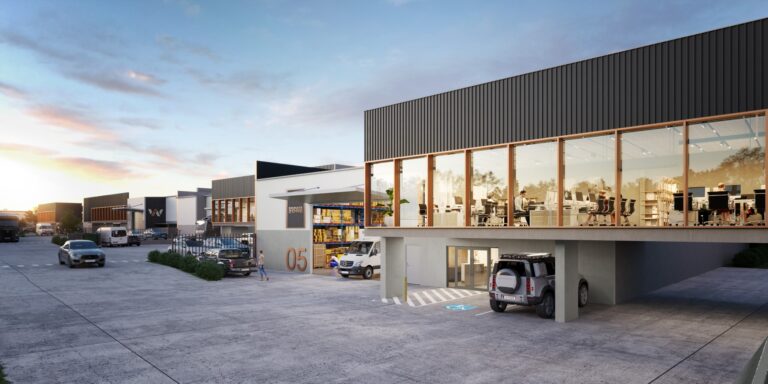
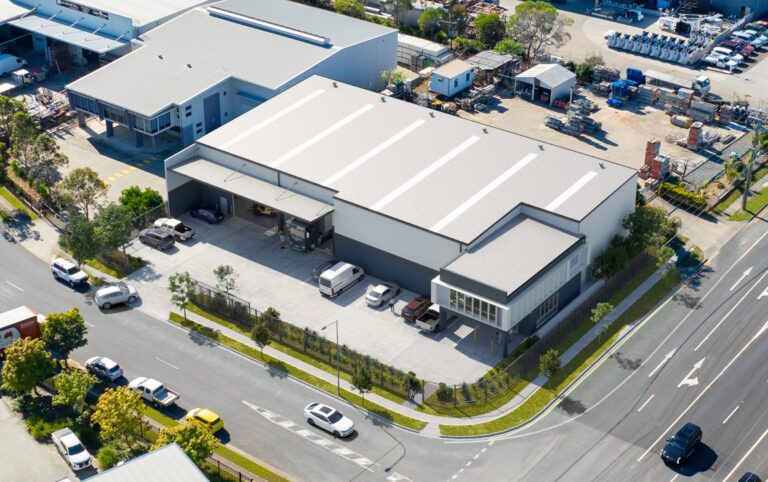
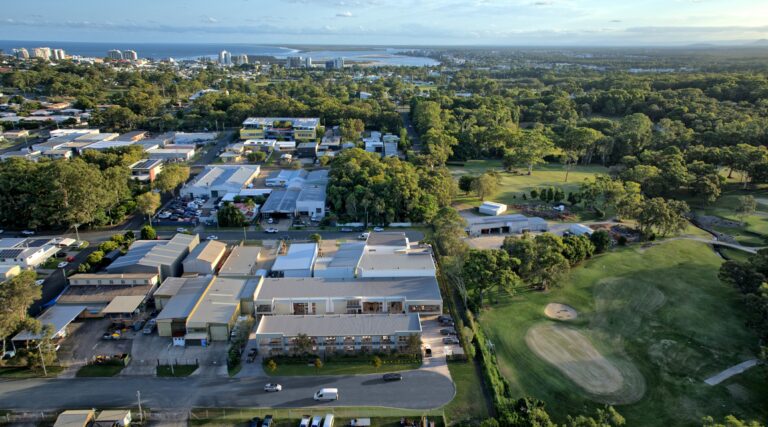
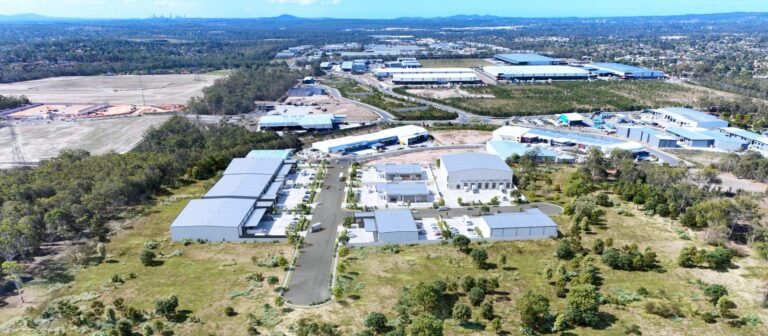
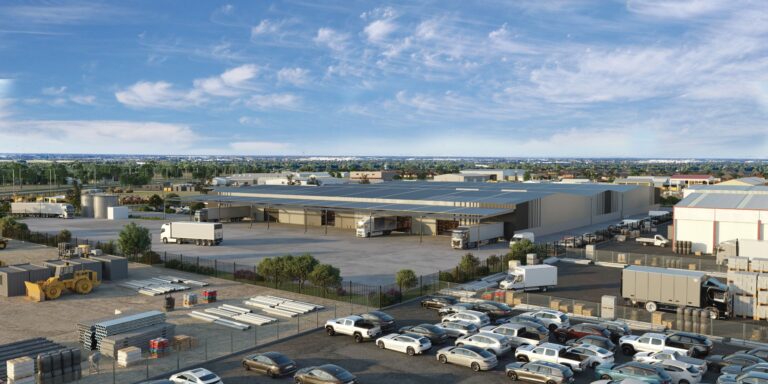
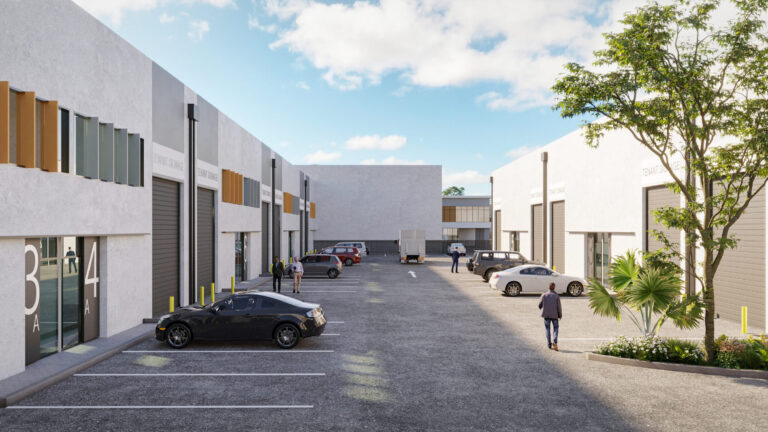
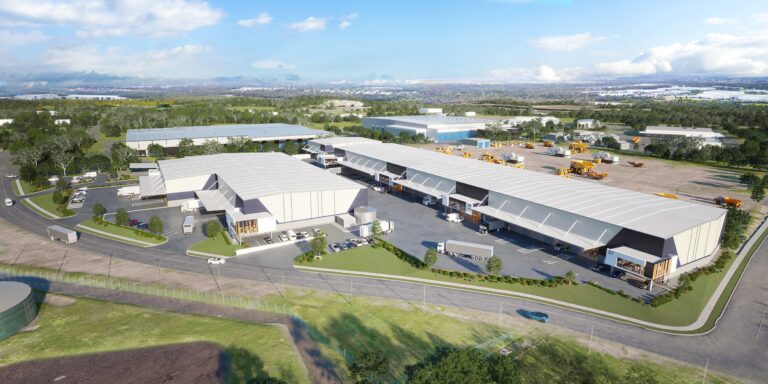
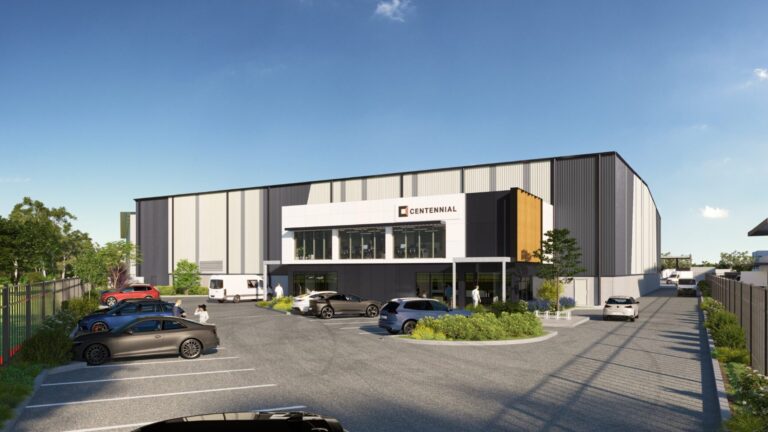
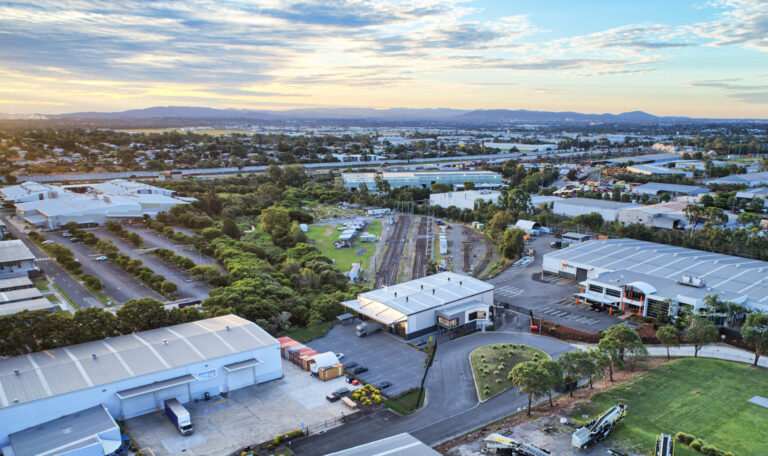


Perth commercial and industrial property remains heavily influenced by constrained industrial land supply, strong logistics demand and continued investment across established and emerging employment corridors. Welshpool, Kewdale, Hazelmere, Jandakot and Perth’s broader industrial network remain central to the market.
This August 2026 update tracks Perth industrial property, commercial transactions, leasing, land values, development activity and logistics infrastructure. See our Commercial Property News Australia hub for national market intelligence.
Perth’s commercial and industrial property market moved through August with one of the strongest industrial stories of any Australian capital.
The key issue is increasingly straightforward:
Perth does not have enough immediately available industrial property to comfortably absorb the level of demand being generated by logistics, manufacturing, defence, resources and population growth.
JLL measured Perth industrial vacancy at just 2.2% during Q2 2026 — the lowest of any major Australian industrial market.
That tight supply is continuing to push rents higher.
Average prime industrial rents increased during Q2 across every major Perth precinct:
- East: +3.2% quarter-on-quarter
- South: +3.6%
- North: +3.8%
Annual growth remained positive across all precincts.
The underlying demand is also substantial.
Perth recorded approximately 84,700 sqm of gross industrial take-up during Q2, taking activity over the previous 12 months to around 370,600 sqm.
That is well above Perth’s 10-year annual average of approximately 228,300 sqm.
August also delivered one of the most important industrial announcements Western Australia has seen in years:
the selected site for the new Henderson Defence Precinct.
Combined with continued expansion at Neerabup, pressure on established industrial land, Westport planning and strong owner-occupier demand, Perth is entering a major new phase of industrial development.
Perth has the tightest major industrial market in Australia
Perth’s industrial vacancy rate of approximately 2.2% remains substantially below the national average.
For comparison, JLL recorded:
- Sydney – 5.8%
- Melbourne – 4.9%
- Brisbane – 4.5%
- Adelaide – 3.8%
- Perth – 2.2%
Perth vacancy has increased slightly over consecutive quarters, but that needs to be viewed in context.
A 2.2% market still provides occupiers with very limited choice.
For businesses with specialised requirements, the effective vacancy rate can be considerably lower.
A company requiring the right combination of:
- high clearance
- substantial hardstand
- heavy vehicle access
- cranes
- high power
- specific zoning
- large yard
- proximity to customers
may have only a handful of realistic options across the entire metropolitan market.
Transport and manufacturing are driving demand
Industrial leasing demand during Q2 was led by:
- transport, postal and warehousing – approximately 26.5%
- manufacturing – approximately 23.6%
That is important because Perth’s industrial market is not simply being driven by e-commerce warehouses.
Western Australia has a large physical economy.
Mining, resources, defence, engineering and construction create demand for properties that often require considerably more infrastructure than a conventional distribution warehouse.
That includes:
- substantial electrical supply
- cranes
- heavy-duty floors
- washdown areas
- hardstand
- oversized doors
- secure yards
- workshop facilities
- specialised manufacturing areas
This tends to make established industrial buildings particularly valuable when they already contain the right infrastructure.
Perth’s eastern industrial corridor remains critical
Welshpool, Kewdale, Hazelmere, Forrestfield, Bayswater and surrounding areas remain some of Perth’s most strategically important industrial locations.
Their major advantage is connectivity.
Businesses gain access to:
- Perth Airport
- Tonkin Highway
- Roe Highway
- Leach Highway
- freight infrastructure
- the Perth CBD
- eastern and southern metropolitan markets
This concentration of transport infrastructure is extremely difficult to reproduce elsewhere.
Welshpool remains one of Perth’s premier industrial precincts
Unit 1, 8 Roy Street, Welshpool sold on 1 August.
The property comprises approximately 361 sqm of industrial accommodation.
Although smaller than many institutional-grade warehouses, transactions like this demonstrate the depth of owner-occupier demand within established precincts.
Welshpool is particularly valuable because it combines central location with genuine industrial functionality.
Many businesses simply cannot relocate to Perth’s outer growth areas without increasing travel distances, freight costs or labour difficulties.
Industrial land in Welshpool remains exceptionally difficult to replace
A transaction just before August provides an even clearer indication of the underlying land shortage.
20 Railway Parade, Welshpool, comprising approximately 3,480 sqm of vacant industrial development land, sold in July for $3.5 million.
That equates to roughly $1,006 per sqm of land.
The property was marketed as a rare blank-canvas development site within what CBRE described as Perth’s premier industrial precinct.
That tells the bigger story.
Vacant industrial land inside mature Perth precincts is becoming extremely scarce.
Bayswater continues to attract smaller industrial buyers
8/4 Focal Way, Bayswater sold on 12 August.
The approximately 270 sqm office/warehouse is positioned within the Tonkin Highway Industrial Estate.
Bayswater benefits from strong access to the inner metropolitan area while remaining connected to the airport and broader eastern industrial corridor.
That makes it attractive to businesses that need to service customers across Perth rather than operate purely as regional logistics facilities.
Wangara remains the major northern industrial hub
Perth’s northern corridor continues to generate strong industrial demand.
1/72 Berriman Drive, Wangara sold on 18 August.
The approximately 407 sqm industrial unit sits within one of northern Perth’s most established employment precincts.
Wangara has evolved into a substantial industrial ecosystem servicing the rapidly expanding northern suburbs.
The precinct supports:
- manufacturing
- trade
- warehousing
- automotive
- construction supply
- logistics
- service industries
As Perth’s population pushes north, Wangara’s strategic importance continues increasing.
Malaga small industrial units are commanding strong prices
One of August’s clearest owner-occupier transactions occurred at 13/16 Kent Way, Malaga.
The approximately 137 sqm industrial unit sold on 25 August for $783,000.
That equates to roughly $5,715 per sqm of building area.
As always with strata industrial property, building-rate comparisons should be treated cautiously because parking, yard allocation, office fitout and strata attributes can materially influence pricing.
Even so, the transaction demonstrates the strength of Perth’s small industrial market.
Malaga also recorded a larger modern industrial sale
3 Kalli Street, Malaga sold on 19 August.
The property comprises approximately 1,313 sqm, including:
- 200 sqm ground-floor office
- 178 sqm first-floor office
- 935 sqm warehouse
It also includes multiple large electric roller doors and paved laydown/parking areas.
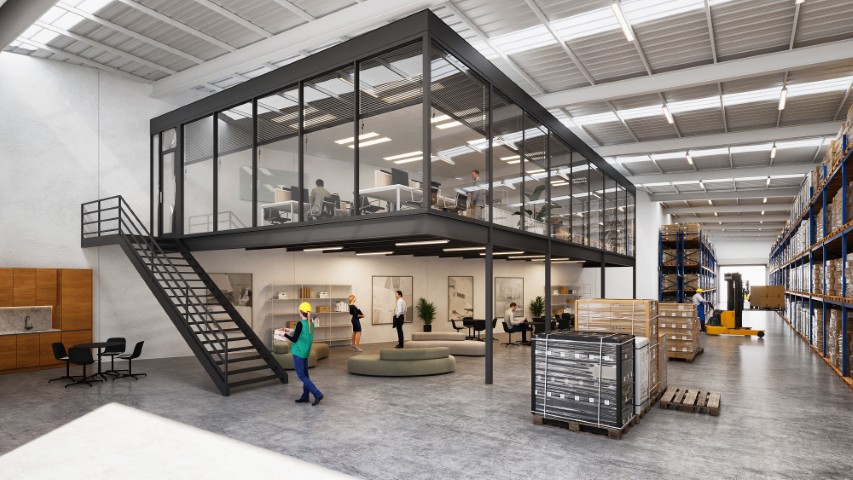
This type of modern industrial property is particularly attractive because it combines substantial corporate office accommodation with functional warehouse space.
Increasingly, industrial buildings are becoming headquarters rather than simply sheds.
O’Connor transaction highlights southern infill scarcity
14B Hines Road, O’Connor sold on 13 August for $2.285 million.
The property comprises approximately 1,000 sqm of industrial accommodation.
O’Connor is a particularly interesting Perth industrial market because it sits close to:
- Fremantle
- Melville
- Myaree
- Murdoch
- major southern residential catchments
There is virtually no opportunity to create substantial new industrial land in comparable inner-southern locations.
That gives existing property a strong scarcity premium.
Cockburn Central remains attractive to smaller businesses
A modern warehouse at 10/9 Parkes Street, Cockburn Central sold on 4 August for $757,500.
The property comprises approximately 195 sqm.
That represents approximately $3,885 per sqm of building area.
Cockburn Central benefits from large surrounding residential catchments and proximity to major southern transport infrastructure.
This makes it attractive to service businesses, trades and owner-occupiers who need southern metropolitan access.
Bought & Sold
August produced a useful range of industrial transactions across Perth.
Unit 1/8 Roy Street, Welshpool
- Sold: 1 August 2026
- Building: approximately 361 sqm
- Established Welshpool industrial precinct
10/9 Parkes Street, Cockburn Central
- Sold: 4 August 2026
- Price: $757,500
- Building: approximately 195 sqm
- Approximate building rate: $3,885/sqm
8/4 Focal Way, Bayswater
- Sold: 12 August 2026
- Building: approximately 270 sqm
- Tonkin Highway Industrial Estate
14B Hines Road, O’Connor
- Sold: 13 August 2026
- Price: $2.285 million
- Building: approximately 1,000 sqm
- Tightly held inner-southern industrial location
1/72 Berriman Drive, Wangara
- Sold: 18 August 2026
- Building: approximately 407 sqm
- Established northern industrial precinct
3 Kalli Street, Malaga
- Sold: 19 August 2026
- Building: approximately 1,313 sqm
- Approximately 935 sqm warehouse
- Substantial modern office component
- Multiple large roller doors
13/16 Kent Way, Malaga
- Sold: 25 August 2026
- Price: $783,000
- Building: approximately 137 sqm
- Approximate building rate: $5,715/sqm
Owner-occupiers are having a major influence on land values
CBRE reported that values for approximately 0.25 hectare industrial lots in Perth reached an average of $777 per sqm during Q1, up approximately 21.4% year-on-year.
That is a substantial increase.
Owner-occupier demand is particularly powerful because these buyers do not necessarily value property through the same yield metrics as institutional investors.
For a successful business, owning its site can provide:
- operational security
- protection from future rent increases
- control over building improvements
- long-term capital growth
- retirement or succession value
That helps support industrial land values even when investment yields soften.
REIWA says industrial was Perth’s best-performing commercial sector
REIWA reported that Perth industrial property was the strongest-performing major commercial property sector during 2025.
Median industrial sale price per square metre increased approximately 15.5% to $2,935/sqm over the year to December 2025.
REIWA attributed much of that growth to a shortage of new industrial property supply and delays in bringing new industrial developments to market.
Those supply problems remain highly relevant in 2026.
Perth’s industrial pipeline looks large — but much of it is not committed
JLL tracks a substantial pipeline.
At Q2 2026 Perth had approximately:
- 185,300 sqm under construction
- 98,400 sqm with plans approved
- 180,600 sqm with plans submitted
However, approximately 84.6% of those projects had not been pre-committed.
That is worth watching.
It means Perth could receive meaningful additional industrial supply.
But projects without tenant commitments remain vulnerable to:
- financing delays
- construction cost escalation
- timing changes
- redesign
- postponement
The theoretical pipeline is therefore not necessarily the same as future delivered supply.
Only 8,400 sqm of major new industrial space completed during Q2
Despite the large development pipeline, just two major industrial projects above 3,000 sqm completed during Q2.
Together they totalled approximately 8,400 sqm.
That is a very small amount of new supply for a metropolitan market experiencing annual take-up well above its historical average.
This mismatch helps explain why vacancy remains so low.
Henderson is now one of Australia’s biggest future industrial property stories
On 24 August 2026, the Australian and Western Australian governments announced the selected site for the new Henderson Defence Precinct.
The precinct will support:
- continuous naval shipbuilding
- naval vessel sustainment
- future general purpose frigates
- Army landing craft
- sustainment of Australia’s future conventionally armed nuclear-powered submarines
The Federal Government has already committed an initial $12 billion toward delivery of the precinct.
Government estimates indicate the broader program could support around 10,000 direct jobs over the next two decades.
This is far more than a defence announcement.
It is a commercial and industrial property catalyst of national significance.
Henderson could reshape Perth’s entire southern industrial corridor
Large defence infrastructure projects generate enormous supporting supply chains.
Potential beneficiaries include businesses involved in:
- engineering
- fabrication
- marine services
- electronics
- hydraulics
- precision manufacturing
- specialist coatings
- robotics
- logistics
- maintenance
- defence technology
Many of these businesses will want to operate close to Henderson.
That creates potential property demand across:
- Henderson
- Naval Base
- Bibra Lake
- Hope Valley
- Latitude 32
- Cockburn
- Kwinana
- Rockingham
The effects could extend well beyond the official Defence Precinct boundary.
Defence property demand tends to be highly specialised
Defence-linked businesses often require buildings with unusual specifications.
Typical requirements can include:
- heavy power
- substantial security
- cranes
- specialised workshops
- large doors
- secure hardstand
- controlled access
- advanced communications
- clean manufacturing areas
This means generic warehouse supply will not necessarily satisfy future demand.
Developers who understand these requirements early could be particularly well positioned.
The Western Trade Coast is becoming one of WA’s defining industrial zones
Earlier in 2026, the WA Government declared the Western Trade Coast as the state’s first State Development Area.
The broader zone includes:
- Kwinana Industrial Area
- Australian Marine Complex
- Latitude 32
- Rockingham Industry Zone
The intent is to streamline and accelerate strategically important industrial development, including projects connected with defence and advanced manufacturing.
This adds another major planning catalyst to Perth’s south.
Westport adds another layer of long-term industrial demand
The planned Westport container port at Kwinana represents another major long-term structural change.
Planning includes the port itself together with major supporting road and rail infrastructure.
The Western Trade Coast already encompasses the Australian Marine Complex, Latitude 32 and Kwinana Industrial Area, meaning future port infrastructure will sit alongside some of WA’s most significant industrial landholdings.
Industrial property follows freight infrastructure.
Over the long term, Westport could materially increase the strategic value of industrial land across the southern corridor.
Neerabup expansion moved ahead during August
Perth’s north also recorded an important industrial land announcement.
On 25 August, the City of Wanneroo awarded the contract to deliver civil and servicing works for the next stage of the Neerabup Industrial Area.
The 16.3-hectare site at Lot 9100 Mather Drive will be developed into 41 green-title industrial lots ranging from approximately:
1,500 sqm to 4,600 sqm.
The lots are expected to be ready for settlement from late 2027.
This is an important release because Perth’s northern population continues expanding rapidly.
Neerabup helps address the north’s jobs imbalance
One of the major challenges in outer suburban growth areas is employment.
Large residential populations can develop faster than nearby employment opportunities.
That produces long commuting distances.
Industrial development at Neerabup helps create jobs closer to:
- Clarkson
- Alkimos
- Butler
- Mindarie
- Yanchep
- surrounding northern communities
As Perth continues expanding north, Neerabup could become increasingly important.
Perth effectively has three major industrial growth fronts
The metropolitan industrial market can increasingly be understood through three broad systems.
East
Welshpool, Kewdale, Hazelmere, Forrestfield and airport-linked logistics.
North
Wangara, Malaga, Neerabup and northern population growth.
South
Bibra Lake, Canning Vale, Henderson, Kwinana, Latitude 32 and future Westport infrastructure.
Each corridor has different economic drivers.
That gives Perth considerable industrial diversity.
The southern corridor may have the biggest upside
Perth’s south already contains major industrial infrastructure.
But the combination of:
- Henderson Defence Precinct
- AUKUS
- Western Trade Coast
- Latitude 32
- Westport
- Kwinana
- advanced manufacturing
creates a level of concentrated investment that could dramatically change the area.
The important question is not simply how much government money will be spent inside individual projects.
It is how much private-sector activity will follow.
Industrial rents are still rising across every precinct
JLL reported Q2 rental growth across all three Perth industrial regions.
Prime rents increased:
East: +3.2%
South: +3.6%
North: +3.8%
over the quarter.
This is particularly notable because industrial rents in several eastern Australian markets have entered a flatter phase.
Perth is still producing meaningful growth.
Prime yields remain around 6.25%
JLL recorded prime midpoint industrial yields at approximately 6.25% across Perth’s major industrial precincts during Q2.
Yields were broadly stable quarter-on-quarter and year-on-year.
That stability suggests investors remain reasonably comfortable with the underlying industrial fundamentals despite broader interest-rate and global uncertainty.
Perth CBD offices are improving as well
The industrial story is stronger, but Perth CBD office fundamentals also improved during Q2.
JLL recorded headline CBD vacancy falling to approximately 16.0%, down 0.3 percentage points.
Prime vacancy was lower at approximately 14.6%.
Q2 net absorption reached around 4,900 sqm, taking rolling 12-month absorption to approximately 16,900 sqm.
The office market remains well supplied, but conditions are gradually improving.
Perth has virtually no major CBD office construction underway
One of the more interesting Perth CBD statistics is that JLL recorded no major office projects currently under construction during Q2.
There were approximately 300,500 sqm of projects with approved plans, but future developments are likely to require significant tenant pre-commitment before proceeding.
This may gradually help rebalance CBD vacancy.
If occupier demand continues growing while new supply remains limited, older vacancy can progressively be absorbed.
Prime CBD rents are edging higher
Average Perth prime net face rents increased around 0.4% during Q2 to approximately $677 per sqm per annum.
Prime net effective rents were around $297 per sqm per annum.
The difference between face and effective rents demonstrates the continuing importance of incentives within the office market.
Development Applications, Approvals & Projects Progressing Through Planning
August contained several particularly important projects and industrial development milestones.
Henderson Defence Precinct
- Selected site announced 24 August 2026
- Initial $12 billion Commonwealth funding commitment
- Naval shipbuilding and sustainment
- Future nuclear-powered submarine sustainment
- Around 10,000 direct jobs expected over two decades
- Concept design phase now progressing
Neerabup Industrial Area – Lot 9100 Mather Drive
- 16.3-hectare industrial development
- Civil and servicing contract awarded August 2026
- 41 green-title industrial lots
- Approximately 1,500–4,600 sqm
- Settlement expected from late 2027
Western Trade Coast State Development Area
- Includes Kwinana Industrial Area
- Australian Marine Complex
- Latitude 32
- Rockingham Industry Zone
- Intended to accelerate major strategic industrial projects
Westport
- Long-term new container port and freight infrastructure project at Kwinana
- Major associated road and rail infrastructure
- Final planning and definition work progressing
Perth industrial development pipeline
- 185,300 sqm under construction
- 98,400 sqm plans approved
- 180,600 sqm plans submitted
- Majority currently without pre-commitment
Industrial land scarcity is the real Perth investment story
Vacancy receives the headlines.
But the bigger issue is land.
Perth continues to expand geographically, yet genuinely development-ready industrial land requires:
- zoning
- roads
- utilities
- power
- drainage
- environmental approvals
- subdivision
- titles
- servicing
That process can take years.
REIWA has specifically identified planning, development and subdivision delays as contributing to Perth’s shortage of new industrial property.
That creates an important distinction.
Perth may have plenty of land.
It does not necessarily have plenty of ready-to-use industrial land.
Power infrastructure could become increasingly important
Future industrial demand is becoming more energy intensive.
Growth sectors include:
- defence manufacturing
- advanced manufacturing
- cold storage
- automation
- electrified transport
- data centres
- mineral processing
These industries require substantial electrical capacity.
Developers who can provide reliable high-capacity power may increasingly gain an advantage over competing industrial estates.
Smaller industrial strata should remain extremely competitive
Malaga’s August sale at more than $5,700 per sqm of building area demonstrates how strong the smaller end of Perth’s industrial market can become.
There is a simple reason.
The number of potential buyers increases dramatically as property size decreases.
A 20,000 sqm logistics warehouse has a limited buyer and tenant pool.
A 150–300 sqm industrial unit might appeal to thousands of businesses.
This creates deep liquidity.
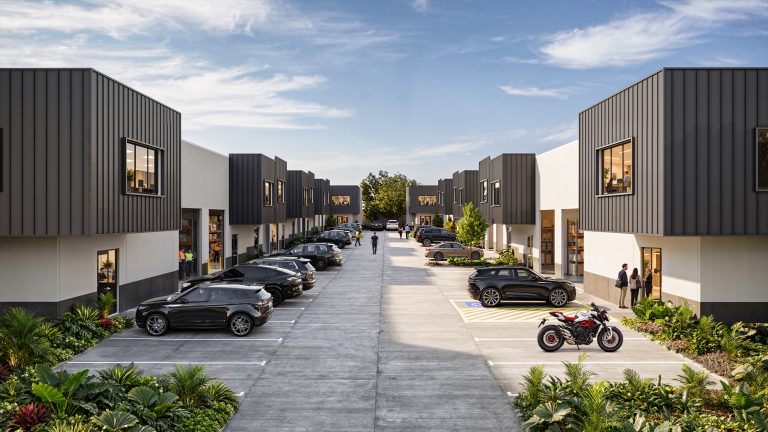
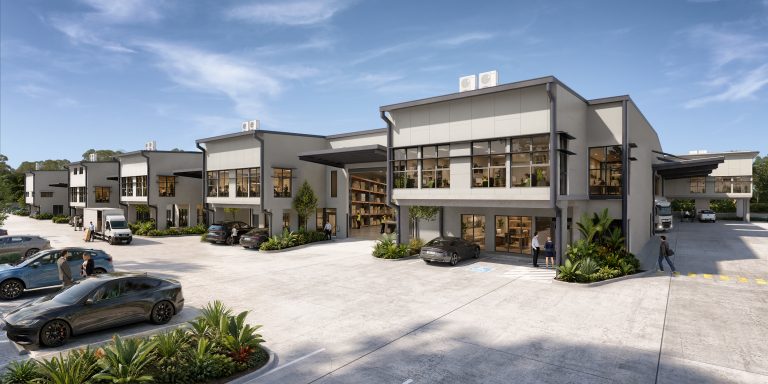
Modern industrial estates are becoming more sophisticated
Industrial property design is also changing.
New developments increasingly feature:
- high-clearance warehouses
- corporate-style offices
- better landscaping
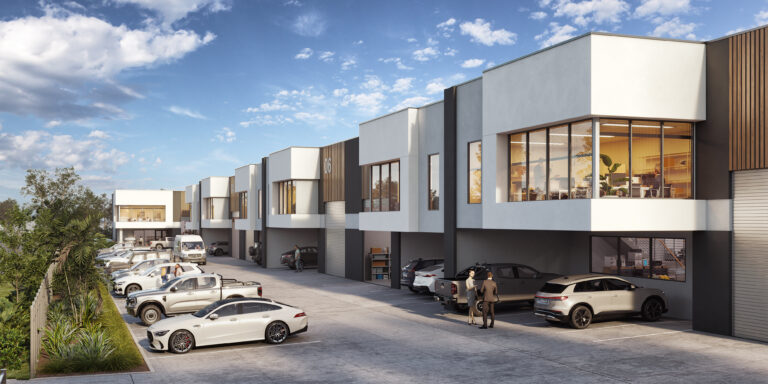
- secure access
- dedicated parking
- higher power
- solar
- EV charging capacity
- efficient truck circulation
- better employee facilities
Industrial property is increasingly competing for labour as well as tenants.
Businesses want workplaces that help attract employees.
What developers and landowners should watch
Several themes look particularly important through the remainder of 2026.
Henderson
The Defence Precinct could become one of Australia’s strongest industrial catalysts.
Western Trade Coast
The combination of defence, marine, advanced manufacturing and Westport will create enormous long-term demand.
Industrial vacancy
At 2.2%, Perth remains Australia’s tightest major industrial market.
Industrial rents
Rental growth remains positive across east, north and south.
Neerabup
New serviced industrial land will help support Perth’s rapidly expanding north.
Welshpool and Kewdale
Established eastern precincts remain strategically difficult to replace.
Owner-occupiers
Strong business demand continues to support land and strata values.
Power
Energy availability will increasingly influence industrial site value.
Office supply
A very limited CBD construction pipeline may gradually improve existing office fundamentals.
The bigger Perth commercial property story
Perth industrial property is being supported by something more powerful than a short-term property cycle.
Western Australia is building an increasingly diverse physical economy.
Mining will remain central.
But alongside it are growing sectors including:
- defence
- naval shipbuilding
- advanced manufacturing
- logistics
- renewable energy
- mineral processing
- technology
- construction
- aviation
All of these industries require physical property.
They need land.
They need workshops.
They need warehouses.
They need hardstand.
They need power.
And increasingly, the best industrial locations do not have enough of those things available.
That is why Perth industrial property remains one of the most compelling commercial property stories in Australia.
What this means for Perth property projects
For Perth developers and landowners, the opportunity is increasingly about positioning projects around the economic infrastructure driving the next stage of Western Australian growth.
Strong project positioning can help:
- establish higher perceived land value
- demonstrate proximity to major infrastructure
- communicate future industrial precincts clearly
- attract occupiers before construction
- generate pre-leasing demand
- secure owner-occupier sales
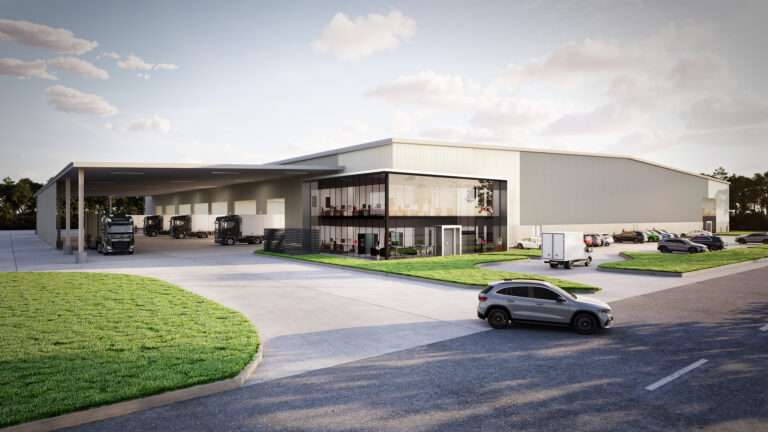
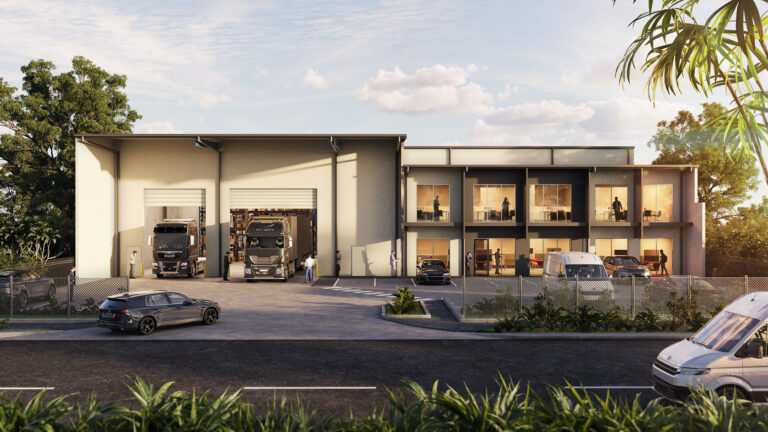
- explain truck access and hardstand
- demonstrate power and specialised infrastructure
- position defence and manufacturing projects
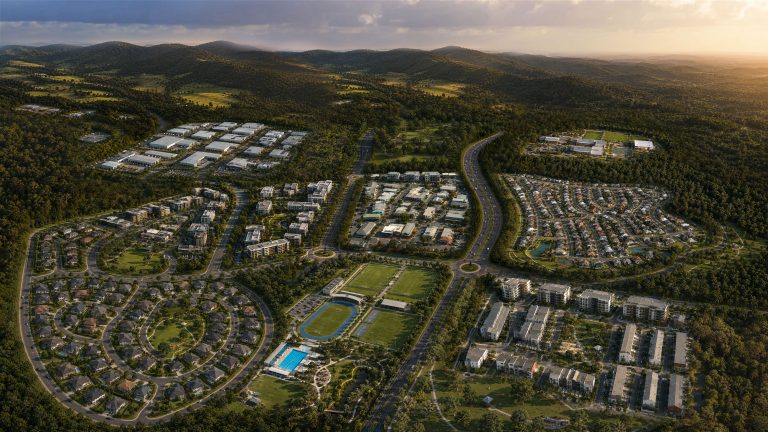
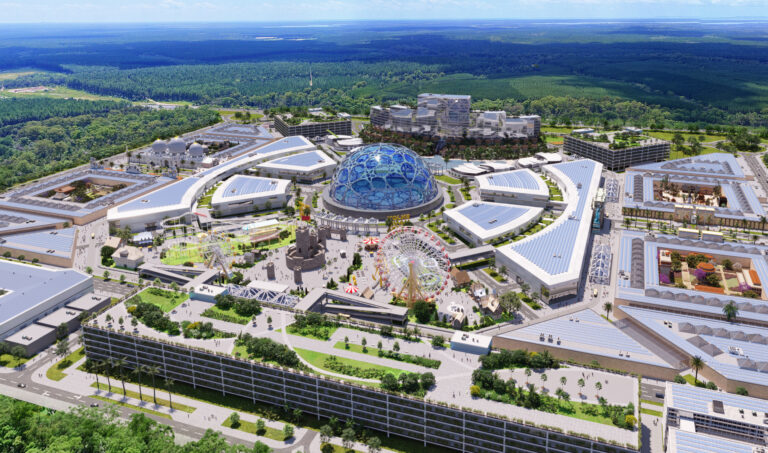
- communicate large estate masterplans
- build investor confidence
- reduce uncertainty around future development
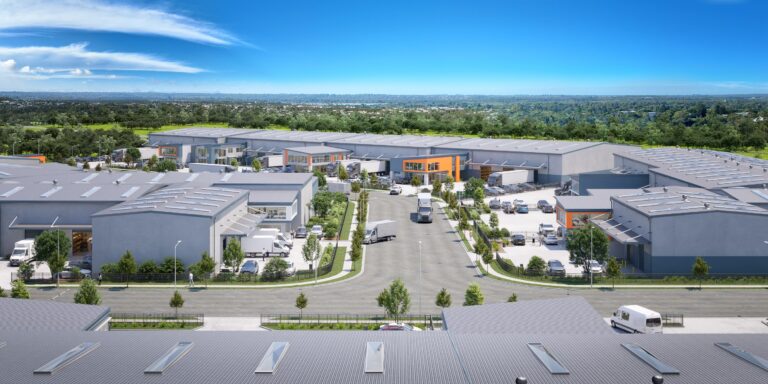
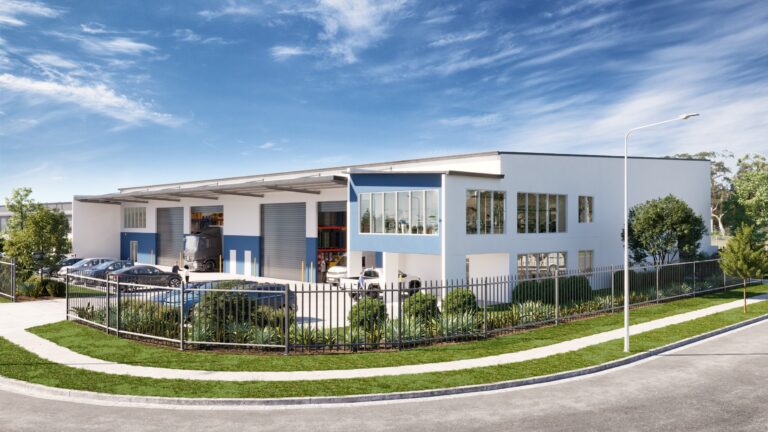
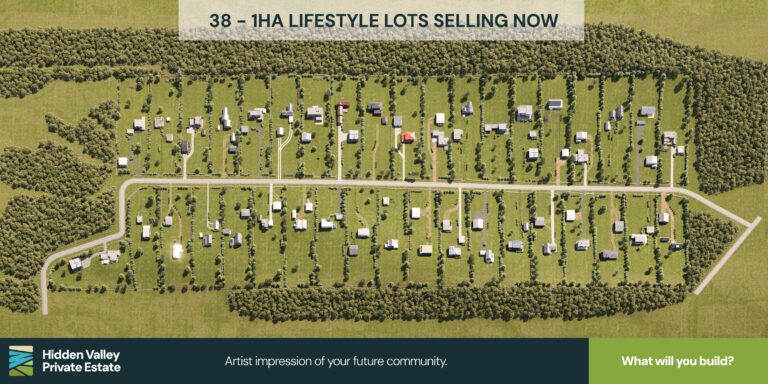
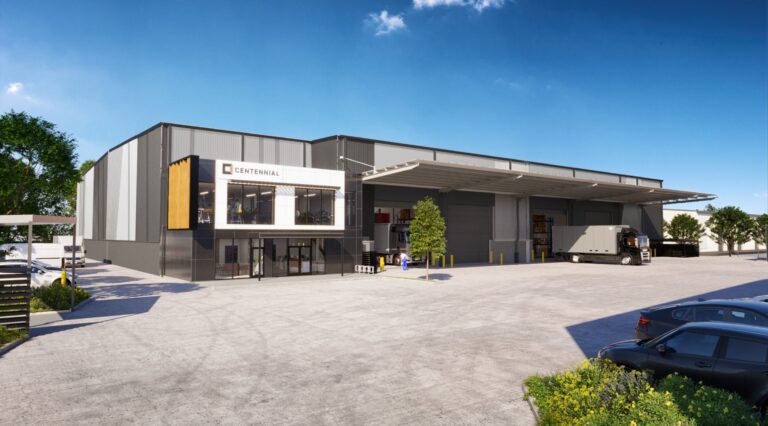
With major industrial investment now accelerating across Perth’s northern, eastern and southern corridors, the ability to show what a site will become — and why its location matters — is increasingly valuable before construction even begins.
Commercial Property Marketing works with commercial and industrial developers across Australia to turn land, plans and future developments into clear property opportunities for buyers, tenants and investors.
More Perth commercial property resources
For developers, landowners and agents bringing property to market in Perth, explore Commercial Property Marketing Perth, Industrial Land Marketing Perth, 3D Renders Perth.
For market updates across Australia, visit Commercial Property News Australia.