
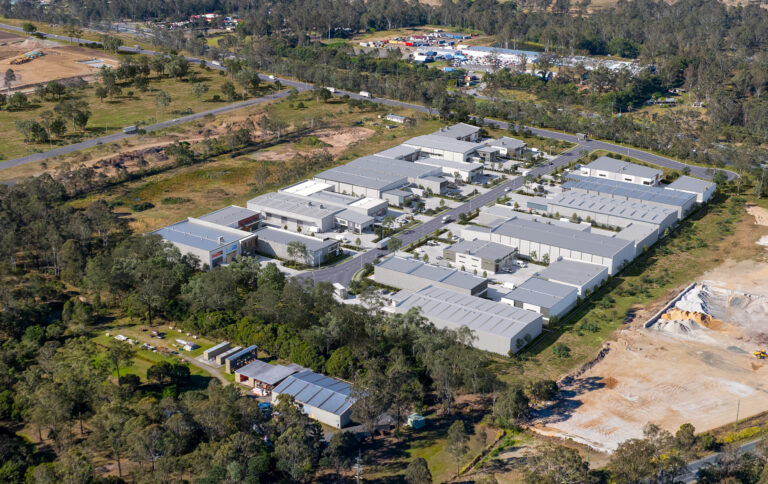
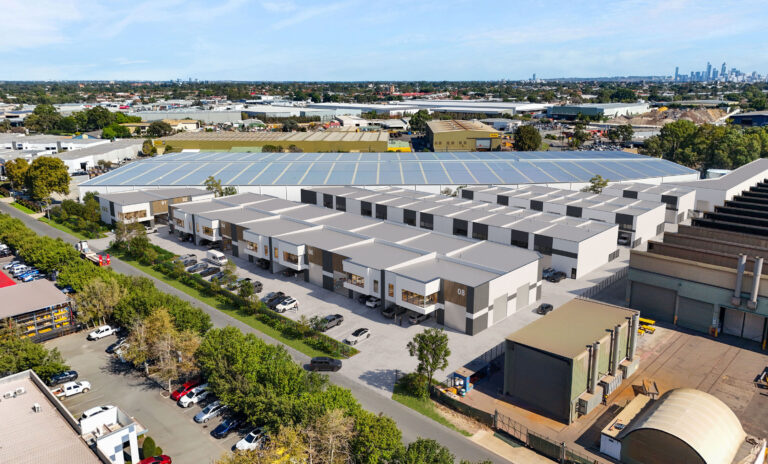
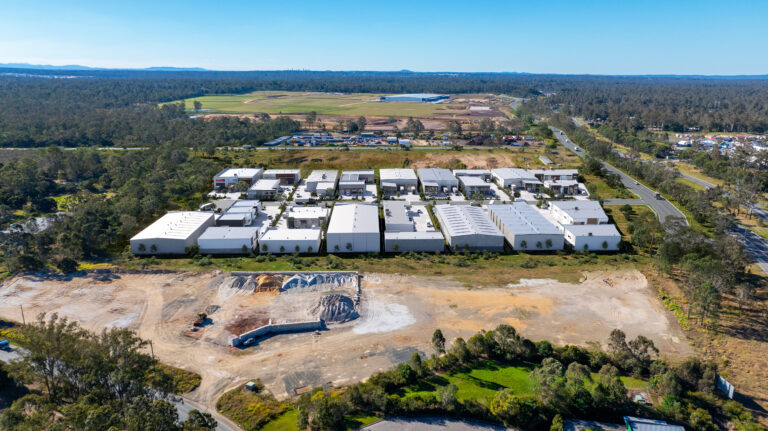
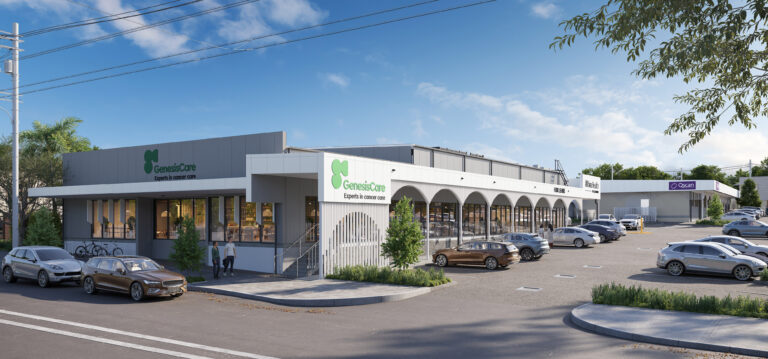
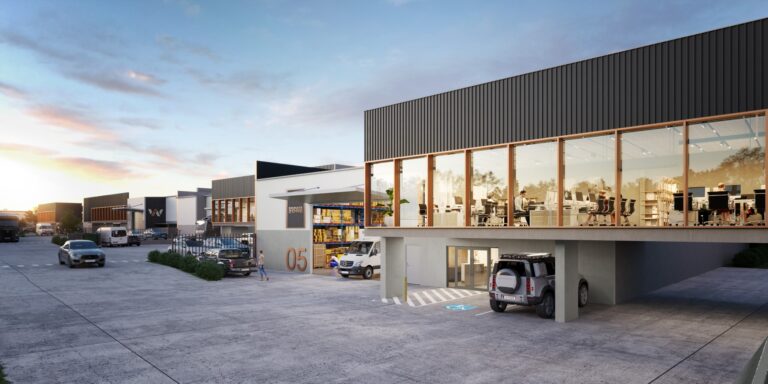
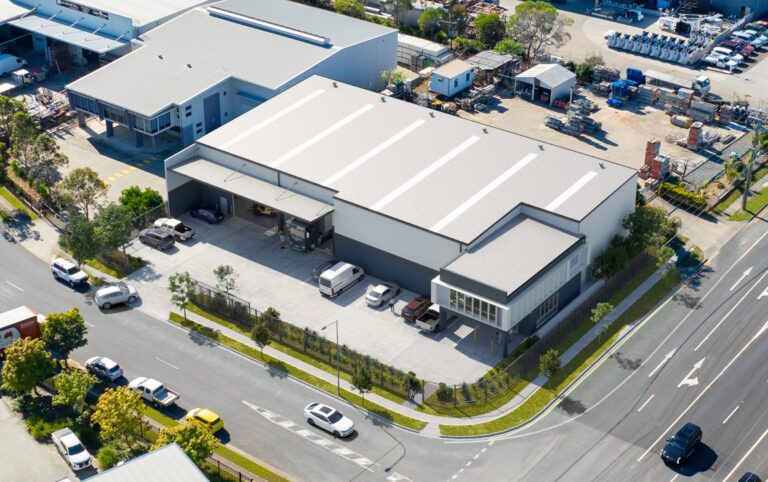
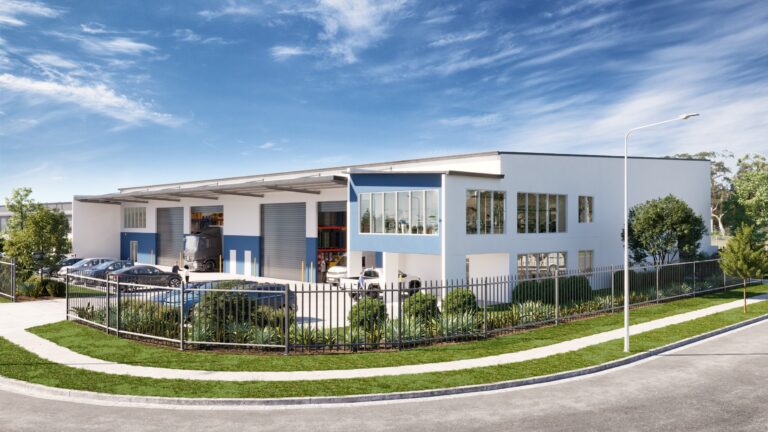
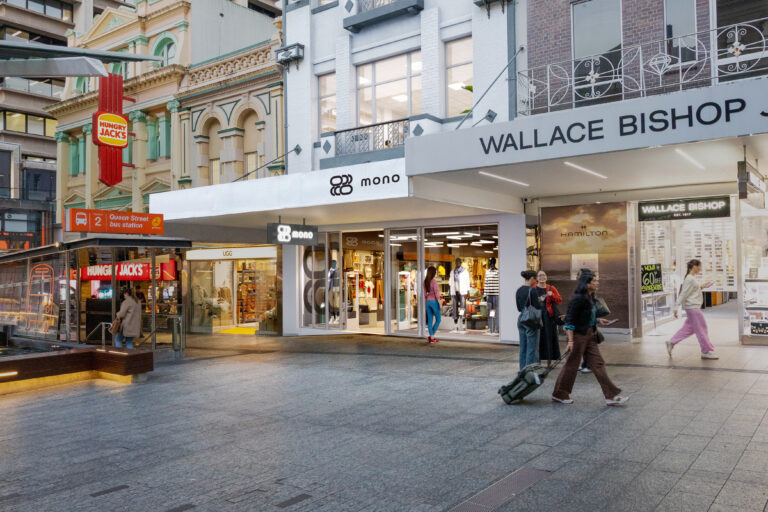
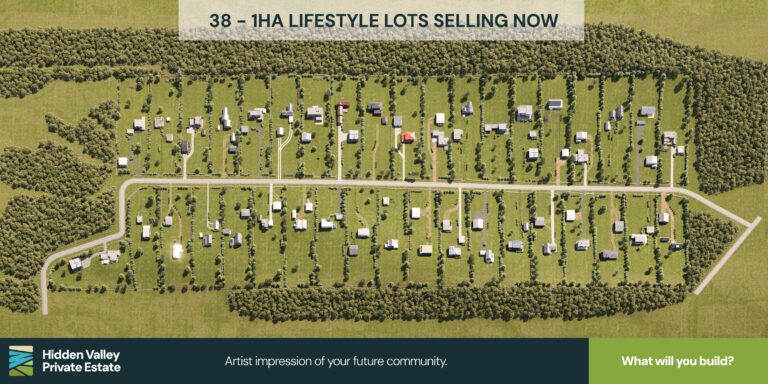
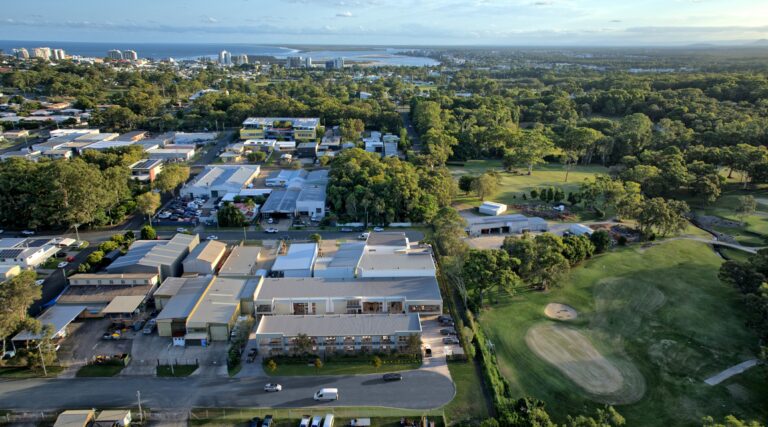
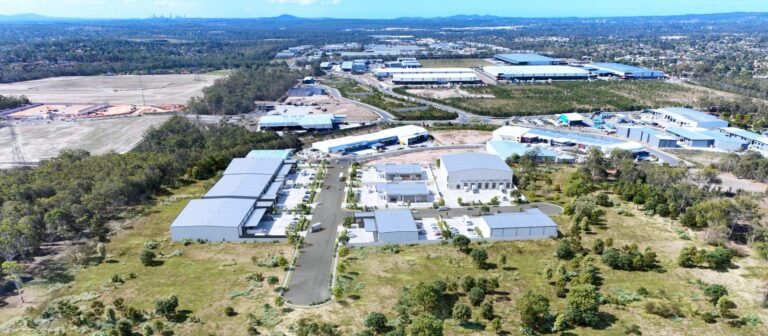
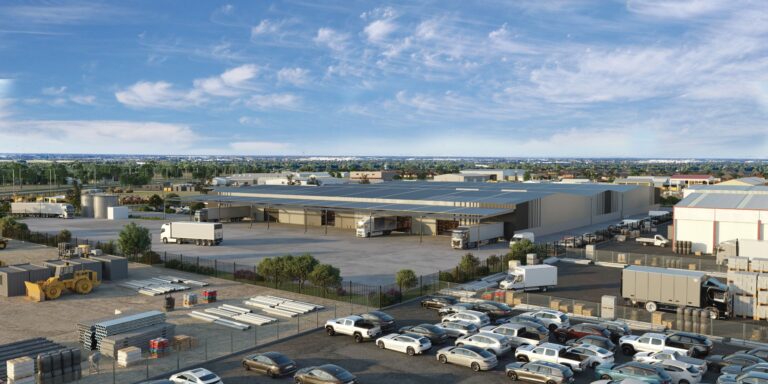

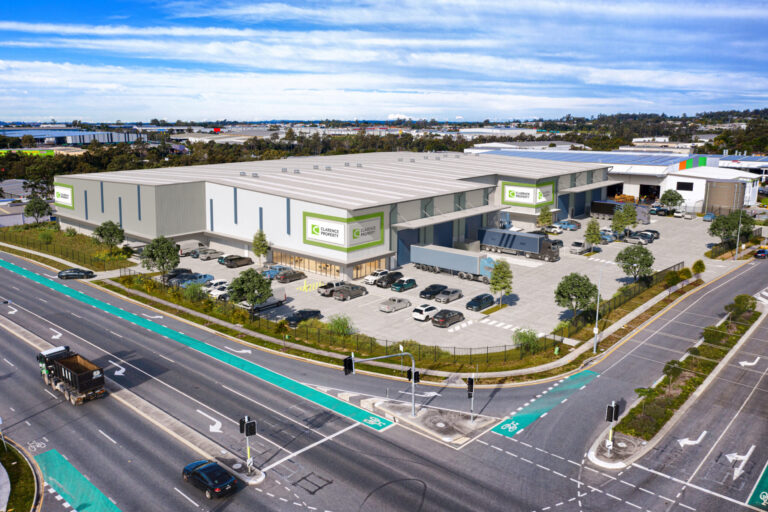
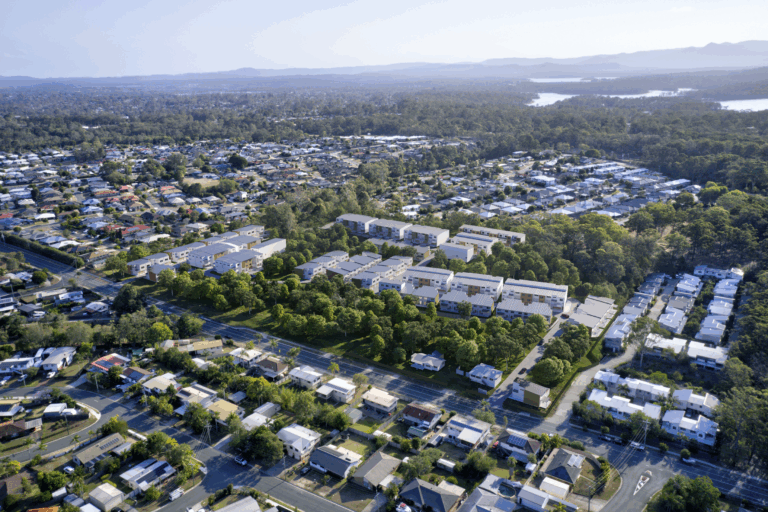

Gold Coast commercial and industrial property continues to be shaped by one central constraint: strong business and population growth competing for a limited supply of well-located employment land. Established precincts including Molendinar, Arundel, Burleigh Heads and Carrara remain tightly held while Coomera, Pimpama, Yatala and Stapylton absorb increasing development activity.
This August 2026 update covers Gold Coast industrial property, commercial transactions, development applications, land supply, owner-occupier activity and emerging employment precincts. National coverage is available through our Commercial Property News Australia hub.
The Gold Coast commercial and industrial property market moved through August with a familiar problem becoming increasingly important: business demand is growing faster than the supply of well-located commercial and industrial land.
That imbalance continues to underpin values across established industrial areas such as Molendinar, Arundel, Burleigh Heads and Carrara, while pushing more occupiers, developers and investors toward the northern Gold Coast corridor around Coomera, Pimpama, Upper Coomera, Yatala and Stapylton.
At the same time, major residential growth, transport investment and population expansion are creating a much broader commercial property story.
The Gold Coast is no longer simply a tourism and residential development market.
It is increasingly functioning as a major employment, logistics, health, manufacturing, retail and service economy positioned directly between Brisbane and northern New South Wales.
August provided more evidence of that transition.
Industrial property remains one of the strongest parts of the Gold Coast market
Industrial property continues to stand out because replacement opportunities are increasingly difficult to find.
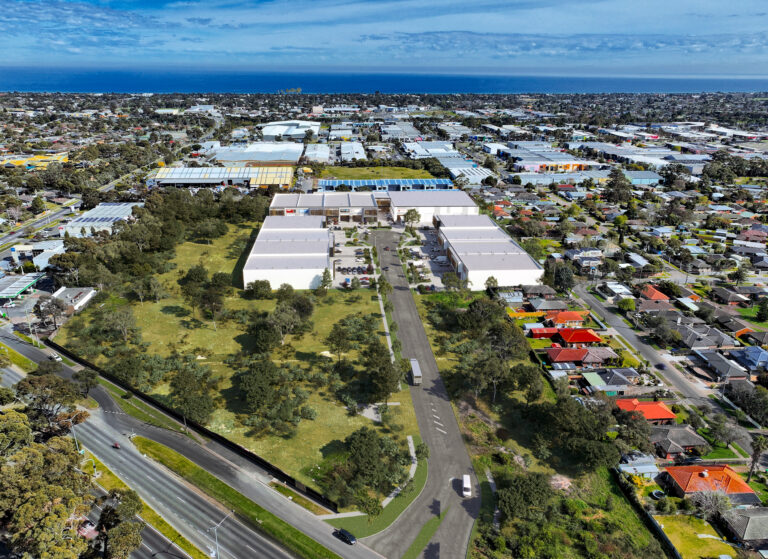
The established central Gold Coast industrial precincts are geographically constrained, heavily occupied and difficult to replicate.
This is particularly evident in:
- Molendinar
- Arundel
- Biggera Waters
- Carrara
- Nerang
- Burleigh Heads
- Currumbin
- Labrador
Properties in these locations offer something increasingly valuable: proximity to the existing Gold Coast population rather than simply access to the M1.
For trade businesses, construction suppliers, automotive operators, food businesses, service industries, last-mile logistics groups and owner-occupiers, being close to customers can outweigh the benefits of locating on cheaper land further north.
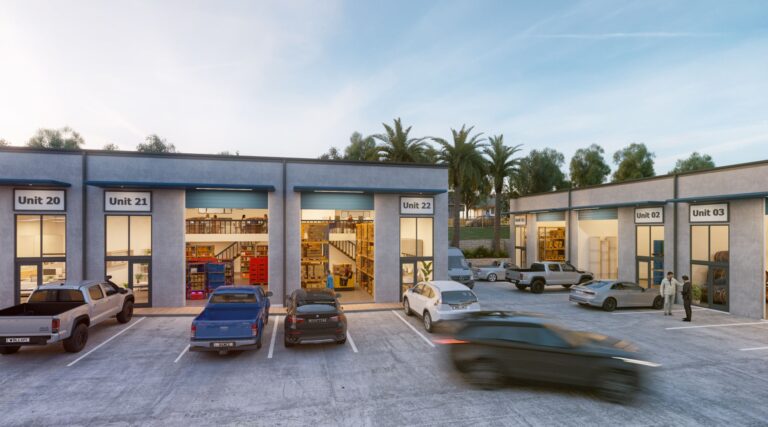
That is helping maintain very strong demand for smaller and mid-sized industrial buildings.
Molendinar continues to demonstrate just how tightly held established industrial property has become
Molendinar remained particularly active.
A 223 sqm industrial unit at 3/8 Precision Drive, Molendinar sold on 1 September for $1.2 million.
That equates to approximately $5,381 per sqm of building area, although individual industrial unit sales need to be interpreted carefully because office content, mezzanine area, car parking, yard access and strata configuration can materially affect comparisons.
The property was marketed as a vacant industrial unit within a small three-unit complex and provides another useful indicator of the strength of the owner-occupier market.
Nearby, 3/12 Distribution Avenue, Molendinar, comprising approximately 152 sqm, also sold in early September after being marketed with a tenant occupying the property on a month-to-month basis.
The significant broader transaction remains 16 Mercantile Court, Molendinar, which sold in May for $8.5 million.
That property contained approximately 1,586 sqm of improvements on a substantial 6,120 sqm site, with large hardstand areas and relatively low site coverage.
The sale illustrates why older freehold industrial sites with substantial land components remain so valuable.
As industrial precincts intensify, large yards become progressively harder to replace.
The northern Gold Coast continues to absorb industrial growth
The northern corridor remains one of the most important commercial development stories in South East Queensland.
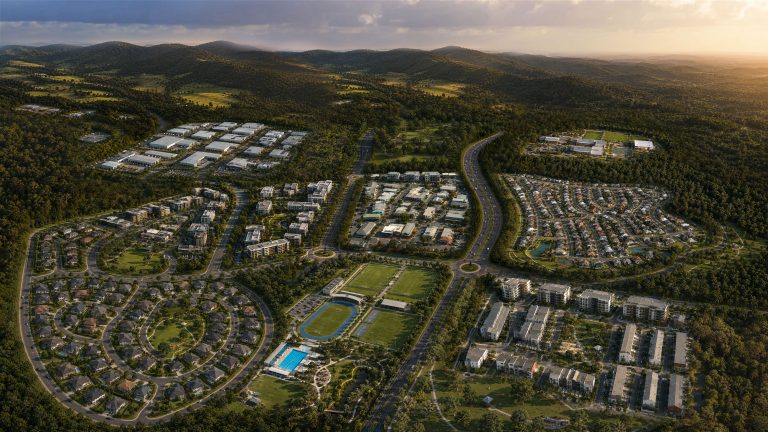
Coomera, Upper Coomera and Pimpama continue transitioning from predominantly residential growth areas into substantial employment markets.
Industrial and commercial development is following the population.
The fundamental drivers are significant:
- rapid population growth
- enormous residential construction pipelines
- direct Pacific Motorway access
- expanding local workforce
- proximity to Brisbane
- access to the broader Logan-Gold Coast industrial corridor
- demand for construction, automotive, trade and service businesses
- increasing pressure on established central Gold Coast industrial precincts
Council planning records continue to show activity around major commercial land adjoining the Pacific Highway at Coomera.
Operational works associated with Lot 2 Pacific Highway, Coomera remain within the development system, while works associated with neighbouring Lot 1 have also progressed through approval processes.
This is precisely the type of activity worth watching.
The long-term commercial story of the northern Gold Coast will increasingly be about building employment infrastructure to support a population base that has expanded far faster than the historic commercial property supply.
Pimpama is evolving beyond neighbourhood retail
Pimpama is another market to watch closely.
A development application currently progressing at 33 Nexus Drive, Pimpama proposes a House of Golf retail operation, indoor golf simulator facility and restaurant within the Coomera One development area.
The application is currently listed as an impact-assessable material change of use.
On its own, one development is not transformative.
But the type of development is important.
Large-format retail, recreation, hospitality, trade supply and commercial services are following the northern Gold Coast population northward.
For developers holding appropriately zoned land around Pimpama and Coomera, the opportunity is increasingly broader than conventional industrial sheds.
Owner-occupiers continue to compete aggressively for smaller industrial assets
One of the clearest themes across the Gold Coast remains strong owner-occupier demand.
Recent sales include industrial units and freehold properties across Molendinar, Arundel, Upper Coomera, Carrara, Currumbin and Burleigh Heads.
This market benefits from a structural constraint.
Many successful Gold Coast businesses would rather own their premises than face continually rising rents, but the number of modern industrial assets available for purchase remains limited.
That creates competition whenever appropriately sized stock appears.
It is particularly evident in the roughly 150 sqm to 500 sqm industrial category, where businesses can often purchase property through structures that make ownership attractive relative to long-term leasing.
Burleigh Heads remains extremely difficult to replace
Burleigh industrial property continues to command a premium because virtually no comparable central industrial land can be manufactured.
A 178 sqm warehouse at 3/55-57 Dover Drive, Burleigh Heads sold during August for $850,000.
That represents approximately $4,775 per sqm of building area before accounting for differences in office content, parking, strata area and other attributes.
Another property at 3/20 Dover Drive also transacted during July.
The continuing turnover is important because Burleigh's value is driven by scarcity as much as conventional rental fundamentals.
Businesses occupying the precinct gain direct access to:
- Burleigh Heads
- Miami
- Varsity Lakes
- Robina
- Palm Beach
- the M1
- the central and southern Gold Coast customer base
There is virtually no realistic opportunity to create another industrial estate with the same location.
That scarcity should continue supporting both rents and underlying land values.
Carrara freehold industrial property remains tightly held
Another notable August transaction occurred at 21 Keller Crescent, Carrara.
The approximately 1,080 sqm industrial property sold on 21 August after being offered with vacant possession.
Carrara is another relatively small industrial precinct where supply is heavily constrained by surrounding residential, sporting and commercial development.
Properties providing genuine freehold ownership in these established central locations are becoming increasingly difficult to secure.
That scarcity is likely to remain an important driver of future redevelopment and intensification.
Bought & Sold
Recent commercial and industrial transactions give a useful snapshot of the market.
3/8 Precision Drive, Molendinar
- Sold: 1 September 2026
- Price: $1.2 million
- Building: approximately 223 sqm
- Indicative building rate: approximately $5,381/sqm
- Vacant industrial unit
- Small three-unit complex
3/12 Distribution Avenue, Molendinar
- Sold: 2 September 2026
- Building: approximately 152 sqm
- Concrete tilt-panel industrial unit
- Tenant occupying month-to-month at the time of marketing
3/55-57 Dover Drive, Burleigh Heads
- Sold: 3 August 2026
- Price: $850,000
- Building: approximately 178 sqm
- Indicative building rate: approximately $4,775/sqm
- Located within the tightly held Burleigh industrial precinct
1/118 Brisbane Road, Labrador
- Sold: 4 August 2026
- Price: $4,000,001
- Building: approximately 821 sqm
- Prominent Brisbane Road position
- Owner-occupier potential
- Strong arterial exposure
49/8 Distribution Court, Arundel
- Sold: August 2026
- Building: approximately 191 sqm
- Modern industrial property within Arundel Business Park
195 Brisbane Road, Biggera Waters
- Sold: 18 August 2026
- Building: approximately 710 sqm
- Freehold commercial property
- High-exposure Brisbane Road position
- Rear hardstand and dual driveway access
1/18 Ferry Street, Nerang
- Sold: 20 August 2026
- Building: approximately 101 sqm
- Front-of-complex retail/office property
- Offered after several decades of ownership
21 Keller Crescent, Carrara
- Sold: 21 August 2026
- Approximately 1,080 sqm
- Vacant-possession freehold industrial property
9/3 Northward Street, Upper Coomera
- Sold: 24 August 2026
- Building: approximately 214 sqm
- Industrial unit within the Upper Coomera precinct
The geographical spread of these transactions is significant.
Activity is not isolated to one industrial estate.
Demand is evident from Burleigh in the south through the central industrial precincts and into Upper Coomera in the north.
Brisbane Road is becoming increasingly valuable commercial frontage
The August transactions at Biggera Waters and Labrador also highlight another Gold Coast trend.
Brisbane Road frontage is becoming increasingly valuable.
The corridor combines:
- enormous passing traffic
- proximity to Southport
- access to Labrador and Biggera Waters
- connection to Harbour Town
- established residential catchments
- industrial zoning
- bulky goods and showroom potential
- redevelopment potential
The sale of 1/118 Brisbane Road for just over $4 million demonstrates the value attached to substantial commercial exposure.
As surrounding residential values increase, older low-intensity commercial sites along major arterial roads are likely to attract increasing redevelopment interest.
Southport continues its transition into a genuine CBD
Southport remains one of the largest long-term commercial redevelopment opportunities on the Gold Coast.
Council's development system shows a number of significant proposals moving through the Southport Priority Development Area.
At 76 Marine Parade, an application proposes 316 multiple dwellings, 316 short-term accommodation units and a food and drink outlet.
The proposal is currently progressing through assessment.
Another application at 68 Nerang Street, Southport proposes showroom and low-impact industry uses within the PDA.
These proposals demonstrate the diversity of development now occurring within central Southport.
Residential density continues to rise, but the commercial and employment component will become increasingly important.
Every additional apartment tower adds demand for:
- medical space
- childcare
- gyms
- food and beverage
- professional services
- convenience retail
- storage
- maintenance services
- last-mile logistics
- commercial offices
Southport's commercial market therefore benefits indirectly from the continuing residential development cycle.
Robina continues strengthening as the Gold Coast's second major commercial centre
Robina remains fundamentally different from the traditional coastal strip.
It has become a major health, education, office and professional services cluster anchored by significant infrastructure and established residential catchments.
A current application associated with 75-77 Laver Drive, Robina proposes approximately 173 multiple dwellings.
Again, residential development contributes directly to the surrounding commercial ecosystem.
Robina increasingly benefits from the concentration of:
- Robina Town Centre
- Robina Hospital
- Bond University nearby
- professional offices
- medical operators
- education
- sporting infrastructure
- motorway access
For commercial property investors, the importance of these clusters is that employment and population reinforce one another.
Development Applications, Approvals & Projects Progressing Through Planning
Several projects currently moving through the Gold Coast planning system are worth watching.
76 Marine Parade, Southport
Proposed:
- 316 multiple dwellings
- 316 short-term accommodation units
- food and drink outlet
- Southport Priority Development Area
- currently in progress
68 Nerang Street, Southport
Proposed:
- showroom
- low-impact industry
- Southport Priority Development Area
- currently progressing through assessment
75-77 Laver Drive, Robina
Proposed:
- approximately 173 multiple dwellings
- Robina development approval process
- currently progressing through assessment
33 Nexus Drive, Pimpama
Proposed:
- House of Golf
- retail
- indoor golf simulator facility
- restaurant / food and drink outlet
- within the Coomera One development area
- currently under assessment
Pacific Highway, Coomera
Operational works and amendments continue across significant development land adjoining the Pacific Highway, showing continued progression of the northern Gold Coast commercial pipeline.
Industrial rents remain under pressure
Although individual rental outcomes vary dramatically between locations and building quality, the broader South East Queensland industrial market remains tight.
CBRE reported Brisbane industrial vacancy conditions continuing to support rental growth during Q1 2026, while industrial land values continued trending upward.
New supply remains constrained by land availability, construction costs and development feasibility.
Those broader conditions matter directly to the Gold Coast.
The Gold Coast has even less industrial land flexibility than many parts of metropolitan Brisbane.
Consequently, businesses frequently face three choices:
- pay higher rents in an established Gold Coast precinct;
- purchase their premises when an opportunity becomes available; or
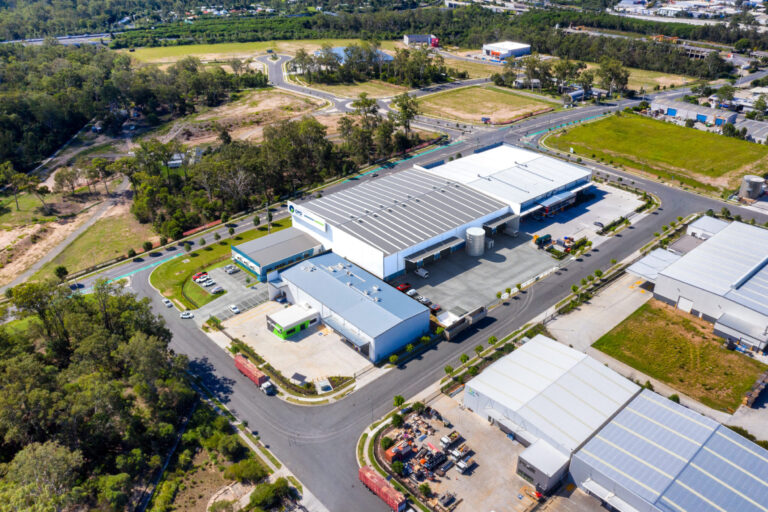
- migrate north toward larger industrial estates around Yatala, Stapylton and the northern corridor.
That dynamic is likely to become increasingly visible.
Yatala and Stapylton remain strategically important to the Gold Coast economy
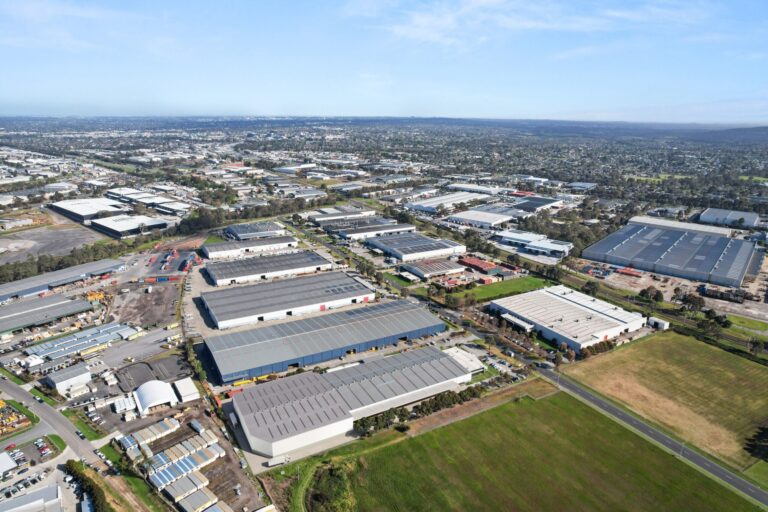
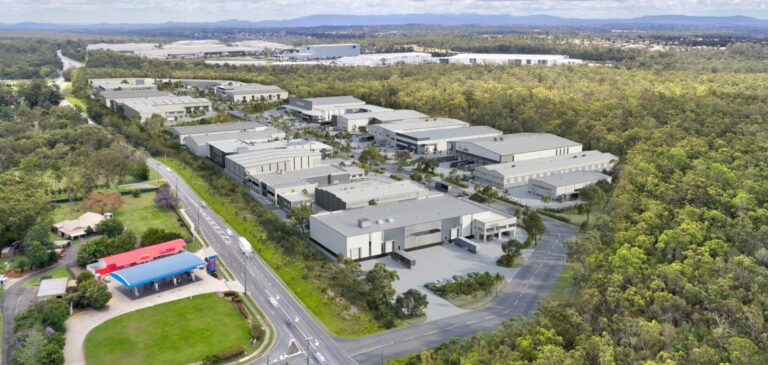
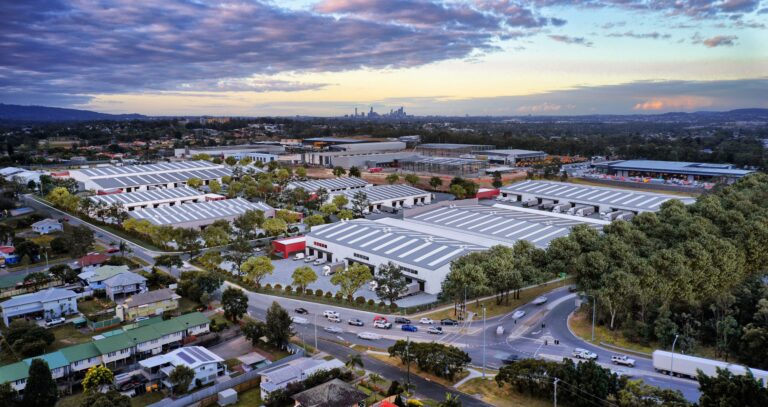
Although geographically positioned at the northern edge of the city, the Yatala Enterprise Area increasingly functions as both a Gold Coast and broader South East Queensland logistics hub.
Its importance comes from scale.
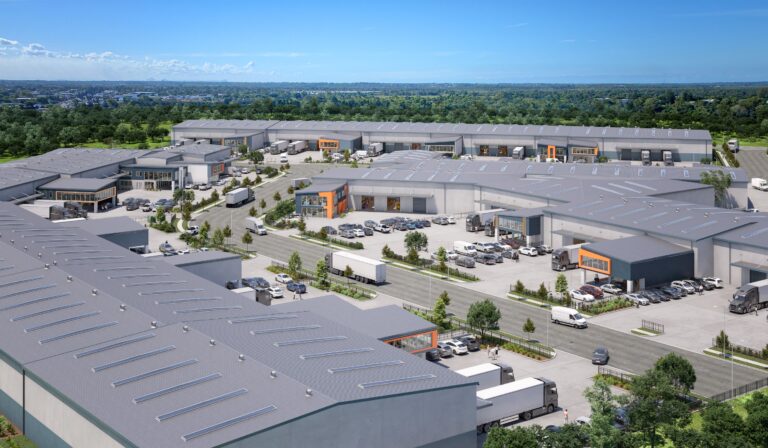
Unlike Burleigh, Molendinar or Arundel, Yatala and Stapylton can accommodate:
- major distribution centres
- manufacturing
- large-format warehouses
- truck access
- substantial hardstand
- larger land holdings
- regional logistics operations
The corridor's position between Brisbane and the Gold Coast makes it particularly attractive to businesses serving both markets.
That structural advantage is unlikely to disappear.
The key issue is becoming industrial land, not simply industrial buildings
The most important Gold Coast industrial story may ultimately be the underlying land supply.
Existing industrial buildings can be refurbished.
Older facilities can be redeveloped.
Industrial estates can be intensified.
But new central Gold Coast industrial land is extremely difficult to create.
Residential development has consumed much of the city's developable land while environmental constraints, flood considerations, topography and infrastructure requirements reduce the realistic industrial pipeline further.
That increases the strategic importance of every established industrial precinct.
Development pressure will increasingly favour higher site coverage
Historically, many Gold Coast industrial properties were developed at relatively low densities.
That is unlikely to continue indefinitely.
As land values rise, new projects increasingly need to maximise usable floor area.
Expect more:
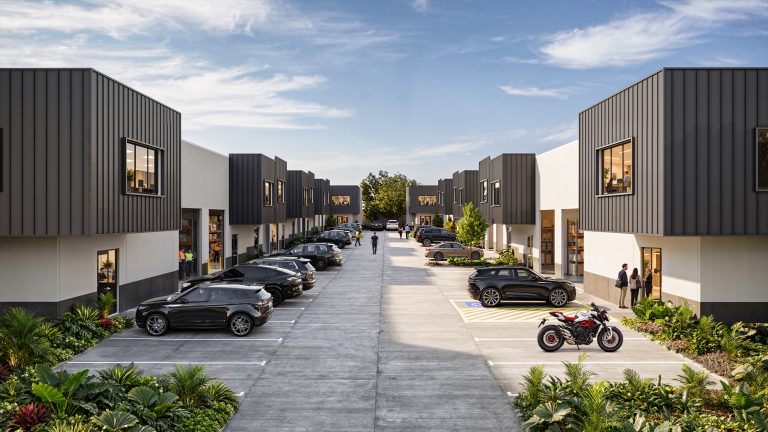
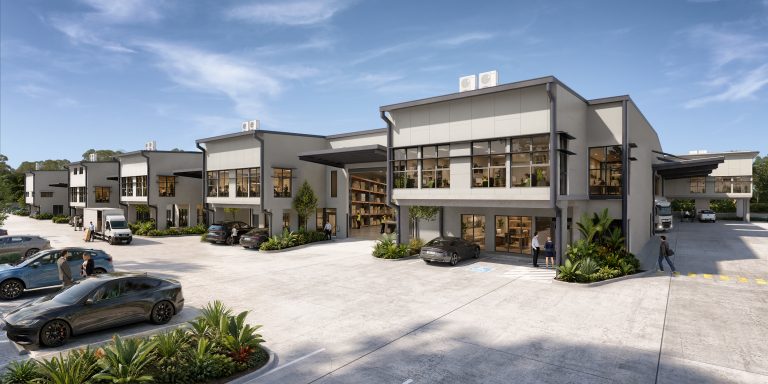
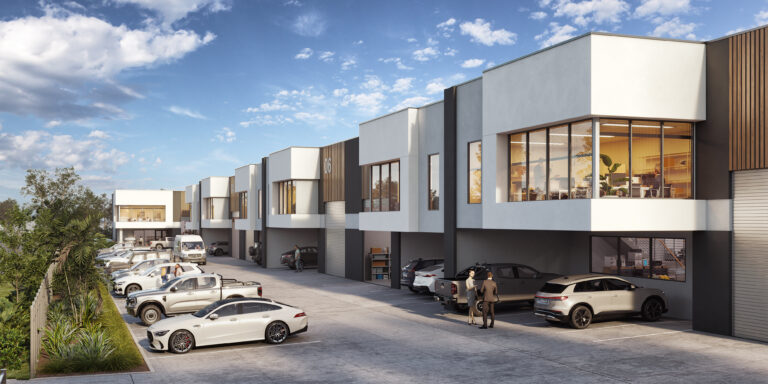
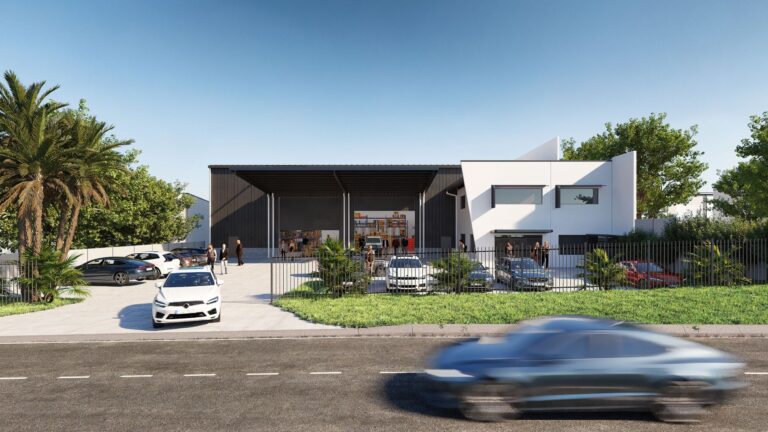
- multi-unit industrial estates
- higher warehouse site coverage
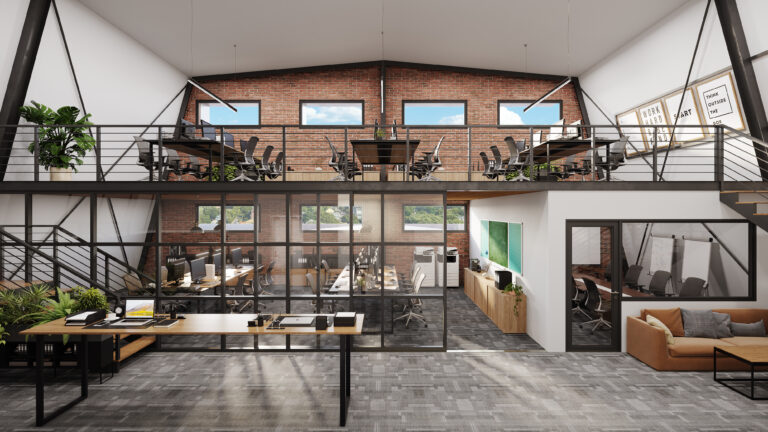
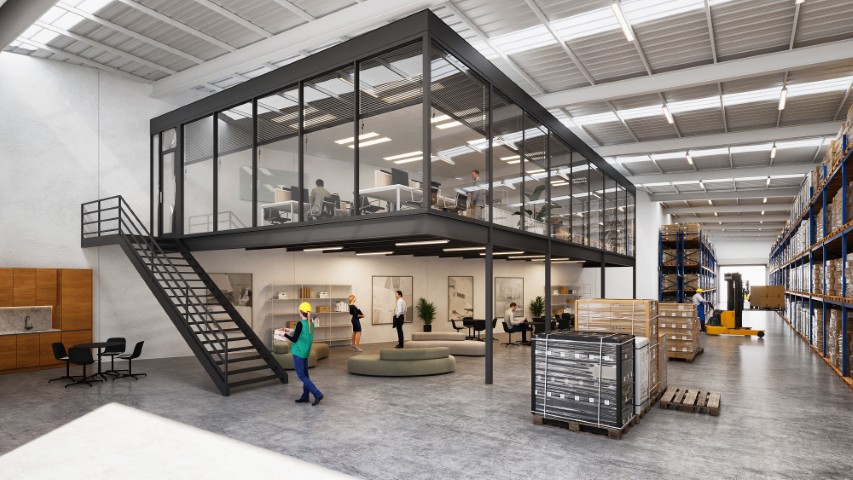
- mezzanine offices
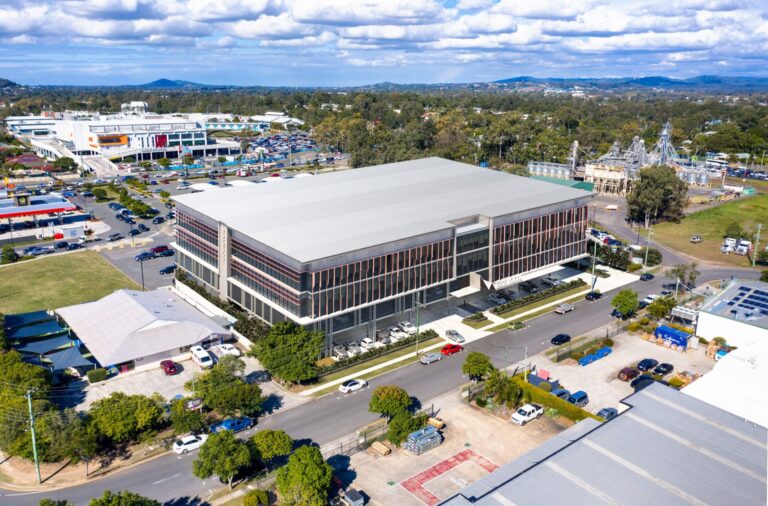
- stacked office components
- smaller individual lots
- shared access arrangements
- reduced hardstand relative to older estates
- higher-quality architectural presentation
Large, low-coverage industrial sites may therefore become particularly valuable redevelopment opportunities.
Small industrial strata remains one of the deepest buyer markets
Small industrial strata is sometimes overlooked when analysing institutional commercial property markets, but on the Gold Coast it represents an enormous part of the market.
The buyer pool includes:
- builders
- electricians
- plumbers
- mechanical businesses
- e-commerce companies
- automotive operators
- wholesalers
- storage users
- investors
- trades
- manufacturers
- small logistics companies
This buyer pool is extremely broad.
It also helps explain why well-positioned industrial units can command surprisingly high rates per square metre.
The purchaser is often comparing ownership against operating their business from leased premises rather than analysing the property purely as an investment yield.
Infrastructure continues to reshape commercial property demand
Population growth requires employment infrastructure.
Transport upgrades across the Gold Coast and the northern corridor will continue reshaping where businesses are prepared to operate.
Improved accessibility increases the viability of previously peripheral locations.
This is particularly important for:
- Coomera
- Pimpama
- Upper Coomera
- Helensvale
- Yatala
- Stapylton
As these areas become more connected and their surrounding populations increase, commercial development becomes progressively more viable.
The Gold Coast commercial market is becoming more decentralised
The Gold Coast does not have one single commercial centre.
Instead, multiple employment nodes are becoming increasingly specialised.
Southport
CBD, government, medical, professional services, retail and high-density development.
Robina
Health, office, education, retail and professional services.
Burleigh Heads
Premium industrial, creative businesses, food production, trade services and mixed commercial uses.
Molendinar and Arundel
Core central industrial, warehousing, manufacturing, trade and service industries.
Nerang and Carrara
Industrial, trade, automotive and local service businesses.
Coomera and Pimpama
Rapidly expanding population-driven commercial and industrial development.
Yatala and Stapylton
Large-scale industrial, manufacturing and logistics.
This decentralised structure gives developers multiple entry points into the market.
What developers and landowners should watch
Several themes look particularly important heading into the final months of 2026.
Industrial land scarcity
The lack of appropriately serviced industrial land will continue influencing pricing and development feasibility.
Owner-occupier demand
Smaller industrial buildings remain highly liquid when correctly priced.
Northern corridor development
Coomera, Pimpama, Upper Coomera and Yatala should continue capturing business activity.
Southport intensification
Every major residential project strengthens the surrounding commercial economy.
Health and medical
Population ageing and growth continue supporting medical and allied health property.
Large-format retail and recreation
Population growth in the north is creating opportunities well beyond conventional shopping centres.
Redevelopment of older industrial sites
Low-site-coverage freeholds could increasingly attract developers seeking to create modern strata industrial estates.
The bigger Gold Coast property story
The strongest feature of the Gold Coast commercial market is not one transaction or one development.
It is the scale of structural change underway.
The city is becoming larger, denser and economically more diverse.
That creates demand for considerably more than apartments and retail.
Every new resident ultimately requires a supporting commercial ecosystem:
- warehouses
- logistics
- medical facilities
- workplaces
- trade suppliers
- automotive businesses
- food production
- construction services
- childcare
- offices
- storage
- retail
- hospitality
The Gold Coast's population growth therefore feeds directly into commercial property demand.
Industrial property is particularly well positioned because the amount of land available to satisfy that demand remains limited.
What this means for Gold Coast property projects
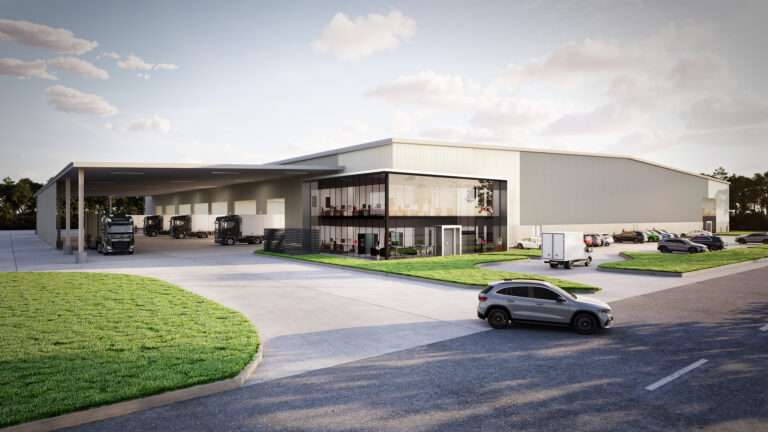
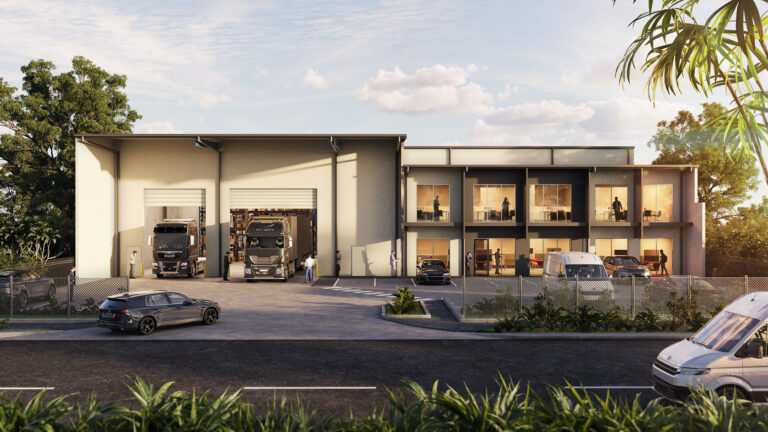
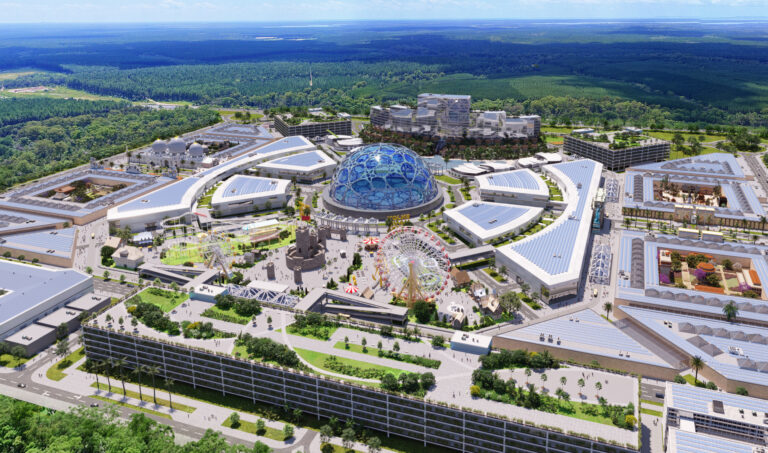
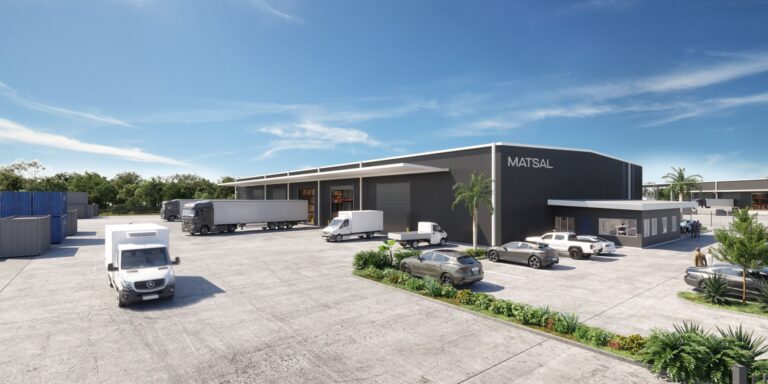
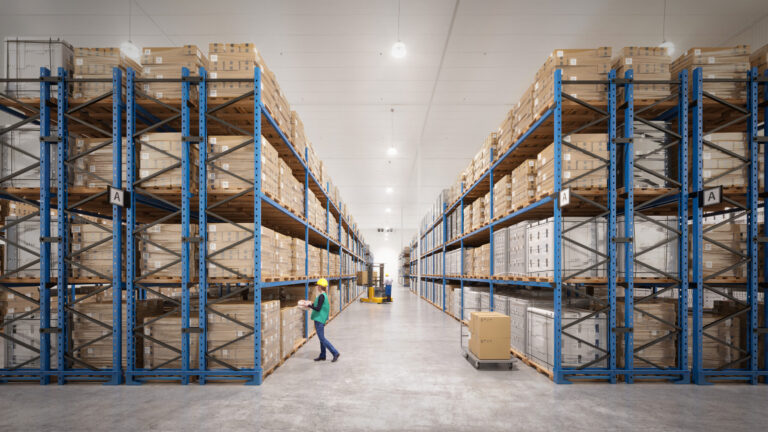
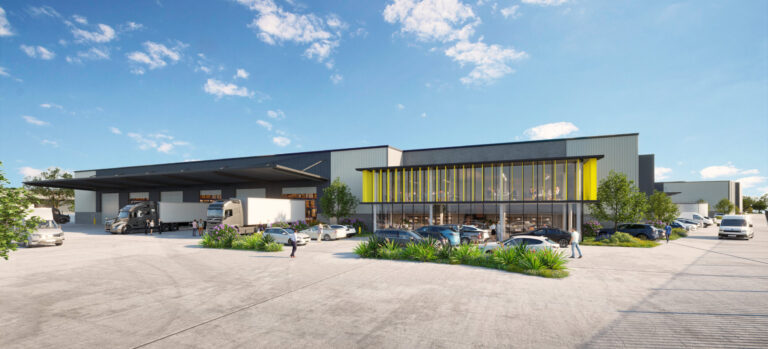
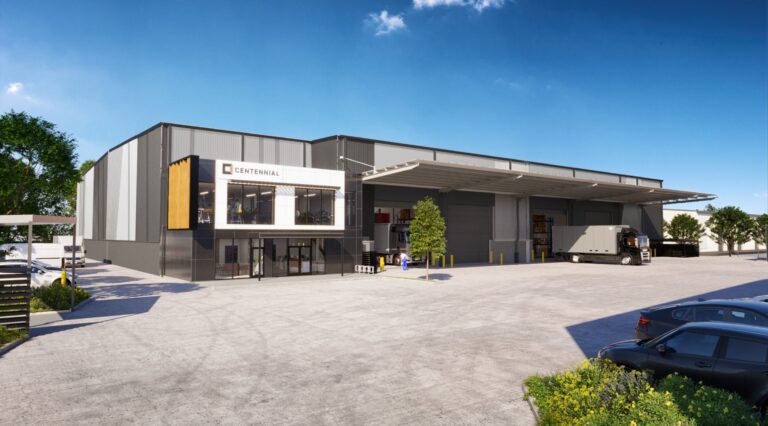
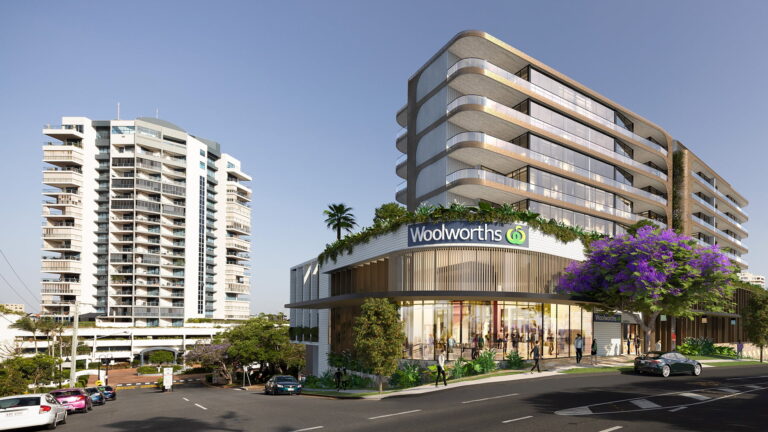
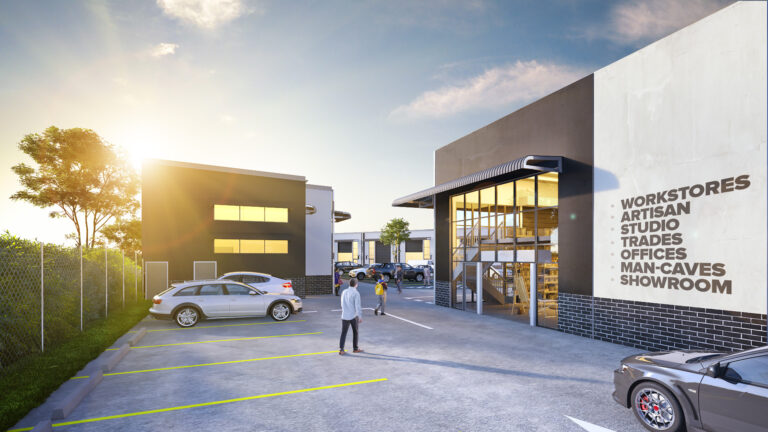
For landowners and developers, the opportunity is increasingly about making the value and potential of a project clear before the finished product exists.
Strong project positioning can help:
- establish a higher perceived land value
- demonstrate the commercial potential of difficult-to-visualise sites
- generate leasing enquiries before construction
- build buyer demand before completion
- explain future industrial estates clearly
- support stakeholder and planning presentations
- demonstrate scale, access and surrounding infrastructure
- accelerate pre-sales and pre-leasing
- reduce uncertainty around proposed development
- position projects against competing supply
As competition for commercial and industrial land increases, the ability to communicate a project's future value becomes increasingly important.
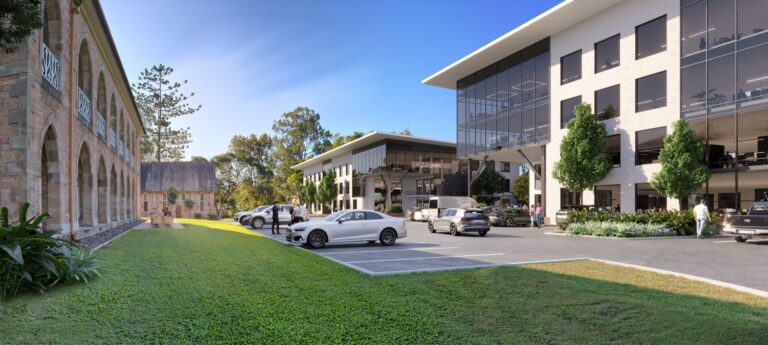
Commercial Property Marketing works with commercial and industrial developers across Australia to turn plans, land and future developments into clear, marketable property opportunities.
More Gold Coast commercial property resources
For developers, landowners and agents bringing property to market in Gold Coast, explore Commercial Property Marketing Gold Coast, Industrial Land Marketing Gold Coast, 3D Renders Gold Coast.
For market updates across Australia, visit Commercial Property News Australia.