






Adelaide property market archive — July 2026. This article records market activity from that period. For the latest Adelaide commercial and industrial property coverage, see the latest Adelaide market update, or browse Commercial Property News Australia.
Adelaide's commercial property market enters FY27 with defence, manufacturing and logistics driving growth
Adelaide has entered the new financial year with solid momentum across its commercial and industrial property markets, supported by major defence commitments, advanced manufacturing investment, infrastructure spending and continued demand for modern logistics facilities.
Industrial property remains one of the city's strongest sectors. Adelaide's relative affordability compared with Sydney and Melbourne continues to attract investors and owner-occupiers, while major long-term projects associated with defence and the energy transition are changing the scale of demand across several employment corridors.
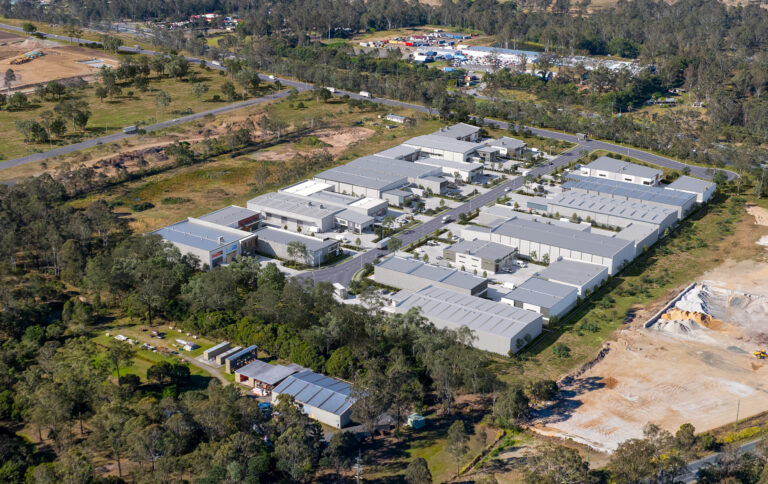
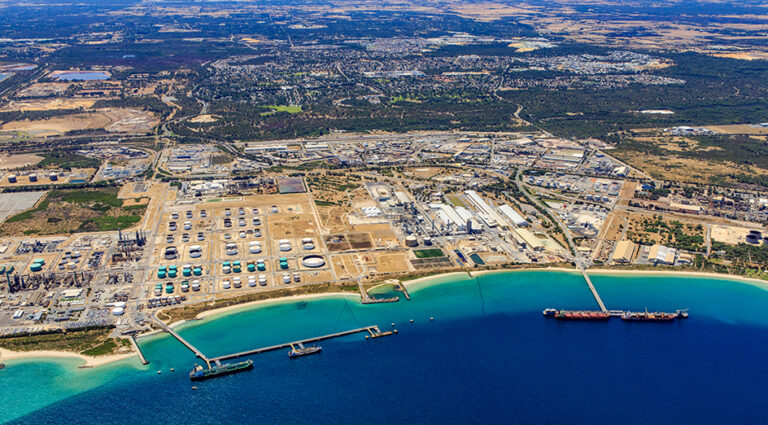
The northern and north-western industrial markets remain particularly important. Edinburgh, Wingfield, Regency Park, Gillman and surrounding precincts continue benefiting from logistics and manufacturing activity, while Osborne and the broader Lefevre Peninsula remain central to South Australia's defence-led growth story.
For developers, the key question is increasingly not whether Adelaide will grow, but where new employment, infrastructure and supply-chain investment will create the next concentration of commercial property demand.
Adelaide market snapshot
- Industrial and logistics property continues attracting strong occupier demand.
- Defence investment is creating a significant long-term pipeline for Adelaide.
- Advanced manufacturing remains a major growth sector.
- Northern Adelaide continues strengthening as an employment corridor.
- Owner-occupiers remain active in the sub-$10 million industrial market.
- Modern warehouses continue outperforming older secondary stock.
- Industrial land with strong transport access remains highly sought after.
- Private investors continue targeting securely leased industrial assets.
- Infrastructure spending is supporting confidence across key employment precincts.
- Osborne and Edinburgh remain two of the most important locations to watch.
Industrial property remains one of Adelaide's strongest sectors
Adelaide's industrial market continues benefiting from a broad mix of occupiers rather than relying on a single sector.
Demand is coming from:
- Defence contractors
- Engineering businesses
- Advanced manufacturers
- Transport and logistics companies
- Construction suppliers
- Food manufacturers
- Mining services businesses
- Trade wholesalers
- Storage and distribution operators
The strongest competition continues to be for functional modern accommodation.
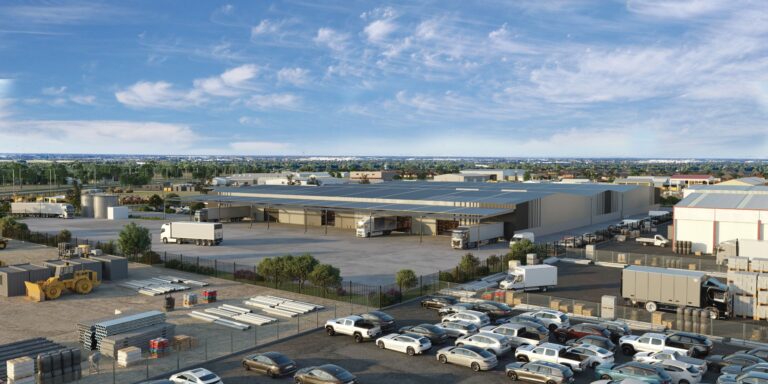
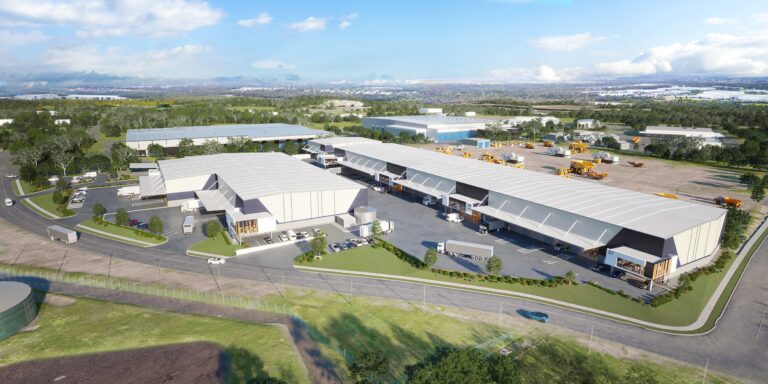
Occupiers are increasingly looking for high internal clearance, good truck circulation, substantial power, efficient loading areas, secure yards and office accommodation capable of supporting modern workforces.
Older industrial buildings can still perform well where location is exceptional, but the difference between premium and secondary stock is becoming increasingly apparent.
Osborne is becoming one of Australia's most important defence property markets
Few locations illustrate Adelaide's changing economy better than Osborne.
The Osborne Naval Shipyard and surrounding industrial precinct are at the centre of Australia's long-term naval shipbuilding strategy, with AUKUS and associated defence programs expected to support investment over decades rather than years.
That has implications far beyond the shipyard itself.
A growing defence ecosystem requires:
- Engineering companies
- Specialist manufacturers
- Technology businesses
- Fabricators
- Warehousing
- Logistics
- Training facilities
- Research organisations
- Professional services
- Supply-chain businesses
Not every defence supplier needs to be located directly beside the shipyard. This creates the potential for demand to spread through surrounding north-western industrial markets as the supply chain expands.
For commercial property owners, this is one of Adelaide's most important long-term trends.
Edinburgh and northern Adelaide continue gaining momentum
Edinburgh and the broader northern employment corridor remain another major focus.
The combination of defence, aerospace, manufacturing, logistics and comparatively available employment land gives northern Adelaide a development proposition that is difficult to replicate closer to the CBD.
Businesses are increasingly attracted by:
- Large industrial sites
- Access to major road networks
- Proximity to defence facilities
- Availability of skilled workers
- Manufacturing infrastructure
- Lower occupancy costs than many eastern-state markets
Edinburgh Parks remains particularly important as advanced manufacturing and defence-related activity expands.
Over time, increasing employment across the north should also support surrounding retail, healthcare, office and service-commercial development.
Wingfield remains one of Adelaide's industrial workhorses
Wingfield continues to perform as one of Adelaide's most established heavy industrial locations.
Its strategic position close to major freight routes, Port Adelaide and the northern industrial corridor makes it particularly attractive to transport, recycling, construction, engineering and manufacturing businesses.
Demand remains strongest for properties offering:
- Large secure yards
- Heavy vehicle access
- Functional workshops
- Significant power
- Hardstand
- Crane capability
- Good access to freight routes
These operational characteristics are becoming increasingly valuable as businesses prioritise efficiency over simply securing the cheapest available building.
Gillman continues attracting developer attention
Gillman remains one of Adelaide's most interesting longer-term industrial markets.
Its proximity to Port Adelaide and extensive employment land creates opportunities for larger-scale logistics, manufacturing and infrastructure-related development.
As industrial land becomes more difficult to secure in established precincts, locations capable of accommodating substantial facilities are likely to become increasingly valuable.
Gillman's position within the broader Port Adelaide industrial ecosystem makes it particularly relevant to businesses connected with freight, defence, energy and manufacturing.
Logistics demand continues evolving
Adelaide's logistics market continues changing as businesses modernise supply chains.
The days of simply needing a basic shed are disappearing for many larger operators.
Occupiers increasingly require:
- Higher warehouse clearance
- Greater loading efficiency
- More hardstand
- Larger truck manoeuvring areas
- Better staff facilities
- Improved energy efficiency
- Solar generation
- EV infrastructure
- Modern warehouse management capability
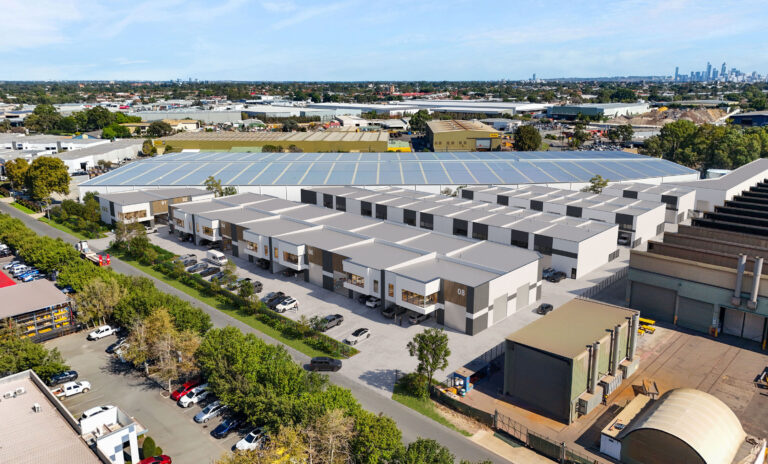
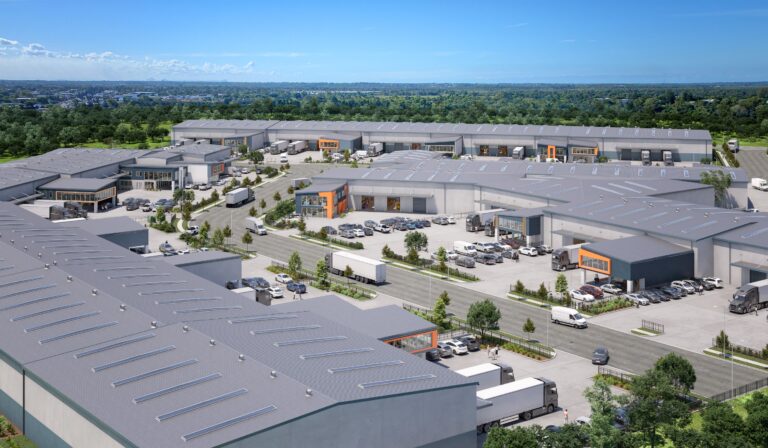
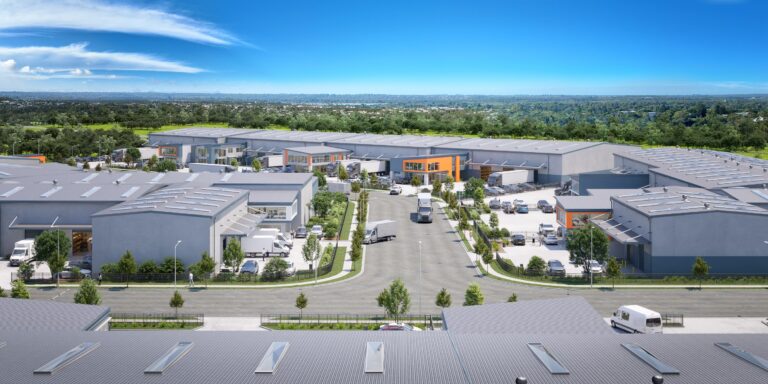
This is creating opportunities for developers capable of delivering next-generation logistics facilities in strategic locations.
Advanced manufacturing becomes increasingly important
Adelaide's manufacturing sector is undergoing a significant transformation.
Traditional manufacturing remains important, but investment is increasingly moving toward high-value industries including:
- Defence technology
- Aerospace
- Robotics
- Autonomous systems
- Electronics
- Space technology
- Renewable energy equipment
- Precision engineering
These businesses often require a different type of industrial property.
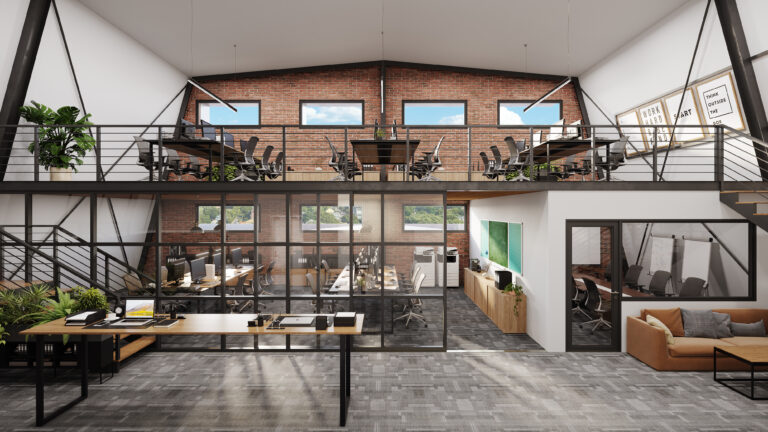
Rather than enormous traditional factories, many need combinations of laboratory, office, production, assembly and warehouse space.
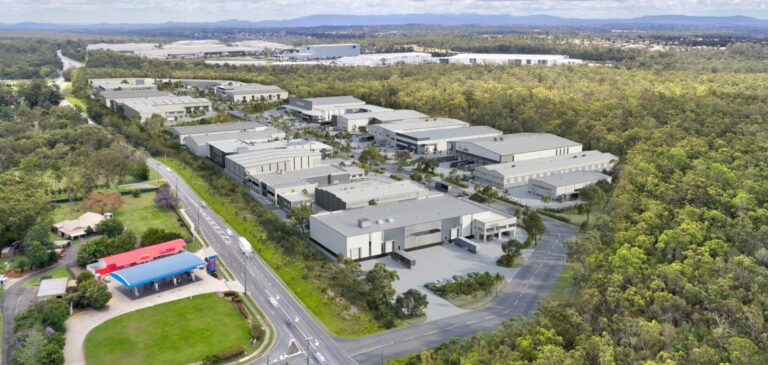
That creates opportunities for specialised business parks and high-tech industrial developments capable of accommodating these emerging industries.
Adelaide's space and technology economy continues expanding
South Australia has deliberately positioned itself as a centre for Australia's space industry.
The Australian Space Discovery Centre and broader technology ecosystem around Lot Fourteen have helped create an increasingly visible cluster of space, defence and technology businesses.
The property impact extends beyond CBD office accommodation.
Growing technology businesses eventually require testing, assembly, research, manufacturing and logistics facilities, creating another source of demand for specialised industrial accommodation.
Commercial office market continues its flight to quality
Adelaide's office market continues showing a clear divide between premium and secondary accommodation.
Businesses are increasingly prioritising buildings offering:
- High-quality fit-outs
- Sustainability credentials
- End-of-trip facilities
- Natural light
- Flexible floorplates
- Staff amenities
- Strong public transport connectivity
Rather than abandoning offices entirely, many organisations are using workplace quality as a tool for attracting employees back into the office.
This continues supporting newer and refurbished premium assets while increasing pressure on older secondary buildings.
For owners of ageing commercial stock, repositioning and refurbishment will become increasingly important.
Port Adelaide continues its transformation
Port Adelaide remains one of Adelaide's most interesting mixed commercial markets.
The area combines:
- Heavy industry
- Defence
- Logistics
- Maritime businesses
- Residential development
- Retail
- Tourism
- Urban renewal
This mixture creates a very different investment proposition from a conventional industrial suburb.
Continued residential development is increasing the local population while major employment investment around the port is simultaneously strengthening the commercial base.
That combination could create substantial opportunities for retail, hospitality, healthcare and service-commercial development over the longer term.
Infrastructure continues supporting industrial growth
Adelaide's infrastructure pipeline remains critical to its commercial property outlook.
Major investment affecting employment markets includes:
- North-South Corridor works
- Port infrastructure
- Defence infrastructure at Osborne
- Northern Adelaide road improvements
- Freight network investment
- Renewable energy infrastructure
- Advanced manufacturing precincts
- Health and education investment
The North-South Corridor is particularly significant.
Improved north-south connectivity has the potential to substantially improve freight movement between Adelaide's major industrial precincts, port infrastructure and southern metropolitan areas.
For industrial property, transport efficiency directly influences site value.
Energy transition creates another industrial growth sector
South Australia's leadership in renewable energy is creating another layer of commercial property demand.
The energy transition requires physical infrastructure.
That includes land and buildings for:
- Battery technology
- Electrical equipment
- Renewable energy components
- Engineering
- Maintenance
- Energy storage
- Hydrogen-related industries
- Specialist logistics
Adelaide is therefore increasingly positioned at the intersection of defence, manufacturing and renewable energy investment.
That combination could become one of the city's strongest commercial property advantages.
Rental growth remains positive
Industrial rents remain supported by strong demand for quality accommodation and comparatively limited supply in established precincts.
The strongest rental performance continues to be associated with properties offering genuinely useful operational features rather than simply good presentation.
Large yards, power availability, heavy vehicle access and efficient warehouse layouts can materially influence rental outcomes.
Construction costs also remain an important factor.
High replacement costs make existing quality buildings increasingly valuable, while developers need stronger rental outcomes to justify new construction.
Owner-occupiers remain a major force
One of Adelaide's industrial market strengths remains its owner-occupier base.
Established businesses continue seeing property ownership as both an operational decision and a long-term investment.
This creates competition for smaller and mid-sized industrial assets, particularly in established locations.
Properties offering flexibility are particularly attractive because businesses can occupy immediately while retaining future expansion or redevelopment potential.
Investor activity remains strong
Adelaide continues attracting interstate capital looking for relatively attractive yields compared with Sydney and Melbourne.
Investor demand remains particularly strong for:
- Modern industrial facilities
- Securely leased warehouses
- Logistics assets
- Medical property
- Neighbourhood retail
- Long-income commercial assets
- Properties with future redevelopment potential
Adelaide's growing institutional profile is important because it gradually changes expectations around asset quality, sustainability and lease structure.
What developers should watch during H2 2026
The second half of 2026 should be particularly interesting for Adelaide's commercial property market.
Key themes to watch include:
- AUKUS-related investment moving further into the supply chain.
- Continued expansion around Osborne.
- Defence and aerospace growth around Edinburgh.
- Increasing demand for specialised advanced manufacturing facilities.
- Continued pressure on well-located industrial land.
- Logistics expansion around northern and north-western Adelaide.
- Infrastructure improvements changing freight accessibility.
- Energy-transition projects generating new industrial requirements.
- Continued investor interest from interstate capital.
- Increasing separation between premium and secondary commercial assets.
One of the biggest opportunities may be identifying where major defence and infrastructure expenditure creates secondary demand.
The headline projects receive most of the attention, but thousands of businesses supplying those projects need somewhere to operate.
That is where commercial property opportunities can spread well beyond the immediate project boundaries.
Adelaide's commercial property outlook
Adelaide enters the second half of 2026 with fundamentals that look increasingly different from those of a decade ago.
The city is developing nationally significant capabilities across defence, advanced manufacturing, renewable energy, aerospace and technology while retaining a comparatively affordable industrial property market.
That creates an attractive combination.
The strongest opportunities are likely to remain around established industrial precincts with excellent infrastructure, together with emerging employment locations capable of accommodating the next generation of manufacturers and logistics operators.
For developers and landowners, understanding these employment shifts early will be critical.
Position your Adelaide project ahead of the market
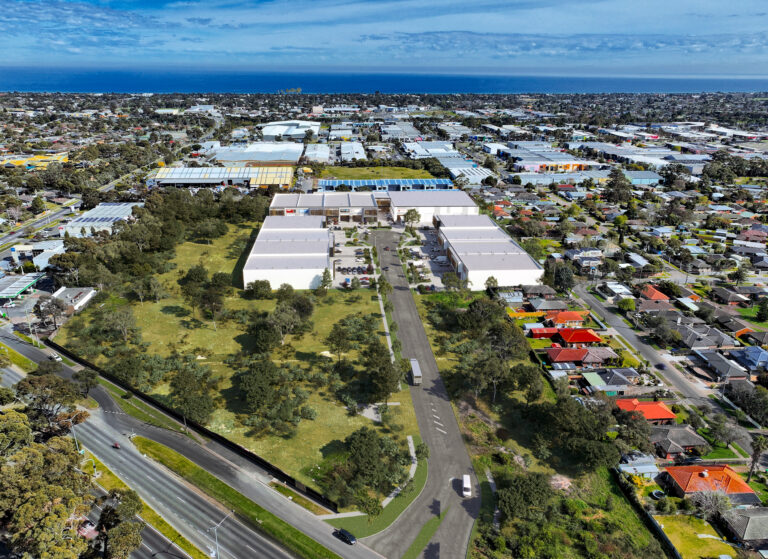
As investment increases, simply putting commercial land or a future industrial development on the market is rarely enough to communicate its full potential.
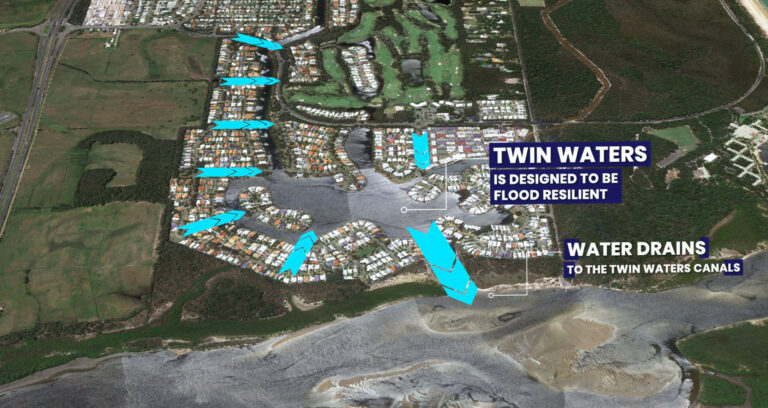
The strongest campaigns help buyers, tenants and investors understand what a project can become, how it connects to surrounding infrastructure and why the location matters.
Commercial Property Marketing works with commercial and industrial projects across Australia to help:
- Increase the perceived and realised value of development land.
- Accelerate pre-sales and pre-leasing before construction.
- Turn undeveloped sites into opportunities buyers can immediately understand.
- Generate stronger enquiry from tenants, investors and owner-occupiers.
- Give agents better material to take directly to the market.
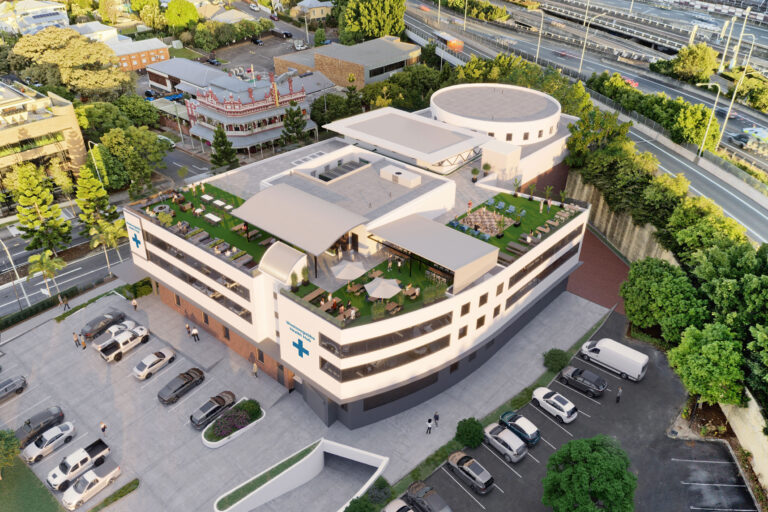
- Communicate future estates and buildings before they physically exist.
- Improve stakeholder and investor understanding of complex projects.
- Differentiate developments competing for the same buyers and tenants.
- Reduce the time between project launch and commercial commitment.
- Ultimately extract more value from commercial and industrial property.