



Darwin property market archive — July 2026. This article records market activity from that period. For the latest Darwin commercial and industrial property coverage, see the latest Darwin market update, or browse Commercial Property News Australia.
Darwin enters FY27 with defence, logistics and industrial investment firmly in focus
Darwin's commercial and industrial property market has entered FY2026/27 with renewed activity across investment sales, industrial development and strategic infrastructure.
The Northern Territory capital remains a comparatively small commercial property market, but its strategic importance continues to grow. Defence investment, energy and resources projects, logistics infrastructure and Darwin's proximity to Asian markets are creating a very different investment story from most Australian capitals.
Industrial property remains central to that story.
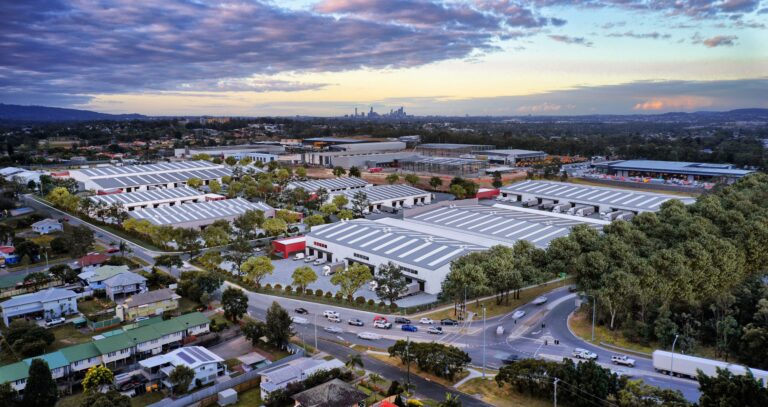
Demand continues to concentrate around East Arm, Berrimah, Winnellie and Pinelands, where businesses servicing defence, transport, construction, resources and logistics require warehouses, workshops, hardstand and operational facilities.
July also provided further evidence of investor appetite for Darwin property, with significant transactions around Parap and Berrimah adding to recent CBD investment.
At the same time, new warehouse proposals in Berrimah and significant development activity across the wider Darwin region point to continued investment in employment-generating property.
Darwin market snapshot
Industrial investment activity remains strong for quality assets.
Berrimah continues attracting warehouse and industrial development.
Defence expenditure remains one of Darwin's largest long-term economic drivers.
East Arm continues strengthening as a logistics and freight hub.
Secure hardstand and operational industrial property remain particularly valuable.
Port, rail and airport infrastructure continue underpinning investment.
Resources projects across the Territory are generating secondary demand in Darwin.
Limited modern industrial supply continues supporting quality assets.
Private investors remain attracted to Darwin's comparatively strong commercial yields.
Government and defence-related occupiers remain important to the commercial office market.
Bought & Sold: notable Darwin commercial property transactions
July and the weeks surrounding the start of FY27 produced several notable transactions demonstrating continuing investor confidence in Darwin's commercial and industrial market.
One of the most significant was an off-market industrial transaction on Pruen Road, Berrimah, which changed hands for approximately $7.35 million.
The transaction is particularly relevant because Berrimah remains one of Darwin's strongest industrial locations, positioned between Darwin and Palmerston with excellent access to the Stuart Highway and major employment areas.
Large-scale industrial investment transactions are relatively infrequent in Darwin compared with Australia's eastern capitals, making deals of this size a useful indicator of investor confidence.
Another major transaction involved the United service station at Parap, which reportedly sold for approximately $7.8 million.
The Stuart Highway property achieved what was reported as a record price for a standalone service station in the Northern Territory.
Its combination of major-road exposure, established income and a secure lease demonstrates the continuing appetite for well-located commercial investments backed by strong tenant covenants.
These transactions followed another significant recent Darwin acquisition.
The Darwin Galleria at 35–39 The Mall was acquired by Paspaley Group for approximately $8.35 million in June.
The property comprises a site of approximately 3,390m² with around 1,877m² of built area and occupies a strategic position within the Smith Street Mall precinct.
Paspaley already controls other significant property interests nearby, making the acquisition particularly interesting from a longer-term CBD revitalisation perspective.
Together, these transactions show several distinct areas of investor interest:
High-exposure service-commercial property.
Large industrial holdings in Berrimah.
Strategic CBD landholdings.
Secure income-producing assets.
Properties with longer-term repositioning potential.
For a relatively small investment market, more than $23 million across these three transactions provides a useful indication that well-positioned Darwin commercial property continues attracting capital.
Development applications, approvals & projects progressing through planning
Planning activity during July also highlighted continued investment across Darwin's industrial and commercial markets.
Importantly, not every project appearing during the month had received final approval by 31 July. Several significant applications were progressing through the Northern Territory planning system, and these are worth watching because they indicate where developers are positioning future capital.
1 Lew Fatt Street, Berrimah – warehouse and light industry
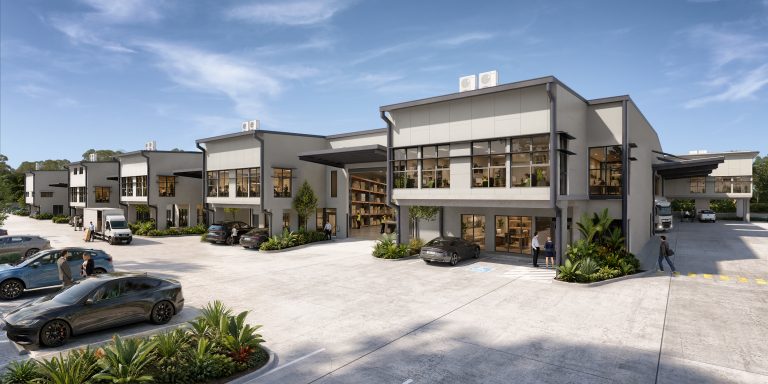
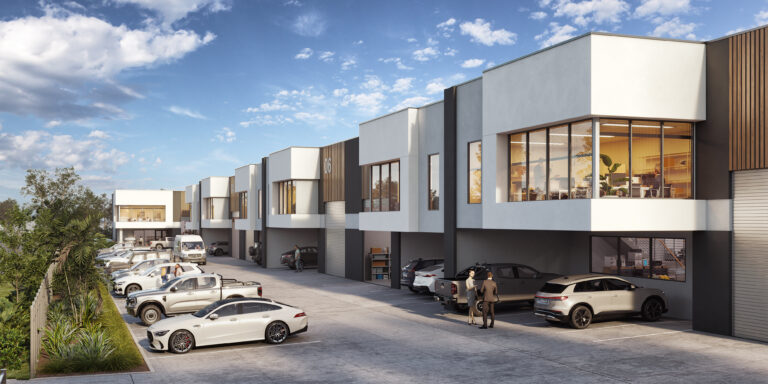
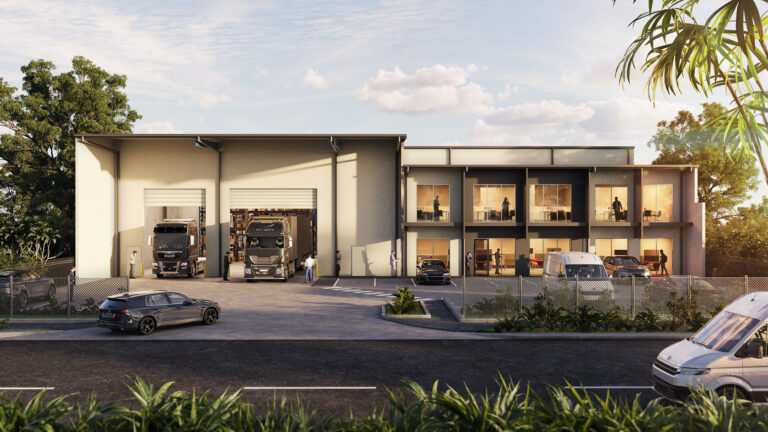
A development application for 1 Lew Fatt Street, Berrimah proposed a warehouse and light-industrial development with ancillary office accommodation.
The site is within the Berrimah industrial area and the application progressed through public exhibition into early July.
The proposal reinforces the continuing demand for modern operational industrial accommodation within one of Darwin's most strategically located employment precincts.
22 Vaughan Street, Berrimah – new warehouse
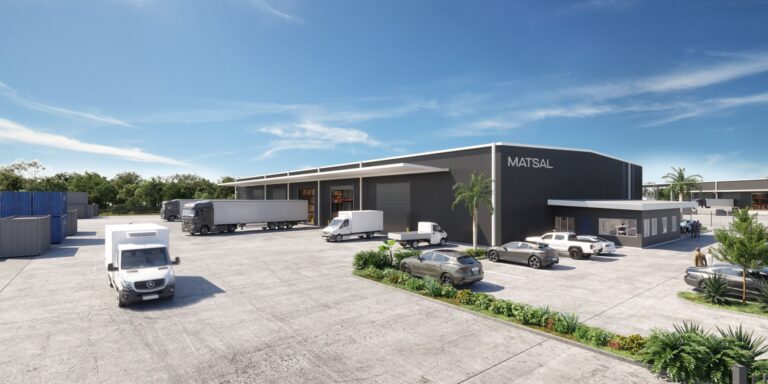
Another Berrimah application proposed a new warehouse at 22 Vaughan Street.
The application was exhibited through to 10 July 2026.
While comparatively straightforward, developments like this are important to Darwin's industrial market because new warehouse supply remains relatively limited compared with larger Australian cities.
Additional modern accommodation entering established industrial locations can therefore have an outsized impact on occupier choice.
7 Palmerston Circuit, Palmerston City – commercial precinct change
A proposal at 7 Palmerston Circuit sought changes to an existing approval, converting 22 approved hotel/motel suites into 22 two-bedroom multiple dwellings together with internal layout changes.
The application was exhibited through July.
Although primarily residential in nature, the proposal demonstrates the continuing repositioning of property within Palmerston's central business district as developers respond to changing market demand.
Berrimah self-storage expansion – approved earlier in the current development cycle
Another project worth watching is the approved variation at 16 Bowerlee Road, Berrimah, involving the addition of 30 caravan ports across two single-storey buildings to an existing warehouse/self-storage operation.
The project reflects growing demand for storage-oriented commercial property and reinforces Berrimah's increasingly diverse industrial occupier base.
Why Berrimah is one of Darwin's hottest commercial property markets
Berrimah continues to emerge as one of the most active areas in Darwin's commercial and industrial property market.
The combination of a $7.35 million industrial transaction and multiple warehouse development applications illustrates the depth of activity within the precinct.
Its major advantages include:
Stuart Highway connectivity.
Central position between Darwin and Palmerston.
Access to East Arm and the Port of Darwin.
Proximity to Darwin International Airport.
Established industrial zoning.
Large commercial and industrial landholdings.
Access to defence and government employment.
Strong trade and service-industry demand.
For businesses that need to service the entire Darwin metropolitan area, Berrimah offers a particularly strategic location.
Industrial property remains central to Darwin's growth story
Darwin's industrial market is heavily influenced by the industries supporting Northern Australia's economy.
Demand continues coming from:
Defence contractors
Transport operators
Logistics companies
Mining services
Energy businesses
Engineering companies
Construction suppliers
Equipment hire businesses
Marine industries
Government contractors
Unlike many metropolitan warehouse markets, external operational space can be just as important as the building itself.
Businesses frequently require substantial hardstand, secure compounds, heavy vehicle access and areas capable of accommodating machinery, equipment and project materials.
That makes well-designed industrial land particularly valuable.
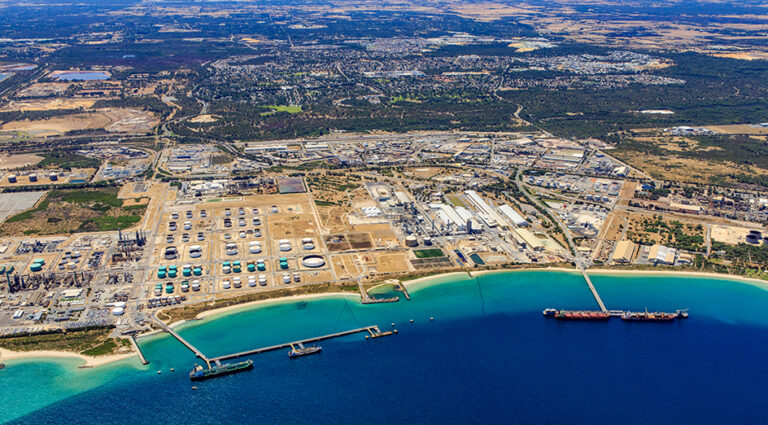
East Arm remains Darwin's strategic industrial powerhouse
East Arm continues to be one of Northern Australia's most strategically important industrial locations.
The precinct's direct relationship with the Port of Darwin, rail freight infrastructure and major road networks gives it a unique role within the Territory economy.
Its competitive advantages include:
Deep-water port access.
Interstate rail connectivity.
Heavy vehicle access.
Large industrial sites.
Energy infrastructure.
Project cargo capability.
Access to national and international freight networks.
As investment across Northern Australia expands, East Arm is likely to remain central to Darwin's industrial property story.
Port of Darwin continues underpinning logistics demand
The Port of Darwin remains one of the city's most important economic assets.
The port supports:
Energy exports
Resources
Defence logistics
General freight
Marine services
Offshore industries
Project cargo
Regional supply chains
Darwin's proximity to Asia gives the city a strategic position that cannot easily be replicated elsewhere in Australia.
Any long-term increase in trade, defence activity or resources investment has the potential to create additional logistics and industrial property demand surrounding East Arm and Berrimah.
Winnellie remains tightly held
Winnellie continues benefiting from its proximity to Darwin CBD and Darwin International Airport.
The precinct supports a diverse range of businesses including:
Trades
Automotive operators
Wholesale businesses
Warehousing
Light manufacturing
Service industries
Showrooms
Its location remains extremely difficult to replicate.
Much of the existing building stock is older, which creates an interesting market dynamic.
Functional older industrial property can remain valuable because of the underlying location, while selected sites may offer opportunities for refurbishment, intensification or redevelopment.
Pinelands benefits from Palmerston growth
Pinelands continues strengthening as Palmerston and Darwin's southern growth areas expand.
The precinct provides industrial accommodation for businesses servicing residential construction, infrastructure and population growth.
Occupier demand includes:
Building suppliers
Equipment hire
Automotive services
Warehousing
Trade businesses
Construction companies
Continued population growth should support further demand for service-commercial and industrial accommodation throughout the broader Palmerston corridor.
Defence investment continues transforming Darwin
Defence remains one of the most important long-term influences on Darwin's property market.
Northern Australia is playing an increasingly significant role within Australia's defence strategy.
Investment encompasses:
Military infrastructure
Fuel storage
Airfield facilities
Training infrastructure
Logistics
Maintenance facilities
Defence accommodation
Supply-chain infrastructure
The property implications extend well beyond land directly controlled by Defence.
Major projects generate requirements from contractors, engineering businesses, technology companies, logistics operators and specialist suppliers.
Those businesses require somewhere to operate.
This creates secondary demand for warehouses, offices, workshops, secure yards and specialist facilities throughout Darwin.
Robertson Barracks and RAAF Base Darwin support wider commercial activity
Darwin's major defence facilities support a substantial private-sector ecosystem.
Engineering, construction, maintenance, technology, logistics and professional services businesses all benefit from defence expenditure.
For industrial developers, facilities capable of supporting secure operations, equipment storage and specialised engineering requirements may become increasingly valuable as defence investment expands.
Northern Territory resources pipeline provides another demand driver
The resources sector remains another major component of Darwin's industrial outlook.
As of July 2026, the Northern Territory Government identified 16 developing mining projects representing approximately $6.2 billion in estimated capital expenditure, with thousands of potential construction and operational jobs associated with the pipeline.
While many of these projects are located far outside Darwin, the capital acts as a major service and logistics base.
Mining and resources businesses frequently require Darwin facilities for:
Equipment storage
Engineering
Project management
Warehousing
Freight consolidation
Maintenance
Workforce coordination
Supply-chain operations
Major regional projects can therefore generate commercial property demand hundreds of kilometres away in Darwin.
Energy investment remains another major opportunity
Darwin continues playing an important role in Australia's energy sector.
Existing LNG infrastructure remains significant, while longer-term opportunities associated with gas, renewables, hydrogen and critical minerals could create additional industrial demand.
Large energy projects require:
Engineering facilities
Warehousing
Laydown yards
Fabrication
Logistics
Project offices
Maintenance facilities
Worker accommodation
Because Darwin's underlying market is comparatively small, commencement of even one major project can have a noticeable effect on industrial vacancy and rents.
Logistics demand continues evolving
Darwin's geography makes logistics fundamental to its economy.
Businesses servicing Northern Australia operate across enormous distances, making efficient warehousing and distribution essential.
Modern logistics operators increasingly require:
High-clearance warehouses
Large truck circulation areas
Secure compounds
Substantial hardstand
Highway access
Efficient loading areas
Proximity to port and rail infrastructure
As Darwin's logistics industry becomes more sophisticated, the gap between modern purpose-built facilities and older industrial stock is likely to become increasingly apparent.
Commercial office market remains closely linked to government and defence
Government continues to be one of Darwin's largest office occupiers.
Demand remains strongest for buildings offering:
Efficient floorplates
Strong sustainability credentials
Secure parking
Modern building services
Accessibility
Central locations
Security capability
Defence-related professional services are another important component of the office market.
As elsewhere in Australia, premium accommodation continues to outperform ageing secondary office stock.
Older commercial buildings may increasingly require refurbishment or repositioning to remain competitive.
Darwin CBD presents strategic redevelopment opportunities
The $8.35 million acquisition of Darwin Galleria is particularly interesting within the context of Darwin CBD's longer-term evolution.
The city centre continues combining:
Government
Commercial offices
Retail
Tourism
Hospitality
Residential
Hotels
Strategic consolidation of property ownership could potentially facilitate larger redevelopment and revitalisation projects over time.
The strongest CBD opportunities may therefore not simply be existing income-producing buildings, but properties capable of being repositioned as the city evolves.
Rental conditions remain supported by constrained supply
Darwin does not receive the same volume of speculative industrial development as Sydney, Melbourne or Brisbane.
This creates periods where occupiers have relatively few suitable options.
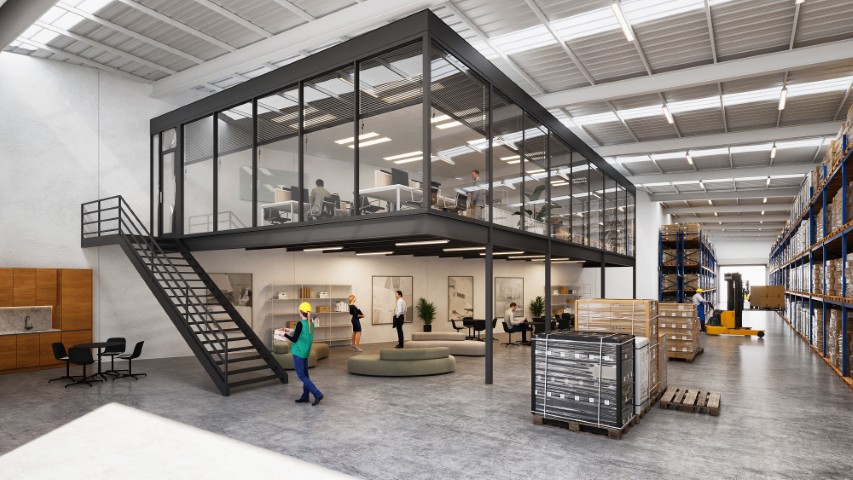
Quality industrial facilities combining warehouses, offices and substantial secure hardstand can therefore attract strong interest.
Construction costs are another important consideration.
Building in Northern Australia can be expensive, increasing replacement costs and limiting the feasibility of speculative projects unless rental outcomes justify development.
Investor confidence remains highly asset-specific
Darwin continues attracting private investors seeking stronger yields than Australia's larger capital-city markets.
However, property selection remains critical.
Investors continue favouring assets offering:
Strong lease covenants
Long lease terms
Strategic locations
Modern construction
Government or national tenants
Flexible future uses
Large underlying landholdings
Redevelopment potential
The recent Parap, Berrimah and Darwin CBD transactions demonstrate that capital remains available for the right assets.
What developers should watch during H2 2026
Several themes are likely to influence Darwin's commercial and industrial property market throughout the remainder of 2026.
Further industrial transactions in Berrimah.
New warehouse supply entering established precincts.
Continued defence infrastructure investment.
Increased demand from defence contractors and supply chains.
Expansion of East Arm's logistics role.
Resources projects moving toward construction.
Energy project announcements.
Demand for secure industrial hardstand.
Limited supply of modern warehouses.
Strategic CBD property consolidation.
Government leasing activity.
Further investment in Northern Australian infrastructure.
One of the biggest opportunities remains the secondary effect of major projects.
A defence expansion, mine or energy project does not simply create demand at the project site.
It creates an entire ecosystem of contractors, suppliers, engineers, transport businesses and service providers that need commercial property.
For Darwin, that multiplier effect can be substantial.
Darwin commercial & industrial property outlook
Darwin is fundamentally different from Australia's larger commercial property markets.
Its smaller size means individual transactions and projects can have a much greater influence on vacancy, rents and investment sentiment.
But Darwin also possesses strategic advantages that larger markets cannot replicate.
Its proximity to Asia, defence significance, deep-water port, interstate rail connection, energy industry and position as the commercial gateway to Northern Australia create a unique long-term investment proposition.
The July market provides several encouraging indicators.
Significant investment transactions are occurring.
New industrial development is progressing.
Berrimah remains active.
Major Territory resources projects continue moving through the pipeline.
And defence investment provides a long-term source of economic activity that extends well beyond individual government projects.
For developers and investors prepared to understand the dynamics of a smaller market, Darwin remains one of Australia's most strategically interesting commercial and industrial property locations.
Position your Darwin project ahead of the market
In a market increasingly influenced by future infrastructure, defence and major projects, communicating what a commercial development can become is critical.
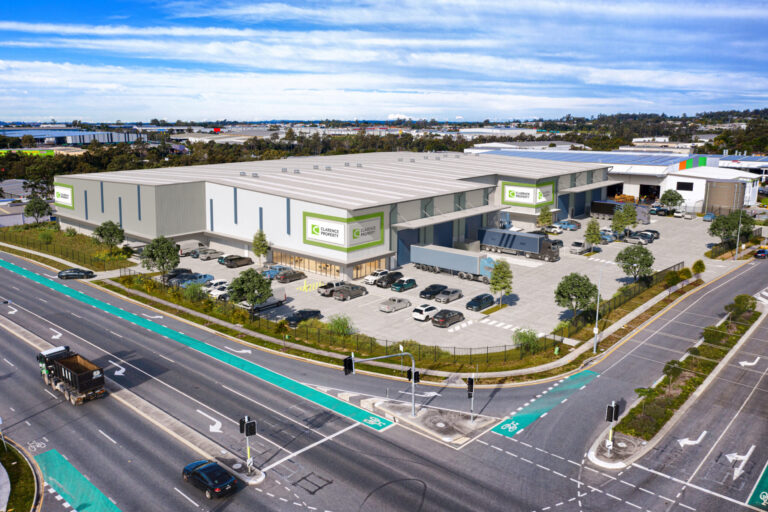
Commercial Property Marketing helps developers, landowners and commercial agencies transform future developments and undeveloped sites into opportunities the market can immediately understand.
The objective is to:
Increase the perceived and realised value of commercial land.
Accelerate industrial land sales and pre-leasing.
Attract national tenants and investors to Northern Territory opportunities.
Clearly communicate connections to ports, highways, airports and infrastructure.
Generate stronger enquiry before construction begins.
Give commercial agents better material to take directly to the market.
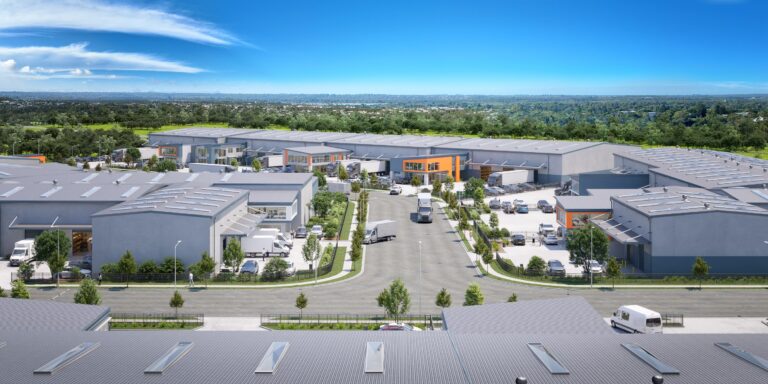
Demonstrate the future scale and potential of undeveloped sites.
Improve stakeholder, tenant and investor confidence.
Differentiate projects competing for major occupiers.
Reduce the time between project launch and commercial commitment.
Ultimately extract more value from commercial and industrial property.