






Canberra property market archive — July 2026. This article records market activity from that period. For the latest Canberra commercial and industrial property coverage, see the latest Canberra market update, or browse Commercial Property News Australia.
Canberra enters FY27 with government, defence and infrastructure supporting a resilient commercial market
Canberra has entered the new financial year with a commercial property market that continues to operate differently from Australia's other capital cities. Government remains the dominant occupier, but defence, technology, cybersecurity, professional services, health and education are creating an increasingly diverse employment base.
July has seen continued interest in well-located office assets, mixed-use development opportunities, neighbourhood commercial centres and industrial property. While the national office sector continues adjusting to hybrid work, Canberra's large government workforce provides a degree of leasing stability that few Australian cities can replicate.
At the same time, the city's industrial market is becoming increasingly important. Limited industrial land, strong population growth and demand from construction, logistics, defence and service businesses are supporting rents and underlying land values.
Canberra market snapshot
- Government leasing continues underpinning the office market.
- Premium office accommodation continues outperforming secondary stock.
- Defence and cybersecurity remain major growth sectors.
- Industrial vacancy remains tight in established precincts.
- Limited industrial land is supporting rental and capital value growth.
- Population growth continues driving demand for commercial services.
- Mixed-use development remains active around major town centres.
- Healthcare and education continue generating commercial demand.
- Sustainability credentials are becoming increasingly important for government tenants.
- Private capital continues targeting securely leased assets.
Government remains Canberra's commercial property anchor
No Australian commercial property market is as closely connected to government leasing as Canberra.
Commonwealth departments and agencies occupy a substantial proportion of the city's commercial office stock, creating a market where government accommodation strategies can significantly influence leasing activity.
The strongest demand continues to favour buildings capable of meeting increasingly sophisticated government requirements around:
- Energy efficiency
- Sustainability
- Security
- Accessibility
- End-of-trip facilities
- Modern workplace design
- Technology infrastructure
- Flexible floorplates
This continues creating a widening performance gap between premium and secondary office accommodation.
Canberra's office market continues its flight to quality
Hybrid working has changed office requirements, but it has not eliminated the need for high-quality workplaces.
Many organisations are using better office environments to encourage staff attendance and improve collaboration.
That means tenants are increasingly prioritising:
- Better locations
- Modern fit-outs
- Natural light
- Staff amenities
- Public transport
- Hospitality nearby
- High environmental ratings
- Flexible workplace configurations
Premium assets capable of delivering these requirements continue outperforming older office buildings requiring substantial capital expenditure.
For owners of ageing commercial assets, refurbishment and repositioning are becoming increasingly important.
Parliamentary Triangle remains tightly held
The Parliamentary Triangle continues representing Canberra's premium government and institutional commercial market.
Buildings within and surrounding Barton, Parkes and Forrest remain highly sought after by organisations requiring proximity to federal government.
Defence contractors, consultants, law firms, lobby groups, industry associations and professional services businesses continue maintaining a strong presence.
Supply remains inherently constrained, helping support long-term value for quality commercial assets.
Defence continues creating commercial demand
Defence remains one of Canberra's most important economic drivers.
Australia's increasing defence expenditure is creating opportunities across:
- Defence consulting
- Cybersecurity
- Intelligence
- Engineering
- Technology
- Project management
- Professional services
- Research and development
Unlike Adelaide, where defence investment is generating substantial manufacturing demand, Canberra's defence property impact is heavily concentrated around high-quality office, secure technology and specialist commercial accommodation.
Businesses servicing major defence programs often require sophisticated security and communications infrastructure, creating demand for specialised buildings.
Cybersecurity and technology continue expanding
Canberra has developed into one of Australia's most important cybersecurity and defence technology markets.
Growth continues across:
- Cybersecurity
- Artificial intelligence
- Data analytics
- Cloud infrastructure
- Defence technology
- Digital government
- Software development
- Secure communications
This is creating an increasingly valuable commercial tenant base outside traditional government departments.
Technology businesses frequently favour modern office environments capable of helping them compete for highly skilled employees.
Industrial property continues strengthening
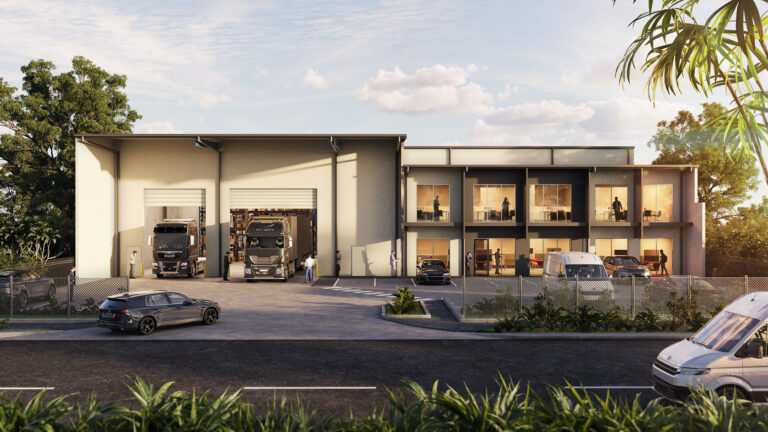
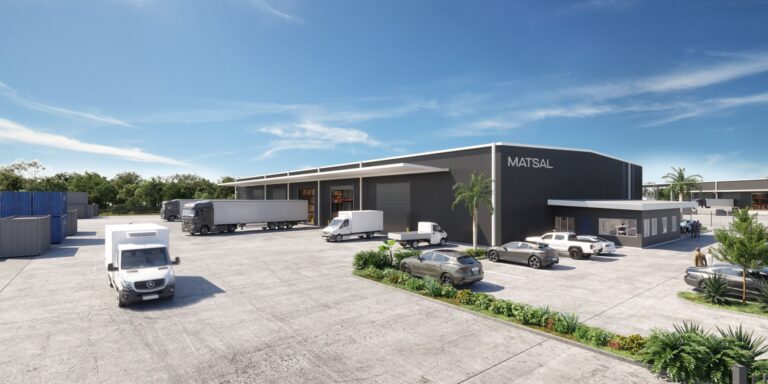
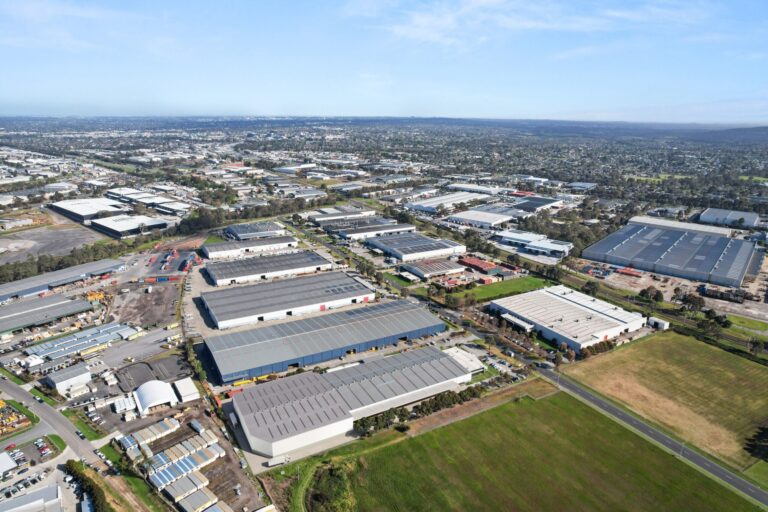
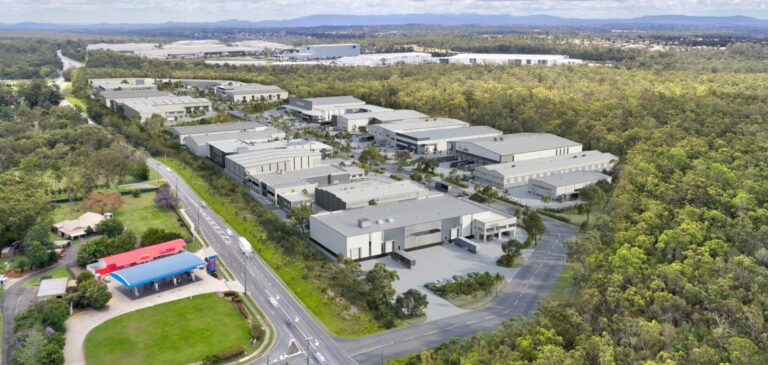
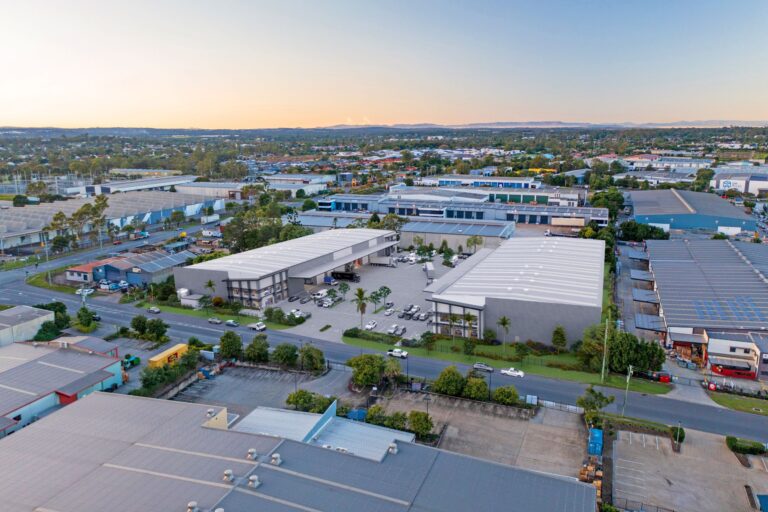
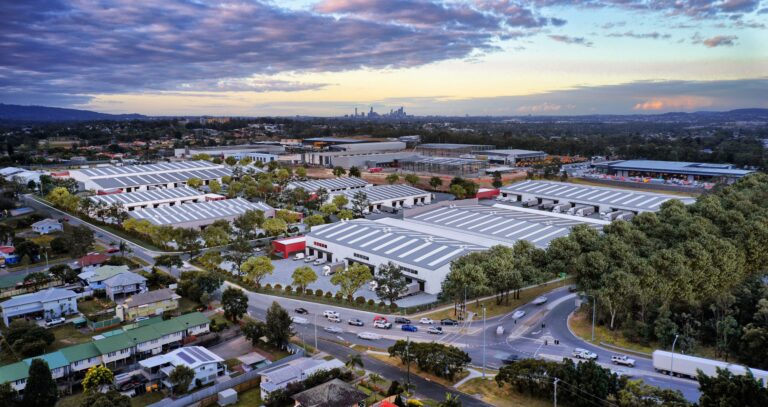
Canberra's industrial sector receives less national attention than its office market, but it remains one of the city's strongest commercial property segments.
Businesses continue seeking:
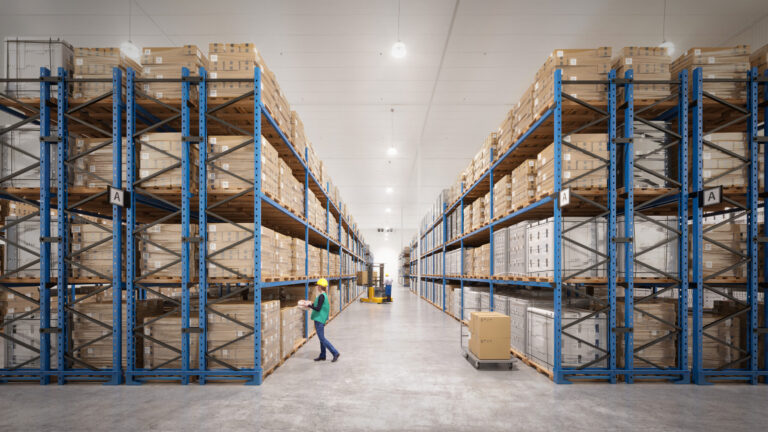
- Warehouses
- Trade units
- Workshops
- Storage facilities
- Showrooms
- Hardstand
- Distribution facilities
- Small industrial investments
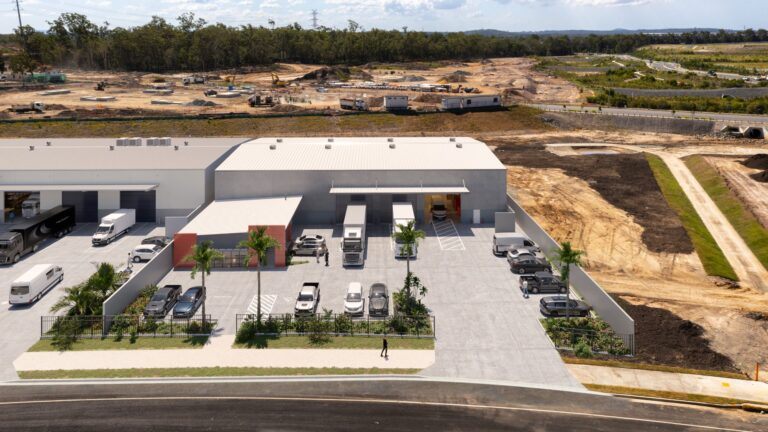
Supply constraints remain one of the biggest challenges.
Established industrial areas have limited ability to expand, while population growth continues increasing demand from trades, construction businesses and service industries.
Fyshwick remains Canberra's industrial powerhouse
Fyshwick continues to be one of Canberra's most important commercial and industrial precincts.
Its location close to the CBD and major road connections makes it attractive to:
- Trade businesses
- Automotive operators
- Furniture retailers
- Construction suppliers
- Warehousing
- Showrooms
- Light manufacturing
- Service industries
The precinct's mix of industrial, bulky goods and retail activity gives it a broader occupier base than many conventional industrial estates.
Well-located properties remain tightly held.
Hume continues benefiting from logistics and industrial growth
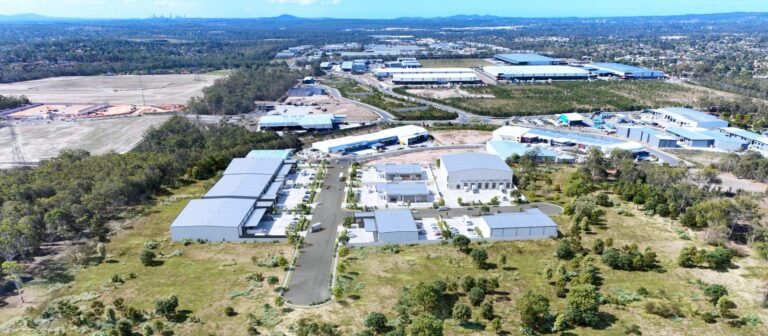
Hume remains Canberra's major heavy industrial and logistics precinct.
Its location near the Monaro Highway makes it particularly attractive for:
- Transport companies
- Warehousing
- Construction
- Waste and recycling
- Manufacturing
- Heavy vehicle operations
- Logistics
Larger allotments and separation from residential areas allow businesses to undertake operations that would be difficult to accommodate in more central locations.
As Canberra's population continues growing, Hume's role within the city's freight and logistics network is likely to become increasingly important.
Mitchell continues benefiting from northern growth
Mitchell remains another tightly held industrial market.
The precinct benefits from Canberra's expanding northern suburbs and strong connections to Gungahlin.
Demand continues coming from:
- Trades
- Construction businesses
- Automotive operators
- Storage businesses
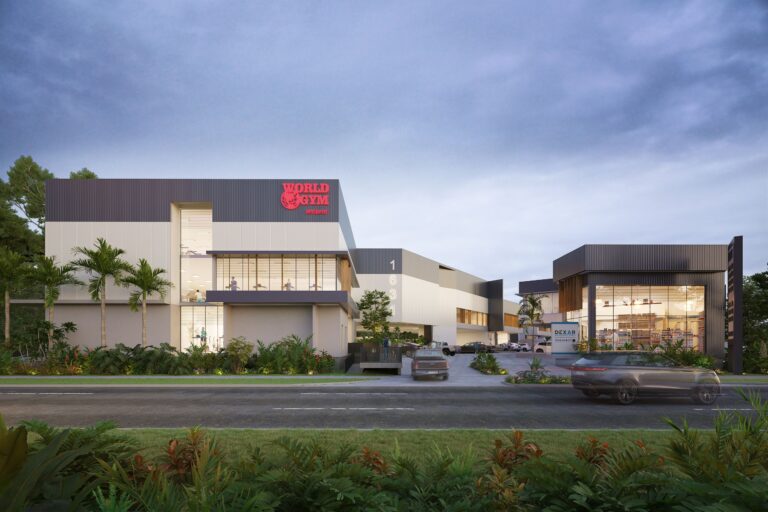
- Fitness operators
- Showrooms
- Service industries
Light rail connectivity and surrounding population growth are gradually changing the character of parts of the precinct, creating longer-term redevelopment opportunities.
Population growth creates demand beyond offices
Canberra's population growth continues creating commercial opportunities well beyond traditional government offices.
New residential communities require:
- Medical centres
- Childcare
- Supermarkets
- Restaurants
- Gyms
- Allied health
- Professional services
- Trade services
- Local employment
This makes neighbourhood commercial centres increasingly important investment and development opportunities.
Growth corridors around Gungahlin, Molonglo Valley and southern Canberra continue generating demand for additional services.
Healthcare becomes increasingly important
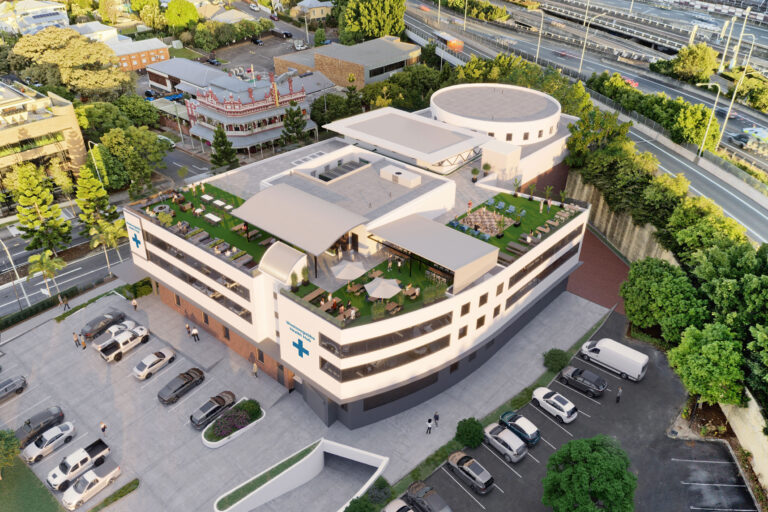
Healthcare remains one of Canberra's strongest non-government commercial sectors.
Demand continues increasing for:
- Medical suites
- Specialist consulting
- Allied health
- Diagnostic services
- Day hospitals
- Medical centres
- Aged care
Population growth and an ageing demographic should continue supporting healthcare property demand over the long term.
Properties close to major hospitals and established population centres remain particularly attractive.
Education and research support commercial growth
Canberra's major universities and research institutions contribute substantially to the local economy.
The Australian National University, University of Canberra and other institutions support ecosystems involving:
- Technology
- Research
- Biotechnology
- Professional services
- Student accommodation
- Hospitality
- Innovation businesses
University-linked precinct development is creating opportunities for commercial property beyond traditional office accommodation.
Infrastructure continues reshaping Canberra
Major infrastructure investment remains important to the city's commercial property outlook.
Projects influencing property markets include:
- Light rail expansion
- Major road upgrades
- Health infrastructure
- Education investment
- Defence facilities
- New residential communities
- Town centre development
- Active transport infrastructure
Light rail is particularly significant because improved public transport can influence where government departments and major employers are willing to locate.
Over time, this can create redevelopment opportunities around well-connected precincts.
Sustainability becomes a commercial requirement
Environmental performance is becoming increasingly important within Canberra's office market.
Government tenants have substantial influence over building standards, and landlords increasingly need to demonstrate strong environmental credentials to compete for major leases.
Features increasingly valued include:
- High NABERS ratings
- Renewable energy
- Efficient HVAC systems
- EV charging
- Water efficiency
- End-of-trip facilities
- Sustainable materials
- Smart building technology
For older buildings, upgrading environmental performance can materially improve leasing competitiveness.
Investor confidence remains resilient
Canberra continues attracting institutional and private capital due to the perceived stability of government-backed tenancy.
Investors remain particularly interested in:
- Government-leased office buildings
- Healthcare property
- Industrial assets
- Neighbourhood retail
- Mixed-use development
- Long-income commercial investments
Government leases can provide highly attractive income security, although investors remain increasingly conscious of building quality and future leasing requirements.
What developers should watch during H2 2026
Several themes should shape Canberra's commercial property market throughout the remainder of 2026.
- Government workplace consolidation and relocation.
- Continued flight to premium office accommodation.
- Defence and cybersecurity expansion.
- Increasing demand for sustainable buildings.
- Tight industrial land supply.
- Rental growth across quality industrial property.
- Population growth creating new suburban commercial demand.
- Healthcare expansion.
- Light rail influencing future development patterns.
- Repositioning opportunities for older office buildings.
One of the biggest opportunities may emerge from assets that no longer meet modern government requirements.
Older commercial buildings in strong locations could increasingly become candidates for major refurbishment, conversion or complete redevelopment.
Canberra's commercial property outlook
Canberra's market remains unusual, but that can also be its greatest strength.
Government employment provides an economic foundation that creates relatively stable commercial demand, while defence, technology, cybersecurity, healthcare and education are steadily broadening the city's economic base.
Industrial supply constraints add another layer to the investment story.
As Canberra grows, competition for employment land will increase while established industrial locations become progressively more difficult to replicate.
The strongest opportunities are therefore likely to exist at both ends of the market: premium office accommodation capable of meeting sophisticated government requirements and strategically located industrial property servicing a growing city.
Position your Canberra project ahead of the market
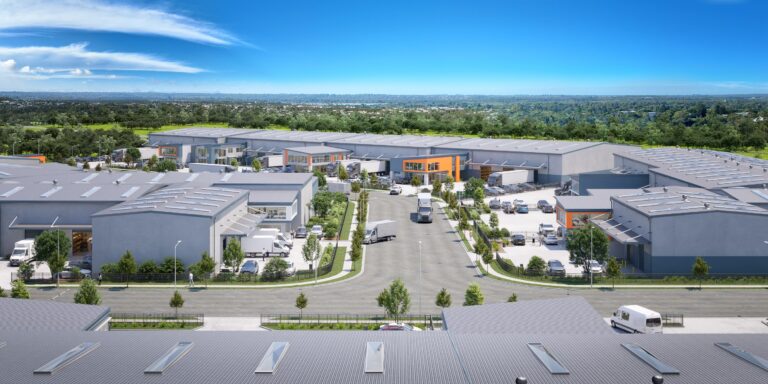
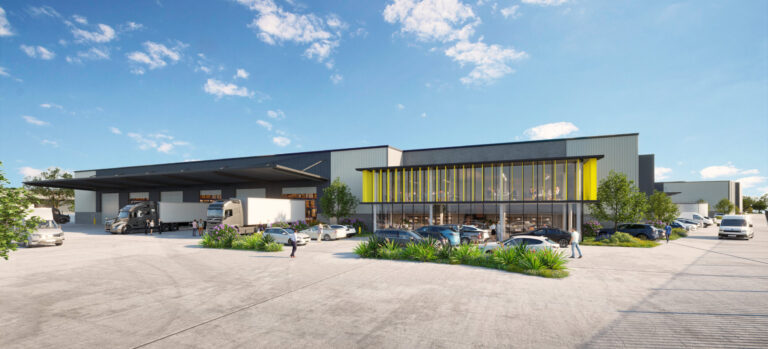
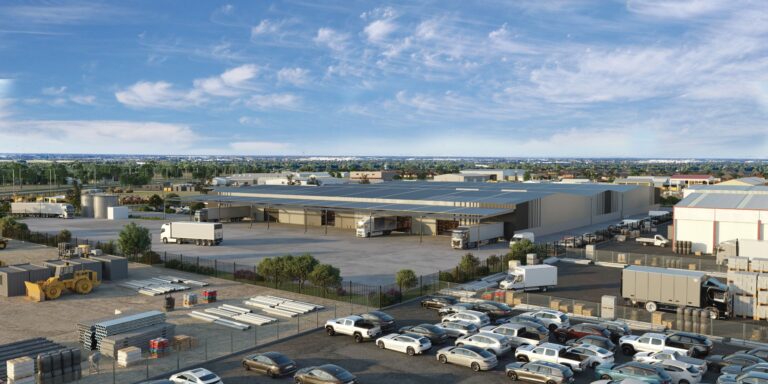
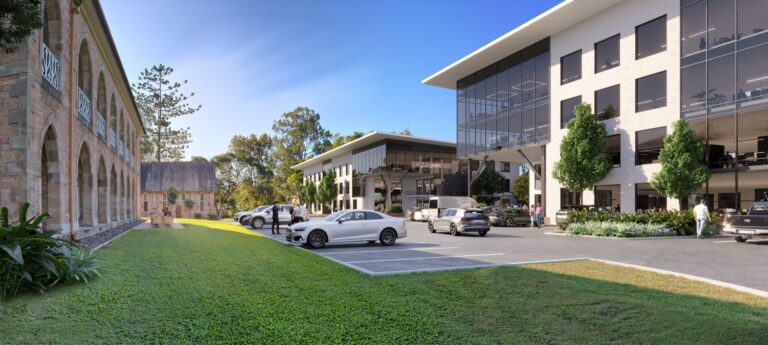
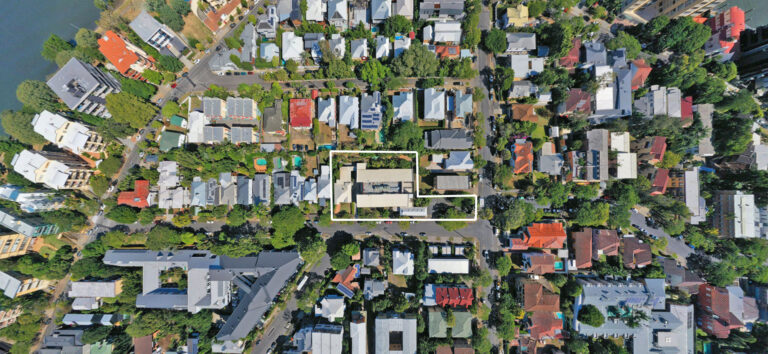
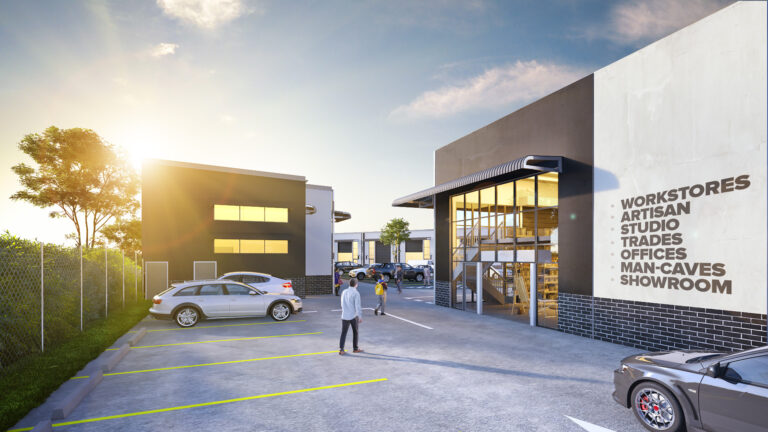
For developers and landowners, communicating the future potential of a commercial site is increasingly important—particularly where buyers or tenants need to understand a project years before completion.
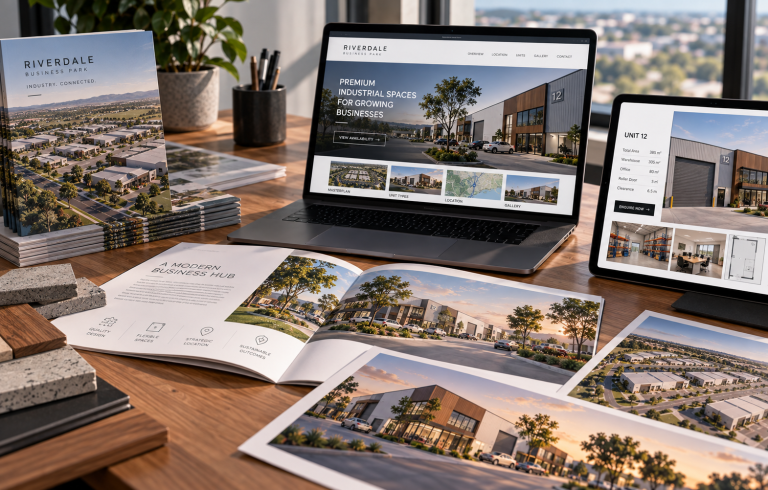
Commercial Property Marketing helps turn plans, development sites and future buildings into opportunities the market can immediately understand.
The objective is to:
- Increase the perceived and realised value of commercial land.
- Accelerate pre-sales and leasing campaigns.
- Secure tenants earlier in the development cycle.
- Generate stronger investor and owner-occupier enquiry.
- Help agents communicate complex developments clearly.
- Give stakeholders confidence in what a future precinct will become.
- Differentiate projects competing against established stock.
- Improve market understanding before construction begins.
- Reduce the time between project launch and commercial commitment.
- Ultimately create more value from commercial property.