Marketing around a development application is about translating planning and consultant documentation into material the market can actually understand without blurring the line between proposed, approved and final design. For “Can 3D Renders Be Produced From Architectural DA Plans?”, the right answer depends on what commercial decision the material needs to support and how certain the project information is at that point.
The useful standard is not simply whether the asset looks professional. It should help developers, agents, buyers, tenants, investors or stakeholders understand the project faster, compare it more accurately and move into the next stage of discussion with fewer unresolved questions.
Start with the planning status, not the artwork
A DA-stage campaign should clearly state whether the scheme is lodged, under assessment, approved, conditioned or still conceptual. That status changes how confidently the project can be presented and which details should be treated as fixed versus indicative.
In practice, this needs to connect back to the live project information, the current design and the commercial objective. The campaign should make it obvious what is fixed, what is indicative, what has changed and what the prospect should do next. That discipline is what turns a marketing asset into a working part of the development process.
Version control is critical during design evolution
DA amendments, RFI responses and consultant changes can alter the built form. Marketing needs a controlled process so obsolete plans and renders do not keep circulating.
In practice, this needs to connect back to the live project information, the current design and the commercial objective. The campaign should make it obvious what is fixed, what is indicative, what has changed and what the prospect should do next. That discipline is what turns a marketing asset into a working part of the development process.
Masterplans can simplify complex planning information
A marketing masterplan can strip away consultant clutter and emphasise roads, lots, buildings, staging and surrounding context. That makes it useful for agents, buyers, investors and internal project discussions.
In practice, this needs to connect back to the live project information, the current design and the commercial objective. The campaign should make it obvious what is fixed, what is indicative, what has changed and what the prospect should do next. That discipline is what turns a marketing asset into a working part of the development process.
Do not wait for perfect documentation
Commercial campaigns often need to begin before construction documentation is complete. The correct approach is to use the best verified information available, label indicative elements, and update progressively as certainty improves.
In practice, this needs to connect back to the live project information, the current design and the commercial objective. The campaign should make it obvious what is fixed, what is indicative, what has changed and what the prospect should do next. That discipline is what turns a marketing asset into a working part of the development process.
Use renders to explain built form and context
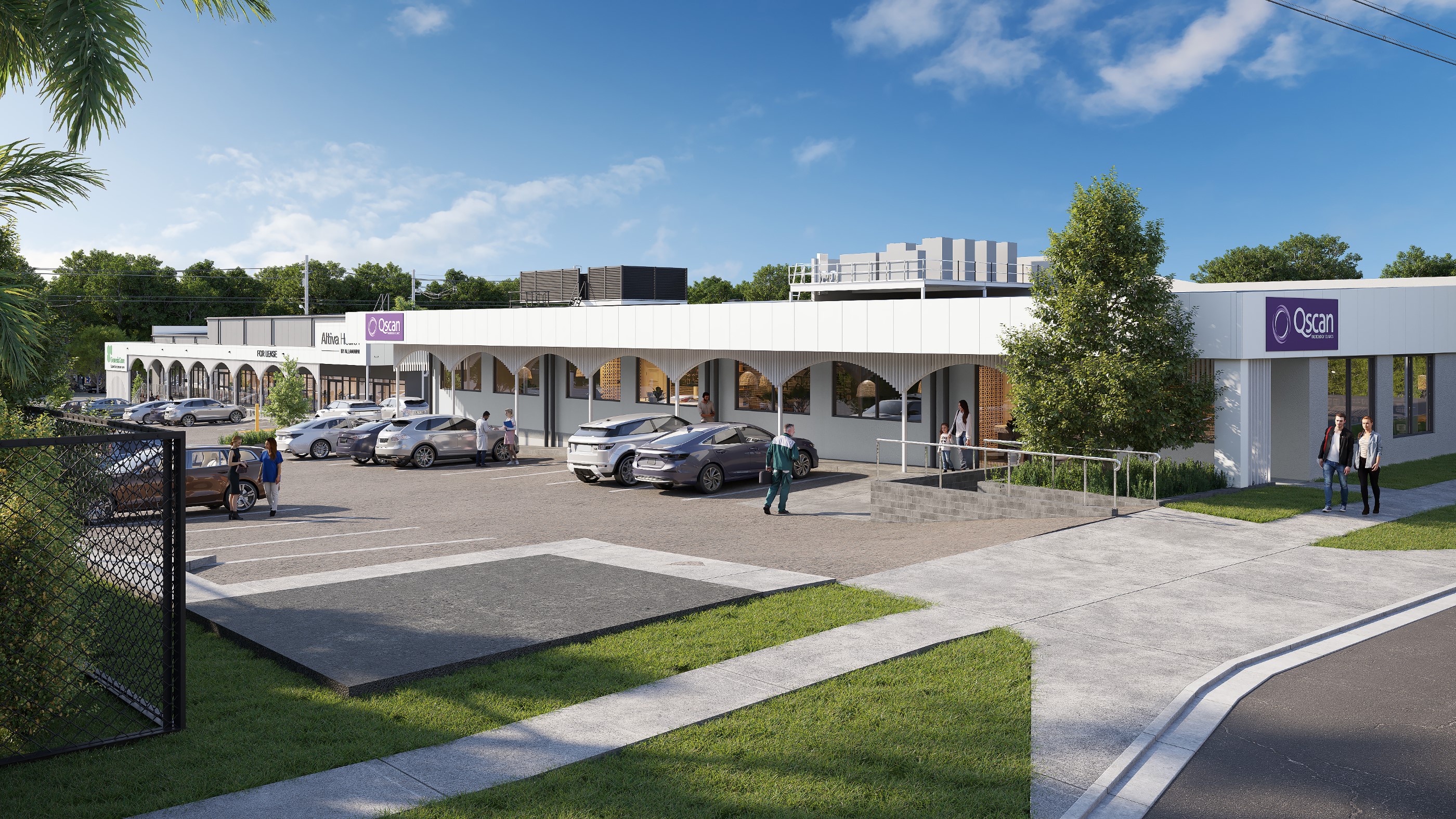
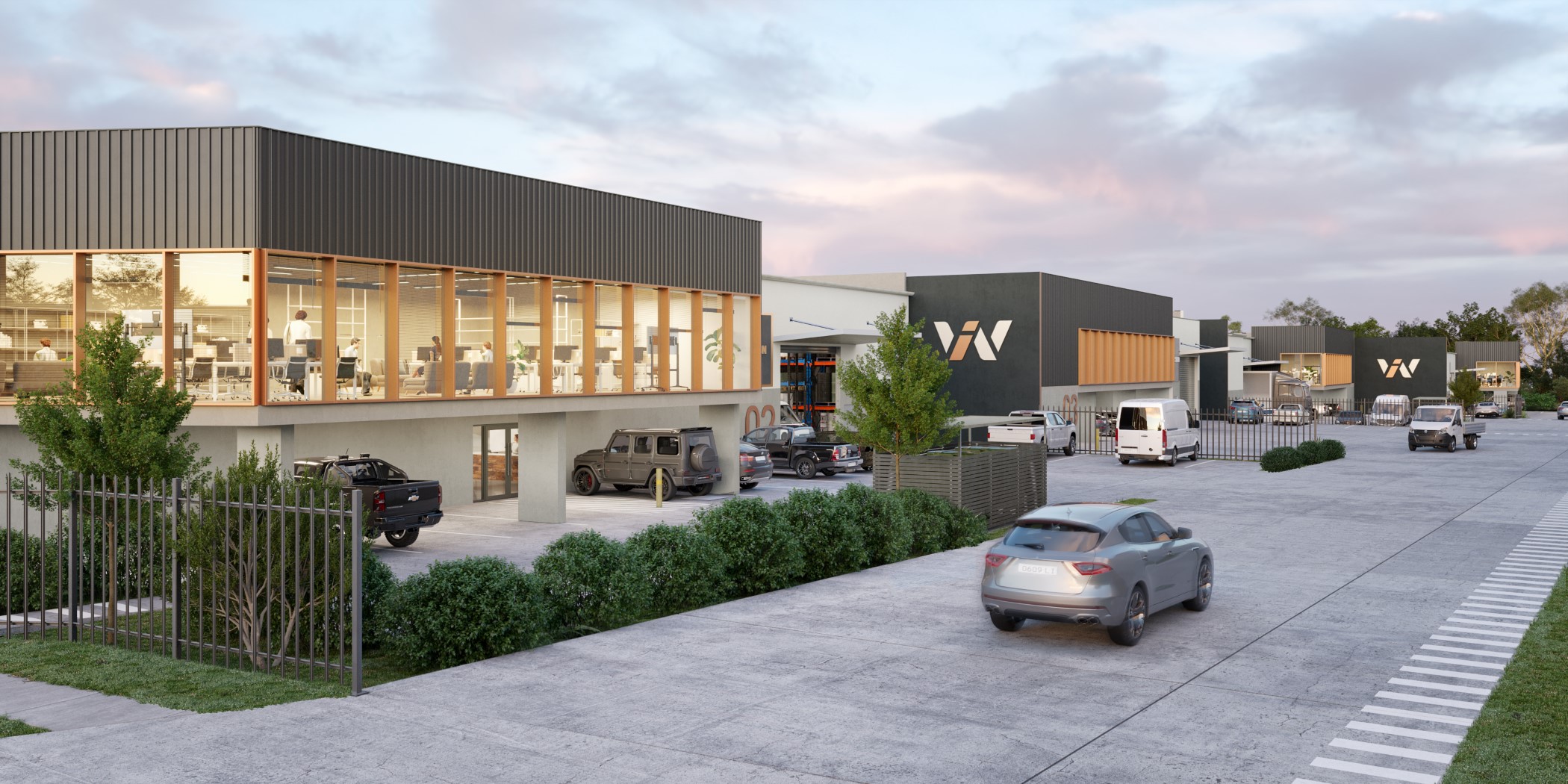
DA renders are most useful when they show scale, setbacks, access, frontage, landscaping and the relationship to surrounding roads and properties. They should help stakeholders interpret the proposal rather than merely make it look attractive.
In practice, this needs to connect back to the live project information, the current design and the commercial objective. The campaign should make it obvious what is fixed, what is indicative, what has changed and what the prospect should do next. That discipline is what turns a marketing asset into a working part of the development process.
Keep approval boundaries clear
Visualisation can make a proposed development easier to understand, but it must not imply certainty where the design remains subject to approval or documentation changes. Clear qualification protects credibility and reduces confusion later.
In practice, this needs to connect back to the live project information, the current design and the commercial objective. The campaign should make it obvious what is fixed, what is indicative, what has changed and what the prospect should do next. That discipline is what turns a marketing asset into a working part of the development process.
Council, investor and buyer audiences need different emphasis
Council-facing material may focus on planning logic and context. Investors may focus on risk reduction and development potential. Buyers and occupiers need product detail, timing and commercial relevance.
In practice, this needs to connect back to the live project information, the current design and the commercial objective. The campaign should make it obvious what is fixed, what is indicative, what has changed and what the prospect should do next. That discipline is what turns a marketing asset into a working part of the development process.
Turn technical drawings into market-facing information
Architectural, civil and planning drawings contain the information needed to explain the project, but they are organised for consultants and authorities. Marketing needs to reorganise that material around access, product, scale, staging, areas, built form and commercial use.
In practice, this needs to connect back to the live project information, the current design and the commercial objective. The campaign should make it obvious what is fixed, what is indicative, what has changed and what the prospect should do next. That discipline is what turns a marketing asset into a working part of the development process.
Marketing can begin before approval
Early marketing does not need to wait for the DA decision if the project team is careful about language and certainty. Expression-of-interest campaigns, investor material and early positioning can all be prepared while assessment continues.
In practice, this needs to connect back to the live project information, the current design and the commercial objective. The campaign should make it obvious what is fixed, what is indicative, what has changed and what the prospect should do next. That discipline is what turns a marketing asset into a working part of the development process.
Approval is a natural relaunch point
Once a DA is approved, the project moves into a different risk category. The campaign should be updated to reflect the approved outcome, conditions, timing and next steps rather than leaving pre-approval material live.
In practice, this needs to connect back to the live project information, the current design and the commercial objective. The campaign should make it obvious what is fixed, what is indicative, what has changed and what the prospect should do next. That discipline is what turns a marketing asset into a working part of the development process.
Coordinate marketing with the project programme
The marketing schedule should reflect approvals, design freezes, pricing decisions, construction milestones and agent launch timing. Producing assets without reference to the development programme creates rework and can put outdated information into market.
In practice, this needs to connect back to the live project information, the current design and the commercial objective. The campaign should make it obvious what is fixed, what is indicative, what has changed and what the prospect should do next. That discipline is what turns a marketing asset into a working part of the development process.
Layer information according to buyer intent
The first interaction should be simple enough to understand quickly, while deeper plans, specifications and due-diligence material should be available for serious prospects. This keeps the campaign accessible without making it shallow.
In practice, this needs to connect back to the live project information, the current design and the commercial objective. The campaign should make it obvious what is fixed, what is indicative, what has changed and what the prospect should do next. That discipline is what turns a marketing asset into a working part of the development process.
Agent usability is a quality test
If an agent can take the material into a call, inspection or email and answer the likely next question immediately, the asset is doing useful work. If it only looks good on a presentation board, it may not be solving the commercial problem.
In practice, this needs to connect back to the live project information, the current design and the commercial objective. The campaign should make it obvious what is fixed, what is indicative, what has changed and what the prospect should do next. That discipline is what turns a marketing asset into a working part of the development process.
Measure where uncertainty remains
Repeated questions reveal where the campaign is weak. If prospects constantly ask about access, areas, timing, approvals or inclusions, the information probably needs to be clearer or easier to find.
In practice, this needs to connect back to the live project information, the current design and the commercial objective. The campaign should make it obvious what is fixed, what is indicative, what has changed and what the prospect should do next. That discipline is what turns a marketing asset into a working part of the development process.
Keep the current version easy to identify
Every major campaign asset should have a clear current version. Old PDFs, superseded plans and previous renders should be archived internally so agents and prospects are not accidentally sent stale information.
In practice, this needs to connect back to the live project information, the current design and the commercial objective. The campaign should make it obvious what is fixed, what is indicative, what has changed and what the prospect should do next. That discipline is what turns a marketing asset into a working part of the development process.
Know when the issue is product rather than promotion
If the campaign is clear and enquiry is informed but transactions stall, the cause may be price, product mix, timing, access, terms or specification. Marketing should surface that feedback rather than conceal it.
In practice, this needs to connect back to the live project information, the current design and the commercial objective. The campaign should make it obvious what is fixed, what is indicative, what has changed and what the prospect should do next. That discipline is what turns a marketing asset into a working part of the development process.
Commercial accuracy should survive handover between teams
The asset may be created by one team, approved by another and used by agents who were not part of the production process. That means labels, areas, status, staging and technical terminology need to stand on their own without relying on background knowledge.
That is especially important in commercial property because the next step usually involves technical, legal or commercial information rather than a simple consumer purchase. The transition from marketing into transaction should therefore feel deliberate and controlled.
Future updates should be anticipated
A project that is still moving will need revisions. Building the campaign around editable source files, consistent naming and a clear approval process makes those updates routine rather than disruptive.
That is especially important in commercial property because the next step usually involves technical, legal or commercial information rather than a simple consumer purchase. The transition from marketing into transaction should therefore feel deliberate and controlled.
Use real project evidence whenever it becomes available
As approvals are issued, site works commence and construction progresses, the campaign should progressively replace assumptions with evidence. That shift increases confidence and gives earlier prospects a reason to revisit the opportunity.
That is especially important in commercial property because the next step usually involves technical, legal or commercial information rather than a simple consumer purchase. The transition from marketing into transaction should therefore feel deliberate and controlled.
The final test is whether the market can act
Good marketing should lead naturally into enquiry, due diligence, inspection, leasing discussion, contract review or another defined next step. If the prospect understands the project but has no clear pathway to act, the campaign is incomplete.
That is especially important in commercial property because the next step usually involves technical, legal or commercial information rather than a simple consumer purchase. The transition from marketing into transaction should therefore feel deliberate and controlled.
Commercial decisions should drive the information hierarchy
Commercial property audiences scan for decision-critical information before they engage with broader campaign language. Areas, access, timing, planning status, loading, parking, specification, staging and transaction structure should therefore be easier to find than generic project claims. This does not mean every page needs to look technical. It means the hierarchy should reflect how experienced buyers, tenants, agents and developers actually evaluate opportunities.
The benefit is speed. A serious prospect can qualify the opportunity quickly, while an agent can move directly into the next level of discussion. That reduces repetitive questions and makes it easier to distinguish between genuine objections and missing information.
Cross-check every major claim against the current project source
Marketing teams often receive information from architectural drawings, civil plans, planning reports, schedules, consultant emails and agent notes at different times. Before an important claim appears in market, it should be traceable to a current source. That is particularly important for areas, access, clear heights, parking, approvals, staging and delivery timing because small inconsistencies can affect commercial decisions.
A simple source-of-truth process also makes revisions faster. When the design changes, the team can identify which campaign assets are affected instead of manually reviewing everything from scratch.
Build the campaign so it still works six months later
Development marketing is rarely a one-off launch. Assets need to survive design updates, staged releases, price changes, construction progress and changes in availability. If the campaign is built only for launch day, it quickly becomes expensive to maintain and inconsistent in market.
Reusable layouts, editable plans, structured website content and organised source files make the campaign easier to evolve. This matters commercially because the project may be in market for months or years, not weeks.
Make technical information easy to escalate into
Not every prospect needs a full consultant package immediately, but serious prospects should be able to move from high-level marketing into detailed information without friction. Plans, specifications, approvals, schedules and due-diligence documents should feel connected to the public campaign rather than like a separate project assembled after the enquiry arrives.
That continuity is valuable for agents as well. It allows them to progress a prospect from awareness to technical review without losing momentum or creating doubt through conflicting documents.
Use campaign feedback as development intelligence
Questions and objections are useful data. If several prospects ask for the same clarification or repeatedly reject the same feature, the pattern may indicate a communication problem, a product issue or a pricing issue. Capturing that feedback gives the development team a better basis for deciding whether to change the campaign or change the offer.
The important point is to separate isolated preference from repeated market evidence. Marketing becomes more valuable when it helps the developer understand the market, not just advertise to it.
Keep visual consistency secondary to factual consistency
A consistent brand is useful, but factual consistency is more important. The same lot should not have different areas across a website and IM, the same building should not show different access arrangements across two renders, and the same stage should not carry conflicting delivery timing. Those mistakes undermine confidence quickly with experienced commercial audiences.
Strong creative direction should therefore sit on top of disciplined project information. The campaign looks unified because it is working from one coordinated project story, not merely because the colours and fonts match.
What this means for the development team
The strongest approach is to treat planning, visualisation, masterplanning and digital delivery as connected parts of one information system. When the project changes, the campaign should be able to change with it without losing accuracy, visual consistency or momentum.
Commercial Property Marketing can coordinate these assets around the same approved project information so CGI, plans, websites, IMs and agent material remain aligned as the development moves from concept through approval, launch, construction and transaction.
More commercial property marketing resources
Explore Commercial Property Marketing and Commercial Property Insights for related development marketing strategy, visualisation and project-launch material.


 EXPLORE THE WORK