Pre-sales and pre-leasing campaigns are fundamentally about reducing risk before the physical asset is complete. Buyers and tenants need enough certainty about the product, programme, commercial terms and operational fit to make a decision while parts of the project are still moving. For the question “How Do You Maintain Demand Across Multiple Development Stages?”, the useful answer is not a single tactic. It is a coordinated system that turns the development into something the market can understand, compare and act on.
The strongest campaigns combine commercial positioning, clear plans, accurate visualisation, current technical information, agent coordination and a deliberate pathway from first enquiry into due diligence or negotiation. The exact mix changes with the project, but the underlying job is the same: reduce uncertainty and make the property easier to evaluate before the market loses interest.
Stage one has to stand on its own commercially
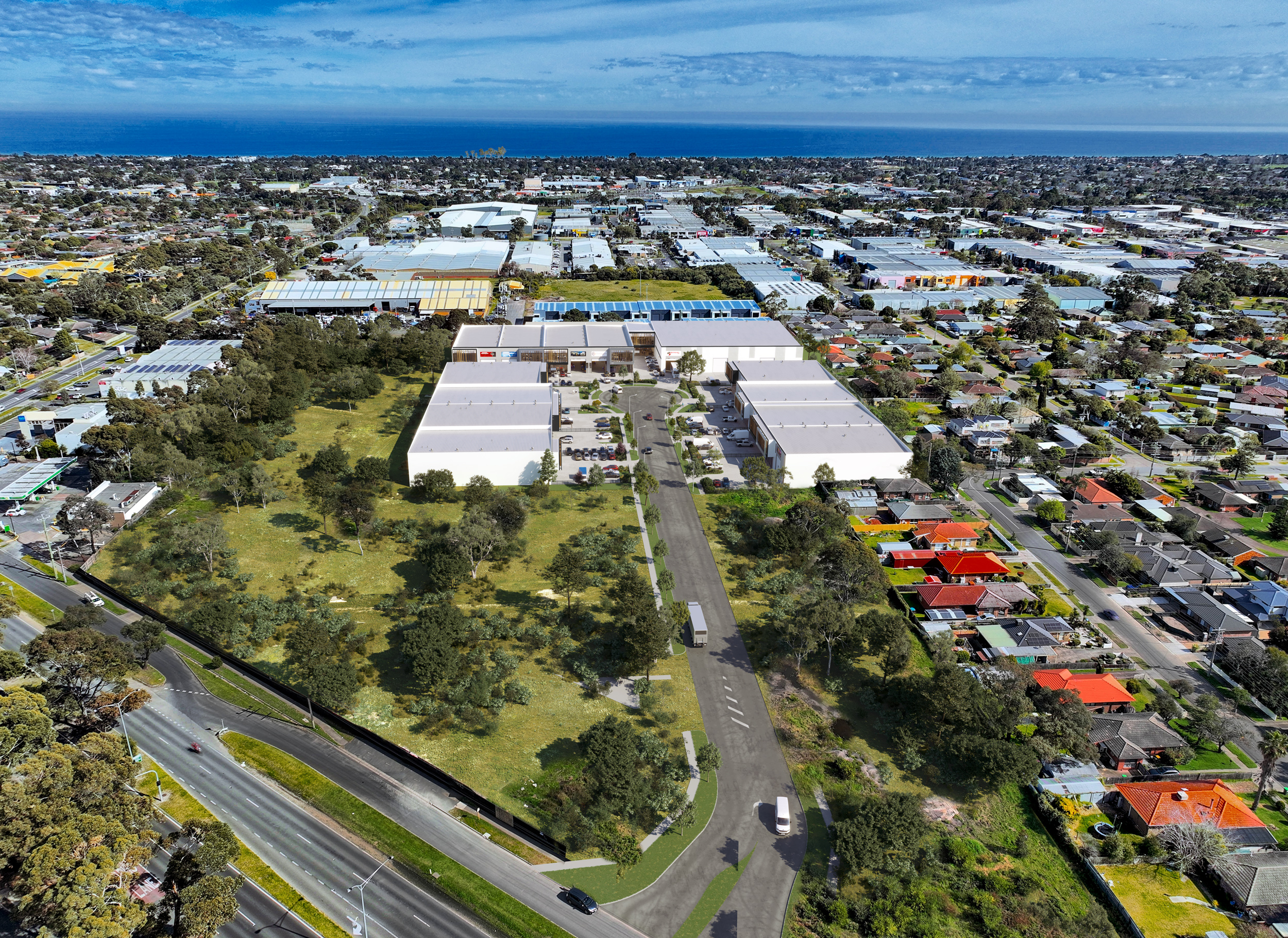
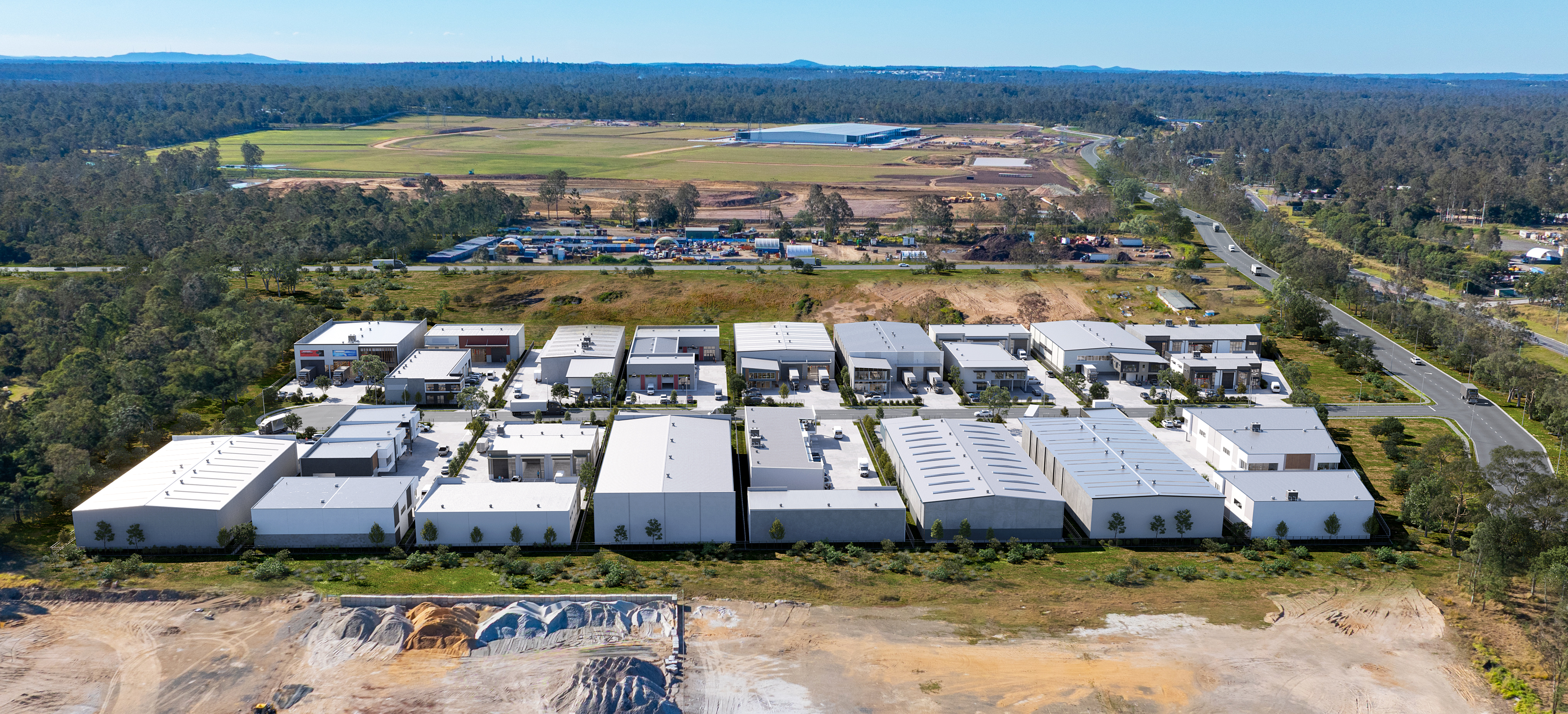
The first stage should be presented as a complete proposition rather than a temporary fragment of a larger estate. Access, landscaping, signage and amenity should make sense from day one even if later stages substantially increase the scale of the project.
In the context of “How Do You Maintain Demand Across Multiple Development Stages?”, this matters because the campaign needs to support real commercial decisions rather than simply create visibility. The developer should be able to point to a current source for plans, areas, timing and commercial information, while the agent should be able to explain the opportunity without filling gaps from memory. That level of control improves the quality of enquiry and makes it easier to see whether objections are being caused by presentation, product, pricing or programme.
Future stages should create confidence, not uncertainty
Showing the larger vision can support value, but prospects also need to know where future construction occurs, how long it may continue and whether access or operations will be affected. Clear staging plans prevent the future pipeline from becoming an objection.
In the context of “How Do You Maintain Demand Across Multiple Development Stages?”, this matters because the campaign needs to support real commercial decisions rather than simply create visibility. The developer should be able to point to a current source for plans, areas, timing and commercial information, while the agent should be able to explain the opportunity without filling gaps from memory. That level of control improves the quality of enquiry and makes it easier to see whether objections are being caused by presentation, product, pricing or programme.
Staging can create scarcity but also confusion
Multi-stage estates need a clear explanation of what is available now, what comes later and how future construction affects current occupiers. Stage one should not be marketed as an isolated project if later stages materially change access, amenity or estate scale. Equally, future stages should not distract from the product currently being sold or leased.
In the context of “How Do You Maintain Demand Across Multiple Development Stages?”, this matters because the campaign needs to support real commercial decisions rather than simply create visibility. The developer should be able to point to a current source for plans, areas, timing and commercial information, while the agent should be able to explain the opportunity without filling gaps from memory. That level of control improves the quality of enquiry and makes it easier to see whether objections are being caused by presentation, product, pricing or programme.
The product definition has to be stable enough to sell
A project can go to market before every detail is final, but the commercial fundamentals need to be coherent. Unit areas, access, clear heights, loading, office content, parking, power, delivery timing and title or lease structure must be defined well enough that prospects can compare the opportunity against alternatives. If those items are constantly changing, the campaign becomes a moving target.
In the context of “How Do You Maintain Demand Across Multiple Development Stages?”, this matters because the campaign needs to support real commercial decisions rather than simply create visibility. The developer should be able to point to a current source for plans, areas, timing and commercial information, while the agent should be able to explain the opportunity without filling gaps from memory. That level of control improves the quality of enquiry and makes it easier to see whether objections are being caused by presentation, product, pricing or programme.
Pre-sales material should support due diligence early
Serious buyers will ask for more than a glossy IM. They may need draft contracts, disclosure documents, survey information, body corporate material, specifications, depreciation assumptions, construction programme and details of inclusions. Marketing should lead smoothly into due diligence instead of creating a hard break between promotional material and transaction documents.
In the context of “How Do You Maintain Demand Across Multiple Development Stages?”, this matters because the campaign needs to support real commercial decisions rather than simply create visibility. The developer should be able to point to a current source for plans, areas, timing and commercial information, while the agent should be able to explain the opportunity without filling gaps from memory. That level of control improves the quality of enquiry and makes it easier to see whether objections are being caused by presentation, product, pricing or programme.
Construction progress should progressively replace concept
Once works commence, the campaign should show real evidence: civil works, slab pours, steel erection, roads, services and practical completion milestones. That changes the emotional tone of the campaign from promise to delivery. It also gives agents reasons to re-contact earlier prospects without inventing artificial news.
In the context of “How Do You Maintain Demand Across Multiple Development Stages?”, this matters because the campaign needs to support real commercial decisions rather than simply create visibility. The developer should be able to point to a current source for plans, areas, timing and commercial information, while the agent should be able to explain the opportunity without filling gaps from memory. That level of control improves the quality of enquiry and makes it easier to see whether objections are being caused by presentation, product, pricing or programme.
The goal is qualified commitment, not vanity metrics
Clicks and enquiry counts are useful indicators, but the important measures are serious discussions, inspections, requests for contracts, lease proposals, deposits, heads of agreement and the quality of the remaining objections. Pre-commitment marketing succeeds when uncertainty is reduced enough for a prospect to move into a transaction.
In the context of “How Do You Maintain Demand Across Multiple Development Stages?”, this matters because the campaign needs to support real commercial decisions rather than simply create visibility. The developer should be able to point to a current source for plans, areas, timing and commercial information, while the agent should be able to explain the opportunity without filling gaps from memory. That level of control improves the quality of enquiry and makes it easier to see whether objections are being caused by presentation, product, pricing or programme.
Price and incentive structures should be easy to understand
Pre-sales may involve deposits, staged payments, sunset dates or settlement on title. Pre-leasing may involve incentives, fitout contributions, rent-free periods or landlord works. Marketing does not need to replace legal documents, but the commercial structure should be understandable enough that prospects know what conversation they are entering.
In the context of “How Do You Maintain Demand Across Multiple Development Stages?”, this matters because the campaign needs to support real commercial decisions rather than simply create visibility. The developer should be able to point to a current source for plans, areas, timing and commercial information, while the agent should be able to explain the opportunity without filling gaps from memory. That level of control improves the quality of enquiry and makes it easier to see whether objections are being caused by presentation, product, pricing or programme.
Use enquiry data to test the product
Pre-commitment campaigns generate useful market intelligence before the building is locked down. Repeated requests for larger units, more hardstand, better parking, higher power or different office ratios are signals. The developer needs a process for distinguishing isolated requests from patterns that justify a design or pricing response.
In the context of “How Do You Maintain Demand Across Multiple Development Stages?”, this matters because the campaign needs to support real commercial decisions rather than simply create visibility. The developer should be able to point to a current source for plans, areas, timing and commercial information, while the agent should be able to explain the opportunity without filling gaps from memory. That level of control improves the quality of enquiry and makes it easier to see whether objections are being caused by presentation, product, pricing or programme.
Use CGI to remove the biggest visual unknowns
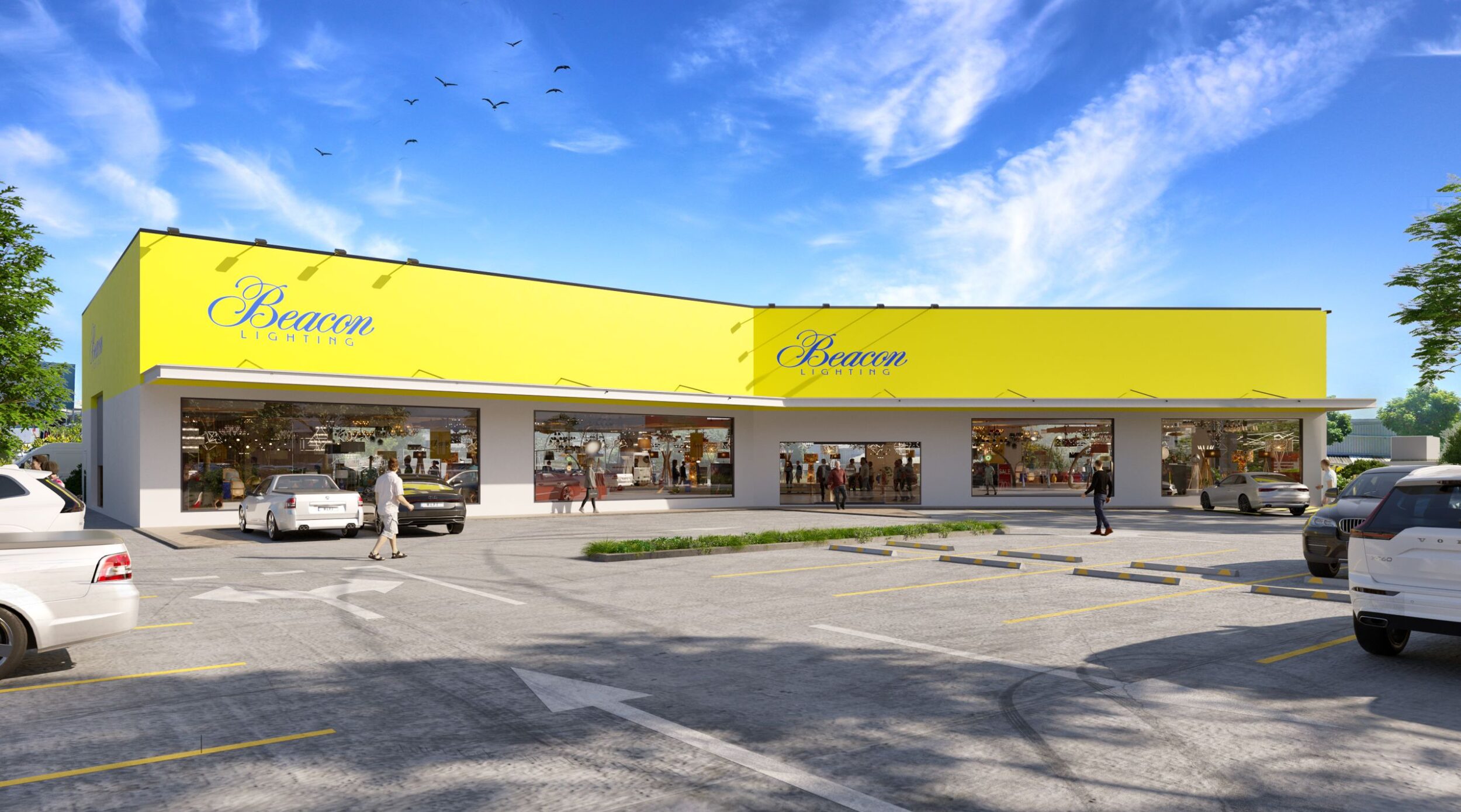
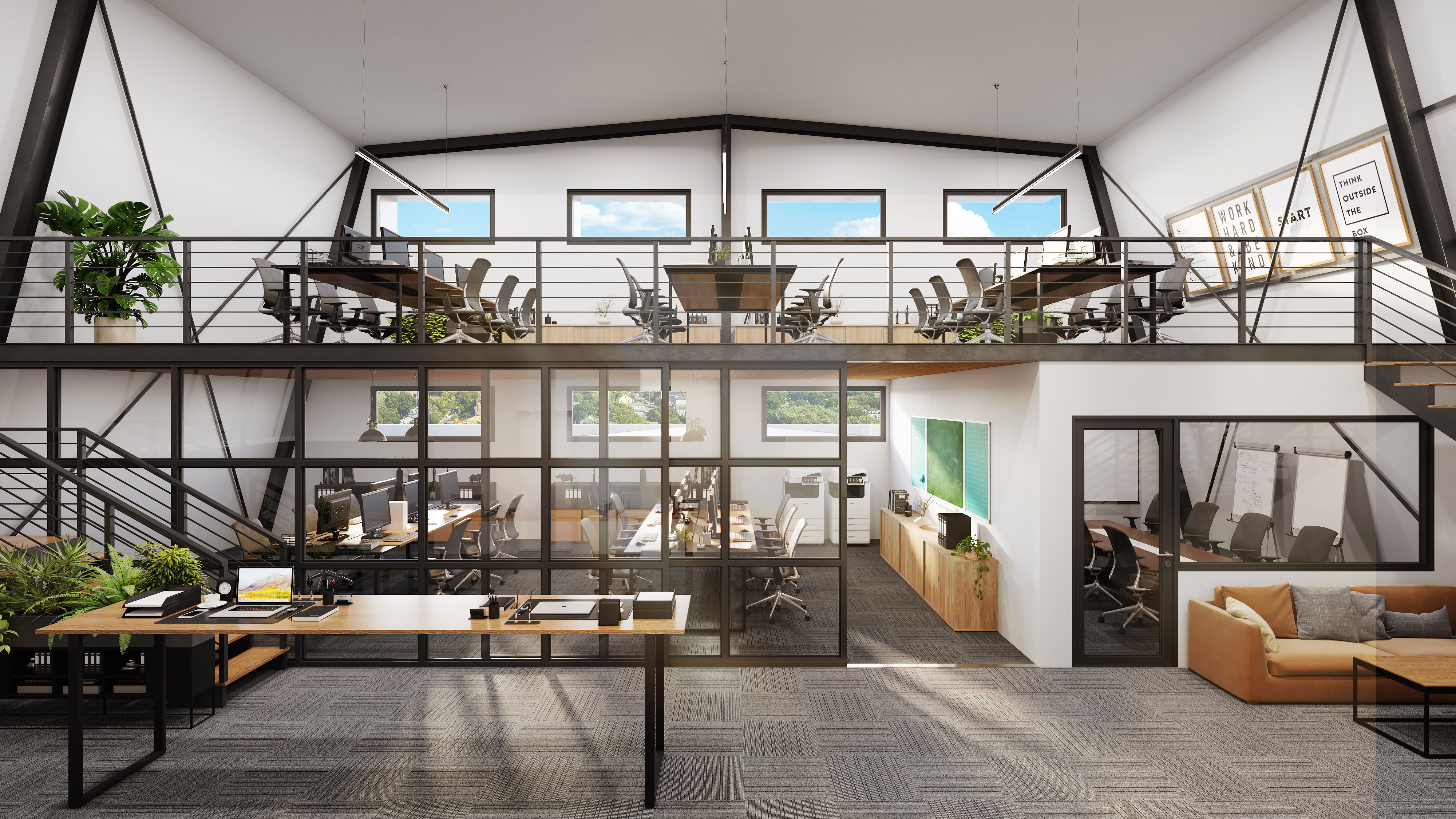
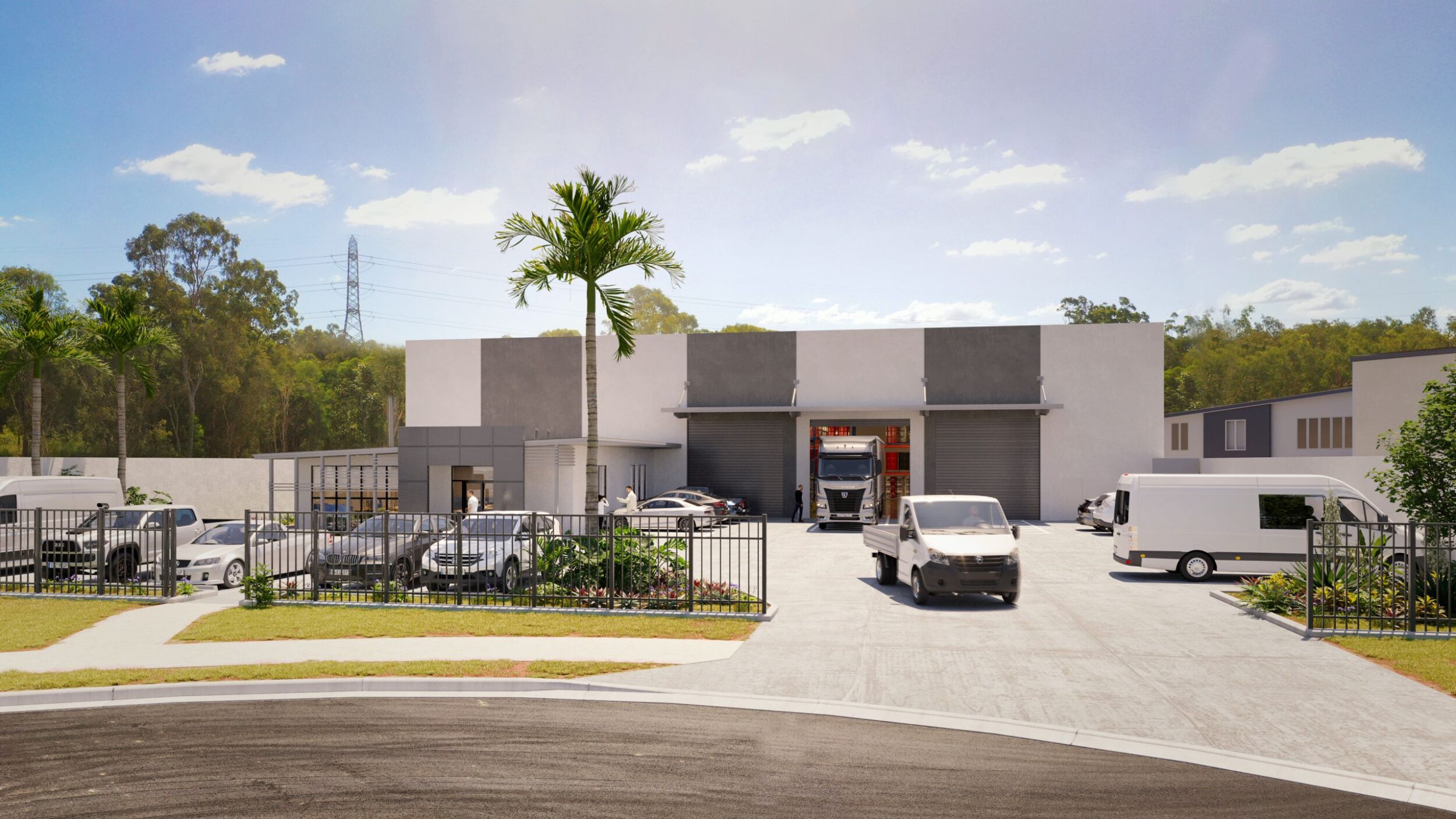
Renders should show the aspects of the project that influence a decision: street presentation, loading areas, roller doors, office entries, hardstand, landscaping, car parking and estate context. For leasing, internal indicative views may help where office or showroom presentation is important. The objective is to make the future asset understandable, not to create decoration.
In the context of “How Do You Maintain Demand Across Multiple Development Stages?”, this matters because the campaign needs to support real commercial decisions rather than simply create visibility. The developer should be able to point to a current source for plans, areas, timing and commercial information, while the agent should be able to explain the opportunity without filling gaps from memory. That level of control improves the quality of enquiry and makes it easier to see whether objections are being caused by presentation, product, pricing or programme.
Pre-commitment campaigns need a different mindset
Marketing completed property is largely about presenting what exists. Pre-commitment marketing is about explaining what will exist, what may still change and what is contractually certain. That means plans, specifications, timing, approvals, deposit structures, lease terms and design flexibility matter far more than generic lifestyle language.
In the context of “How Do You Maintain Demand Across Multiple Development Stages?”, this matters because the campaign needs to support real commercial decisions rather than simply create visibility. The developer should be able to point to a current source for plans, areas, timing and commercial information, while the agent should be able to explain the opportunity without filling gaps from memory. That level of control improves the quality of enquiry and makes it easier to see whether objections are being caused by presentation, product, pricing or programme.
Confidence in delivery is part of the product
Before completion, the developer's credibility, consultant team, builder, approvals status and construction programme can matter almost as much as the building itself. Buyers and tenants are assessing execution risk. Campaign material should therefore communicate real progress and decision milestones rather than repeatedly recycling launch CGI.
In the context of “How Do You Maintain Demand Across Multiple Development Stages?”, this matters because the campaign needs to support real commercial decisions rather than simply create visibility. The developer should be able to point to a current source for plans, areas, timing and commercial information, while the agent should be able to explain the opportunity without filling gaps from memory. That level of control improves the quality of enquiry and makes it easier to see whether objections are being caused by presentation, product, pricing or programme.
Pre-leasing needs operational detail
Tenants care about move-in timing, fitout periods, access, loading, power, services, staff parking, customer parking, signage, amenities, make-good, incentives and landlord works. A strong campaign gets those issues into the conversation early. That reduces wasted inspections and prevents late-stage surprises.
In the context of “How Do You Maintain Demand Across Multiple Development Stages?”, this matters because the campaign needs to support real commercial decisions rather than simply create visibility. The developer should be able to point to a current source for plans, areas, timing and commercial information, while the agent should be able to explain the opportunity without filling gaps from memory. That level of control improves the quality of enquiry and makes it easier to see whether objections are being caused by presentation, product, pricing or programme.
Agents need fast, technically accurate answers
Pre-sales and pre-leasing enquiries often become technical quickly. Agents need current plans, areas, specifications, staging, programme, inclusions and commercial terms. If they need to ask the developer for basic information every time, momentum drops. A structured agent pack is part of the campaign infrastructure.
In the context of “How Do You Maintain Demand Across Multiple Development Stages?”, this matters because the campaign needs to support real commercial decisions rather than simply create visibility. The developer should be able to point to a current source for plans, areas, timing and commercial information, while the agent should be able to explain the opportunity without filling gaps from memory. That level of control improves the quality of enquiry and makes it easier to see whether objections are being caused by presentation, product, pricing or programme.
Version control should be treated as a commercial discipline
Every live campaign asset should have an owner and a current version. When areas, staging, pricing, timing or specifications change, the project team should know which outputs need updating and in what order. This is particularly important when agents have downloaded old PDFs or saved plan packs locally. A change register and disciplined naming convention are simple controls that prevent the market receiving contradictory information.
In the context of “How Do You Maintain Demand Across Multiple Development Stages?”, this matters because the campaign needs to support real commercial decisions rather than simply create visibility. The developer should be able to point to a current source for plans, areas, timing and commercial information, while the agent should be able to explain the opportunity without filling gaps from memory. That level of control improves the quality of enquiry and makes it easier to see whether objections are being caused by presentation, product, pricing or programme.
Use technical detail selectively, not defensively
Commercial buyers and tenants do not need every engineering note on the first screen, but they do need confidence that the detail exists. The best campaigns layer information: a clear first explanation, then plans and specifications, then due-diligence documentation. That structure keeps the campaign readable without becoming superficial.
In the context of “How Do You Maintain Demand Across Multiple Development Stages?”, this matters because the campaign needs to support real commercial decisions rather than simply create visibility. The developer should be able to point to a current source for plans, areas, timing and commercial information, while the agent should be able to explain the opportunity without filling gaps from memory. That level of control improves the quality of enquiry and makes it easier to see whether objections are being caused by presentation, product, pricing or programme.
Make the campaign easy for agents to use in real conversations
Agents work across calls, inspections, email, portals and face-to-face meetings. Material should therefore be easy to extract and forward. Clean individual plans, concise specification sheets, current availability schedules and clear CGI often perform better operationally than a single oversized brochure containing everything.
In the context of “How Do You Maintain Demand Across Multiple Development Stages?”, this matters because the campaign needs to support real commercial decisions rather than simply create visibility. The developer should be able to point to a current source for plans, areas, timing and commercial information, while the agent should be able to explain the opportunity without filling gaps from memory. That level of control improves the quality of enquiry and makes it easier to see whether objections are being caused by presentation, product, pricing or programme.
Know when the problem is not marketing
If the project is well explained, well distributed and generating informed enquiry but transactions are not progressing, more creative production may not be the answer. The project may need a pricing change, revised product mix, different commercial terms, additional flexibility or a clearer delivery programme. A mature campaign system helps identify that distinction rather than automatically blaming lead volume.
In the context of “How Do You Maintain Demand Across Multiple Development Stages?”, this matters because the campaign needs to support real commercial decisions rather than simply create visibility. The developer should be able to point to a current source for plans, areas, timing and commercial information, while the agent should be able to explain the opportunity without filling gaps from memory. That level of control improves the quality of enquiry and makes it easier to see whether objections are being caused by presentation, product, pricing or programme.
What this means for the development team
The marketing programme should be reviewed alongside design, approvals, pricing, construction and agency feedback. When those disciplines are disconnected, the campaign becomes reactive. When they are coordinated, the marketing becomes a practical part of the development process and can support better timing, clearer decisions and stronger market engagement.
For pre-sales & pre-leasing, the practical standard is simple: the campaign should make the opportunity clearer as the project evolves, not more complicated. Commercial Property Marketing can coordinate the visualisation, masterplans, websites, IMs, branding and campaign assets around the same approved project information so the market, agents and development team are all working from one version of the story.
More commercial property marketing resources
Explore Commercial Property Marketing and Commercial Property Insights for related development marketing strategy, visualisation and project-launch material.


 EXPLORE THE WORK