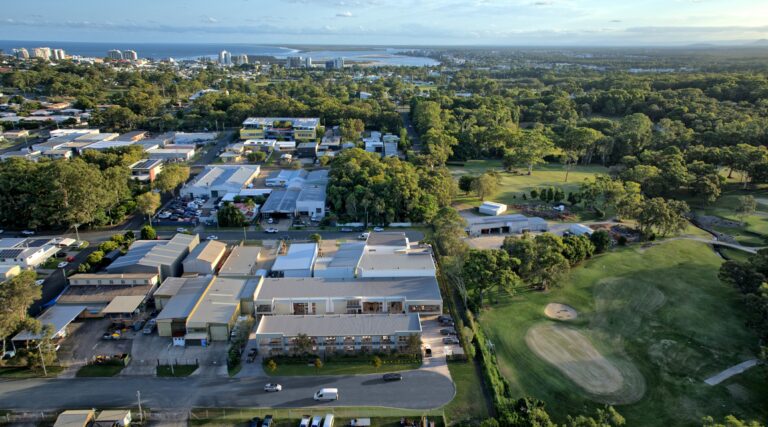
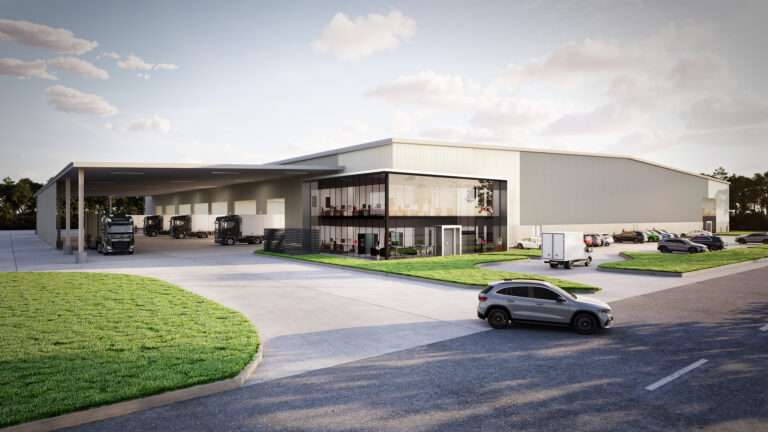
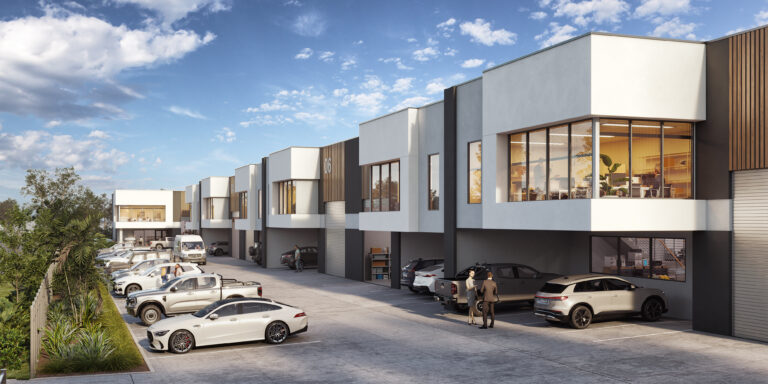
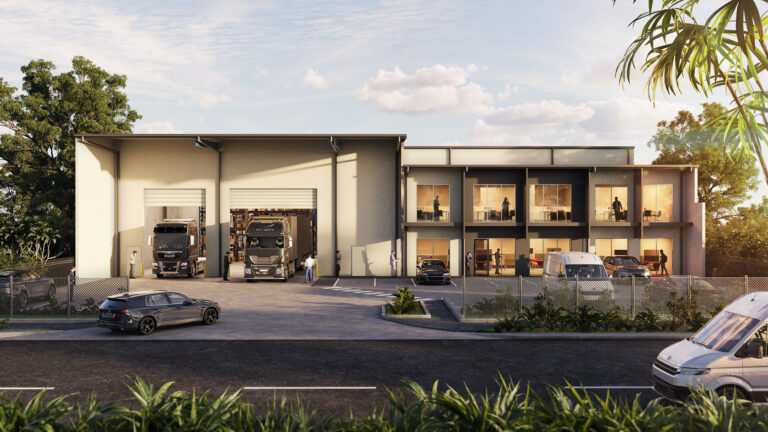


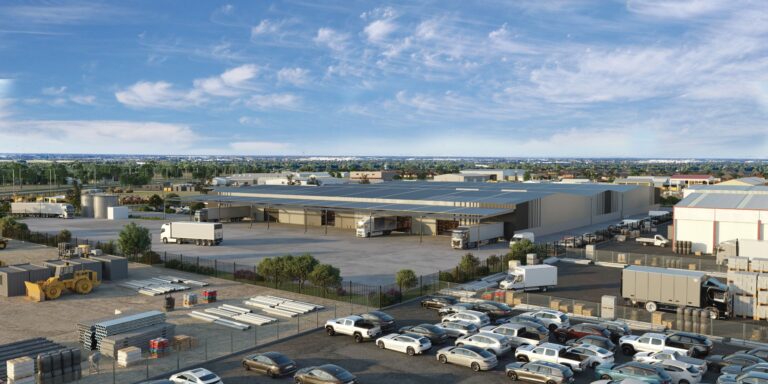
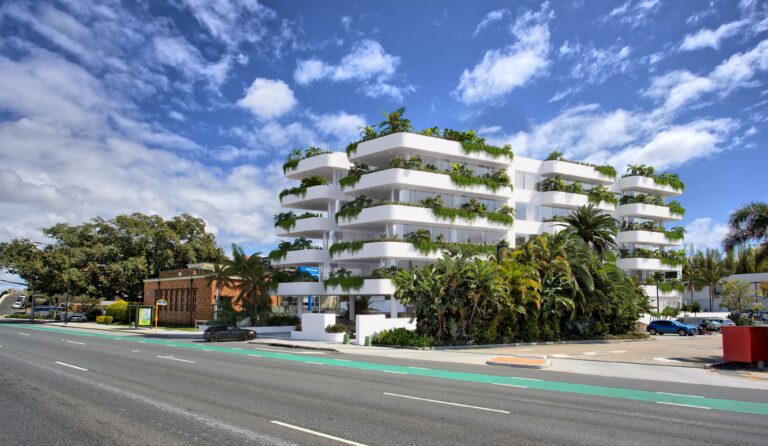
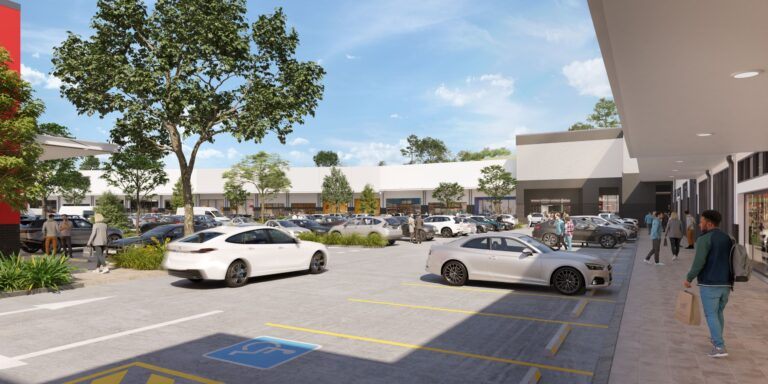
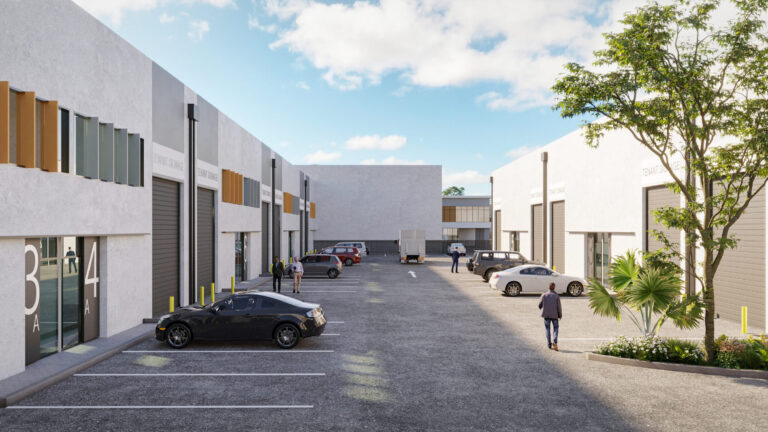
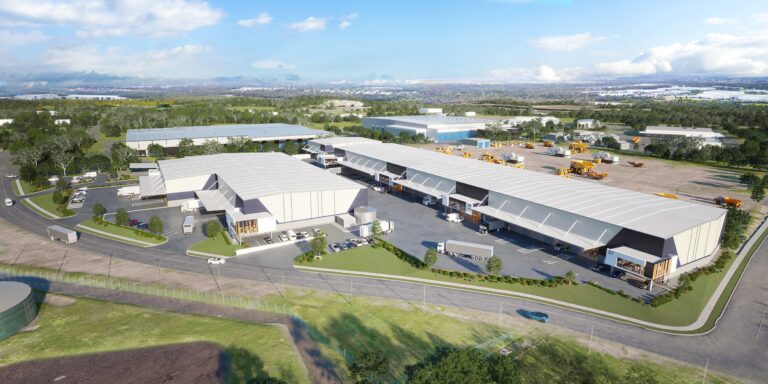
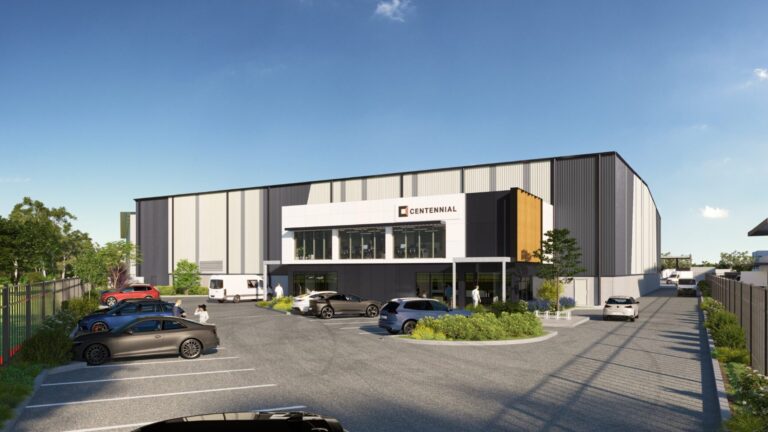
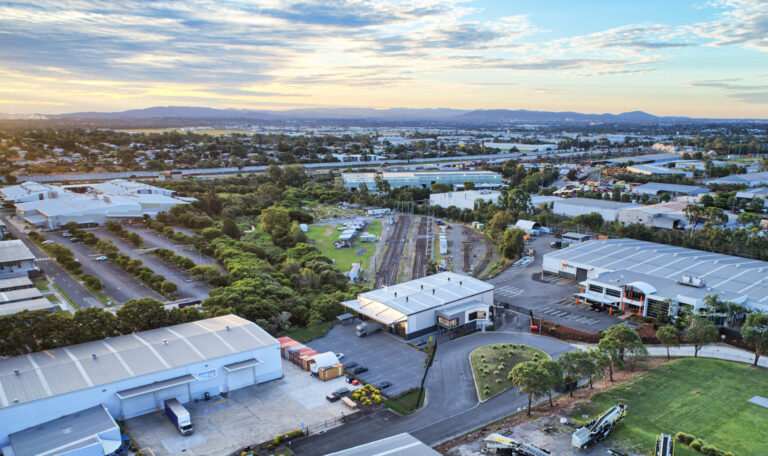
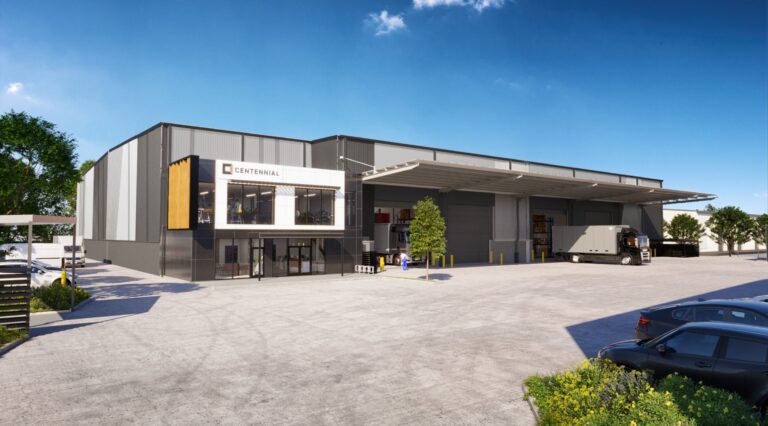
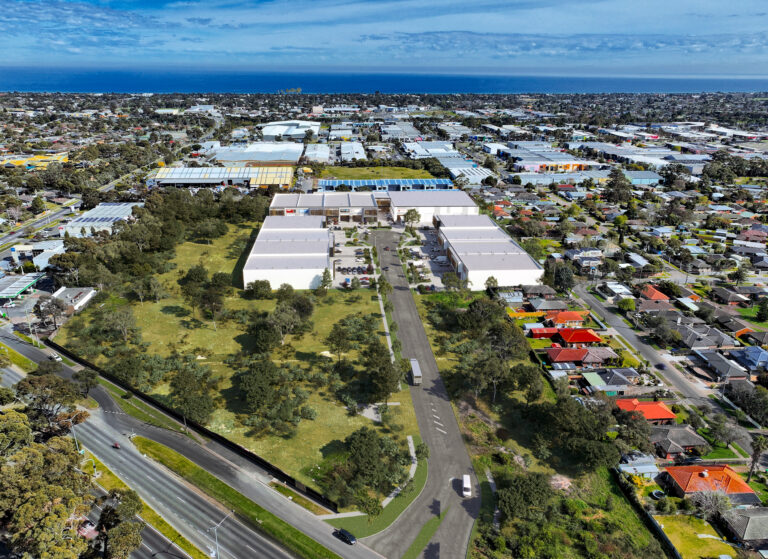
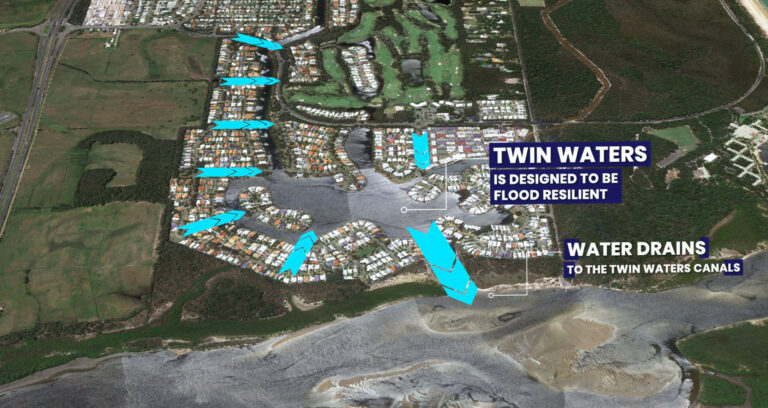
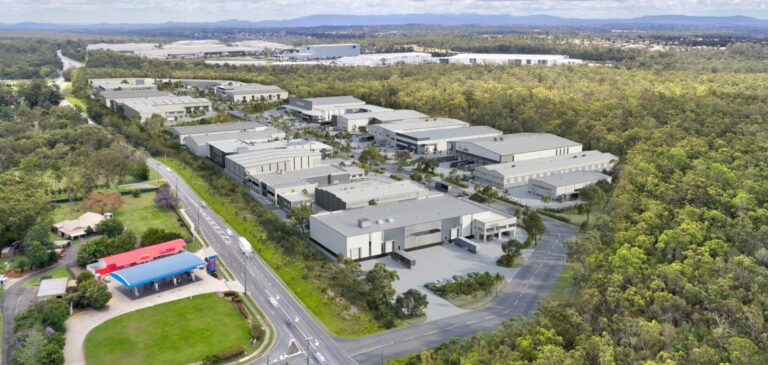
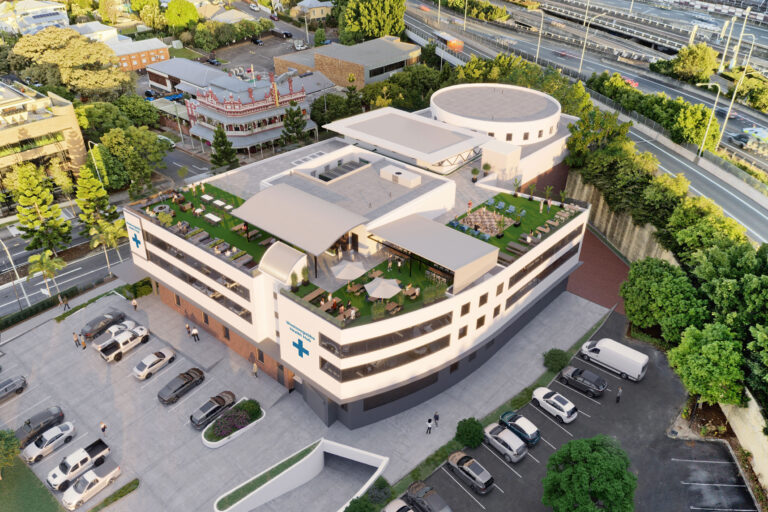
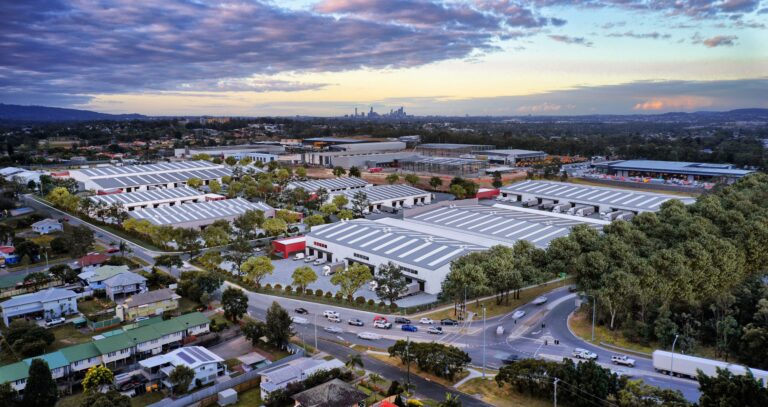
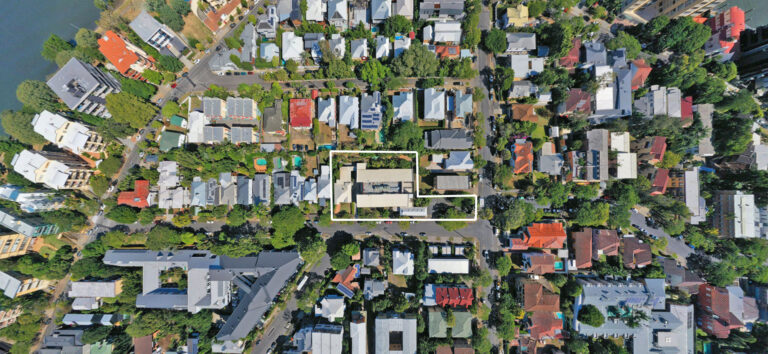
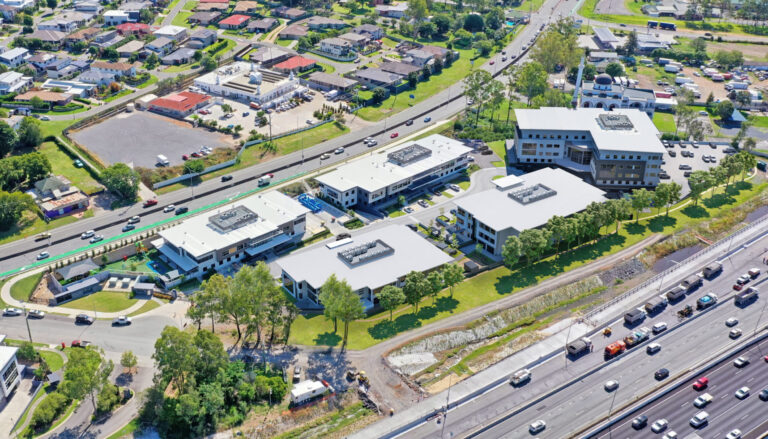
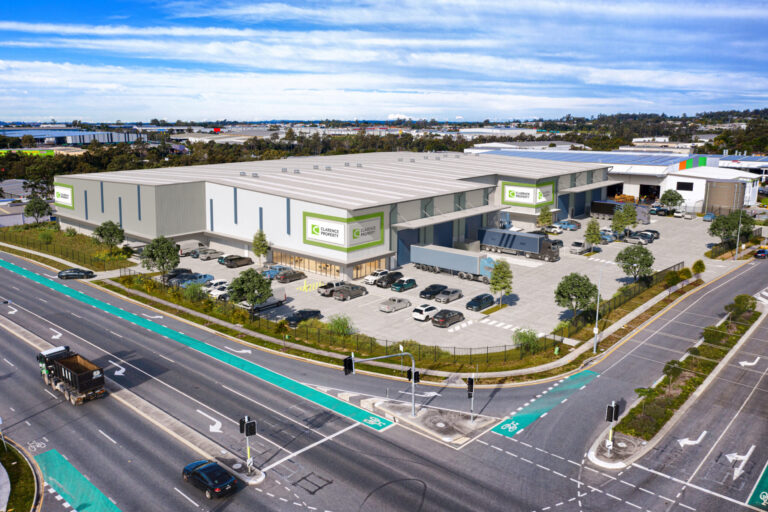
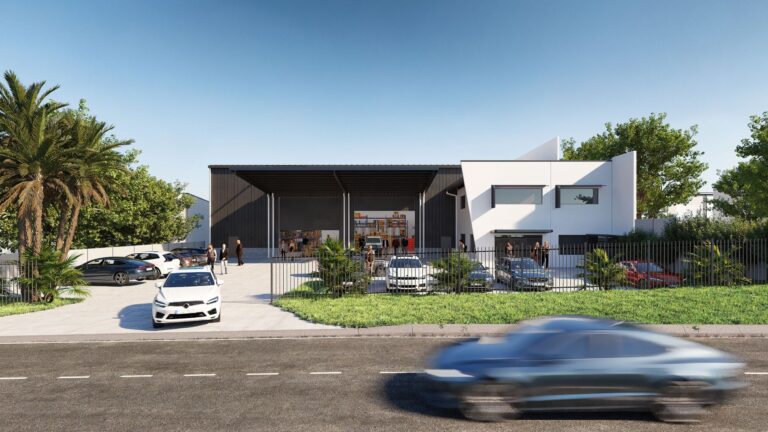
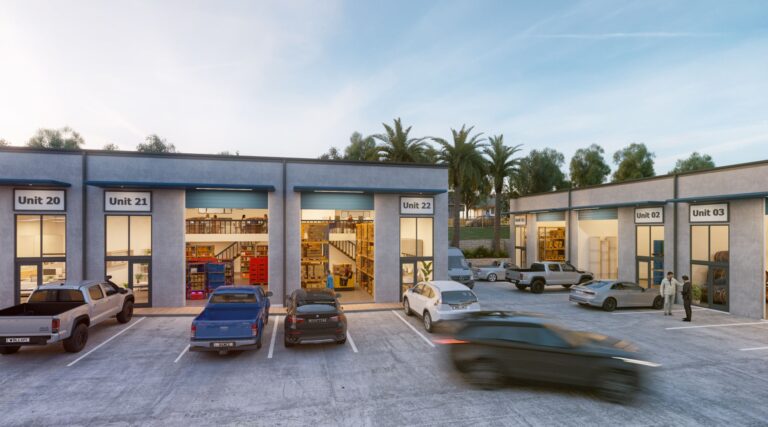
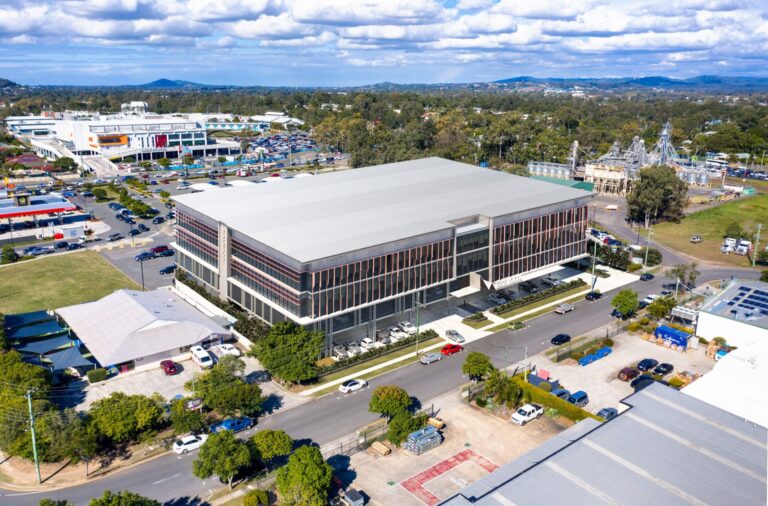
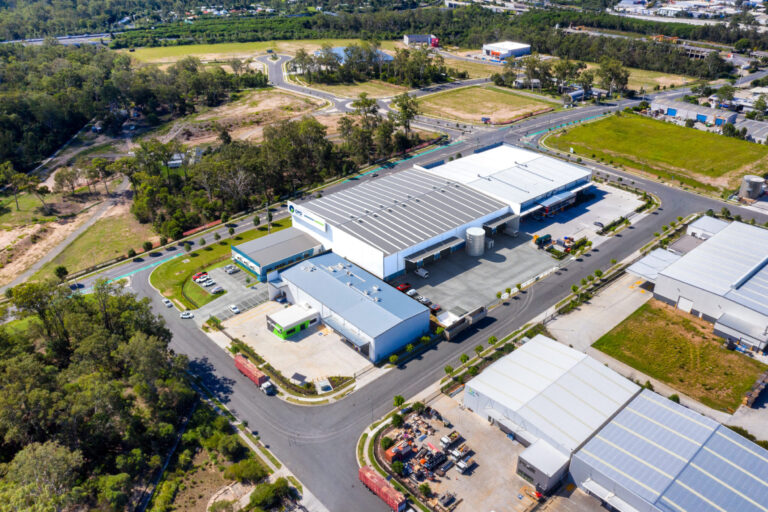

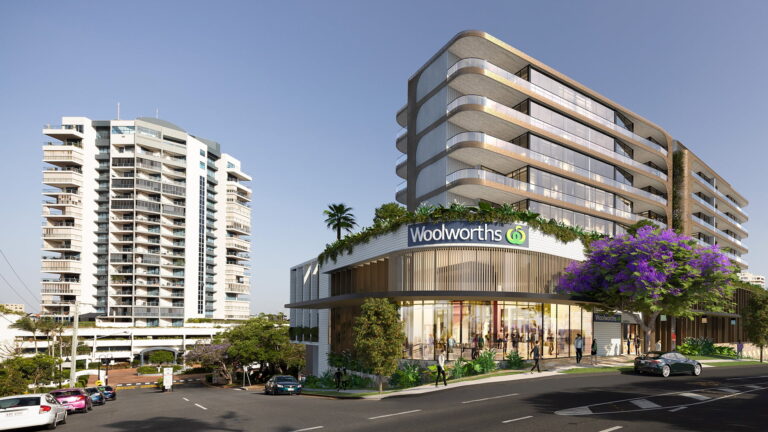
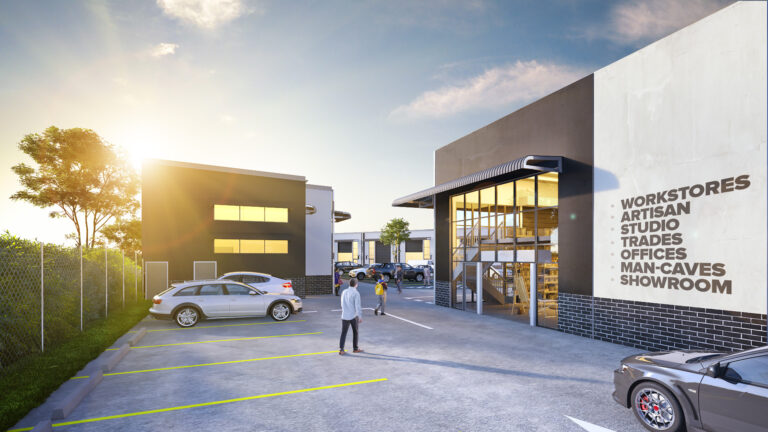
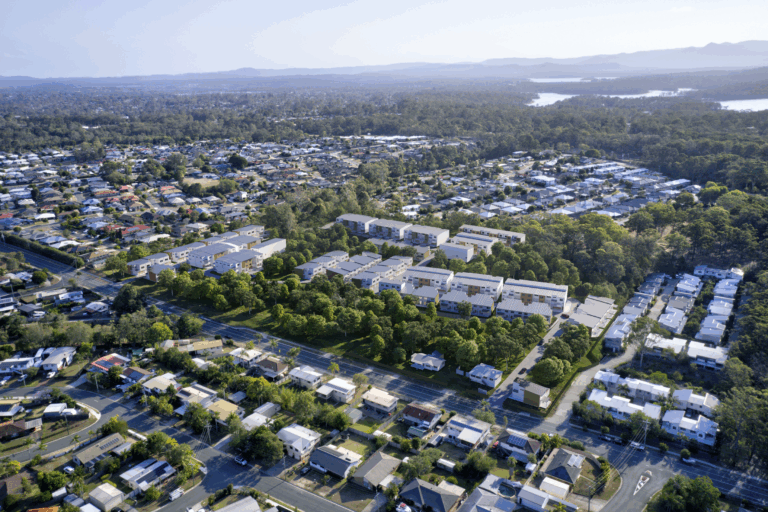


Most sites aren’t limited by zoning, access, or location — they’re limited by how early decisions are made. By the time a project hits the market, key opportunities have already been missed. Layouts are locked in, flexibility is gone, and the site is being sold as a compromised version of what it could have been.
1. Where site potential is lost early
The biggest mistakes don’t happen at sale — they happen before anyone even thinks about marketing.
- No early-stage visual planning or layout testing
- Decisions made purely from plans, not real-world use
- Underutilisation of land due to conservative layouts
- No consideration for future staging or expansion
- Lack of alignment between owner, designer, and agent
2. Why this leads to compromised outcomes
Once a layout direction is set, everything flows from it — and poor early decisions are expensive to undo.
- Inefficient layouts reduce total yield
- Poor access planning limits usability
- Lack of flexibility reduces buyer appeal
- Staging opportunities are lost
- End value is capped before the project even launches
3. What high-performing sites do differently
The best-performing developments don’t guess — they test and refine before anything is locked in.
- Multiple layout options explored early
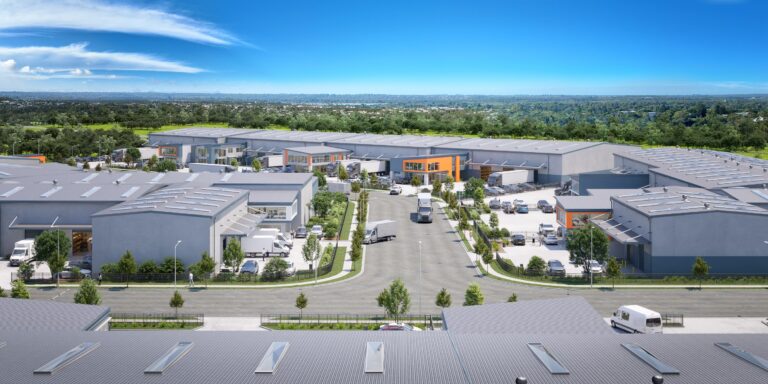
- Circulation, access, and usability tested visually
- Unit mix aligned to real market demand
- Staging planned to match absorption rates
- Design driven by outcome, not just compliance
4. The role of visual planning in unlocking potential
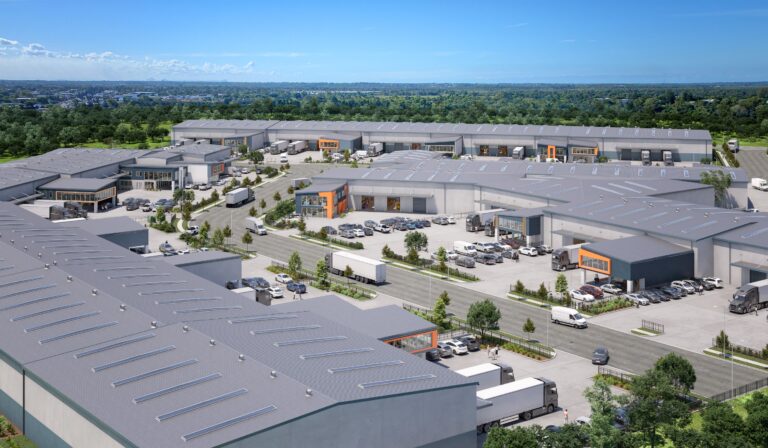
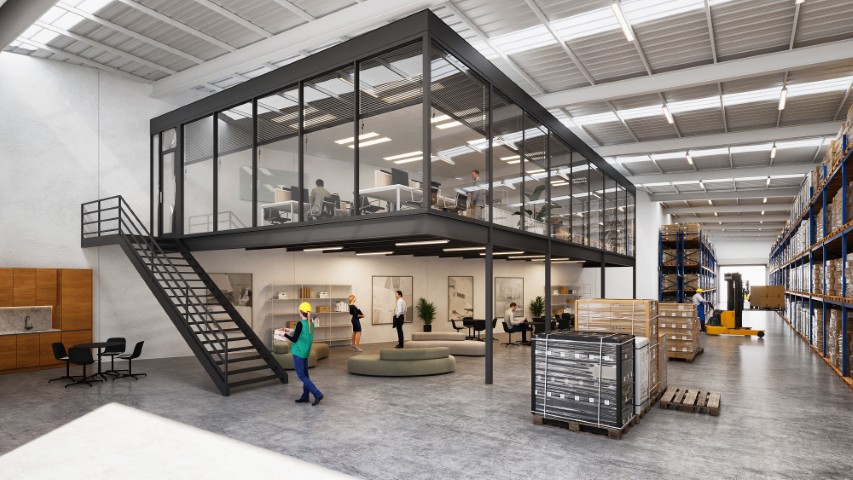
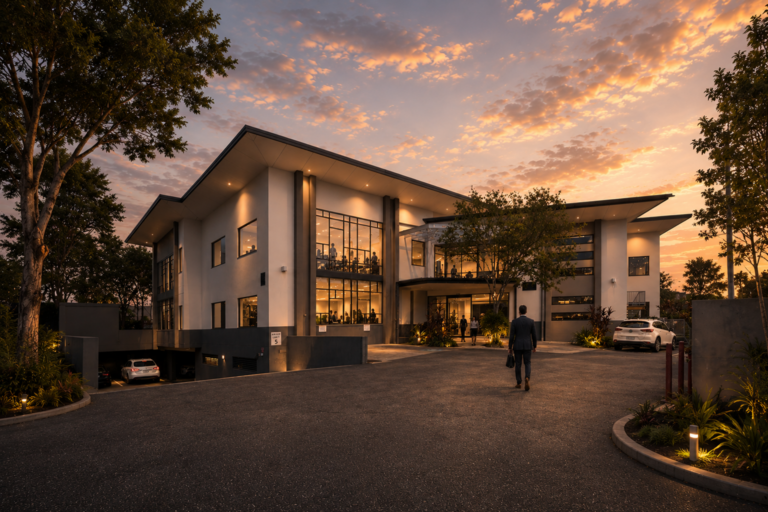
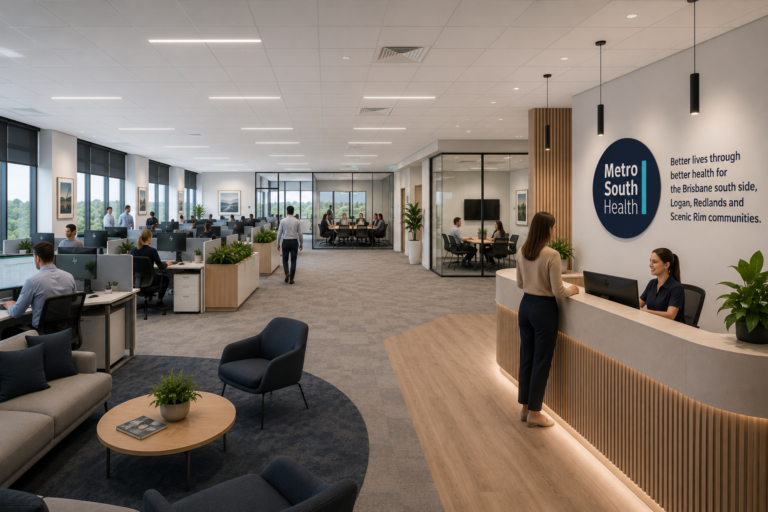
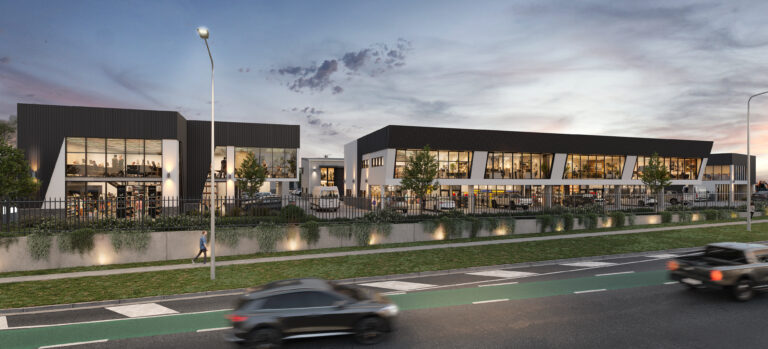
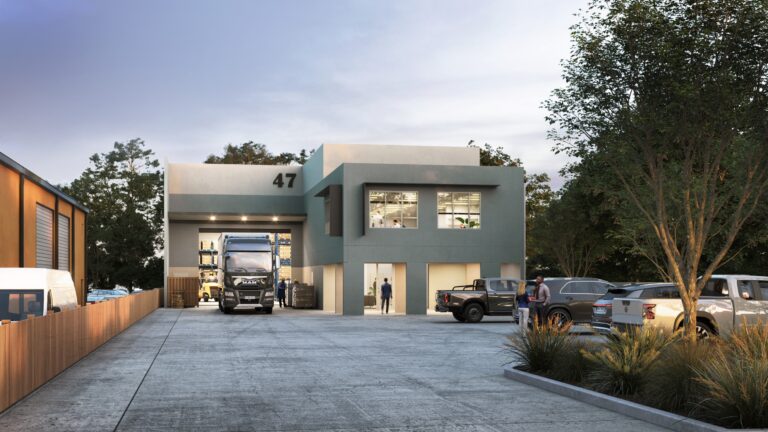
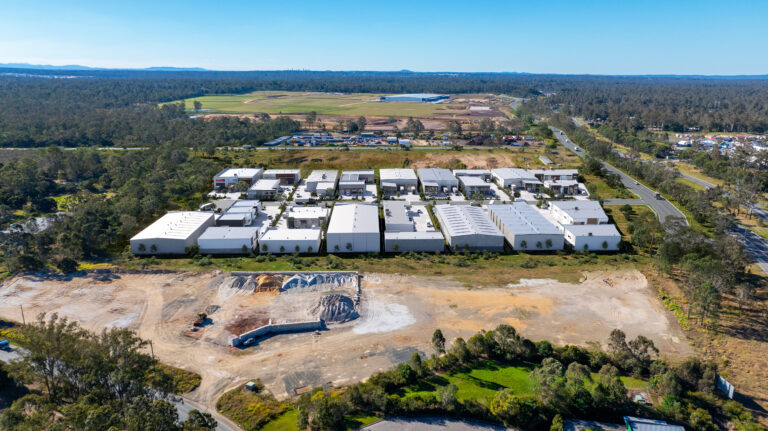
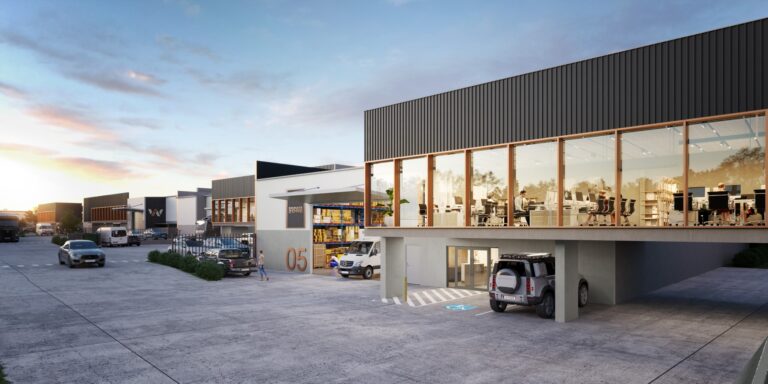
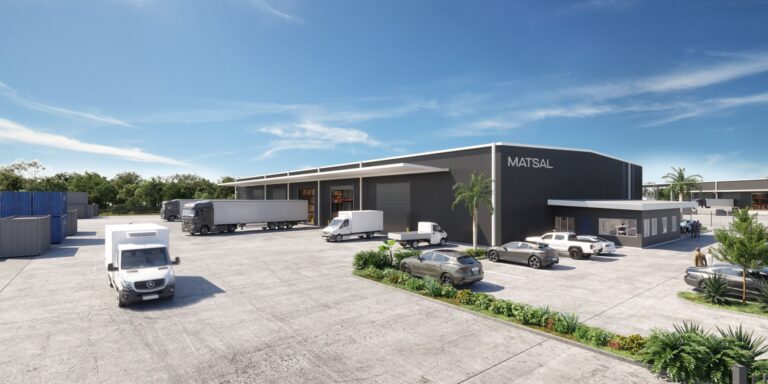
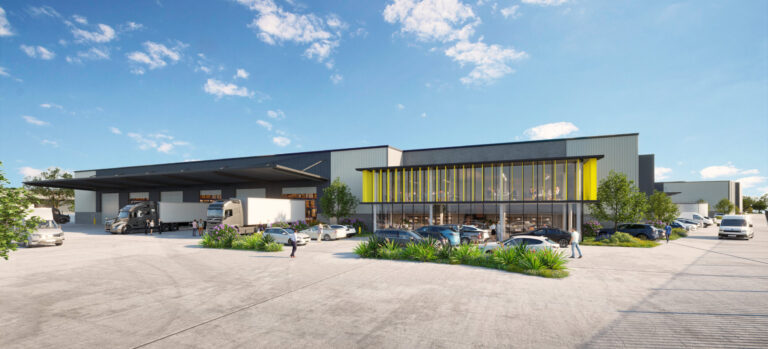
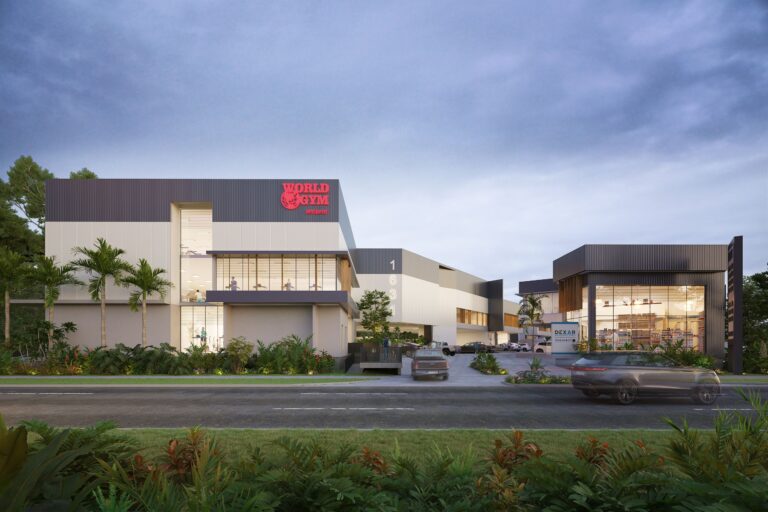
Plans on paper don’t reveal problems — visuals do. Seeing the site properly changes decisions early, when it still matters.
- Identify dead space and inefficiencies
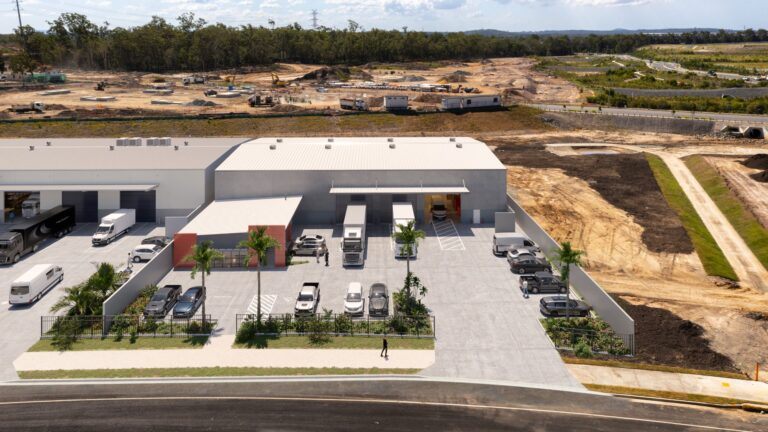
- Test truck movement and access points
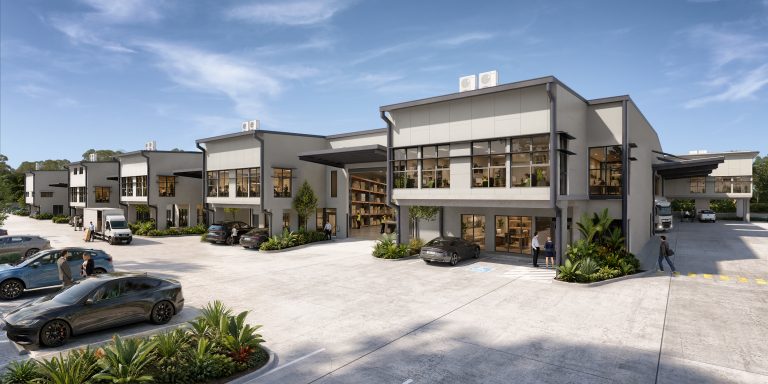
- Validate unit sizes and configurations
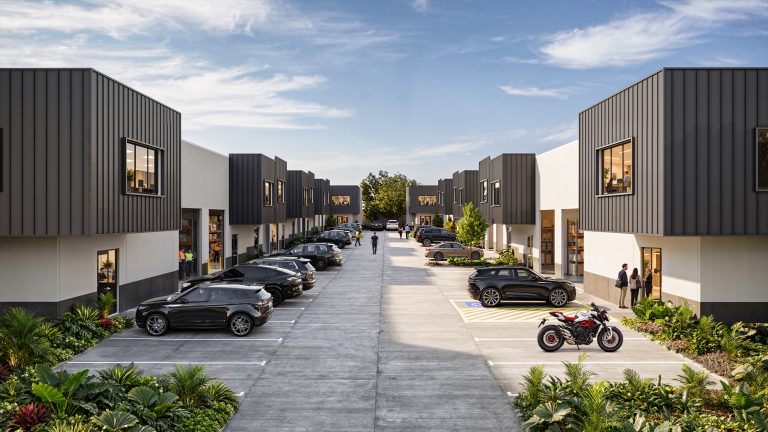
- Align layout with real operational use
- Present clear development scenarios to stakeholders
5. How to approach a site before it’s locked in
This is where you protect the upside — before decisions become fixed.
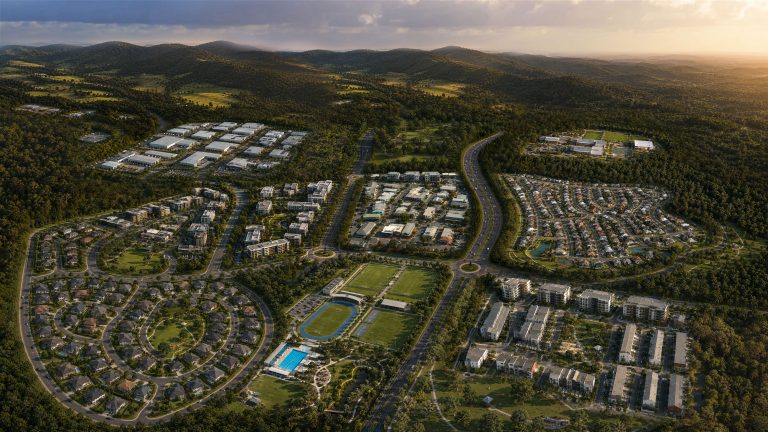
- Build a working masterplan, not just a compliance plan
- Test multiple subdivision and unit layouts
- Align design with end users (tenants, buyers, operators)
- Consider staging and future expansion from day one
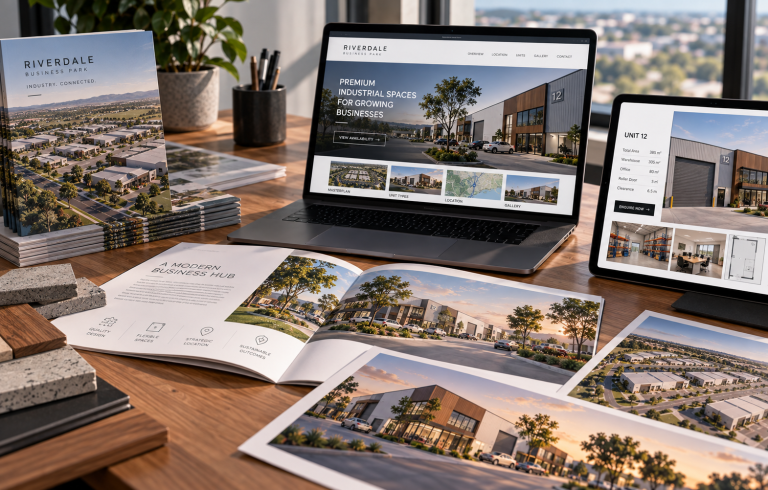
- Use visuals to align all stakeholders early
6. What happens when you get this right
When site potential is properly explored early, everything downstream improves.
- Higher yield and better land utilisation
- Stronger buyer and tenant appeal
- More flexibility in how the site is sold or leased
- Faster decision-making across all stakeholders
- Increased overall project value
7. The reality most owners miss
You don’t lose value at sale — you lose it in the decisions made before the market ever sees the site. By the time it’s listed, it’s often too late to fix.