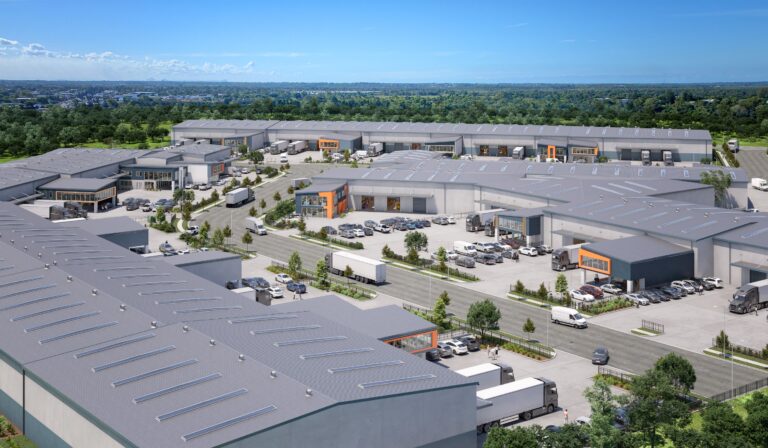
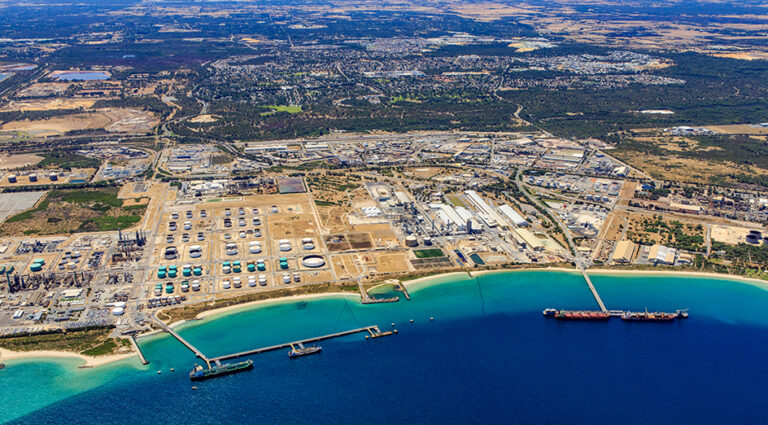
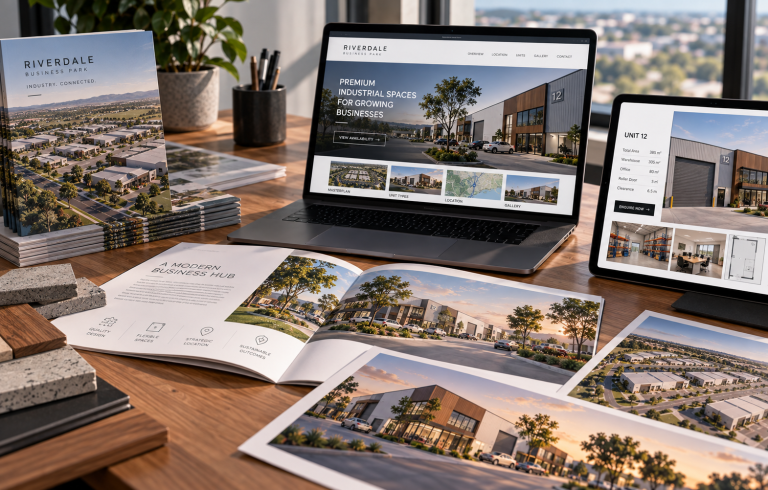
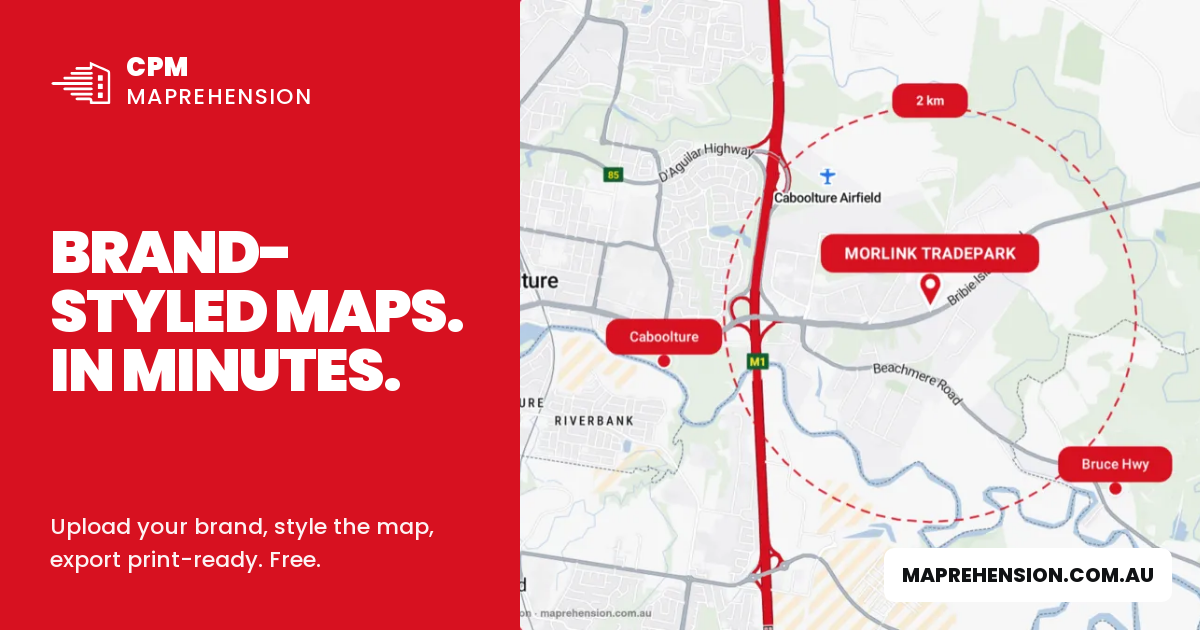
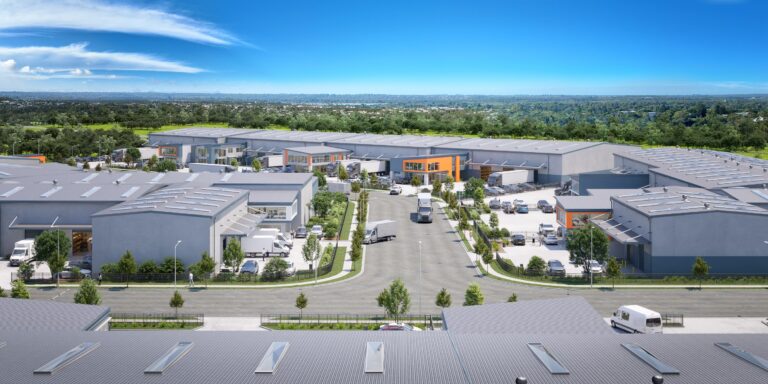
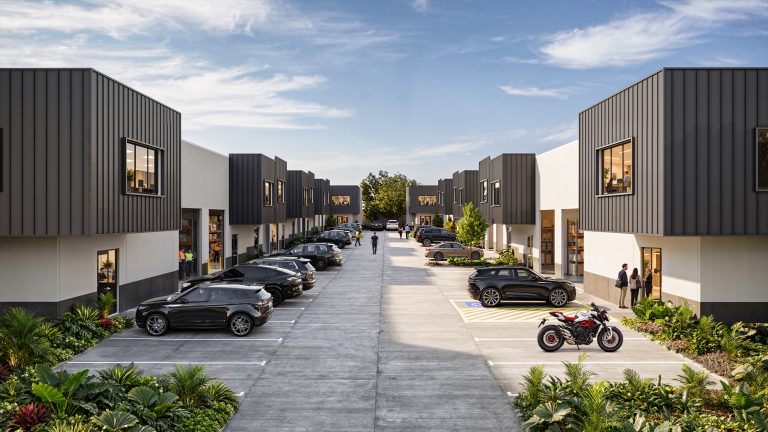
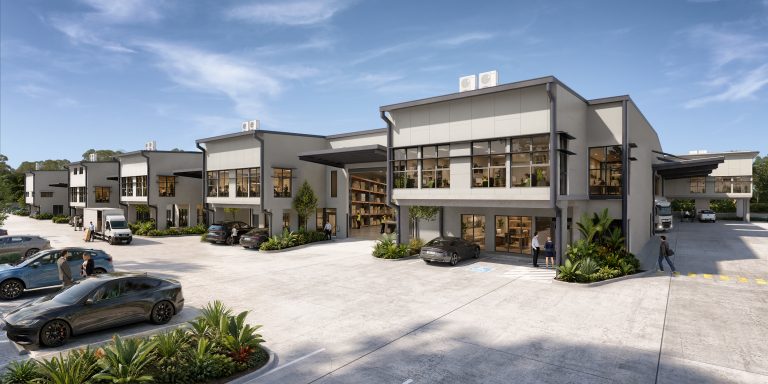
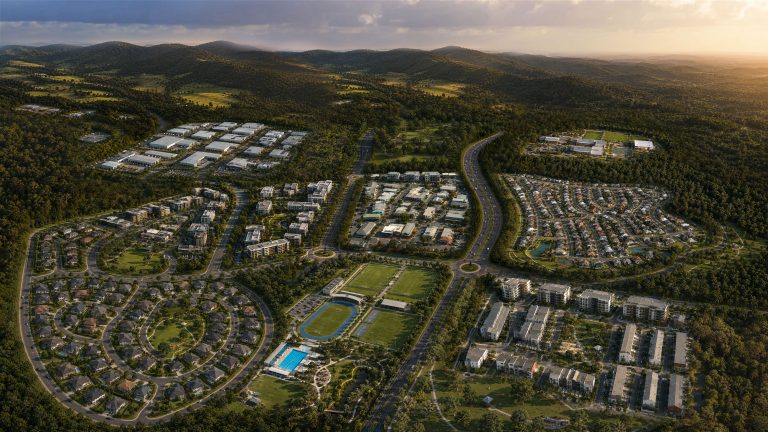
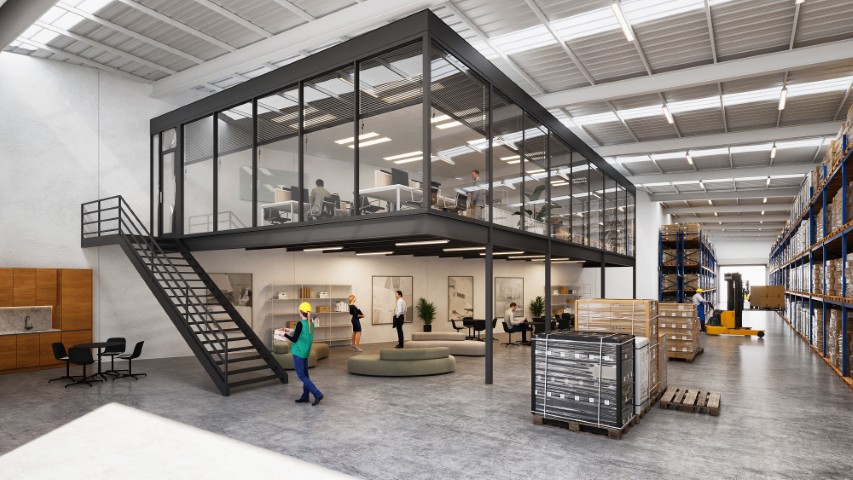
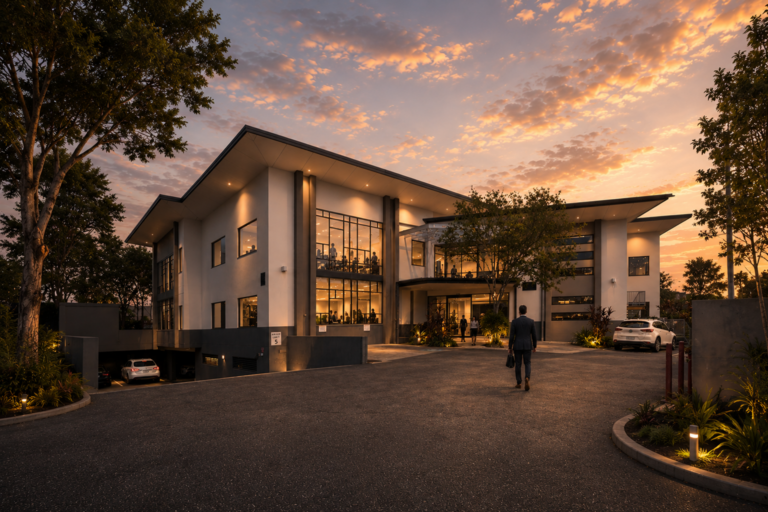
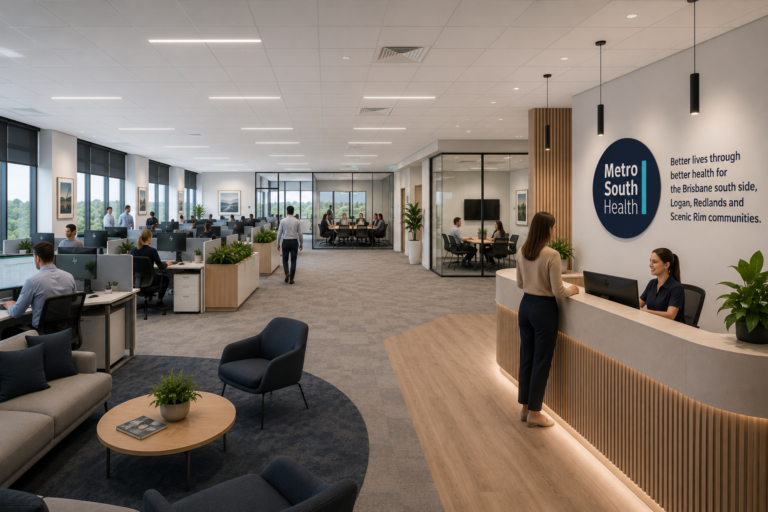
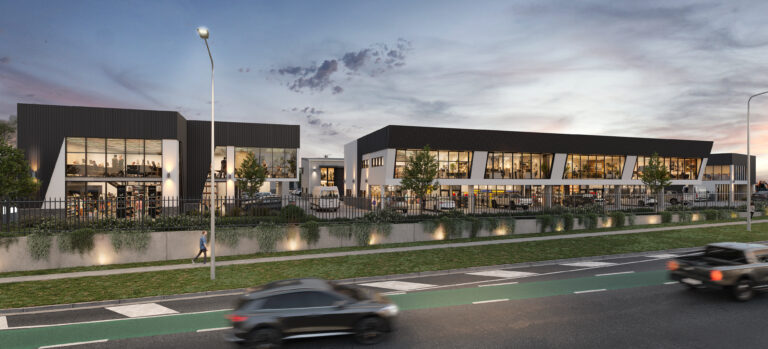
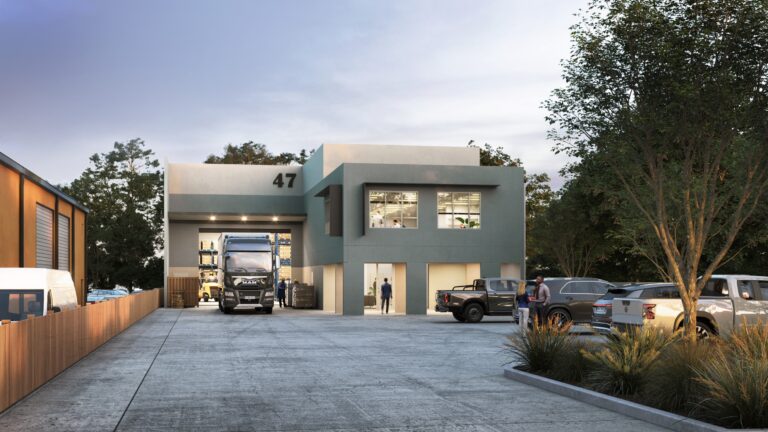
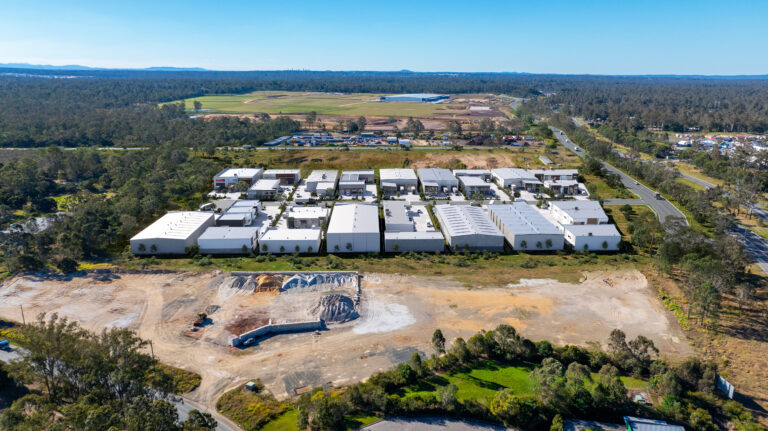
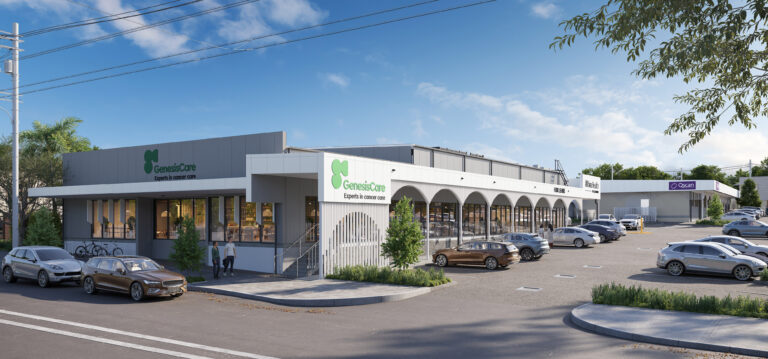
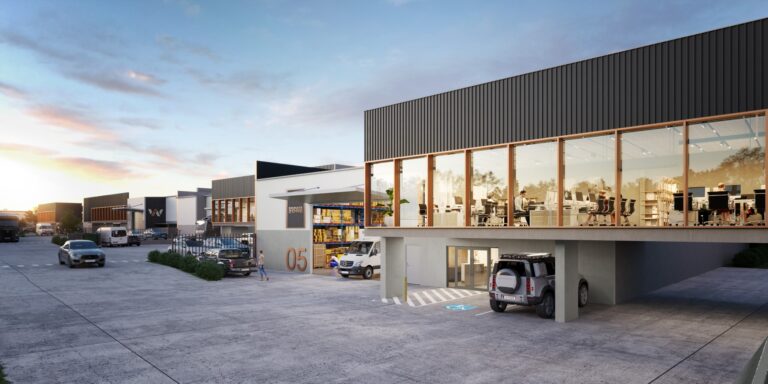
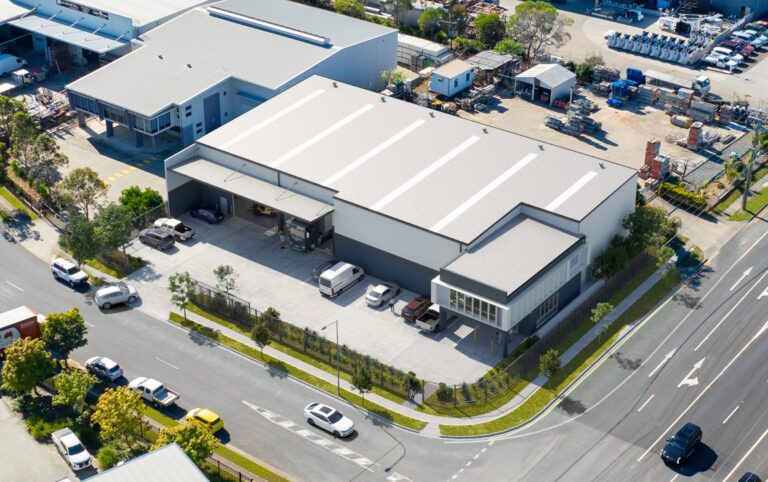
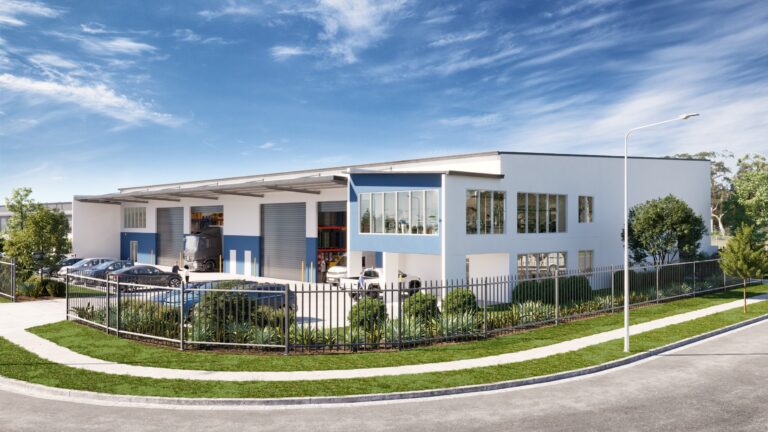
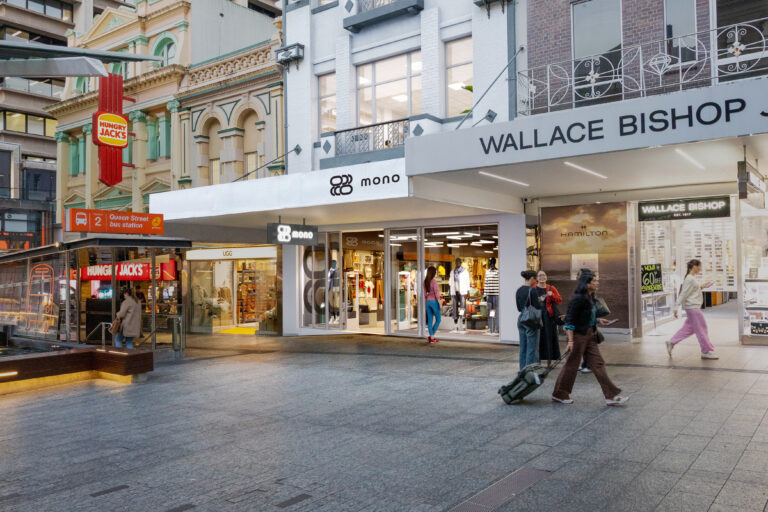
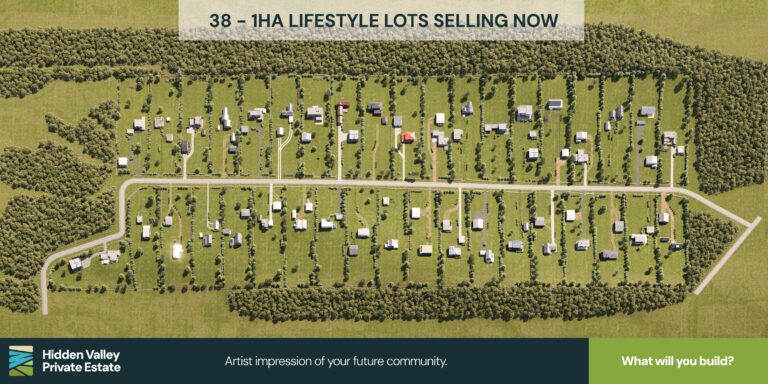
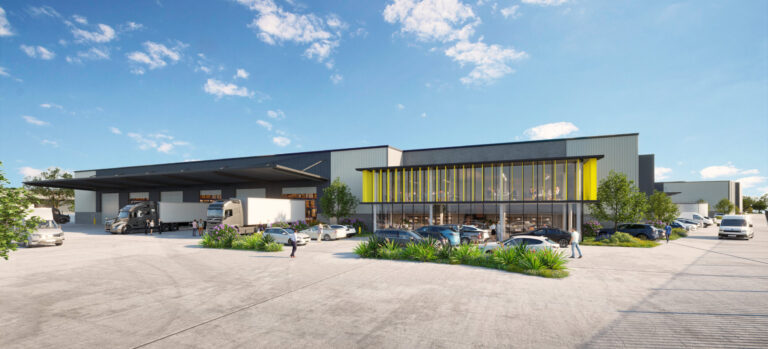
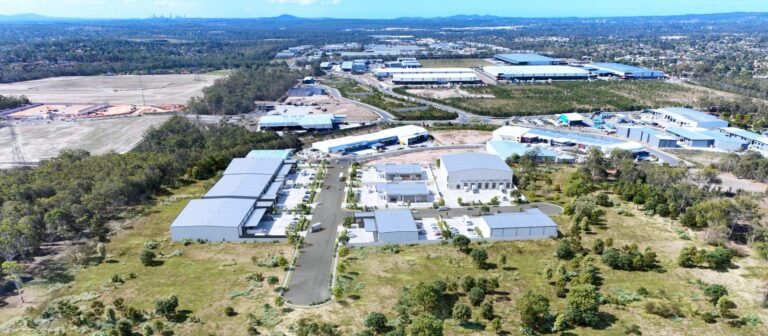
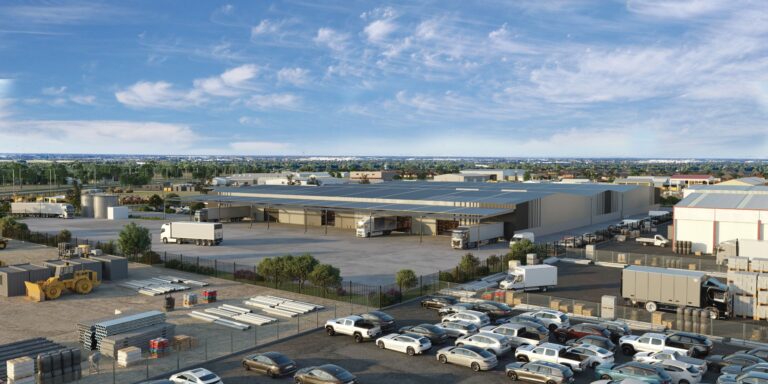
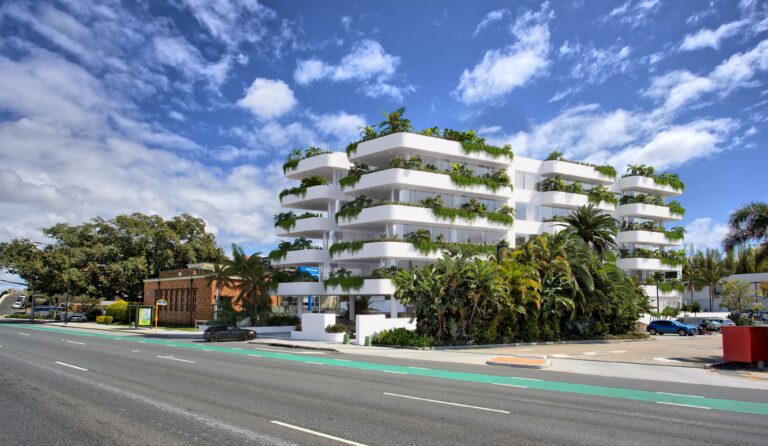
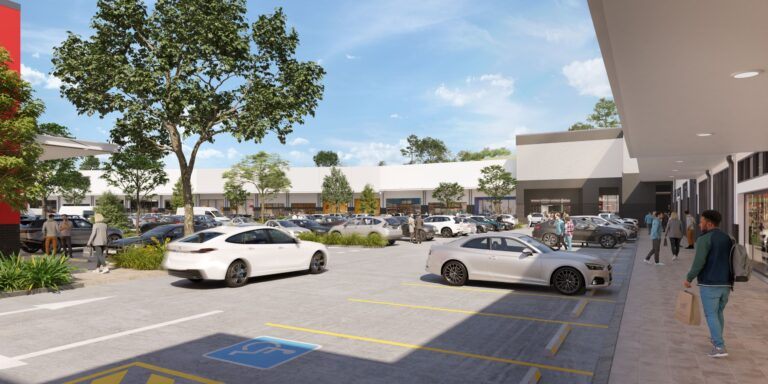
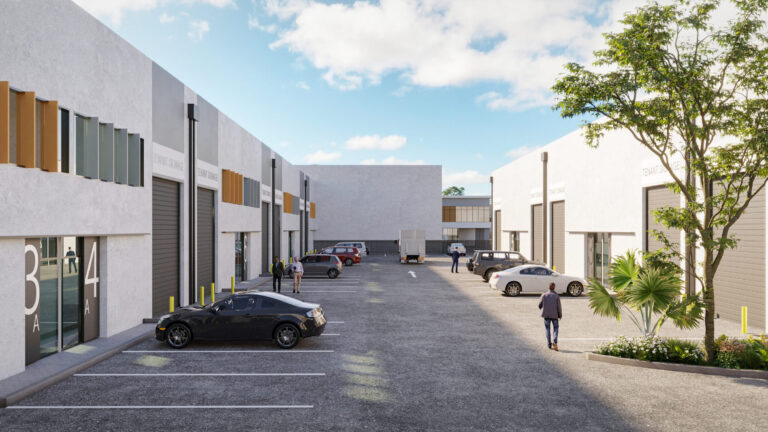
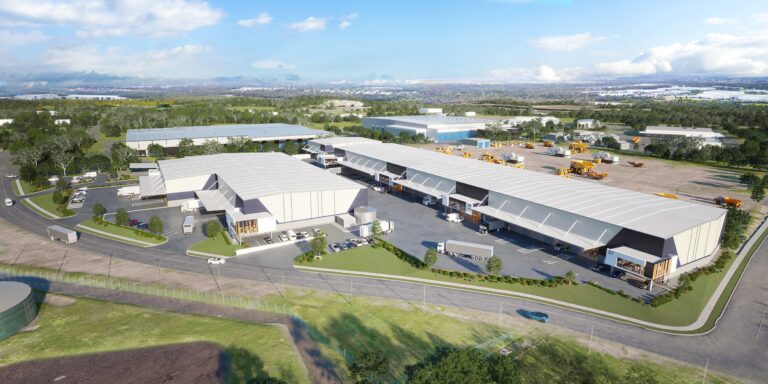
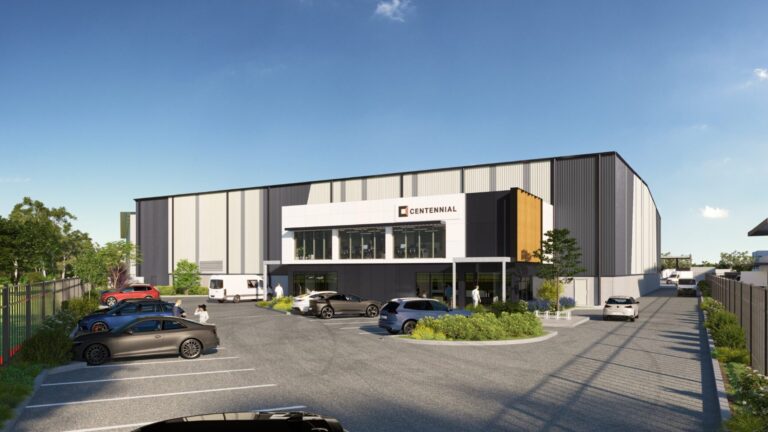
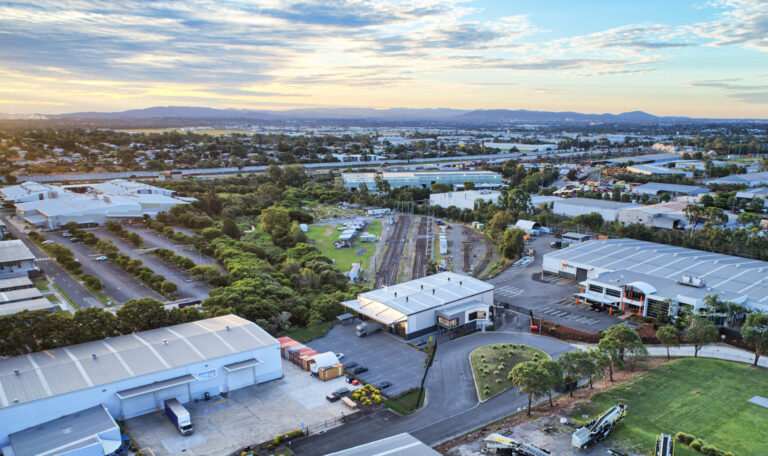
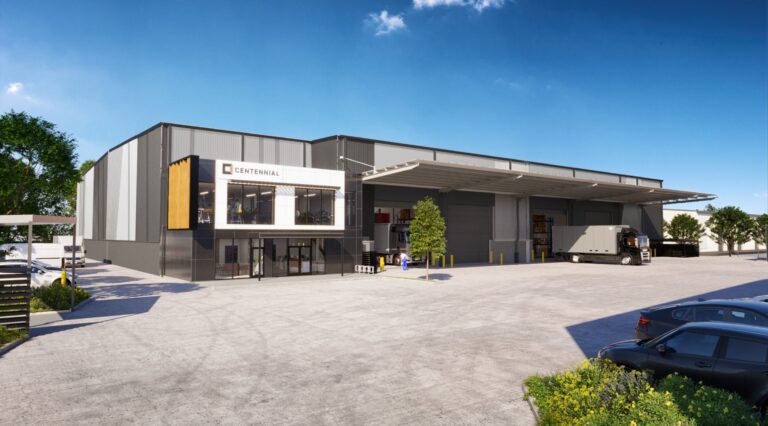
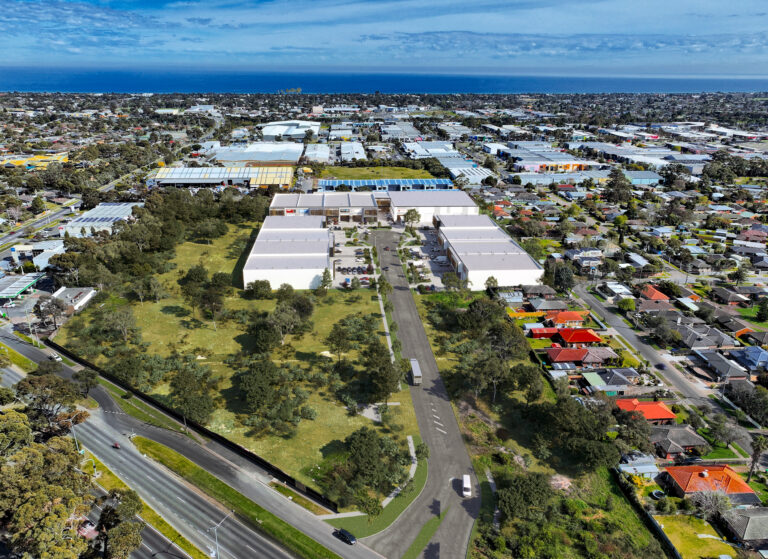
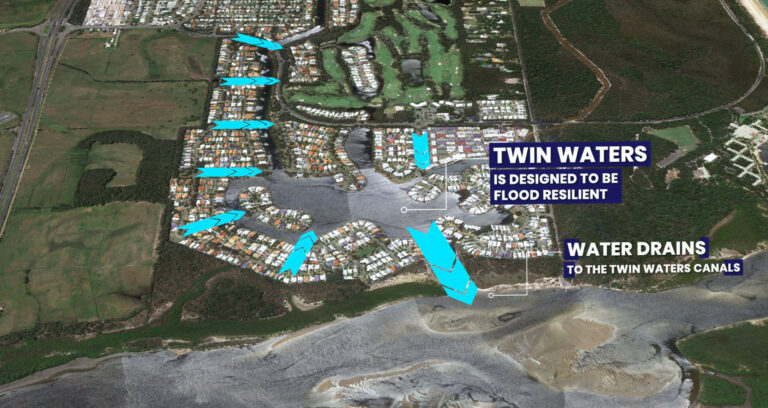
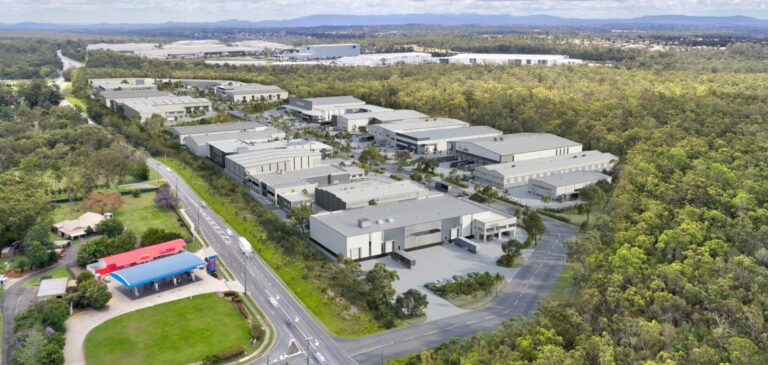
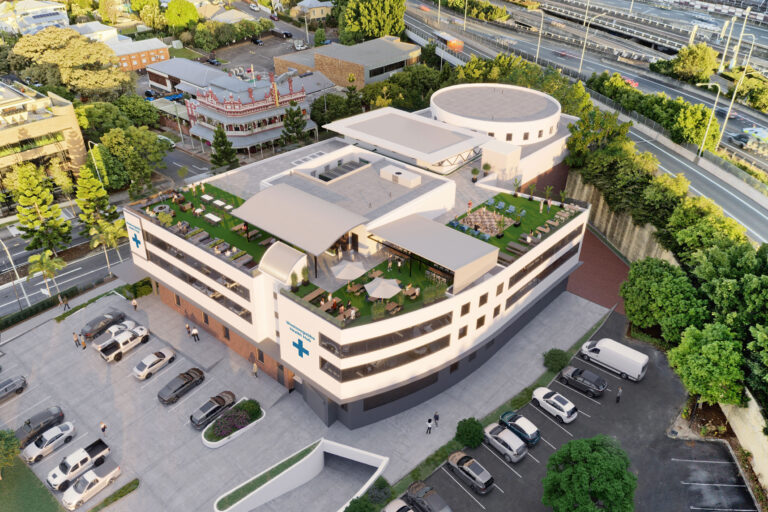
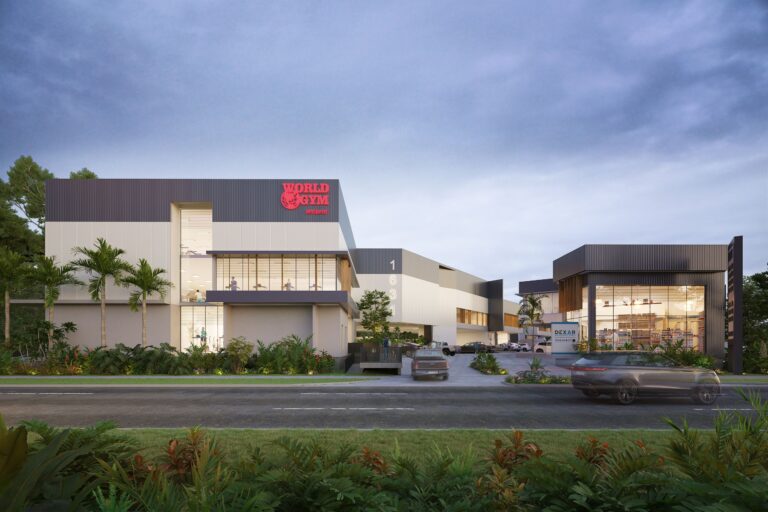
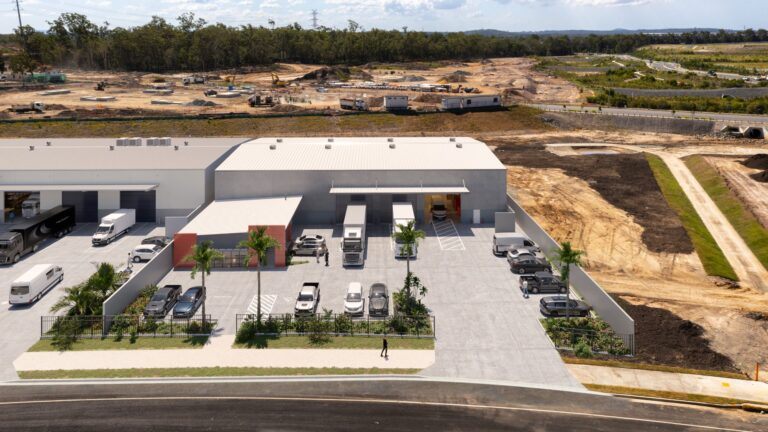
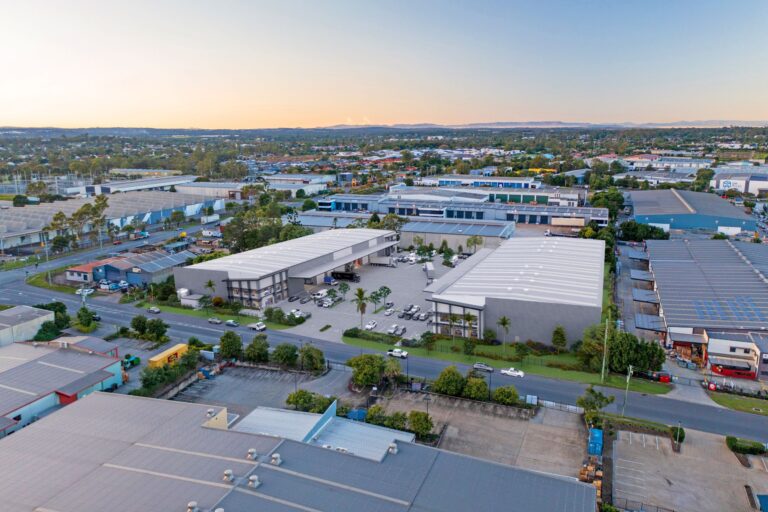
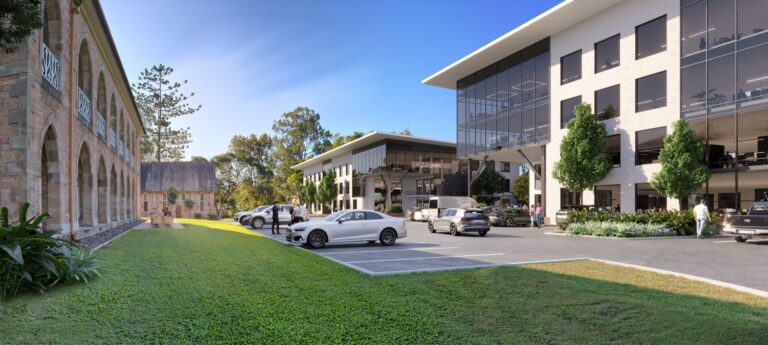
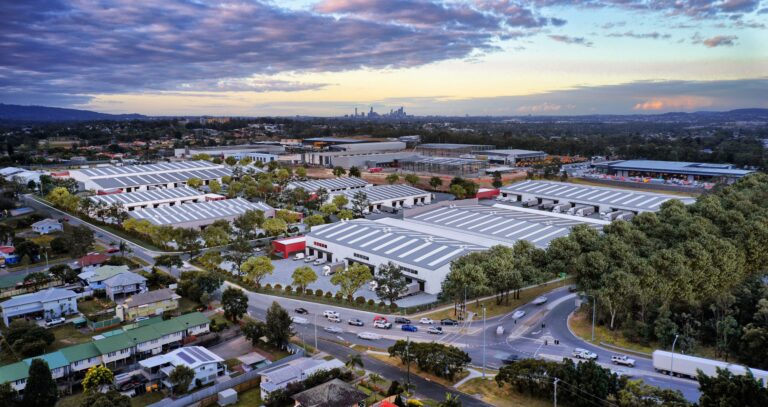
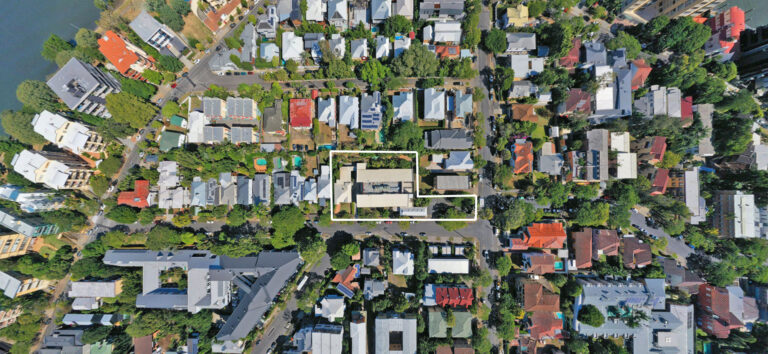
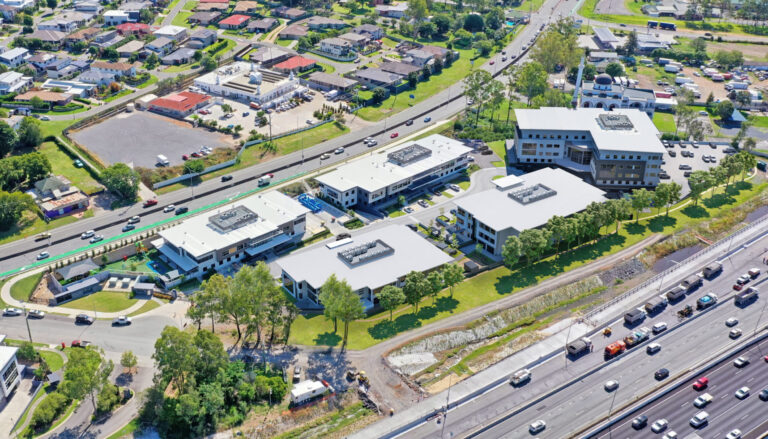
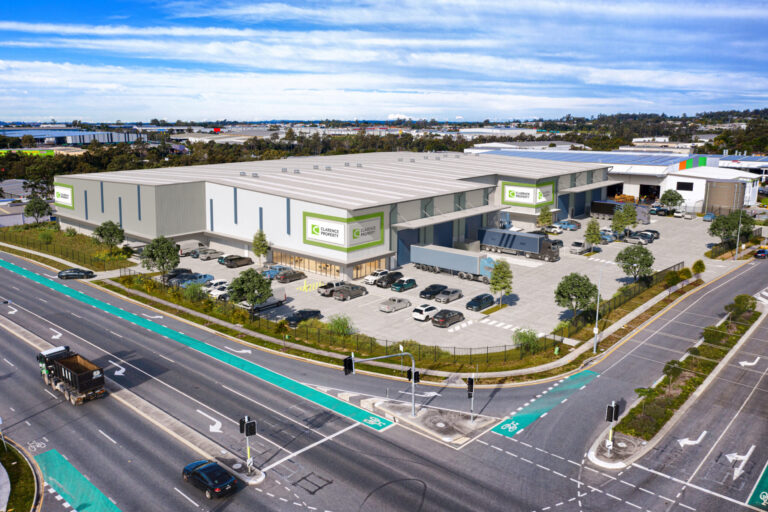
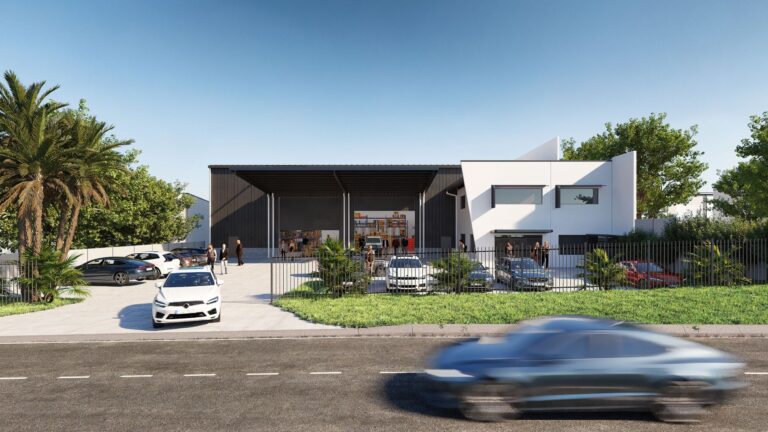
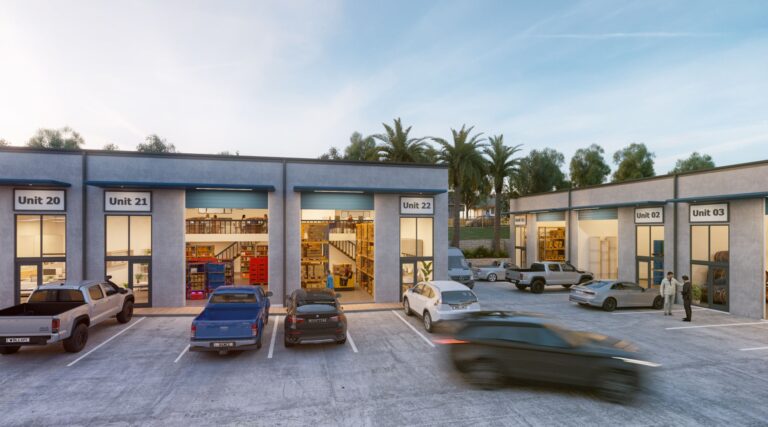
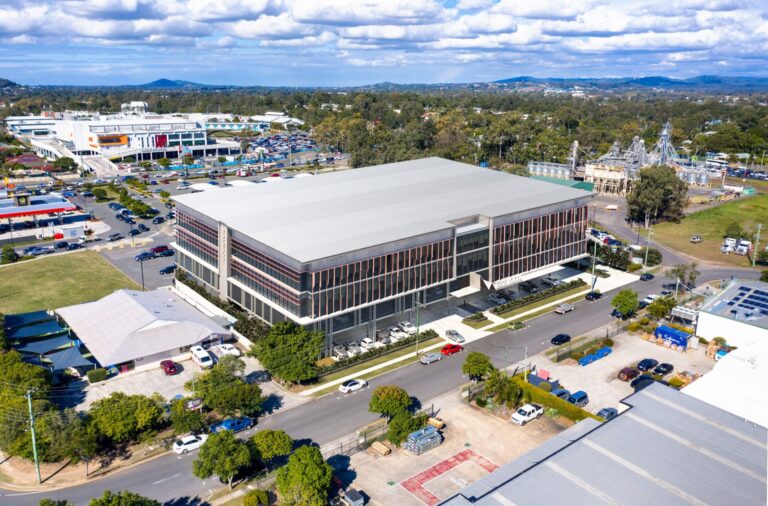
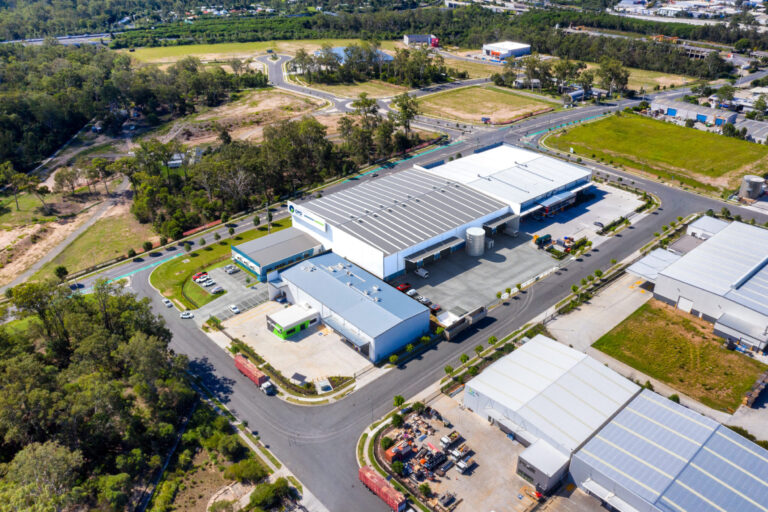

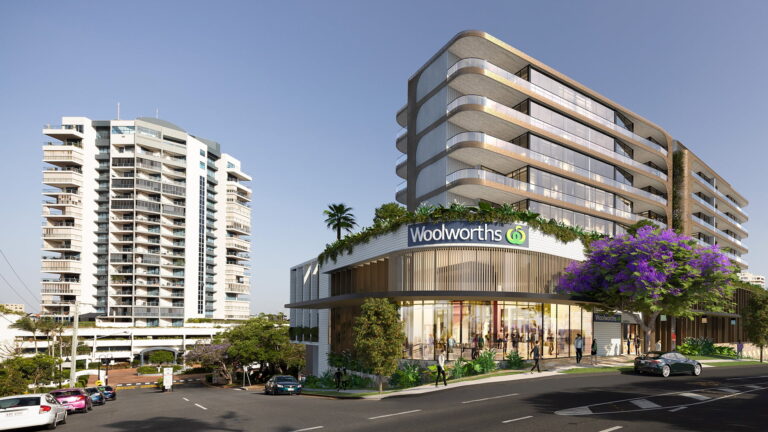


Most commercial land listings are doing the bare minimum — size, zoning, frontage, and a few aerials. That’s not enough. Buyers don’t buy land. They buy what the land becomes. If you’re not showing that, you’re forcing every buyer to do the hard work themselves — and that slows everything down or kills momentum entirely.
1. What’s happening on most listings right now
There’s a consistent gap across industrial and commercial land listings — they describe the asset, but not the opportunity.
- Listings focus on raw metrics instead of end use
- No clarity on what can actually be built or achieved
- Buyers left guessing yield, layout, and staging
- Agents relying on verbal explanation instead of visual proof
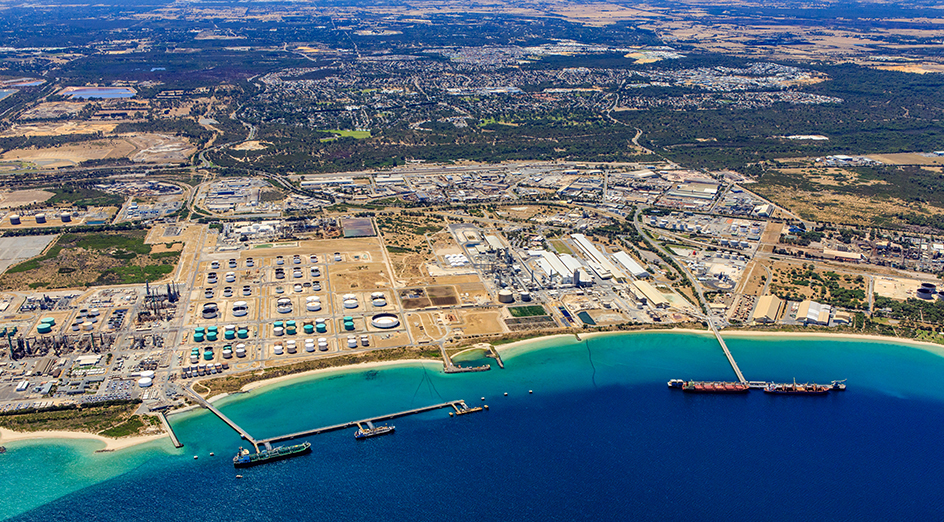
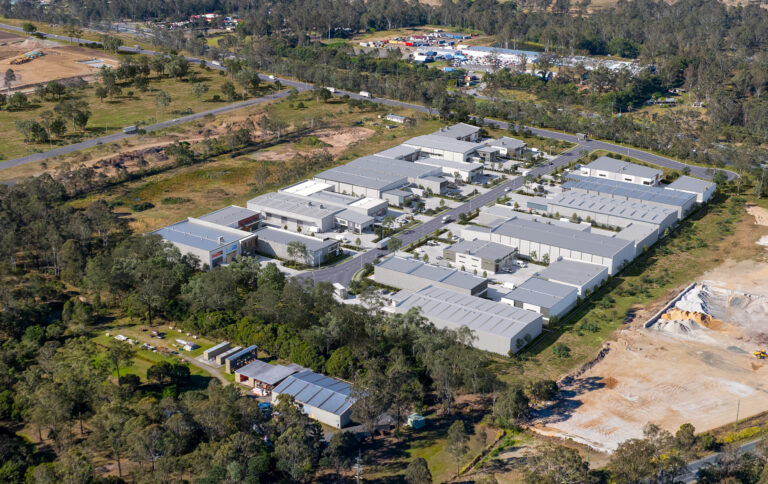
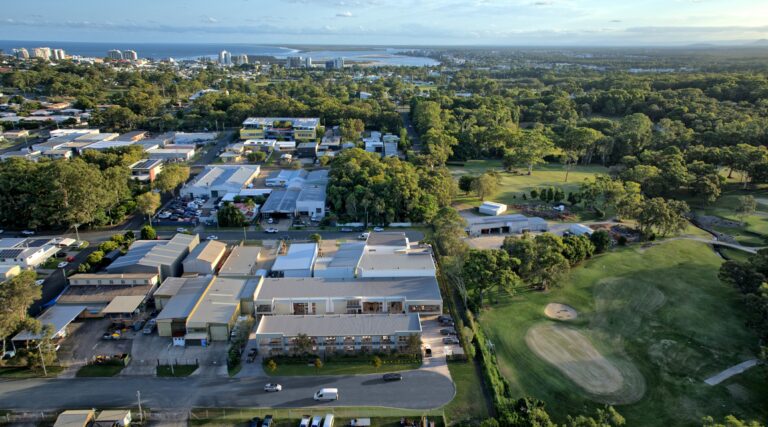
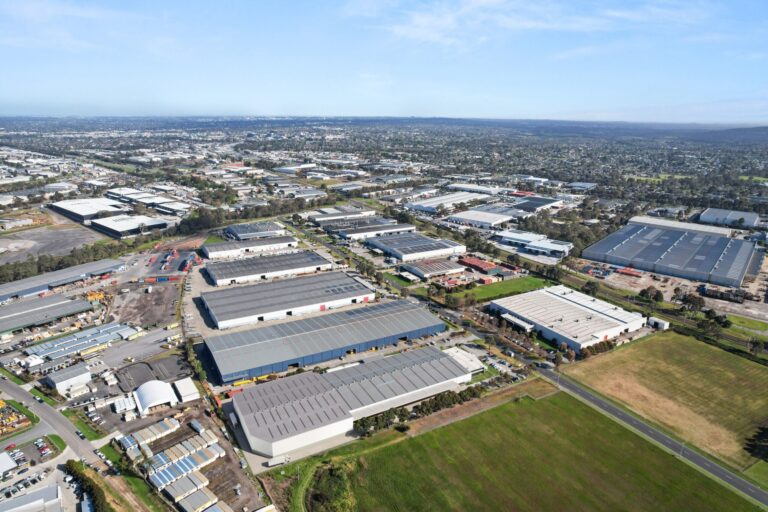
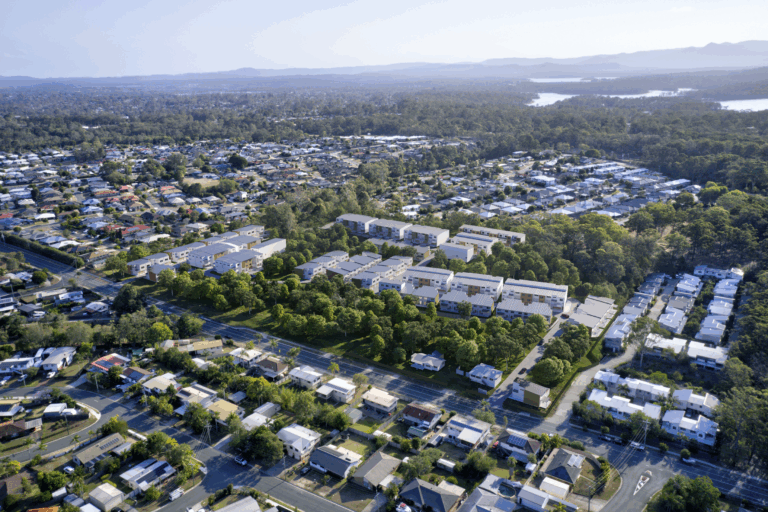
- Marketing assets stop at drone photos and site outlines
2. Why this leads to lower sale prices
When a buyer has to “figure it out,” they factor that uncertainty into their offer. Commercial decisions are risk-based, and unclear sites get discounted.
- Buyers reduce offers to cover unknowns
- Developers factor in planning and design risk
- Investors hesitate without clear yield potential
- Time on market increases, weakening negotiation power
- Competing sites with clearer positioning achieve stronger results
3. What buyers are actually trying to understand
Every serious buyer or tenant is asking the same internal questions, and if you’re not answering them instantly, they move on.
- What can I build here?
- How many units or how much yield?
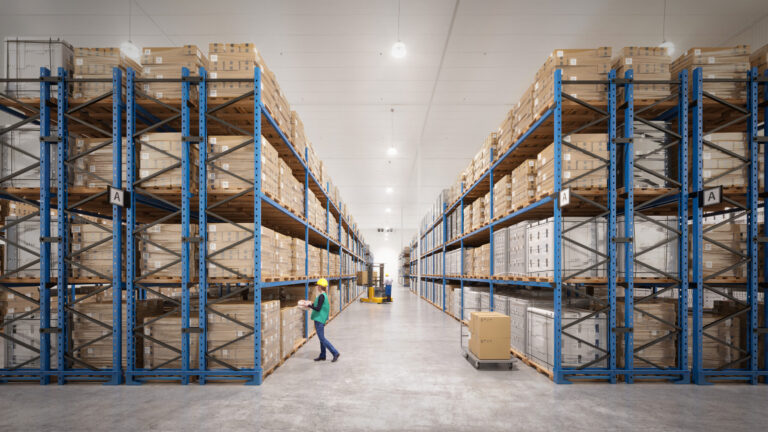
- How does it function day-to-day?
- What’s the end value or rental potential?
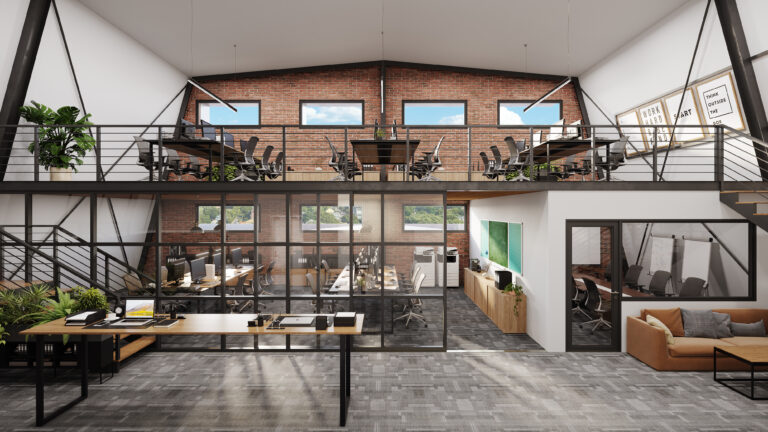
- Can I visualise this working for my business or investment?
4. The real missed opportunity
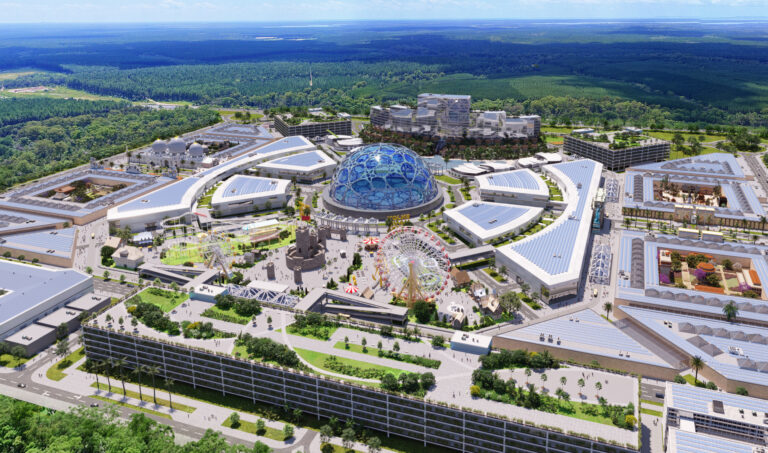
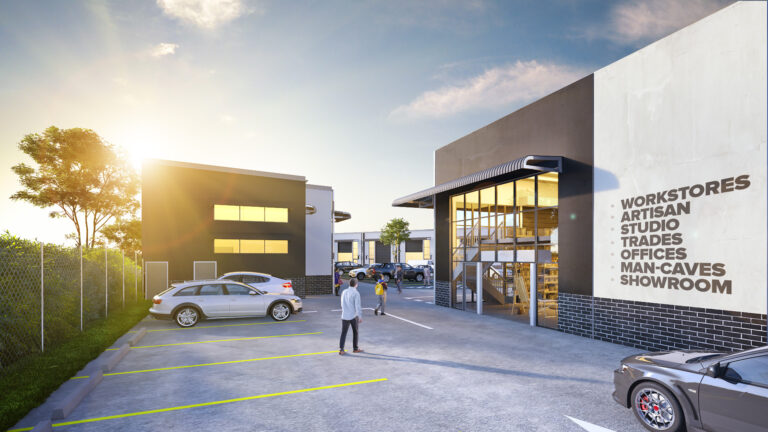
The biggest value gap isn’t in the land — it’s in how the land is positioned. You’re not just selling a site, you’re selling the outcome behind it.
- A subdivision outcome
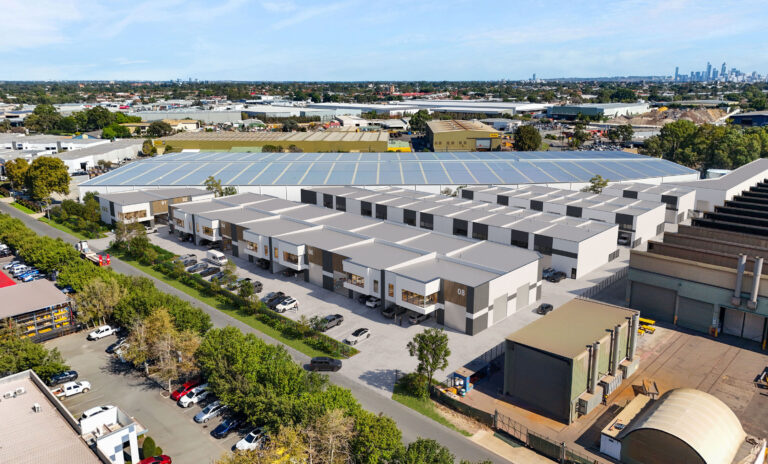
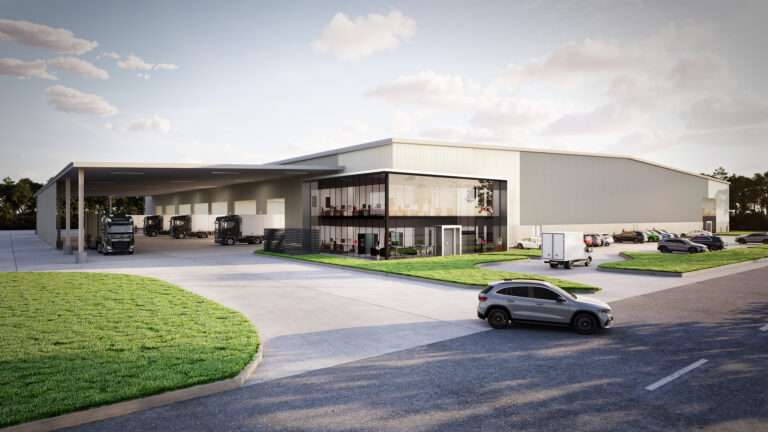
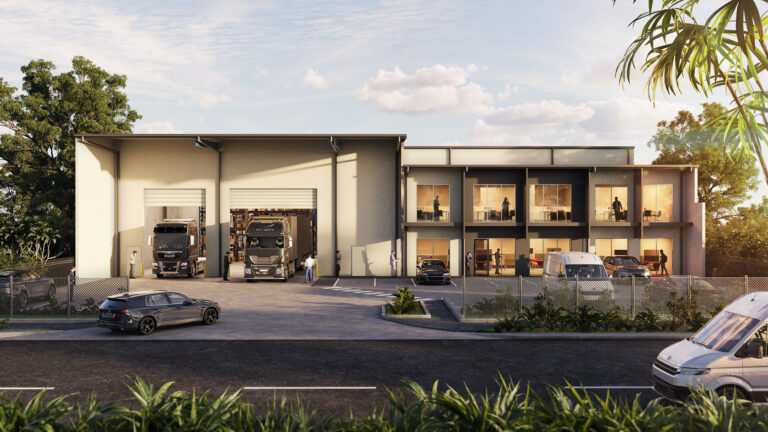
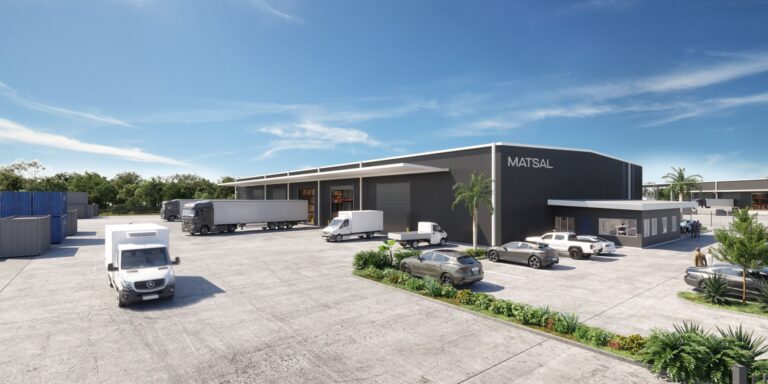
- A warehouse layout
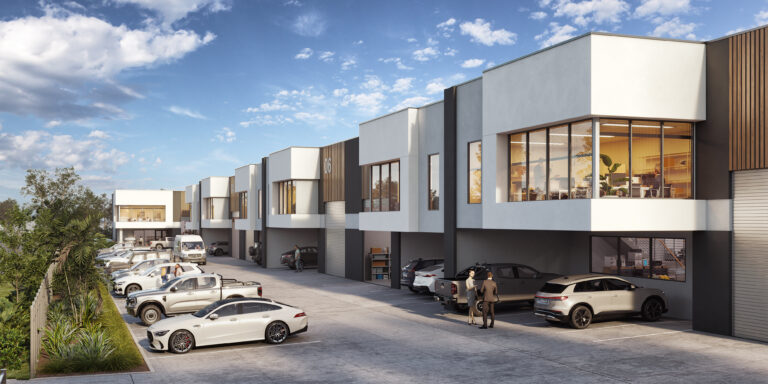
- A business park vision
- A staged development strategy
- A future income stream
5. How to unlock the full value of the site
This is where the shift happens — from passive listing to strategic positioning. Instead of just showing land, you need to show what it turns into.
- Create a masterplan that shows layout and subdivision potential
- Show unit configurations and access points
- Visualise truck movement, circulation, and usability
- Present staged delivery if applicable
- Align visuals with real zoning and development pathways
- Build a narrative around end use, not just land size
6. What happens when you get this right
When the outcome is clear, everything accelerates and the property performs the way it should.
- Faster buyer understanding and engagement
- Higher enquiry quality
- Stronger perceived value
- Reduced time on market
- Increased competition between buyers
7. The difference is simple
Most listings say: “This is the land.” The ones that perform say: “This is what it becomes.” That’s the gap, and that gap is where the money is.