What to do after DA approval (and how to turn it into demand)
Securing development approval is a major milestone — but it’s not the finish line. It’s the point where most projects either gain momentum or stall. What happens immediately after DA approval determines how quickly you generate interest, secure buyers or tenants, and move toward a successful outcome. The developers who get this right don’t wait — they use this moment to bring their project to market with clarity, confidence, and intent.
Why the post-DA stage is where projects are won or lost
The period immediately after approval is when your project is most powerful — you have certainty, but you still have flexibility. This is where demand can be created before the market becomes saturated or distracted.
You have a defined, approved outcome that reduces risk for buyers, tenants, and investors considering early commitment
The project is still early enough to attract pre-commitments, allowing deals to be structured before construction begins
Market timing can be leveraged, aligning your launch with demand cycles rather than reacting too late
Early positioning builds familiarity, meaning by the time construction begins, your project is already understood
Momentum created at this stage carries through the entire campaign, reducing reliance on late-stage marketing
The biggest mistakes developers make after approval
Most projects don’t underperform because of location or product — they underperform because they don’t act strategically after approval.
Waiting too long to start marketing, losing the early-mover advantage when interest and curiosity are highest
Relying on technical plans that don’t communicate clearly to non-technical buyers or tenants
Treating marketing as a sales tool instead of a strategy to shape perception and reduce uncertainty
Failing to define the target audience early, resulting in generic messaging that doesn’t resonate
Not creating a clear narrative around the opportunity, leaving the market unsure how to engage
Step 1: Translate approval into a clear market offering
Your approval documents are not your marketing — they are the foundation. The first step is turning that into something the market can understand instantly.
Define exactly what is being offered, including lot sizes, unit configurations, usage potential, and flexibility
Identify the strongest use cases and align them with specific buyer or tenant profiles
Simplify technical detail into clear, digestible messaging that highlights opportunity rather than complexity
Establish pricing expectations or positioning early to anchor perception in the market
Ensure every element communicates clarity, reducing friction for decision-making
Step 2: Build visual clarity before anything else
Before people commit, they need to understand. Visualisation is what bridges the gap between plans and reality.
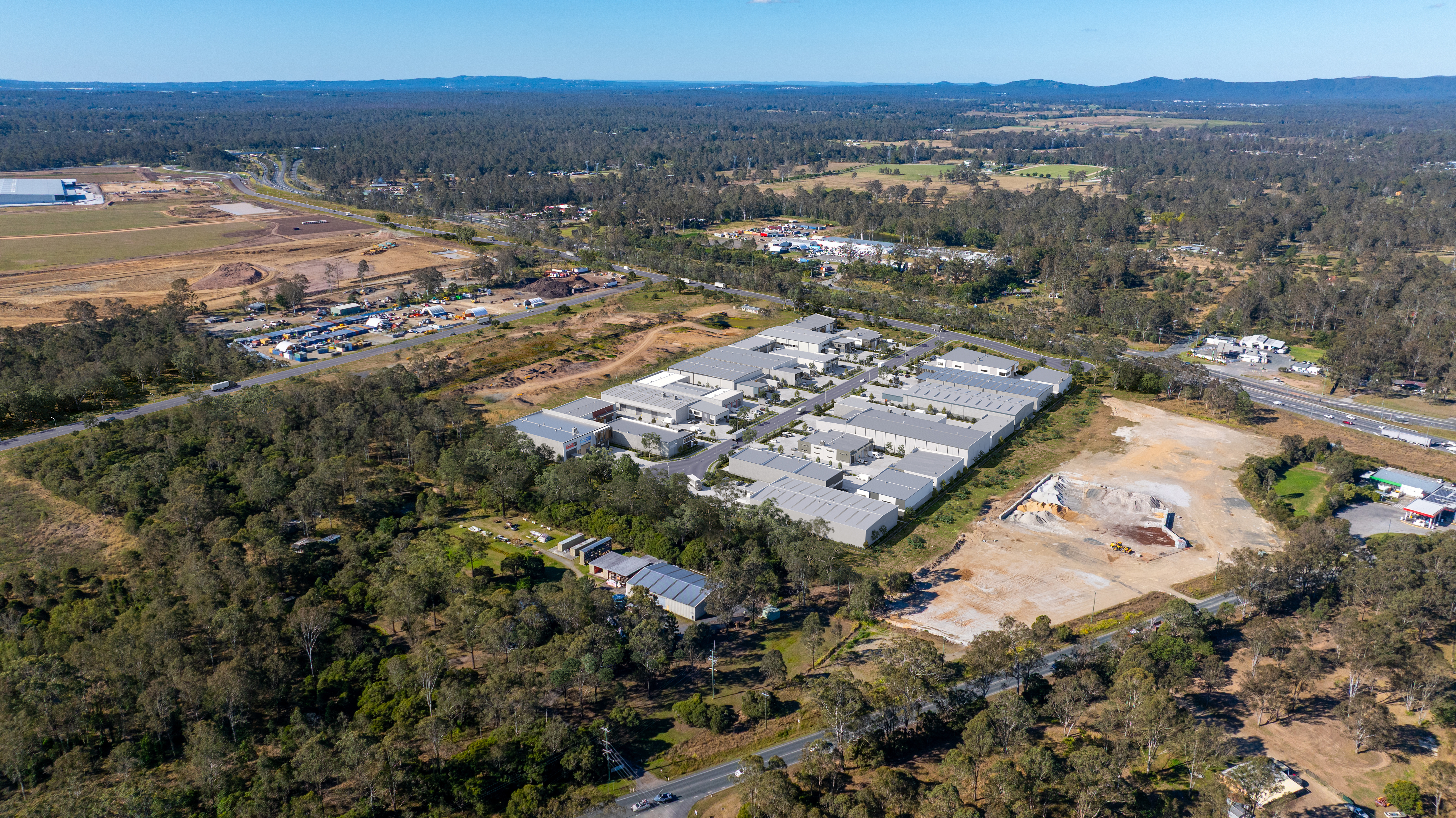
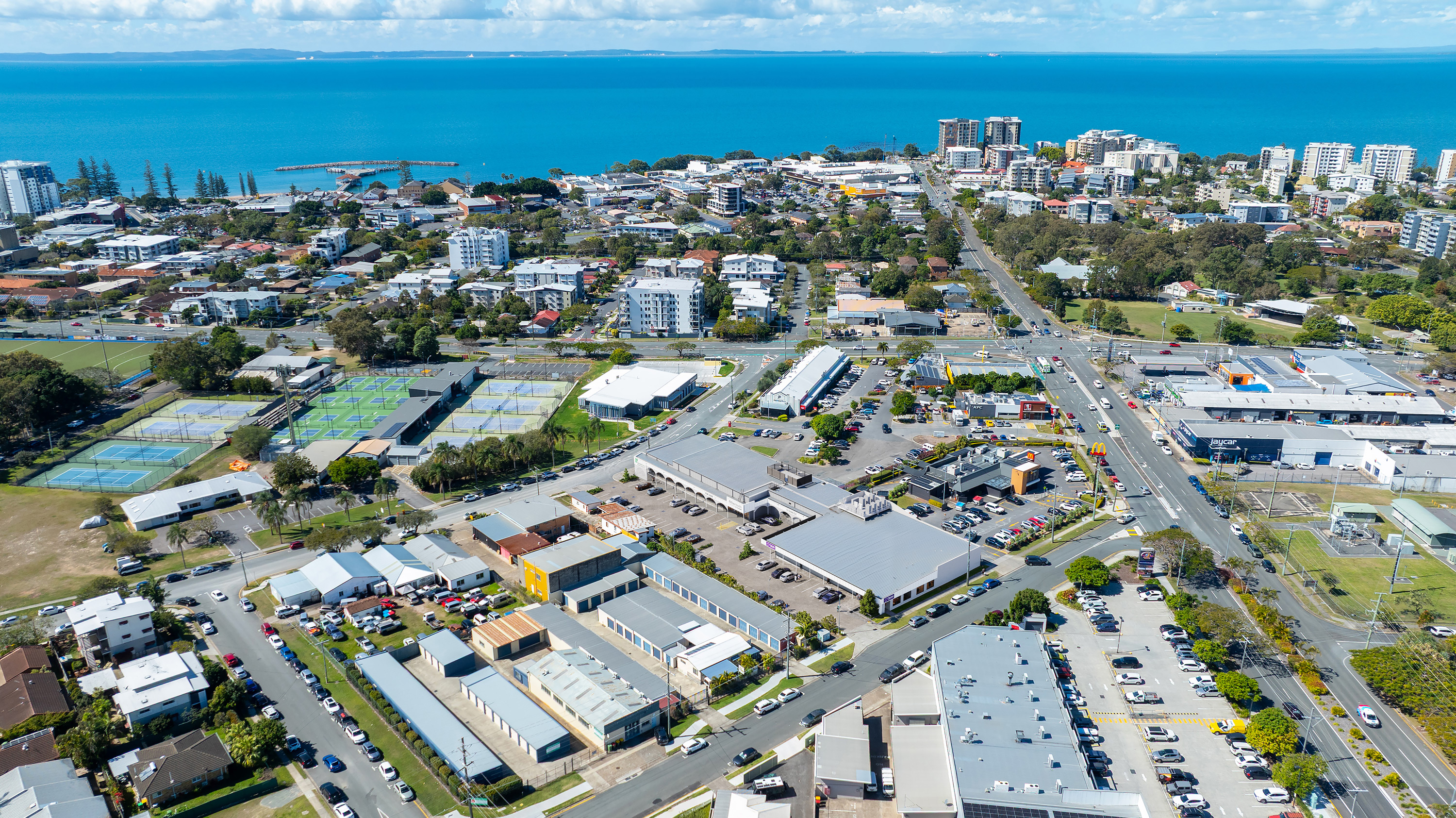
Aerial 3D visuals show how the development sits within its broader location and connectivity
Masterplans provide an immediate overview of layout, access, and product mix
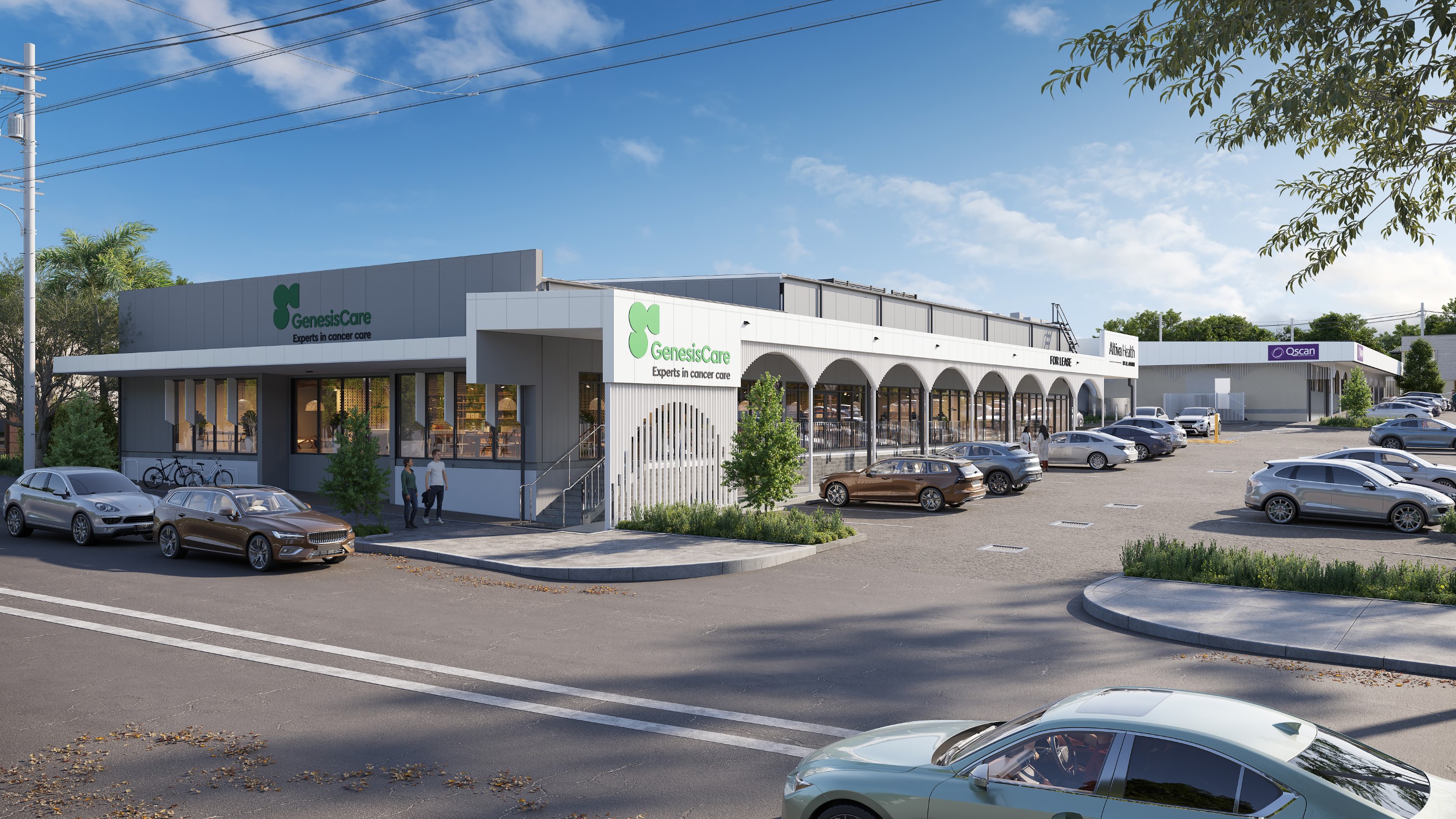
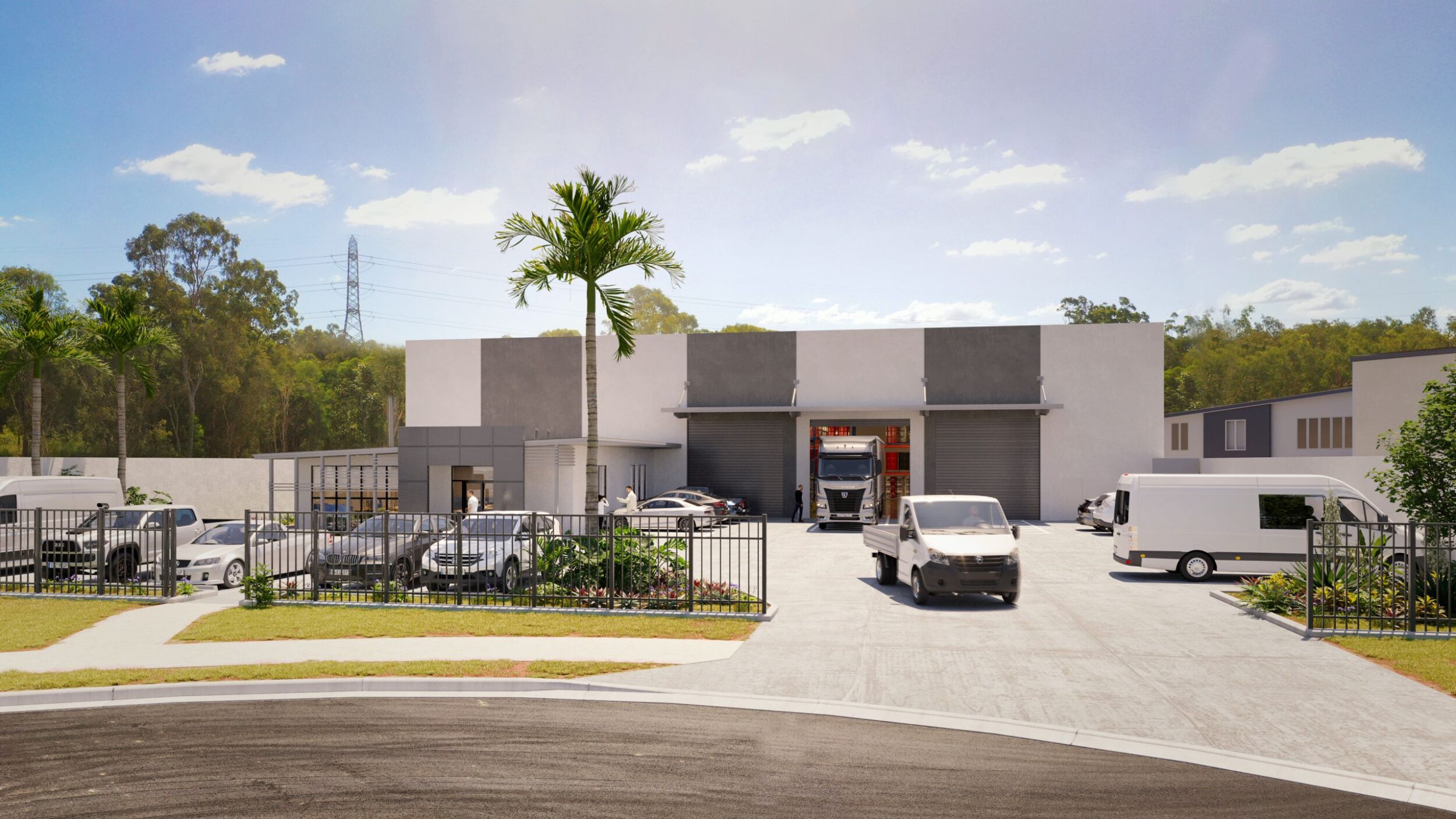
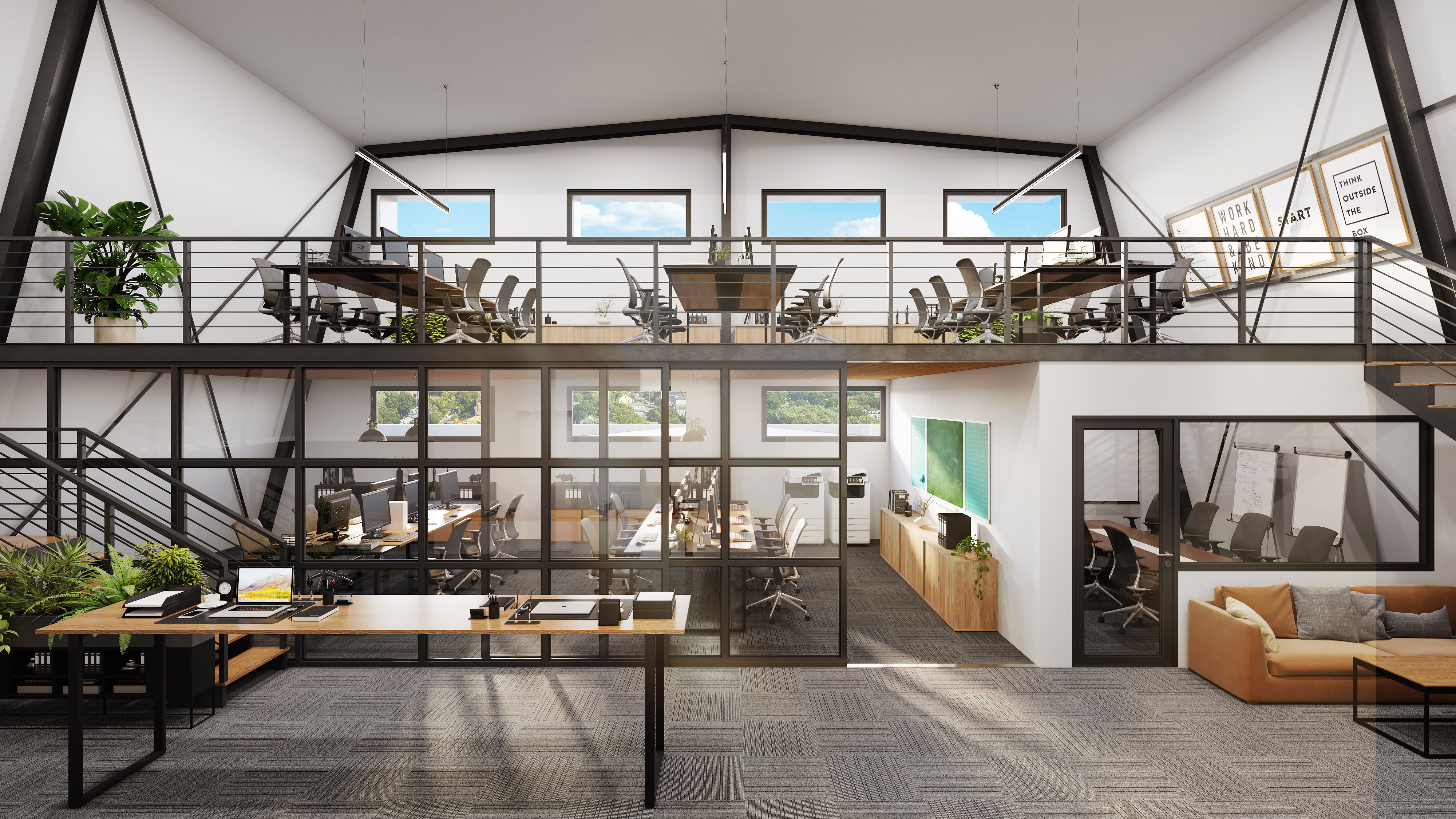
Ground-level renders help buyers and tenants picture themselves within the space
Visual assets reduce perceived risk by making the project feel real before construction
Strong visuals create a consistent narrative across all marketing channels
Step 3: Position the project for the right audience
Not every project is for everyone — the strongest campaigns are targeted and intentional.
Identify whether the project is best suited to owner-occupiers, investors, tenants, or a mix
Tailor messaging to speak directly to the priorities of that audience, such as cash flow, usability, or growth potential
Highlight location benefits in a way that is relevant to the specific user, not just generic proximity
Align the project with real-world use cases that make decision-making easier
Ensure consistency across all touchpoints, from website to enquiry conversations
Step 4: Launch early and build momentum
The goal is not to wait until everything is perfect — it’s to create momentum while interest is strongest.
Begin marketing as soon as the core offering and visuals are ready, not when construction starts
Use early enquiries to validate pricing, product mix, and positioning
Create a sense of opportunity by allowing early access to the market
Build a pipeline of interested buyers or tenants that can be converted over time
Maintain consistent activity to keep the project visible and top of mind
Step 5: Use marketing to support decisions, not just attract attention
The best campaigns don’t just generate enquiries — they help people make decisions faster.
Provide clear, structured information that answers common questions upfront
Use visuals and layouts to remove uncertainty around usability and layout
Reinforce key benefits consistently across all materials
Make it easy for buyers and tenants to understand how the project fits their needs
Position the development as a logical choice, not just an option
What this means for your project
If you treat DA approval as the starting point of your marketing — not the end of planning — you put your project in a position to outperform from day one. Clarity creates confidence, and confidence drives action.
Whether you’re selling land, securing approvals, or launching a campaign — we’ll help you visualise it clearly and move faster to market. Fill out the form below and we’ll send through a free tailored quote for your next commercial or industrial development.