Melbourne’s commercial and industrial property market continued showing strong underlying fundamentals throughout May 2026, despite ongoing pressures around development costs, construction timelines and industrial land availability. Industrial property remains one of Victoria’s strongest-performing commercial sectors, supported by population growth, expanding freight networks and continued demand from logistics, warehousing and manufacturing businesses.
While occupiers remain cautious with major business decisions, many are no longer delaying expansion plans. Instead, businesses are increasingly securing future accommodation earlier, exploring growth corridors and committing to projects before construction commences. This trend has become particularly noticeable throughout Melbourne’s western industrial markets, where demand continues significantly outpace supply.
Infrastructure investment, population growth and the ongoing evolution of Melbourne’s freight and logistics networks continue supporting long-term confidence across both industrial and commercial property sectors. As a result, many developers are entering the second half of 2026 with considerably more optimism than was evident this time last year.
Melbourne’s western corridor continues dominating industrial activity
Few regions in Australia have experienced industrial growth on the scale seen throughout Melbourne’s western corridor.
Locations including:
- Truganina
- Derrimut
- Ravenhall
- Laverton North
- Tarneit
- Wyndham Vale
- Sunshine West
- Altona North
continue attracting significant occupier and investor attention.
The region benefits from direct access to major freight routes, proximity to the Port of Melbourne and strong connections to Melbourne’s rapidly expanding residential growth corridors.
Demand remains particularly strong from:
- Logistics operators
- E-commerce businesses
- Freight companies
- National distributors
- Manufacturing operators
- Construction suppliers
As industrial land becomes increasingly difficult to secure closer to established precincts, Melbourne’s western corridor continues emerging as the preferred destination for many large-scale industrial users.
The long-term growth outlook for the region remains exceptionally strong, particularly as population growth continues driving demand for warehousing, distribution and service-related businesses.
Industrial land shortages continue influencing development decisions
Industrial land remains one of Melbourne’s most valuable commodities.
Despite significant industrial development occurring throughout Victoria, demand for serviced industrial land continues exceeding supply across many key precincts. Developers continue competing aggressively for sites capable of supporting future warehouse, logistics and manufacturing projects.
Several factors continue contributing to demand:
- Freight and logistics expansion
- Population growth
- Manufacturing activity
- Infrastructure investment
- Construction industry demand
- Data centre development
The shortage of available industrial land is forcing many occupiers to make long-term decisions earlier than they traditionally would. Businesses are increasingly prepared to secure sites before development completion, recognising that future opportunities may become even more difficult to obtain.
This ongoing competition continues supporting industrial land values across Melbourne’s major employment corridors.
Truganina remains one of Australia’s most important logistics markets
Truganina continues cementing its position as one of the country’s most important industrial and logistics precincts.
The suburb’s strategic location, combined with access to major road networks and freight infrastructure, continues attracting significant demand from businesses seeking large-format industrial accommodation.
Occupiers driving activity include:
- National logistics operators
- Distribution companies
- Transport businesses
- E-commerce operators
- Supply chain groups
- Manufacturing businesses
The continued growth of Truganina reflects broader changes occurring across Melbourne’s industrial market, where logistics efficiency and transport accessibility are becoming increasingly important factors influencing property decisions.
As new supply enters the market, demand continues proving strong enough to absorb much of it, reinforcing confidence throughout the precinct.
Dandenong South continues benefiting from industrial demand
Dandenong South remains one of Melbourne’s most established industrial locations and continues attracting strong occupier demand.
The precinct benefits from:
- Established industrial infrastructure
- Access to major transport routes
- Large industrial facilities
- Skilled workforce availability
- Proximity to major population centres
Demand remains particularly strong from manufacturing, warehousing and service-related businesses seeking long-term operational certainty.
While newer growth corridors continue attracting development activity, Dandenong South remains highly sought after due to its established nature and proven industrial credentials.
Many occupiers continue viewing the precinct as one of Melbourne’s premier industrial locations.
Data centres are creating additional competition for industrial land
Like many major Australian cities, Melbourne is experiencing growing demand from data centre operators.
The continued expansion of digital infrastructure, artificial intelligence and cloud computing is increasing competition for industrial-zoned land capable of supporting large-scale technology facilities.
Data centre developers are actively seeking:
- Large industrial sites
- Reliable power infrastructure
- Fibre connectivity
- Future expansion capability
- Strategic metropolitan locations
This demand is adding another layer of competition to an already constrained industrial land market.
For developers and landowners, data centres are becoming an increasingly important component of future industrial demand, particularly within well-connected infrastructure corridors.
Pre-leasing activity remains highly active across Melbourne
Pre-leasing continues playing a major role throughout Melbourne’s industrial market.
Businesses increasingly recognise that waiting for completed facilities to become available can limit future options. As a result, many occupiers are securing warehouse accommodation months or even years before construction completion.
Strong pre-leasing demand continues coming from:
- Logistics operators
- Distribution businesses
- Manufacturers
- Freight companies
- National occupiers
- Growing local businesses
This behaviour is encouraging developers to launch projects earlier and place greater emphasis on communicating future outcomes before construction begins.
Projects capable of clearly demonstrating operational functionality continue generating stronger enquiry and leasing activity.
Owner-occupiers continue supporting industrial strata markets
Industrial strata developments remain highly active throughout Melbourne, with owner-occupiers continuing to represent a significant proportion of demand.
Many businesses are choosing ownership because it provides:
- Long-term occupancy certainty
- Protection against rising rents
- Asset ownership benefits
- Operational flexibility
- Future growth opportunities
Demand remains strongest for:
- Trade warehouses
- Flexible industrial units
- Showroom facilities
- Contractor spaces
- Small logistics units
- Storage-compatible warehouses
Projects offering quality design, practical functionality and strong accessibility continue attracting significant enquiry from owner-occupier buyers.
Infrastructure investment continues supporting long-term confidence
Infrastructure remains one of Melbourne’s strongest long-term growth drivers.
Investment across:
- Freight corridors
- Road upgrades
- Rail projects
- Port infrastructure
- Population growth corridors
- Industrial precinct expansion
continues supporting confidence throughout the industrial property market.
Businesses increasingly recognise that Melbourne’s population growth will continue creating demand for industrial infrastructure, logistics facilities and commercial services well into the future.
This confidence continues encouraging developers to pursue new projects despite ongoing cost pressures.
Hot suburbs attracting attention in May
Several industrial locations continued generating significant enquiry throughout May.
The strongest-performing precincts included:
- Truganina
- Derrimut
- Ravenhall
- Laverton North
- Dandenong South
- Epping
- Campbellfield
- Somerton
These locations continue benefiting from infrastructure investment, freight connectivity and ongoing industrial demand.
Many of Melbourne’s most active development projects are concentrated within these corridors, reflecting their importance to Victoria’s future industrial growth.
Bought & sold
Western Melbourne industrial land continues attracting strong competition
Industrial land campaigns throughout Melbourne’s western growth corridors continued generating significant occupier and developer interest throughout May.
Truganina warehouse assets remain highly sought after
Warehouse facilities throughout Truganina continued attracting strong demand from logistics operators and investors seeking exposure to one of Australia’s most important industrial markets.
Industrial developments continue securing pre-leasing commitments
Multiple industrial projects across Melbourne’s western and south-eastern corridors recorded strong pre-leasing activity before construction completion.
What developers should be watching during the second half of 2026
As Melbourne enters the second half of the year, several factors are likely to continue influencing commercial and industrial property activity.
Developers, investors and landowners should be monitoring:
- Industrial land availability
- Data centre expansion
- Freight infrastructure projects
- Population growth trends
- Pre-leasing activity
- Industrial rental growth
- Construction costs
- Supply chain investment
Melbourne’s industrial market remains supported by strong long-term fundamentals and continues presenting opportunities for businesses capable of positioning themselves within the right growth corridors.
Supporting agents throughout the campaign process
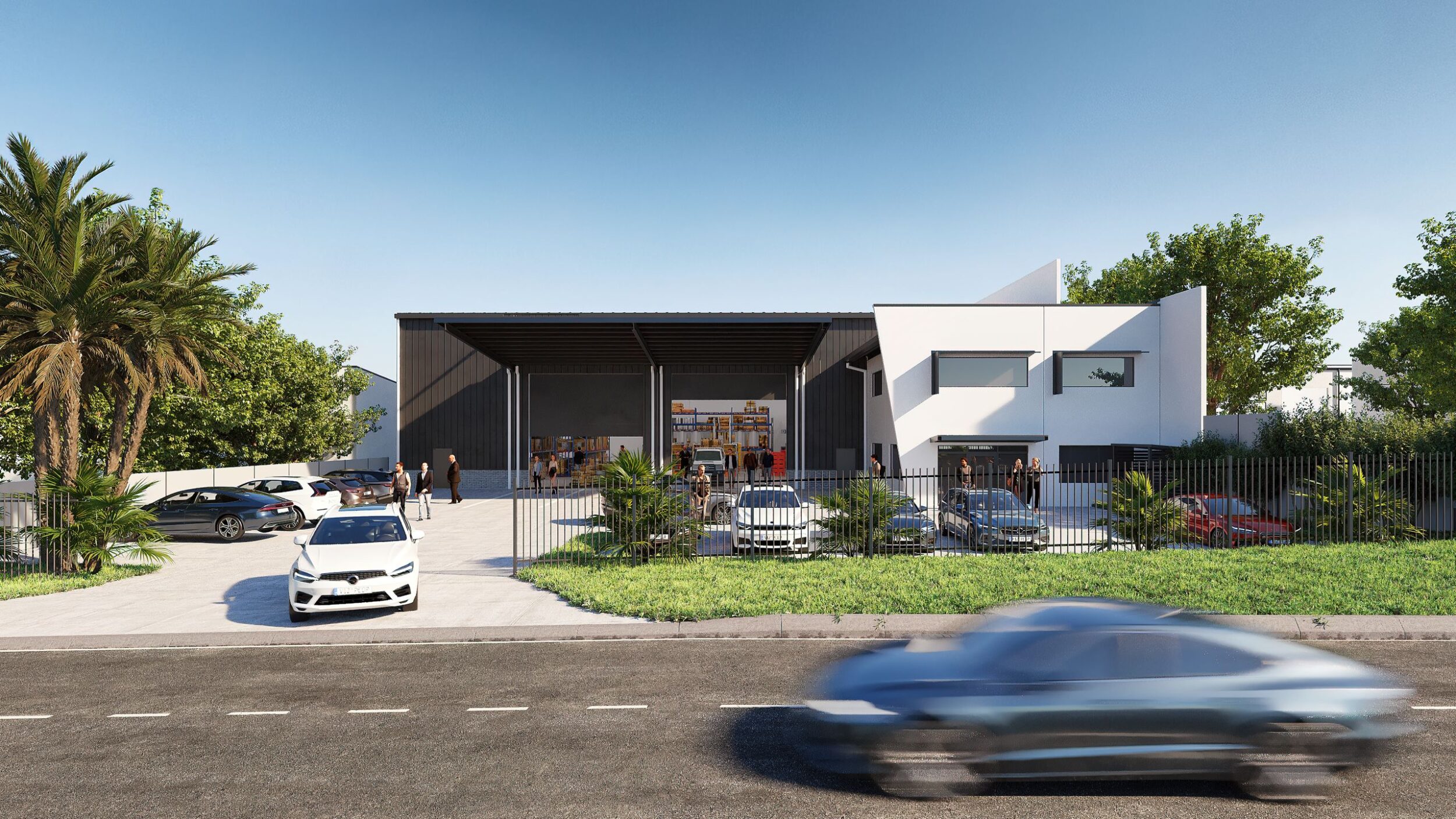
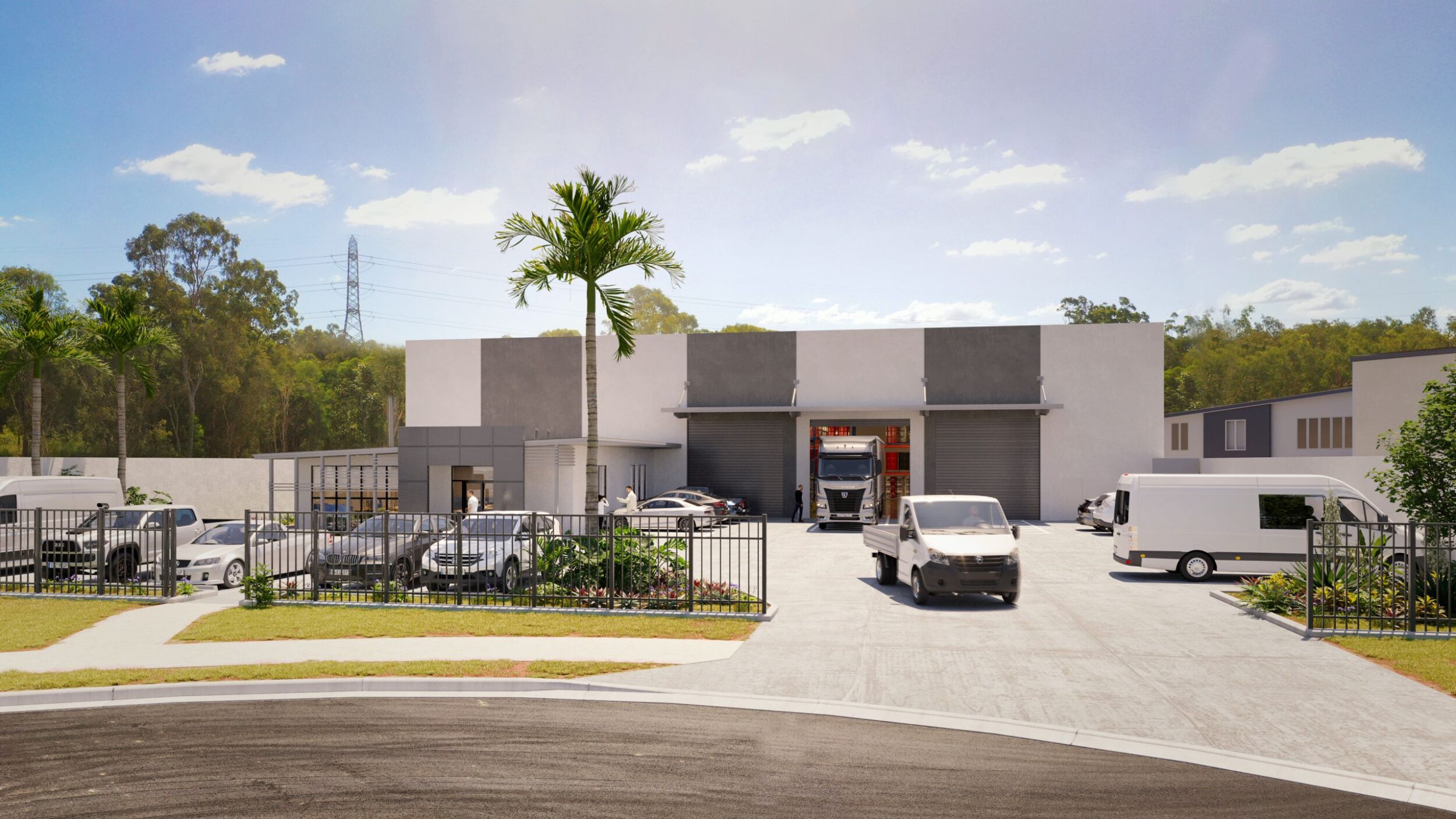
Commercial agents are increasingly required to do more than simply market available property. Many campaigns now commence well before construction starts, requiring agents to communicate future outcomes, secure pre-leasing commitments and create confidence around projects that may still be progressing through development stages.
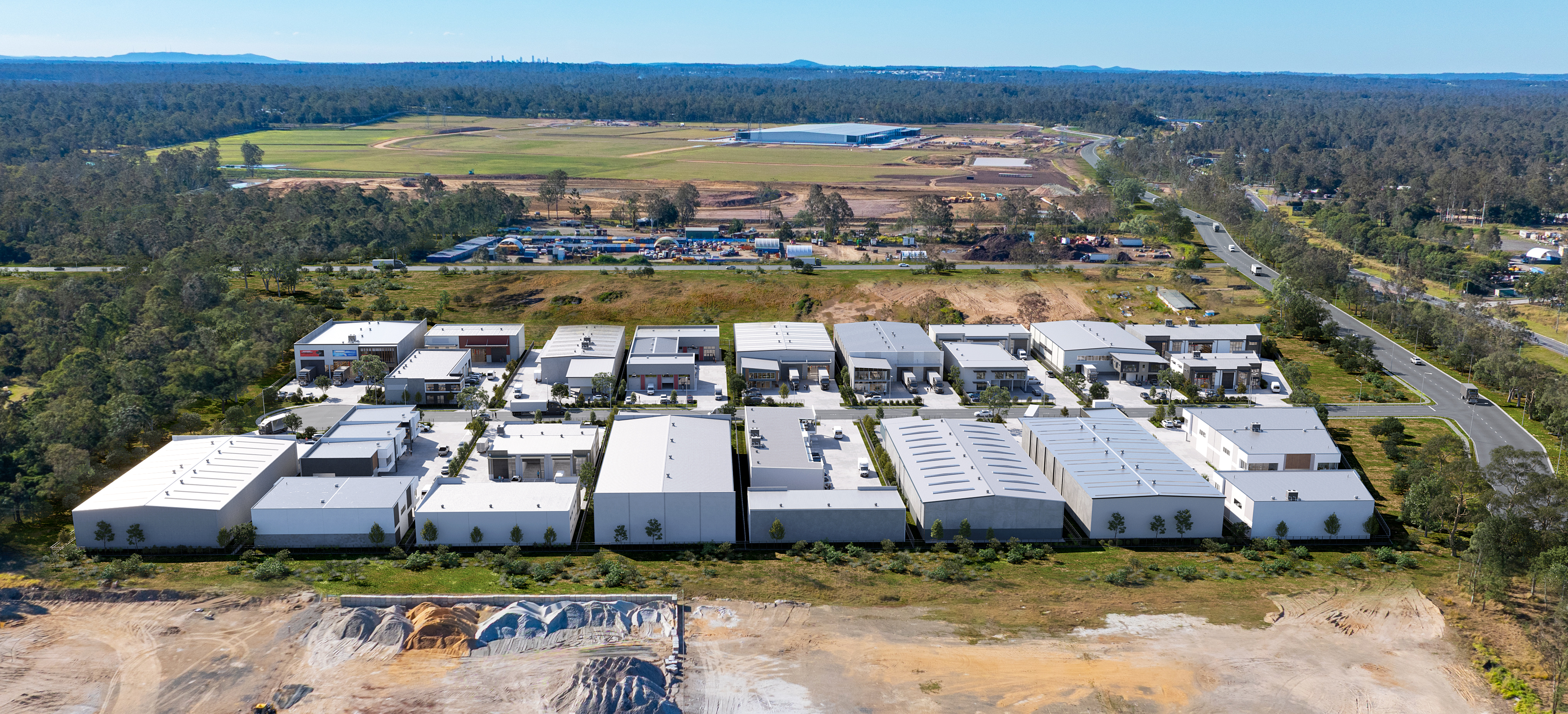
This is particularly relevant for industrial estates, business parks, logistics facilities and land subdivisions where buyers and tenants need help understanding the finished outcome.
At Commercial Property Marketing, we work alongside commercial agents as an extension of their team, helping bridge the gap between development approval and market launch.
Our support regularly assists agents with:
- Land value optimisation
- Early leasing campaigns
- Industrial estate launches
- Development project positioning
- Investor attraction
- Project branding
- Marketing collateral
- Interactive project presentation
- Digital campaign support
- Stakeholder communication
The objective is to help agents generate stronger enquiry, improve project understanding and accelerate campaign momentum.


 EXPLORE THE WORK