Melbourne’s commercial and industrial property market remains one of the most active in Australia, with strong demand continuing to drive expansion across outer-ring corridors and established logistics hubs. As we move through March 2026, the city is experiencing sustained industrial growth, supported by population increases, port activity, and large-scale infrastructure investment. With land supply tightening and development activity pushing further outward, Melbourne continues to be a key battleground for developers, investors, and occupiers.
Industrial demand remains the dominant force
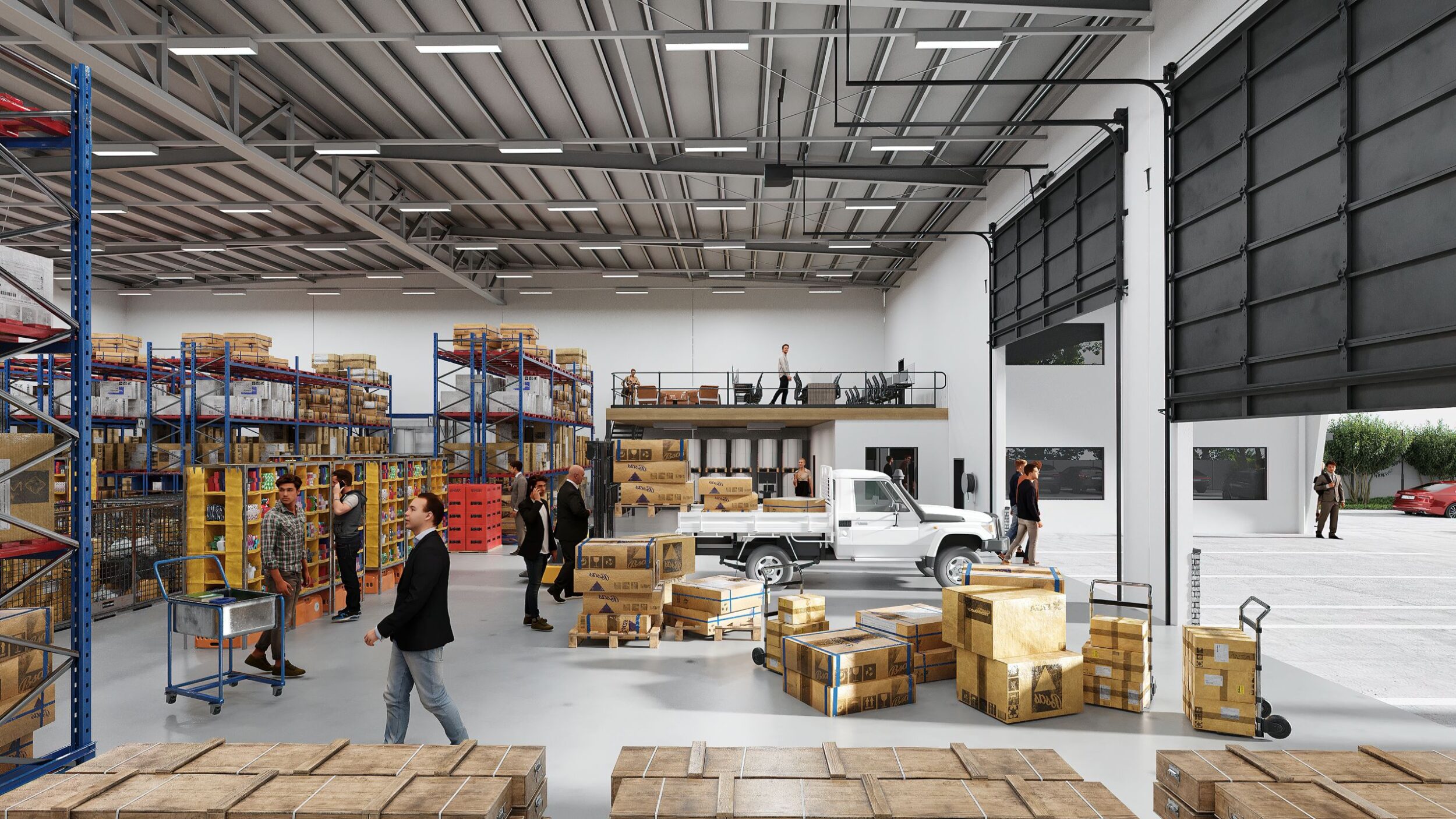
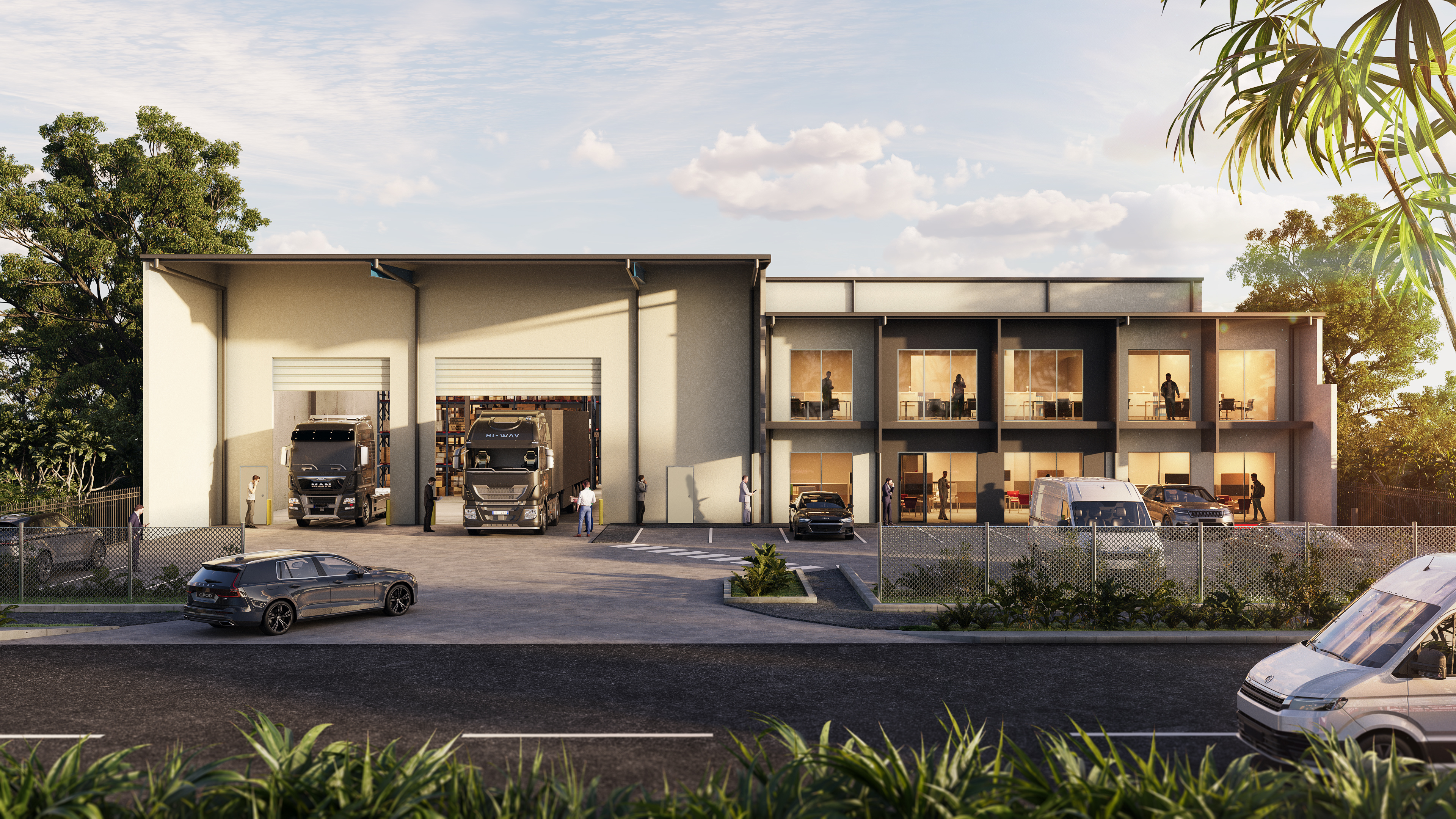
Industrial property continues to lead Melbourne’s commercial market, with demand from logistics, manufacturing, and trade-based businesses driving activity. The city’s role as a national distribution hub is a major factor behind this sustained demand.
Key drivers of industrial demand include:
- Expansion of e-commerce and large-scale distribution networks
- Proximity to the Port of Melbourne supporting freight and logistics
- Strong population growth increasing demand for goods and services
- Continued investor appetite for stable, income-producing assets
- Limited availability of well-located industrial land
This demand is keeping vacancy rates low and pushing both rents and land values higher.
Western corridor leading industrial expansion
Melbourne’s western corridor continues to dominate industrial activity, offering scale, connectivity, and access to key infrastructure. This region is the primary focus for large-scale development and logistics operations.
The most active areas include:
- Truganina and Tarneit as major logistics and warehousing hubs
- Derrimut and Laverton North supporting established industrial activity
- Wyndham Vale emerging as a future growth area
- Sunshine West providing access to inner and middle-ring markets
- Outer western corridors unlocking new land supply
These locations are attracting strong interest from both developers and occupiers.
Northern corridor gaining momentum
In addition to the west, Melbourne’s northern corridor is seeing increased activity as demand continues to expand beyond traditional precincts. These areas offer new opportunities for development and investment.
Key northern growth areas include:
- Epping and Craigieburn supporting expanding industrial activity
- Somerton and Campbellfield as established industrial hubs
- Mickleham and Beveridge providing future land supply
- Broadmeadows benefiting from infrastructure and connectivity improvements
- Northern freight corridors supporting logistics expansion
This diversification is strengthening Melbourne’s overall industrial market.
Infrastructure investment supporting long-term growth
Major infrastructure projects are playing a critical role in supporting Melbourne’s commercial and industrial expansion. These investments are improving connectivity and unlocking new development opportunities.
Key infrastructure drivers include:
- Road and motorway upgrades improving freight movement
- Continued investment in port and logistics infrastructure
- Expansion of transport networks supporting workforce access
- Development of intermodal facilities enhancing national connectivity
- Government planning initiatives supporting growth corridors
These projects are reinforcing Melbourne’s position as a key national logistics hub.
Commercial market adapting to changing demand
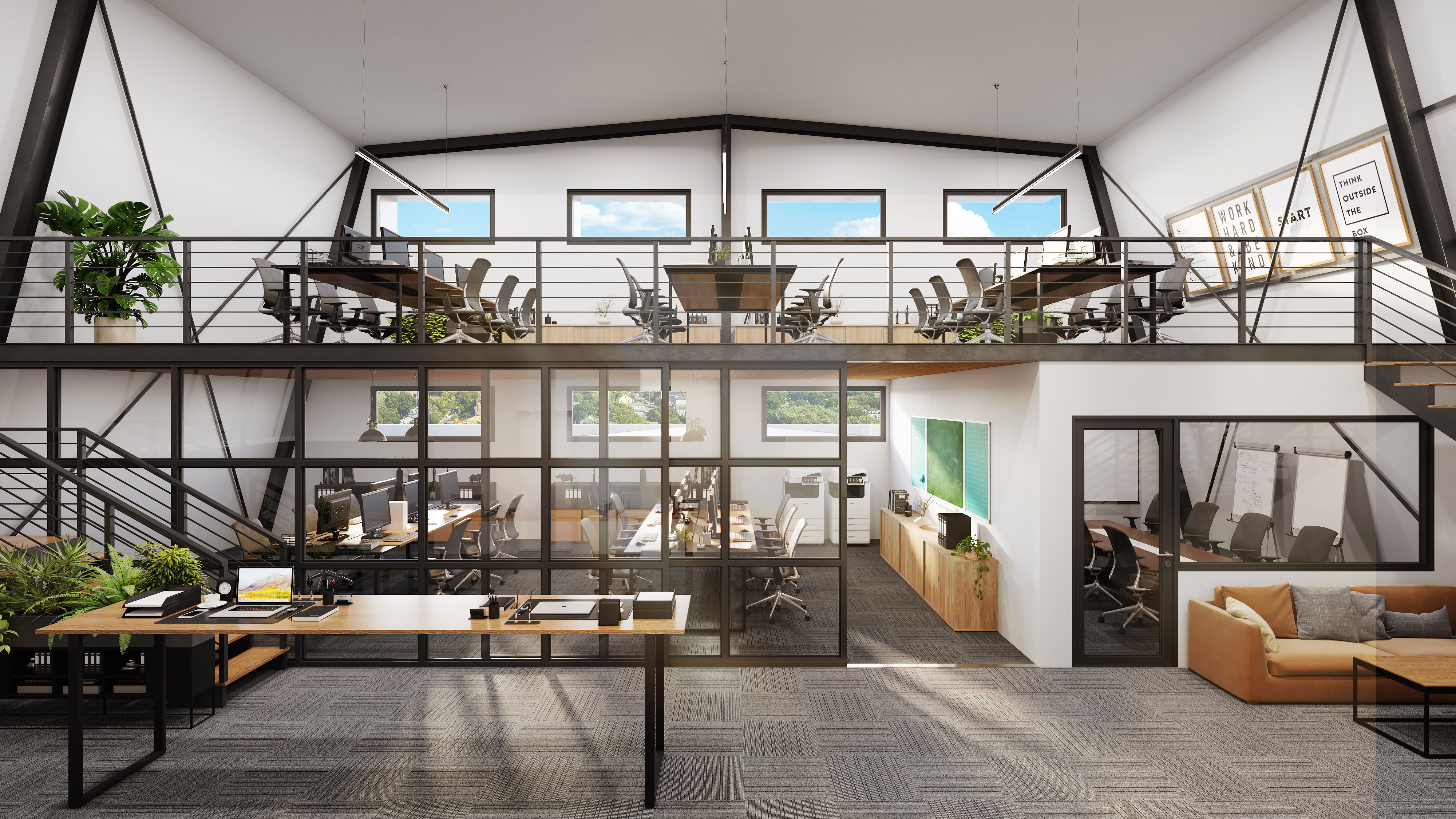
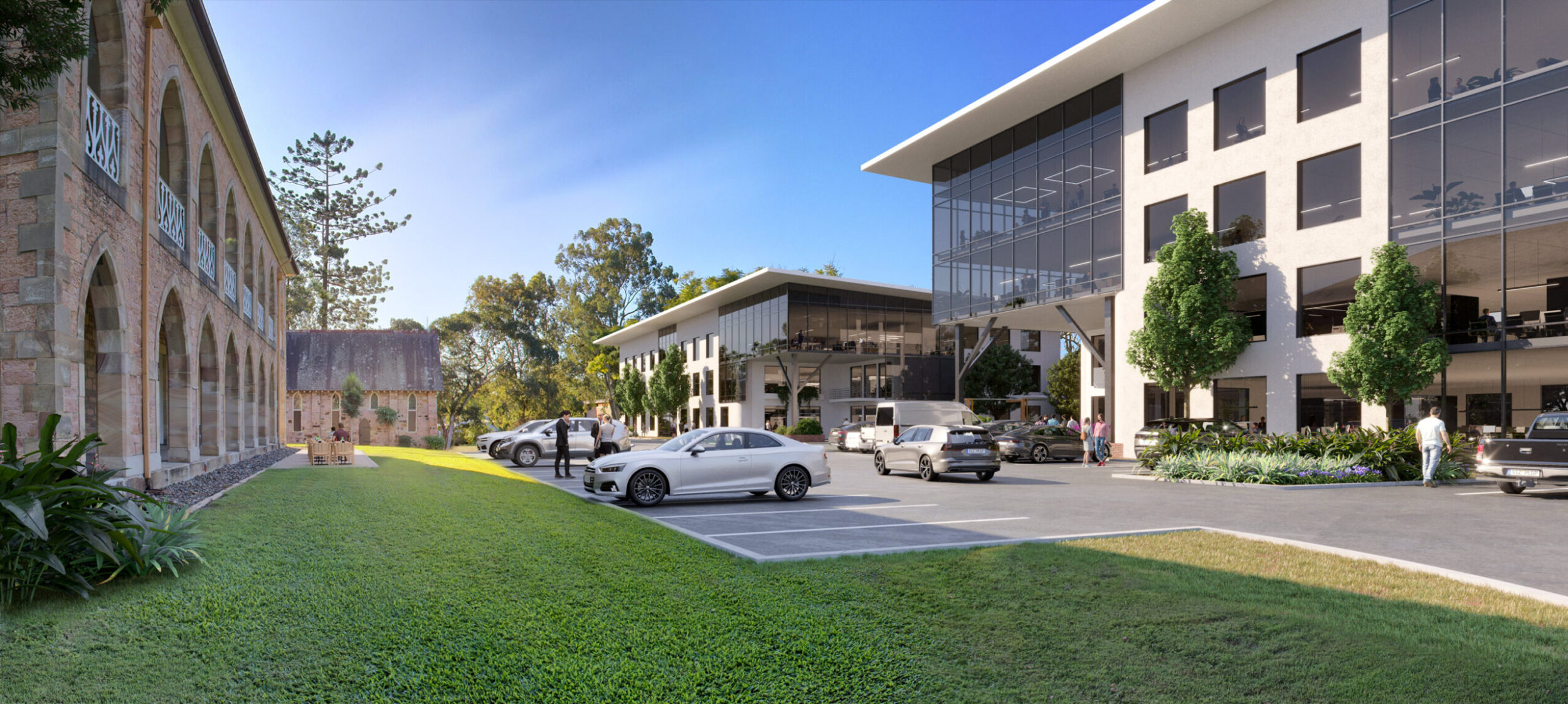
Melbourne’s commercial sector is evolving, with a shift toward higher-quality assets and decentralised office locations. While the CBD remains important, growth is being seen across suburban and mixed-use precincts.
Key commercial trends include:
- Increased demand for premium office space in key locations
- Growth in suburban office hubs closer to residential areas
- Continued development of mixed-use precincts
- Retail adapting to changing consumer behaviour
- Investor focus on well-leased, high-quality assets
This evolution is creating a more diversified commercial property landscape.
Recent transactions shaping the market
Industrial Facility, Truganina – $32 million sale
A large logistics asset was acquired by an institutional investor, reflecting strong demand for prime industrial property in Melbourne’s west.
Development Site, Tarneit – $54 million acquisition
A major landholding was secured for future industrial development, highlighting continued expansion across western growth corridors.
Commercial Office Asset, Melbourne CBD – $125 million sale
A premium office building transacted to an offshore investor, reinforcing long-term confidence in Melbourne’s commercial market.
How Commercial Property Marketing can help
In a competitive market like Melbourne, clear positioning and strong presentation are essential. We help developers and agents bring commercial and industrial opportunities to market with impact — using aerial 3D visuals, masterplans, and full campaign strategies designed to generate enquiry, secure early commitments, and accelerate results.
 EXPLORE THE WORK