Selling or leasing land before titles are issued is one of the most effective ways to accelerate a development, reduce risk, and validate pricing — but only if it’s done correctly. At this stage, buyers and investors are committing to something that doesn’t yet fully exist, which means clarity, confidence, and positioning become critical. The projects that succeed here are the ones that make the opportunity easy to understand and compelling enough to act on early.
Why early-stage land marketing creates a competitive advantage
Bringing land to market before titles are issued allows you to get ahead of supply, capture early demand, and shape how the project is perceived from the outset.
- Early buyers secure positions before competition increases, creating urgency and stronger engagement at the beginning of the campaign
- Developers can validate pricing and demand before finalising delivery, reducing uncertainty and improving decision-making
- Pre-commitments can support funding, staging, and overall project feasibility
- Market awareness builds earlier, making later-stage sales significantly easier and faster
- Momentum created at this stage often leads to stronger outcomes across the entire development lifecycle
The biggest challenges at this stage
Marketing land without titles introduces a level of uncertainty that must be addressed directly. If not handled properly, this can slow down decision-making and reduce enquiry quality.
- Buyers are unsure about timelines, delivery, and final outcomes, which increases hesitation
- Plans and documents can be difficult to interpret without clear visual support
- Perceived risk is higher compared to completed or titled land, requiring stronger communication
- Lack of clarity around infrastructure, access, and services can create doubt
- Generic marketing fails to differentiate the project or build confidence early
Step 1: Simplify the opportunity for the market
At this stage, the key is making the project easy to understand. Complexity slows decisions, while clarity accelerates them.
- Present lot layouts, sizing, and access in a way that is immediately digestible without technical interpretation
- Clearly communicate what is included, such as services, access, and infrastructure
- Define the intended use cases so buyers can quickly see how the land fits their needs
- Provide clear expectations around timing, titles, and delivery milestones
- Remove ambiguity wherever possible to reduce friction in the decision process
Step 2: Use visualisation to reduce perceived risk
Visuals are essential when marketing land before titles, as they replace uncertainty with clarity and help buyers understand the finished outcome.
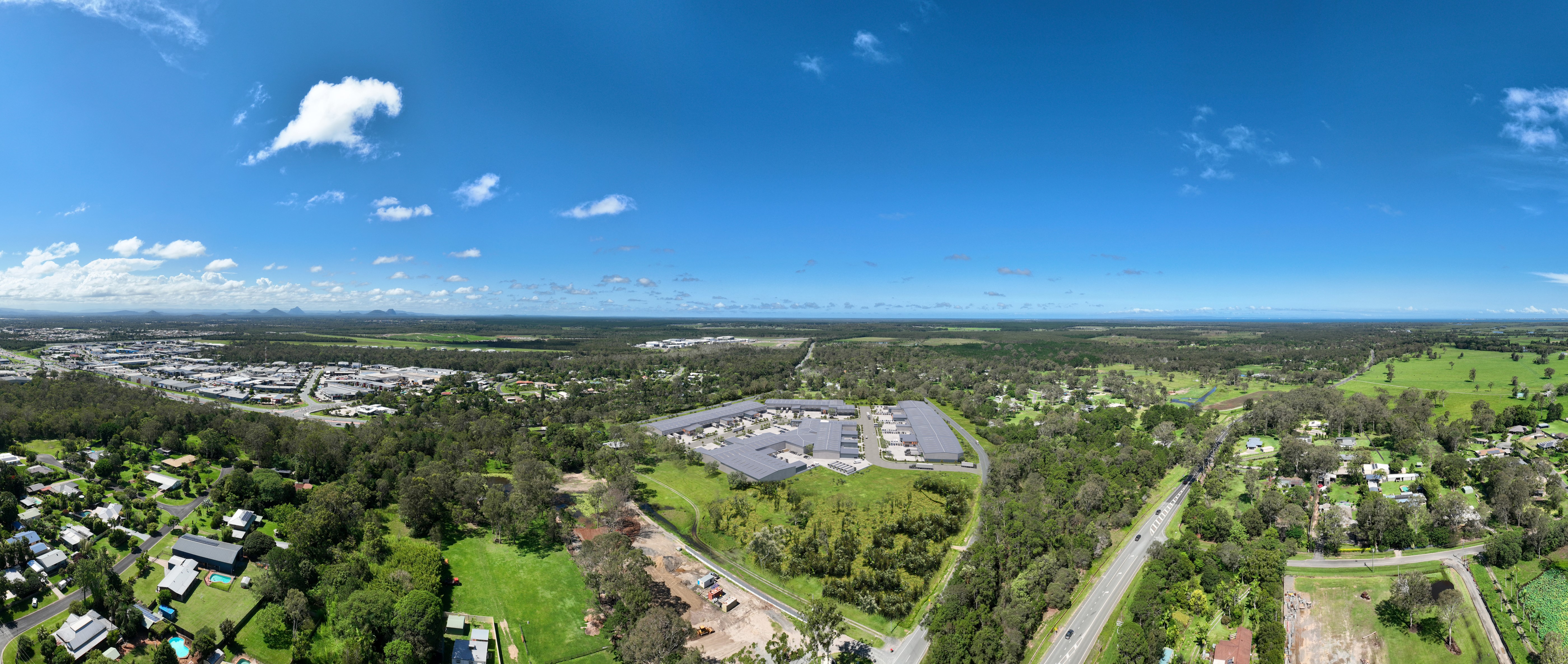
- Aerial 3D visuals show how the land sits within its broader location, including roads, access points, and surrounding infrastructure
- Masterplans provide a clear overview of the development layout and how each lot connects within the estate
- Visual context helps buyers understand scale, usability, and positioning without relying on technical drawings
- Strong visuals make the project feel real, even before titles are issued or construction begins
- Consistent visual assets reinforce the same message across all marketing channels
Step 3: Position the project for early adopters
The first buyers are different from later-stage buyers — they are typically more strategic and willing to move early if the opportunity is clear.
- Target owner-occupiers and investors who understand the value of securing positions early
- Highlight pricing advantages or positioning benefits available before titles are issued
- Emphasise long-term upside, including location growth, infrastructure, and future demand
- Create messaging that rewards early commitment rather than waiting for completion
- Build confidence by showing how the project aligns with real market demand
Step 4: Create controlled momentum
Momentum is critical at this stage, but it needs to be structured. Too much uncertainty slows the process, while controlled access builds demand.
- Release information progressively to maintain interest and engagement over time
- Use early enquiry to build a pipeline of qualified buyers or investors
- Highlight activity and interest to reinforce demand in the market
- Create a sense of limited opportunity to encourage earlier decisions
- Maintain consistent communication to keep the project visible and active
Step 5: Support decisions with clear information
At this stage, marketing needs to do more than attract attention — it needs to help buyers and investors commit.
- Provide clear documentation that outlines timelines, process, and key milestones
- Ensure all materials answer common questions upfront to reduce hesitation
- Reinforce key benefits consistently across every touchpoint
- Make it easy for buyers to understand how the land fits their intended use
- Position the opportunity as a logical and informed decision rather than a speculative one
What this means for your project
Marketing land before titles are issued is about removing uncertainty and creating confidence. When done correctly, it allows you to generate demand earlier, secure stronger buyers, and reduce the time between approval and sale. The result is a more efficient project with greater control over outcomes.
 EXPLORE THE WORK