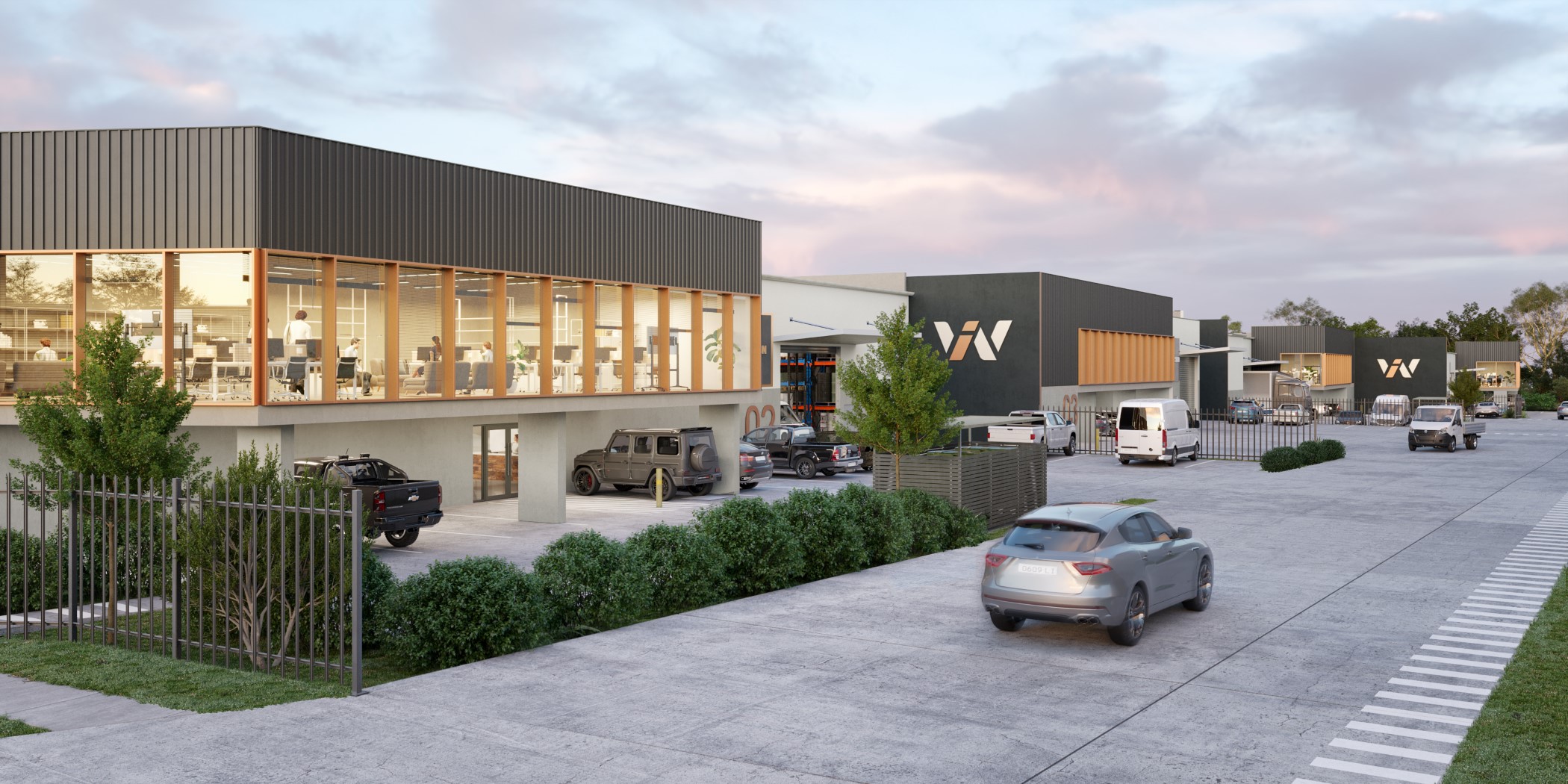
Industrial vacancy rates across Australia’s major cities have reached historic lows, reinforcing the sector’s position as one of the strongest-performing asset classes in commercial property. Driven by sustained demand from logistics, e-commerce, trade services, and manufacturing, the lack of available space is continuing to push rents higher and intensify competition for both leasing and acquisitions. For developers and landowners, this environment is creating a window of opportunity — but also increasing pressure to deliver stock quickly and strategically.
Why vacancy rates are tightening across all markets
The ongoing imbalance between supply and demand is the primary driver behind falling vacancy rates. While development pipelines remain active, they are struggling to keep pace with the level of occupier demand across both metropolitan and emerging growth corridors.
Several key factors are contributing to this tightening market:
- Strong demand from logistics and e-commerce operators expanding distribution networks
- Continued growth in population driving local service and trade-based businesses
- Limited availability of zoned and serviced industrial land in core locations
- Construction delays and rising costs slowing delivery of new stock
- Businesses choosing to secure space early to avoid future supply shortages
This combination has resulted in a highly competitive leasing environment where well-located assets are being absorbed rapidly.
The impact on rents and yields
As vacancy rates compress, rental growth has accelerated across most major markets. Landlords are benefiting from increased negotiating power, while tenants are facing rising costs and fewer options — particularly for high-quality or strategically located assets.
The key trends emerging include:
- Strong rental growth across core industrial precincts
- Yield compression driven by investor demand and limited stock
- Pre-commitments becoming more common for new developments
- Incentives reducing as landlords gain leverage in negotiations
- Smaller units experiencing particularly high demand from owner-occupiers
For investors, industrial property continues to offer stability and growth, making it one of the most sought-after asset classes in the current market.
Key markets experiencing the lowest vacancy
While low vacancy is a national trend, some cities are experiencing particularly tight conditions due to a combination of strong demand and constrained supply.
The most constrained markets include:
- Brisbane, where rapid population growth is driving demand across multiple sectors
- Perth, with ongoing supply shortages and strong leasing activity
- Sydney, where land scarcity and high costs limit new development
- Melbourne, particularly in western corridors with high logistics demand
- Adelaide, where affordability is attracting new businesses and investors
These markets are seeing strong competition for both leasing opportunities and development-ready land.
What this means for developers and occupiers
The current low-vacancy environment is reshaping how both developers and occupiers approach the market. Speed to market, strategic positioning, and early engagement are becoming critical factors in securing success.
Key implications include:
- Developers needing to bring projects to market faster to meet demand
- Increased focus on pre-leasing to secure funding and reduce risk
- Occupiers committing to space earlier in the development cycle
- Greater importance placed on location, access, and functionality
- Opportunities for landowners to unlock value through development or sale
For businesses, securing the right space is becoming more competitive, while for developers, the ability to present and market projects effectively is more important than ever.
The role of emerging industrial precincts
As traditional industrial areas become fully developed, new precincts are playing a critical role in meeting demand. These emerging locations are often supported by infrastructure investment and strategic planning frameworks, making them highly attractive for both developers and occupiers.
Key characteristics of these growth areas include:
- Larger land parcels allowing for flexible development outcomes
- Improved connectivity through major road and freight infrastructure
- Lower entry costs compared to established inner-city markets
- Strong population growth supporting local demand
- Opportunity to create integrated commercial and industrial hubs
These precincts are becoming the next wave of industrial supply, offering both scale and long-term growth potential.
Recent transactions shaping the market
45 Logistics Circuit, Wacol – $11.8 million sale
A modern warehouse facility in Brisbane’s southwest traded to a private investor, reflecting strong demand and tightening yields in core industrial locations.
Unit 7, 12 Industrial Avenue, Yatala – $1.45 million sale
A strata industrial unit purchased by an owner-occupier, highlighting continued demand from small to mid-sized businesses seeking control of their space.
82 Freight Drive, Forrestdale – $9.6 million sale
A newly constructed industrial facility in Perth’s southern corridor was acquired with strong leasing interest, reinforcing low vacancy conditions in the region.
How Commercial Property Marketing can help
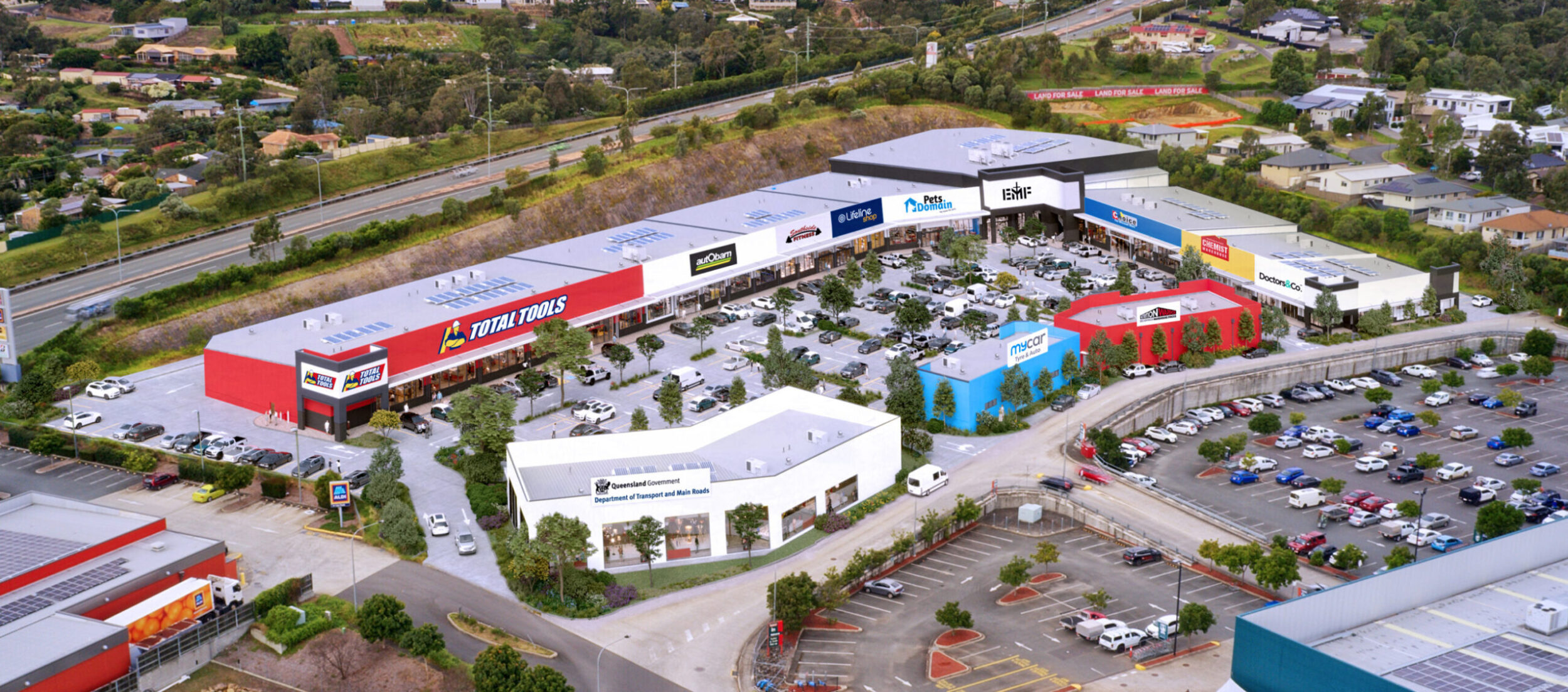
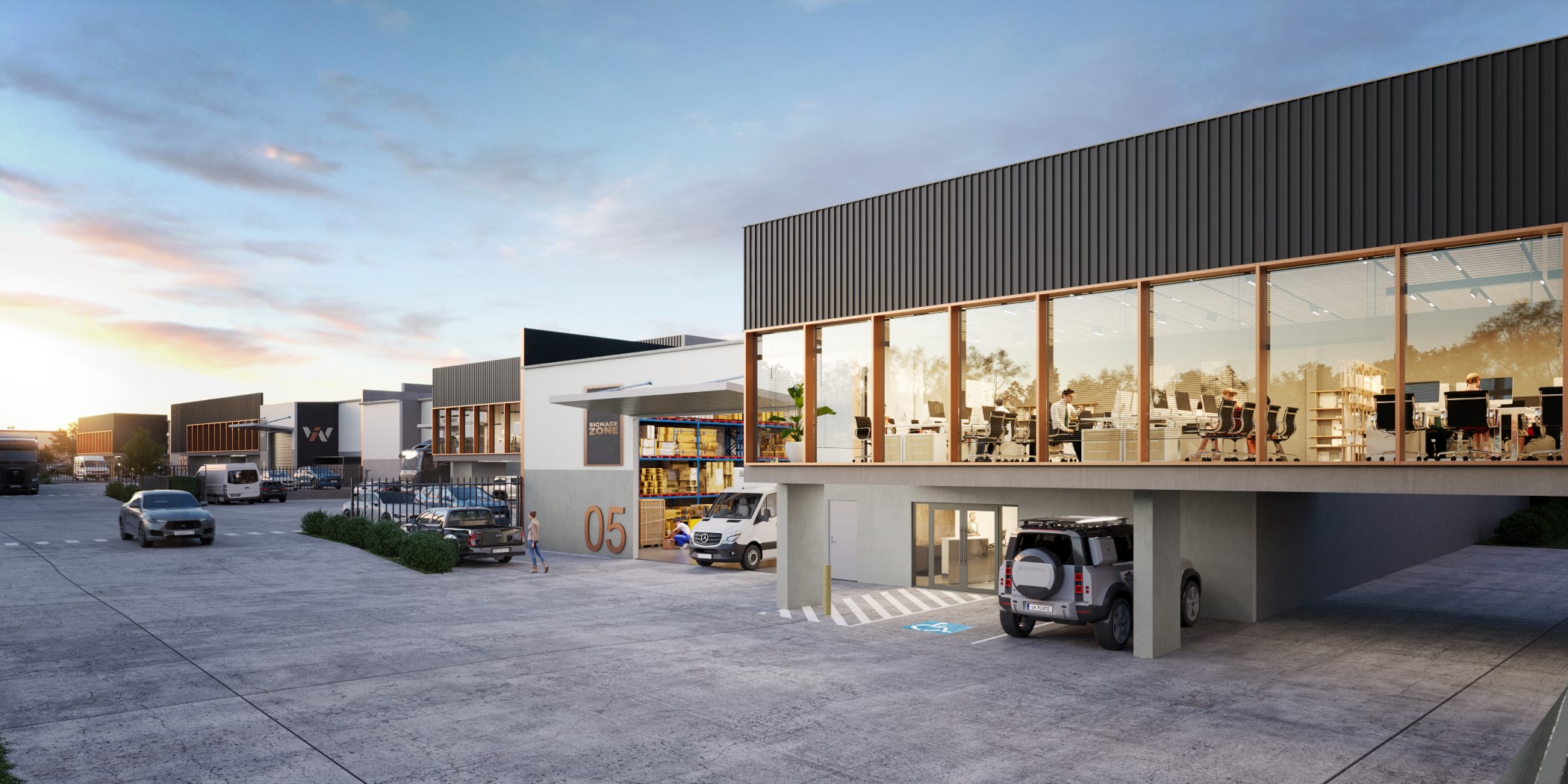
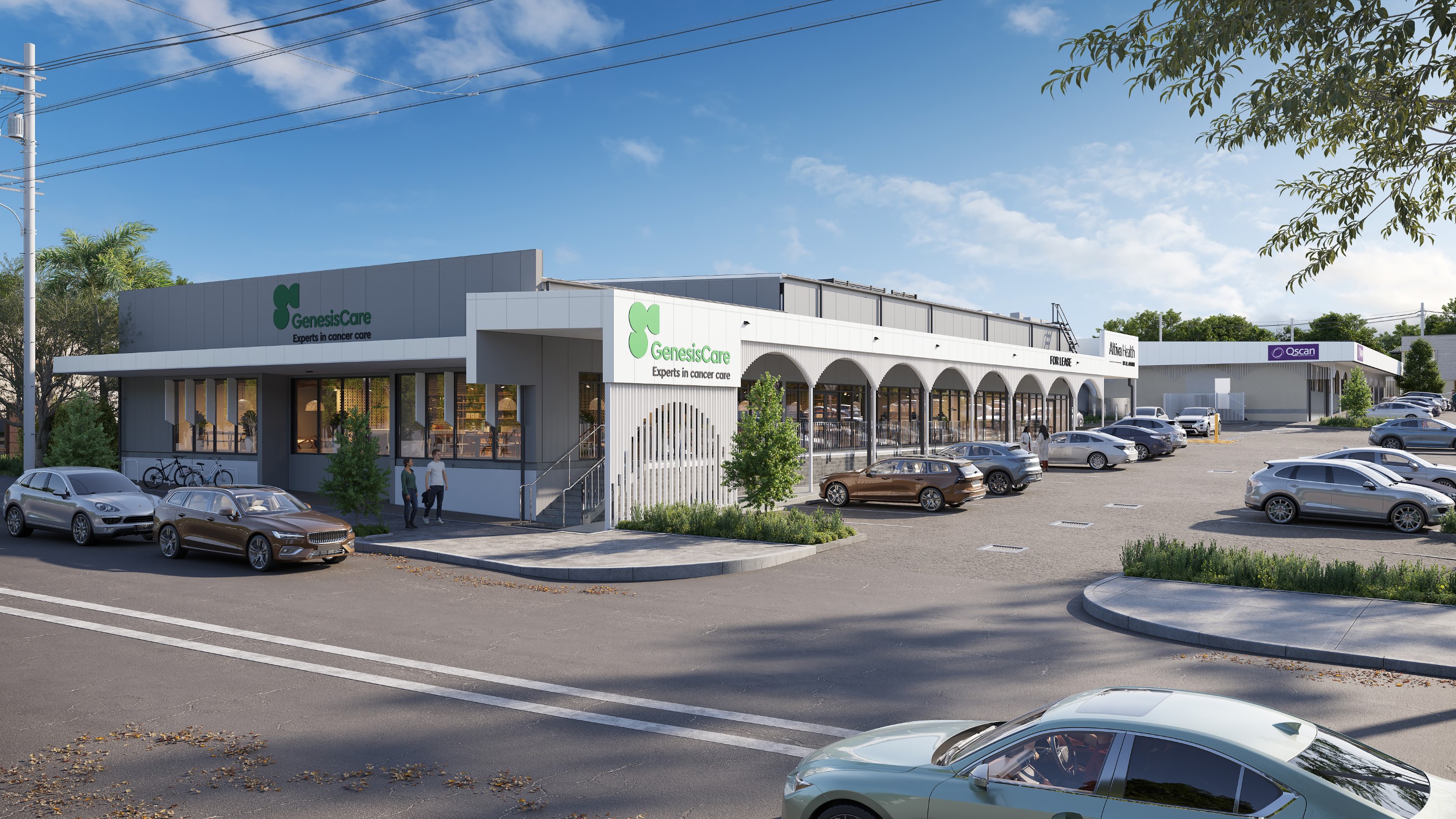
In a low-vacancy market, the difference between a project that performs and one that underwhelms often comes down to how clearly it communicates value. We help developers and agents bring industrial projects to market with clarity, speed, and impact — using aerial 3D visuals, masterplans, interactive tools, and full campaign rollouts to attract the right buyers and tenants early.
 EXPLORE THE WORK