ttracting investors to a development site is not about exposure — it’s about clarity, confidence, and positioning. Investors are not buying the land itself, they are buying the outcome, the strategy, and the certainty around execution. The developments that secure investment early are the ones that present a clear, structured opportunity that makes decision-making straightforward and reduces perceived risk.
Why investor-focused marketing is different
Investors assess opportunities differently to owner-occupiers or tenants. They are focused on risk, return, and clarity — and your marketing needs to reflect that from the outset.
- Investors require a clear understanding of the project’s potential returns and how those returns will be achieved over time
- Risk needs to be actively reduced through strong presentation, clear information, and defined delivery pathways
- Decision-making is often faster when the opportunity is structured clearly and supported with relevant data
- Early-stage investment can support project momentum, funding, and overall feasibility
- Strong investor engagement often leads to better deal structures and improved project outcomes
The biggest mistakes when targeting investors
Many developments fail to attract investors not because the opportunity isn’t strong, but because it isn’t presented in a way that aligns with how investors think.
- Focusing too heavily on design or features rather than financial and strategic outcomes
- Providing unclear or inconsistent information that creates doubt and slows decision-making
- Not addressing risk factors directly, leaving investors to assume the worst-case scenario
- Failing to communicate timelines, staging, and delivery with enough clarity
- Treating investor marketing the same as general marketing instead of tailoring it to a different audience
Step 1: Define the investment opportunity clearly
Before approaching investors, the opportunity needs to be structured in a way that is easy to understand and evaluate.
- Clearly outline what is being offered, including land, product, or staged development opportunities
- Define the expected outcomes, including potential returns, demand drivers, and exit strategies
- Align the project with current market conditions to demonstrate relevance and timing
- Simplify complex details into a format that can be quickly assessed
- Ensure consistency across all materials so the opportunity is presented clearly and professionally
Step 2: Reduce perceived risk through clarity
Risk is the primary barrier to investment, particularly at early stages. The more clearly you communicate, the more confidence you create.
- Provide clear timelines for approvals, construction, and delivery milestones
- Show how the project aligns with existing infrastructure, demand, and market growth
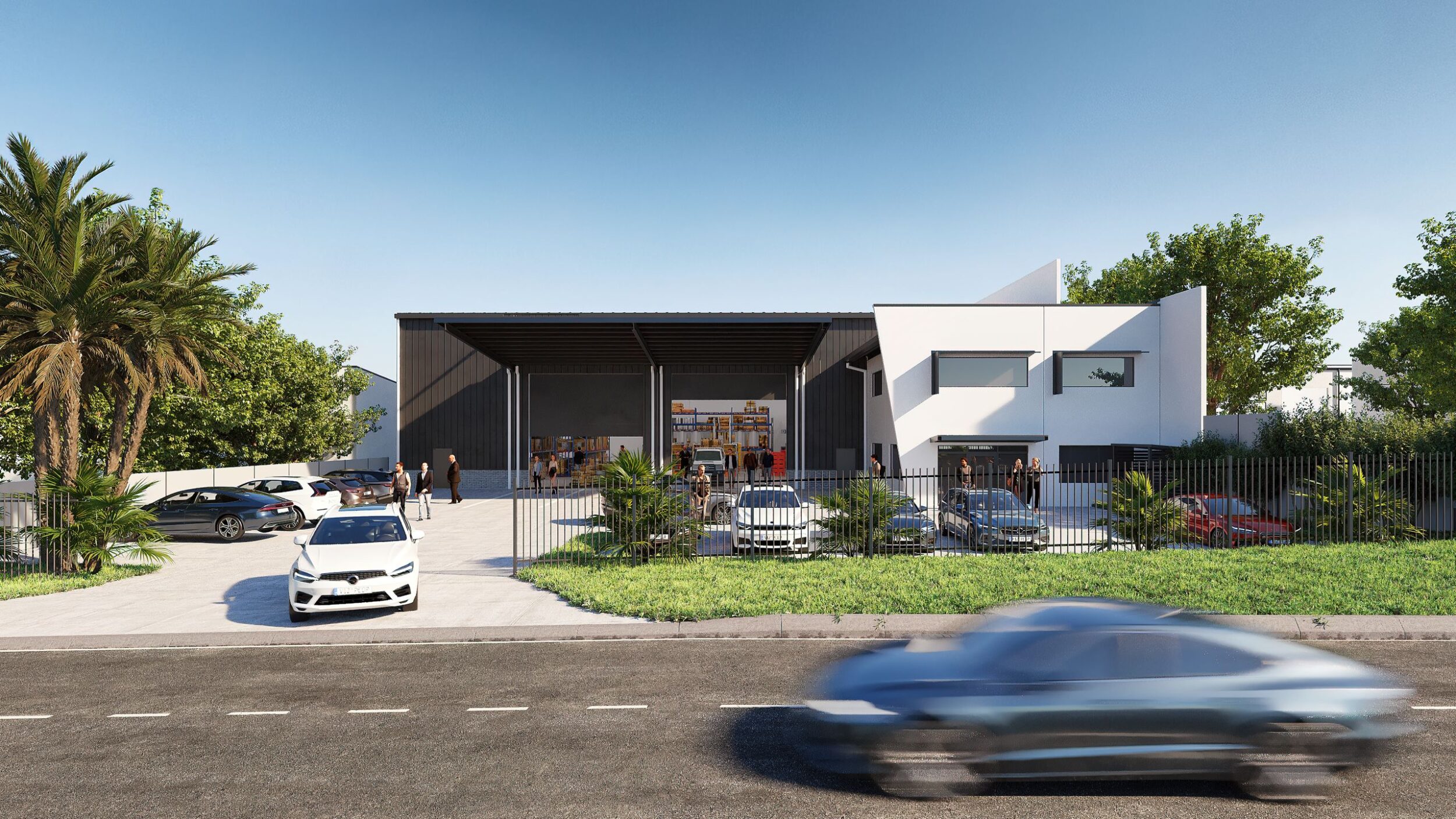
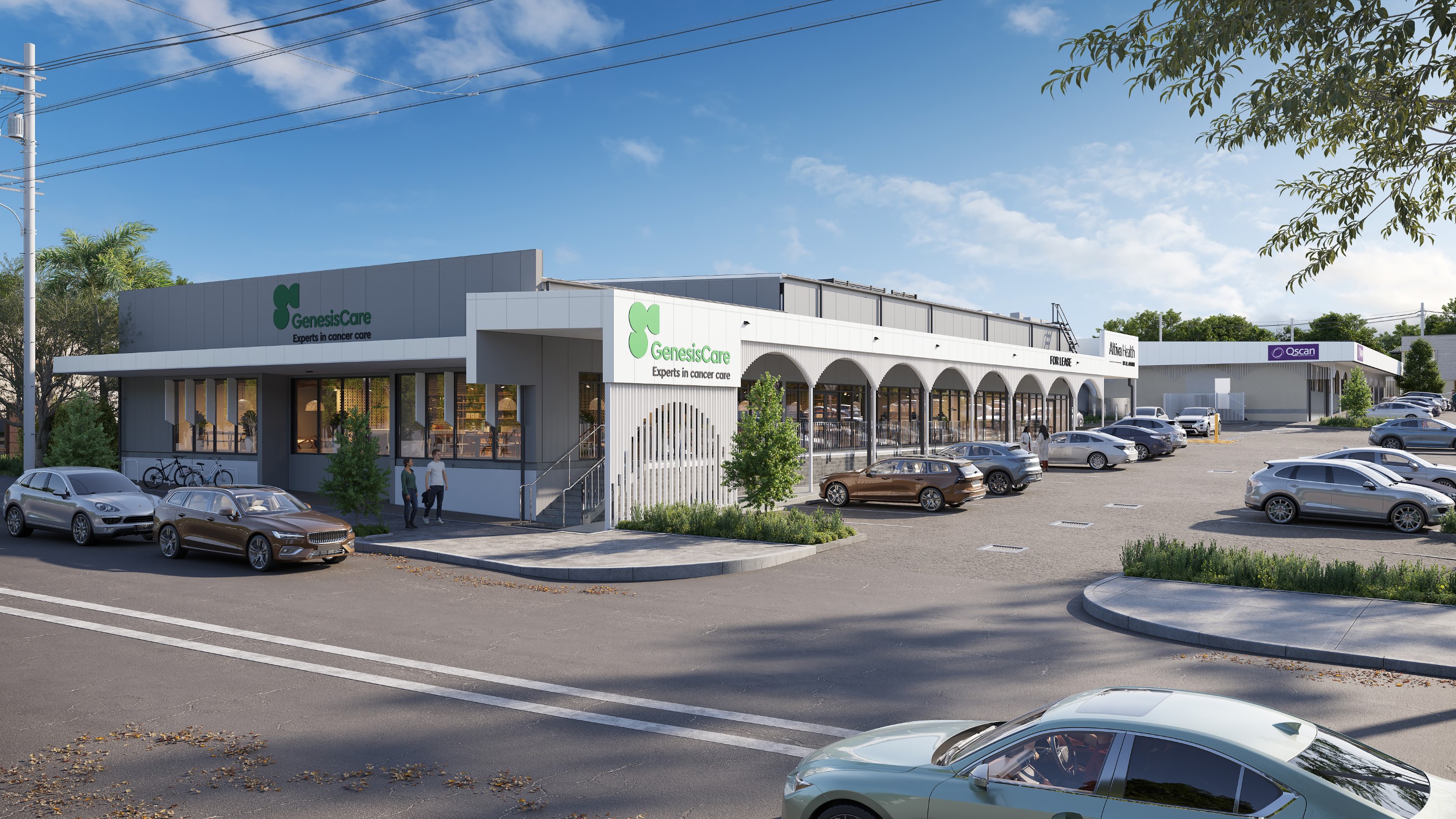
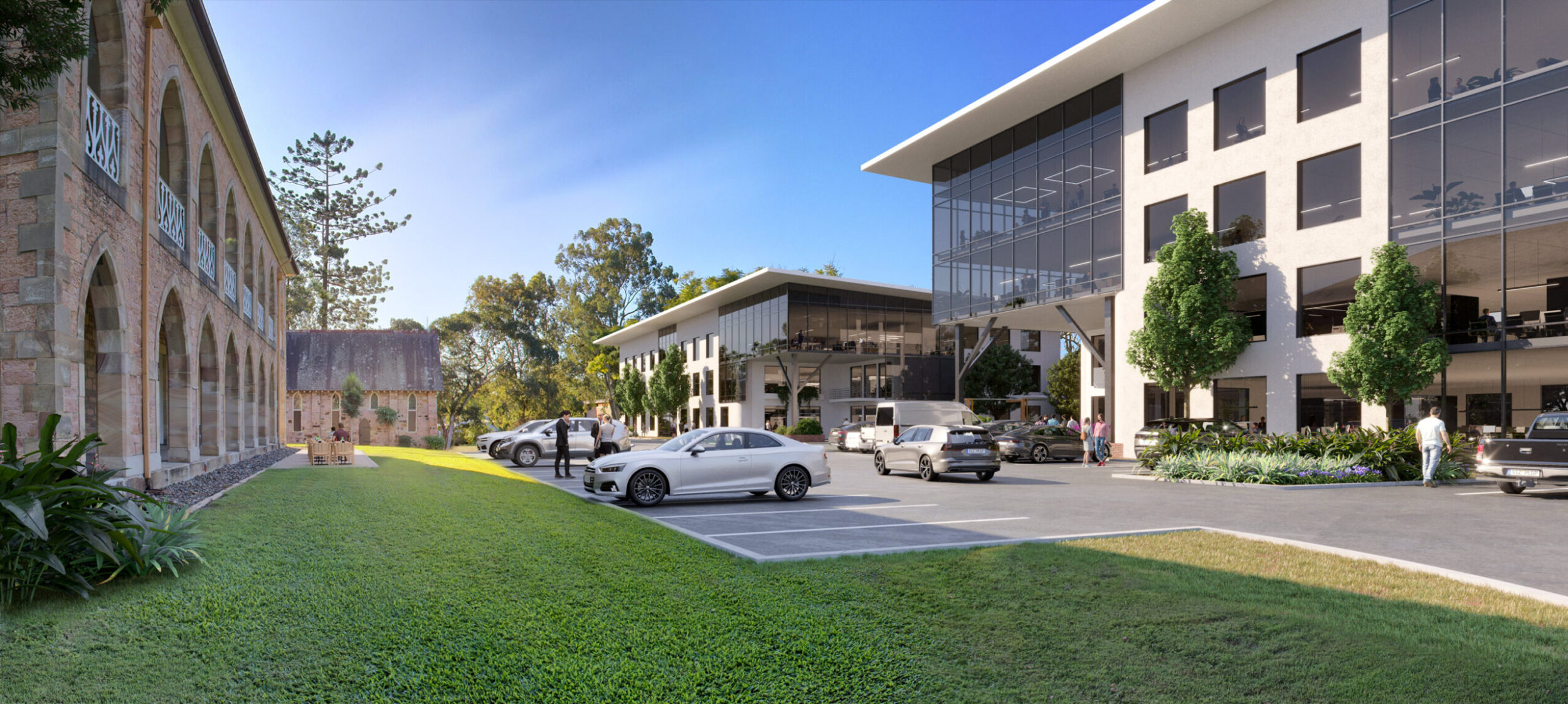
- Use visualisation to demonstrate what the finished outcome will look like
- Reinforce the strength of the location and surrounding development activity
- Address potential concerns directly rather than avoiding them
Step 3: Use visualisation to communicate the outcome
Investors need to understand what they are funding. Visual tools help bridge the gap between concept and reality.
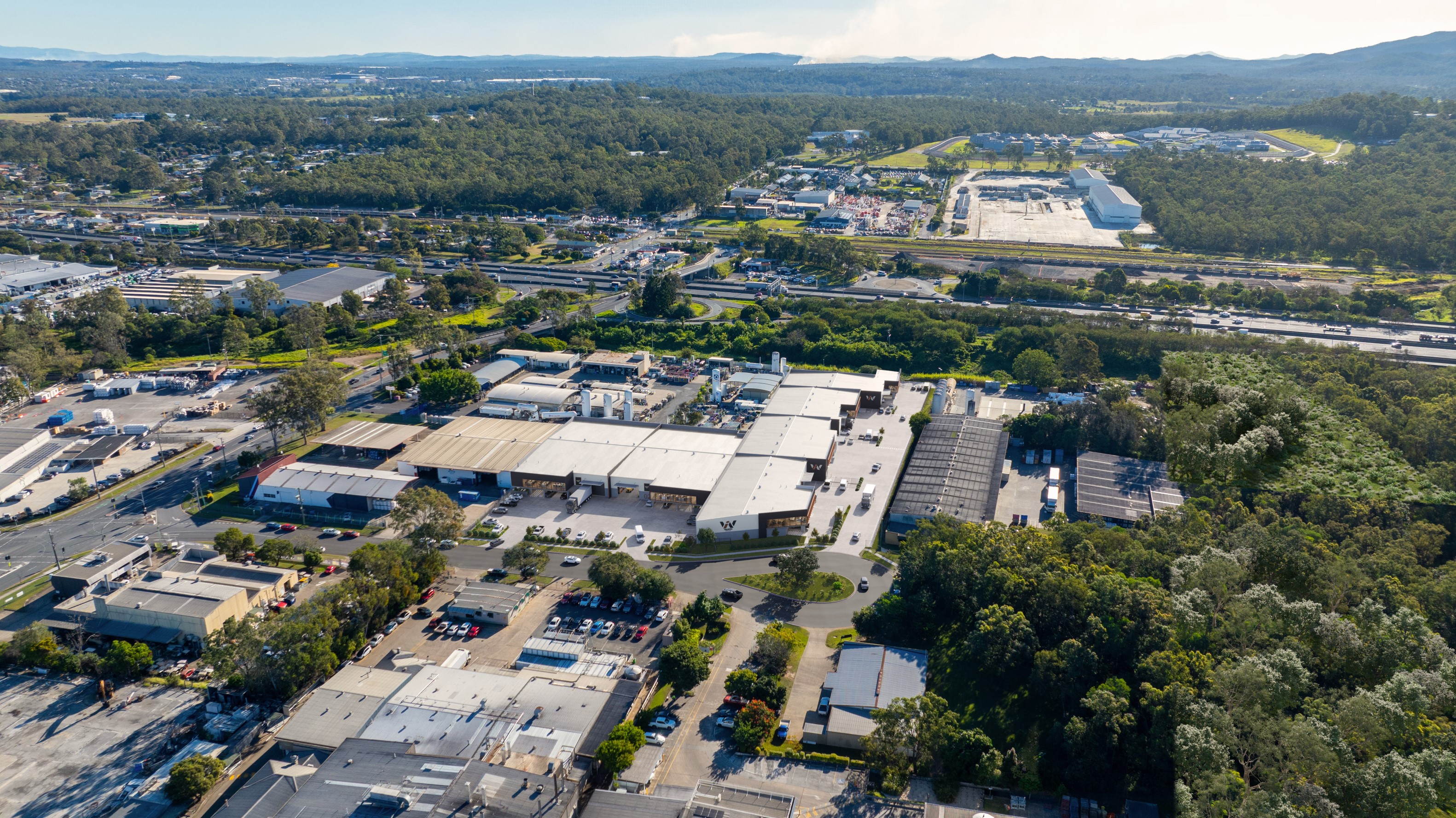
- Aerial visuals show the broader context, connectivity, and positioning of the site
- Masterplans demonstrate how the development is structured and how value is created across the site
- Visual assets make the project easier to understand without relying on technical documentation
- Strong presentation increases confidence and reduces reliance on assumptions
- Consistent visuals ensure the same message is communicated across all investor touchpoints
Step 4: Position the opportunity strategically
Investors are drawn to opportunities that are clearly positioned within the market and aligned with demand.
- Highlight the key drivers behind the project, such as population growth, infrastructure, and supply constraints
- Position the development within a broader market narrative that supports long-term value
- Emphasise the scalability or staging potential of the project where relevant
- Align the opportunity with the types of investors most likely to engage early
- Ensure the messaging reflects a clear and compelling reason to invest now rather than later
Step 5: Present the project professionally and consistently
The way a project is presented has a direct impact on how it is perceived. Professional, structured presentation builds credibility.
- Use high-quality materials that reflect the level of the opportunity being presented
- Ensure all documents, visuals, and messaging are aligned and consistent
- Make information easy to access and understand without unnecessary complexity
- Create a clear pathway for investors to engage and take the next step
- Reinforce key points across all materials to maintain clarity and confidence
What this means for your project
Attracting investors is about more than visibility — it’s about presenting a clear, credible opportunity that aligns with how investors think. When the project is structured and communicated effectively, investment becomes a logical step rather than a risk. This leads to stronger engagement, earlier commitment, and better overall project outcomes.
 EXPLORE THE WORK