Selling commercial land or property in today’s market requires more than just listing an asset — it requires strategic positioning, clear communication, and a strong understanding of buyer behaviour. As we move through March 2026, conditions remain favourable in key sectors like industrial and development-ready land, but buyers are more selective, more informed, and moving faster when the right opportunity is presented correctly. This guide outlines how to approach selling in the current market to maximise value and reduce time on market.
Understanding current market conditions
Before bringing any asset to market, it’s critical to understand the broader environment and how it influences buyer demand. While interest rates have stabilised and confidence is improving, buyers are still focused on fundamentals and long-term value.
Key market conditions influencing sales include:
- Strong demand for industrial land and development-ready sites
- Continued low vacancy rates supporting investor confidence
- Buyers prioritising location, access, and long-term growth potential
- Increased competition for well-positioned assets
- More cautious underwriting from investors despite improving sentiment
Understanding these dynamics allows sellers to position their asset more effectively from day one.
Preparing your asset for market
Preparation is one of the most overlooked — and most important — stages of the sales process. The way an asset is presented can significantly impact both enquiry levels and final sale price.
Key preparation steps include:
- Clarifying zoning, approvals, and development potential
- Ensuring all documentation is accurate and easily accessible
- Cleaning and presenting the site to improve first impressions
- Identifying key selling points such as access, frontage, and visibility
- Preparing marketing material that clearly communicates the opportunity
A well-prepared asset reduces friction for buyers and increases confidence during due diligence.
Positioning the opportunity for maximum impact
How an asset is positioned in the market will determine the level of interest it generates. This goes beyond basic descriptions — it’s about clearly communicating the potential and value of the site.
Effective positioning strategies include:
- Highlighting development potential and future upside
- Framing the asset within its broader growth corridor or precinct
- Emphasising infrastructure, connectivity, and surrounding developments
- Targeting specific buyer groups such as developers, investors, or owner-occupiers
- Creating a clear narrative that explains why the opportunity is compelling
Strong positioning helps buyers quickly understand the value of the asset and make decisions faster.
The role of marketing in driving enquiry
Marketing is no longer just a support function — it is a critical driver of results. In a competitive market, the assets that stand out are those that are presented clearly and professionally.
Key marketing elements that drive performance include:
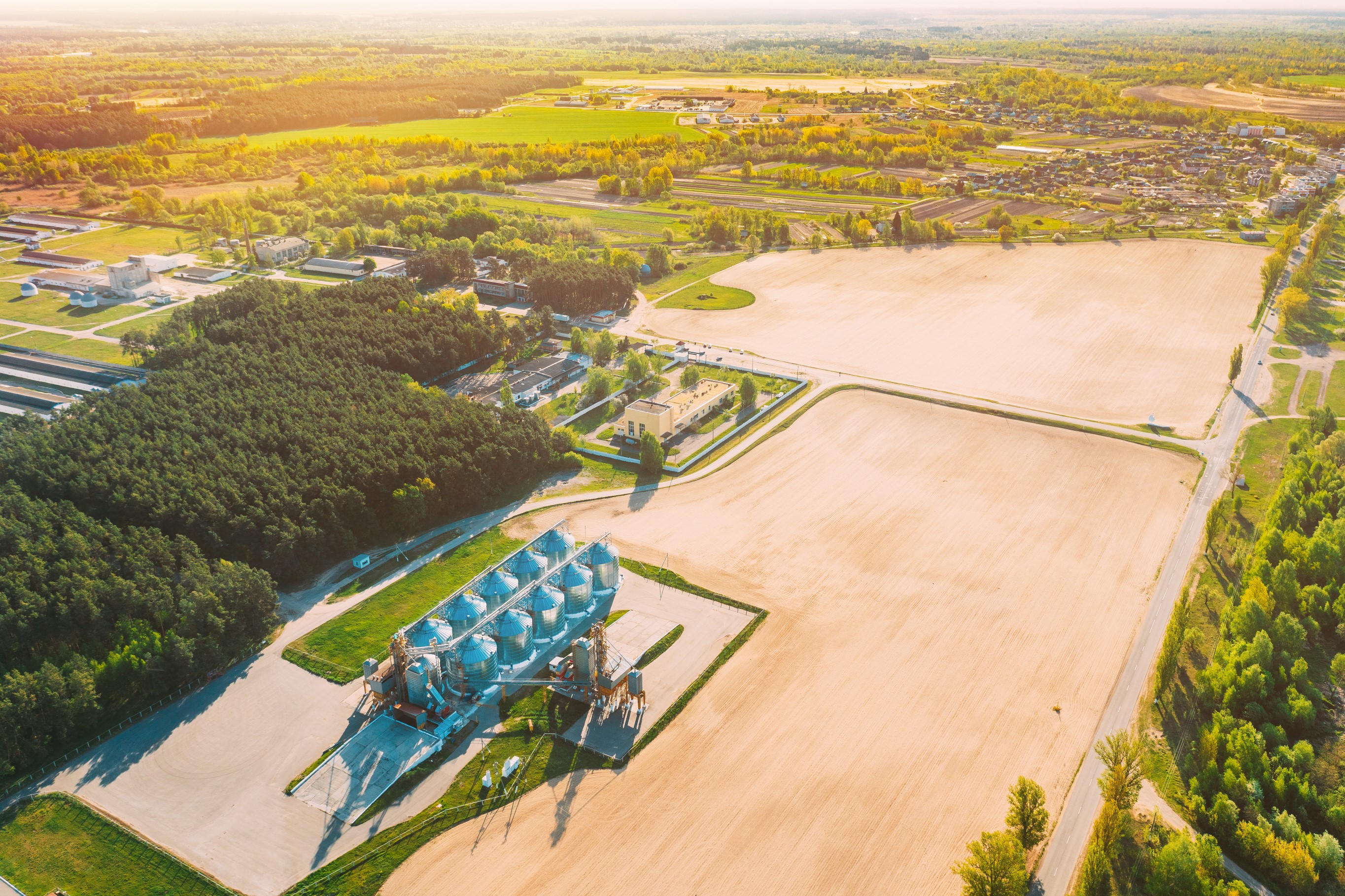
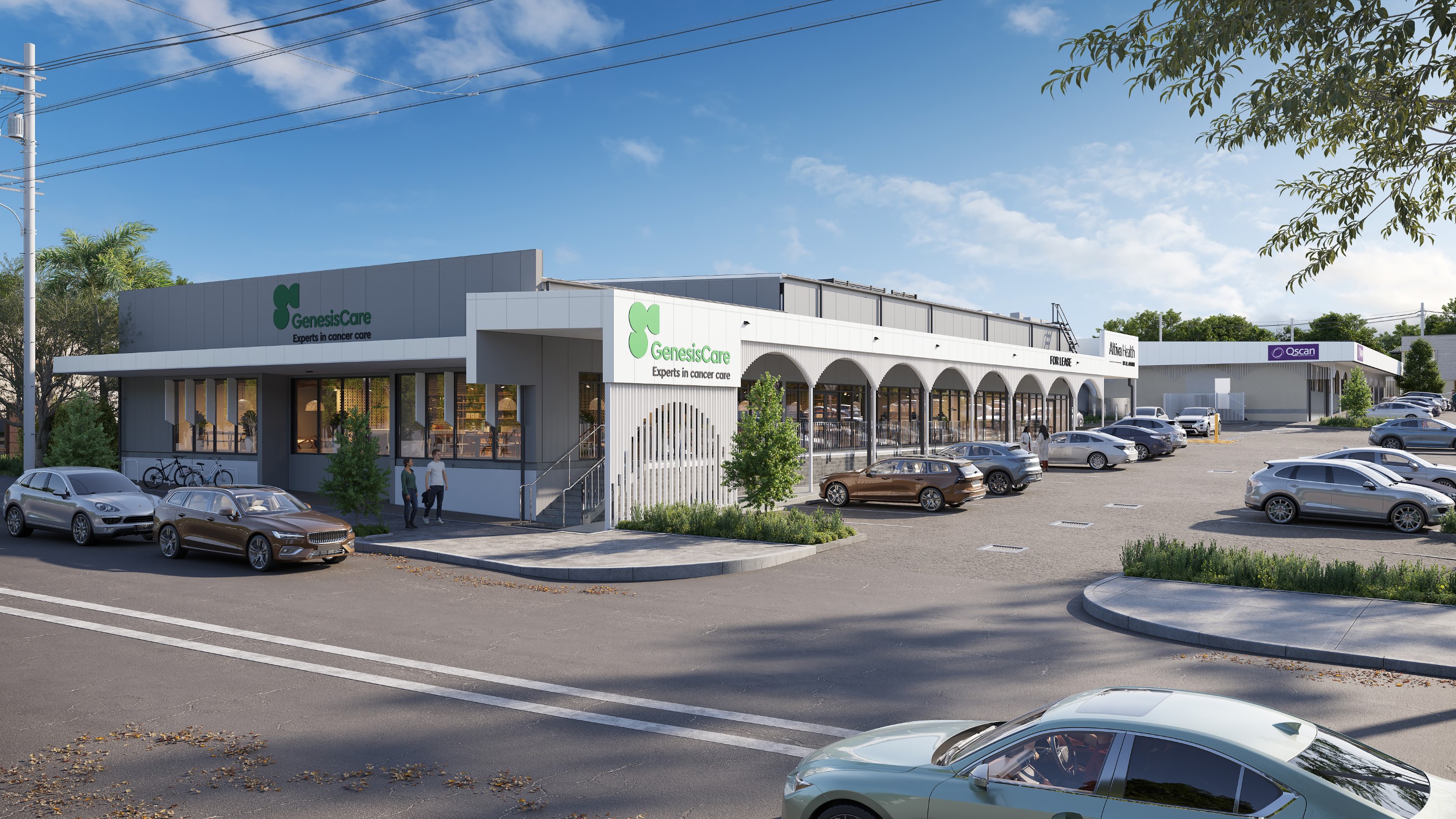
- Aerial 3D visuals showing development potential and site context
- Masterplans that simplify complex opportunities
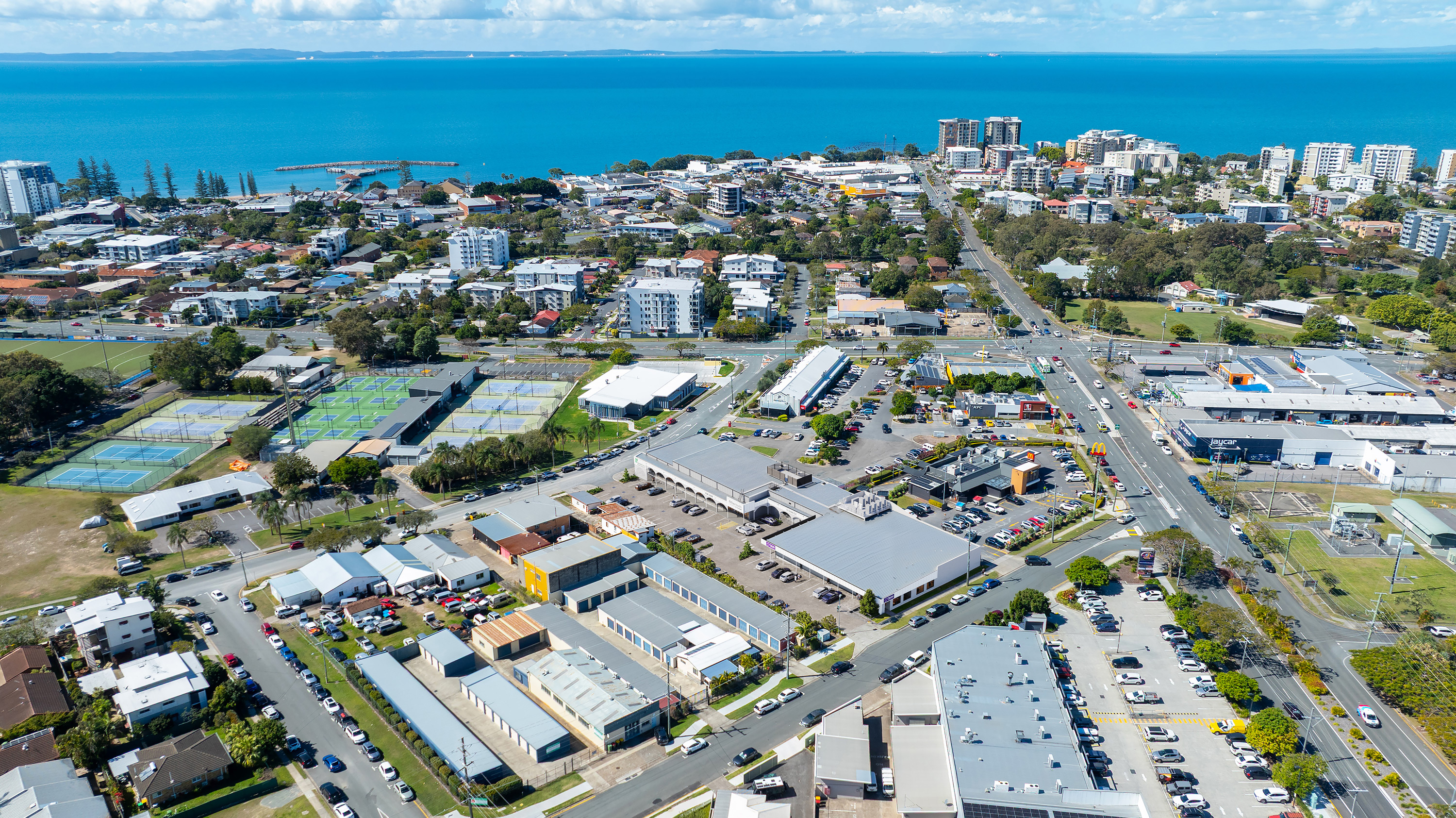
- High-quality imagery and drone footage to highlight location
- Interactive tools allowing buyers to explore the asset
- Clear, concise information memorandums supporting decision-making
The goal is to remove uncertainty and make it easy for buyers to visualise the opportunity.
Choosing the right sales strategy
The method of sale can have a significant impact on both the speed and outcome of a transaction. The right approach will depend on the asset, target buyers, and market conditions.
Common sales strategies include:
- Expressions of interest campaigns to create competitive tension
- Auction campaigns for highly sought-after assets
- Off-market sales targeting specific buyers
- Fixed price or negotiation for more straightforward transactions
- Staged releases for larger developments or subdivisions
Selecting the right strategy ensures the asset is aligned with buyer expectations and market dynamics.
How to maximise sale price and reduce time on market
Achieving the best result requires a combination of preparation, positioning, and execution. Sellers who take a strategic approach are more likely to achieve strong outcomes.
Key factors that influence performance include:
- Bringing the asset to market at the right time
- Creating strong first impressions through high-quality presentation
- Generating early momentum with targeted marketing
- Engaging with the right buyer groups from the outset
- Providing clear, transparent information to support decision-making
When these elements align, assets tend to move faster and achieve higher values.
Recent transactions shaping the market
Industrial Land, Yatala – $6.8 million sale
A well-positioned development site attracted strong interest from multiple buyers, achieving a competitive result due to its location and development potential.
Commercial Development Site, Truganina – $14.5 million sale
A large industrial parcel in Melbourne’s west transacted following a targeted campaign highlighting its scale and connectivity.
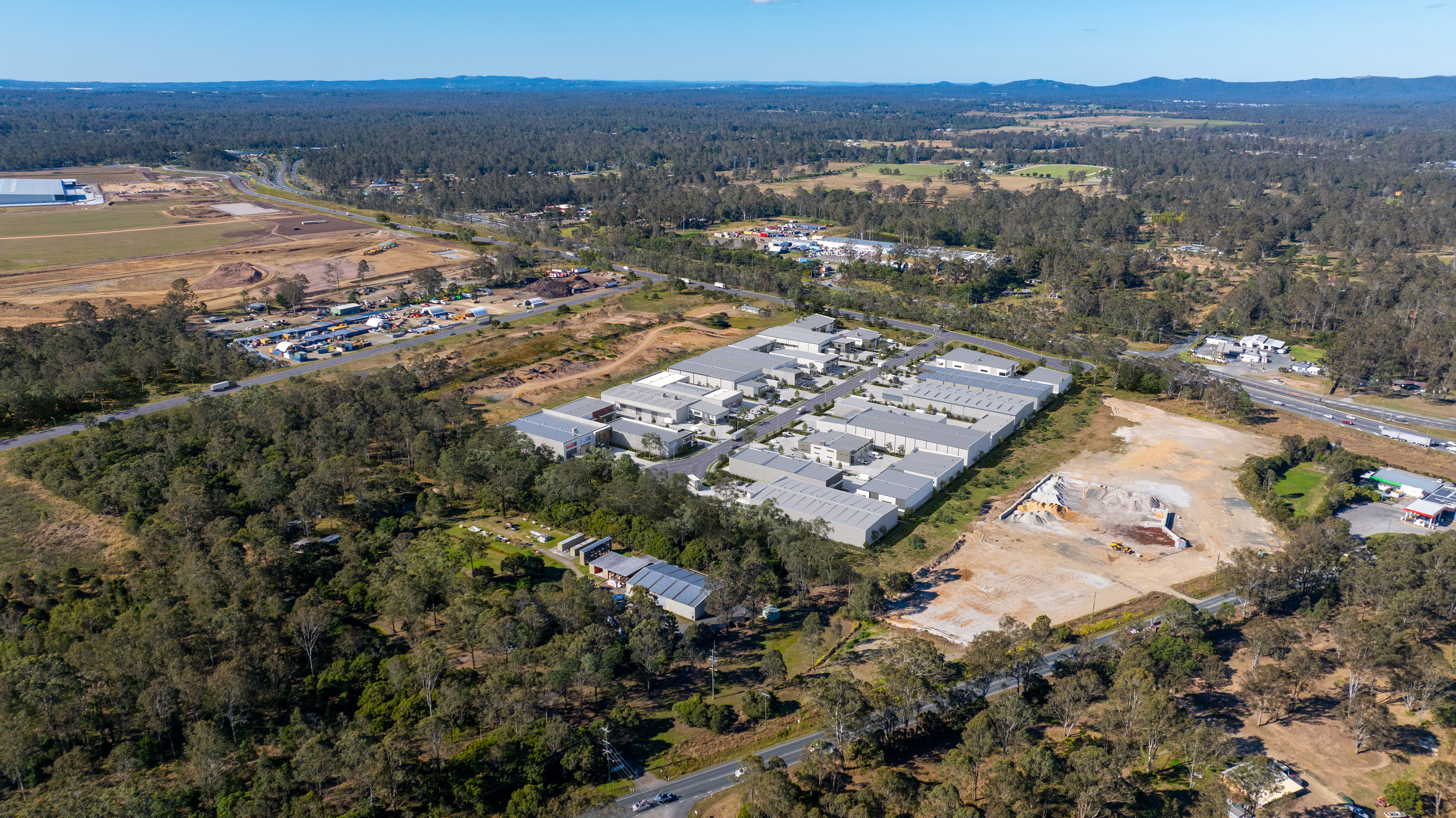
Subdivision Land, North Maclean – Strong early enquiry
A newly launched industrial subdivision generated immediate interest from developers and owner-occupiers, reflecting demand for emerging growth corridors.
How Commercial Property Marketing can help
Selling commercial land and property is about more than exposure — it’s about clarity. We help developers and agents present opportunities in a way that removes uncertainty and drives action, using aerial 3D visuals, masterplans, and full campaign strategies designed to generate enquiry and accelerate results.
 EXPLORE THE WORK