Pre-leasing is one of the most effective ways to reduce risk and accelerate a development, but it only works when the project is clearly understood before it’s built. Tenants are committing early, which means they need confidence in the outcome, the usability of the space, and how it supports their operations. The developments that pre-lease successfully are the ones that remove uncertainty and make the decision easy.
Why pre-leasing changes project performance
Securing tenants before completion improves cash flow, reduces vacancy risk, and strengthens the overall position of the development.
- Early tenant commitments provide income certainty and support project feasibility
- Reduced vacancy at completion leads to stronger valuations and improved financial outcomes
- Pre-leasing creates momentum, making it easier to attract additional tenants
- Early engagement allows adjustments to be made based on real demand
- Projects with pre-leasing in place are perceived as lower risk by investors and stakeholders
The biggest challenges with pre-leasing
At this stage, tenants are committing to a future space, which introduces uncertainty that must be addressed directly.
- Tenants cannot physically inspect the finished product, making it harder to visualise
- Concerns around timing, delivery, and final outcomes can slow decisions
- Plans and technical drawings are often difficult to interpret without support
- Lack of clarity around layout and usability creates hesitation
- Generic marketing fails to build the confidence needed for early commitment
Step 1: Make the space easy to understand
The faster a tenant can understand how the development works, the more likely they are to engage.
- Clearly present layouts, access, and operational flow in a simple format
- Highlight how the space supports real-world use cases such as warehousing, trade, or logistics
- Provide key information upfront, including size, clearance, access, and flexibility
- Simplify technical details into clear, digestible content
- Ensure the development can be understood without needing interpretation
Step 2: Use visuals to remove uncertainty
Visualisation is critical in pre-leasing because it bridges the gap between concept and reality.
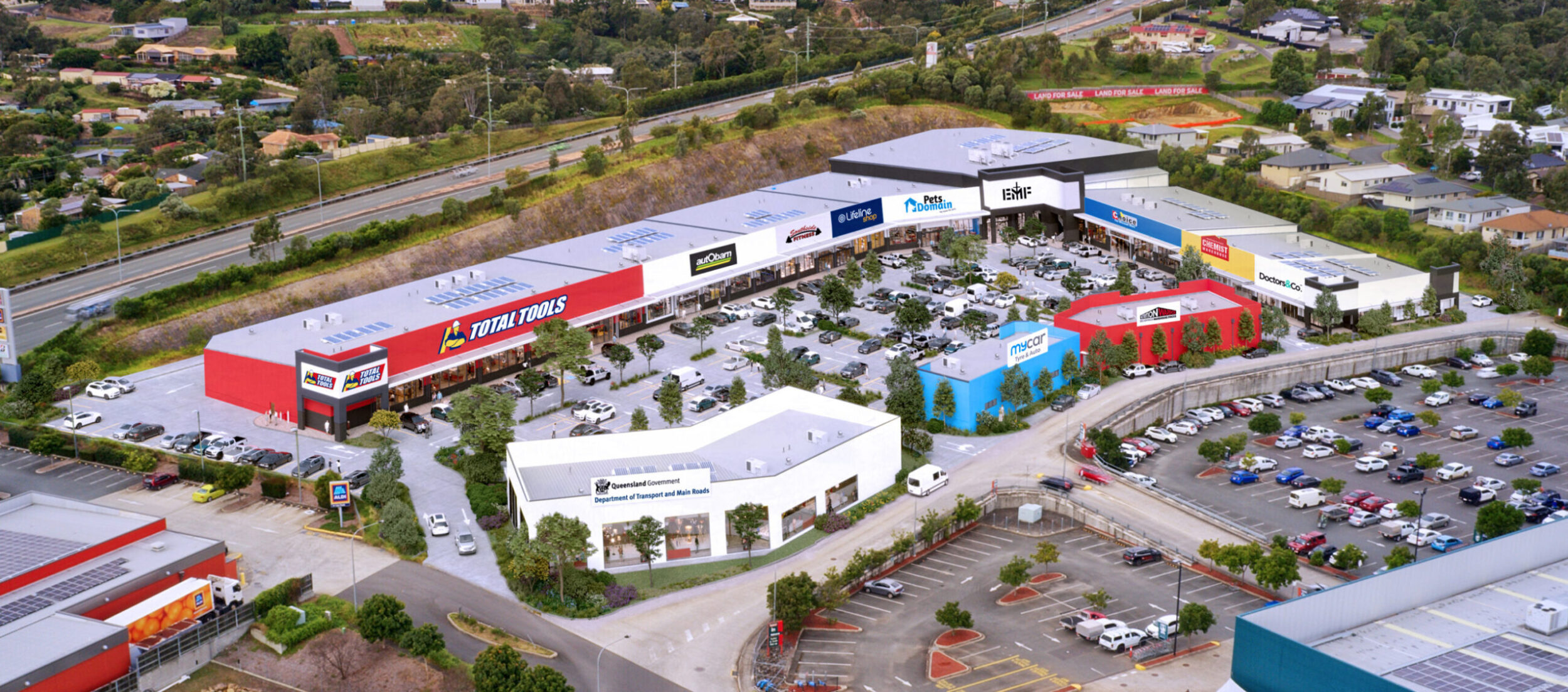
- Aerial visuals show location advantages, connectivity, and surrounding infrastructure
- Masterplans provide a clear overview of layout and how units or spaces are arranged
- Ground-level visuals help tenants picture how they will operate within the space
- Visual assets make the project feel real before construction is complete
- Consistent visuals reinforce the same message across all marketing channels
Step 3: Target the right tenants early
Pre-leasing works best when focused on tenants who understand the value of committing early.
- Identify businesses that benefit from securing space ahead of completion
- Align messaging with operational needs such as access, efficiency, and growth
- Emphasise the advantages of early commitment, including securing preferred positions
- Focus on quality of enquiry rather than volume
- Ensure all marketing speaks directly to this audience
Step 4: Create momentum before and during launch
Momentum is key to successful pre-leasing, as early activity builds confidence in the project.
- Launch with clear, targeted messaging that attracts immediate interest
- Build a pipeline of engaged tenants through early enquiry
- Highlight activity and interest to reinforce demand
- Maintain consistent communication to keep the project visible
- Use early commitments to drive further engagement
Step 5: Support confident decision-making
Tenants need to feel confident in committing before completion, which means reducing risk through clarity and communication.
- Provide clear timelines for construction and delivery
- Ensure all materials answer common questions upfront
- Reinforce key benefits consistently across all touchpoints
- Make the enquiry and leasing process simple and structured
- Position the development as a reliable and well-planned opportunity
What this means for your development
Pre-leasing is about turning a future project into a present opportunity. When tenants can clearly understand how the space will work and feel confident in the outcome, they are more willing to commit early. The result is reduced risk, stronger occupancy, and a more successful development overall.


 EXPLORE THE WORK