





























A lot of commercial sites don’t fail because there’s no demand — they fail because they attract the wrong type of enquiry. When the positioning is off, you end up fielding calls from buyers who can’t use the site, don’t understand it, or were never a fit to begin with. That wastes time, kills momentum, and drags the campaign out.
1. What it looks like when the wrong buyers are coming through
You’ll feel it pretty quickly once a campaign goes live — enquiry is there, but it’s not converting into anything meaningful.
- Enquiries from buyers who don’t suit the zoning or use
- Repeated basic questions about what can be done on the site
- Low follow-through after initial contact
- Time spent explaining instead of progressing deals
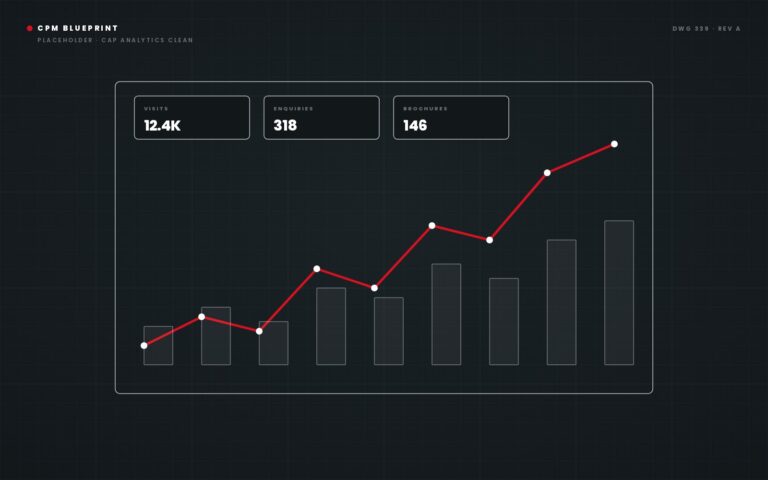
- Strong enquiry numbers but no real offers
2. Why this happens in the first place
If the site isn’t clearly positioned, the market fills in the gaps — and usually gets it wrong.
- No defined end use or target buyer profile
- Generic marketing that appeals to “everyone”
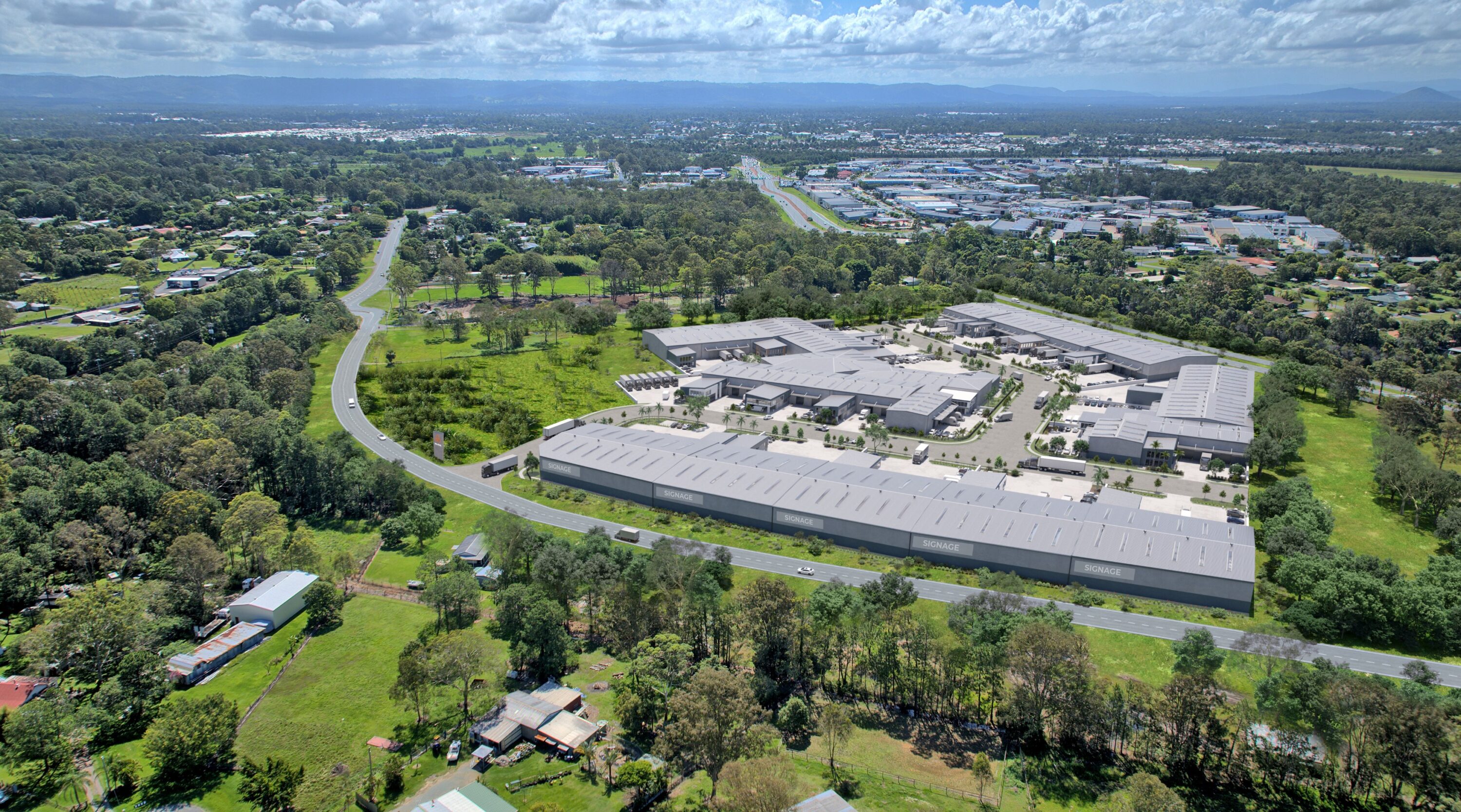
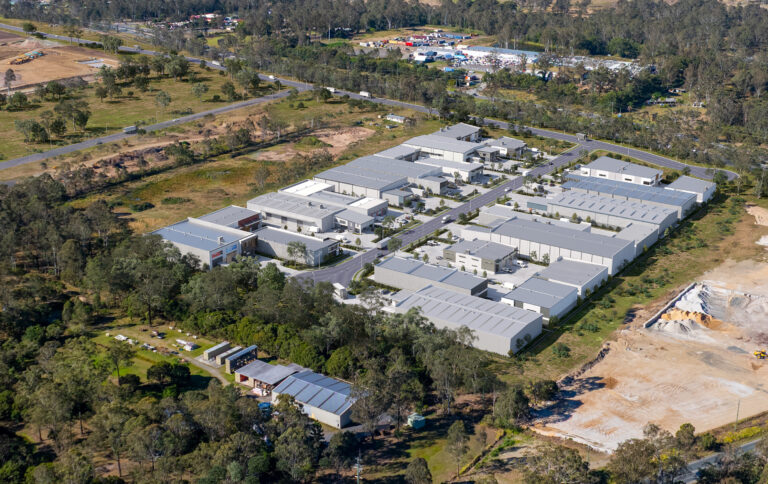
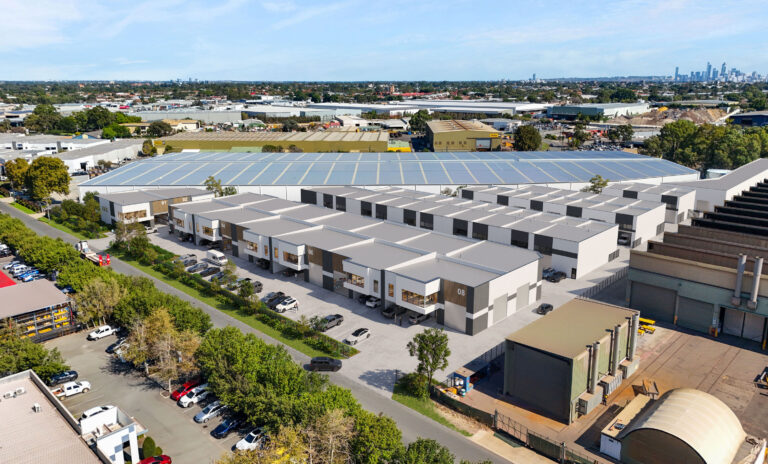
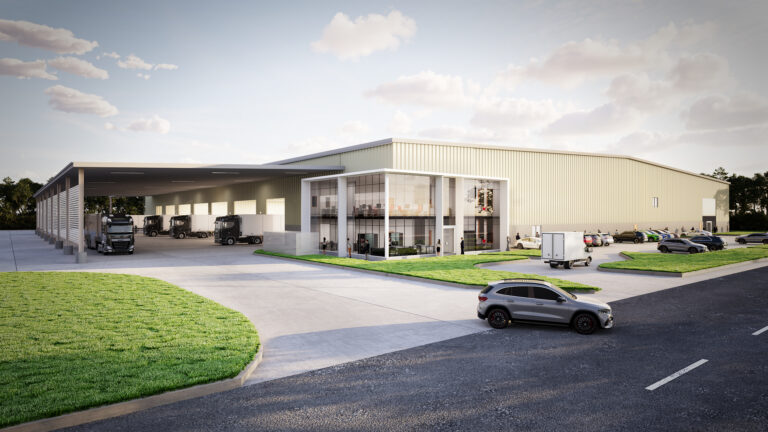
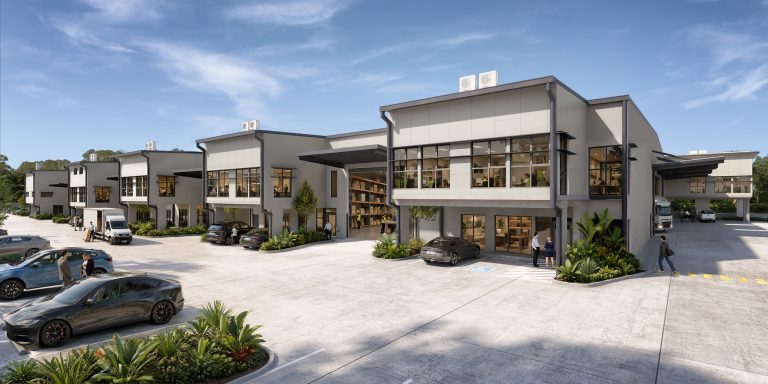
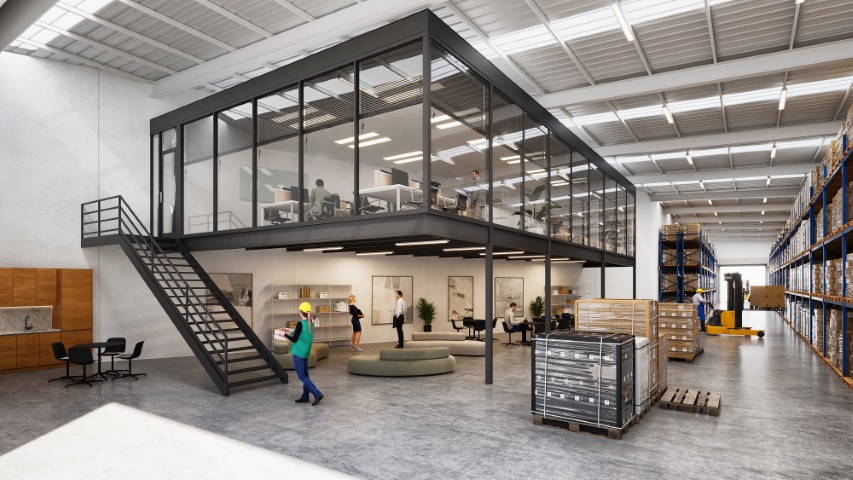
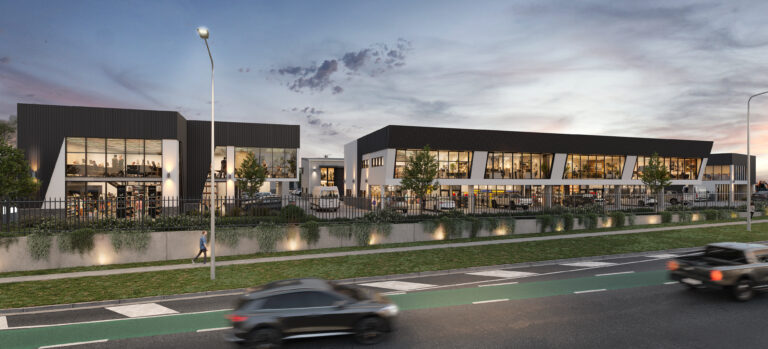
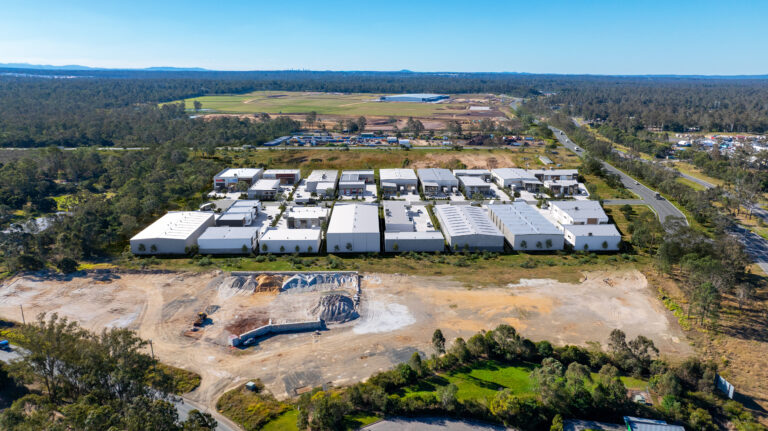
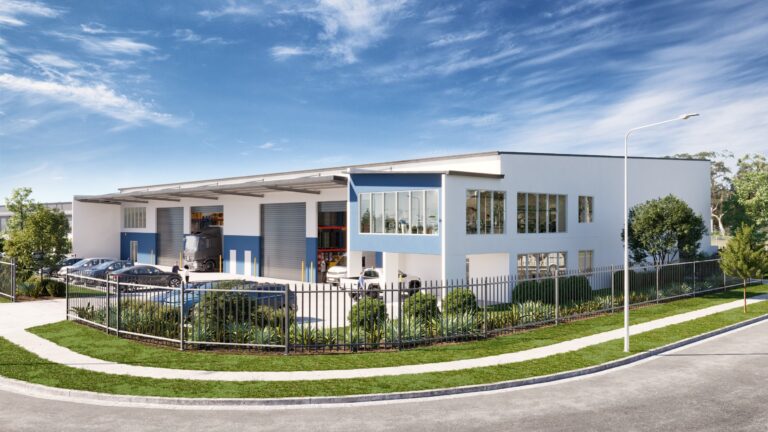
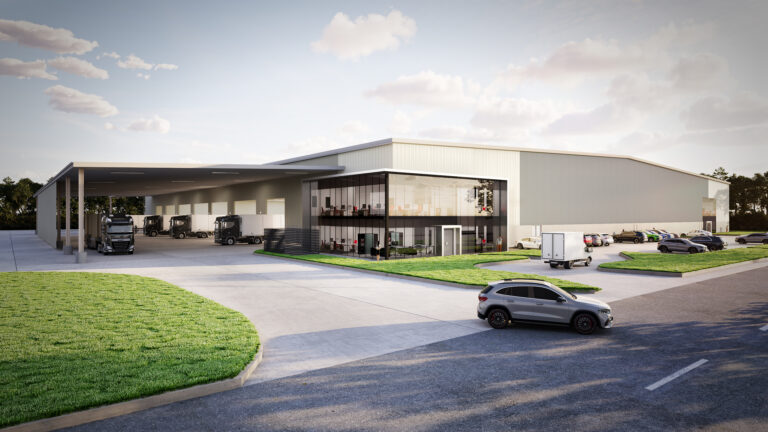
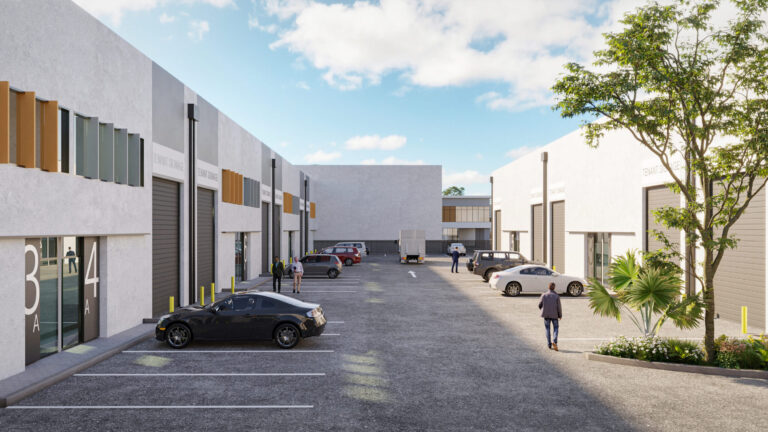
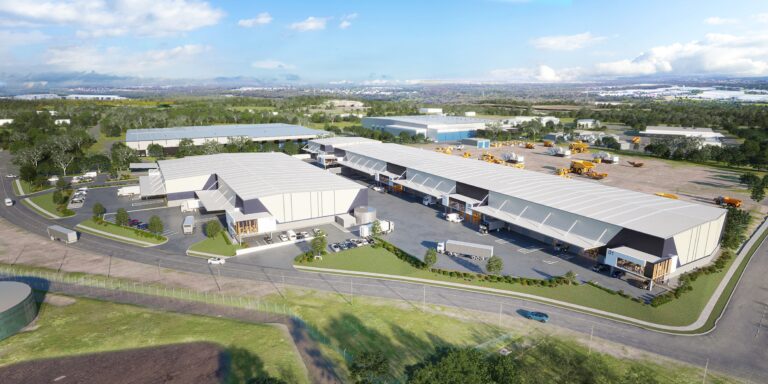
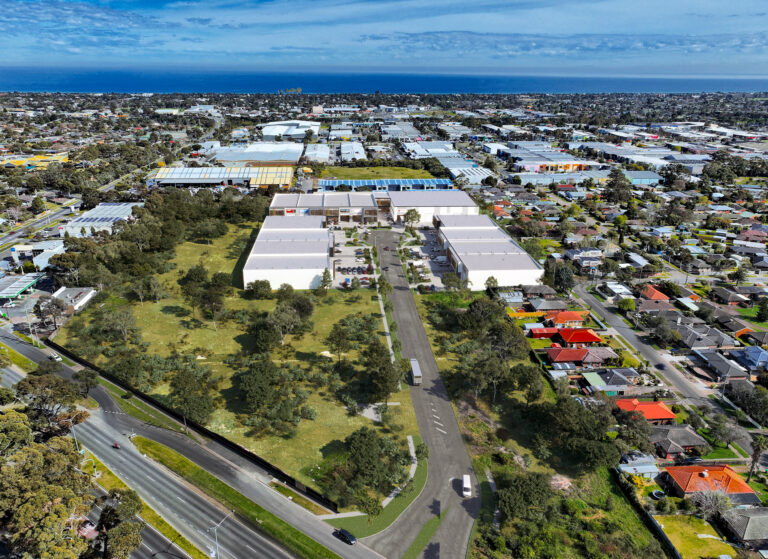
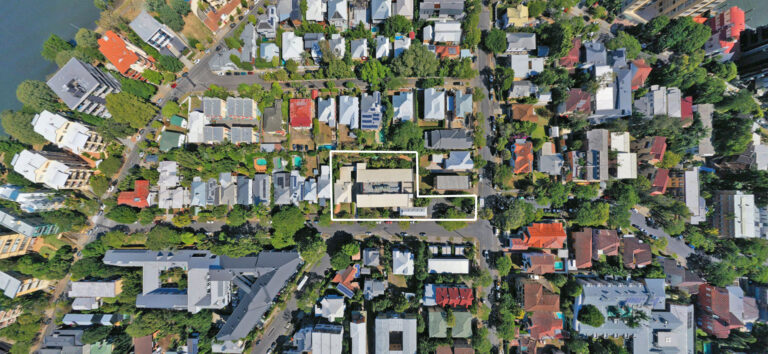
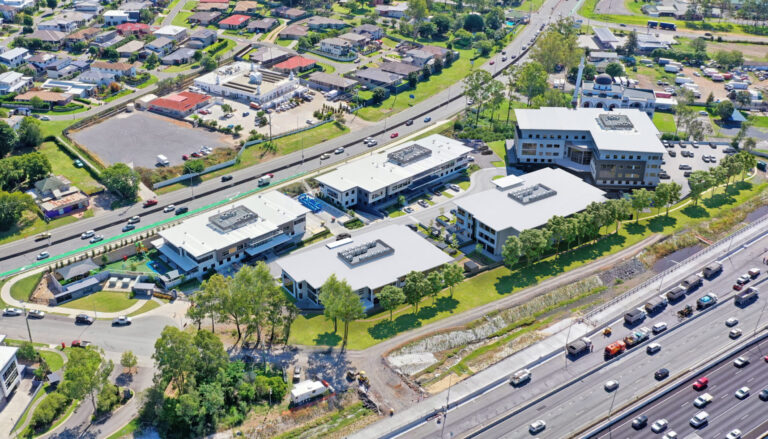
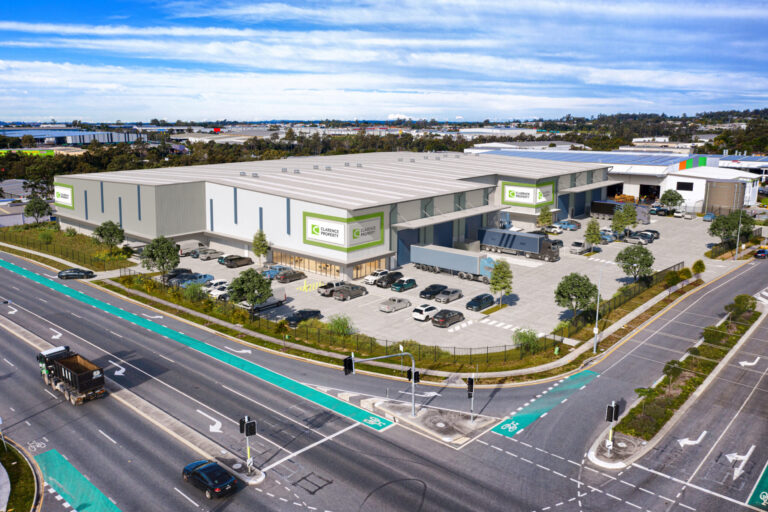
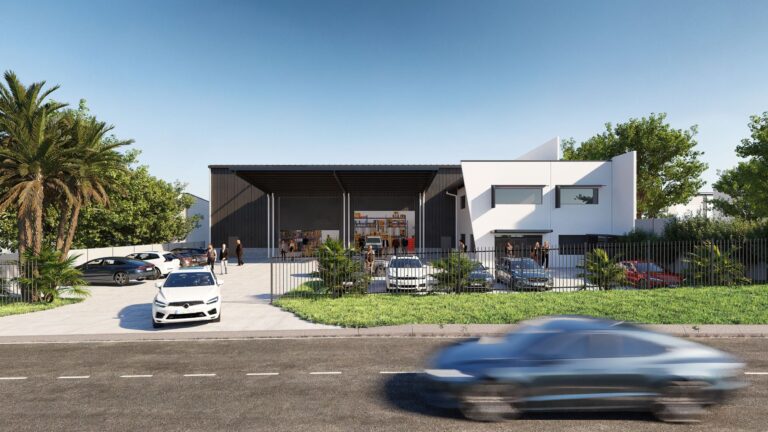
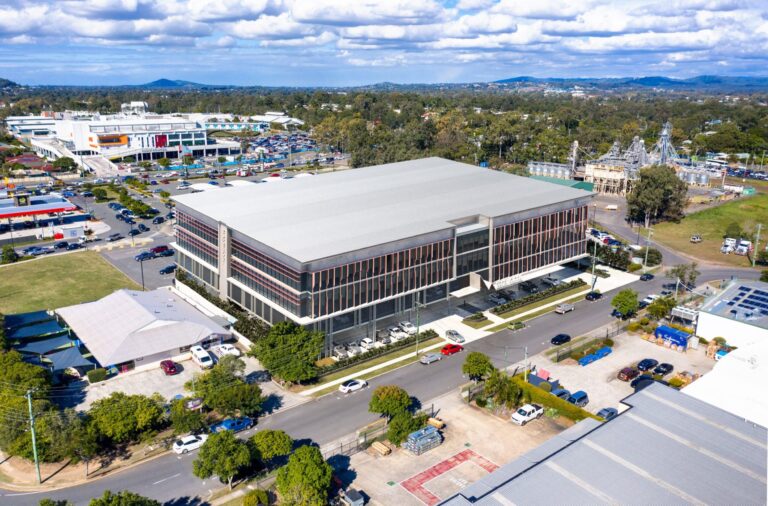
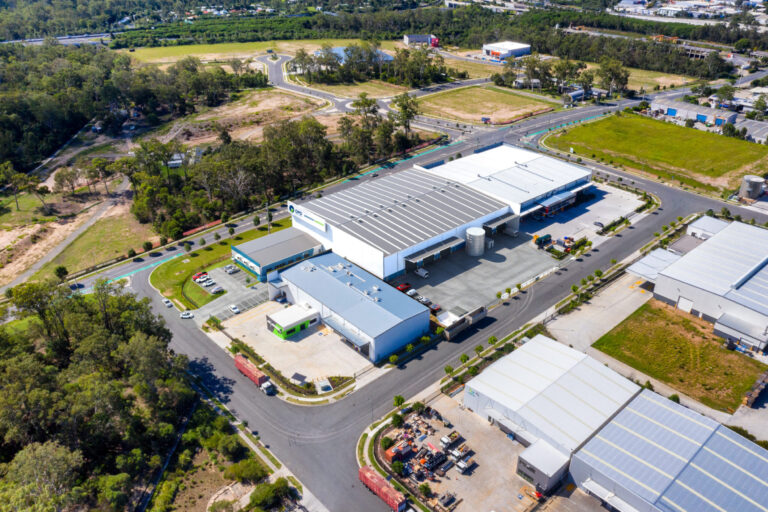
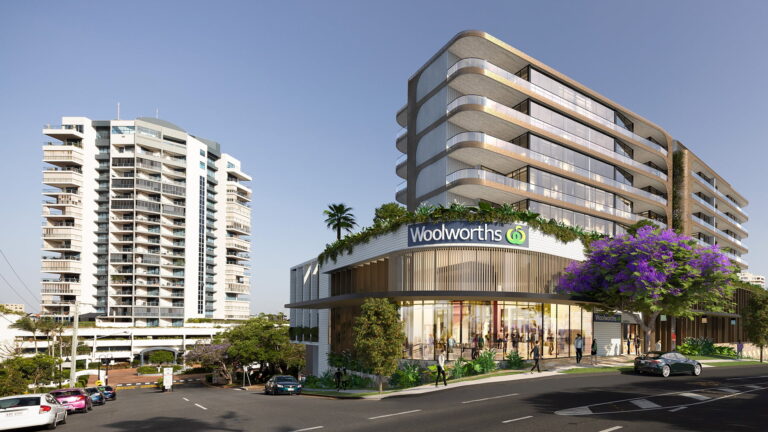
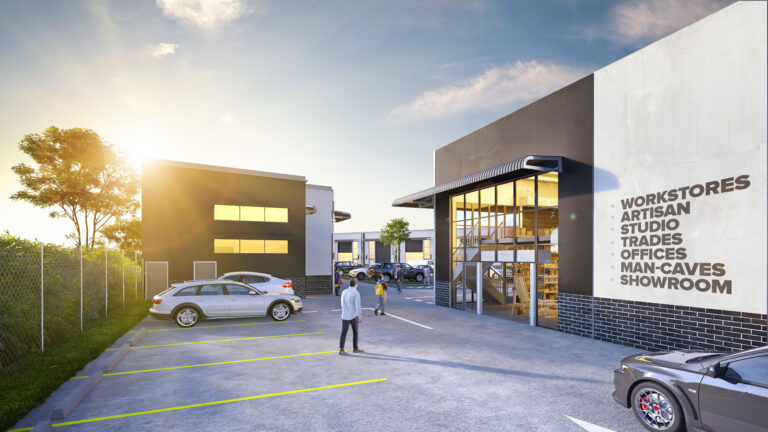
- Lack of visual context showing how the site functions
- No indication of unit mix, yield, or development pathway
- Messaging focused on land, not outcome
3. The problem with broad positioning
Trying to appeal to everyone usually means resonating with no one. The right buyers need to see themselves in the site immediately.
- Developers need to see yield and layout potential
- Owner-occupiers need to see functionality and access
- Investors need to understand income and staging
- If none of that is clear, they disengage
- The campaign becomes noisy but ineffective
4. What strong campaigns do differently
High-performing listings are deliberate — they speak directly to the right audience and filter out the rest.
- Clear positioning based on actual end users
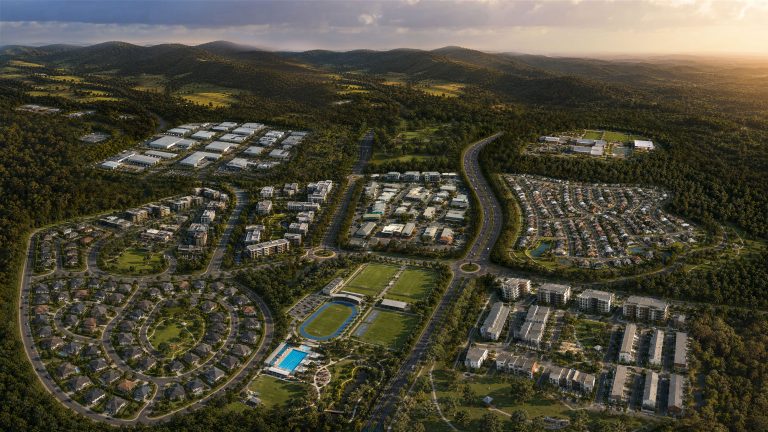
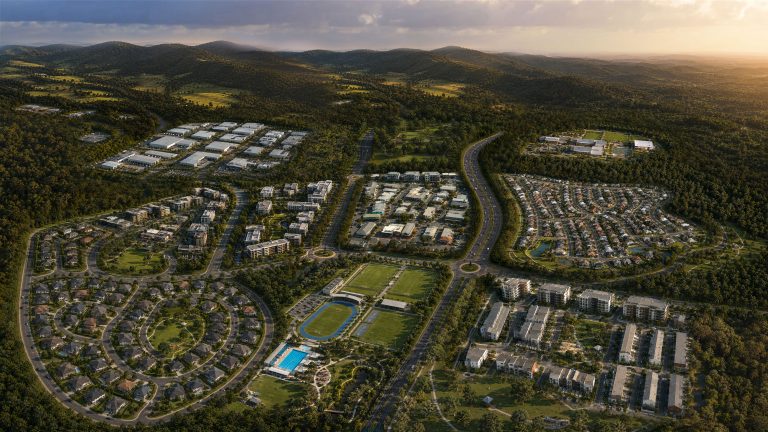
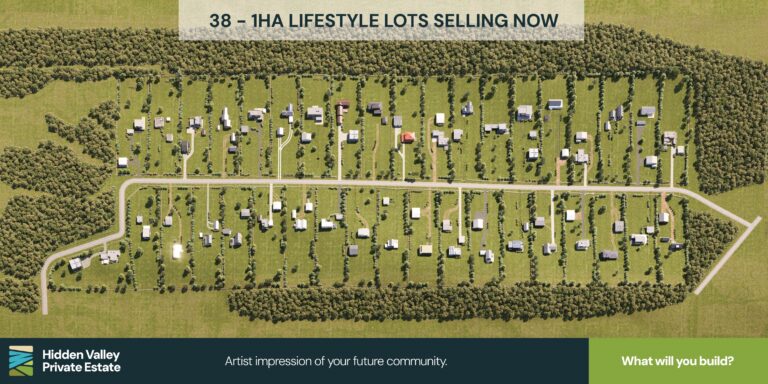
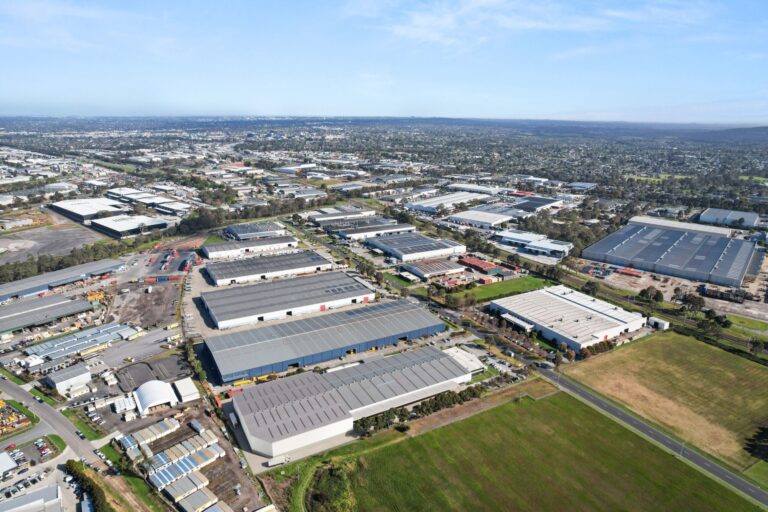
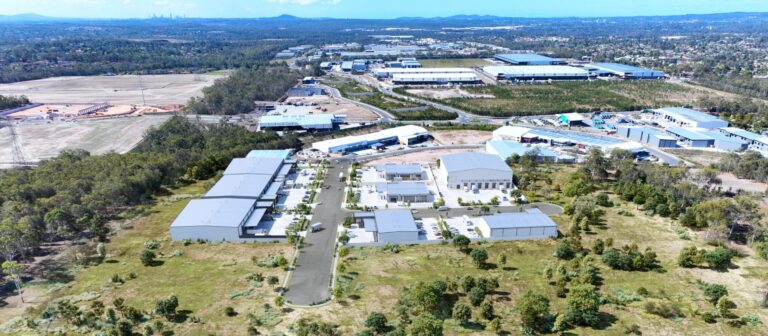
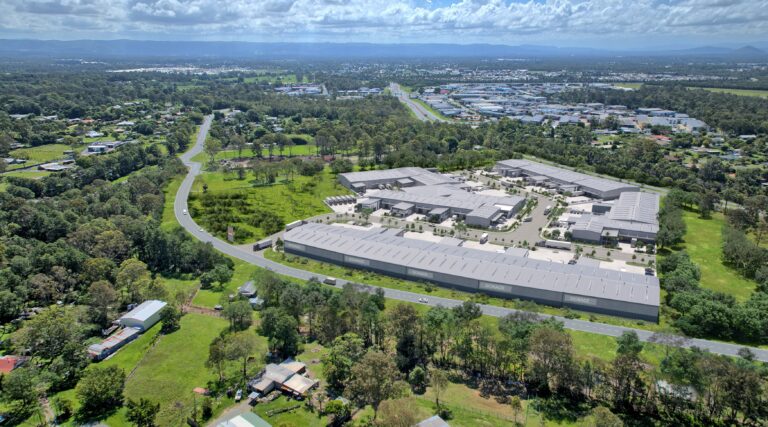
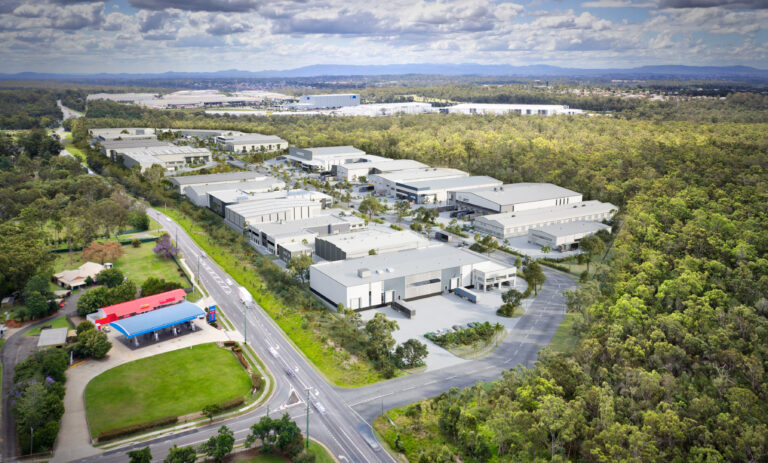
- Masterplans that reflect real buyer use cases
- Messaging aligned to specific buyer types
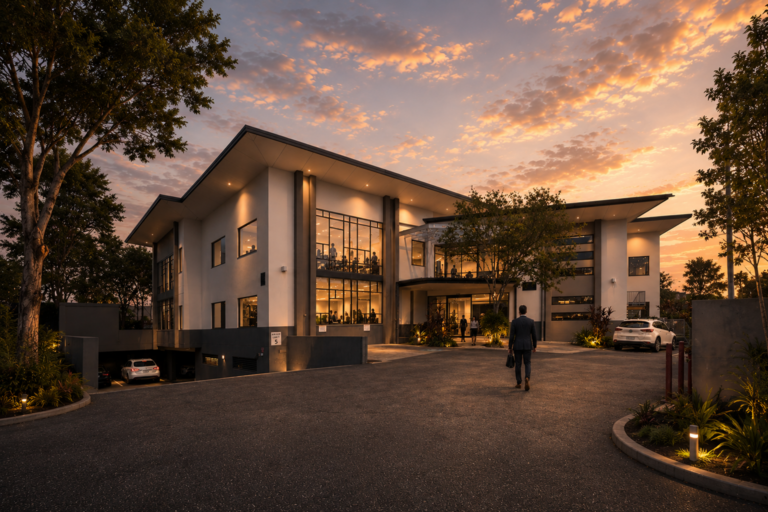
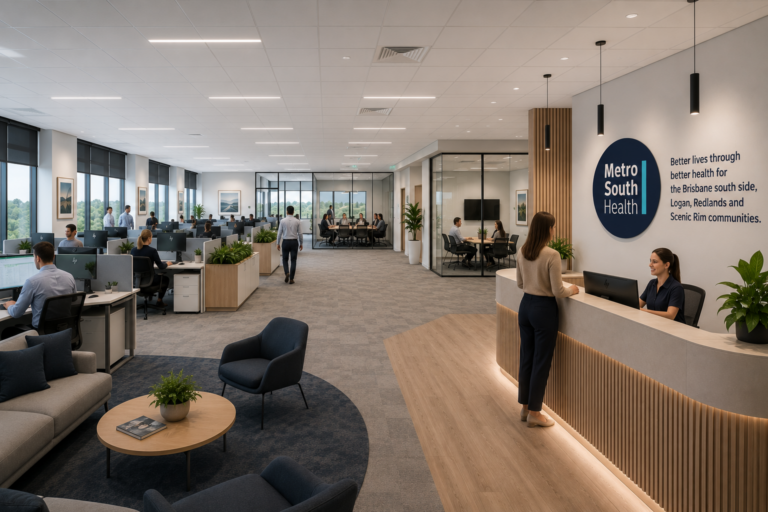
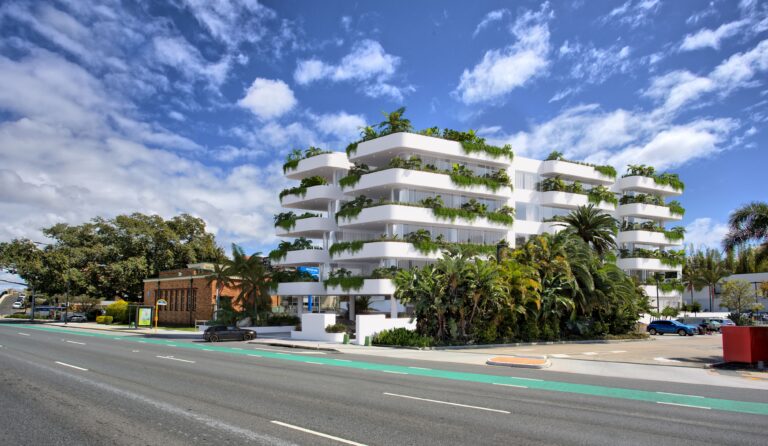
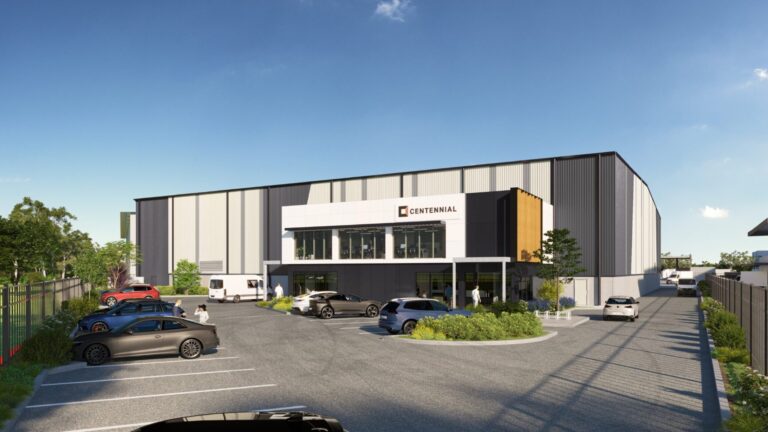
- Visuals that remove ambiguity instantly
- A defined narrative around how the site is used
5. How to attract the right buyers from the start
This is where campaigns either gain traction or stall — getting the positioning right upfront changes everything.
- Define the primary buyer (developer, investor, owner-occupier)
- Build a masterplan that reflects that use
- Show layouts, access, and functionality clearly
- Align all copy and visuals to that outcome
- Remove anything that creates confusion or mixed messaging
6. What happens when the right buyers engage
When the positioning is dialled in, the quality of enquiry shifts immediately.
- Conversations become more direct and productive
- Buyers already understand the opportunity
- Less time wasted on unsuitable leads
- Stronger offers and faster progression
- Greater competition between qualified buyers
7. The real cost of getting this wrong
It’s not just wasted time — it directly impacts the result of the campaign.
- Longer time on market
- Reduced negotiation leverage
- Frustration across agents and owners
- Missed opportunities with serious buyers
- Lower final sale or lease outcomes