Negative gearing has long played a major role in Australian property investment behaviour, but most public discussion focuses almost entirely on residential housing.
Commercial property is a very different market.
If new negative gearing restrictions, tax reforms or investment policy changes are introduced in coming years, the impact across commercial and industrial property could create both pressure and opportunity depending on asset type, investor behaviour and development strategy.
For developers, landowners and investors, understanding how these changes could affect commercial projects is becoming increasingly important.
Commercial property is not driven by the same fundamentals as residential
One of the biggest misconceptions is assuming residential and commercial markets react identically to policy changes.
They do not.
Commercial and industrial property is driven more heavily by:
- Rental yield
- Tenant demand
- Business growth
- Infrastructure expansion
- Logistics demand
- Population movement
- Transport access
- Industrial land supply
- Economic activity
- Long-term operational value
This means commercial assets are often assessed more on income performance than speculative capital growth alone.
Because of this, many commercial investors already approach acquisitions differently from residential buyers.
Investor behaviour could shift toward stronger-performing assets
If negative gearing benefits are reduced or altered within residential property, many investors may begin reassessing where they place capital.
Commercial property could become increasingly attractive because:
- Industrial yields often outperform residential
- Commercial leases can provide longer-term stability
- Tenants frequently contribute to outgoings
- Industrial demand remains strong nationally
- Logistics growth continues expanding
- Supply shortages persist in many markets
- Industrial rental growth has accelerated
- Large-scale infrastructure continues driving demand
This could particularly strengthen interest in:
- Industrial strata units
- Warehouses
- Trade-based commercial units
- Logistics facilities
- Urban infill industrial assets
- Commercial land developments
- Mixed-use commercial precincts
As residential margins tighten, commercial property may attract more attention from investors seeking stronger income-focused assets.
Industrial property may continue outperforming other sectors
Industrial property has already become one of the strongest-performing commercial sectors across Australia.
Even during higher interest rate periods:
- Vacancy rates remained historically low
- Tenant demand continued rising
- Logistics expansion accelerated
- Data centre demand increased land competition
- Industrial rents continued growing
- Pre-leasing activity remained active
- Infrastructure spending supported new corridors
This has created confidence around industrial property that many other sectors have struggled to maintain.
If tax policy changes redirect investment behaviour, industrial property could see another wave of demand — especially in:
- Brisbane
- Perth
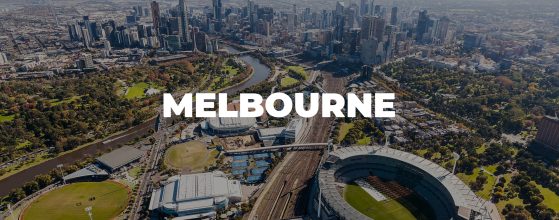
- Melbourne outer corridors
- Western Sydney
- Sunshine Coast industrial precincts
- Gold Coast logistics areas
- Major transport-linked growth corridors
Developers may place even more focus on pre-sales certainty
When markets become uncertain, presentation quality becomes more important.
Investors become more cautious during policy shifts because:
- Lending conditions can tighten
- Confidence can fluctuate
- Risk perception increases
- Buyers take longer to commit
- Projects require stronger justification
- Feasibility margins become more sensitive
This is why developers are increasingly prioritising:
- Earlier pre-sales campaigns
- Faster leasing momentum
- Stronger investor presentation
- Clearer project communication
- Better visual understanding
- Reduced interpretation
- Faster market comprehension
The clearer a project becomes, the easier it is to reduce hesitation and improve confidence.
Vacant commercial land may need stronger positioning
Raw land campaigns are often heavily affected during uncertain market periods because buyers struggle to fully understand potential outcomes.
Without clarity:
- Sites appear higher risk
- Buyers hesitate longer
- Feasibility becomes harder to interpret
- Investors compare opportunities more aggressively
- Perceived value reduces
- Marketing periods extend
This is why many developers and landowners are now shifting toward visual-first campaigns that:
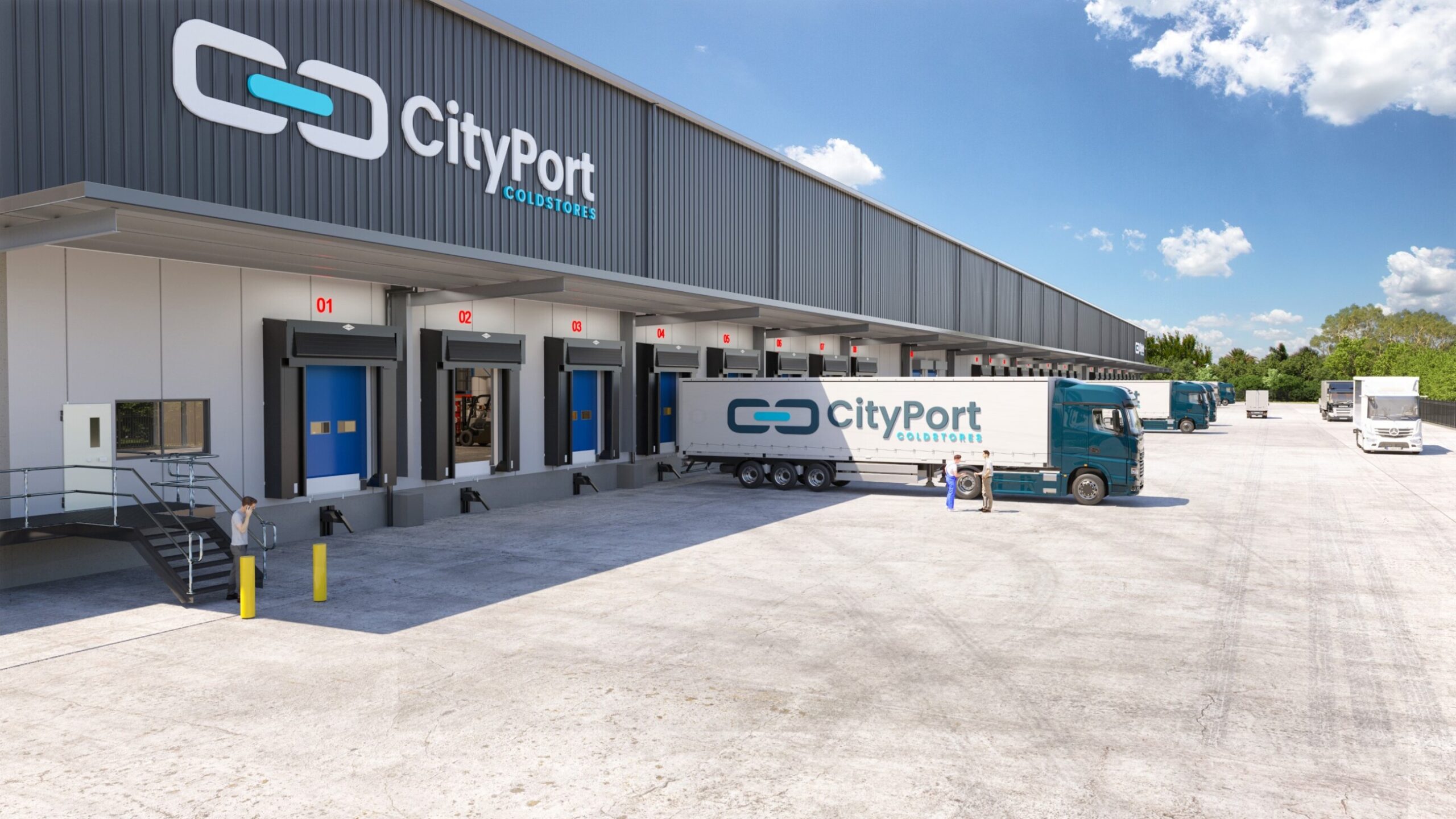
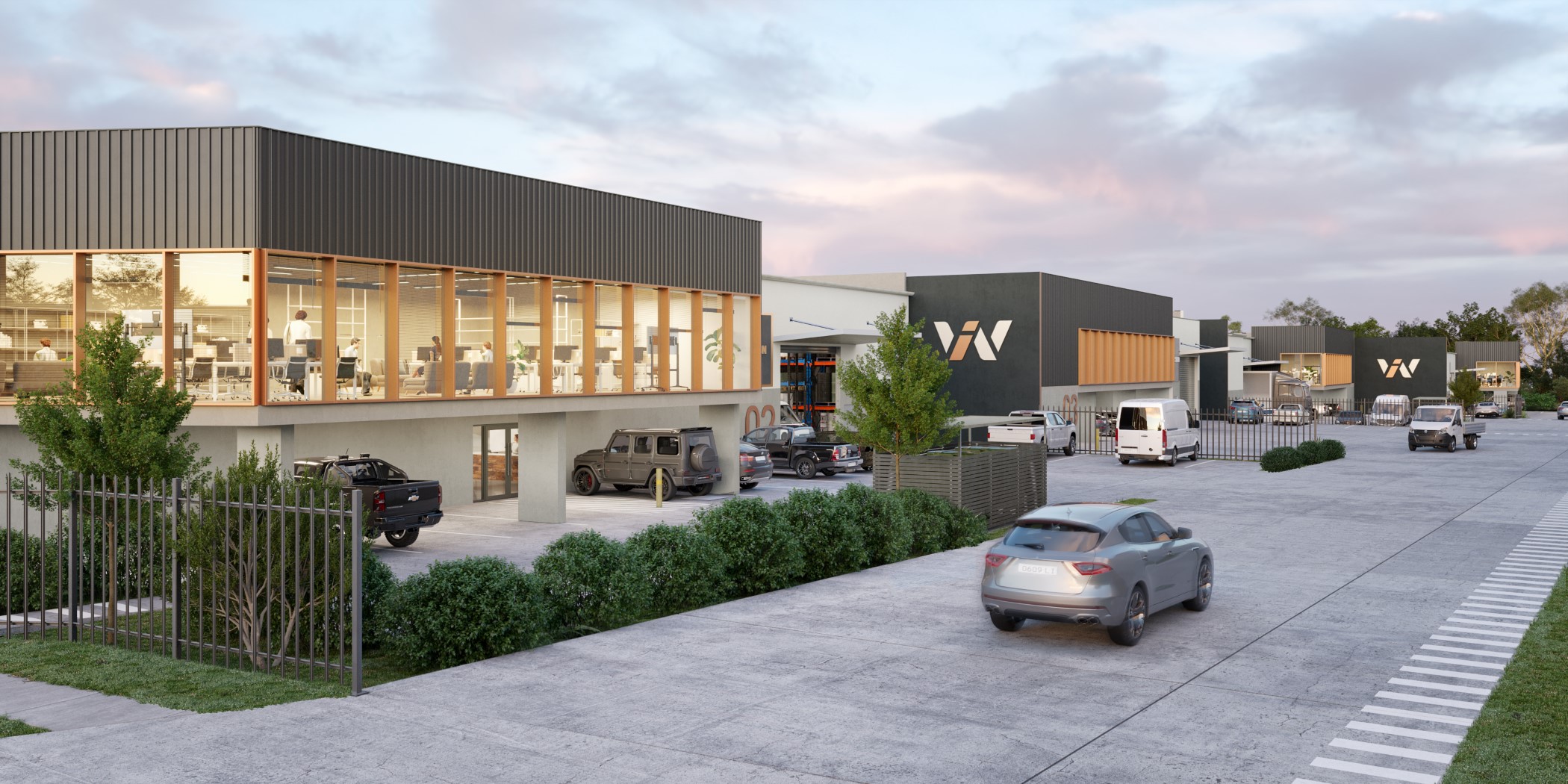
- Show future warehouse outcomes
- Demonstrate subdivision potential
- Present industrial layouts visually
- Illustrate truck circulation
- Clarify building usability
- Show staging opportunities
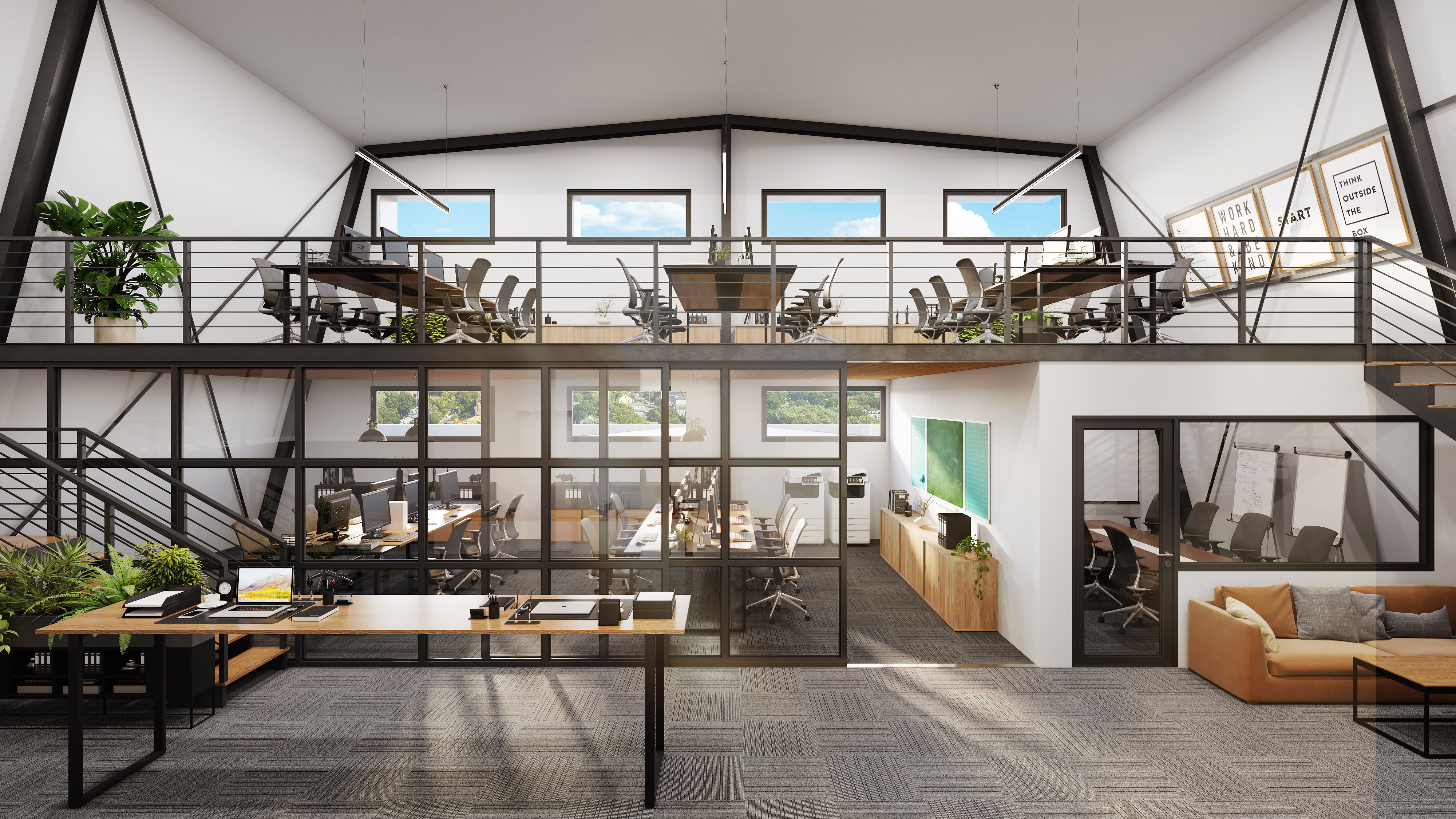
- Present realistic development outcomes
The objective is to move the conversation away from speculation and toward understanding.
Commercial projects are becoming more clarity driven
Across commercial property, one pattern is becoming obvious.
Projects that communicate clearly generate stronger momentum.
The market is becoming less tolerant of:
- Confusing plans
- Generic brochures
- Technical-only presentation
- Flat marketing campaigns
- Unclear staging
- Weak project positioning
- Lack of visual understanding
Buyers, tenants and investors increasingly expect to understand projects instantly.
This is why commercial property marketing is shifting heavily toward:
- Real-site visualisation
- Aerial masterplanning
- Interactive sales systems
- Motion-tracked location showcases
- Leasing-focused campaigns
- Investor presentation tools
- Digitally led launch strategies
The faster a project becomes understood, the faster decisions happen.
How Commercial Property Marketing can help
At Commercial Property Marketing we help commercial and industrial projects improve market performance before construction even begins.
Our campaigns are built to support:
- Land value optimisation
- Secure early leasing
- Faster pre-sales momentum
- Stronger investor confidence
- Higher perceived project value
- Reduced buyer hesitation
- Faster market understanding
- Earlier enquiry generation
- Better stakeholder alignment
- Improved campaign clarity
The objective is simple — turn development into demand by helping projects become understood instantly.

 EXPLORE THE WORK