










Positioning is what determines how your development is perceived in the market. It’s not just about what the project is — it’s about how clearly it communicates who it’s for, why it matters, and how it compares to other opportunities. The developments that perform best are the ones that are positioned with intent, making it easy for buyers and tenants to recognise the fit immediately and act with confidence.
Why positioning drives enquiry and decision-making
Strong positioning removes ambiguity and connects the development directly to the needs of the market. When done correctly, it increases both the volume and quality of enquiry.
- Buyers and tenants can instantly understand how the development fits their requirements, reducing hesitation and increasing engagement
- Clear positioning filters out irrelevant enquiry, allowing focus on the most suitable prospects
- Pricing becomes easier to justify when the value of the project is clearly defined
- Marketing becomes more effective because messaging is aligned and consistent
- The project stands out in a competitive market rather than blending in with similar offerings
The biggest positioning mistakes developers make
Many developments struggle because they are positioned too broadly or without a clear strategy, making them harder to understand and less compelling.
- Trying to appeal to everyone, resulting in generic messaging that lacks impact
- Focusing on features instead of how the project solves specific needs
- Not clearly defining the target audience, leading to unfocused campaigns
- Failing to differentiate from competing developments in the same area
- Inconsistent messaging across marketing materials, weakening overall perception
Step 1: Define the target audience clearly
Positioning starts with understanding exactly who the development is for. Without this, messaging becomes diluted and ineffective.
- Identify whether the project is best suited to owner-occupiers, investors, tenants, or a combination
- Break down the types of businesses or buyers that would benefit most from the development
- Consider operational needs such as access, layout, and location advantages
- Align messaging with what matters most to that specific audience
- Ensure all stakeholders are aligned on the target audience before going to market
Step 2: Identify the project’s strongest advantages
Every development has strengths — the key is identifying and emphasising the ones that matter most to your audience.
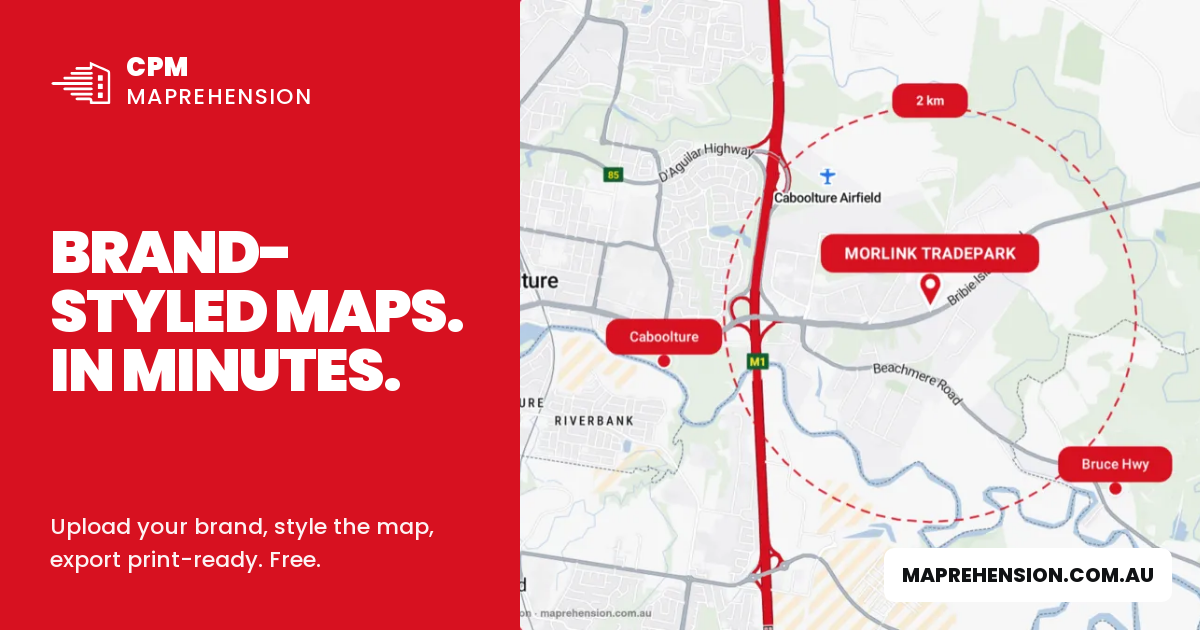
- Highlight location benefits in a way that is relevant, such as connectivity, access, or proximity to key infrastructure
- Focus on usability, flexibility, and how the space supports real-world operations
- Identify any unique features that differentiate the development from competitors
- Position the project around outcomes rather than specifications
- Ensure these advantages are consistently reinforced across all messaging
Step 3: Create a clear and consistent message
Once the audience and advantages are defined, they need to be communicated in a way that is simple, clear, and repeatable.
- Develop a core message that captures the essence of the opportunity
- Use consistent language across all marketing materials to reinforce positioning
- Simplify complex information so it can be understood quickly
- Ensure every touchpoint, from website to enquiries, reflects the same message
- Avoid conflicting or overly technical information that creates confusion
Step 4: Support positioning with strong visuals
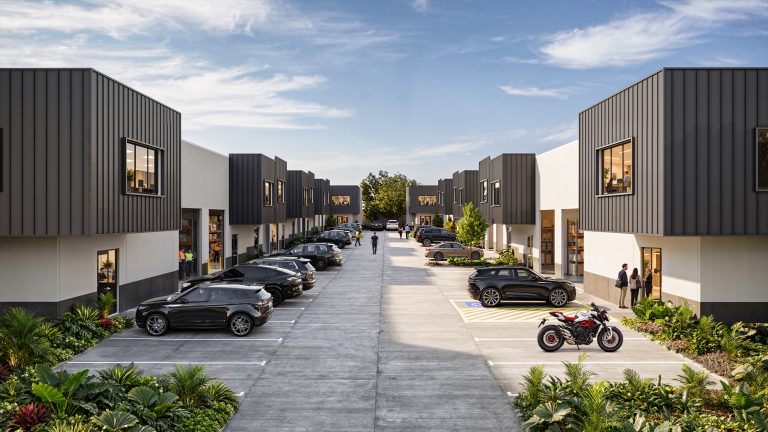
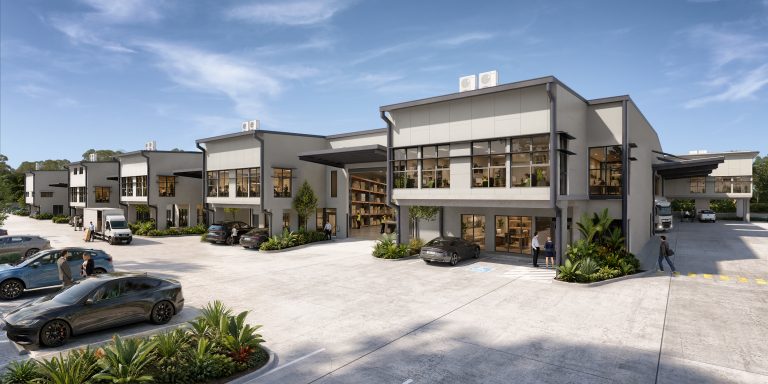
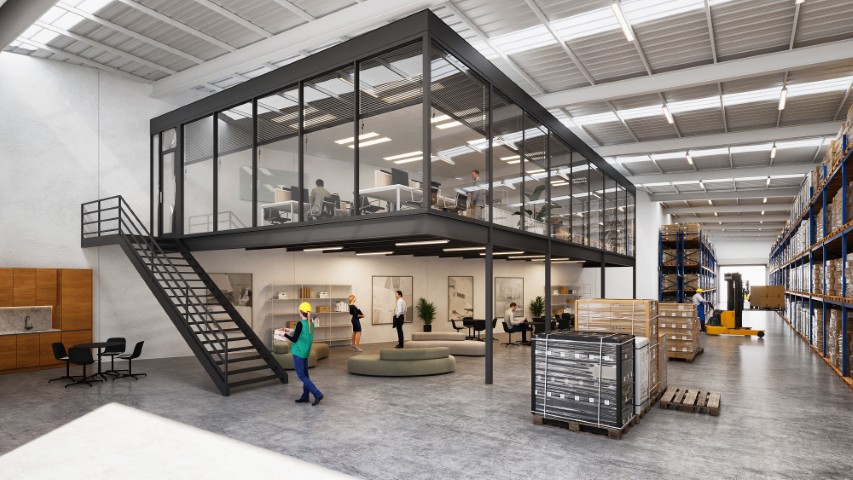
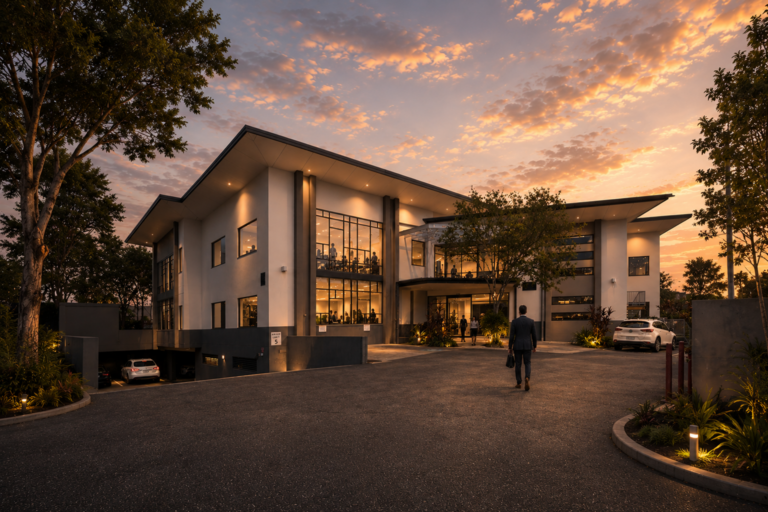
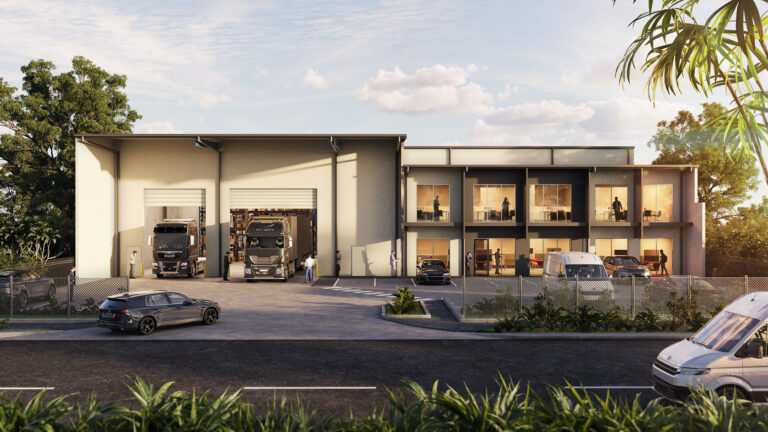
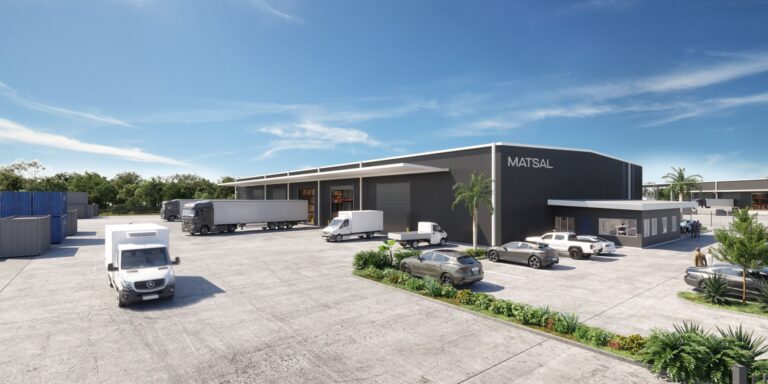
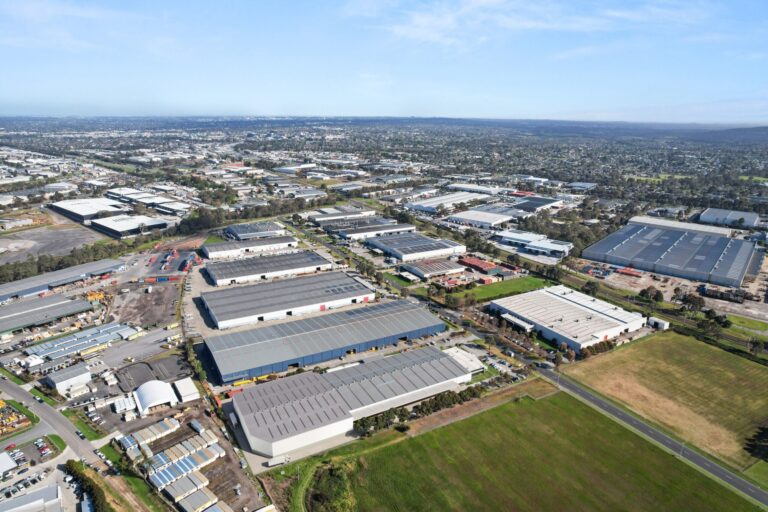
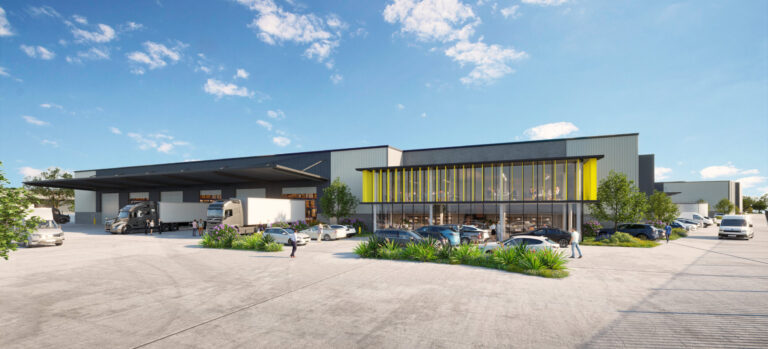
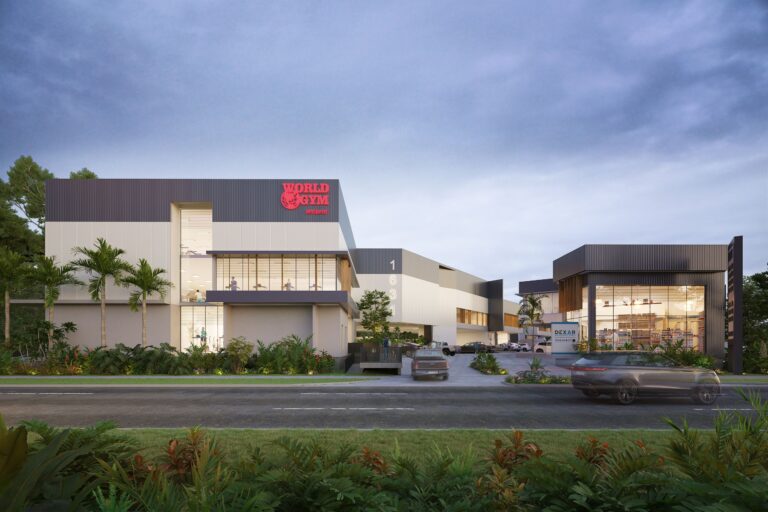
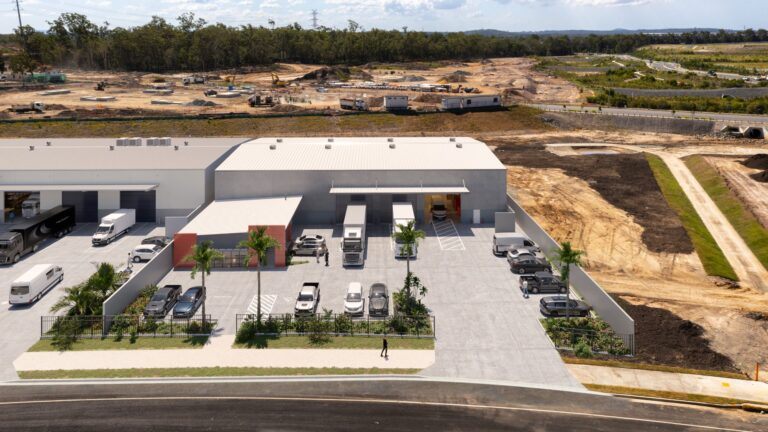
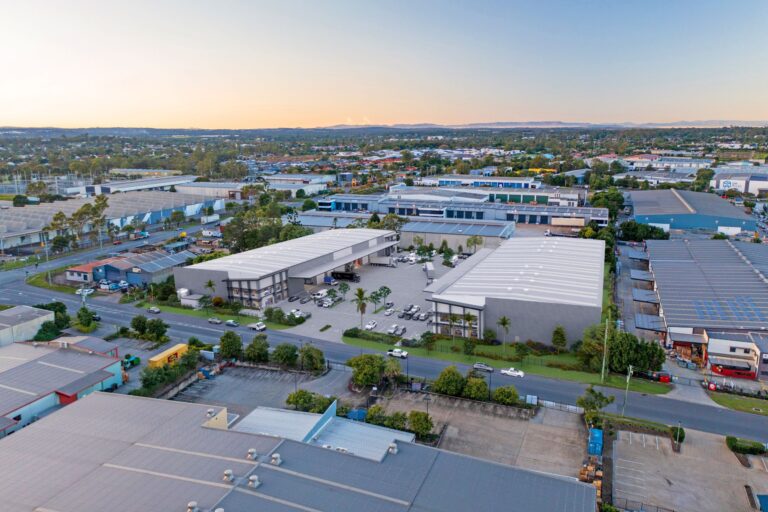
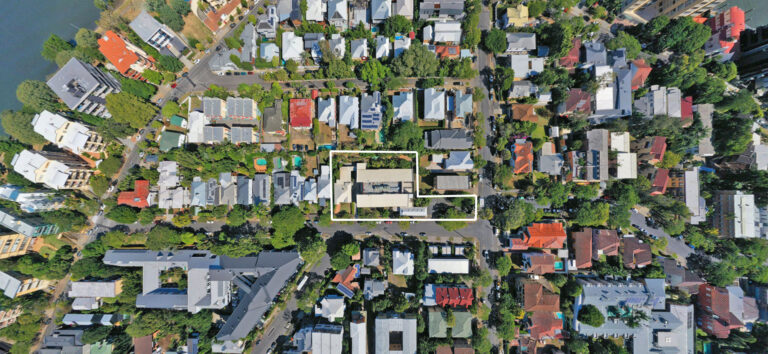
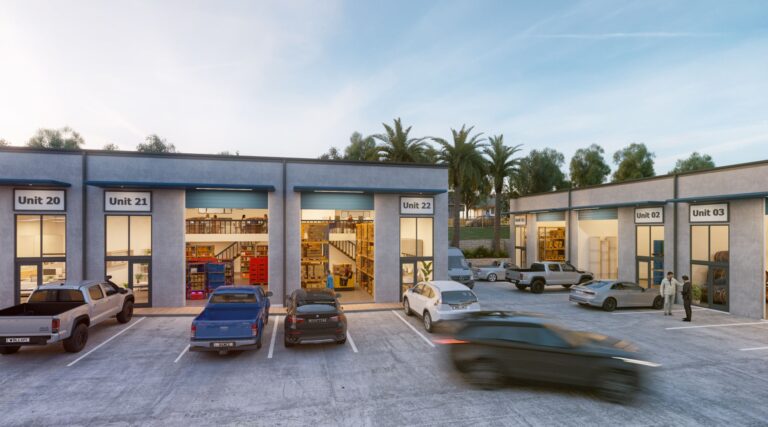
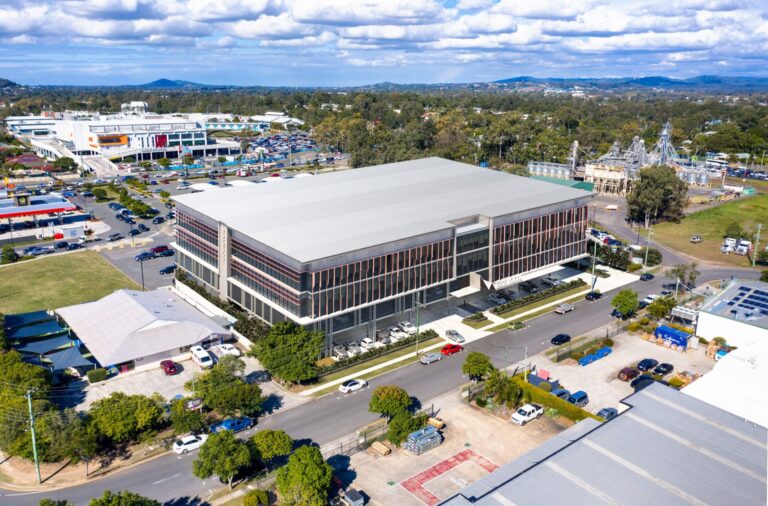
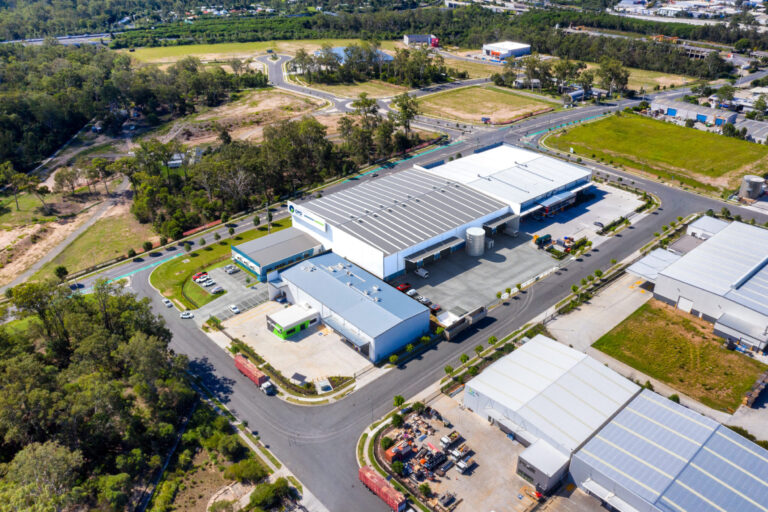
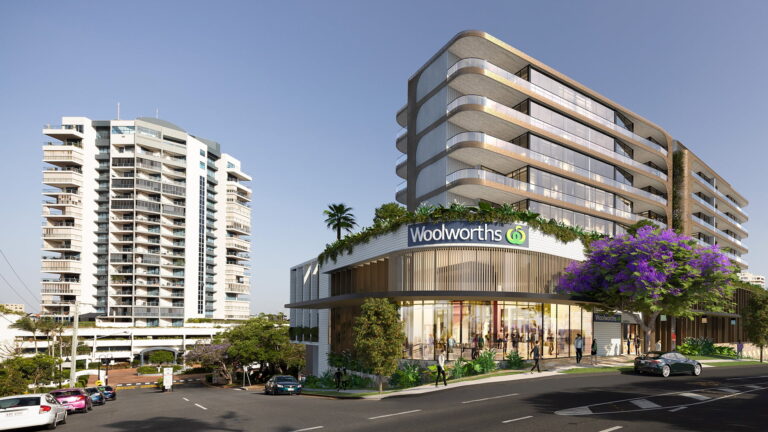
Visuals play a key role in reinforcing positioning by helping the market understand how the development works and why it matters.
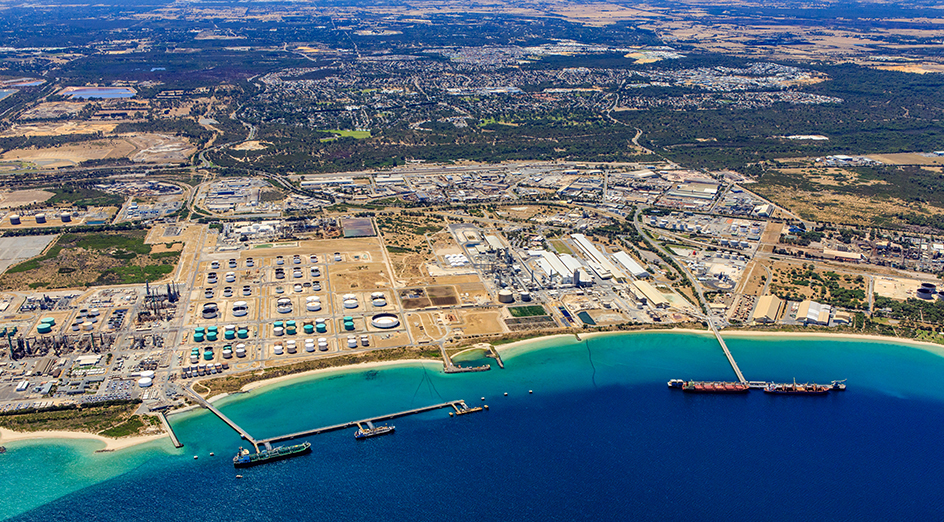
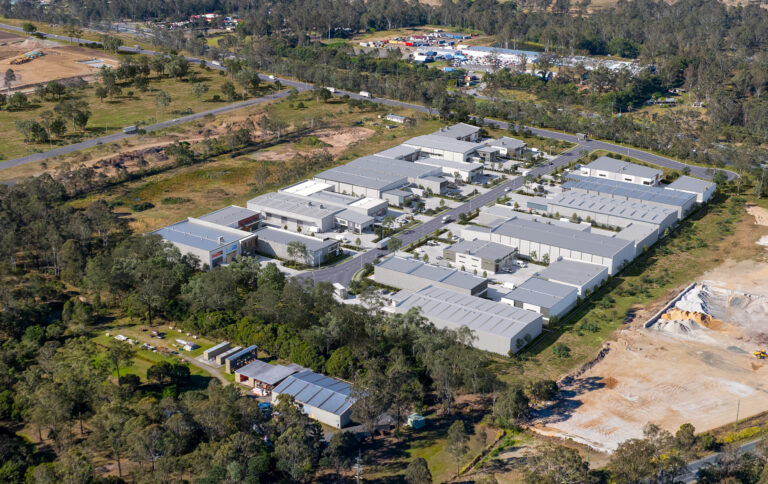
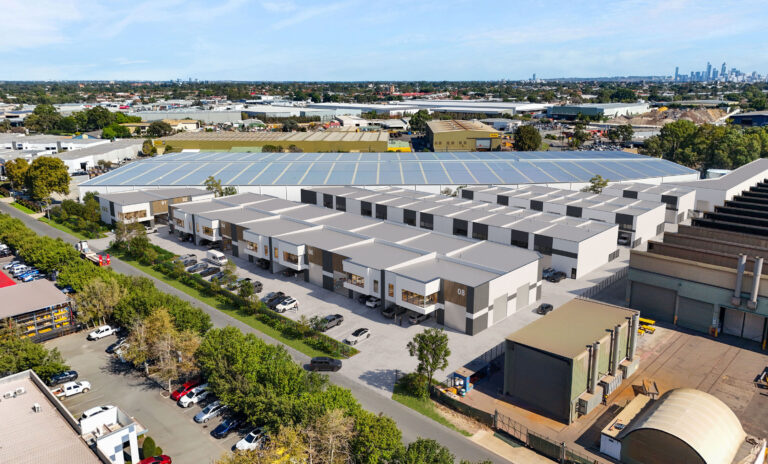
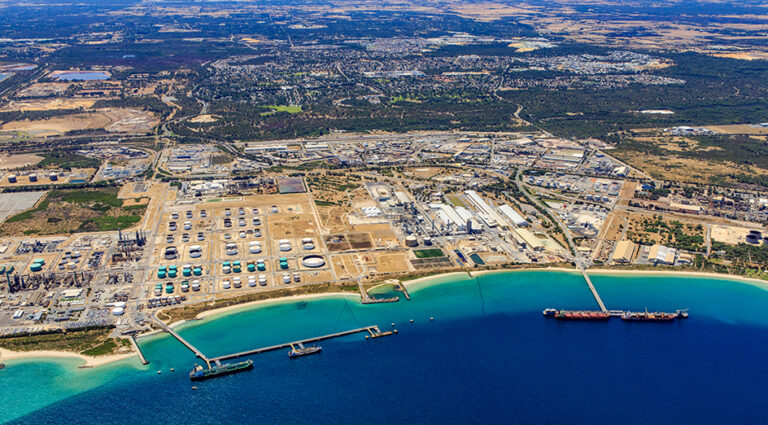
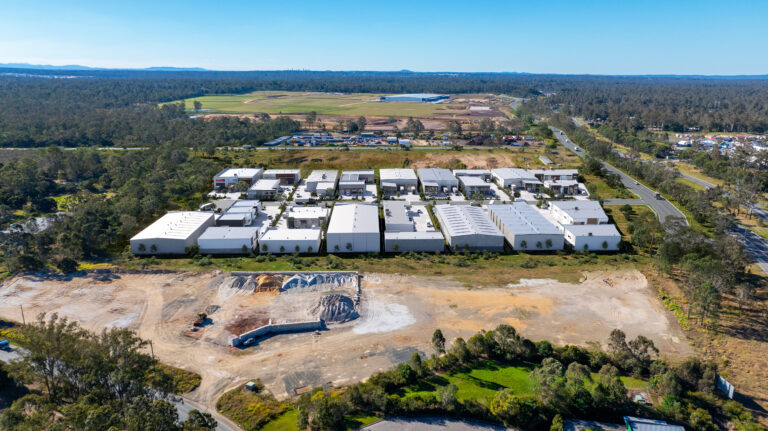
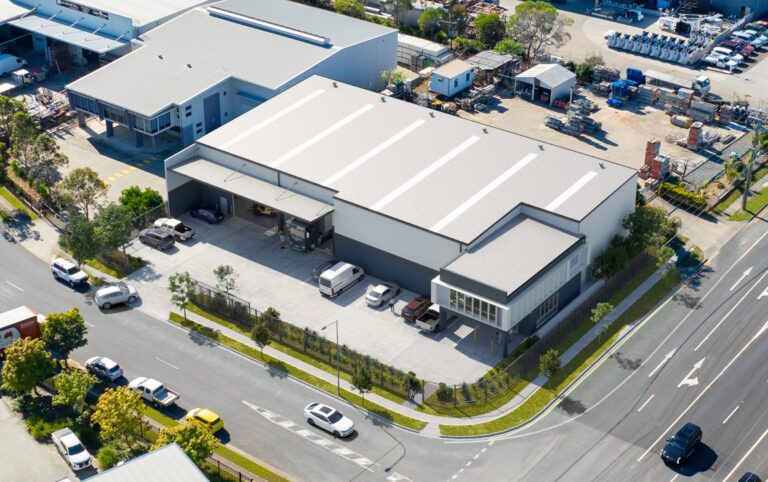
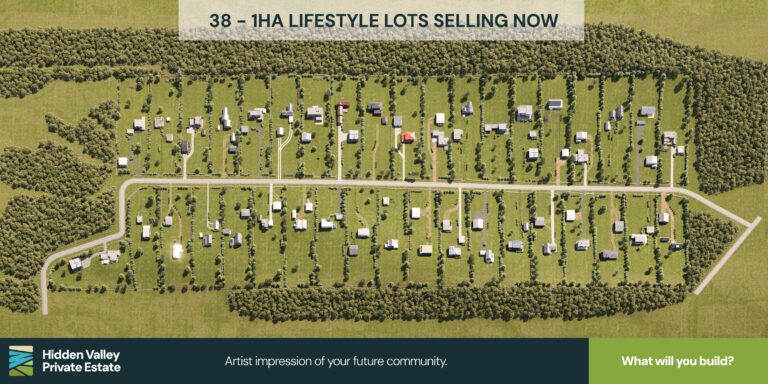
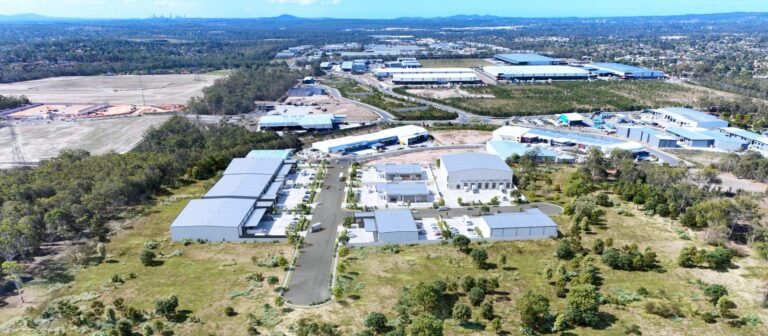
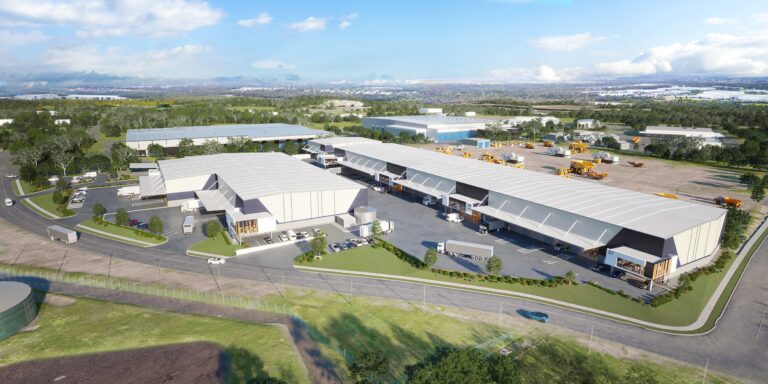
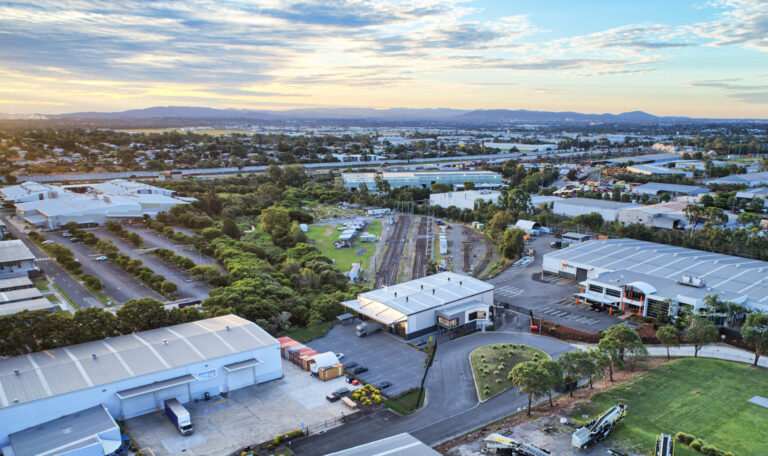
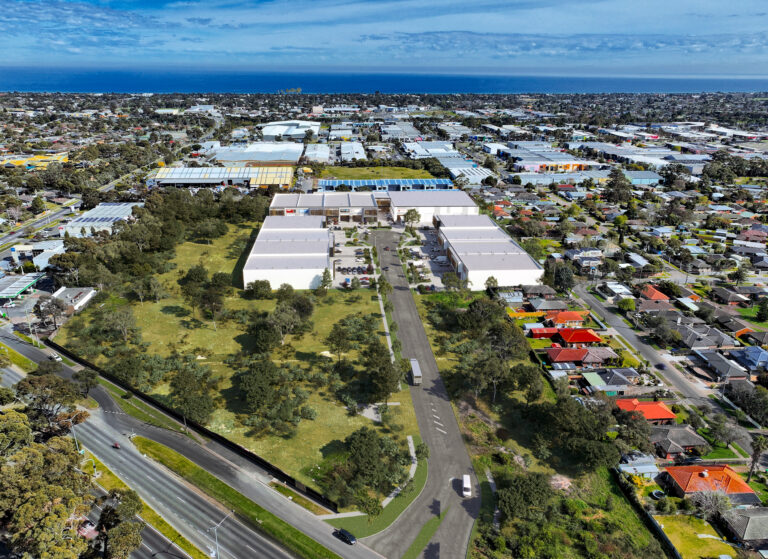
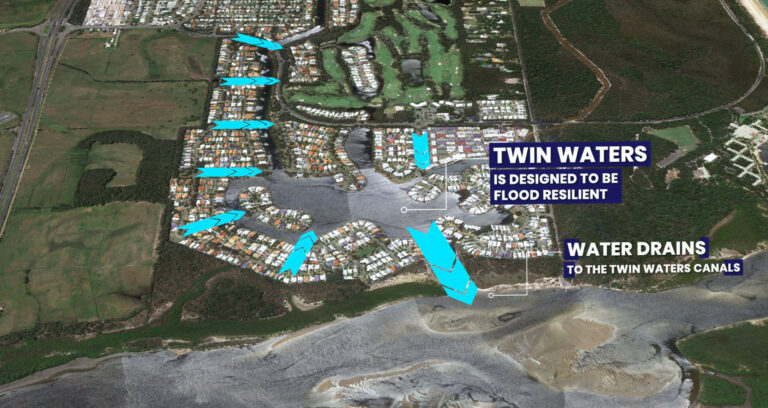
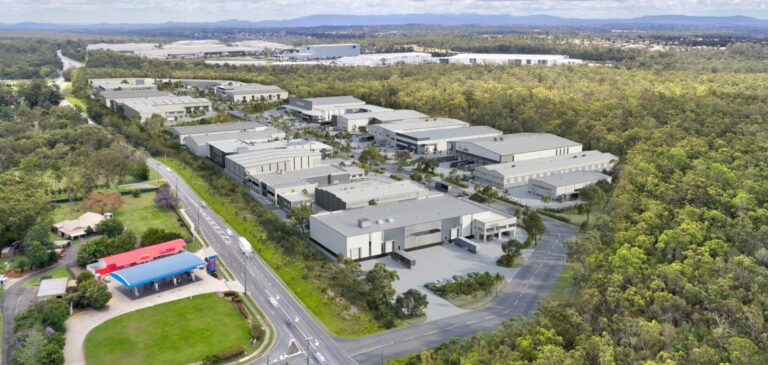
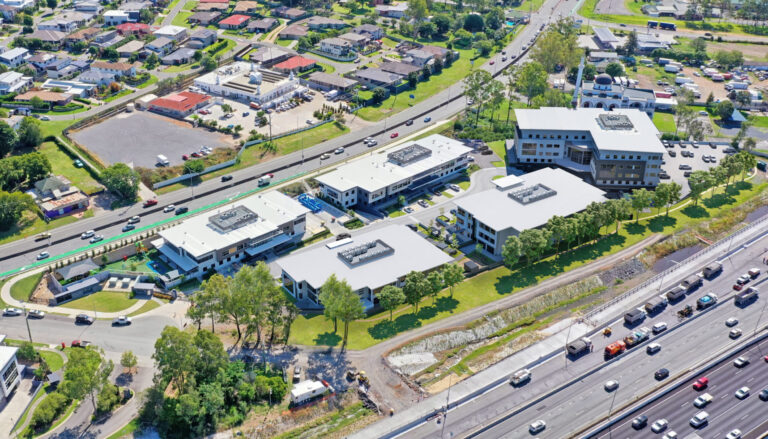
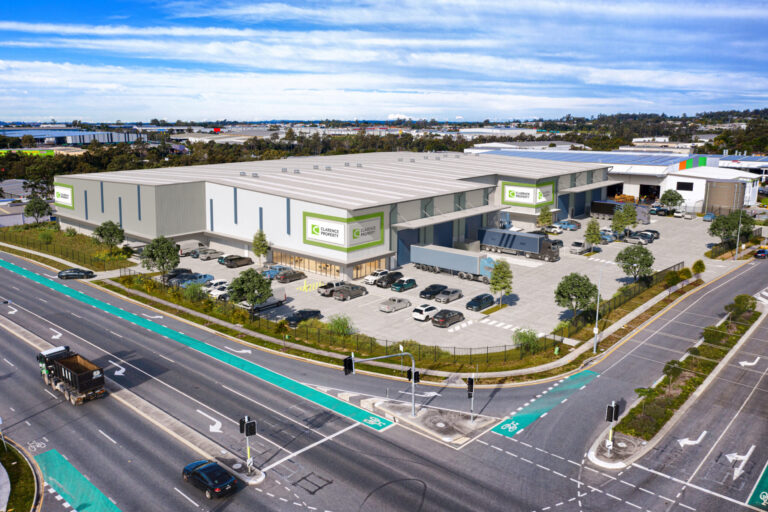
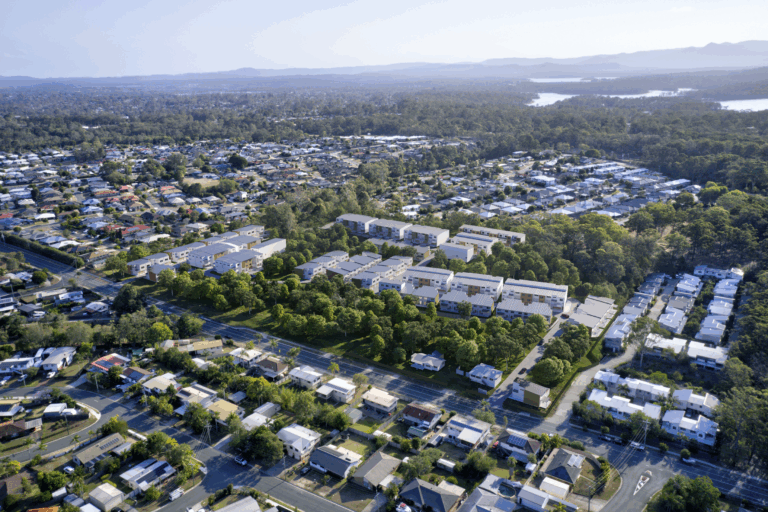
- Use aerial visuals to show location advantages and connectivity
- Masterplans should clearly communicate layout and functionality
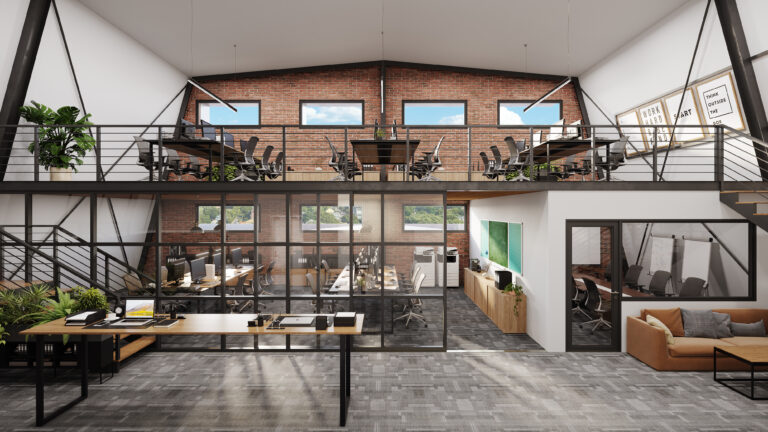
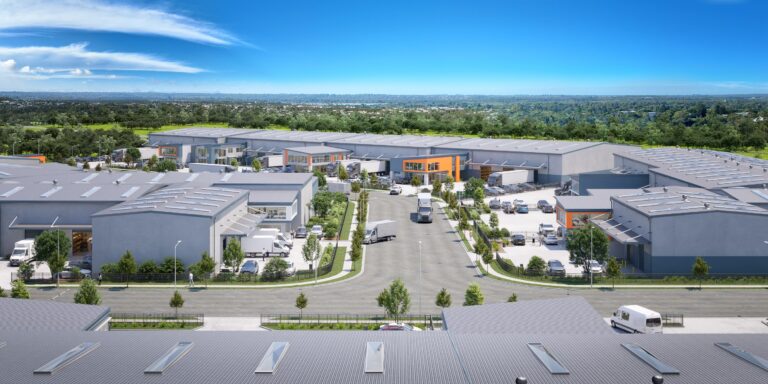
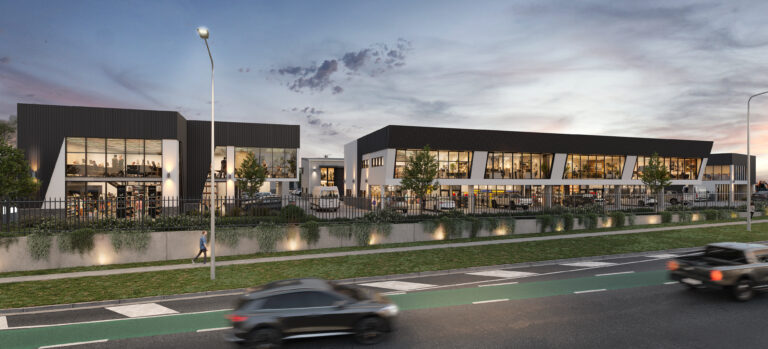
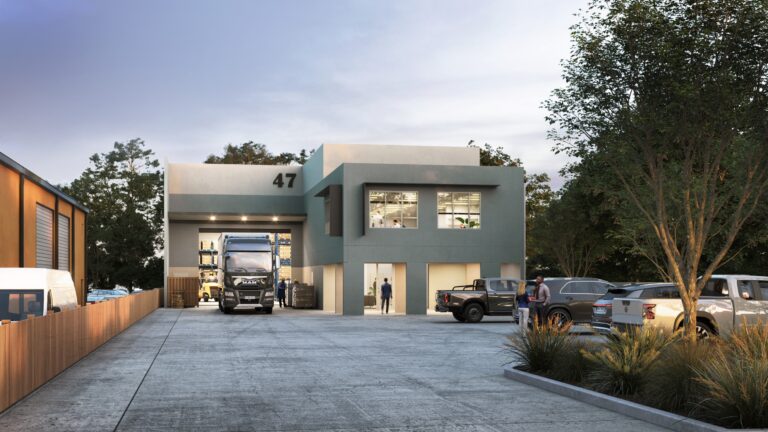
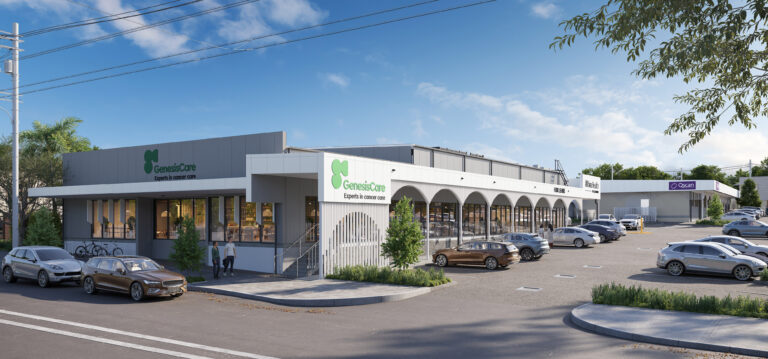
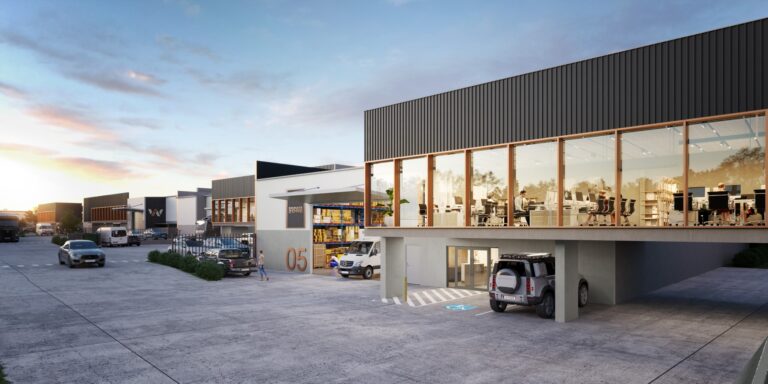
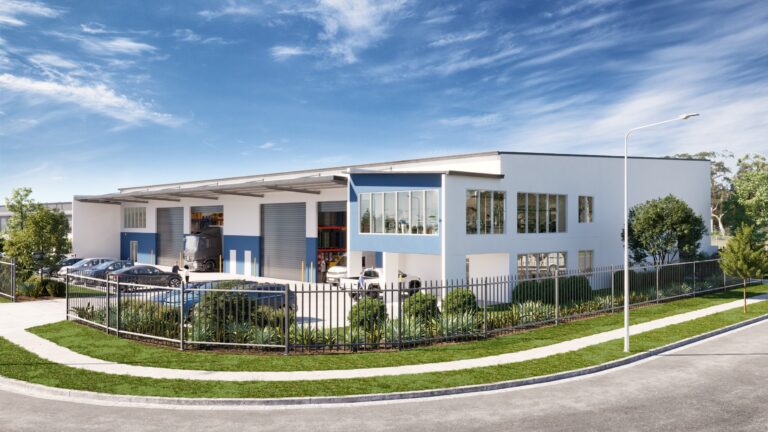
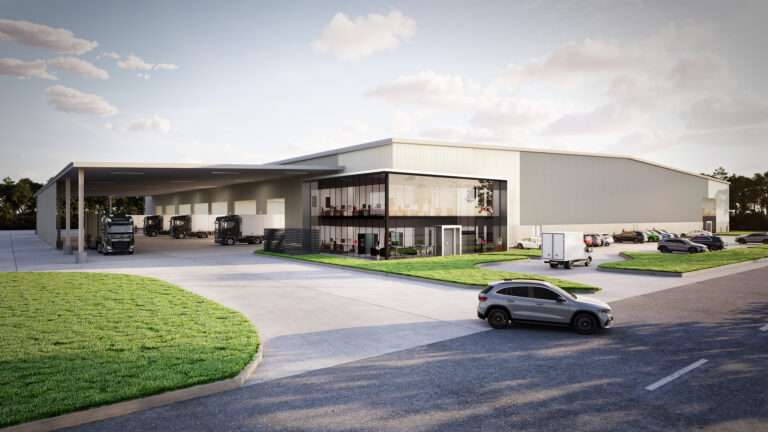
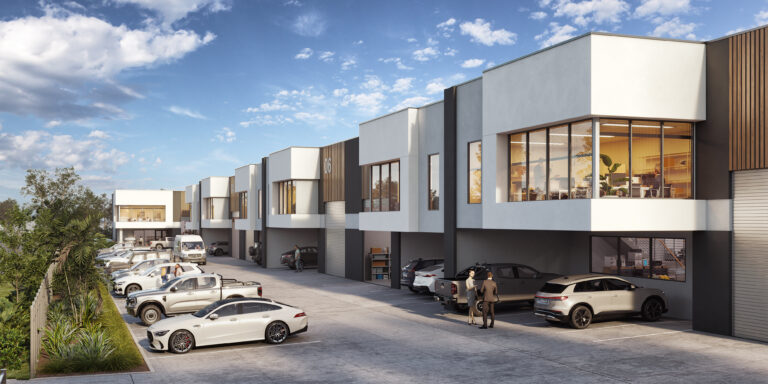
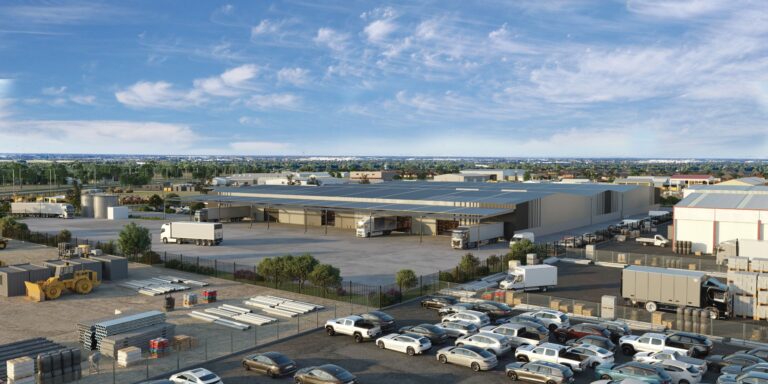
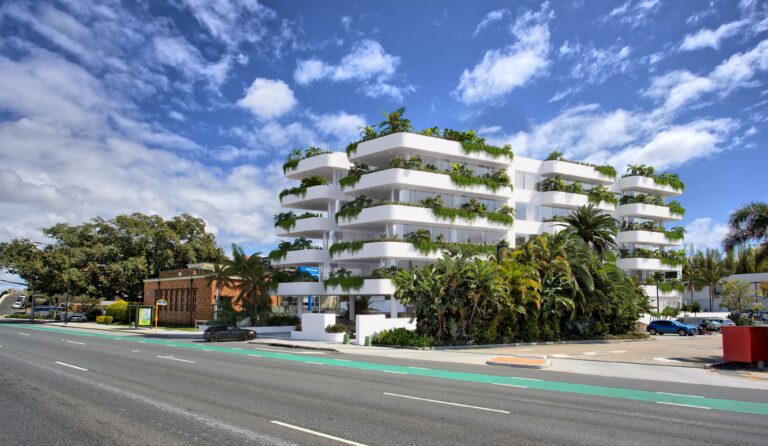
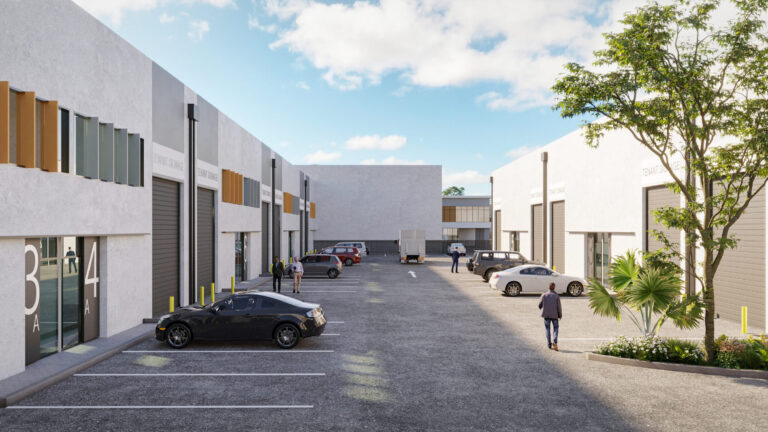
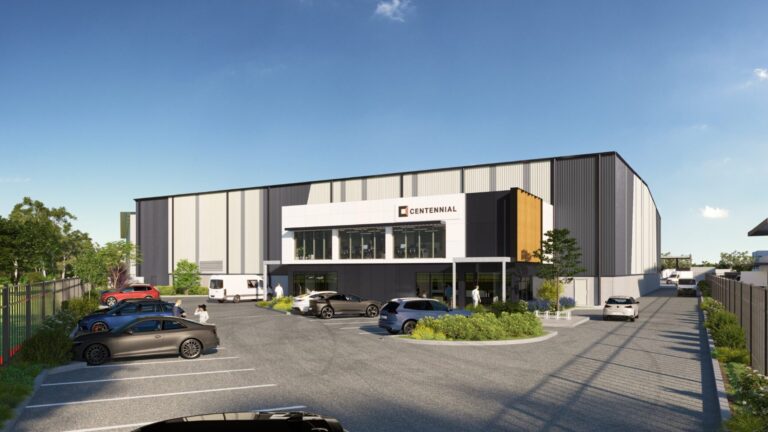
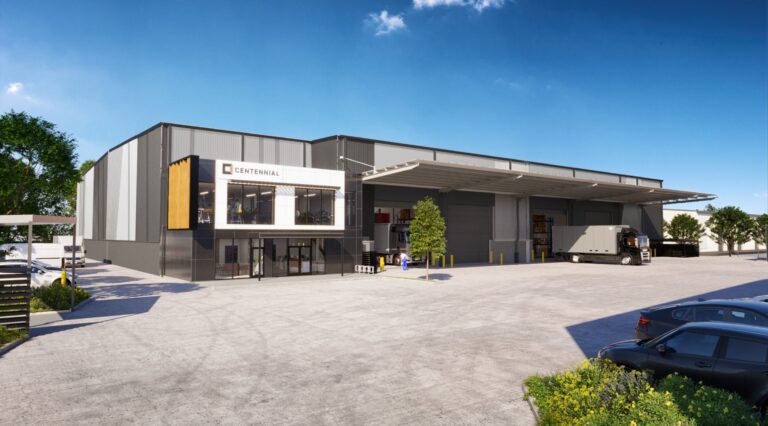
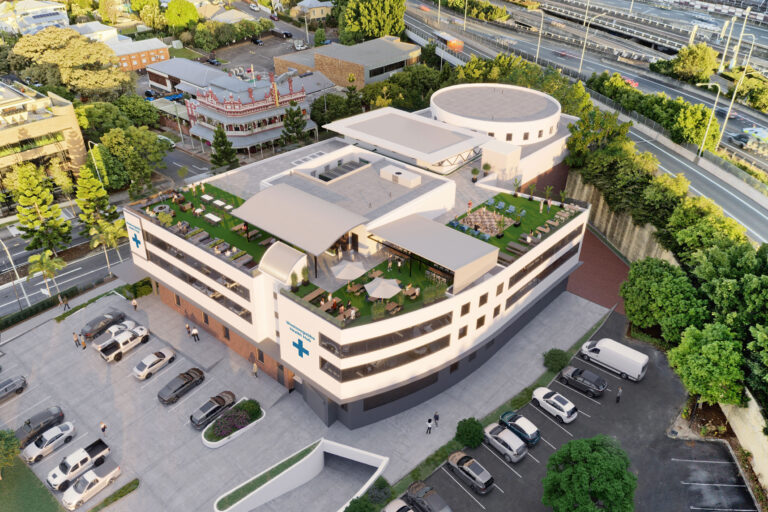
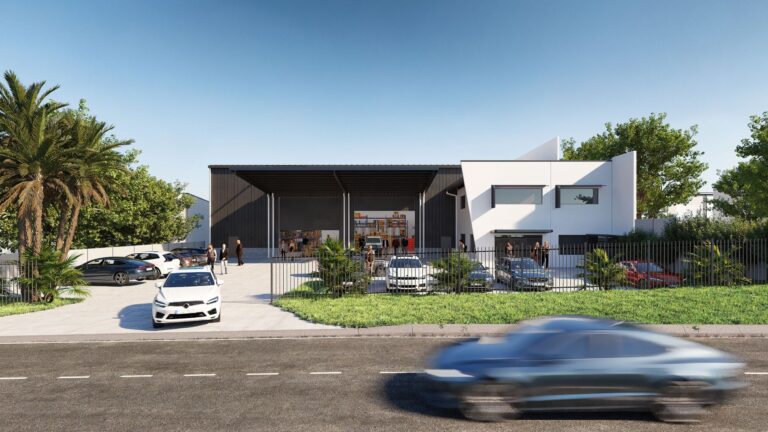
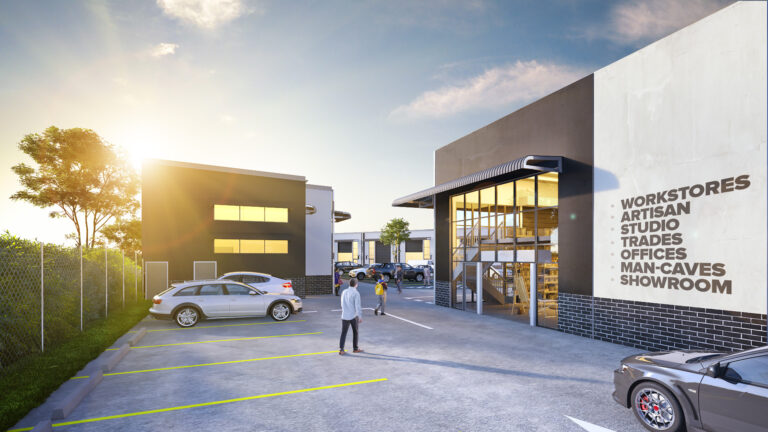
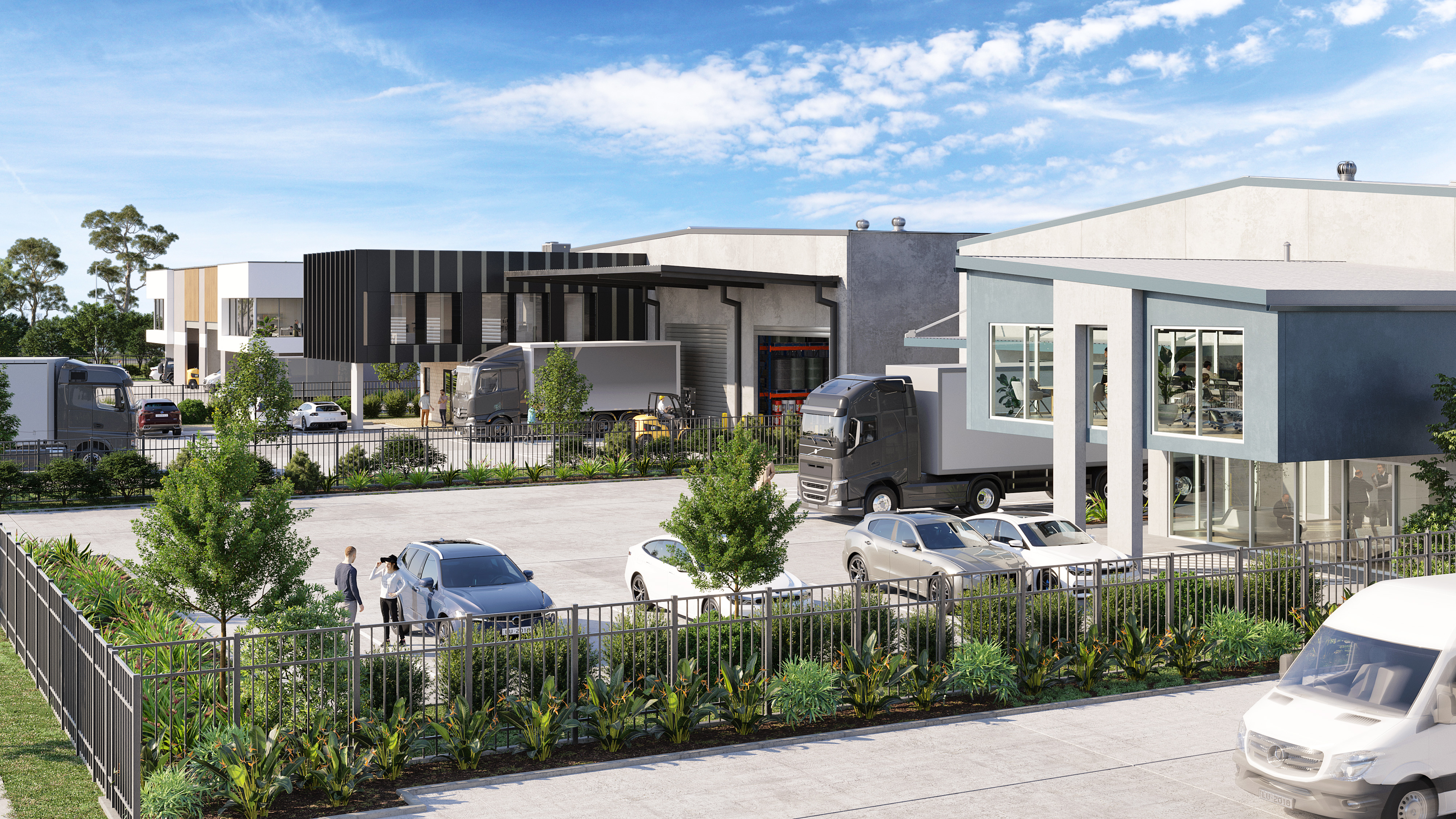
- Ground-level visuals help buyers and tenants picture themselves in the space
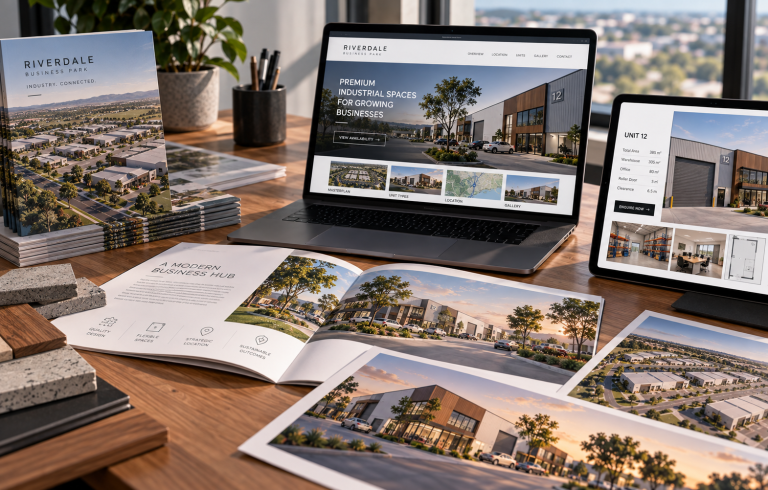
- Visual consistency reinforces the same message across all platforms
- Strong presentation builds confidence and supports faster decisions
Step 5: Align positioning with market conditions
Positioning should not exist in isolation — it needs to reflect what is happening in the market and where demand is strongest.
- Understand competing developments and how they are positioned
- Identify gaps in the market that your development can fill
- Align messaging with current demand drivers such as growth, infrastructure, or supply constraints
- Adjust positioning where needed to remain competitive and relevant
- Ensure the project is presented as a logical choice within the current market context
What this means for your project
Positioning is what turns a development from an option into a clear opportunity. When the market understands exactly who the project is for and why it matters, enquiry becomes more targeted, decisions happen faster, and outcomes improve. The result is stronger engagement, better deals, and a more efficient path to sale or lease.