Bringing a development to market successfully doesn’t start with advertising — it starts with preparation. The projects that achieve the strongest outcomes are the ones that are structured, positioned, and clearly understood before they ever go live. Preparation removes friction, builds confidence, and ensures that when your project enters the market, it does so with intent rather than uncertainty.
Why preparation determines project performance
The way a development is prepared before launch directly impacts how quickly it gains traction and how the market responds. Strong preparation allows you to control perception and guide decision-making from the very first interaction.
- Buyers and tenants understand the opportunity immediately, reducing hesitation and increasing enquiry quality from the outset
- Clear positioning allows pricing to be anchored correctly, avoiding the need for reactive adjustments later in the campaign
- Marketing materials work harder because they are built on a defined strategy rather than assumptions
- Early clarity reduces back-and-forth during negotiations, helping deals progress faster and with more confidence
- A well-prepared project creates momentum early, which carries through the entire sales or leasing process
The most common mistakes before going to market
Many developments struggle because they are rushed to market without proper preparation. This creates confusion, weak messaging, and missed opportunities.
- Launching with incomplete or unclear information, forcing buyers and tenants to fill in the gaps themselves
- Relying on technical plans that don’t translate into real-world understanding of the space
- Not defining a clear target audience, resulting in generic messaging that lacks impact
- Underestimating the importance of first impressions, which shape how the project is perceived long-term
- Treating marketing as a final step instead of an integrated part of the development strategy
Step 1: Define the product clearly
Before anything else, the project needs to be understood internally before it can be understood by the market. Clarity at this stage drives everything that follows.
- Establish exactly what is being offered, including configurations, sizes, flexibility, and potential uses
- Identify the strongest selling points and ensure they are consistent across all messaging
- Align the development with real-world use cases that resonate with buyers or tenants
- Clarify pricing strategy or positioning early to guide expectations in the market
- Ensure all stakeholders are aligned on the project’s direction and messaging
Step 2: Create a clear and compelling narrative
A development is more than a collection of lots or units — it is an opportunity that needs to be communicated effectively. The narrative is what connects the project to the market.
- Define how the project fits within its location, infrastructure, and broader market conditions
- Highlight what makes the development different or more valuable than competing options
- Position the project in a way that speaks directly to the needs and motivations of the target audience
- Simplify complex details into clear, benefit-driven messaging that is easy to understand
- Ensure consistency across all platforms so the message remains strong and unified
Step 3: Build visual understanding early
Before people commit, they need to see and understand the opportunity. Visuals are what transform plans into something tangible.
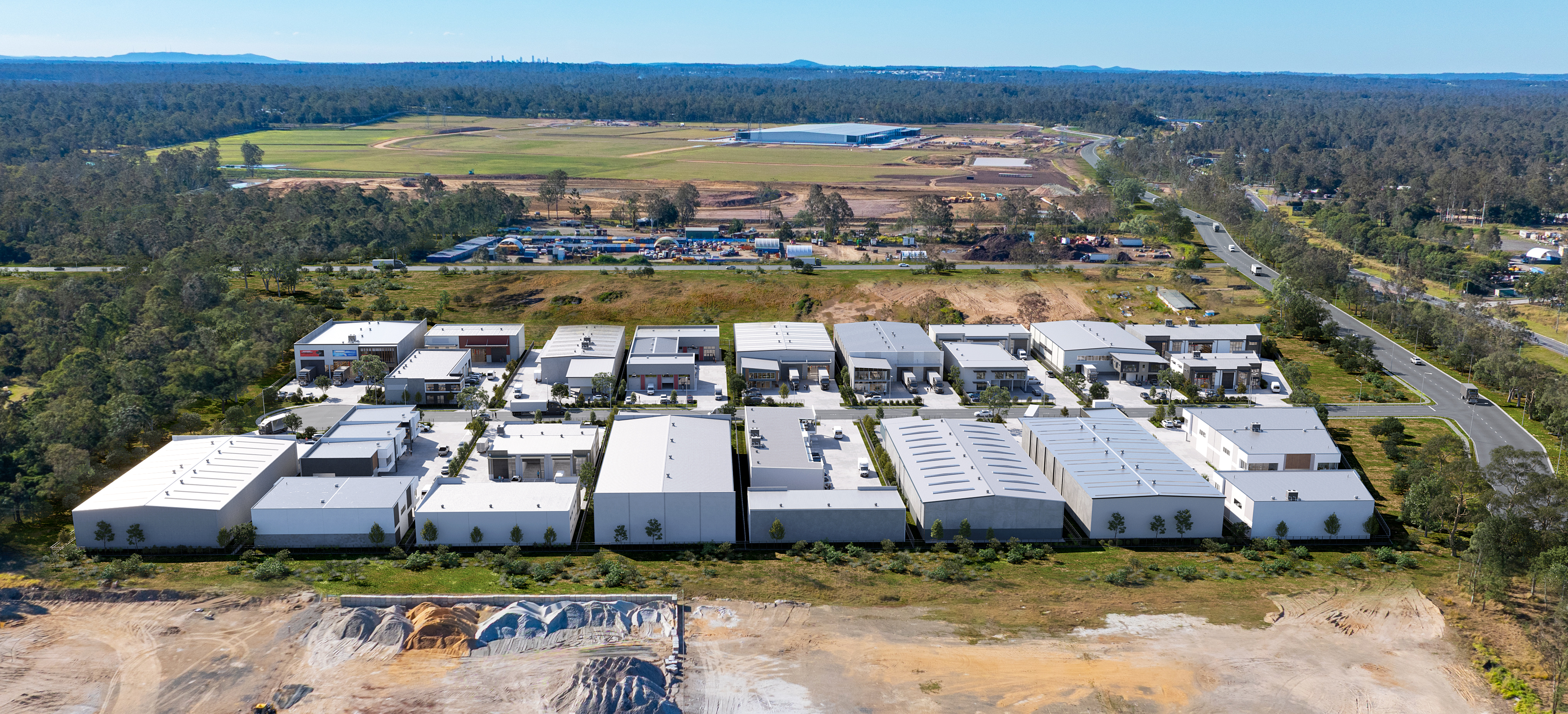
- Aerial visuals provide context, showing connectivity, access, and surrounding infrastructure
- Masterplans give a clear overview of layout, scale, and how the development functions as a whole
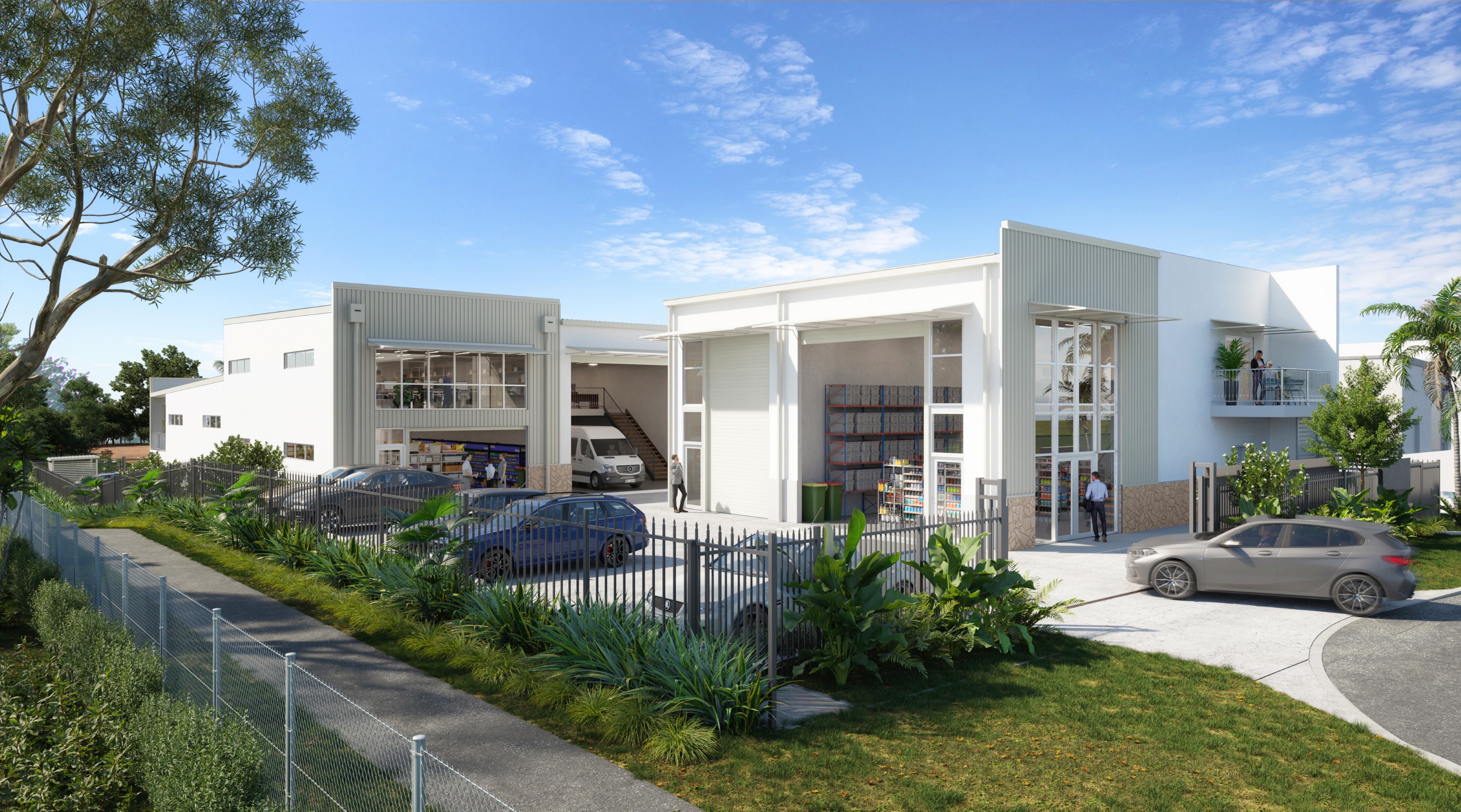
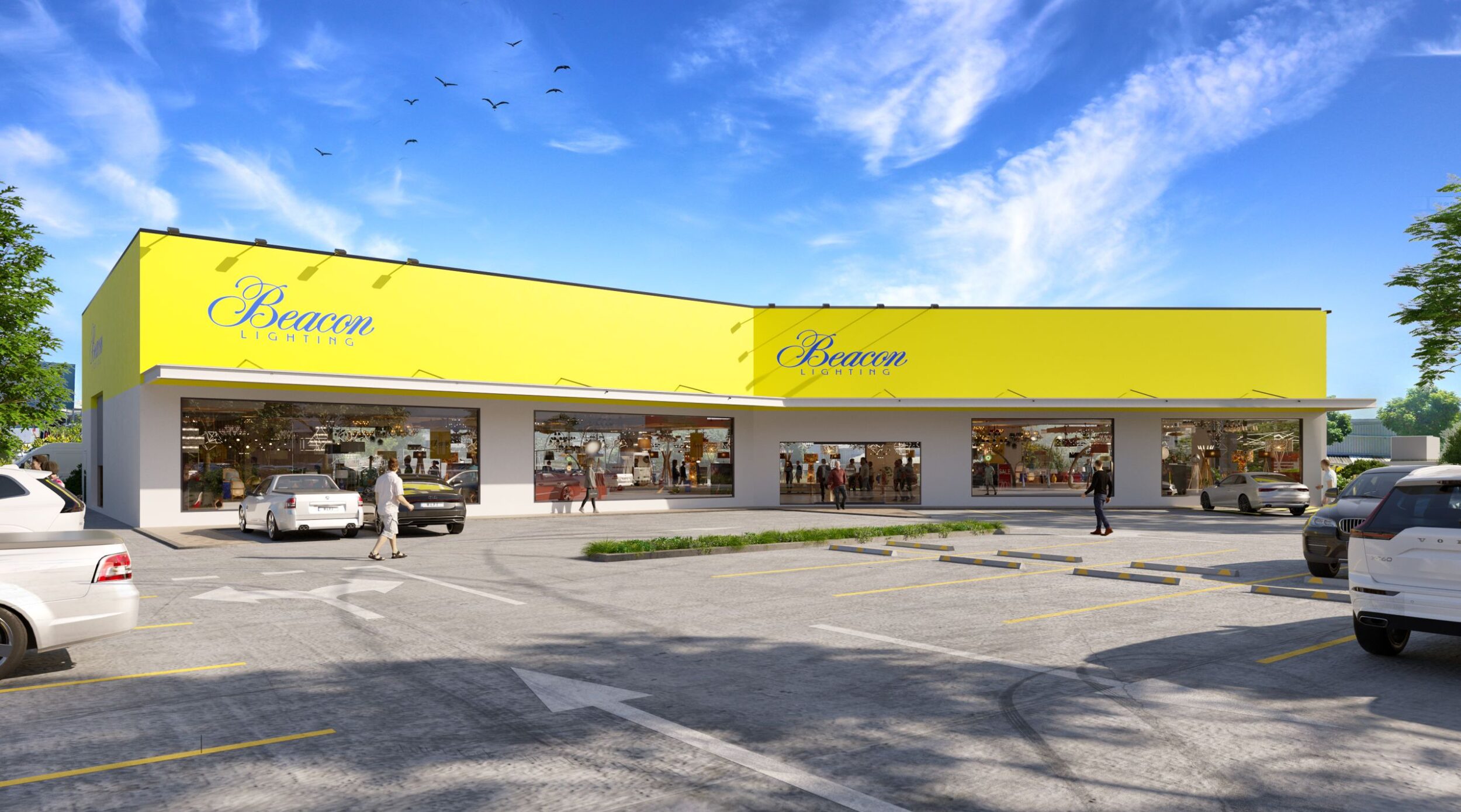
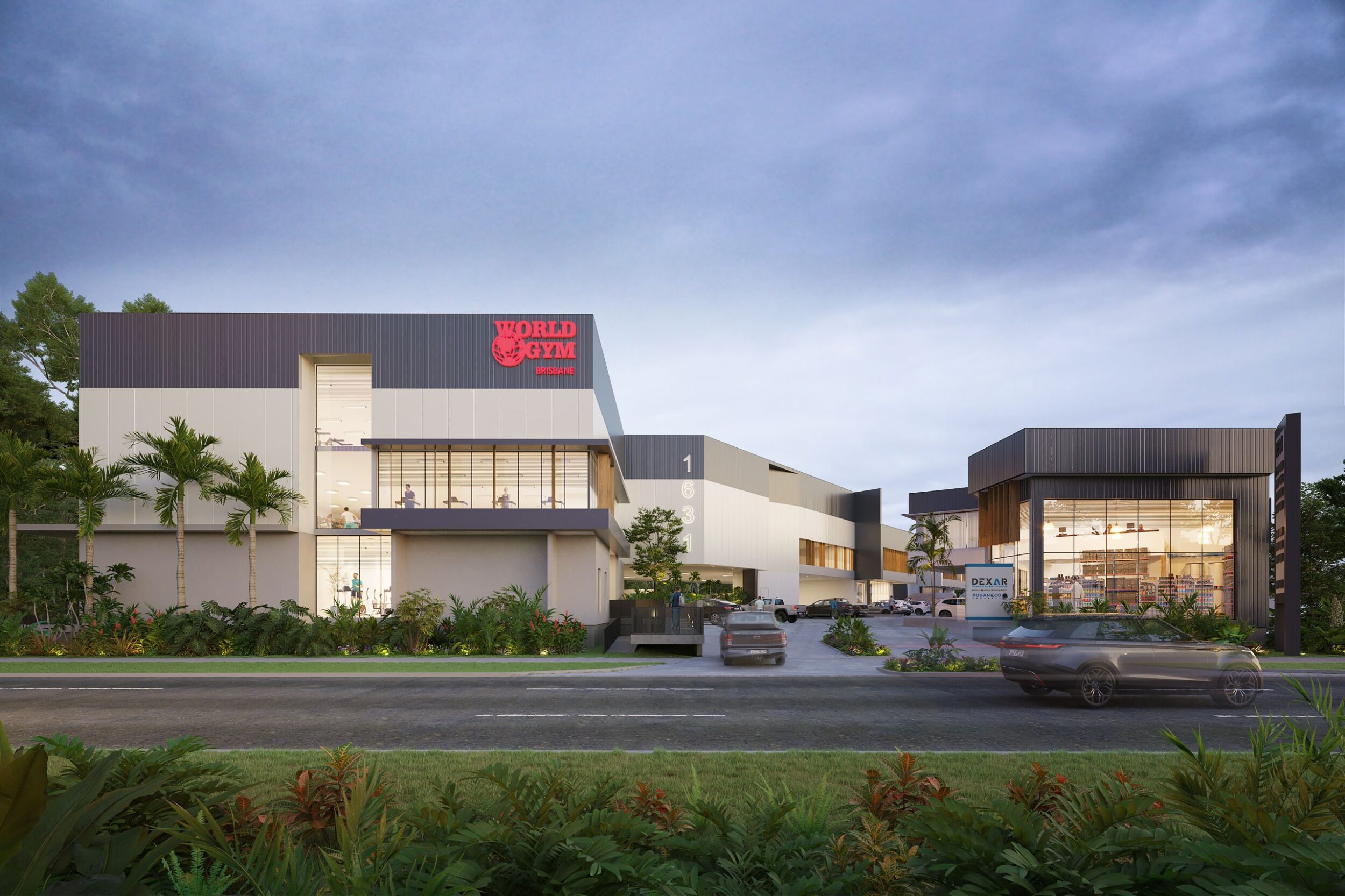
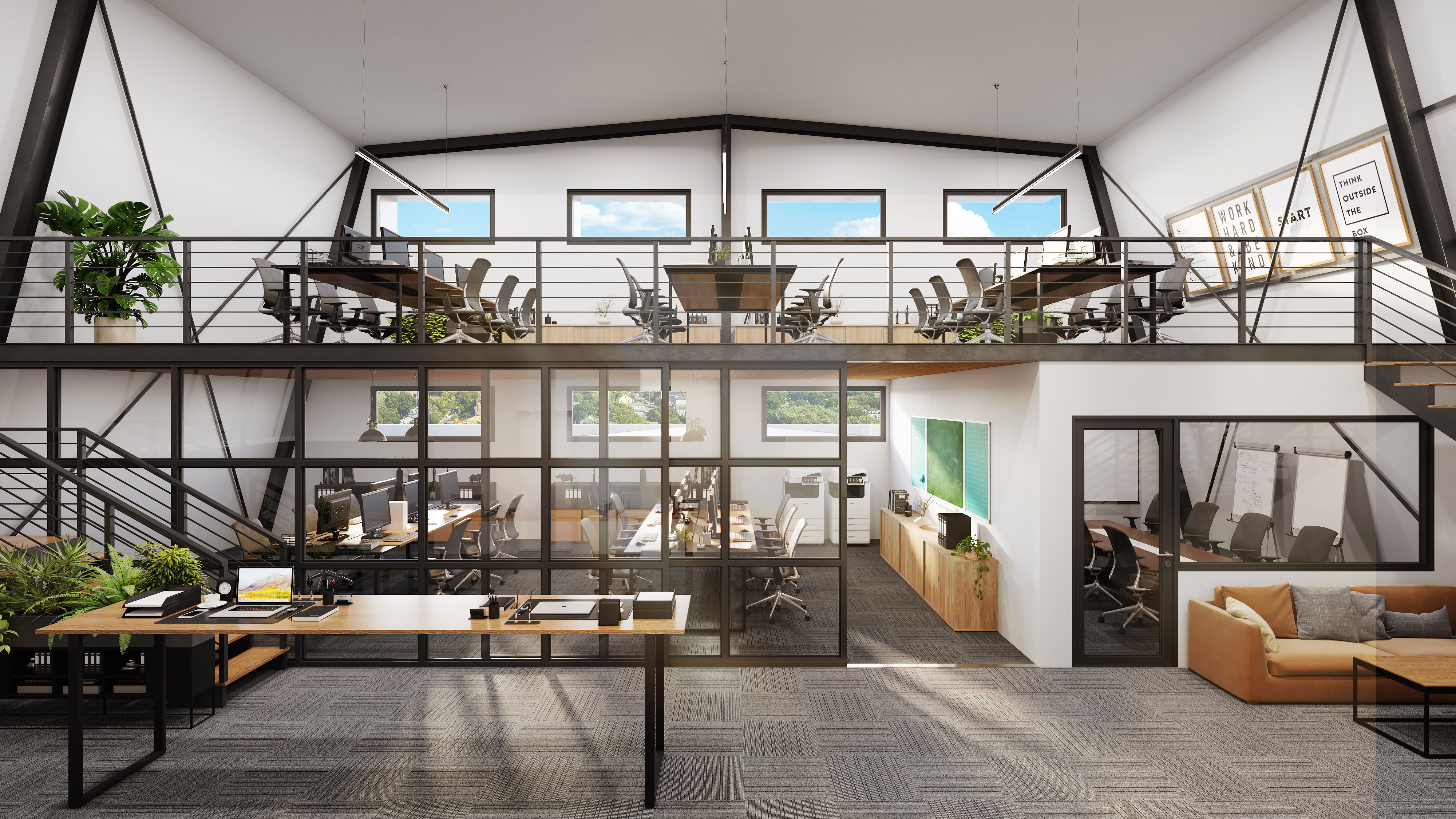
- Ground-level visuals help buyers and tenants visualise how they will use the space
- Visual assets reduce perceived risk by making the development feel real before construction
- Strong visuals support faster decision-making by removing uncertainty
Step 4: Align marketing tools and platforms
Preparation includes ensuring that everything needed to bring the project to market is ready and working together.
- Websites, brochures, and digital assets should all communicate the same message clearly and consistently
- Enquiry pathways should be simple and structured to capture and manage leads effectively
- Information should be easy to access, reducing friction during the decision-making process
- Marketing materials should be flexible enough to evolve as the project progresses
- Every touchpoint should reinforce the same positioning and level of quality
Step 5: Prepare for early engagement
Before launching publicly, the project should be ready to handle enquiry and engagement immediately. This ensures momentum is not lost.
- Be ready to respond quickly to enquiries with clear and consistent information
- Use early conversations to refine messaging and understand market response
- Identify key prospects who may engage early and prioritise those opportunities
- Create a sense of controlled access or early opportunity to build momentum
- Ensure all stakeholders are aligned on how enquiries are handled and progressed
What this means for your project
Preparation is what separates projects that gain traction immediately from those that struggle to generate interest. When a development is structured, positioned, and clearly communicated before launch, the market responds faster and with more confidence. The result is stronger enquiry, better deals, and a more efficient path to sale or lease.


 EXPLORE THE WORK