Adelaide’s commercial and industrial property market continues to strengthen, driven by defence investment, infrastructure growth, and increasing interest from interstate investors. As we move through March 2026, the city is emerging as one of Australia’s most attractive value markets, offering affordability, strong fundamentals, and growing demand across industrial and commercial sectors. With expanding northern corridors and limited industrial supply in key areas, Adelaide is positioning itself as a serious player in the national property landscape.
Defence sector driving industrial demand
Adelaide’s industrial market is heavily influenced by defence-related investment, particularly across the northern corridor. Major projects are generating demand for manufacturing, logistics, and support services.
Key demand drivers include:
- Ongoing defence contracts supporting manufacturing and industrial activity
- Growth in shipbuilding and associated supply chains
- Increased demand for warehousing and logistics infrastructure
- Expansion of supporting industries and service providers
- Long-term government investment in defence capabilities
This sector is providing a strong and stable foundation for industrial demand.
Northern corridor leading industrial expansion
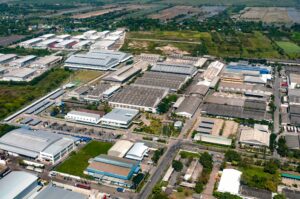
Adelaide’s northern corridor has become the focal point for industrial growth, offering large land parcels, strong infrastructure, and proximity to key defence and logistics operations.
The most active areas include:
- Edinburgh and Edinburgh Parks as major defence-linked industrial hubs
- Salisbury and Direk supporting logistics and manufacturing activity
- Burton and Waterloo Corner providing emerging development opportunities
- Wingfield as an established industrial precinct with ongoing demand
- Outer northern areas unlocking future land supply
These locations are attracting strong interest from both developers and occupiers.
Industrial affordability attracting investors
Compared to eastern seaboard markets, Adelaide offers significantly more affordable industrial property, making it attractive to both local and interstate investors. This affordability is driving increased transaction activity.
Key investor trends include:
- Growing interest from eastern states investors seeking better value
- Strong yields compared to Sydney and Melbourne
- Demand for well-leased industrial assets with stable income
- Opportunities to acquire larger sites at lower entry points
- Increasing competition for high-quality properties
This trend is contributing to upward pressure on prices across the market.
Commercial sector evolving with population growth
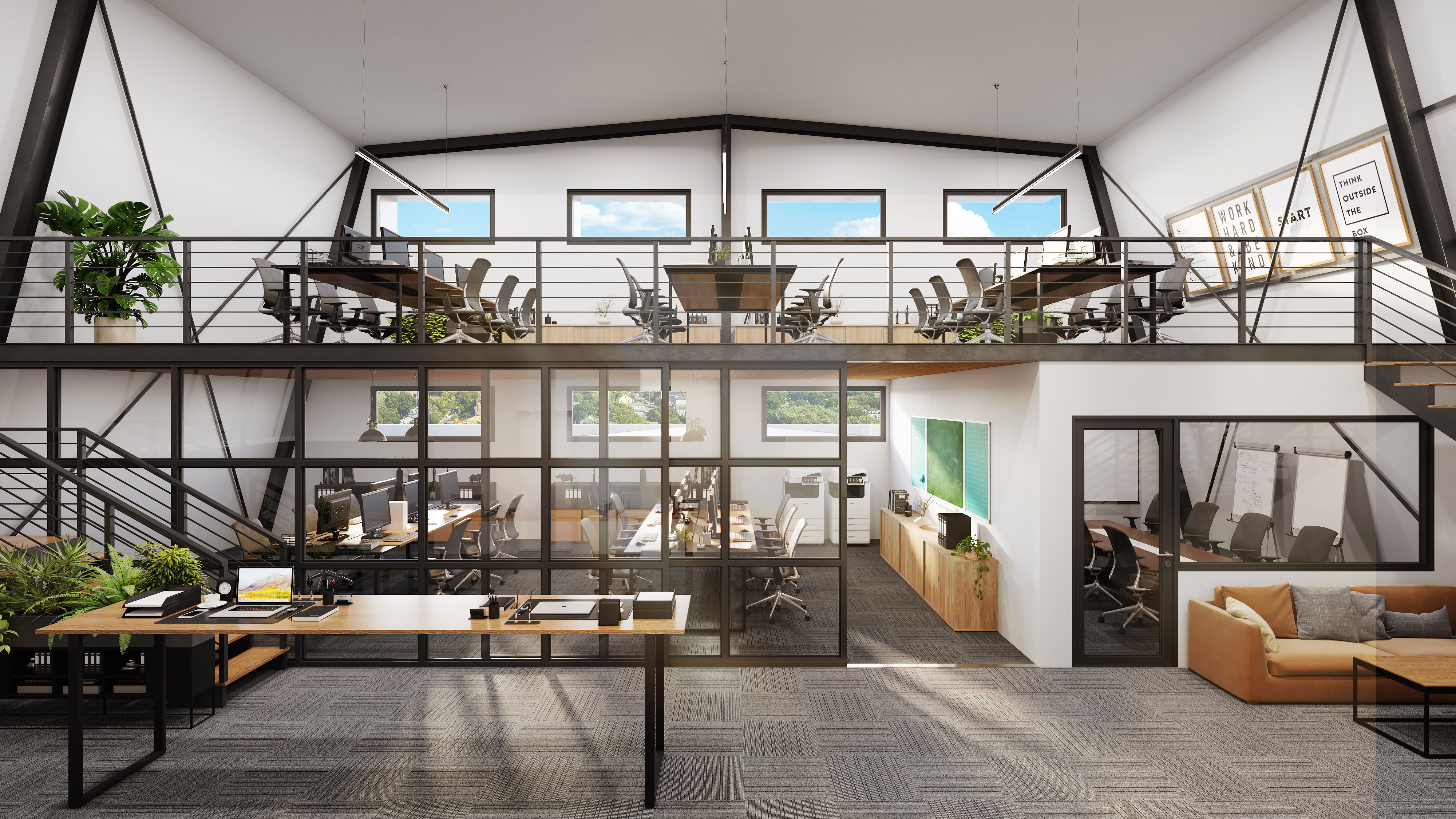
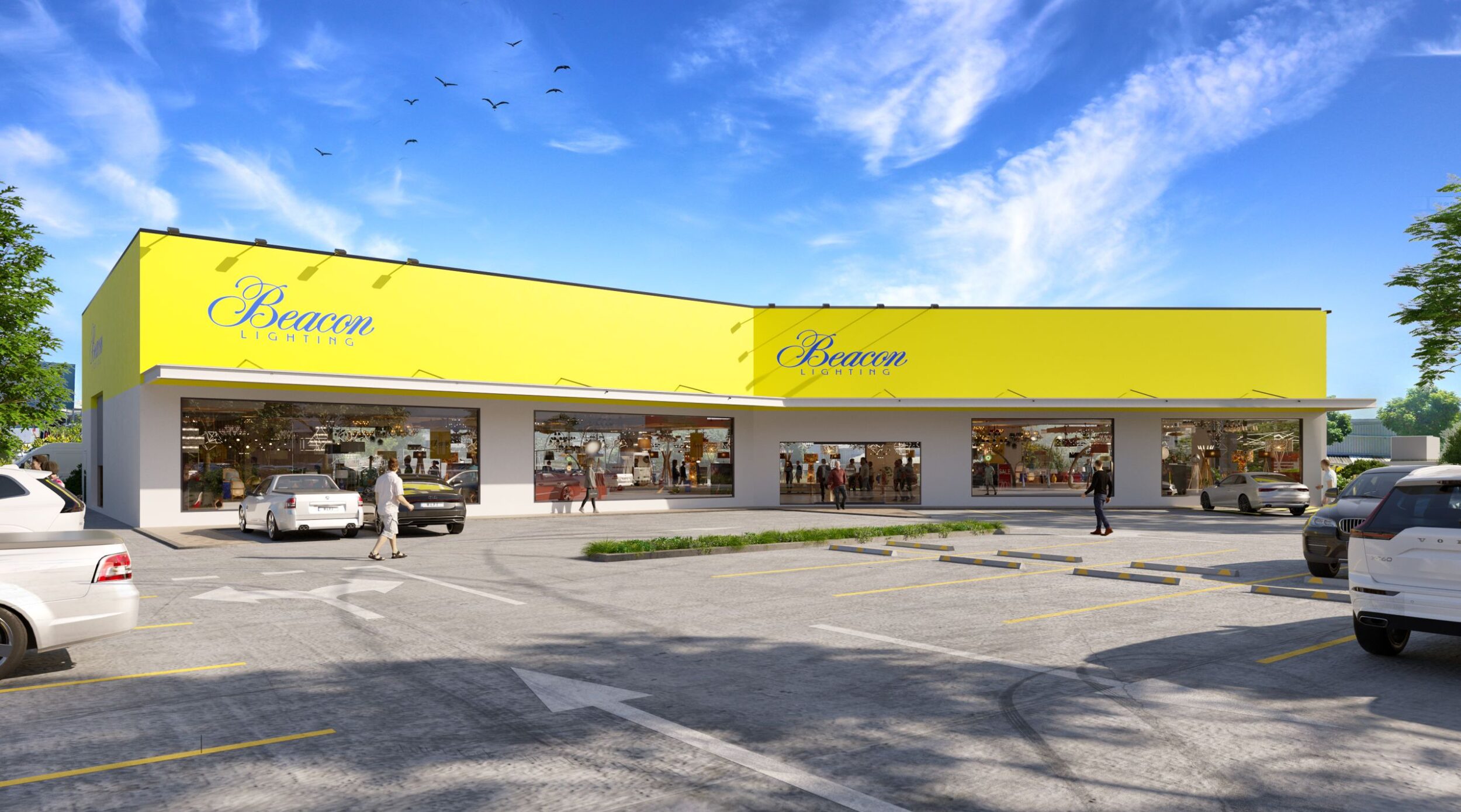
Adelaide’s commercial market is also evolving, supported by population growth and economic diversification. Office, retail, and mixed-use developments are adapting to changing tenant needs.
Key commercial trends include:
- Stable demand for office space in key business districts
- Growth in mixed-use developments across urban areas
- Retail activity supported by local population growth
- Increasing focus on suburban commercial hubs
- Investor demand for well-leased, income-producing assets
This diversification is strengthening the city’s overall commercial property market.
Infrastructure investment supporting long-term growth
Infrastructure and government investment are playing a critical role in Adelaide’s continued growth, improving connectivity and supporting development across key corridors.
Key infrastructure drivers include:
- Road and transport upgrades enhancing freight movement
- Continued investment in defence infrastructure
- Development of industrial estates aligned with growth corridors
- Expansion of utilities and services supporting large-scale projects
- Government planning initiatives supporting economic growth
These investments are reinforcing Adelaide’s long-term growth prospects.
Opportunities in emerging industrial areas
As demand continues to grow, emerging areas are providing new opportunities for development and investment. These locations offer scale, affordability, and future growth potential.
Key opportunity areas include:
- Expansion of industrial land in northern growth corridors
- Development of new estates in outer suburban areas
- Redevelopment of older industrial sites to improve functionality
- Landbanking in areas aligned with infrastructure upgrades
- Mixed-use projects integrating commercial and industrial uses
These areas are expected to play a key role in Adelaide’s future growth.
Recent transactions shaping the market
Industrial Facility, Edinburgh – $12.6 million sale
A modern industrial asset linked to defence supply chains was acquired by an investor, reflecting strong demand in Adelaide’s northern corridor.
Development Site, Direk – $8.4 million acquisition
A large industrial parcel was secured for future estate development, highlighting continued expansion in emerging precincts.
Commercial Asset, Adelaide CBD – $21.3 million sale
A well-leased office building transacted to an interstate investor, reinforcing confidence in Adelaide’s commercial sector.
How Commercial Property Marketing can help
As Adelaide continues to grow, strong project positioning is essential to stand out. We help developers and agents bring commercial and industrial opportunities to market with clarity and impact — using aerial 3D visuals, masterplans, and full campaign strategies designed to generate enquiry, secure early commitments, and accelerate results.


 EXPLORE THE WORK