Outer-ring industrial precincts are rapidly outperforming traditional inner-city markets across Australia, driven by land availability, infrastructure access, and changing occupier behaviour. As inner-city locations become increasingly constrained and expensive, businesses and developers are shifting their focus toward larger, more flexible sites in emerging corridors. This transition is reshaping the industrial landscape and redefining where long-term value is being created.
Why businesses are moving away from inner-city locations
Inner-city industrial markets have long been considered prime due to proximity to CBDs and established infrastructure. However, rising land values, limited availability, and operational constraints are pushing many occupiers to reconsider their location strategy.
Key reasons driving this shift include:
- High land costs making inner-city development financially unviable
- Limited supply of large, functional industrial sites
- Increasing congestion impacting freight and operational efficiency
- Pressure from residential encroachment and zoning changes
- Lack of scalability for growing businesses
As a result, many businesses are prioritising functionality and cost over proximity to the CBD.
The advantages of outer-ring industrial precincts
Outer-ring locations are offering a compelling alternative, providing the space, access, and flexibility required for modern industrial operations. These precincts are often purpose-built with logistics and scalability in mind.
Key advantages include:
- Availability of large land parcels suitable for modern developments
- Direct access to major motorways and freight corridors
- Lower land and development costs compared to inner-city locations
- Ability to design facilities around operational efficiency
- Reduced congestion and improved vehicle access
These benefits are making outer-ring precincts increasingly attractive to a wide range of occupiers.
Infrastructure is accelerating the shift
Major infrastructure investment is playing a critical role in supporting the growth of outer-ring industrial markets. Improved connectivity is reducing the traditional disadvantage of distance from CBDs and making these locations more viable than ever.
Key infrastructure drivers include:
- Expansion of major motorway networks improving freight movement
- Development of intermodal terminals supporting national logistics
- Upgrades to arterial roads enhancing accessibility
- Strategic planning of new growth corridors by government
- Investment in utilities and services enabling large-scale development
These improvements are unlocking new areas and supporting long-term industrial growth.
How developers are responding to changing demand
Developers are actively targeting outer-ring locations to deliver large-scale industrial estates that align with current market needs. These developments are often designed to accommodate a wide range of uses and tenant types.
Key development trends include:
- Large masterplanned estates with flexible lot configurations
- Integration of commercial and service-based uses within industrial precincts
- Design and construct opportunities for major tenants
- Increased focus on staging to manage supply and demand
- Higher quality developments to attract premium tenants
This approach allows developers to maximise land value while meeting evolving occupier requirements.
What this means for landowners and investors
The shift toward outer-ring precincts is creating significant opportunities for landowners and investors who can identify and secure sites in emerging corridors. These areas are often positioned for strong long-term growth as infrastructure and surrounding development progresses.
Key opportunities include:
- Acquiring land at lower entry points before values increase
- Landbanking in high-growth corridors with strong future demand
- Partnering with developers to unlock site potential
- Targeting sectors such as logistics, trade, and bulky goods
- Benefiting from rental growth as demand shifts outward
For those who move early, these locations can deliver substantial value uplift over time.
Recent transactions shaping the market
Yatala Industrial Site, QLD – $22 million land sale
A large outer-ring industrial parcel was acquired for future development, reflecting strong demand for well-located land in South East Queensland’s growth corridor.
Truganina Development Site, VIC – $68 million transaction
A major site in Melbourne’s western corridor changed hands to facilitate a new industrial estate, highlighting continued expansion into outer-ring markets.
Wattleup Industrial Land, WA – $35 million acquisition
A strategic landholding in Perth’s southern industrial belt was secured by a developer, reinforcing confidence in emerging precincts.
How Commercial Property Marketing can help
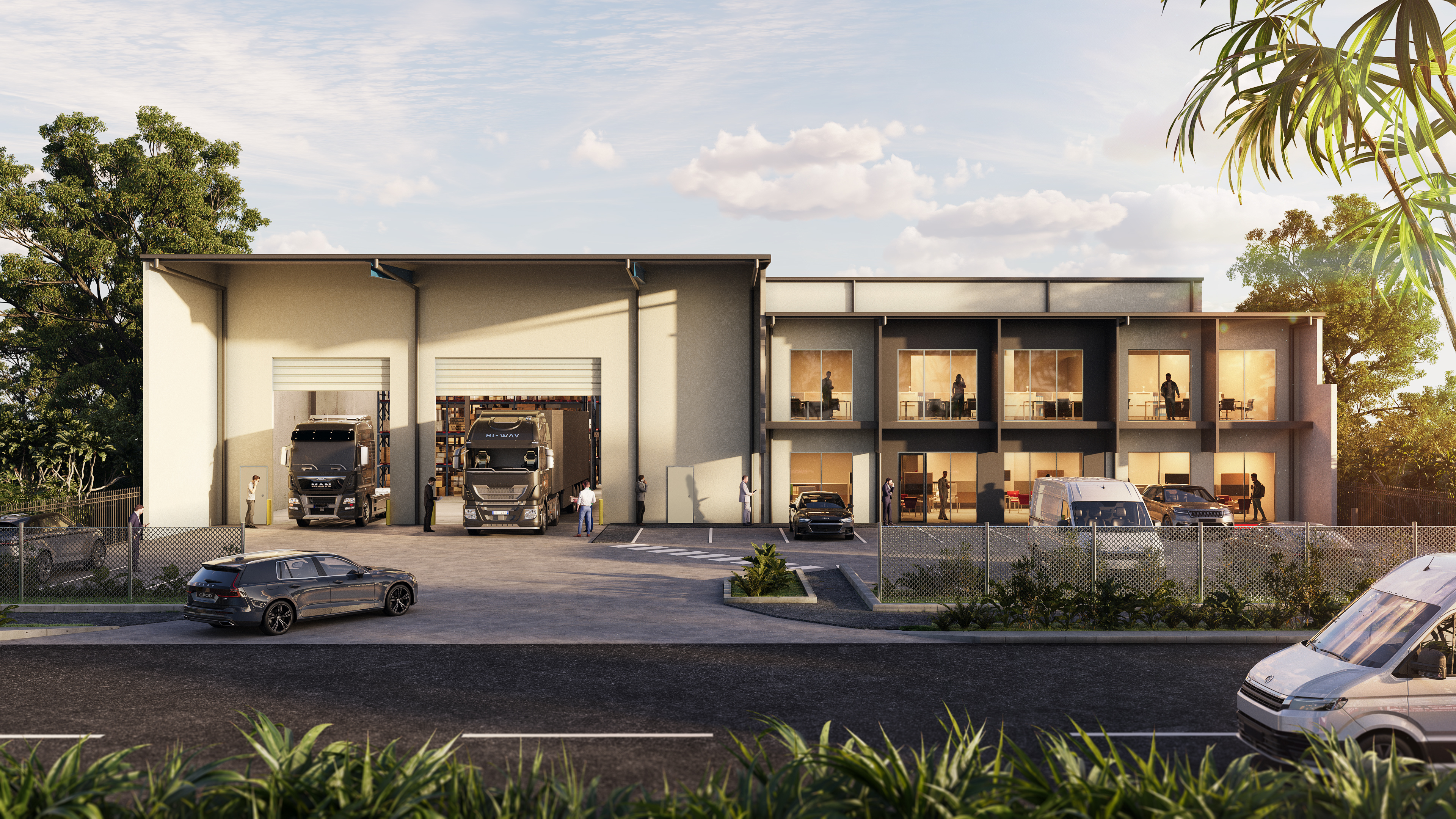
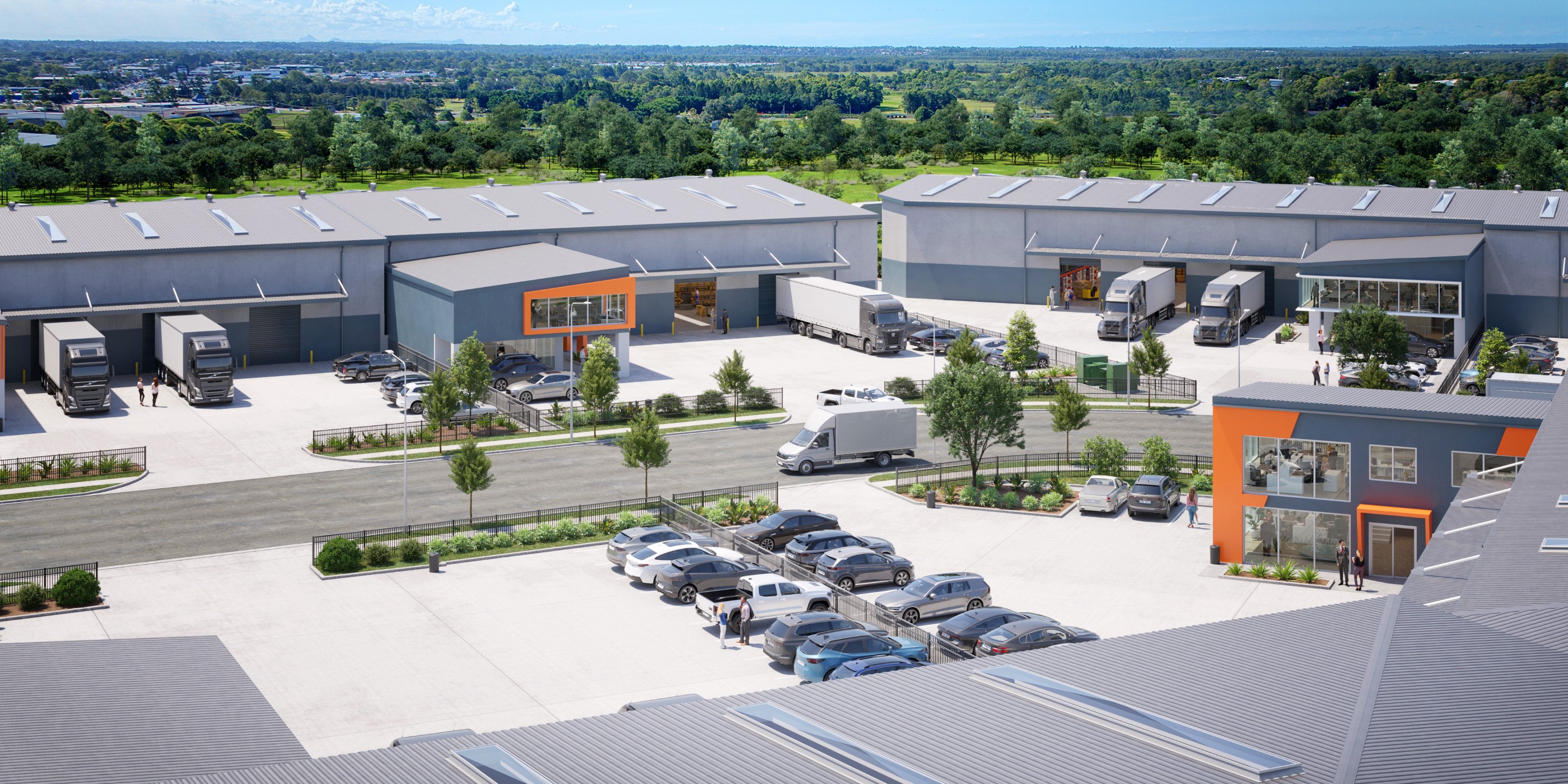
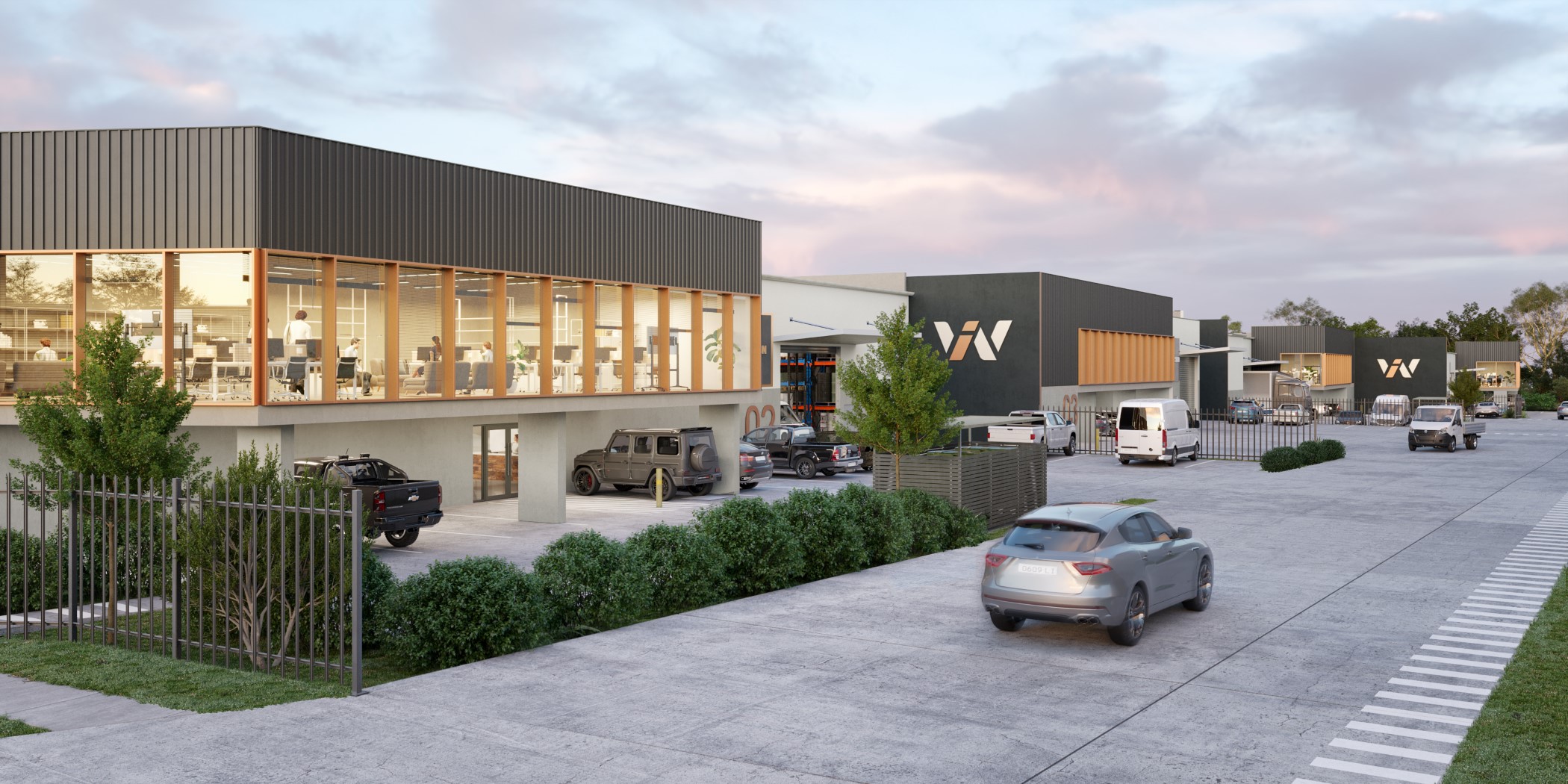
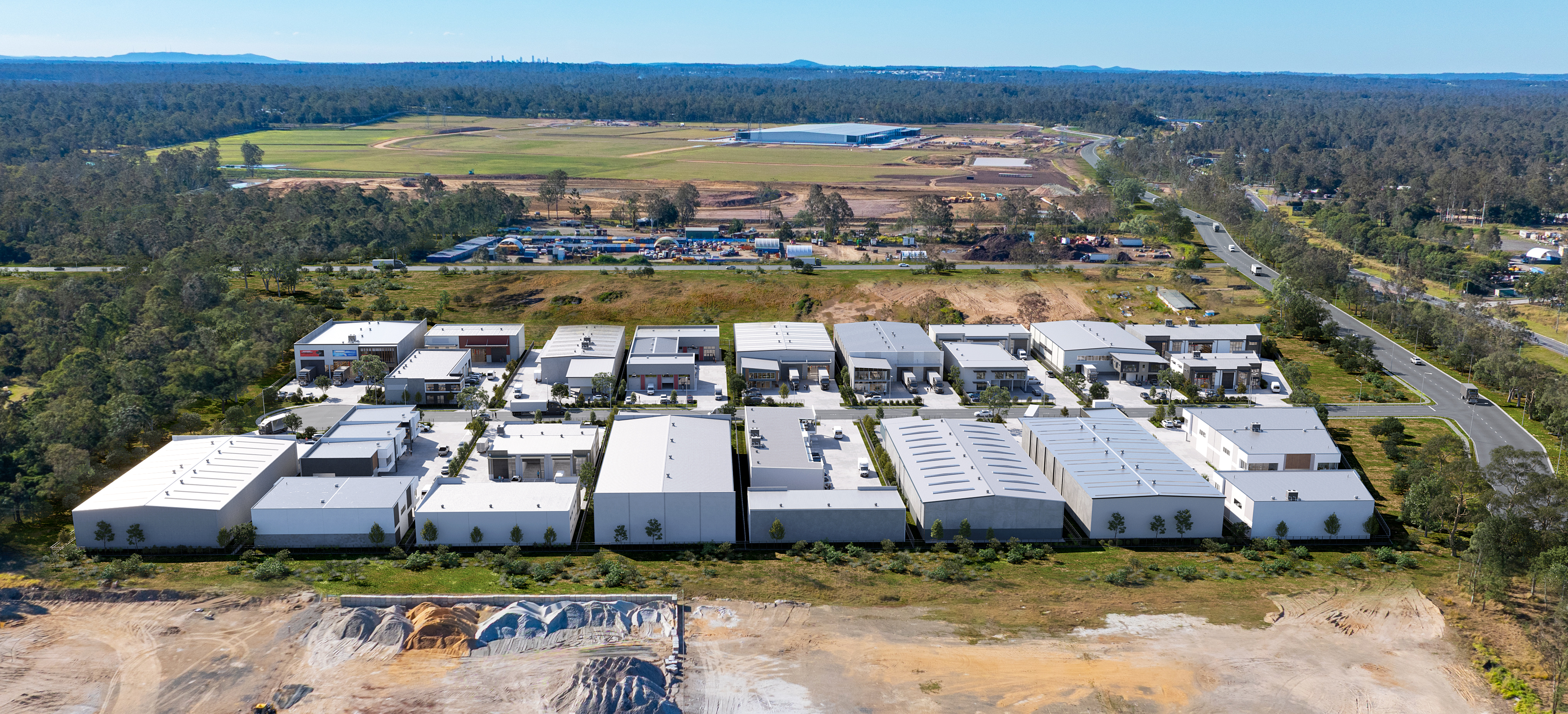
Outer-ring developments require clear positioning to communicate their long-term value and connectivity advantages. We help developers and agents bring these projects to market with clarity — using aerial 3D visuals, masterplans, and full campaign strategies that highlight location, access, and opportunity to drive strong engagement and early enquiry.

 EXPLORE THE WORK